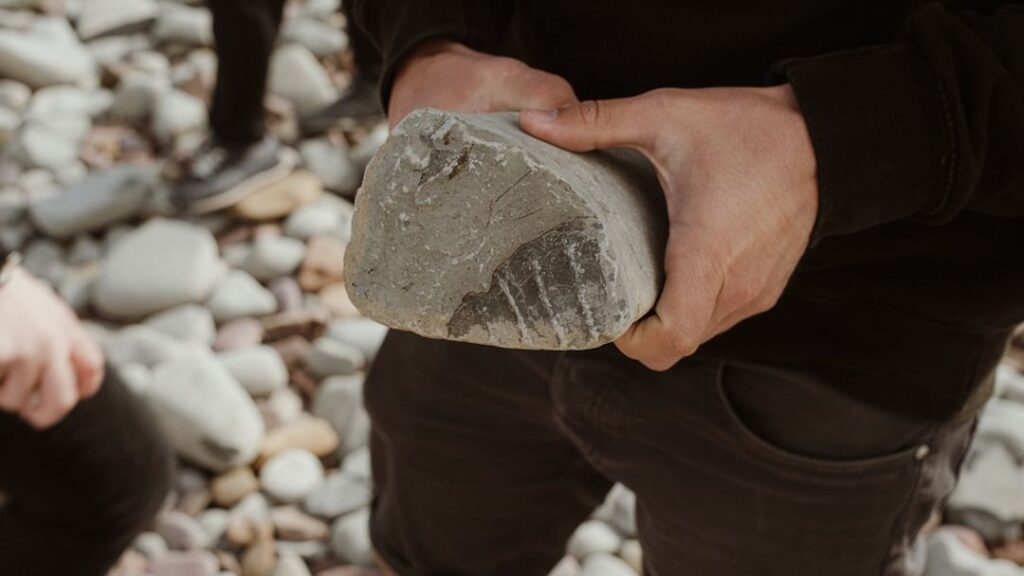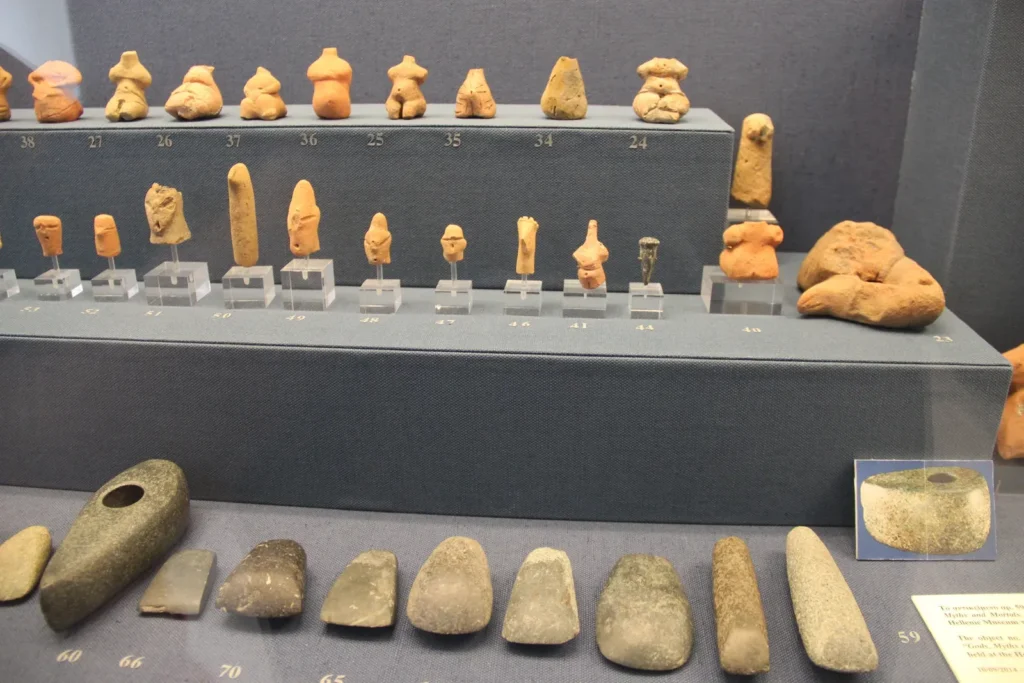
When you picture life in the Stone Age, you might imagine something brutish and primitive. Grunting figures, crude rocks, simple survival. Honestly, that picture could not be further from the truth.
The deeper archaeologists dig, the more they uncover a world of remarkable intellectual achievement. Our ancient ancestors were not stumbling blindly through existence. They were planning, adapting, innovating, and doing it all with nothing but rock, bone, and sheer ingenuity. What you are about to discover might genuinely change the way you think about the very origins of human intelligence. So let’s dive in.
1. The Oldowan Chopper: Humanity’s First Swiss Army Knife
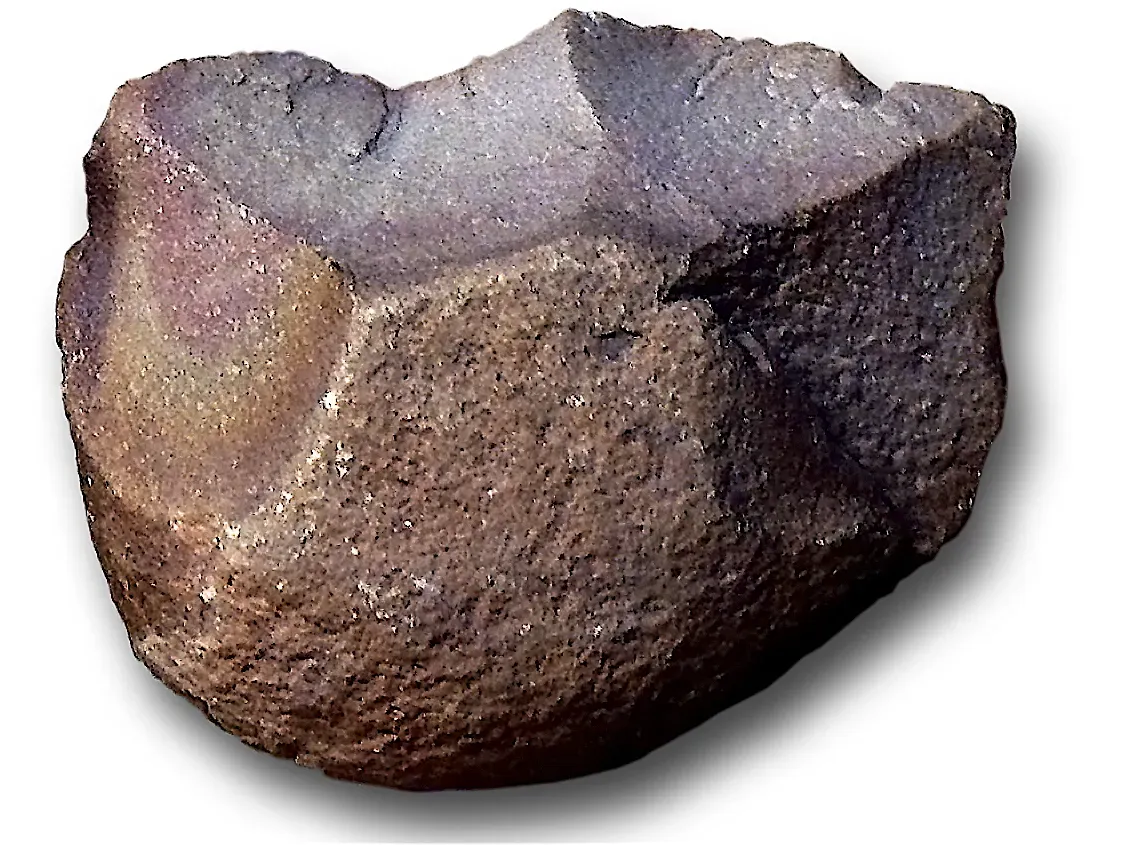
You might find it hard to get excited about a chipped rock. But here is the thing – the Oldowan chopper is arguably the single most revolutionary invention in the entire history of our species. A study published in Nature Communications revealed astonishing evidence of this long-lived technological tradition, uncovering one of the earliest and most enduring records of Oldowan stone toolmaking at the Namorotukunan Site in Kenya’s Turkana Basin, dating between roughly 2.75 and 2.44 million years ago. When you hold that timeline in your head, it nearly breaks your brain.
These ancient implements, essentially the first multi-purpose tools made by hominins, show that our ancestors not only adapted to extreme change but prospered during one of Earth’s most unstable eras. Analysis of wear patterns on stone tools found at related sites showed that they had been used to cut, scrape, and pound both animals and plants. One tool. Multiple tasks. That is not primitive thinking – that is the seed of every multi-purpose gadget you have ever used.
2. The Acheulean Handaxe: A Million-Year Masterpiece
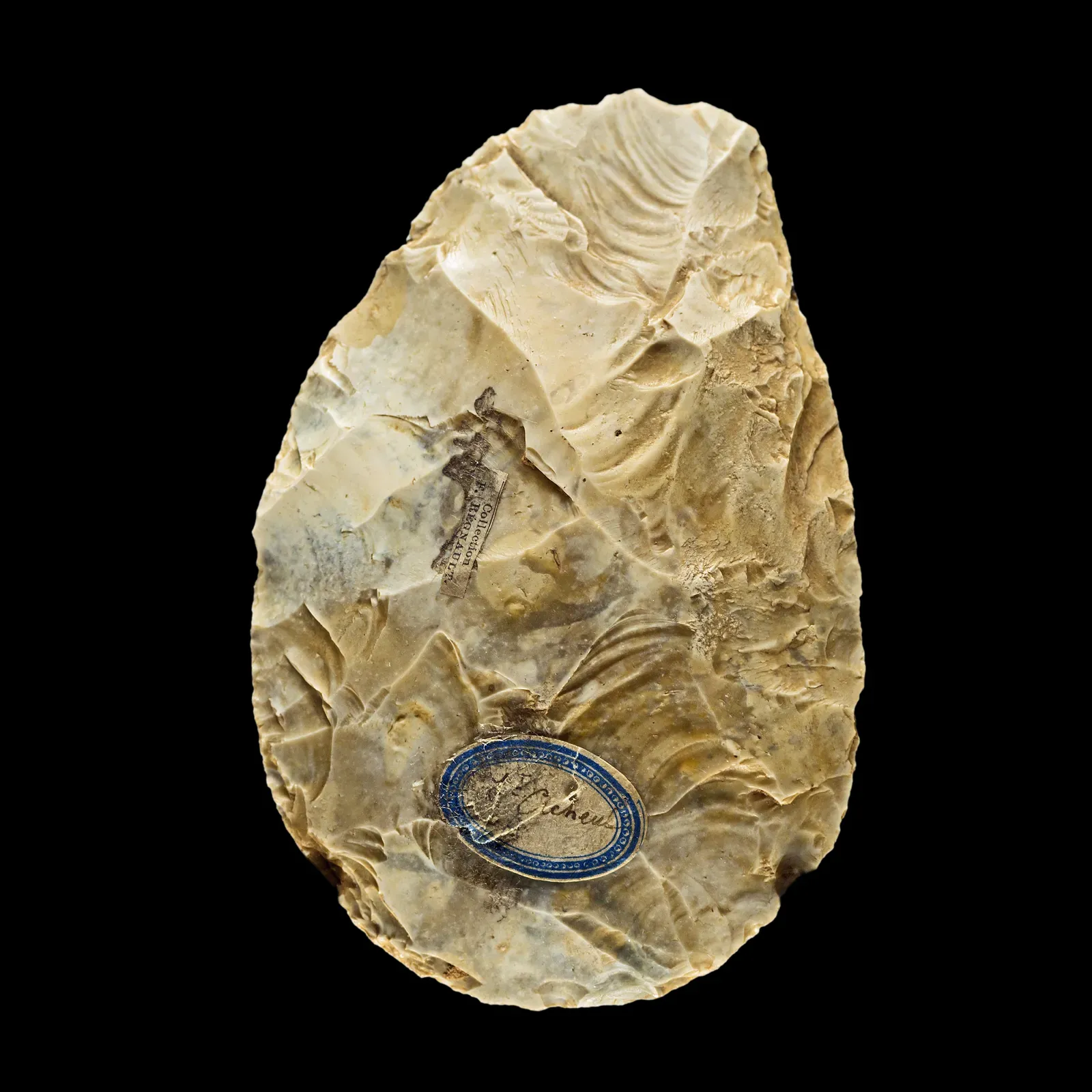
Acheulean technology is best characterized by its distinctive stone handaxes. These handaxes are pear-shaped, teardrop-shaped, or rounded in outline, usually 12 to 20 cm long, and flaked over at least part of the surface of each side. Think about that the next time you marvel at modern design. Someone shaped stone into a near-perfect ergonomic form two million years ago without a blueprint, a workshop, or a single YouTube tutorial.
Acheulean stone tools are the products of Homo erectus, a closer ancestor to modern humans. Not only are the Acheulean tools found over the largest area, but the tradition is also the longest-running industry, lasting for over a million years. The earliest known Acheulean artifacts from Africa have been dated to 1.6 million years ago. A design that lasted over a million years? I think even Apple would be impressed by that kind of product longevity.
3. The Levallois Technique: Precision-Engineered Stone
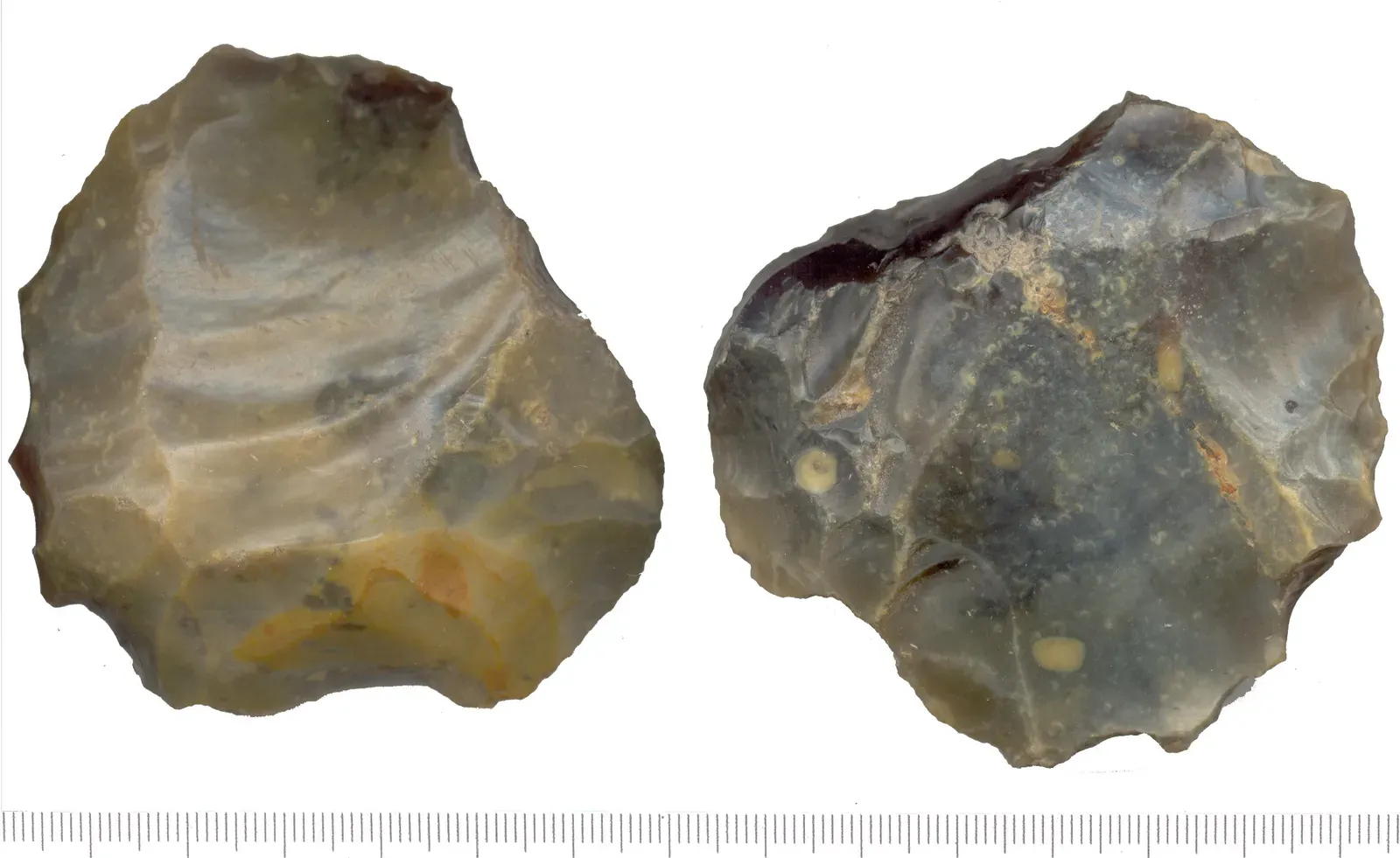
Tools produced using the Levallois technique involved carefully preparing a stone core before striking it to produce flakes of predetermined shape and size. This technique allowed for the creation of specialized tools, such as scrapers, points, and even hafted spears. The Mousterian tradition reveals the versatility and adaptability of early humans in using stone tools for various tasks. You are essentially looking at Stone Age pre-planning, a mental blueprint executed before a single blow was struck.
Despite the simplicity of early stone tools, they still showcase a deliberate and controlled way of fracturing rock by using percussive blows – something which highlights a definite behavioral innovation. What makes the Levallois approach so jaw-dropping is not the finished product alone – it is the process. The toolmaker had to visualize the final shape before creating it. That is abstract thinking. That is creativity. That is something we do not usually associate with people who lived before written language existed.
4. Hafted Composite Tools: The Birth of Engineering
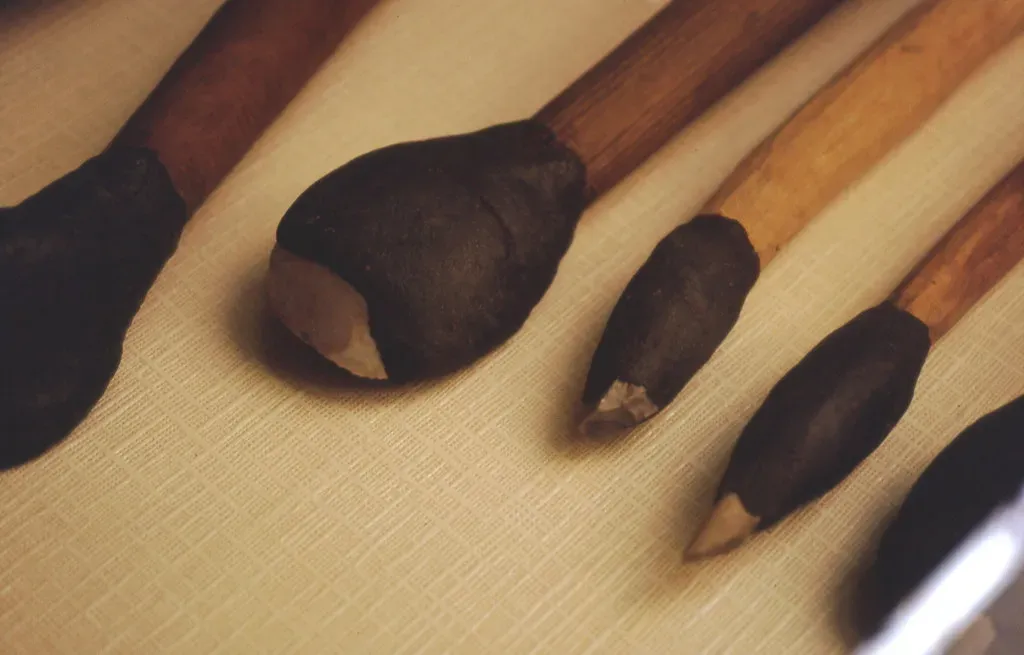
One of the most remarkable archaeological discoveries in recent years was evidence of hafted stone tools, representing the earliest known composite tools in East Asia. These tools combined stone elements with handles or shafts. Such designs required careful planning, skilled workmanship, and an understanding of how tool performance could be improved by combining materials. The findings indicate a sophisticated approach to technology rather than simple or static traditions. You are essentially looking at the world’s first modular design philosophy.
Excavations at the Xigou site in central China reveal advanced stone tools, including the earliest known examples of tools fitted with handles in East Asia, dating back as far as 160,000 years. These discoveries show that ancient populations in the region carefully planned, crafted, and adapted their tools to meet changing environments. Think about what combining a sharp stone edge with a wooden handle actually means – it is leverage, it is force multiplication, it is physics. These people were not fumbling with rocks. They were solving problems.
5. Microliths: When Ancient Humans Went Small to Go Far
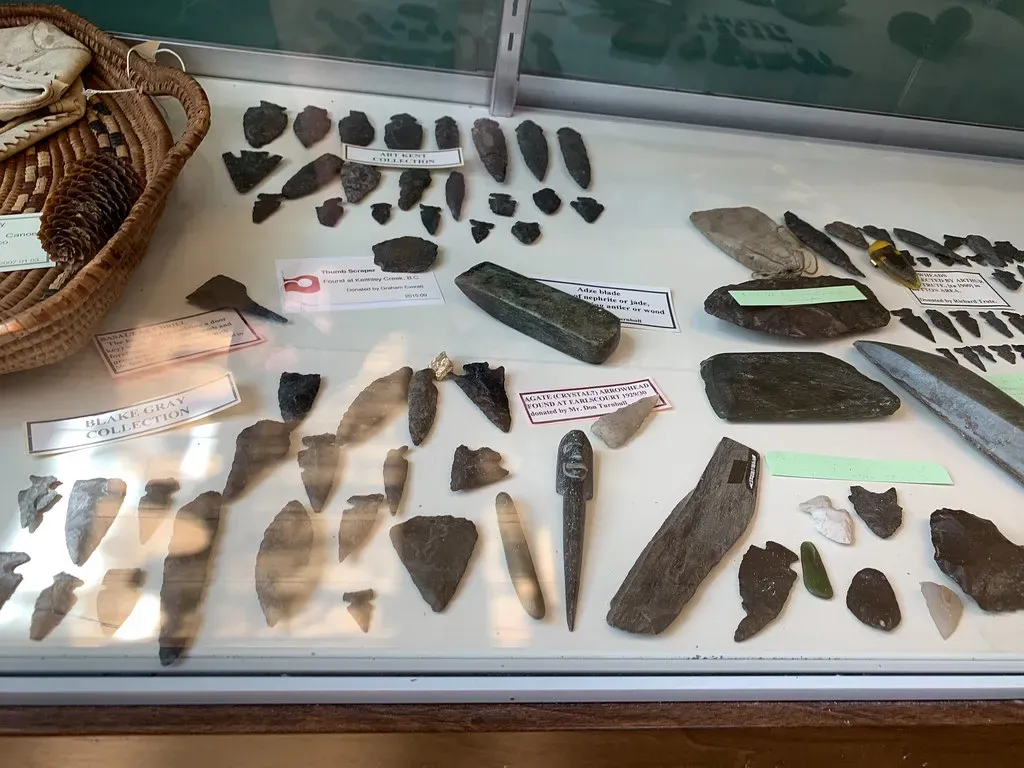
Here is something that might genuinely surprise you. Just as tiny transistors transformed electronics a few decades ago, and scientists are now challenged to make them even smaller, our Stone Age ancestors felt the same urge to make tiny tools. The miniaturization instinct that drives modern technology? It is millions of years old. Miniaturization is considered a central tendency in hominin technologies going back at least 2.6 million years.
Microliths were used to form the points of hunting weapons, such as spears and arrows, and are found throughout Africa, Asia, and Europe. They were utilized with wood, bone, resin, and fiber to form a composite tool or weapon, and traces of wood to which microliths were attached have been found in Sweden, Denmark, and England. An average of between six and eighteen microliths may often have been used in one spear or harpoon. That is modular. Replaceable. Efficient. It is the prehistoric equivalent of a snap-on blade system.
6. The Atlatl or Spear-Thrower: Stone Age Rocket Science

If you have ever wondered how our ancestors hunted animals the size of woolly mammoths with nothing but handheld weapons, the atlatl is your answer. The throwing arm together with the atlatl acts as a lever. The spear-thrower is a low-mass, fast-moving extension of the throwing arm, increasing the length of the lever. This extra length allows the thrower to impart force to the dart over a longer distance, thus imparting more energy and higher speeds. That is pure physics, understood and applied tens of thousands of years before Newton wrote a single word about it.
A spear-thrower can readily impart speeds of over 150 km/h to a projectile. Spear-throwers appear early in human history in several parts of the world and have survived in use in traditional societies until the present day. Their hunting technology was not merely a means of survival – it was a testament to a deep understanding of physics, material science, and animal behavior. Let’s be real: designing a tool that multiplies your force output through lever mechanics, without any formal schooling, is breathtaking.
7. Bone Needles: The Invention That Clothed Civilization
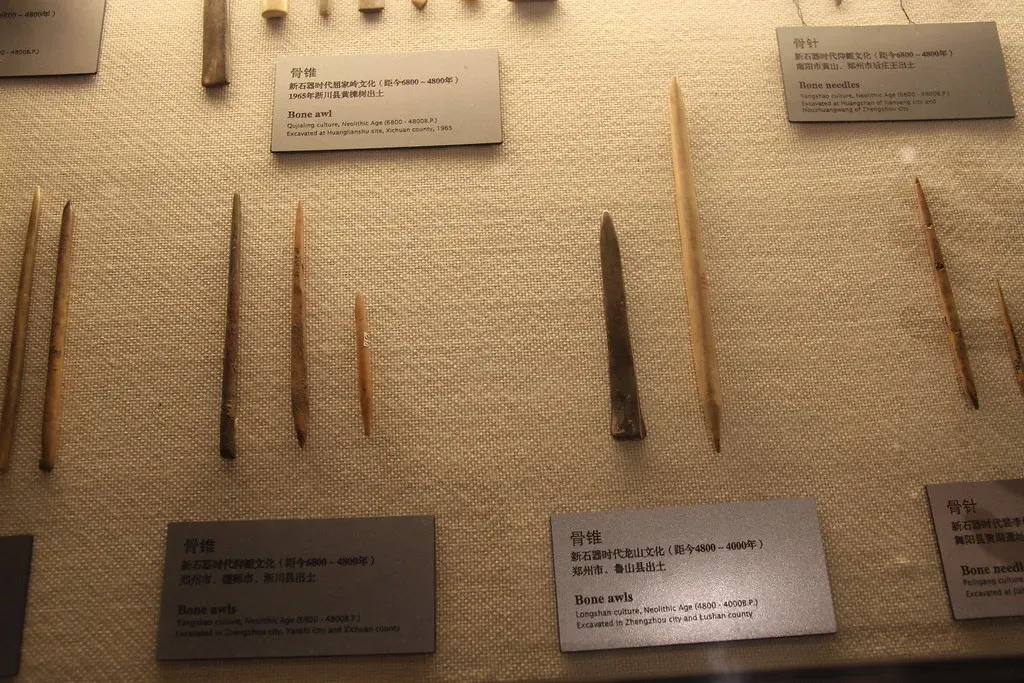
Of all the tools on this list, the bone needle might be the one most responsible for the survival of our species in extreme climates. The emphasis in the Late Palaeolithic shifted away from stone to artifacts made from materials such as bone, antler, and ivory. Needles and points were made from this non-lithic material, and their presence indicates that sewn clothes must have been the norm from 20,000 years ago onward. Without tailored clothing, humans simply could not have survived the cold extremes of Ice Age Europe or northern Asia.
A burin – a chisel-like tool – was used to manufacture bone and antler needles. The burin would be used to make parallel tracks in bone and antler, and the toolmaker would then remove this blank and create an eye in it to make it into a functional needle. Think about that process for a moment. First, you craft a specialized tool specifically to make another tool. Then you use that second tool to produce garments. During the Later Stone Age, the pace of innovations rose. People experimented with diverse raw materials including bone, ivory, and antler, as well as stone, and the level of craftsmanship increased. That layered thinking – tools making tools – is a cognitive leap that still deserves our complete amazement.
The Stone Age Was Anything But Simple
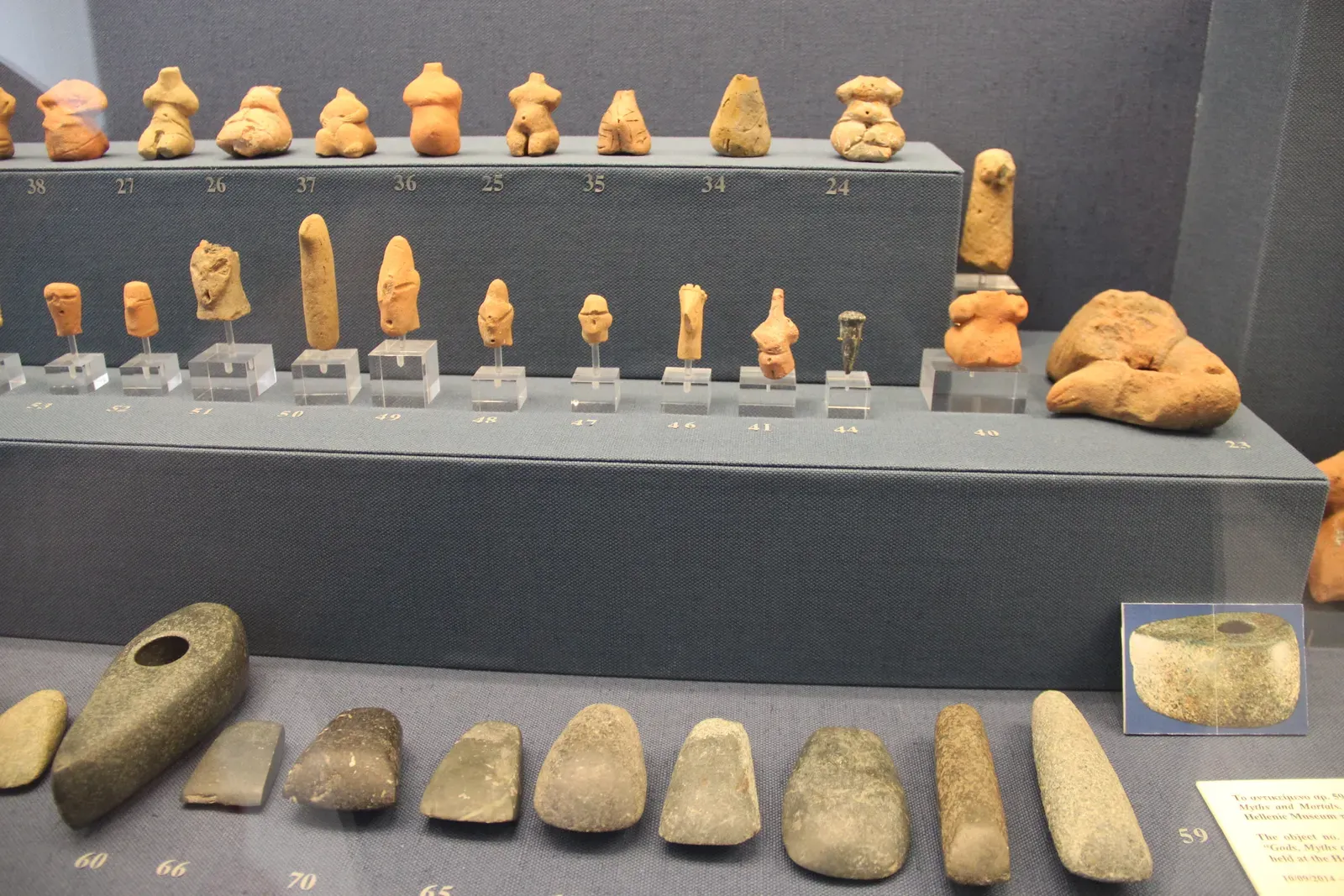
Looking back at these seven tools, one thing becomes utterly clear: the Stone Age was not a period of stagnation. It was the longest, most sustained run of human innovation in history. The Stone Age covers around 99% of our human technological history. Nearly everything we have achieved since – metallurgy, engineering, precision manufacturing – rests on the foundation these early inventors laid one carefully struck flint at a time.
These ancient artifacts not only showcase the ingenuity and adaptability of early humans but also highlight the diversity and complexity of their cultural practices. From the first Oldowan chopper to the elegantly engineered bone needle, you are looking at a continuous, unbroken thread of human problem-solving that stretches back millions of years. Early hominins crafted tools with impressive precision and consistency, and their enduring designs show that knowledge and technique were passed down for countless generations, forming a legacy of skill and innovation.
The next time someone dismisses ancient humans as primitive, you now know better. These were thinkers, planners, engineers, and survivors who laid the groundwork for everything you see around you today. What surprises you most – that they were doing this millions of years ago, or that it took us this long to realize it? Tell us what you think in the comments.