
If you grew up thinking dinosaurs vanished in some dramatic asteroid finale, you only got half the story. The wild twist is that many of their closest relatives never left – they just traded Hollywood-blockbuster jaws for slightly better branding and more modest outfits of feathers, scales, and shells. Some of them strut across city sidewalks, some drift through oceans like ancient spaceships, and others glare at you from swampy rivers as if they remember when your ancestors were tiny furry snacks.
When I first learned that a pigeon is more closely related to T. rex than a lizard is, it honestly broke my brain a little. It changes how you look at every bird, every crocodile eye peering from murky water, every slow-blinking turtle basking in the sun. In a way, we’re living in the sequel to the age of dinosaurs – same universe, new cast. Let’s meet seven modern animals that are, for all practical purposes, living dinosaurs with a much better PR team.
Crocodiles: The Grumpy Movie Villains That Outlived Their Co‑Stars
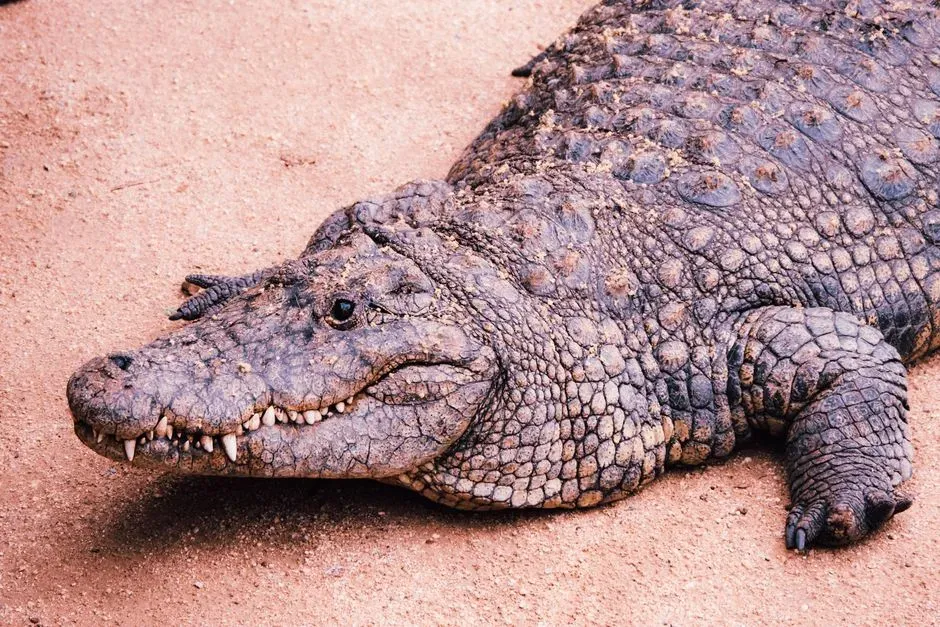
Crocodiles are the obvious pick, and they know it. These animals belong to a group called archosaurs, which also includes non-avian dinosaurs and modern birds, and their basic body plan has barely changed since the time of T. rex. Fossils of crocodile relatives from more than two hundred million years ago look shockingly familiar: long armored bodies, powerful tails, and that same cold, unimpressed stare that says they have seen it all and they were not impressed even then.
What makes crocodiles feel so dinosaur-like is not just the way they look, but the way they live. They are ambush predators with a metabolism that allows them to go long stretches without eating, and they can survive in environments that would break more delicate animals. I always think of crocodiles as the “slow and steady wins 200 million years” strategy: while flashier species burned bright and died out, the crocs kept a low profile at the water’s edge and quietly survived mass extinctions.
Birds (Especially Ratites): Actual Dinosaurs Hiding in Plain Sight
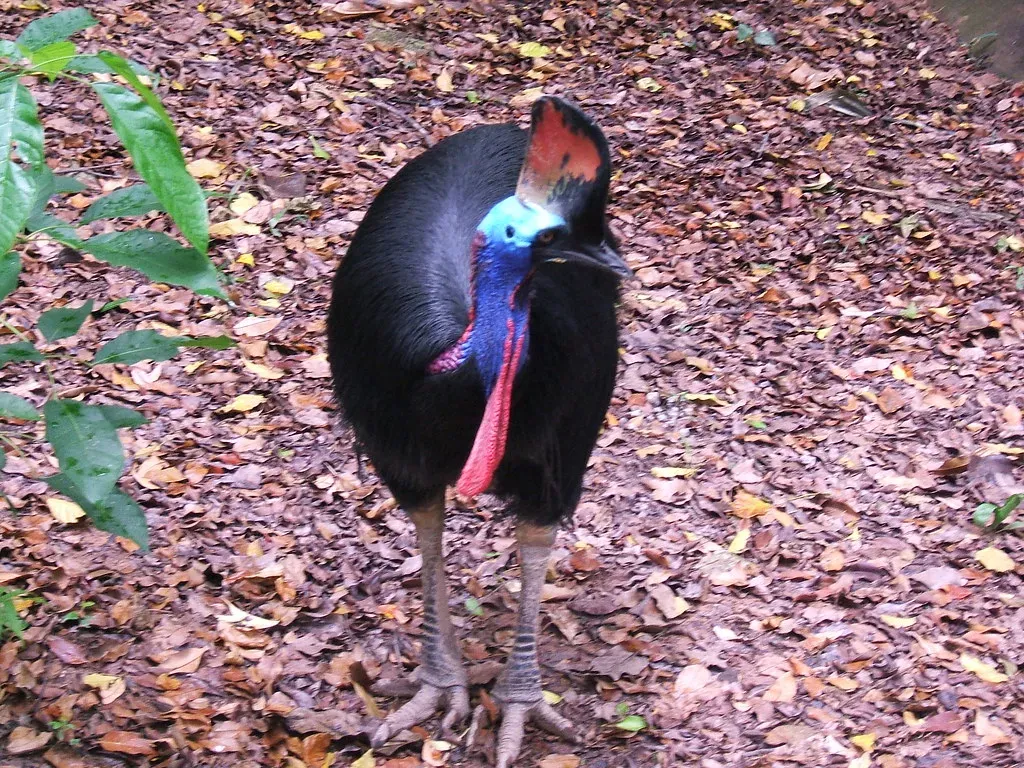
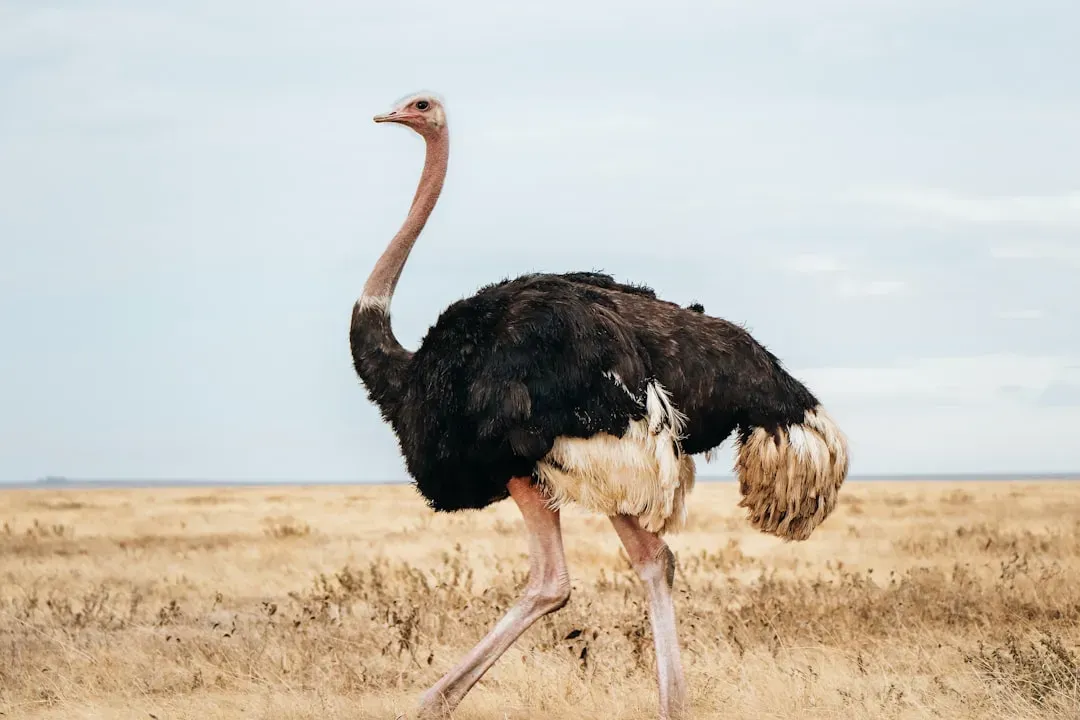
Here’s the mind-bender: scientifically speaking, birds are dinosaurs. Not “like” dinosaurs, not “descended from” dinosaurs in a distant, vague way – they are literally the only surviving dinosaur lineage. Large flightless birds like ostriches, emus, cassowaries, and rheas, known as ratites, make that family connection especially obvious. Watch an ostrich run and tell me it doesn’t look like a two-legged dinosaur that simply swapped claws for a better manicure.
These birds share features with their extinct cousins: strong hind limbs, three-toed feet, air-filled bones, and in some cases even clawed wings when they’re young. Cassowaries, with their bony head crests and intense gaze, look like someone tried to reconstruct a Velociraptor from memory and got distractingly close. Next time you see a chicken scratching around a backyard, remember you’re looking at the scruffy, small-town cousin of the mighty theropods that once ruled the planet.
Alligators: The Suburban Crocs With Deep-Time Credentials
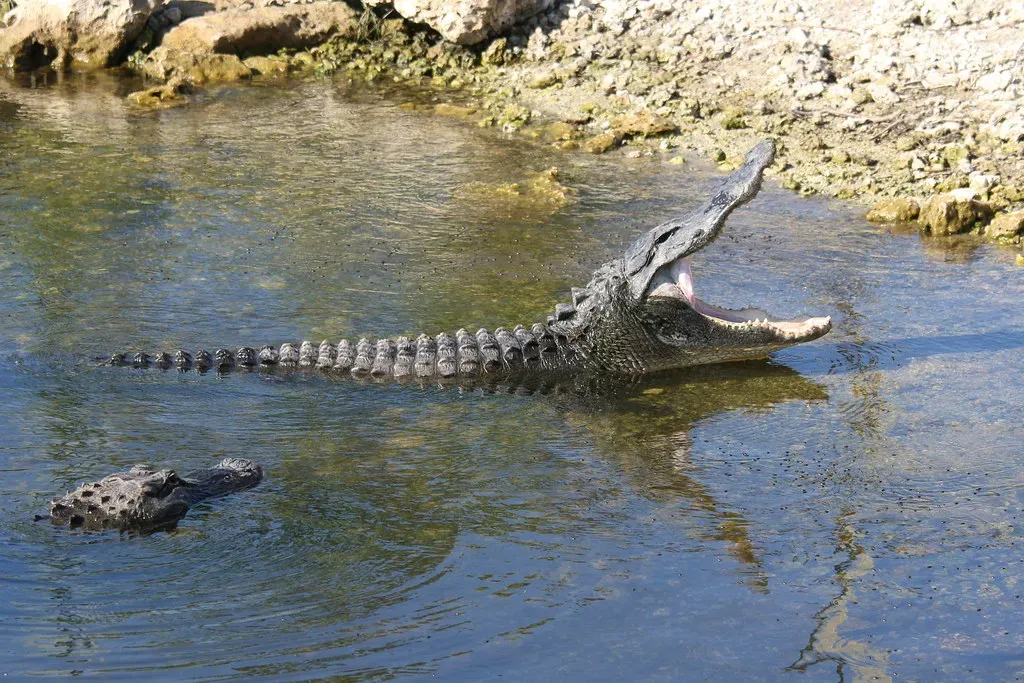
Alligators often get lumped in with crocodiles, but they deserve their own spotlight in the dinosaur-adjacent hall of fame. Like crocodiles, they are archosaurs whose ancestors cruised through the Mesozoic era, evolving sturdy bodies, semi-aquatic habits, and a jaw structure built for bone-crunching power. Modern alligators may look a bit more “domesticated” to some people simply because we see them more often in news clips and roadside ponds, but that’s pure optics.
When you watch an alligator glide silently through murky water, only eyes and nostrils visible, you are seeing a hunting style that has worked for tens of millions of years. They can slow their heart rate, hold their breath for a remarkably long time, and wait motionless until the perfect moment to strike. I’ve stood on a boardwalk over a swamp in the U.S. South and had the unnerving feeling that I was a tourist in their timeline, not the other way around.
Tuataras: The Quiet Relics From a Lost Reptile Chapter
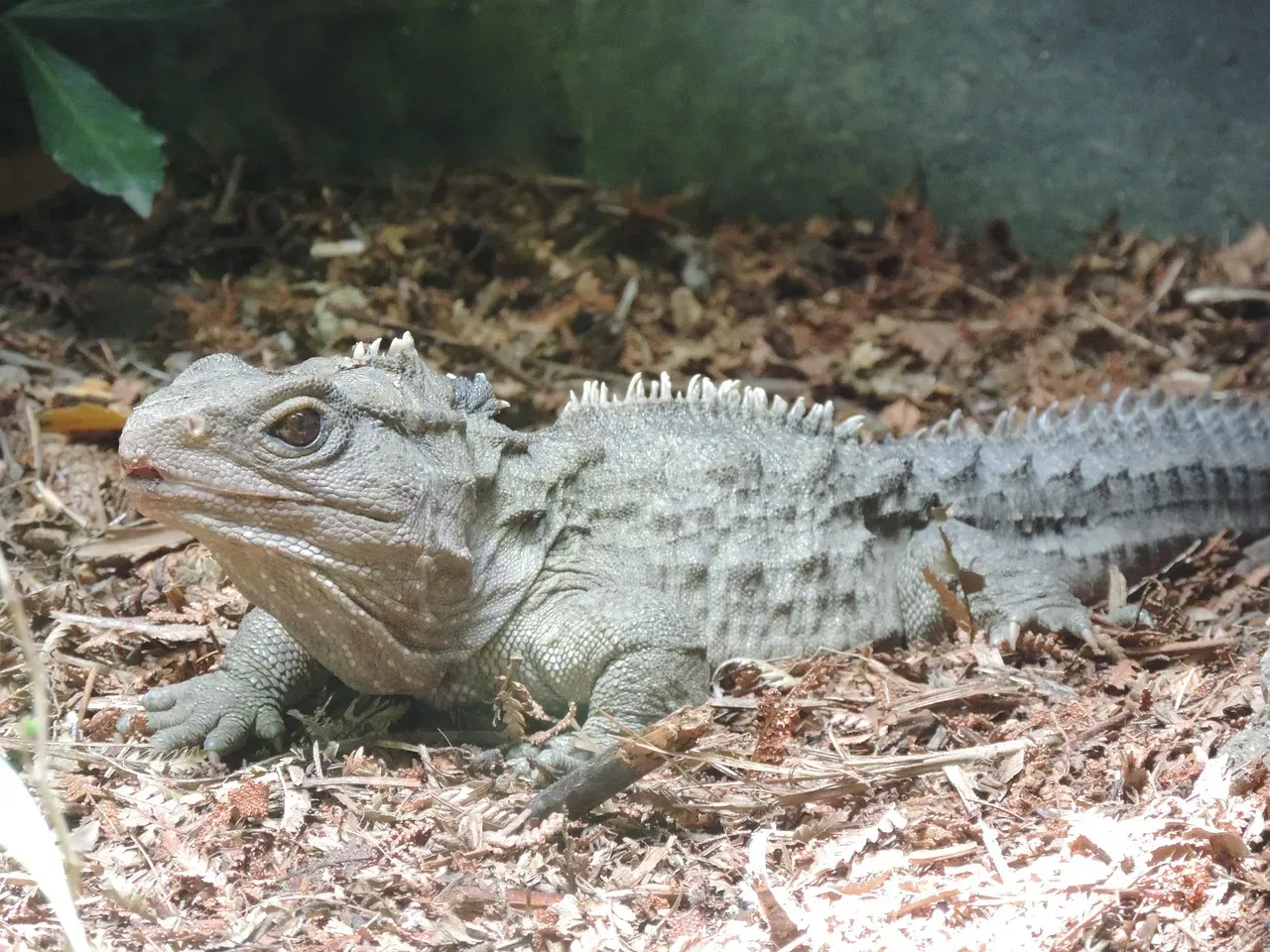
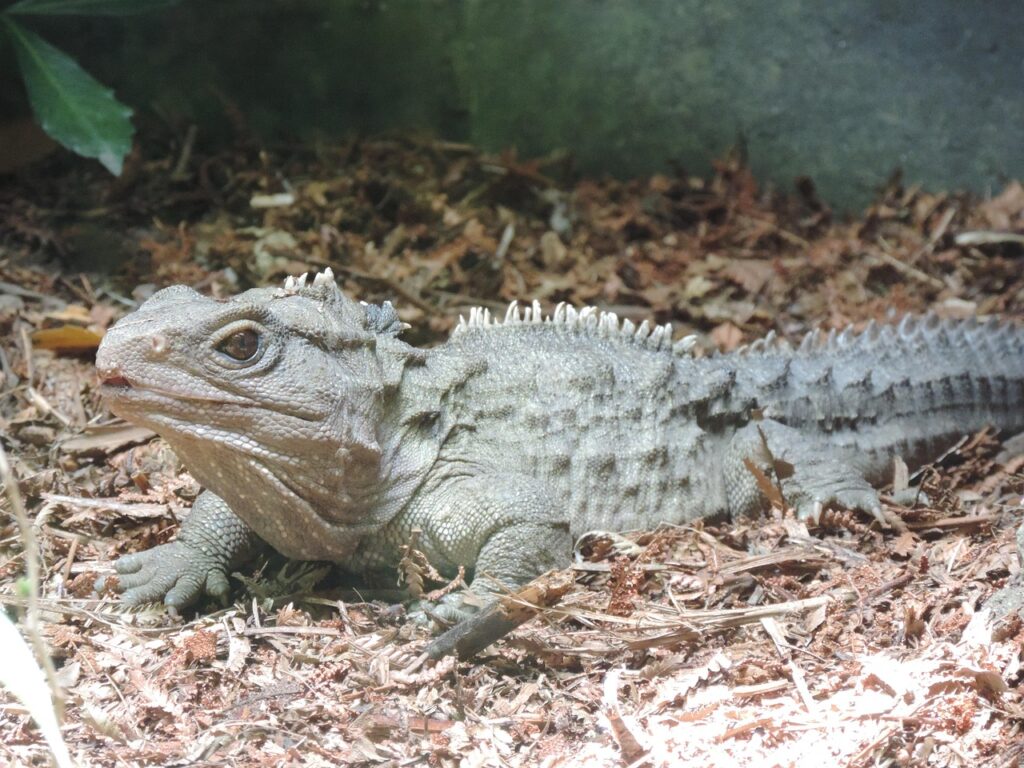
Tuataras are the introverts of the dinosaur-adjacent world: rare, quiet, and clinging to survival on a handful of islands in New Zealand. They are not lizards, though they superficially resemble them; instead, they belong to a distinct ancient group called rhynchocephalians that was once widespread during the age of dinosaurs. Most of their relatives vanished, but the tuatara somehow slipped through the cracks of extinction, leaving this one species as a sort of living historical footnote.
What makes tuataras feel especially ancient is their biology. They grow incredibly slowly, can live for well over a century, and keep reproducing at ages when most mammals would be long gone. They even retain a “third eye” on the top of their head when they are young – a light-sensitive organ that gets covered by scales as they mature. If crocodiles are the blockbuster stars of the deep past, tuataras are the dusty but priceless art-film that only dedicated fans know exists.
Horseshoe Crabs: Ancient Armor Plated Time Travelers
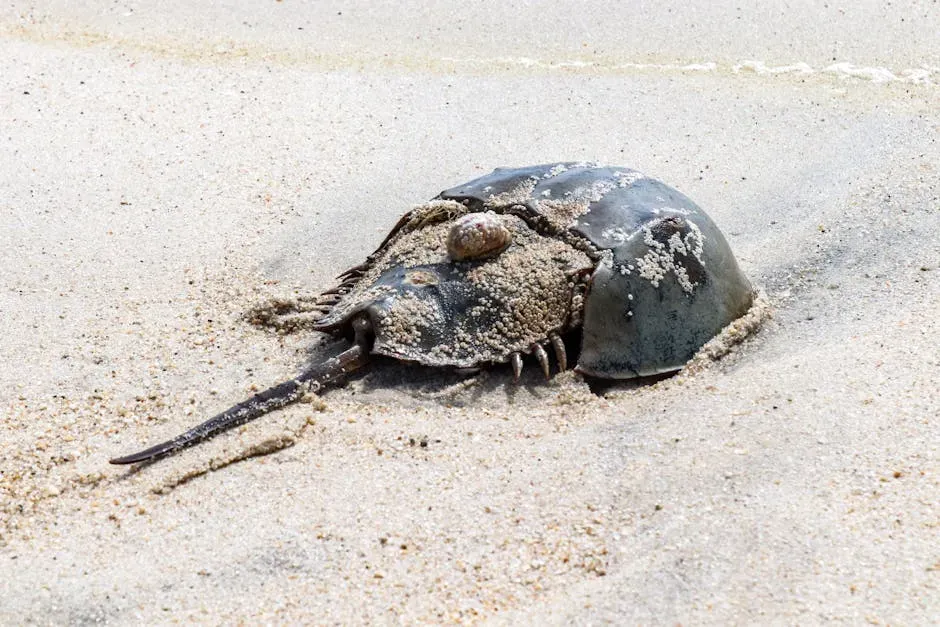
Horseshoe crabs look like someone tried to design a dinosaur-era battle robot and then just… never updated the software. These creatures have been around for hundreds of millions of years, predating not only the classic dinosaurs we think of, but even many early land animals. Their domed, helmet-like shells, long tail spines, and cluster of legs underneath give them the vibe of a fossil that accidentally kept living.
While they are not dinosaurs or even very close relatives, they shared ancient oceans with them and survived the same catastrophic events. Modern horseshoe crabs still spawn in huge numbers on beaches, their eggs feeding migrating birds that, in a neat twist of evolutionary poetry, are themselves living dinosaurs. I find that connection oddly moving: an ancient sea creature and a modern bird, locked in a food web that stretches back into deep time like a thread you can almost, but not quite, grasp.
Sea Turtles: Slow-Motion Survivors of Multiple Ages
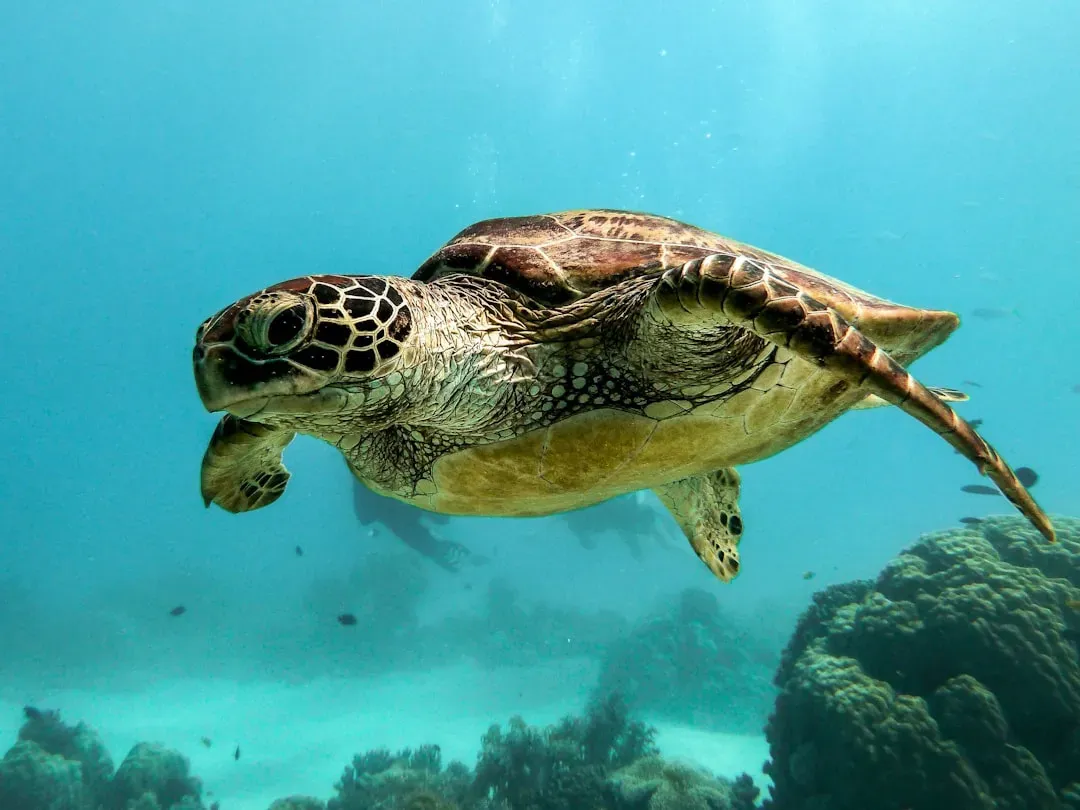
Sea turtles radiate this calm, unhurried confidence, as if they know they have already outlived several versions of the planet. Their lineage goes back to the time of the dinosaurs, with fossil turtles swimming ancient seas while giant marine reptiles and colossal fish cruised nearby. Their streamlined shells and powerful flippers have changed remarkably little because, apparently, when you design an animal that is basically a living armored submarine, you do not need frequent updates.
What keeps sea turtles in the “living dinosaur” conversation is their combination of longevity, slow life cycle, and consistency over time. Many species take years to reach maturity and can live for many decades, using Earth’s magnetic field to navigate across entire ocean basins with a precision that still amazes researchers. Watching a sea turtle rise to the surface to breathe feels like seeing an emissary from a much older Earth casually checking in on what the land mammals are up to now.
Komodo Dragons: Island Predators With Primeval Swagger
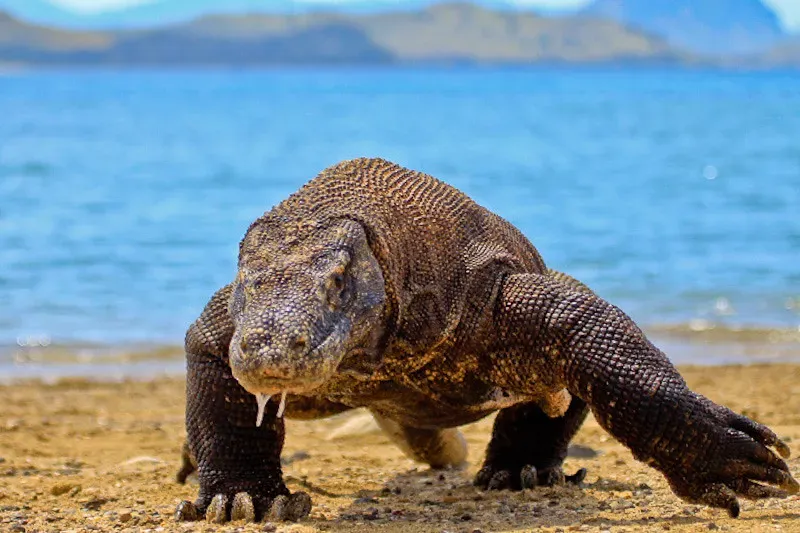
Komodo dragons may not be true dinosaur descendants in the strict scientific sense like birds, but you’d be forgiven for thinking otherwise if one walked past you. These giant monitor lizards, found on a few Indonesian islands, can reach lengths that make them look uncomfortably close to the small carnivorous dinosaurs you see in museum reconstructions. They have powerful jaws, serrated teeth, and a hunting style that blends stealth, brute strength, and a frankly ruthless follow-through.
Part of what makes Komodo dragons feel so prehistoric is the ecosystem they dominate. On their islands, they are the top land predator, filling a niche that, in many other times and places, would have belonged to dinosaurs. Their heavy, deliberate walk and long, muscular tails give them an unmistakably ancient silhouette. Standing in their territory, it is easy to imagine the clock rolling back millions of years with very little needing to change other than the background soundtrack.
Conclusion: We Never Really Left the Age of Dinosaurs
The more you look at life around you with deep time in mind, the more the neat story of dinosaurs “ending” starts to fall apart. In reality, the age of dinosaurs morphed, branched, and blended into the world we see today, with crocodiles lurking in rivers, birds filling the skies, turtles and horseshoe crabs roaming the seas, and odd relics like tuataras and Komodo dragons holding strange little corners of the map. The asteroid ended one chapter, but the book kept going, and some of the main characters simply changed costumes.
Personally, I think we have it backwards when we ask why these animals seem so prehistoric. The better question is why we humans, with our brief history and fragile bodies, are so quick to assume the planet is mainly about us. These so-called living dinosaurs remind us that Earth is a long-running series, and we are a very recent season. Next time you hear a pigeon cooing on a city ledge or spot a reptilian eye watching from the water, maybe pause and admit: the dinosaurs never really left, did they?