
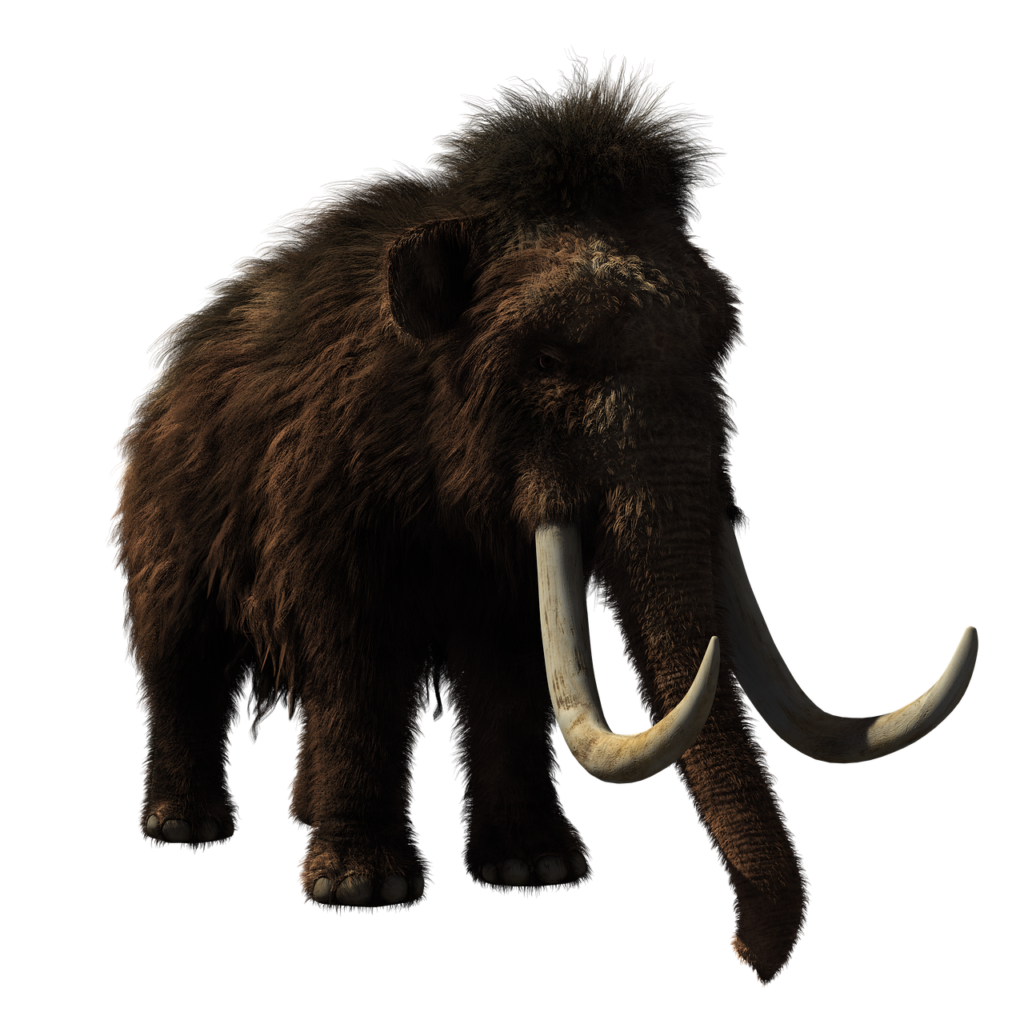
Woolly mammoths feel oddly familiar, like the shaggy extras from some prehistoric crossover between a dinosaur movie and a Nordic fantasy. They stomp through cartoons, video games, and blockbusters as if we actually remember them, instead of piecing them together from fossils, frozen carcasses, and a lot of patient science. Yet for all that familiarity, a surprising amount of what most people “know” about mammoths is flat-out wrong.
When you start digging into the real research, the truth turns out to be far stranger and more interesting than the movie version. These animals were not just big, furry elephants on ice, and their story is tangled up with climate shifts, human expansion, and now even cutting‑edge genetics. Let’s pull apart some of the most stubborn myths that pop culture keeps recycling and see what the evidence actually says.
Myth 1: Woolly Mammoths Lived Alongside Dinosaurs
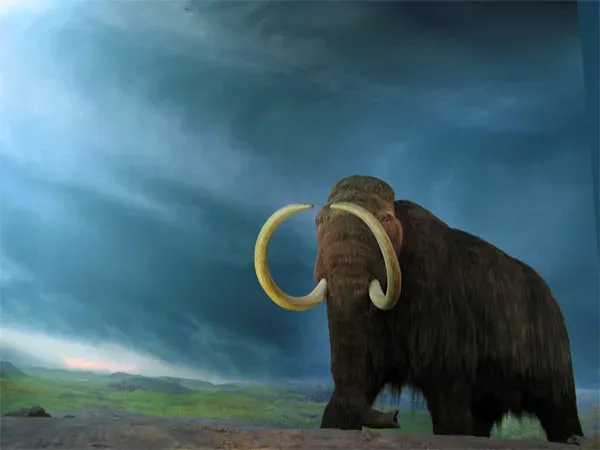
This is the big one, the mash‑up that every kids’ cartoon seems determined to keep alive: mammoths trudging around while T. rex roars in the background. In reality, they missed each other by tens of millions of years. Dinosaurs (aside from birds) disappeared by the end of the Cretaceous period, while mammoths belong to a much more recent chapter, the Ice Age dramas of the last couple of million years.
If you want a mental image that actually fits the timeline, think less Jurassic theme park and more endless, frozen grasslands echoing with the crunch of snow under massive feet. Mammoths shared their world not with movie monsters but with Ice Age megafauna like saber‑toothed cats, giant ground sloths, and early humans trying not to freeze to death. The dinosaur crossover is fun visually, but once you understand the timeline, it feels a bit like putting medieval knights on spaceships and calling it a documentary.
Myth 2: Woolly Mammoths Were Just Cold‑Weather Elephants
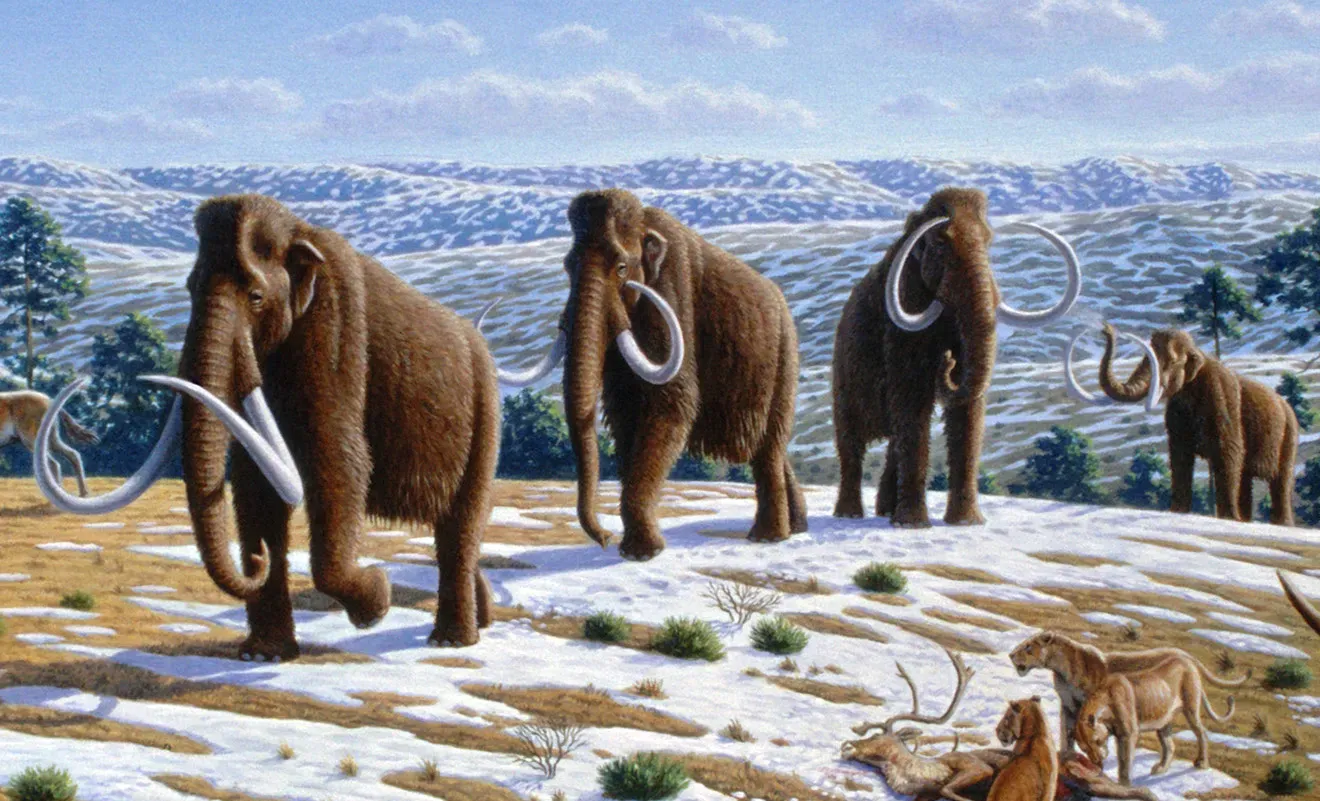
It’s tempting to look at a woolly mammoth and say, “Okay, elephant plus fur, got it.” But that shortcut hides how deeply adapted these animals were to brutal Arctic conditions. Yes, they were close relatives of modern elephants, especially the Asian elephant, but evolution did a complete winter overhaul on their bodies. They had dense underwool beneath their long guard hairs, a thick fat layer, small ears to reduce heat loss, and even reshaped blood circulation to cope with serious cold.
Imagine taking a modern elephant, dropping it into Siberia in January, and hoping a fur coat fixes the problem. It would be like tossing a city commuter into a polar expedition with only a slightly heavier jacket. Mammoths were more like living thermal systems on legs, fine‑tuned for steppe environments most elephants today would not survive in for long. Treating them as regular elephants with a costume misses the whole point of how extreme their world really was.
Myth 3: They Were Colossal, City‑Towering Beasts
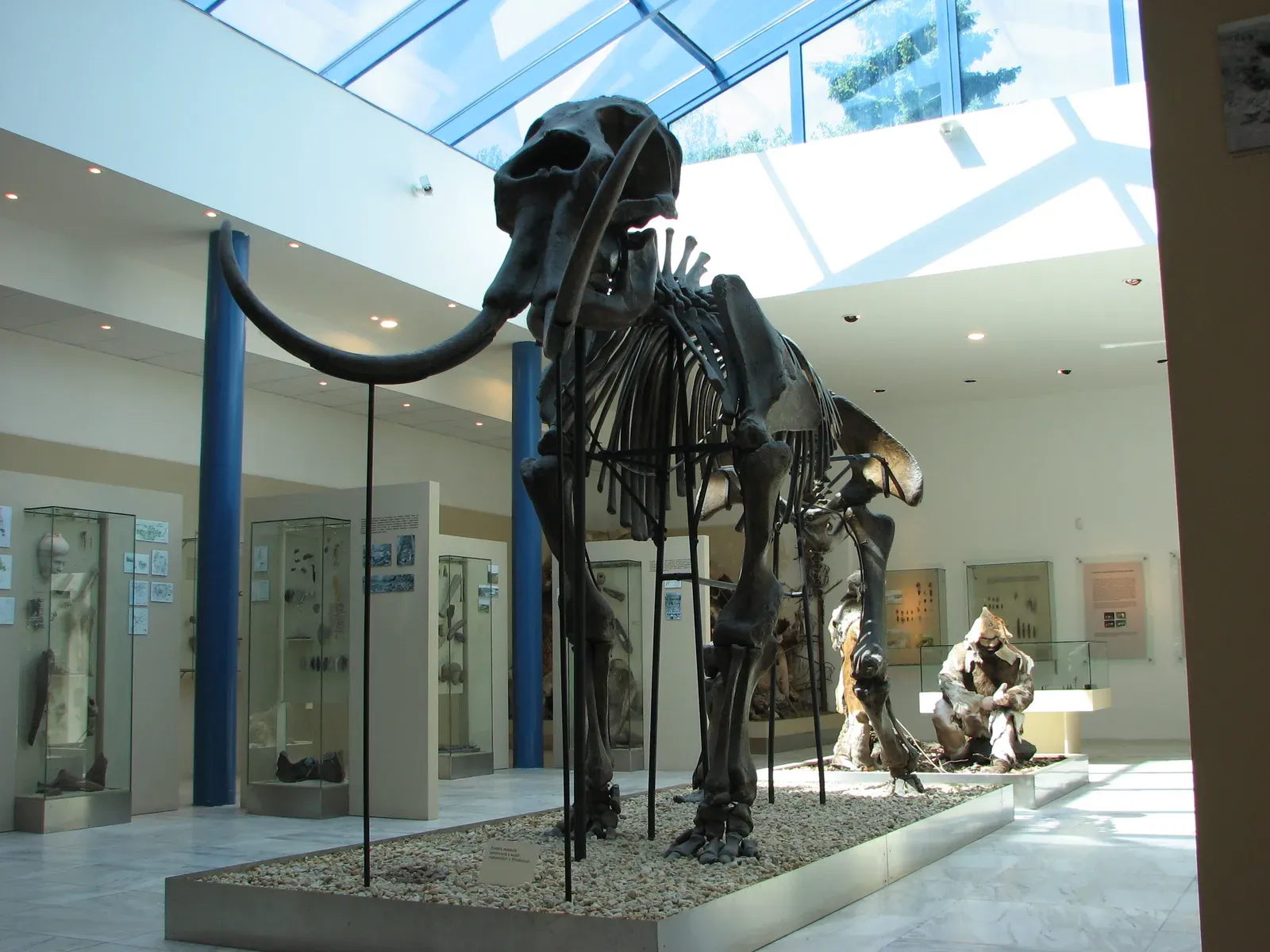
Pop culture loves to scale everything up until it looks good on an IMAX screen, and mammoths are no exception. It’s easy to come away from movies thinking these animals dwarfed buildings and made modern elephants look petite. The truth is that while some mammoth species were impressively large, the classic woolly mammoth was roughly in the same size range as today’s big elephants, not some skyscraper‑sized monster.
A large adult woolly mammoth would have stood a few meters at the shoulder and weighed several tons – huge by human standards, but not a physics‑defying leviathan. In fact, there were even dwarf mammoths on some islands that were considerably smaller, an evolutionary response to limited resources. I remember the first time I saw a full reconstruction in a museum and thought, “Oh, that’s…actually manageable,” which somehow made them feel more real and less like special‑effects props.
Myth 4: Woolly Mammoths Were Aggressive, Constantly Charging Everything
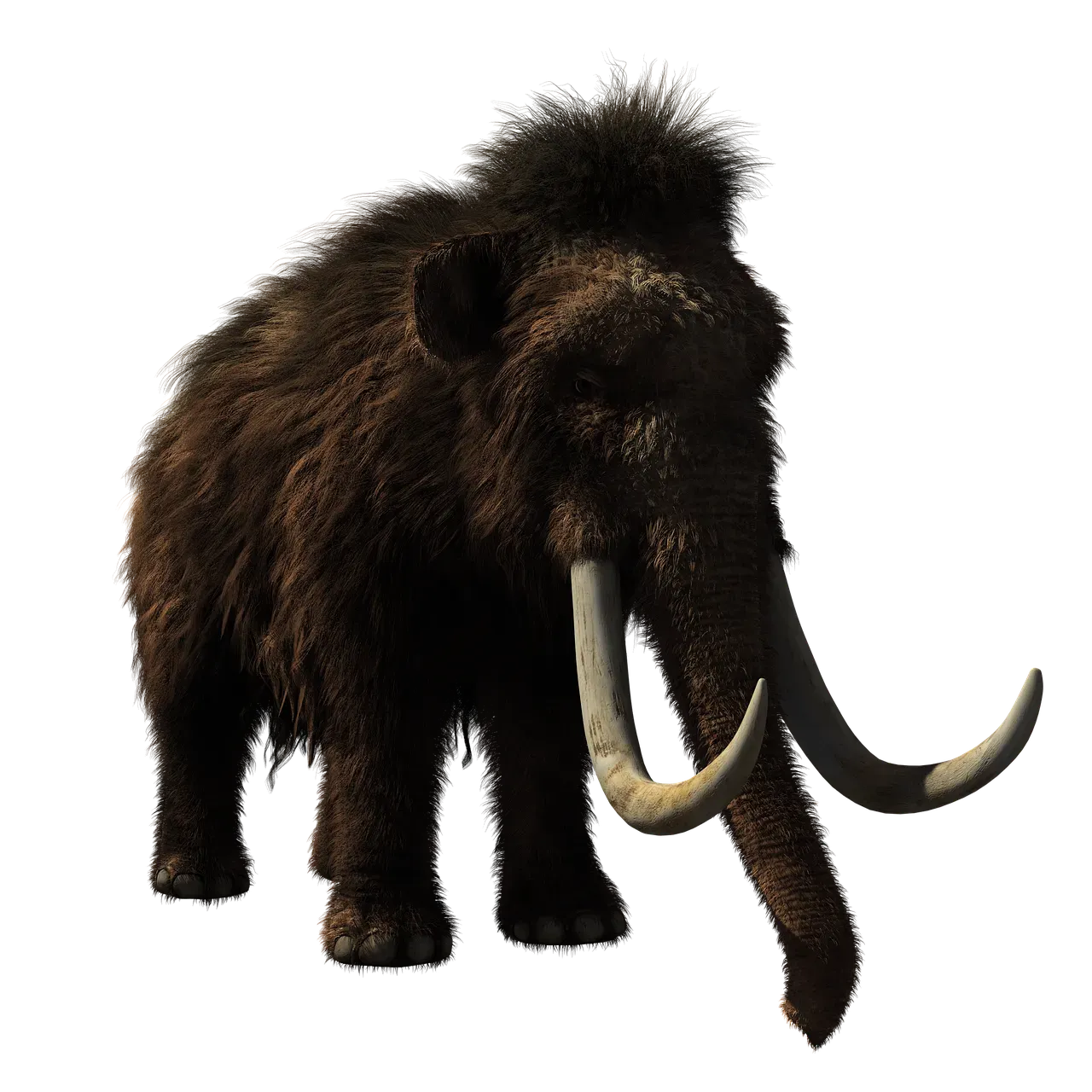
Between angry stampedes in animated films and roaring confrontations in survival games, mammoths often get cast as default rage machines. There is no reason to believe woolly mammoths spent their lives mindlessly charging anything that moved. Looking at modern elephants, their closest living relatives, we see complex social behavior, emotional bonds, and a lot of time spent foraging and walking, not rampaging.
Could a mammoth have been dangerous if threatened, cornered, or defending young? Absolutely – just as an elephant can be. But the likely day‑to‑day reality was closer to cautious herds navigating harsh landscapes, not constant boss‑fight mode. When you picture them as highly social, intelligent herbivores with complicated lives, the eternal Hollywood charge scene starts to feel like a lazy shortcut rather than a faithful reconstruction.
Myth 5: Humans Barely Had Anything to Do with Their Extinction
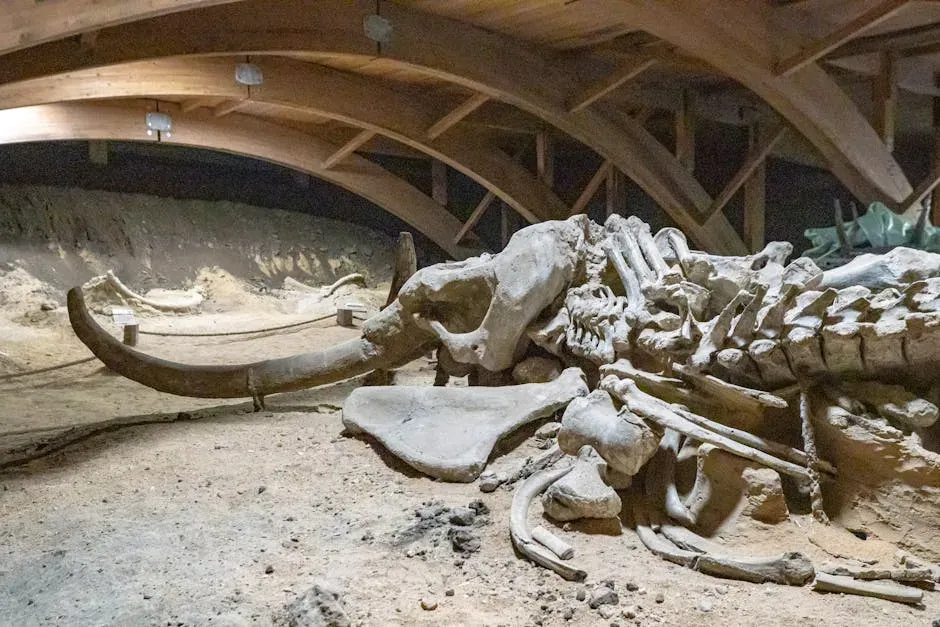
A surprisingly persistent idea is that mammoths simply faded away because the Ice Age ended, and humans were just innocent bystanders watching it happen. Climate warming absolutely played a major role, shrinking the cold, open habitats mammoths depended on. But dismissing human impact is starting to look more and more like wishful thinking, not serious analysis. As people spread into mammoth territory, hunting pressure and landscape changes became impossible to ignore.
Most researchers now see mammoth extinction as a messy combination of forces rather than a single smoking gun. Picture their world like a fragile Jenga tower: climate change pulls out key blocks, and then human hunting and habitat disturbance yank out a few more until the whole thing crashes. Saying humans had nothing to do with it is like claiming a demolition crew just happened to show up at the exact moment the building fell over on its own.
Myth 6: All Mammoths Died Out at the Same Time, Long Ago
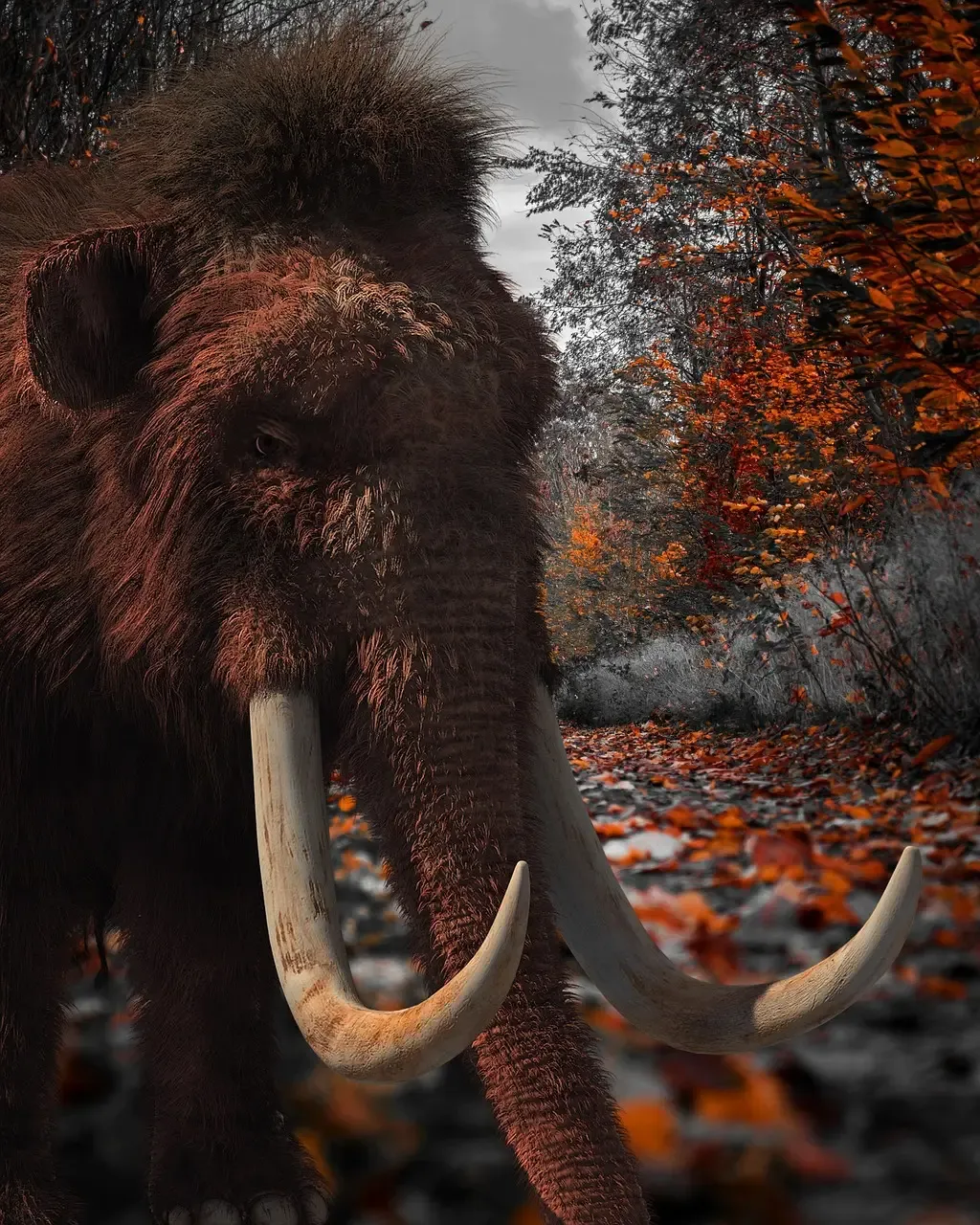
Movies tend to treat the end of mammoths as a single dramatic event, a neat curtain drop at the end of the Ice Age. The reality is much messier and, in a strange way, sadder. While most mammoth populations disappeared thousands of years ago, some small, isolated groups hung on much longer on remote Arctic islands. By the time the pyramids were being built in Egypt, there were still a few mammoths trudging around on places like Wrangel Island in the Arctic Ocean.
That means mammoths were not some impossibly distant relic; they overlapped with what we think of as early “civilization.” Yet they were reduced to tiny, vulnerable populations in harsh, limited habitats, increasingly cut off from the vast ranges their ancestors had roamed. When I first learned that mammoths were still alive during that era, it flipped the story for me – from a clean ending to a long, dwindling epilogue that feels uncomfortably familiar in today’s age of shrinking wildlife ranges.
Myth 7: We’re About to Bring Back the Woolly Mammoth Any Day Now
Headlines and tech bros love the promise that mammoths will soon be stomping across the Arctic again, as if all that’s left is picking a name for the first calf and selling tickets. The truth is that “de‑extinction” is a lot more complicated than adding fur genes to an elephant and waiting eleven months. Ancient DNA is damaged and incomplete, and building a living, breathing animal from scattered genetic pieces is a massive, ongoing challenge, not a done deal.
Even if scientists eventually create elephants engineered to resemble mammoths in some ways, that is not the same thing as resurrecting the original species with all its behavior, culture, and ecological context. There are also huge ethical questions about surrogate mothers, welfare of experimental animals, and whether a handful of lab‑born hybrids could meaningfully restore lost ecosystems. The dream is fascinating and worth debating, but the “mammoths are back next year” narrative is more science fiction than scientific forecast.
On a personal level, I’m torn: part of me is enchanted by the idea of seeing something mammoth‑like walking the tundra again, and another part worries we’re trying to fix a broken painting by redrawing one corner while the rest of the canvas keeps burning.
Myth 8: Frozen Mammoths Are Perfect Time Capsules, Preserving Every Detail
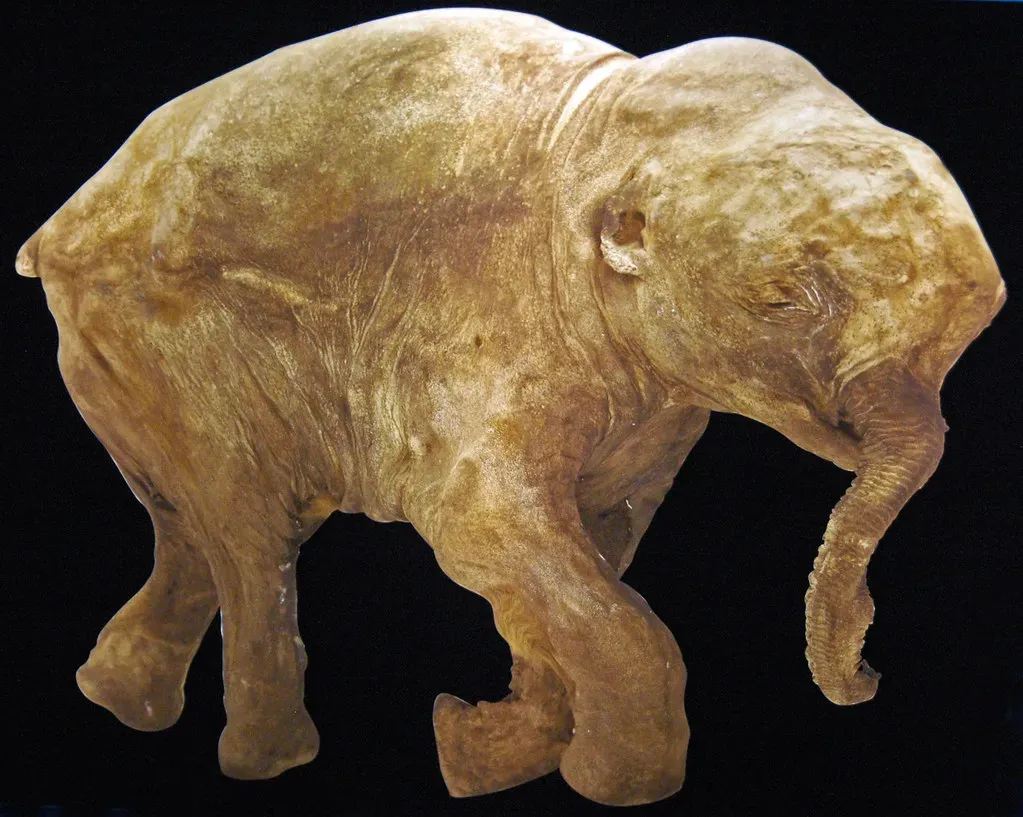
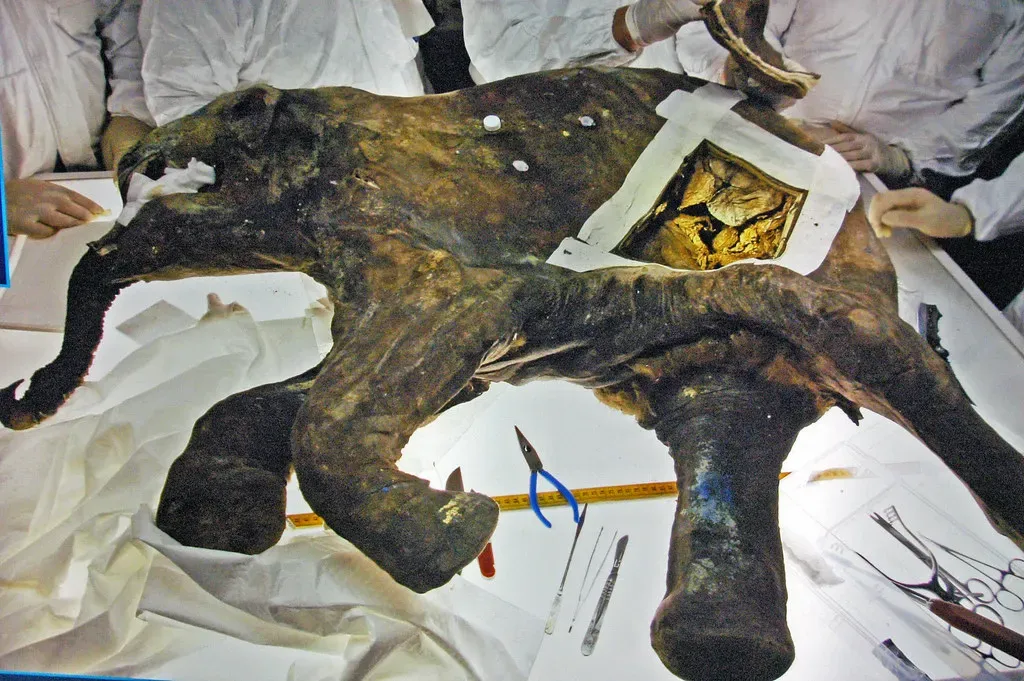
Photos of frozen mammoth carcasses look so crisp and intact that it is easy to think they are flawless museums of Ice Age life, just waiting to be thawed and studied. In reality, even the best‑preserved specimens have suffered from freezing, thawing, scavengers, and simple time. Soft tissues degrade, DNA breaks into fragments, and what we see today is impressive but still partial, like an old photograph that has been folded and stained a hundred times.
This does not mean frozen mammoths are not priceless scientific treasures – they absolutely are – but it does mean there are limits to what they can tell us. We can infer diet from stomach contents, reconstruct hair color, and study disease or injuries, yet plenty of questions remain stubbornly open. Pop culture’s idea of a perfectly frozen mammoth ready to be instantly cloned or reanimated skips over the messy, degraded, and painstaking reality that field researchers actually deal with.
Myth 9: Mammoths Lived in a Bleak, Empty, Snow‑Covered Wasteland
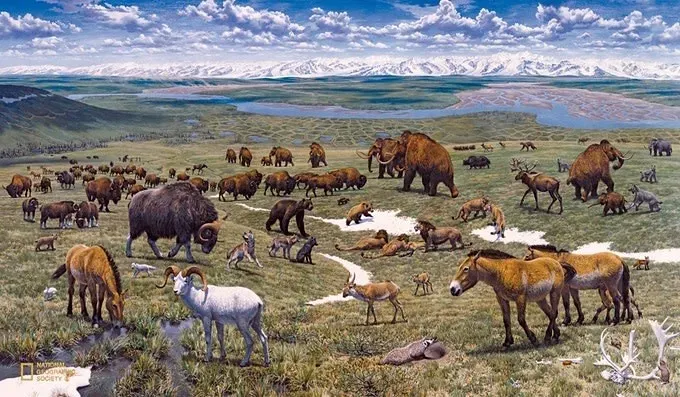
Another visual myth that refuses to quit is the endless white nothing: mammoths trudging through blizzards in a landscape that looks like the surface of the moon with frostbite. The Ice Age was cold, but the mammoth steppe was not just a flat sheet of ice. It was a rich, grassy, windswept ecosystem full of plants, insects, and a whole cast of large mammals. Think more like a brutally cold, supercharged grassland than a static snow globe.
This matters because it shifts how we see mammoths themselves. They were not simply survivors clinging to life in a frozen void; they were central players in a dynamic, productive environment that supported huge numbers of grazing animals. Imagining them in living color on a vast, windswept steppe, rather than trudging through an empty white void, suddenly makes their world feel fuller and more alive. It also underlines what is truly lost when such ecosystems vanish – it is not just a single charismatic species, but a whole living web.
Conclusion: Why These Myths About Mammoths Still Matter
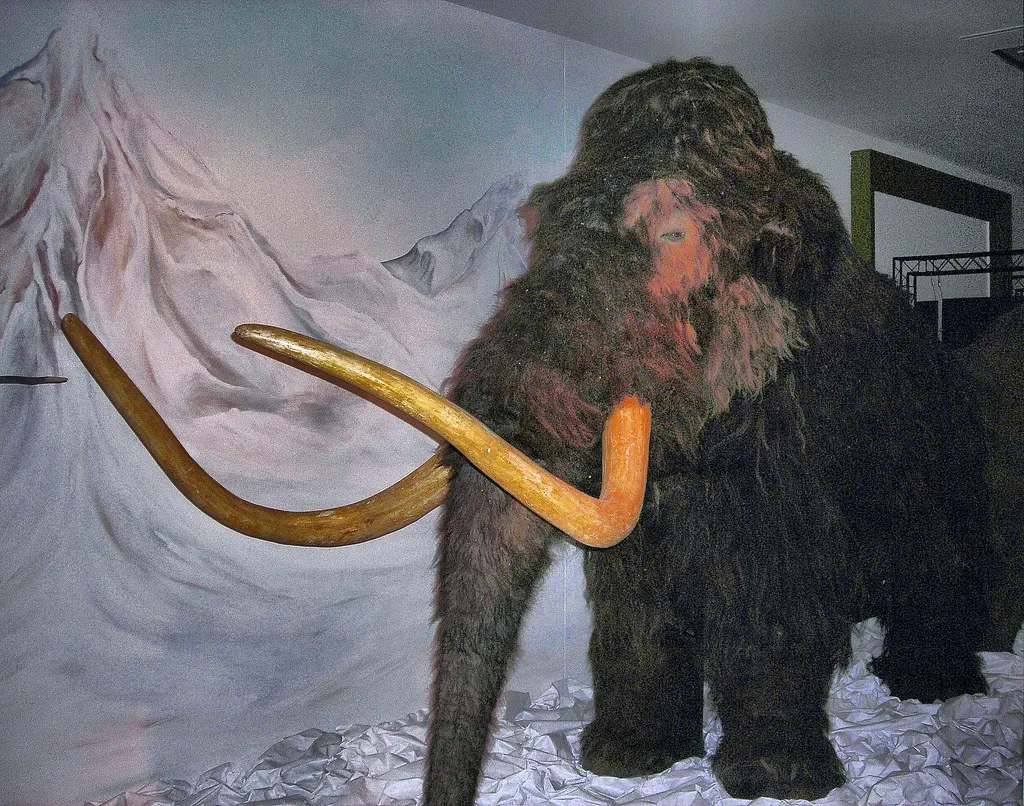
It might be tempting to shrug and say these are just movie mistakes, harmless as a bit of popcorn. But the way we imagine mammoths quietly shapes how we think about extinction, climate change, and our own role in reshaping the planet. If we see them as giant, angry ice monsters that vanished in some distant, disconnected past, it is easy to believe that today’s crises are just another turn of a natural cycle and not something we are actively driving.
I think the real story is more uncomfortable and more powerful: mammoths were intelligent, adaptable animals living in complex ecosystems, and they vanished in a world that was changing fast, partly because of us. Now we stand here debating whether to recreate a version of them in labs while pushing many living species toward the same edge. Maybe the most honest tribute we can pay the mammoth is not a glossy reboot, but a hard look at what we are doing right now – because if we are not careful, future generations may talk about elephants, rhinos, and countless others the way we talk about mammoths today. Which myth did you find hardest to let go of?