Have you ever wondered if dinosaurs acted like the animals we see today? Think about it. For millions of years, these massive creatures ruled Earth with behaviors so complex and surprising that modern science keeps rewriting what we thought we knew. You might picture them as simple, lumbering beasts. Actually, recent discoveries paint a completely different picture.
Let’s be real here. The more fossils we dig up, the stranger things get. From coordinated hunting tactics that make wolf packs look disorganized to parenting strategies that would put most modern reptiles to shame, dinosaurs lived in ways that challenge every comparison we try to make. So let’s dive in.
Tyrannosaurs Forming Social Groups Despite Massive Appetites
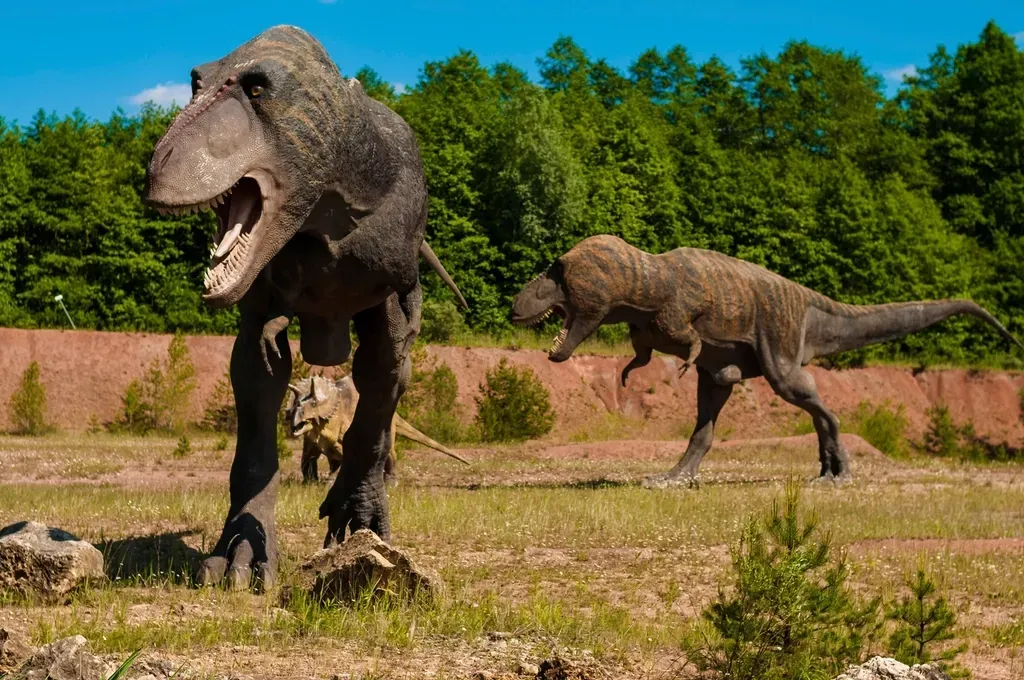
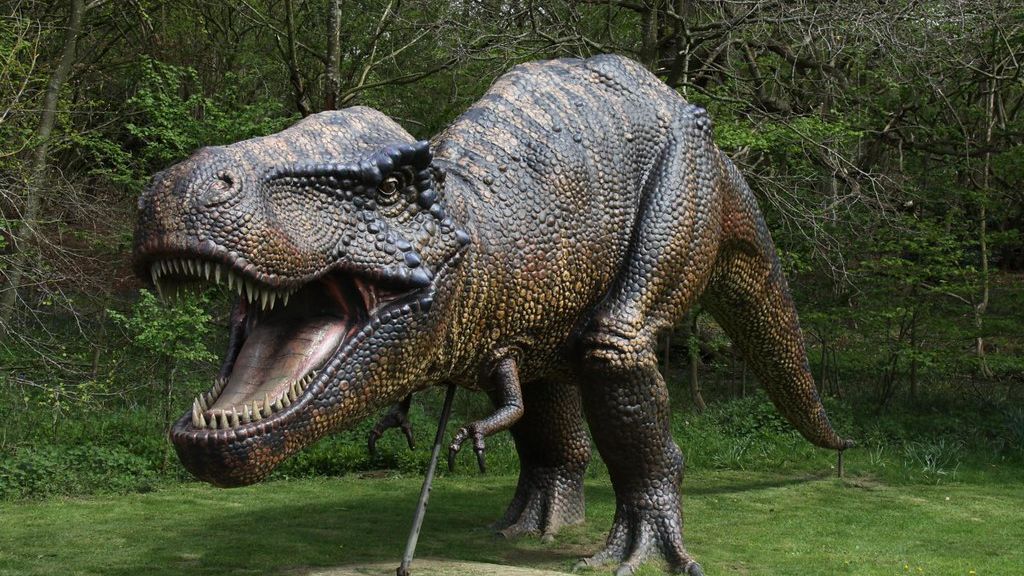
Tyrannosaurs may not have been solitary predators as popularly envisioned, but social carnivores similar to wolves, with evidence suggesting they died together at sites and were fossilized together. This goes against everything people assumed about these massive predators. After all, an adult T. rex needed thousands of pounds of meat to survive.
Think about the logistics for a moment. The idea that tyrannosaurs were social with complex hunting strategies was first formulated over 20 years ago based on findings at a site in Alberta, Canada, with over 12 individuals. Yet many scientists doubted these giant killing machines had the brainpower to organize into anything more complex than modern crocodiles. Discovery of a second tyrannosaur mass death site in Montana again raised the possibility of social tyrannosaurs, and findings at the Unicorns and Rainbows Quarry provides even more compelling evidence that tyrannosaurs may have habitually lived in groups. Honestly, I find it fascinating that creatures this enormous overcame the natural competition for food to cooperate.
Pachycephalosaurs Learning to Headbutt While Still Juveniles
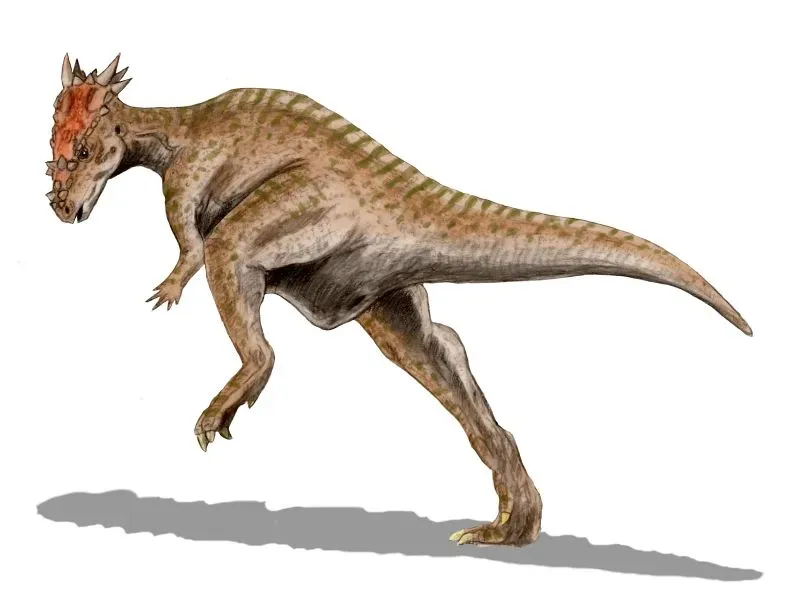
Mongolian paleontologists discovered a well-preserved fossil of a dome-headed pachycephalosaur in the Gobi Desert in September 2025, and the specimen is the oldest pachycephalosaur ever discovered, with development of the dome suggesting these dinosaurs were perhaps learning to headbutt one another while young, a behavior they likely used to compete for mates. Imagine teenagers practicing combat techniques before they’re even fully grown.
This challenges what we thought about dinosaur development. Most modern animals don’t engage in their most dangerous adult behaviors until maturity. These dome-headed dinosaurs, though, apparently started training early. The specimen from Mongolia is barely three feet long and may have been a teenager, yet it already shows signs of the distinctive dome used for those brutal head-to-head clashes. It’s hard to say for sure, but this suggests a level of behavioral complexity we rarely see outside of highly social mammals today.
Oviraptorids Brooding Nests With Staggering Dedication
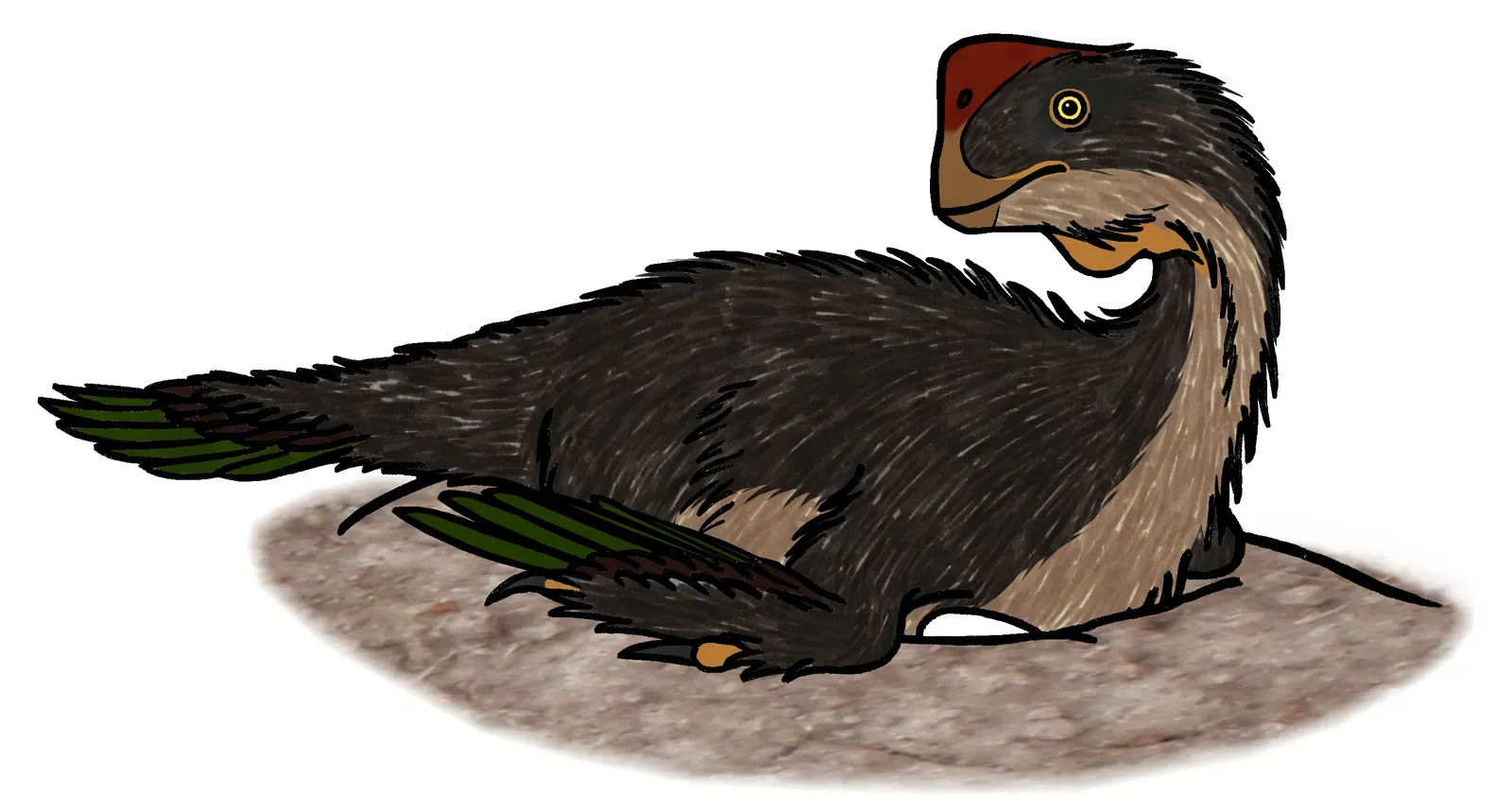
Scientists know from previous finds that oviraptorids laid two eggs at a time in a clutch of 30 or more, meaning the mother would have to stay with or at least return to the nest, lay her pair of eggs, arrange them carefully in the circle, and bury them appropriately every day for two weeks to a month. That’s an incredible investment of time and energy.
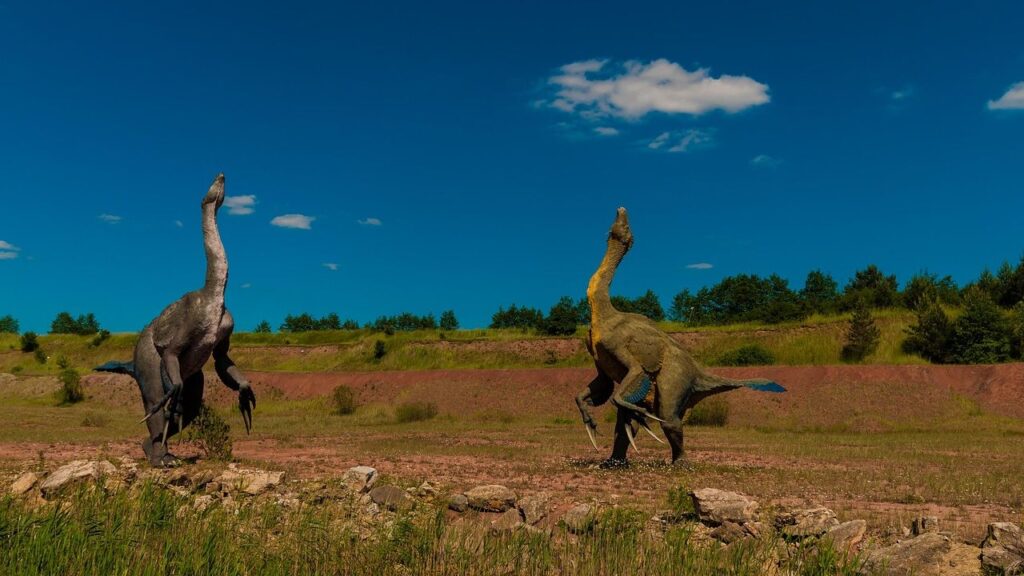
Researchers found a 75-million-year-old Mongolian dinosaur fossilized sitting right on top of a nest dubbed Big Mama, and they sit on those nests in a very bird-like way with their bodies positioned in the center of the nest, and their arms held over the eggs to help protect them. The bodies would have been covered in large, down-like feathers that helped conceal and insulate the eggs. Those eggs would have taken months to hatch, requiring parents to commit to extended periods of vigilance. Modern reptiles just don’t do this. Even crocodiles, the closest living relatives of dinosaurs besides birds, show nowhere near this level of care.
Maiasaura Establishing Colonial Nesting Sites With Post-Hatching Care
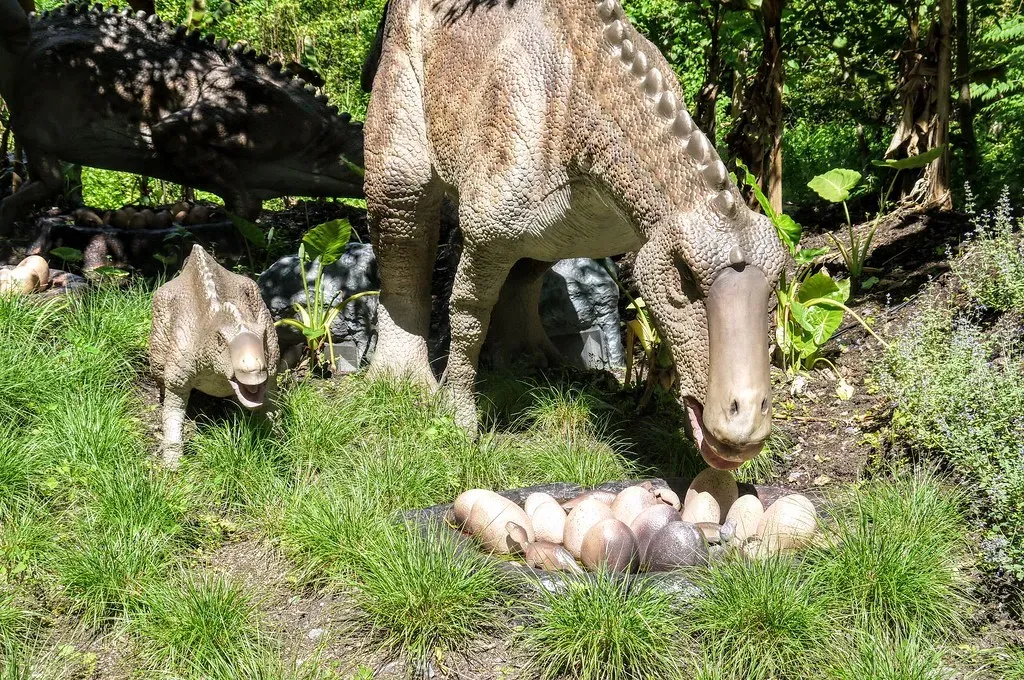
Fossil evidence suggests that Maiasaura parents nested in large colonies, creating a social structure similar to modern-day birds, and this communal nesting behavior provided several advantages in terms of protection and care for their hatchlings. Picture an entire hillside covered with nests, parents constantly moving between them, bringing food to hungry babies.
Paleontologist Jack Horner discovered what was later dubbed Egg Mountain in Montana, a gigantic fossilized nesting site of hundreds of specimens of duck-billed Maiasaura dinosaurs from up to 80 million years ago, and evidence of trampled eggshells suggests that the hatchlings were in the nest for a while, with plant matter in the nests suggesting parents may have fed the young, and researchers also found evidence that these dinosaurs may have used those nesting sites year after year. Researchers also found groups of one-foot-sized individuals and then three-foot-long individuals together in one nest, suggesting they hatched and grew while still under parental care. This kind of extended investment is more typical of birds and mammals than any extinct reptile we know.
Cooperative Pack Hunting Remains Hotly Debated Despite Evidence
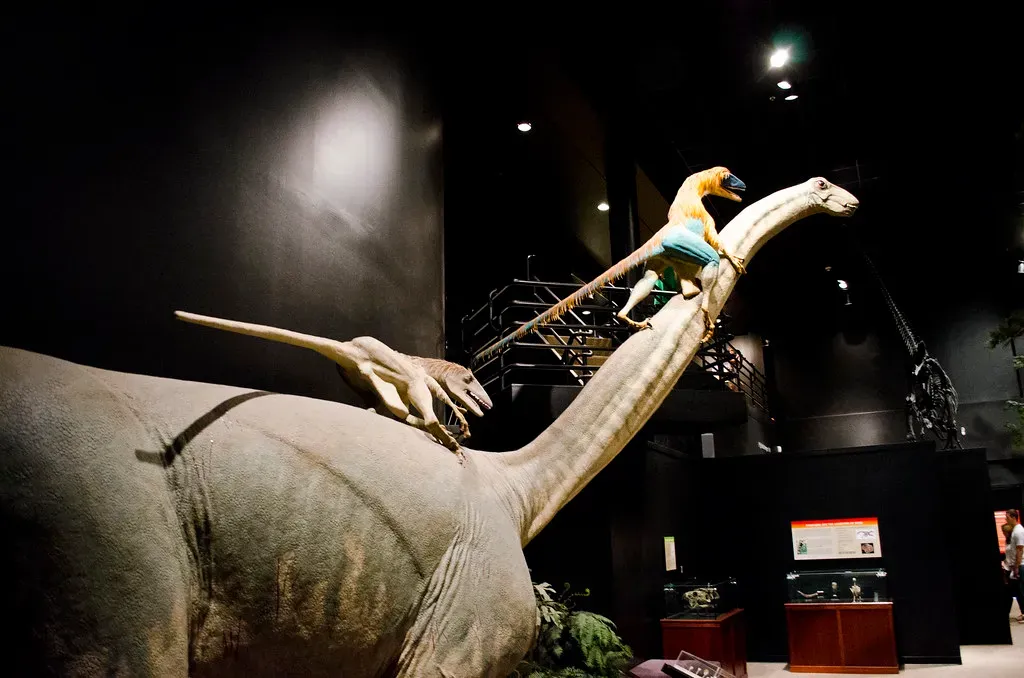
The popular image of raptors hunting in coordinated packs has become deeply embedded in culture, but the science tells a more complicated story. Since the 1969 description of Deinonychus antirrhopus, cooperative pack hunting behavior for this species and many other nonavian theropods has attained wide acceptance, but examining behaviors of extant diapsids leads to the conclusion that this hypothesis is both unparsimonious and unlikely, and the null hypothesis should be that nonavian theropod dinosaurs were solitary hunters or, at most, foraged in loose associations.
Still, there’s intriguing evidence that can’t be completely dismissed. Fossil records provide valuable evidence of group attack tactics, with excavations at multiple sites revealing the remains of multiple predators in close proximity to each other suggesting coordinated hunting behavior, and the discovery of multiple Deinonychus individuals near a Tenontosaurus skeleton indicates that pack hunting may have been employed. In birds, group coordination is more common, yet pack hunting of large-bodied prey is almost non-existent, and in the few notable species that do practice cooperative hunting, close kinship bonds and extreme environmental conditions may contribute to this atypical behavior. Honestly, the debate shows how much we still don’t understand about these animals.
Long-Distance Seasonal Migrations Spanning Hundreds of Miles
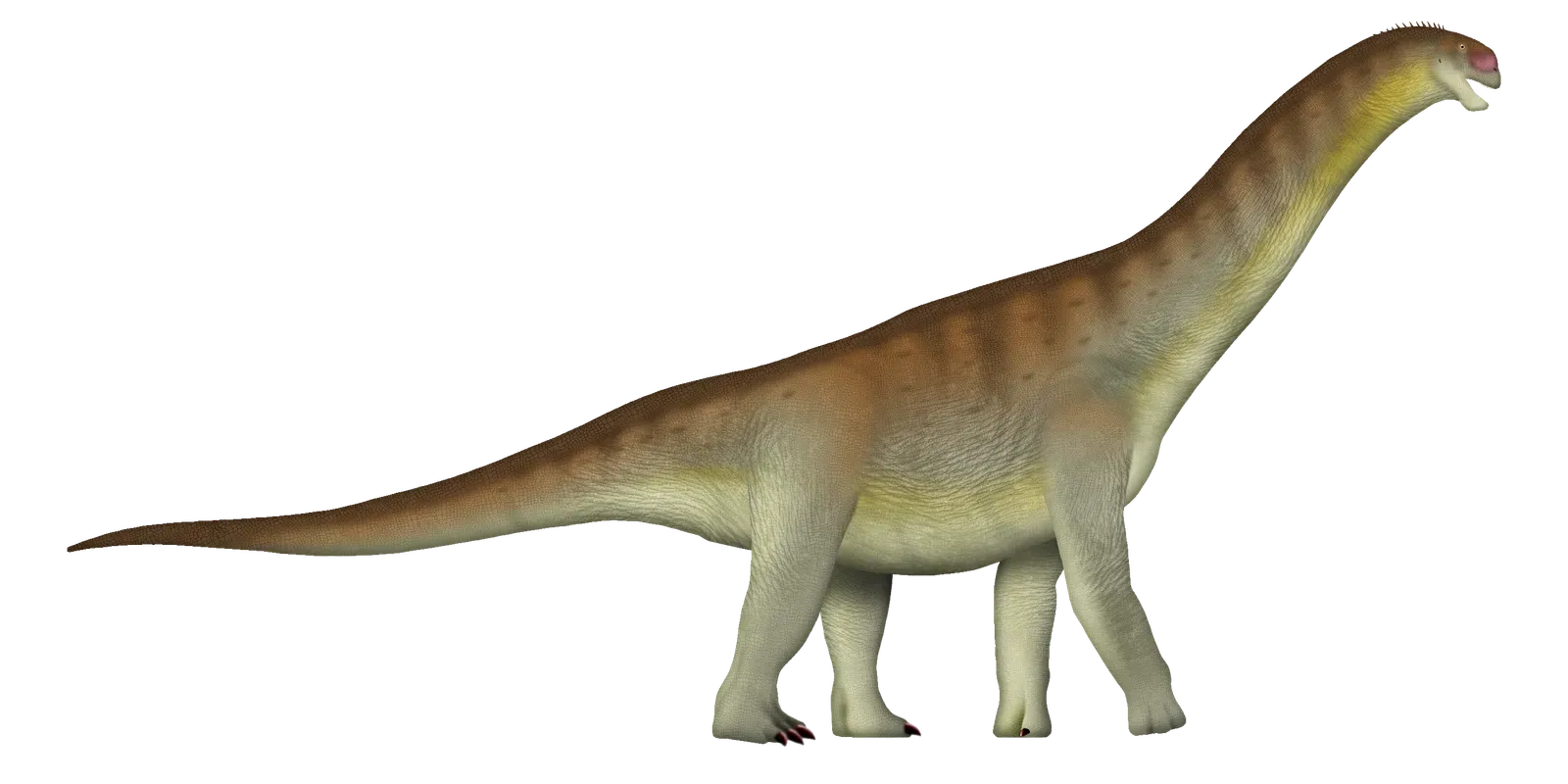
A new fossil-teeth analysis has uncovered the best evidence yet that dinosaurs migrated seasonally like modern-day birds or elephants, with chemical signals in prehistoric tooth enamel revealing that roughly bus-length Camarasaurus dinosaurs walked hundreds of miles on marathon migrations in late Jurassic North America, and responding to shifts in food and water availability, the long-necked plant-eaters likely trudged from floodplain lowlands to distant uplands and back again as the seasons changed. That’s equivalent to walking from Los Angeles to San Francisco and back every year.
Fricke and colleagues theorize that the dinosaurs left a basin floodplain area at the onset of the summer dry season, when droughts may have been common, moving nearly 200 miles to highlands that were presumably cooler and wetter in that season. Dinosaurs gulped down pink stones in what is now Wisconsin, trekked westward more than 600 miles and then died in the area that’s now Wyoming, leaving the stones in a new location, and researchers believe these stones were transported from southern Wisconsin to north-central Wyoming in the belly of a dinosaur. These stomach stones, used to help grind food, became geological breadcrumbs tracking their incredible journeys. Few modern reptiles undertake such demanding treks.
Complex Vocalization Systems Rivaling Modern Birds
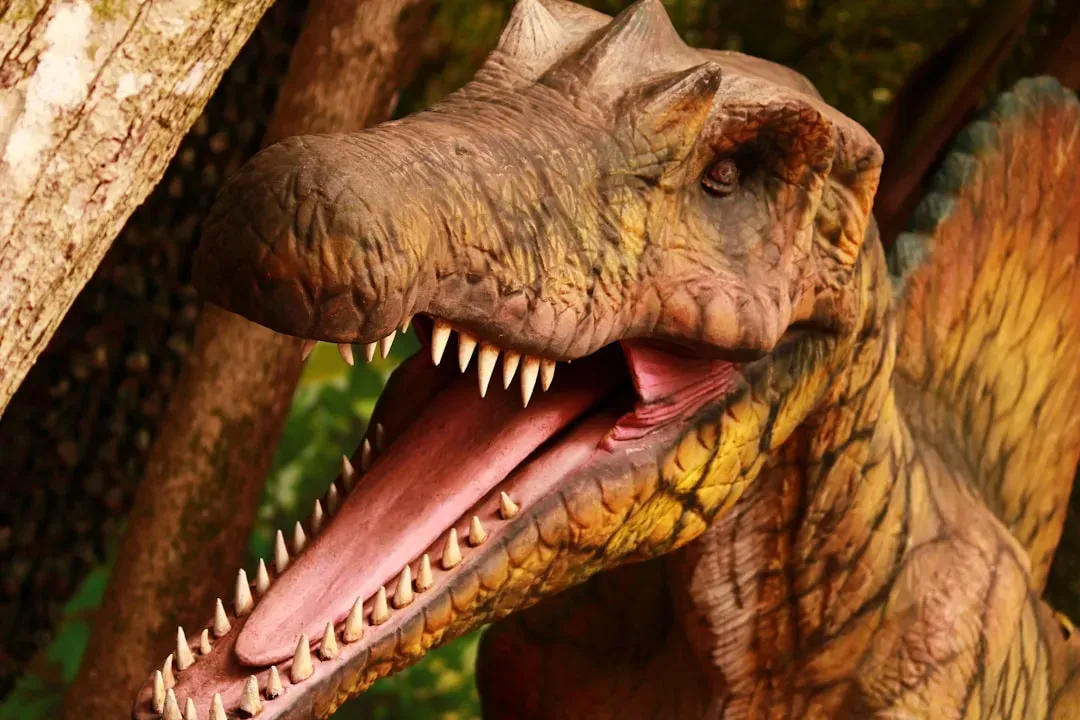
Archosaurs are very talky, with both birds and crocodilians having large repertoires of calls and signals, and almost assuredly non-avian dinosaurs did the same. The physical evidence supports this. Many dinosaurs had elaborate crests and hollow chambers in their skulls that could have resonated sound.
The wide diversity of visual display structures among fossil dinosaur groups, such as horns, frills, crests, sails, and feathers, suggests that visual communication has always been important in dinosaur biology. One fascinating aspect of dinosaur vocalizations is the concept of closed-mouth vocalizations, and similar to the coos of doves, some dinosaurs may have emitted sounds through the skin in the neck area, eliminating the need for an open mouth. Think about hadrosaurs with their massive nasal passages and crests. Scientists have modeled these structures and found they could produce deep, resonant calls that would carry for miles across ancient landscapes. This level of acoustic communication far exceeds what we see in modern lizards or even crocodiles, placing dinosaurs somewhere between reptiles and birds in their communicative sophistication.
Conclusion
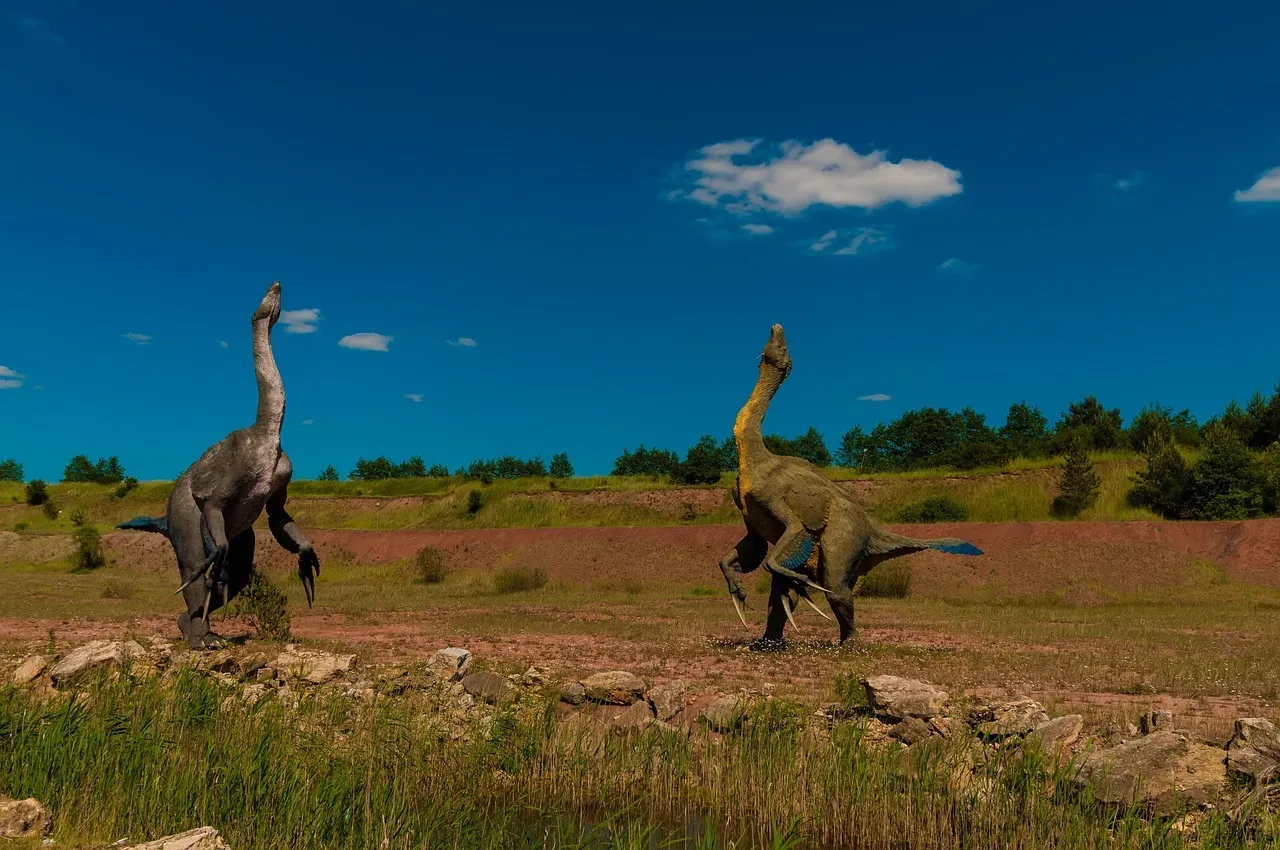
The more we learn about dinosaurs, the less they fit into neat categories based on modern animals. They weren’t just big lizards. They weren’t proto-birds. They were something entirely their own, with behavioral adaptations that seem to cherry-pick the most interesting features from across the animal kingdom.
From tyrannosaurs that overcame their predatory instincts to form social groups, to oviraptorids that sat on nests for months with birdlike dedication, to massive sauropods that migrated hundreds of miles like modern elephants, these creatures constantly surprise us. Perhaps that’s the most astounding behavior of all: their ability to keep confounding our expectations more than 66 million years after they disappeared. What other secrets are still buried in the rocks, waiting to completely overturn what we think we know?