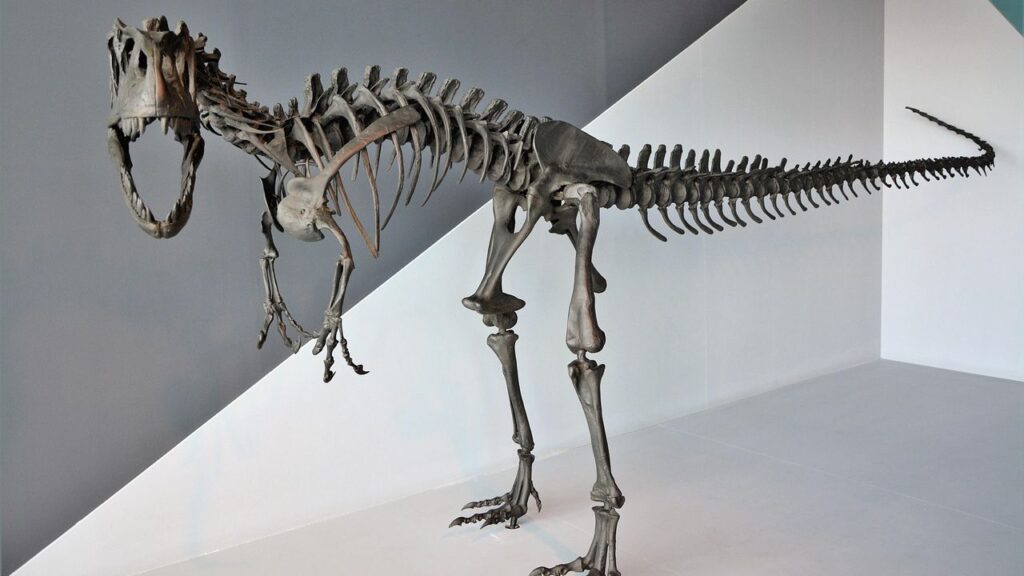
Picture this: massive bones jutting out from ancient rock, waiting silently for someone to unlock their secrets. For centuries, these fossilized remains puzzled humanity until brave scientists began piecing together the story of creatures that once dominated our planet. The journey to understanding dinosaurs has been filled with unexpected twists, groundbreaking revelations, and discoveries that completely transformed how you view prehistoric life.
Every new fossil uncovered is like opening a time capsule from millions of years ago. Some finds are so extraordinary that they don’t just add footnotes to textbooks. They rewrite entire chapters. Let’s dive into seven mind-blowing discoveries that forever changed what we know about these magnificent beasts.
When Megalosaurus Became the First Named Dinosaur
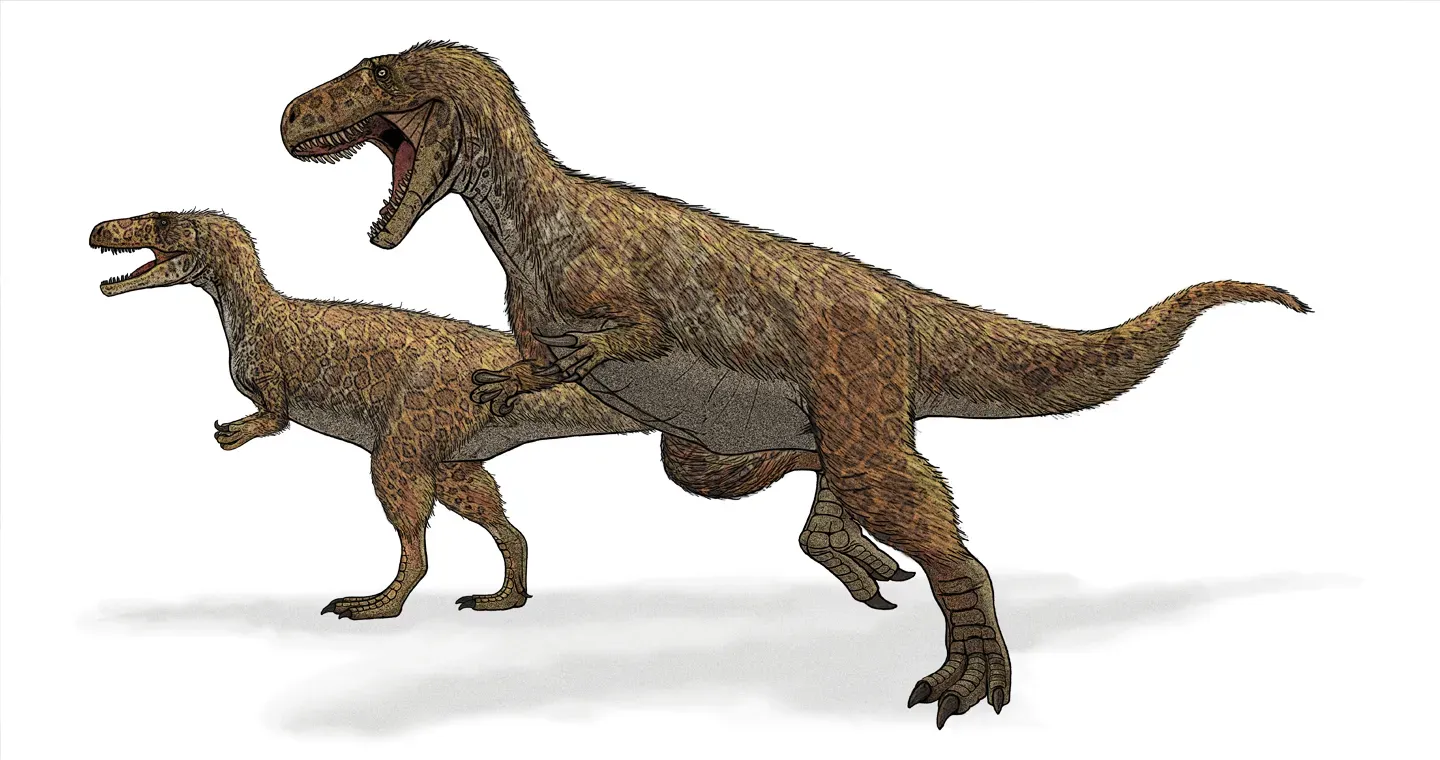
In 1824, during a meeting of the Geological Society of London, palaeontologist William Buckland formally introduced Megalosaurus, making it the first dinosaur to be described by scientists. Before this pivotal moment, people had been digging up strange bones for years without understanding what they’d found. Some thought they belonged to giant humans or mythical creatures mentioned in ancient texts.
Around 1818, William Buckland began studying fossils discovered around Oxfordshire, and with help from other scientists, concluded that the fossils belonged to a type of giant lizard that walked on four legs, eventually naming it Megalosaurus bucklandii in his honour. This discovery sparked something revolutionary. Suddenly, scientists had proof that enormous reptiles once walked the Earth, creatures unlike anything alive today. It would be another 18 years before Richard Owen coined the word dinosaur.
The Bone Wars Unearthed Complete Skeletons
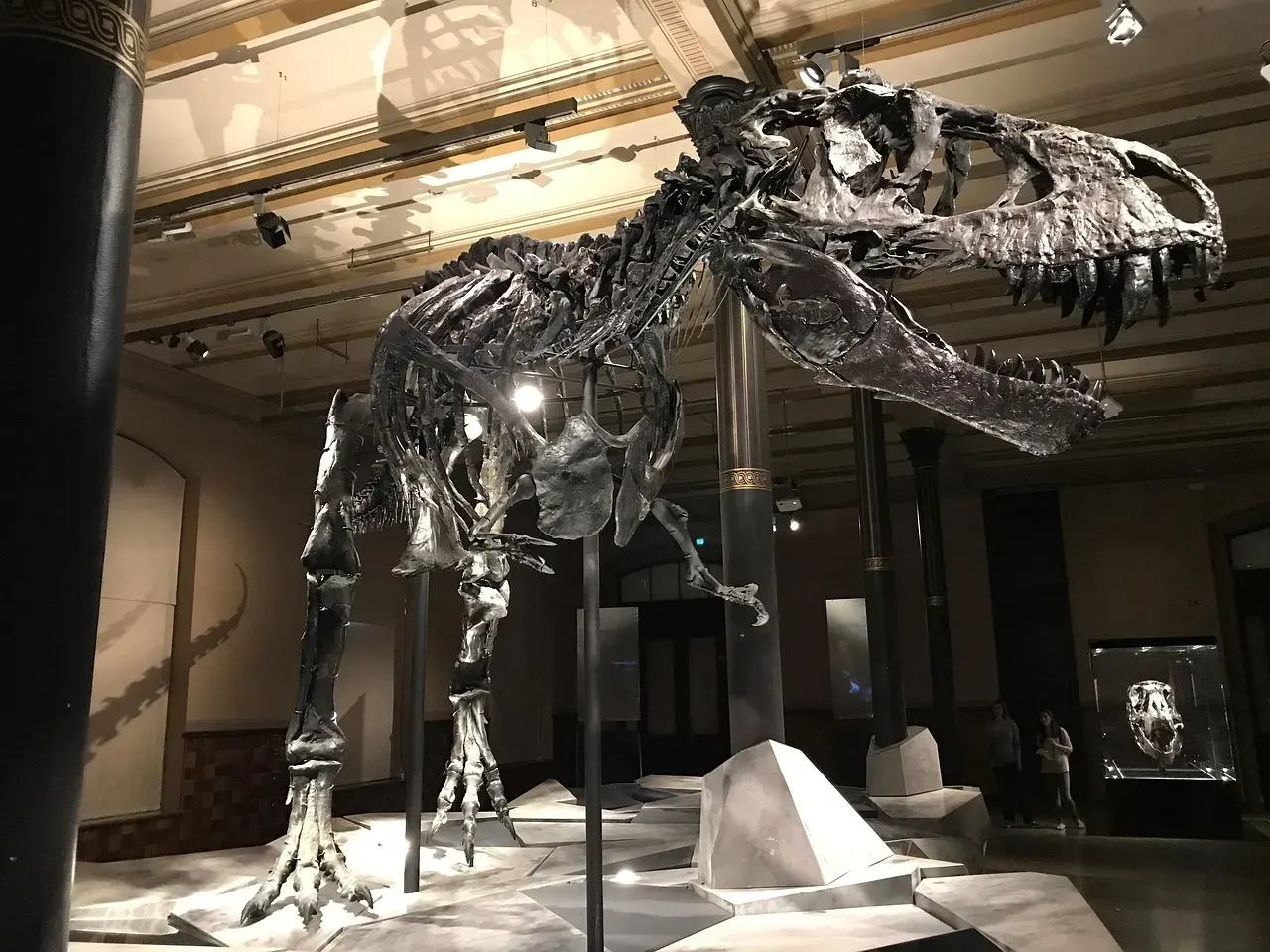
Two men fought relentlessly to find and name the most dinosaurs, with the feud becoming bitter as they used tactics such as spying, theft and even the destruction of fossils to get ahead, eventually souring their professional and scientific reputations. Yet despite the drama, this rivalry between Edward Drinker Cope and Othniel Charles Marsh produced incredible results. In total, the two men described 136 species of dinosaurs, including some famous names such as Stegosaurus, Triceratops, Allosaurus, Diplodocus and Brontosaurus.
What made these discoveries so crucial was their completeness. The discoveries in the American West gave us, in many cases, the first examples of substantially complete dinosaur skeletons, whereas Europe had been finding bits of dinosaur skeletons for 50 years before that. Imagine trying to understand what a dinosaur looked like from just a jaw or a leg bone. These near-complete skeletons allowed scientists to finally visualize these creatures in their full glory. This has a knock-on effect for understanding more about their biology and how they are related to each other.
Deinonychus Shattered the Slow-Moving Reptile Myth
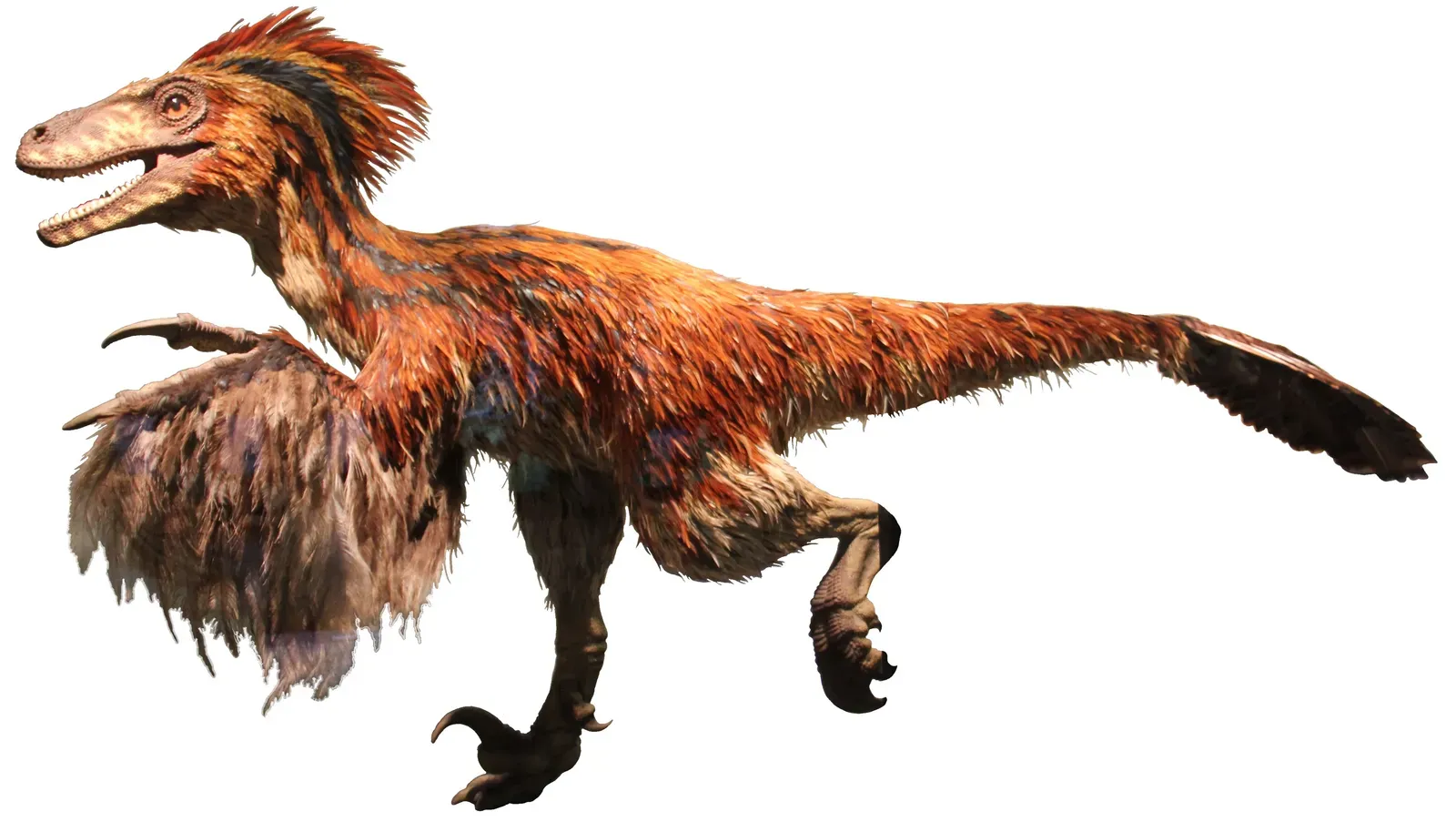
Think dinosaurs were sluggish, dim-witted lizards? Think again. What John Ostrom found was to change our understanding of dinosaurs, their biology and behaviour in the most extraordinary way, discovering the scattered remains of a medium-sized predatory dinosaur which he named Deinonychus antirrhopus. This discovery in the 1960s sparked what scientists now call the dinosaur renaissance.
He realised that this animal was a fast moving, highly intelligent, keen-sighted predator (not at all the slow, lumbering and slow-witted image of the dinosaur that was current at the time), and also showed that it was remarkably bird-like in its anatomy, suggesting that birds probably evolved from them. The implications were staggering. Suddenly, dinosaurs weren’t just oversized lizards basking in the sun. They were active, possibly warm-blooded creatures with complex behaviors. These were highly controversial views at the time, even though they echoed the early ideas of Thomas Huxley in the 1860s. This single fossil changed everything about how you should picture dinosaurs moving, hunting, and living.
Sinosauropteryx Revealed Dinosaurs Had Feathers
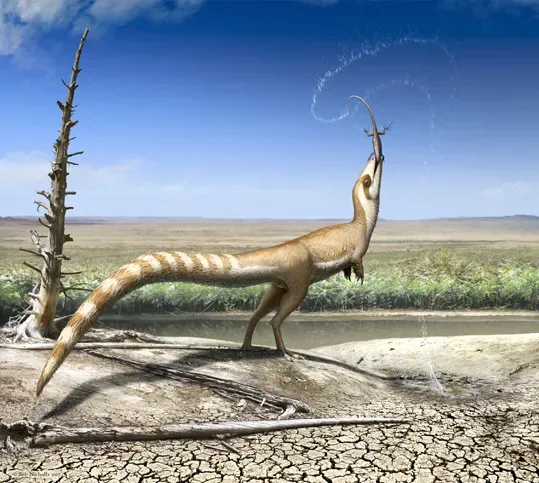
In 1996 an astonishing discovery was made in Liaoning, China, comprising a virtually complete skeleton of a small, predatory dinosaur described in 1998 and named Sinosauropteryx prima, with the most extraordinary feature being traces of a wispy, dark-staining material that formed a sort of fringe following the body outline. Let’s be real, this discovery absolutely rocked the paleontology world. People had speculated about dinosaur-bird connections for decades, but here was undeniable proof.
In 2010, Professor Fucheng Zhang and his team discovered microscopic pigment cells called melanosomes in the original Sinosauropteryx fossil, and by comparing the structure of the dinosaur’s melanosomes with the ones found in birds today, paleontologists could, for the first time, determine the color of an extinct dinosaur: Sinosauropteryx was mostly reddish-brown, with a lighter underside and a striped tail. Imagine that! Not only did this dinosaur have feathers, but scientists could actually tell what color it was. Suddenly, the grey and green dinosaurs of old movies looked hopelessly outdated. The most important discoveries at Liaoning have been a host of feathered dinosaur fossils, with a steady stream of new finds filling in the picture of the dinosaur–bird connection.
Dinosaur Eggs in the Gobi Desert Changed Reproductive Understanding
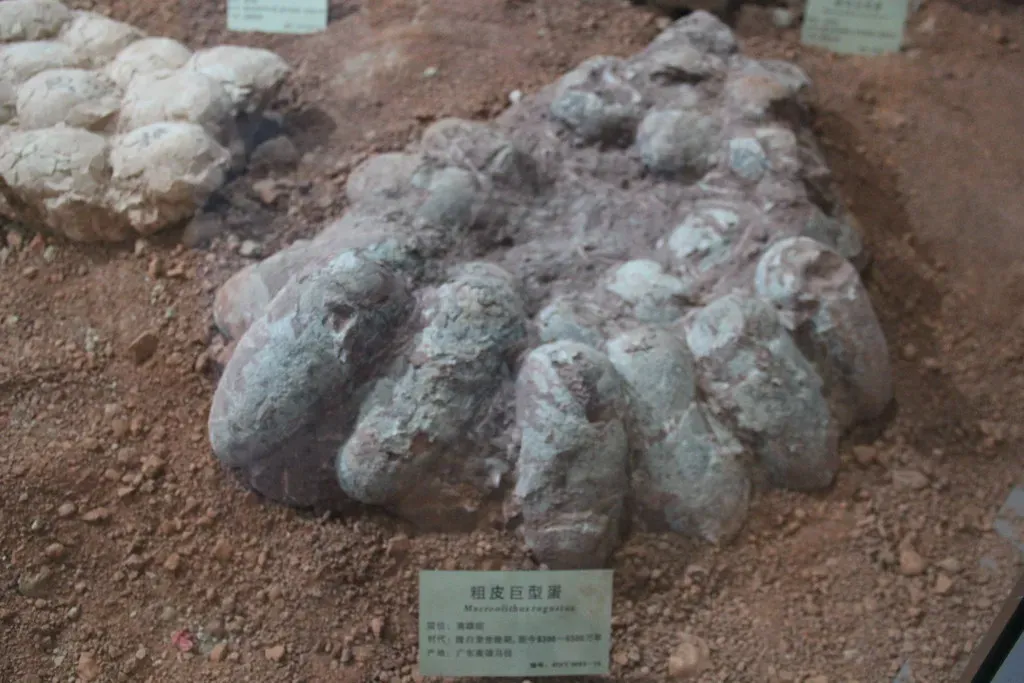
In 1923, scientists from the American Museum of Natural History unearthed the first fossils to be widely regarded as dinosaur eggs in the Gobi Desert in Mongolia, with the eggs initially thought to belong to Protoceratops. Finding eggs might not sound as exciting as discovering a massive skeleton, but honestly, this changed how scientists understood dinosaur life cycles and behavior.
Recent innovations have made these eggshells even more valuable. A global team of geologists and paleontologists has developed a new technique that makes it possible to accurately determine the age of fossil-bearing rocks by directly analyzing fossilized dinosaur eggshells, offering a reliable alternative to methods that depend on surrounding materials. In Mongolia, the team achieved a major milestone by establishing the first direct age for a famous site containing dinosaur eggs and nests, placing it at roughly 75 million years old. These discoveries transformed eggshells from interesting curiosities into powerful scientific tools that help date entire fossil sites.
The Alvarez Hypothesis Explained the Mass Extinction
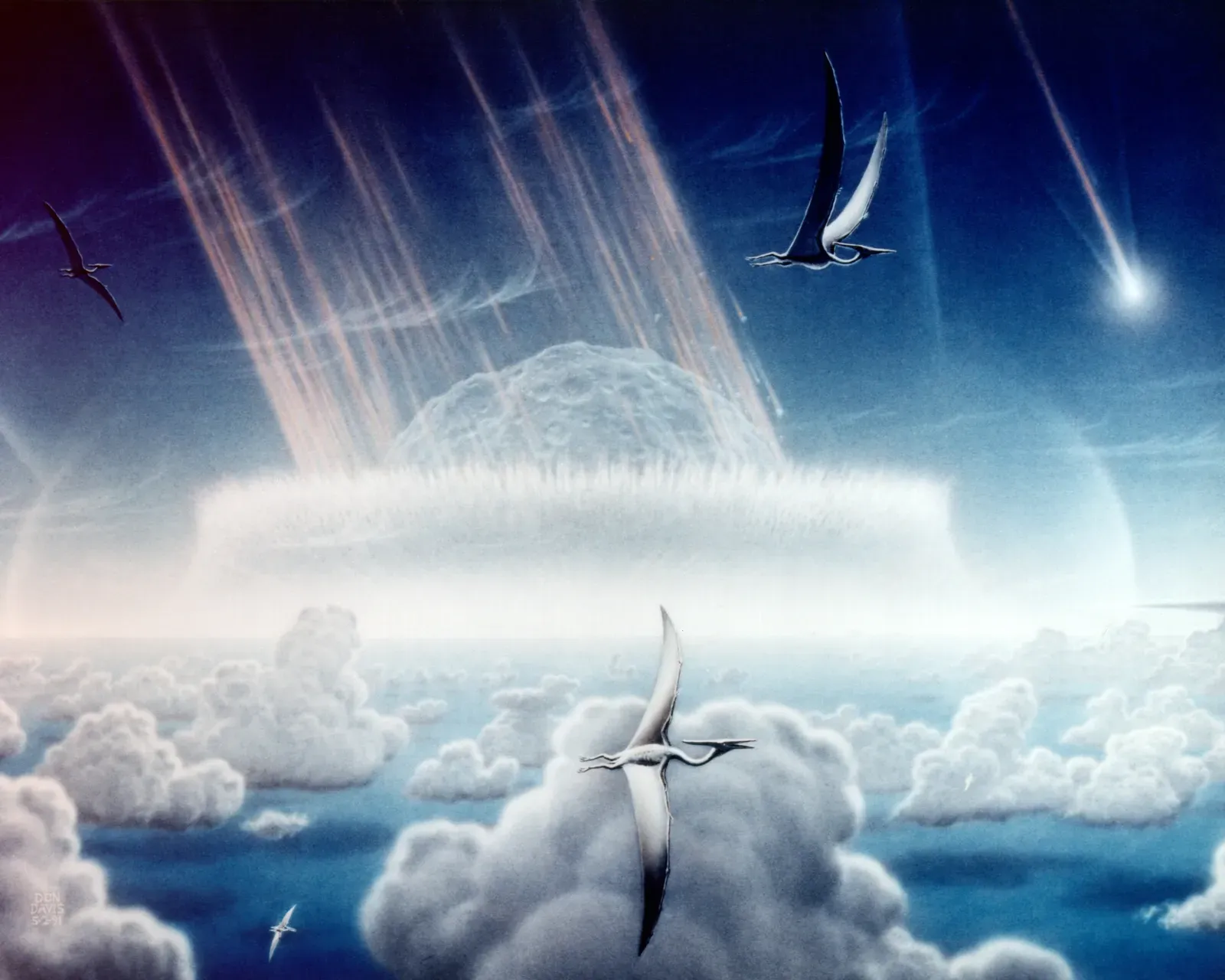
Luis Alvarez, Walter Alvarez, Frank Asaro, and Helen Michel propose the Alvarez hypothesis in 1980, that a comet or asteroid struck the Earth 66 million years ago, causing the Cretaceous–Paleogene extinction event, including the extinction of the non-avian dinosaurs, and enriching the iridium in the K–T boundary. For decades, scientists had debated why dinosaurs vanished so suddenly. Theories ranged from climate change to disease to massive volcanic eruptions.
This hypothesis provided a smoking gun. The discovery of a thin layer of iridium, an element rare on Earth but common in asteroids, at the boundary between the Cretaceous and Paleogene periods offered compelling evidence. Here’s the thing: dinosaurs didn’t slowly fade away over millions of years. They were thriving right up until a catastrophic event ended their reign in geological terms almost instantly. The discovery of the Chicxulub crater in Mexico later confirmed this theory, forever settling one of paleontology’s greatest mysteries. This wasn’t just about dinosaurs dying; it was about understanding how sudden catastrophes can reshape life on Earth.
Nanotyrannus Proved T. Rex Wasn’t Alone
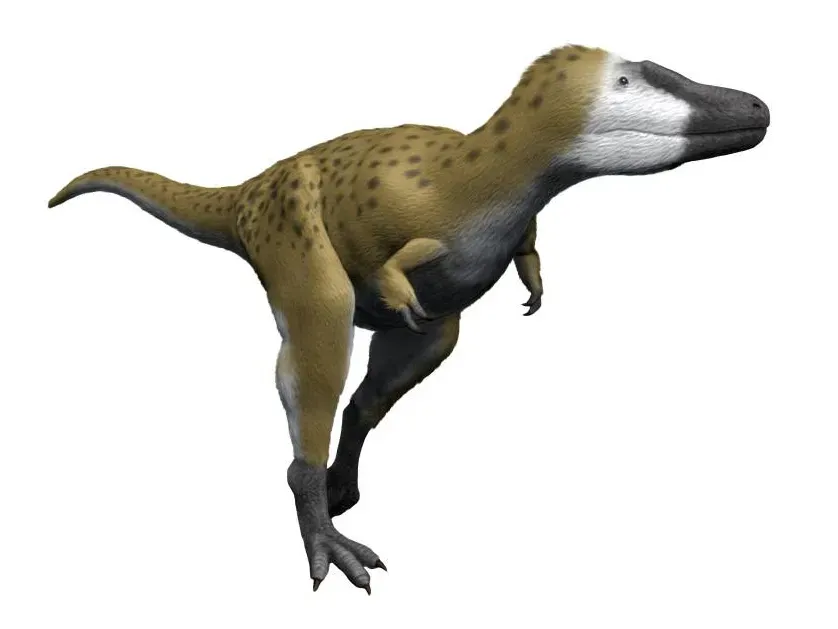
A complete tyrannosaur skeleton has just ended one of paleontology’s longest-running debates, with the fossil part of the legendary Dueling Dinosaurs specimen confirming that the tyrannosaur is a fully grown Nanotyrannus lancensis, not a teenage T. rex. For years, paleontologists argued whether certain smaller tyrannosaur fossils were juveniles of Tyrannosaurus rex or a completely different species.
The skeleton’s fusing spinal sutures and growth rings show it was fully grown when it died at roughly 20 years of age, and its anatomy reveals traits that form early in development and don’t change with age, including fewer tail vertebrae, more teeth, larger hands, and different skull nerve and sinus patterns. Confirmation of the validity of Nanotyrannus means that predator diversity in the last million years of the Cretaceous was much higher than previously thought, and hints that other small-bodied dinosaur species might also be victims of mistaken identity. This discovery completely rewrites the final chapter of the dinosaur story. T. rex wasn’t the sole apex predator ruling North America. It shared its ecosystem with other tyrannosaurs, creating a more complex and competitive world than anyone imagined.
Conclusion
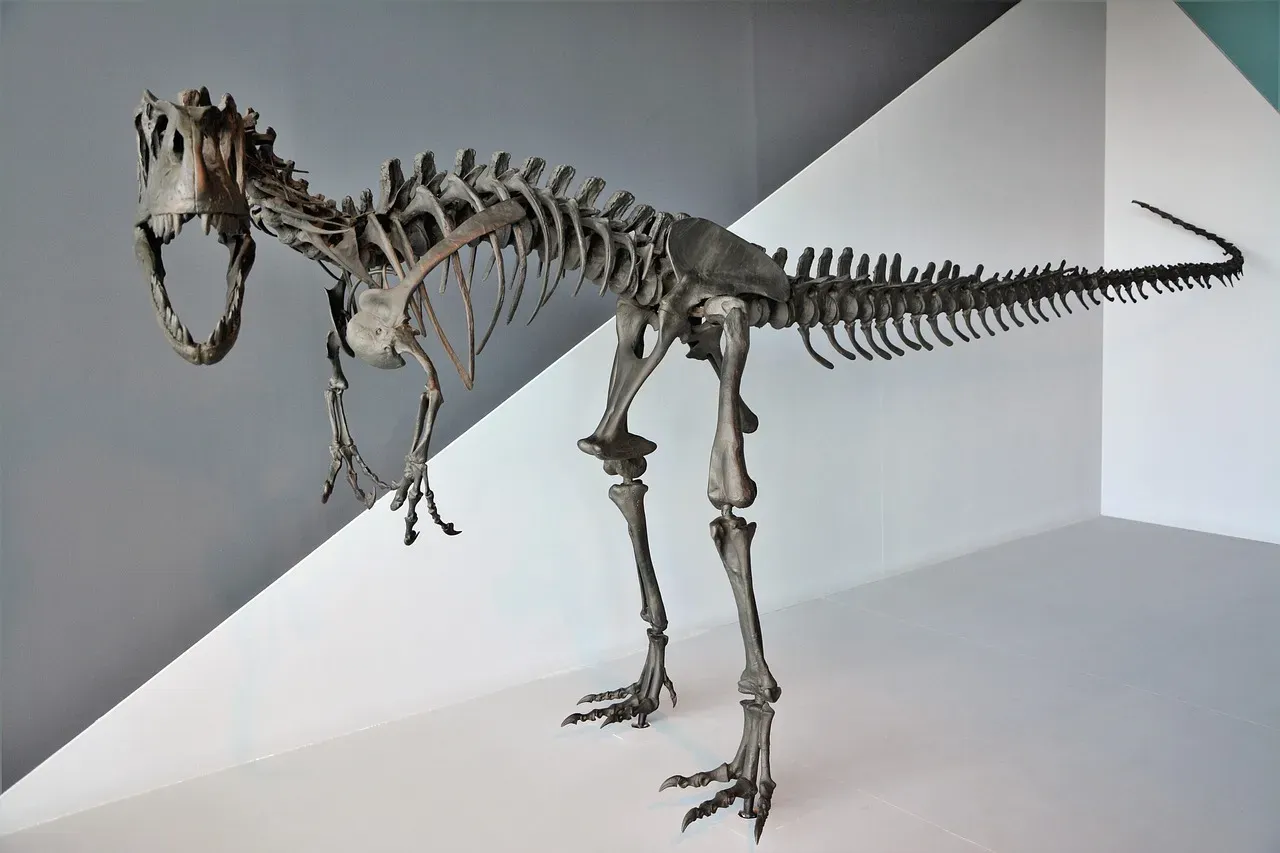
These seven discoveries represent watershed moments in paleontology, each one forcing scientists to reconsider fundamental assumptions about dinosaur evolution, behavior, and extinction. From the very first named species to revolutionary insights about feathers, reproduction, and extinction events, each finding has added crucial pieces to an enormous prehistoric puzzle. The story isn’t over, though.
Scientists continue unearthing new fossils at an unprecedented rate, with roughly one new species being named every couple of weeks. Who knows what the next groundbreaking discovery might reveal about these magnificent creatures that once ruled our planet? What aspect of dinosaur life do you think remains most mysterious? The answers might be waiting right now, buried in rock, ready to change everything we thought we knew.