The ancient remains of creatures that lived millions of years ago tell stories that go far beyond their original lives. When paleontologists discover fossils, they’re not just finding evidence of prehistoric life – they’re uncovering clues about incredible journeys these specimens took long after death. Some fossils carry secret signatures that reveal they spent time in watery environments before reaching their final resting place, creating a fascinating detective story written in stone and bone.
Telltale Smoothing and Polishing of Bone Surfaces
Water has an unmistakable way of leaving its mark on fossil remains. When bones and shells tumble through rivers, lakes, or ocean currents, they undergo a natural polishing process that’s impossible to miss. The constant motion against sand, pebbles, and other debris creates smooth, rounded edges that stand in stark contrast to the sharp, angular breaks typically found in fossils that remained undisturbed.
This smoothing effect is particularly noticeable on dense bone materials like teeth and skull fragments. Marine paleontologists often find shark teeth that have been so thoroughly polished by underwater currents that they gleam like polished gemstones. The surface develops a characteristic sheen that catches light differently than fresh fossil material.
Distinctive Boring Patterns from Marine Organisms
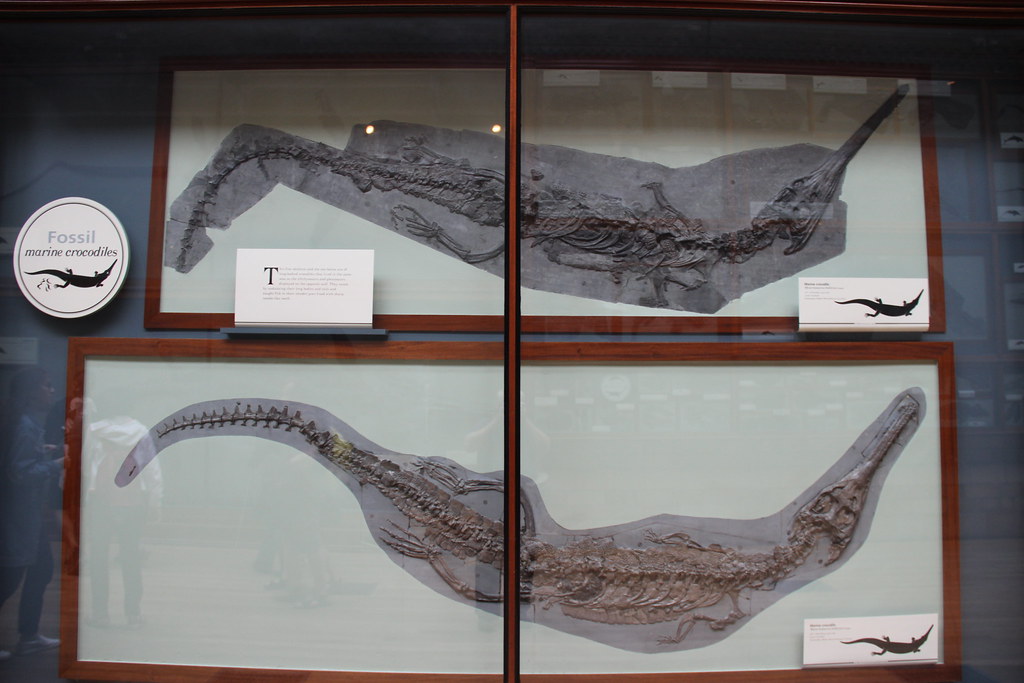
Some of the most compelling evidence comes from tiny holes and tunnels created by marine creatures. Shipworms, marine clams, and various boring sponges leave behind distinctive patterns when they attack submerged organic material. These microscopic architects create perfectly round holes, branching tunnel systems, and honeycomb-like structures that are unmistakably biological in origin.
The size and pattern of these borings can even help scientists determine how long a fossil spent underwater. Shallow, surface-level holes suggest brief exposure, while deep, extensive tunnel networks indicate the specimen was submerged for extended periods. These biological signatures act like underwater timestamps, recording the fossil’s aquatic adventure.
Encrustation by Marine Life Forms
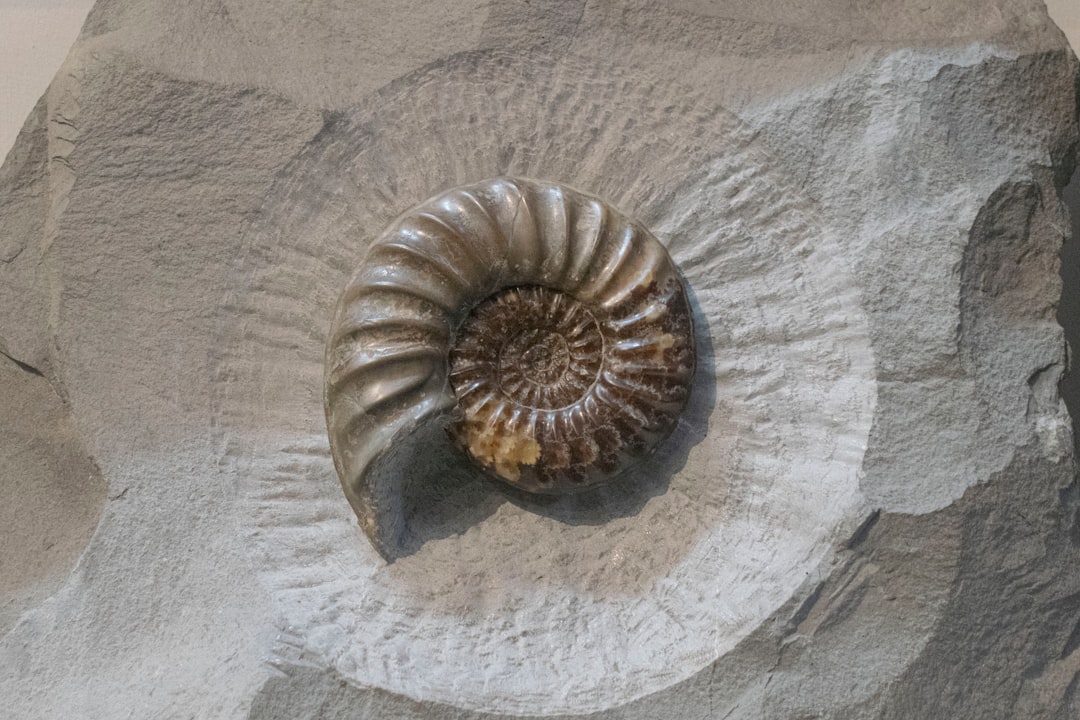
Underwater fossils often become real estate for marine organisms looking for hard surfaces to call home. Barnacles, oysters, bryozoans, and coral polyps frequently attach themselves to submerged bones and shells, creating distinctive crusty layers that paleontologists can easily identify. These encrustations form permanent records of the fossil’s time spent on the ocean floor.
The types of encrusting organisms can reveal surprising details about the underwater environment. Tropical coral encrustations tell a different story than cold-water barnacle colonies, helping scientists piece together ancient climate conditions and water depths where the fossil once rested.
Chemical Staining and Mineral Replacement
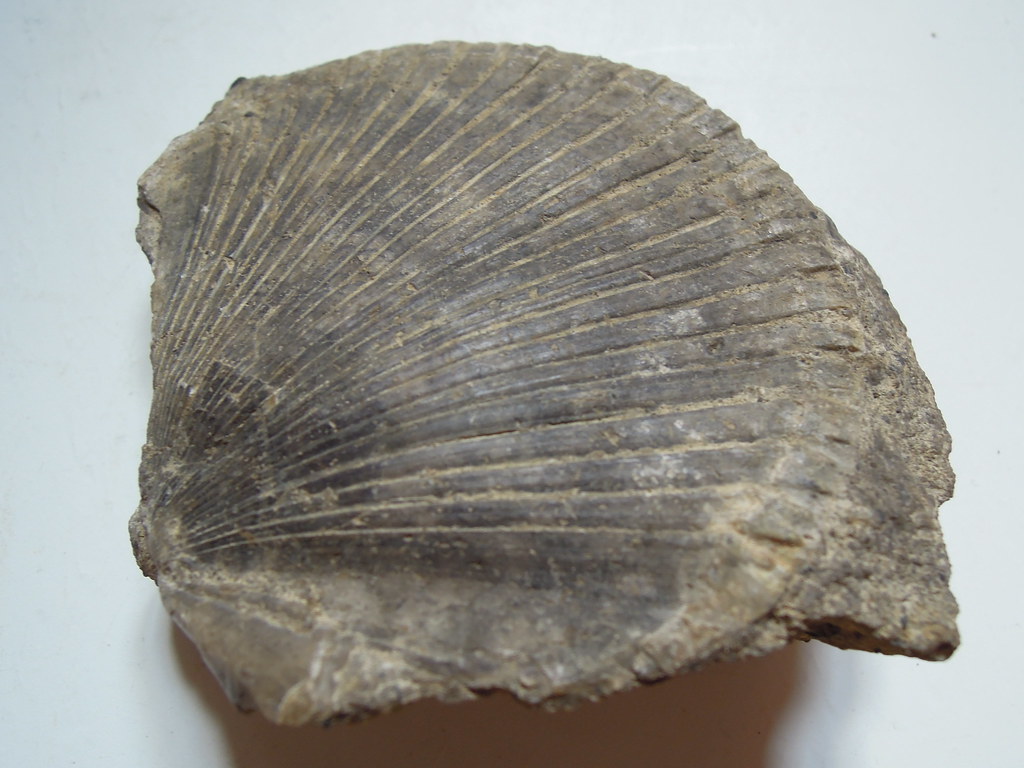
Water chemistry leaves its unique fingerprint on fossil remains. Iron-rich waters create distinctive rust-colored stains that penetrate deep into the bone structure, while sulfur-rich environments produce characteristic black or greenish discoloration. These chemical signatures are nearly impossible to fake or replicate through other means.
Perhaps most dramatically, some underwater fossils undergo complete mineral replacement where the original bone material is gradually substituted with minerals dissolved in the surrounding water. This process, called permineralization, can create fossils with completely different colors and densities than their original forms, yet preserve every microscopic detail of the original structure.
Sediment Layers and Grain Patterns
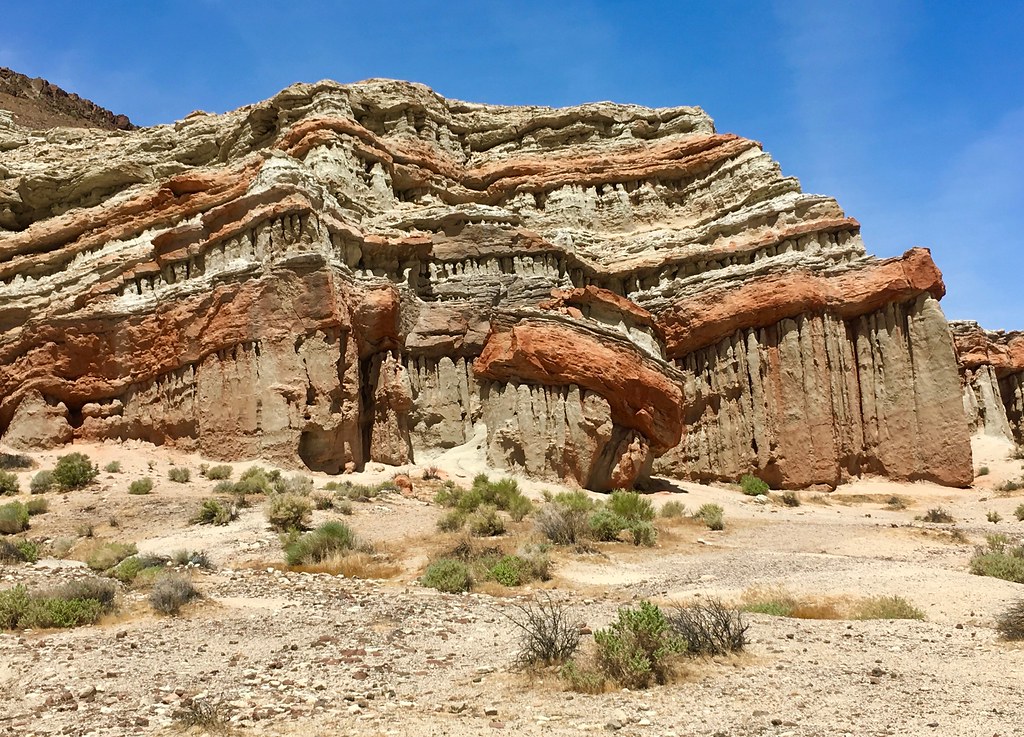
The sediments that surround underwater fossils tell their own story through distinctive layering patterns. Marine environments create characteristic grain sizes and sorting patterns that differ significantly from terrestrial burial sites. Fine clay particles settle in calm, deep waters, while coarser sands indicate more energetic shallow-water environments.
Geologists can read these sediment signatures like pages in a book, determining water depth, current strength, and even seasonal variations in the ancient environment. Cross-bedding patterns in sandstone reveal the direction of ancient currents, while rhythmic layering might indicate tidal influences that affected the fossil’s final resting place.
Presence of Marine Microfossils
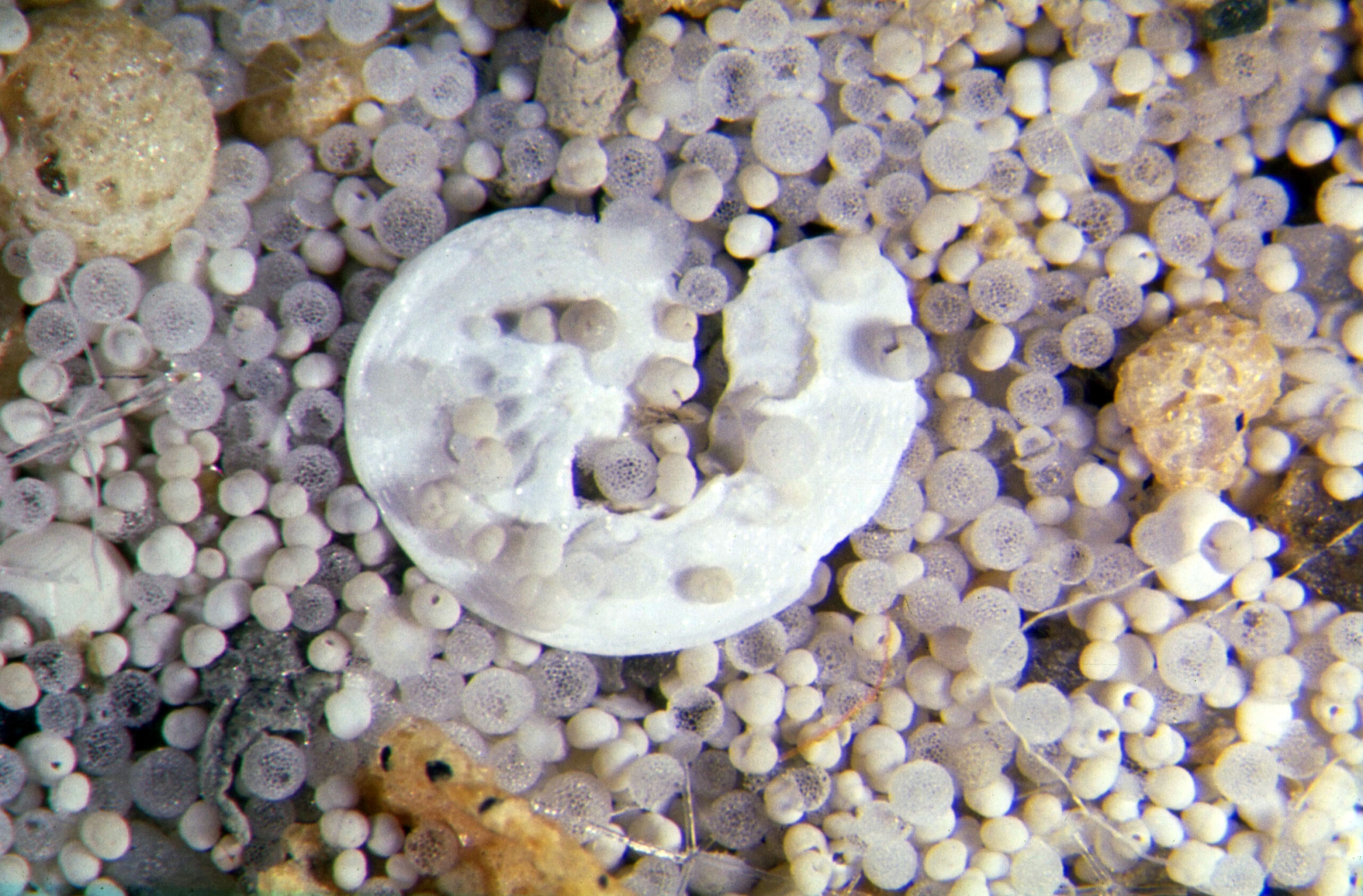
Microscopic marine organisms often hitchhike on larger fossil specimens, creating an invisible record of underwater exposure. Diatoms, foraminifera, and other marine microorganisms embed themselves in the surface texture of bones and shells, remaining there even after the fossil is removed from its watery environment.
Advanced microscopy techniques can reveal these tiny stowaways, providing concrete evidence of marine exposure. The species composition of these microfossils can even help scientists determine the age of the underwater environment, adding another layer to the fossil’s complex history.
Distinctive Weathering Patterns
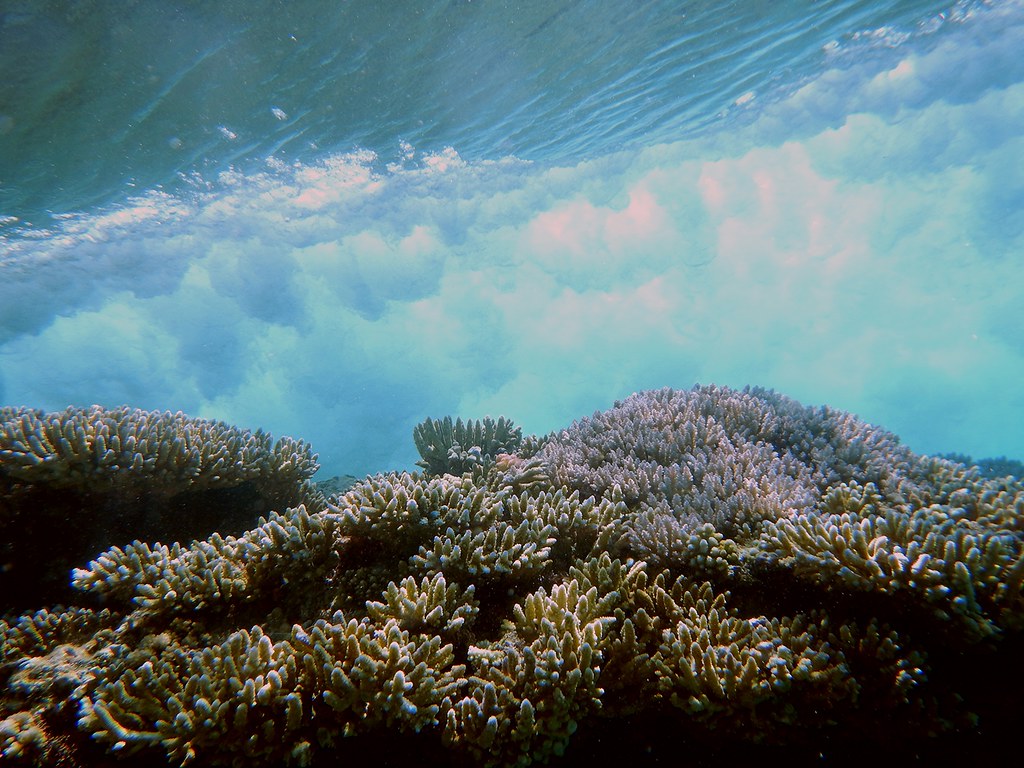
Underwater weathering creates patterns that are fundamentally different from terrestrial exposure. Constant water movement produces uniform erosion across all surfaces, while chemical interactions with seawater create specific types of surface pitting and etching. These patterns are so distinctive that experienced paleontologists can identify underwater exposure at a glance.
The absence of certain weathering features can be just as telling as their presence. Fossils that spent time underwater rarely show the sun-bleaching, thermal cracking, or oxidation patterns typical of surface exposure, creating a negative signature that’s equally valuable for interpretation.
Associated Marine Fauna
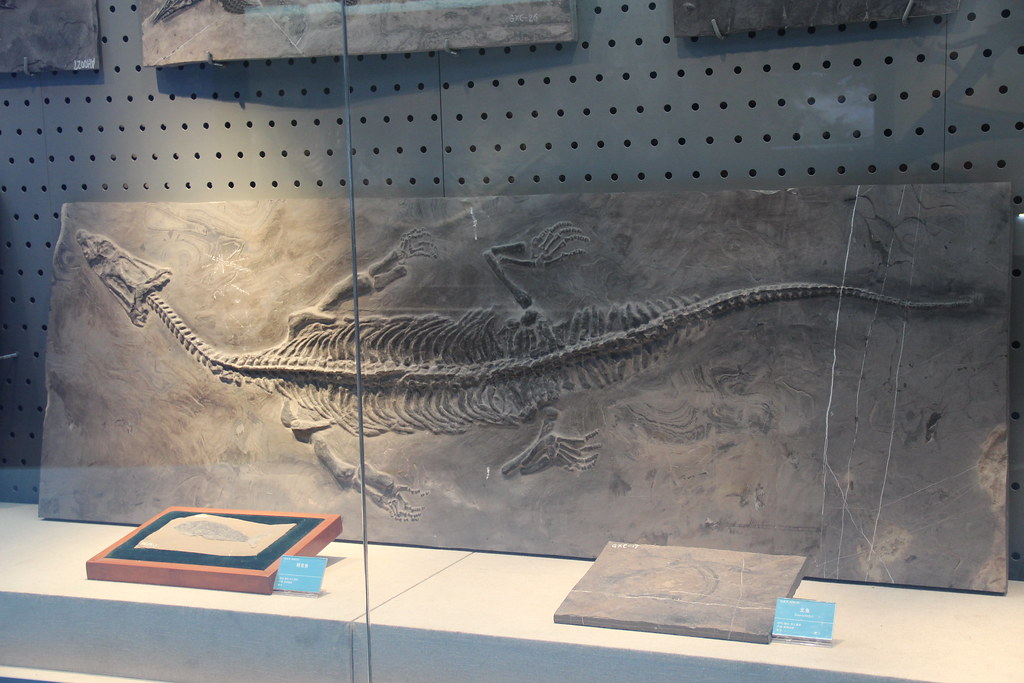
Fossils that travel underwater often pick up traveling companions along the way. Marine shells, coral fragments, and other oceanic debris become permanently associated with the main specimen, creating mixed assemblages that indicate marine transport. These associations are particularly common in fossils that were transported by storms or tsunamis.
The preservation quality of these associated marine fossils can provide additional clues about the duration and conditions of underwater exposure. Well-preserved marine shells suggest relatively recent submersion, while heavily abraded fragments indicate longer periods of aquatic tumbling.
Orientation and Positioning Clues
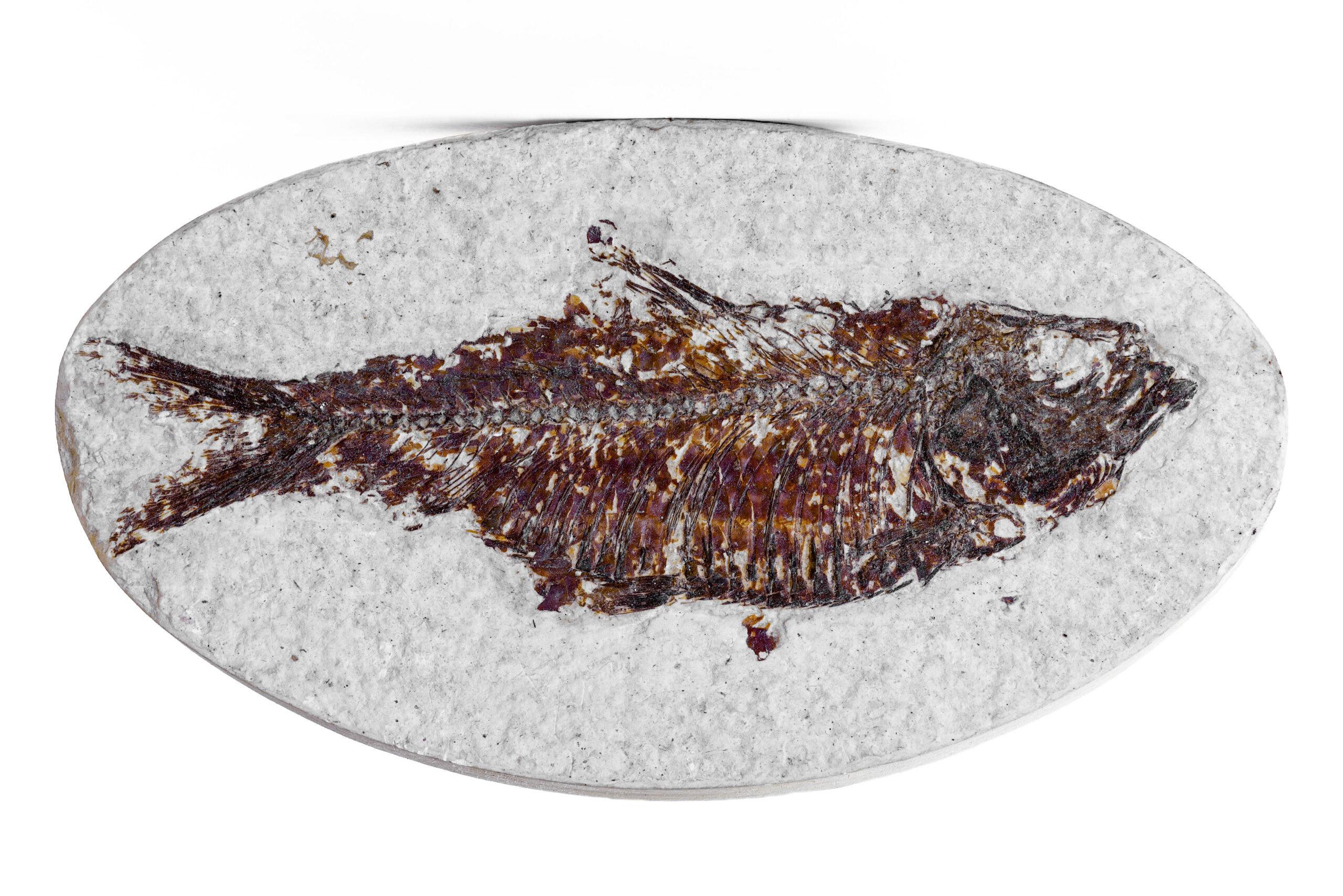
The way fossils are positioned when discovered can reveal their underwater journey. Hydrodynamic sorting causes bones and shells to align in specific ways based on their shape and density. Long bones tend to orient parallel to the current direction, while flat bones often stack in characteristic patterns.
This natural sorting process creates fossil arrangements that would be impossible to achieve through normal burial processes. The patterns are so predictable that paleontologists can often determine the direction of ancient currents just by examining how fossils are arranged in the rock matrix.
Size Sorting and Selective Preservation
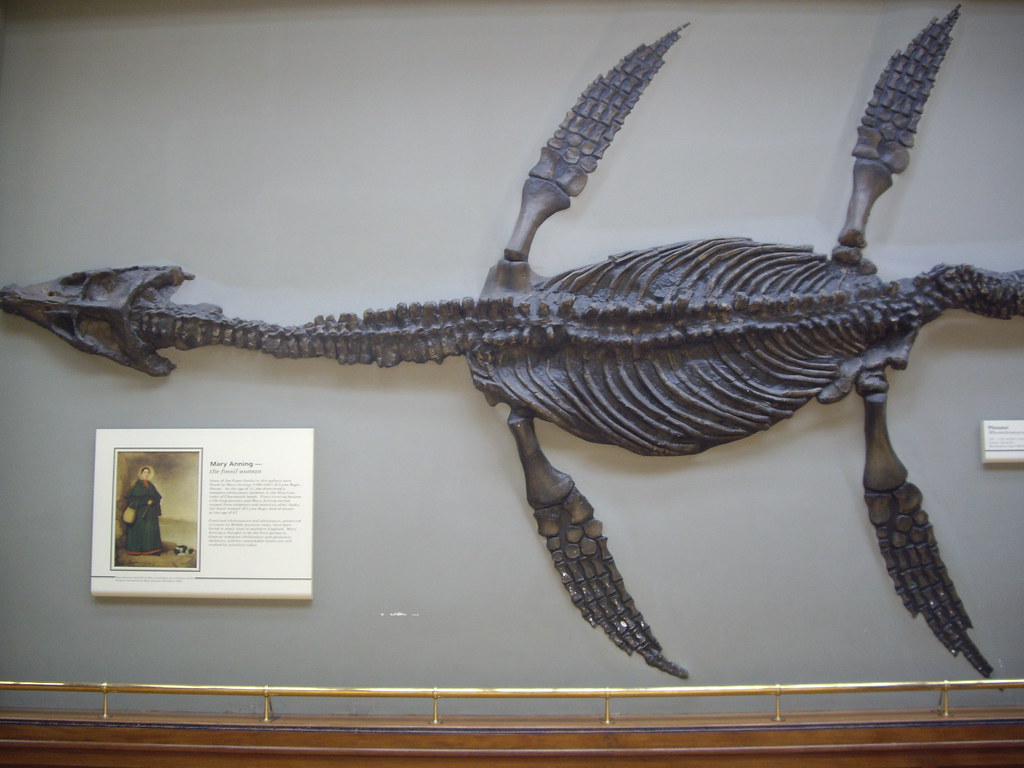
Water currents act like natural sieves, sorting fossil material by size and density. Smaller, lighter fragments get carried farther distances, while heavier pieces settle out closer to their source. This selective transport creates characteristic size distributions that differ markedly from in-situ death assemblages.
The preservation quality often varies systematically with size, as smaller pieces experience more abrasion during transport. This creates a diagnostic pattern where the smallest fossils show the most wear, while larger specimens retain more of their original surface features.
Mineral Coatings and Concretions
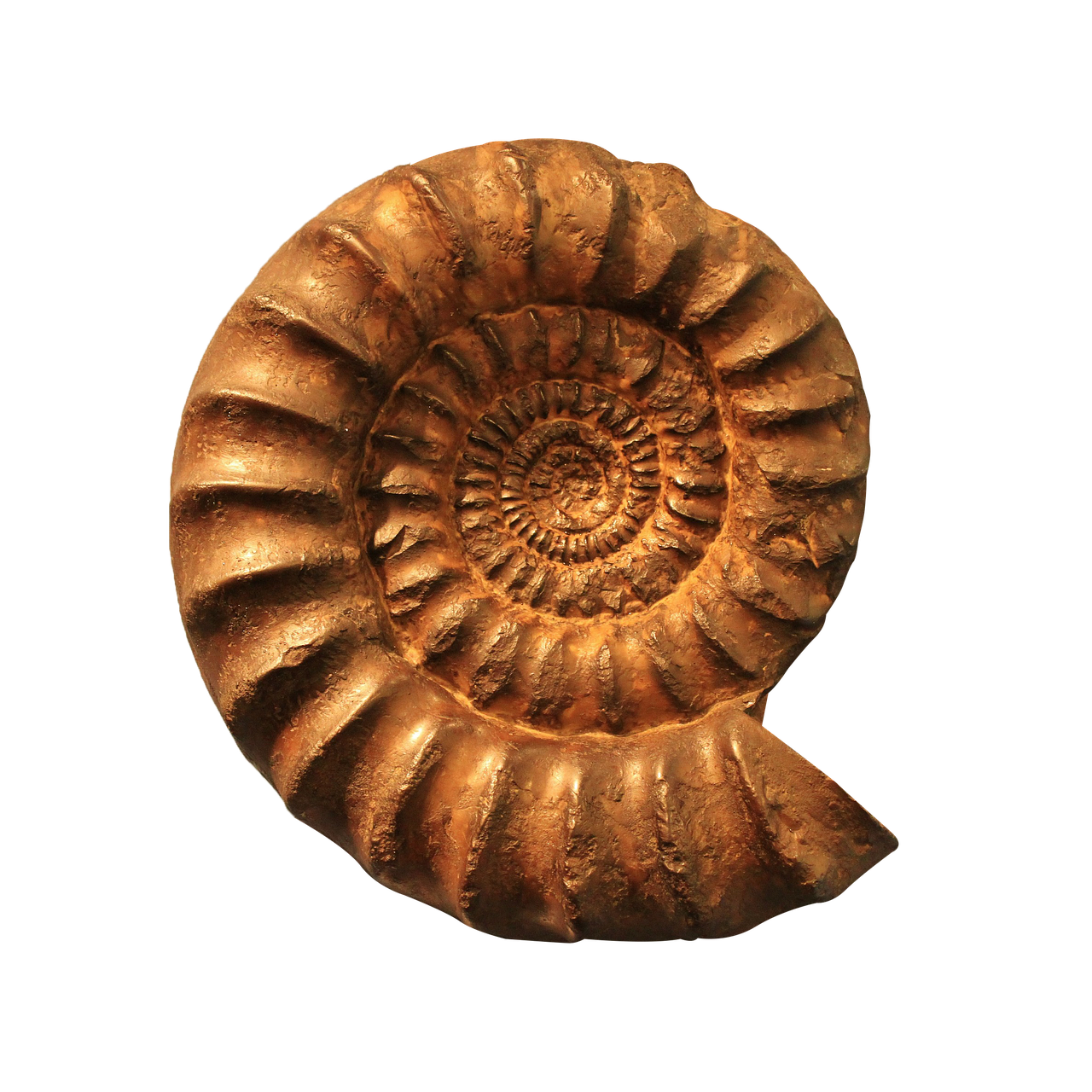
Underwater fossils often develop distinctive mineral coatings that form only in aquatic environments. Iron oxide shells, calcium carbonate crusts, and phosphate nodules create protective layers that can preserve fossils for millions of years. These coatings form through specific chemical processes that require prolonged water contact.
The thickness and composition of these mineral layers can indicate the chemistry of the ancient water body. Thick iron coatings suggest oxygen-poor conditions, while thin calcium layers indicate well-oxygenated environments with active water circulation.
Breakage and Fragmentation Patterns
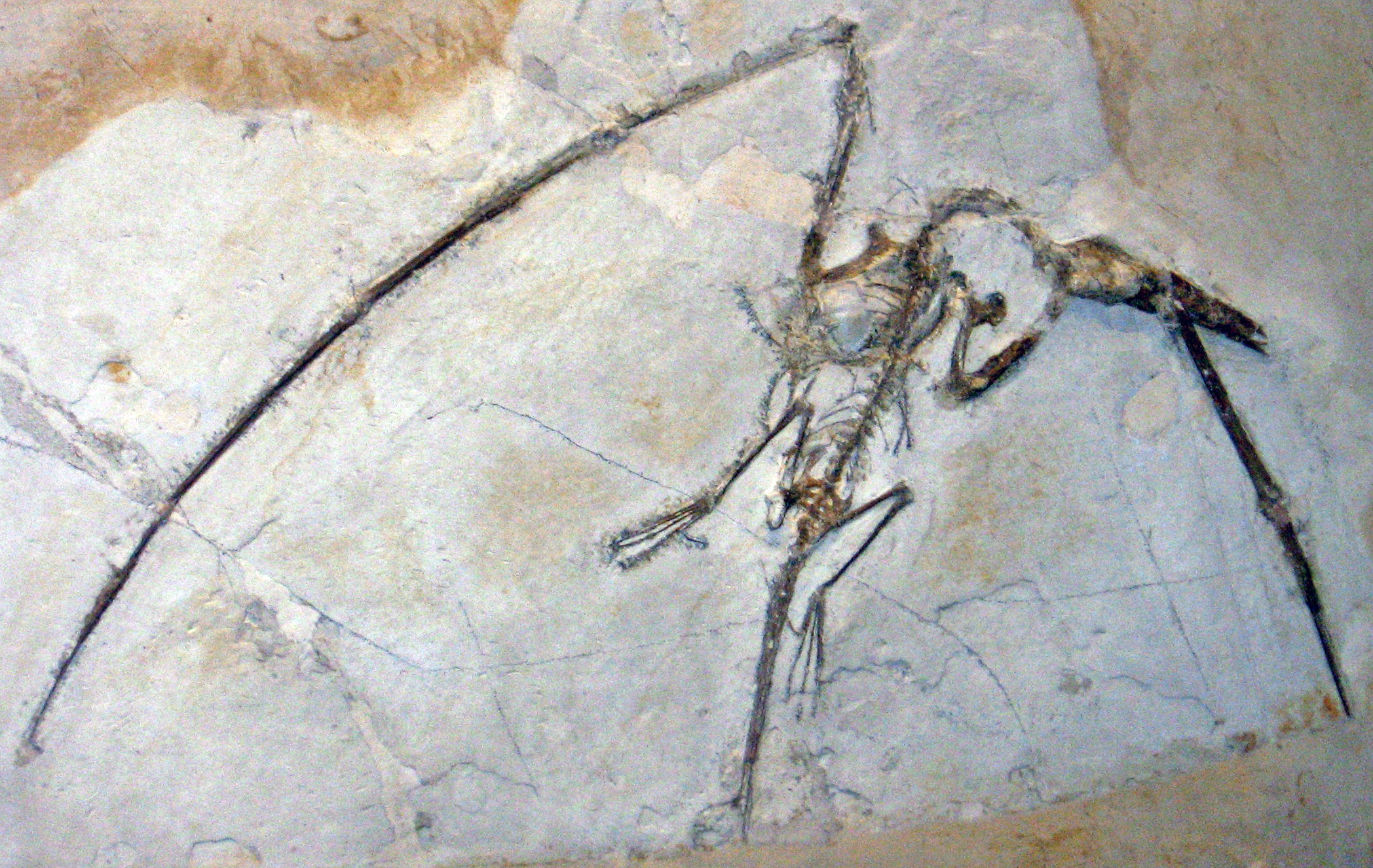
The way fossils break underwater differs significantly from terrestrial fracturing. Water pressure and buoyancy effects create specific types of cracks and splits that experienced paleontologists can recognize immediately. Hydraulic pressure can split bones along natural weak points, while impact with underwater obstacles creates characteristic chip patterns.
These breakage patterns often preserve evidence of the forces involved in underwater transport. High-energy environments like storm surge zones create different damage patterns than gentle deep-water currents, helping scientists reconstruct the dynamic conditions the fossil experienced.
Isotopic Signatures
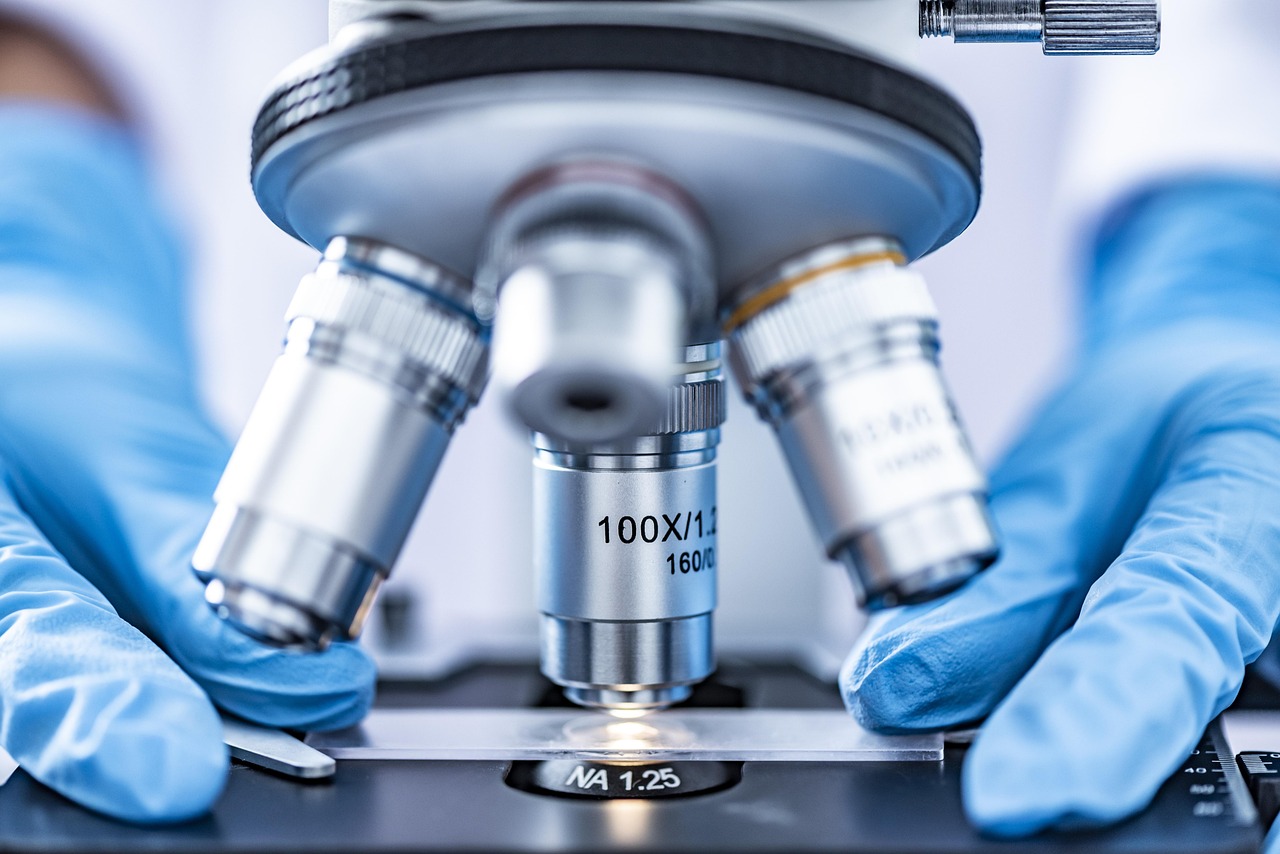
Chemical analysis of fossil material can reveal isotopic signatures that are uniquely associated with marine environments. The ratio of different oxygen isotopes in bone and shell material reflects the temperature and salinity of the water where the fossil spent time. These chemical fingerprints provide quantitative evidence of underwater exposure.
Modern analytical techniques can detect even brief periods of marine exposure through these isotopic signatures. The precision of these measurements allows scientists to distinguish between different types of water bodies and even estimate the duration of underwater exposure with remarkable accuracy.
Conclusion: Reading the Underwater Story
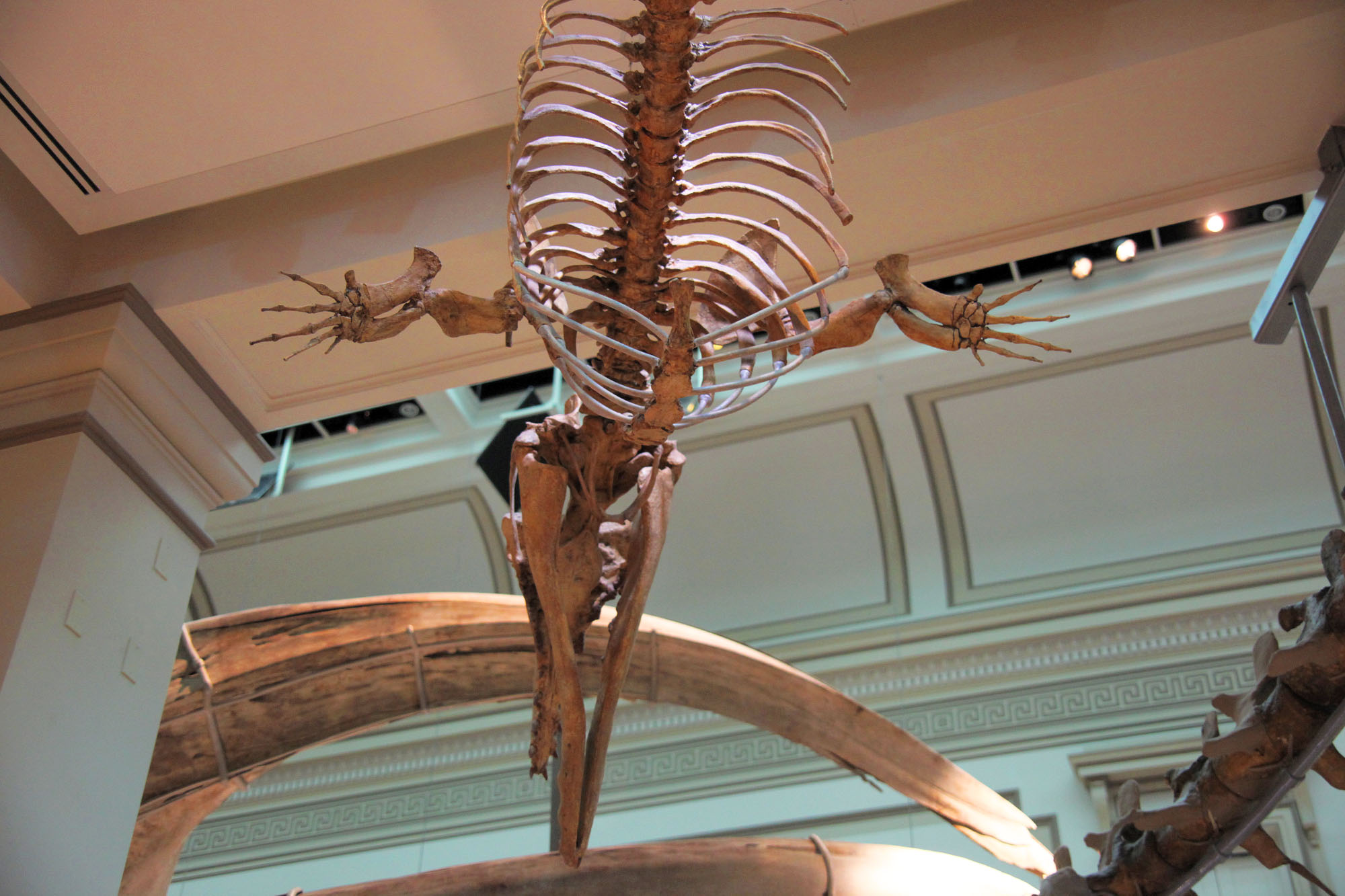
The journey of a fossil through underwater environments leaves an indelible record that skilled paleontologists can read like a detailed travel diary. From the microscopic borings of marine organisms to the chemical signatures of ancient seawater, every clue contributes to a comprehensive picture of the specimen’s aquatic adventure.
Understanding these underwater signatures isn’t just about satisfying scientific curiosity – it’s about reconstructing ancient environments, understanding prehistoric climate conditions, and piecing together the complex geological processes that have shaped our planet. Each water-worn fossil represents a unique chapter in Earth’s history, carrying messages from ancient seas that continue to inform our understanding of life’s incredible journey through time.
The next time you encounter a fossil in a museum or discover one during your explorations, take a moment to examine its surface for these telltale signs. What underwater secrets might it be hiding?