Every living thing on Earth, from the bacteria in hot springs to the people scrolling on their phones at 2 a.m., shares one wild fact: we are all products of the universe messing with us. Cosmic events did not just light up the sky; they carved the rules for who lives, who dies, and what is even possible on this planet. If you zoom out far enough, evolution starts to look less like a quiet, slow walk and more like a series of cosmic plot twists.
In school, we’re usually taught that life evolved mostly because of random mutations and natural selection, as if Earth were a closed system. But that’s only half the story. From ancient supernovae sprinkling the raw ingredients for biology, to gamma ray bursts, asteroid strikes, and even the gentle wobble of Earth’s orbit, space has been constantly nudging, shocking, and occasionally body-slamming life’s trajectory. Here are seven cosmic events that did far more than decorate the night sky – they helped decide what life on Earth would become.
1. Ancient Supernovae: The Star Explosions That Built Our Bodies
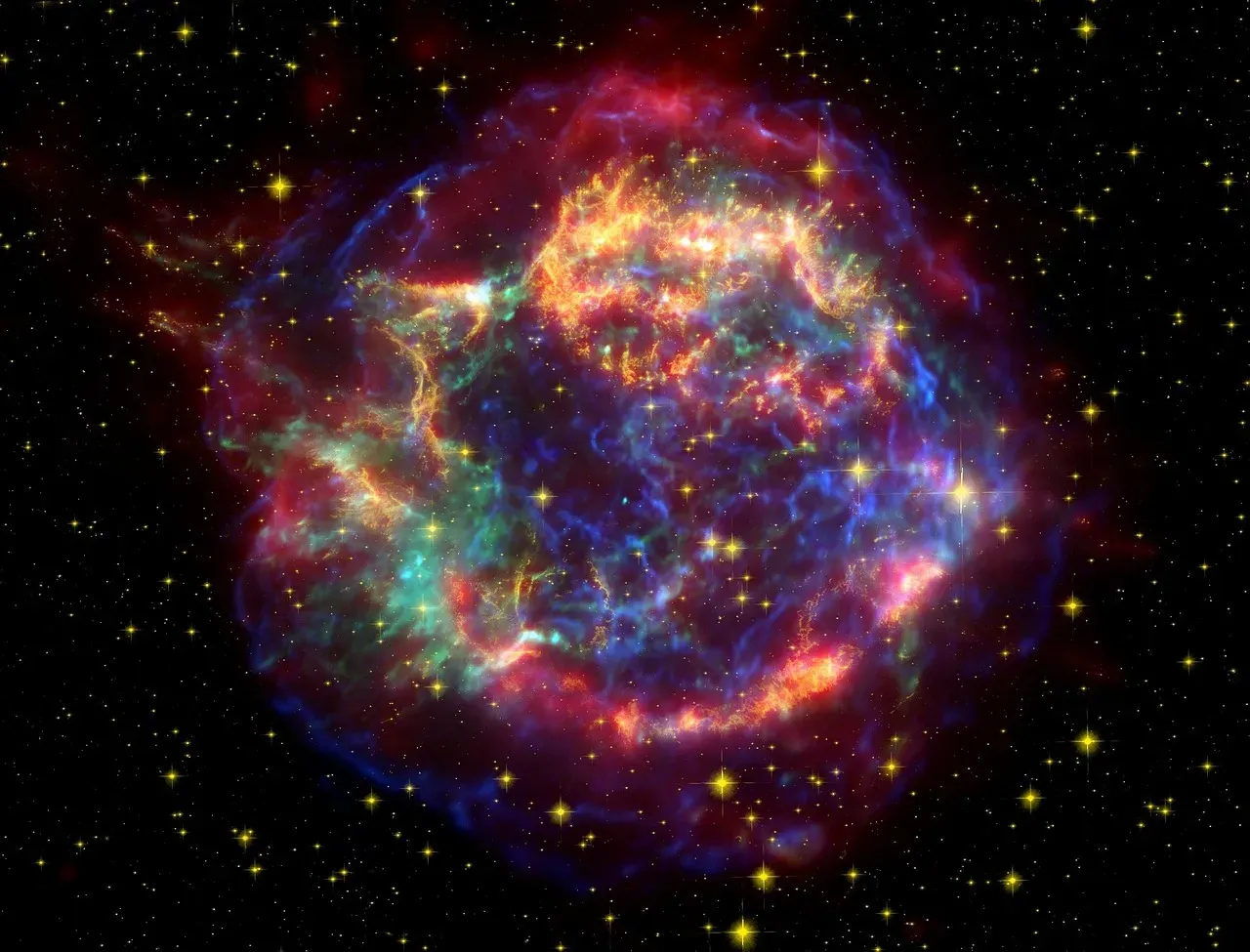
It sounds poetic, but it is also literal: the calcium in your bones, the iron in your blood, and much of the oxygen you breathe were forged in dying stars that exploded long before Earth existed. Early in our galaxy’s history, generations of massive stars lived fast and died violently as supernovae, hurling freshly made heavy elements across interstellar space. Those ashes of dead stars later mixed into the cloud of gas and dust that collapsed to form our solar system.
Without that long cosmic assembly line, Earth would be a boring ball of mostly hydrogen and helium, with no solid crust, no oceans, and definitely no chemistry rich enough for DNA and cell membranes. The periodic table we rely on for life – carbon for complex molecules, phosphorus for energy, iron for metabolism – was essentially a gift from those explosions. When people say we are made of stardust, it is not feel-good science fiction; it is basic astrophysics turned into a very personal fact.
2. The Birth of the Sun and a Stable Habitable Zone
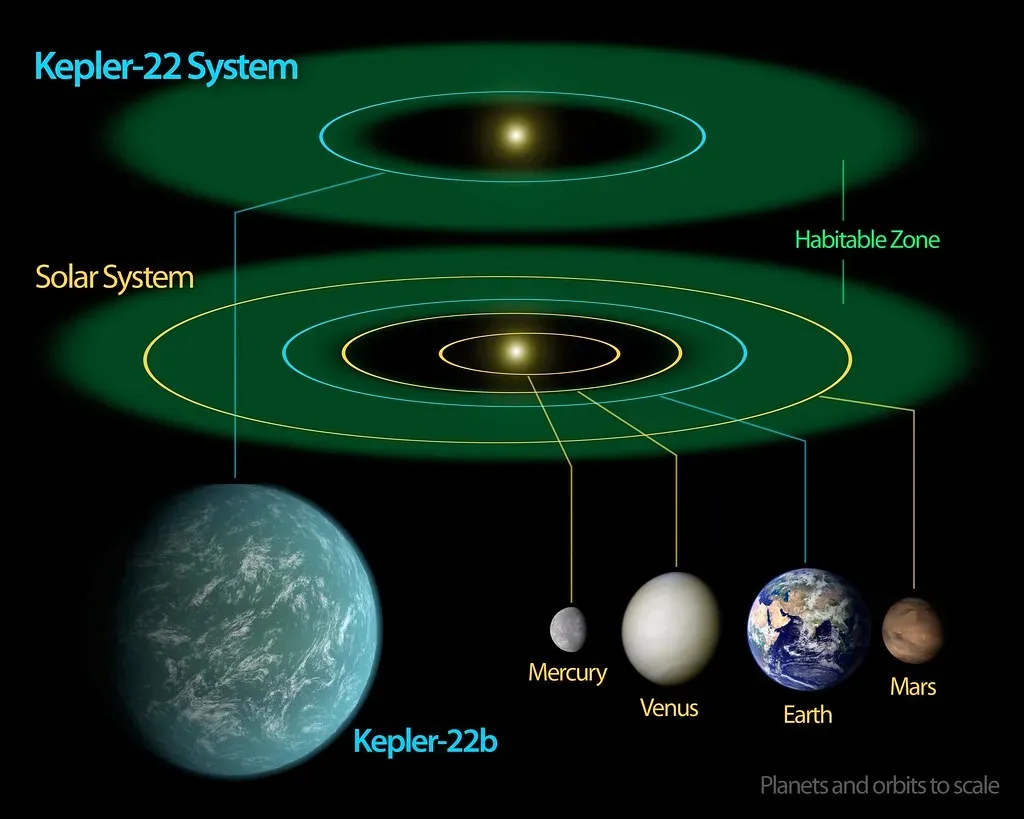
Our Sun is not just any star; it is unusually stable for the amount of time life has needed to evolve on Earth. About four and a half billion years ago, as the solar nebula collapsed, the balance between the Sun’s mass, luminosity, and the distance of the forming Earth created a delicate setup: our planet landed in the so-called habitable zone where liquid water can persist over long timescales. That “just right” band is not magic, but it is absolutely unforgiving; a bit too close, and Earth would have been a scorched rock, a bit too far, and we would be a frozen snowball.
Even more important, the Sun has been relatively calm, at least on geological timescales. Yes, it had a more active, flaring youth, and it still spits out solar storms today, but compared with many stars of similar mass, it has not repeatedly blasted Earth with planet-sterilizing radiation. That long-term stability created a continuous window for chemistry to get complicated, for cells to arise, and for evolution to experiment over billions of years instead of constantly hitting the reset button.
3. A Possible Nearby Supernova That Seeded Earth’s Early Environment
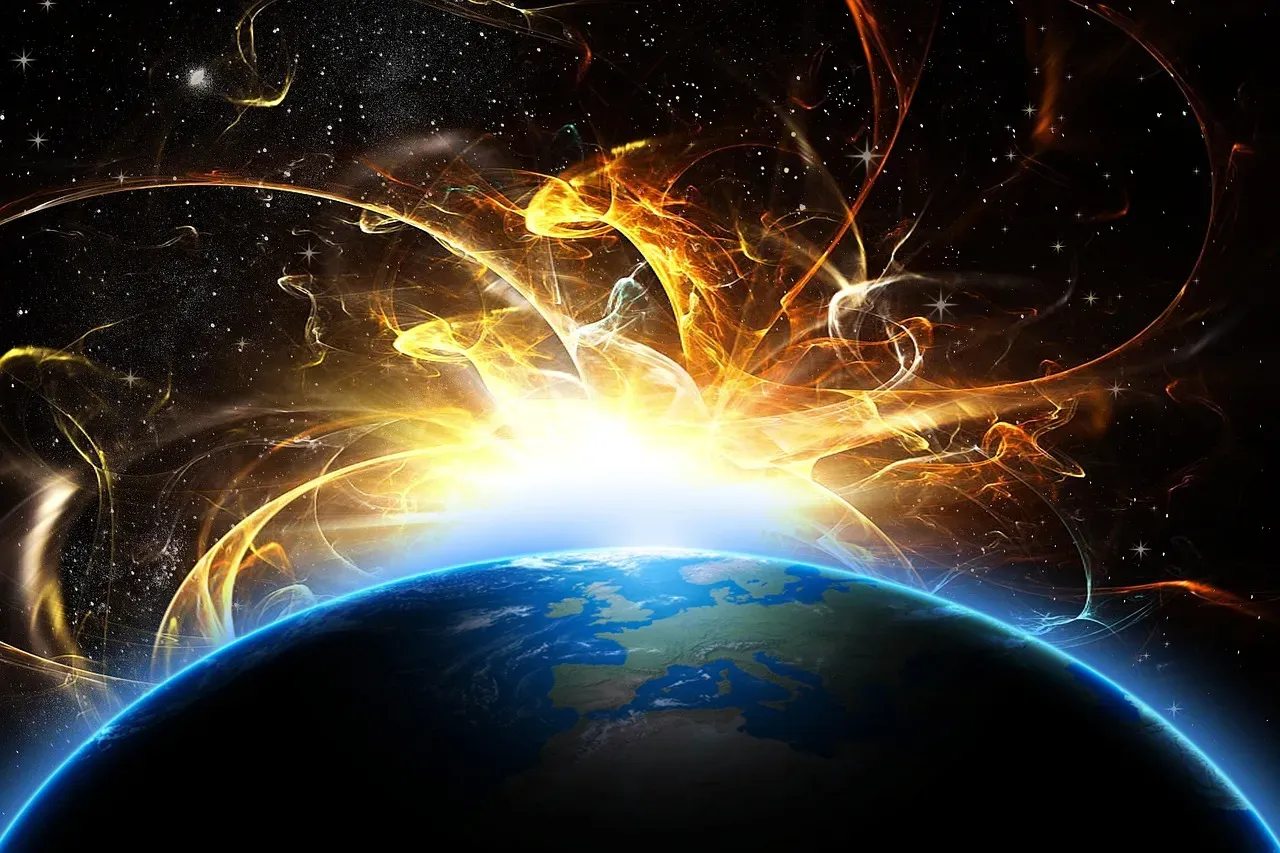
There is intriguing evidence that at least one relatively nearby supernova went off within the last several million years, sprinkling Earth with trace amounts of radioactive iron isotopes found in ocean sediments. While that event did not wipe everything out, it shows that our planet sits in a neighborhood where stellar explosions can occasionally get uncomfortably close. Go back much farther in time, and similar events may have played subtle or even dramatic roles in shaping the environment in which early life evolved.
Some researchers have suggested that nearby supernovae could temporarily thin the ozone layer, increase cosmic ray flux, and nudge climate systems by altering cloud formation. Even modest changes in radiation and climate can shift which species thrive, which struggle, and how fast mutation rates pile up, effectively turning up evolution’s accelerator in certain eras. I find it fascinating, and a little unsettling, that part of the story of life might involve distant stars detonating and quietly rewriting the rules on Earth, without a single creature knowing what hit them.
4. Asteroid Impacts and the Dinosaur-Ending Catastrophe
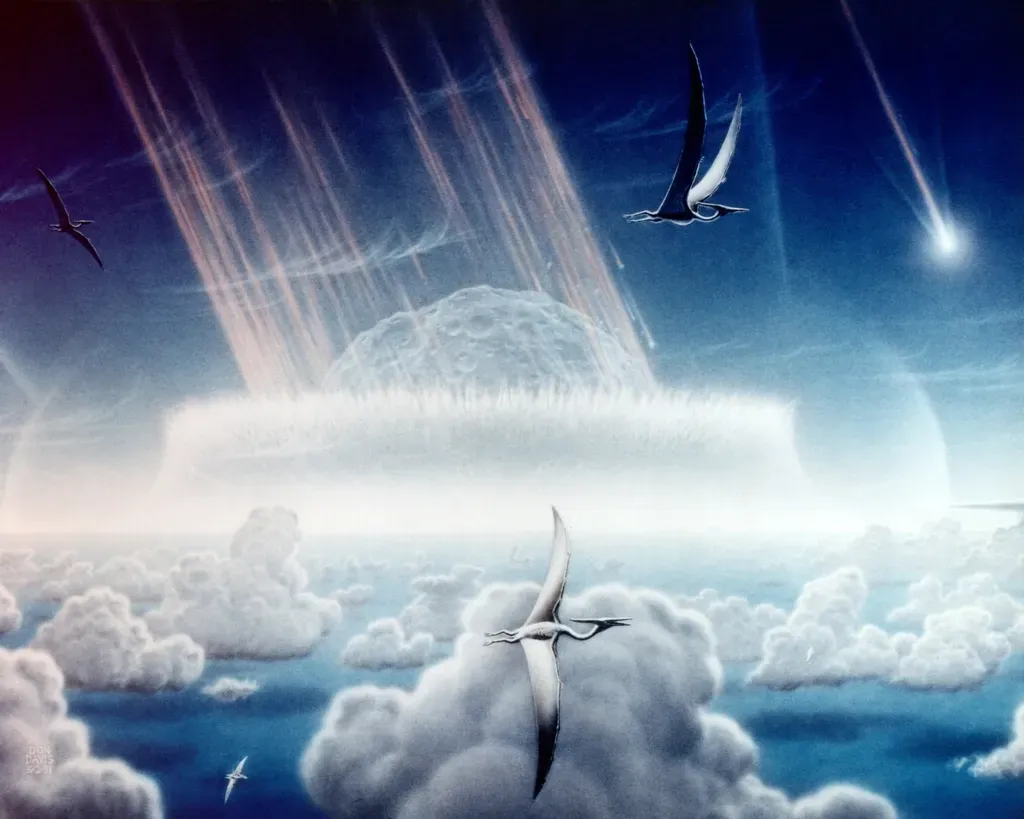
When people think of space changing life on Earth, they usually picture one thing: the asteroid that slammed into our planet about sixty-six million years ago and ended the age of non-bird dinosaurs. That impact in what is now the Yucatán Peninsula unleashed an almost unimaginable chain of disasters – shock waves, wildfires, global dust clouds that dimmed the Sun, and a collapse of food chains on land and in the oceans. It was brutal, and for most large species alive at the time, it was a dead end.
And yet, that same catastrophe opened new evolutionary real estate for mammals, including the small, mostly nocturnal ones that survived in the shadows. With many dominant competitors gone, these survivors spread into empty niches, eventually giving rise to primates and, much later, humans. To me, the uncomfortable truth is that our very existence is partly built on that cosmic collision; if that rock had missed or been slightly smaller, Earth might still be a dinosaur world, and no one would be here arguing about it on the internet.
5. Subtle Orbital Wobbles and the Rhythm of Ice Ages
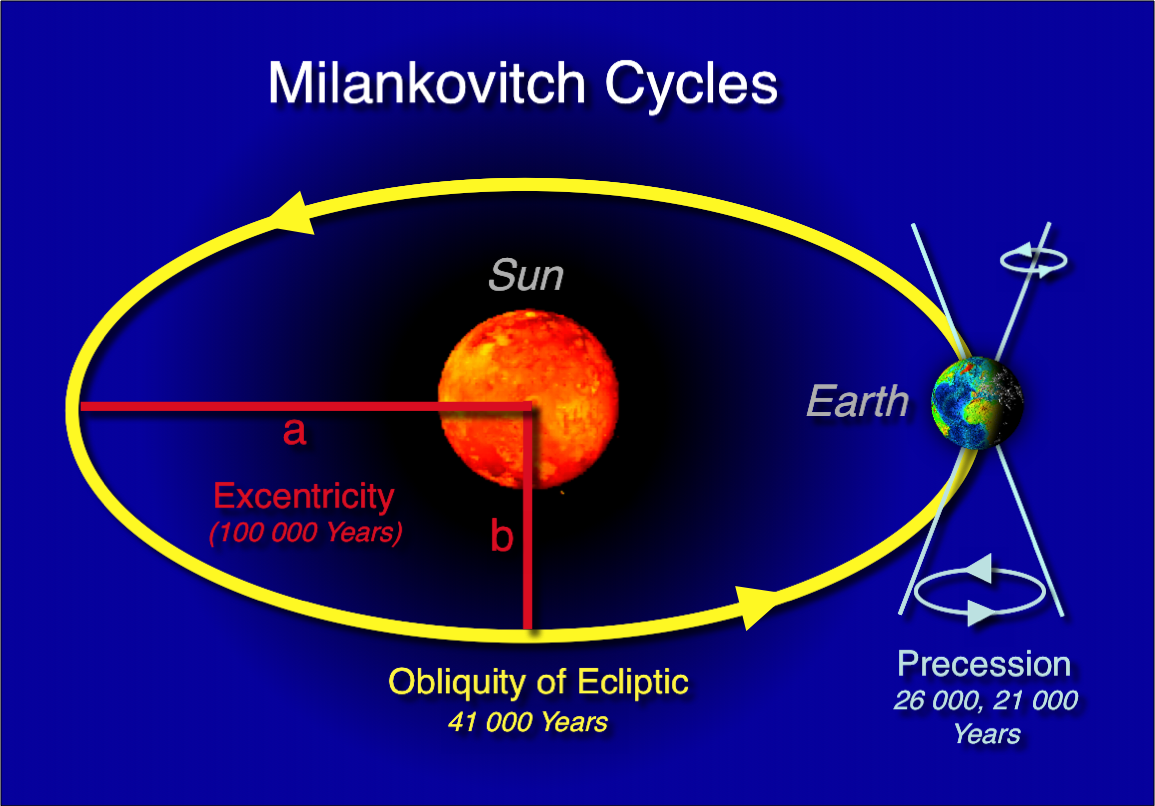
Not all cosmic influences are sudden and violent; some are slow, cyclical, and sneaky. Earth’s orbit and tilt shift over tens of thousands to hundreds of thousands of years in patterns known as Milankovitch cycles. These changes alter how sunlight is distributed across the planet’s surface, especially between seasons, and they have helped pace the waxing and waning of ice ages over the past few million years. In a very real sense, the shape of our orbit has been writing the rhythm track for climate.
Those recurring cycles of cold and warmth did not just move glaciers; they reshaped habitats, sea levels, and migration routes over and over again. Species were repeatedly forced to adapt, move, or disappear, putting constant evolutionary pressure on plants, animals, and eventually our own ancestors. Some scientists argue that the changing landscapes and climates influenced the spread of hominins, the development of tool use, and even social behavior, turning orbital mechanics into one of the quiet drivers of human evolution.
6. Solar Flares, Cosmic Rays, and the Mutation Engine
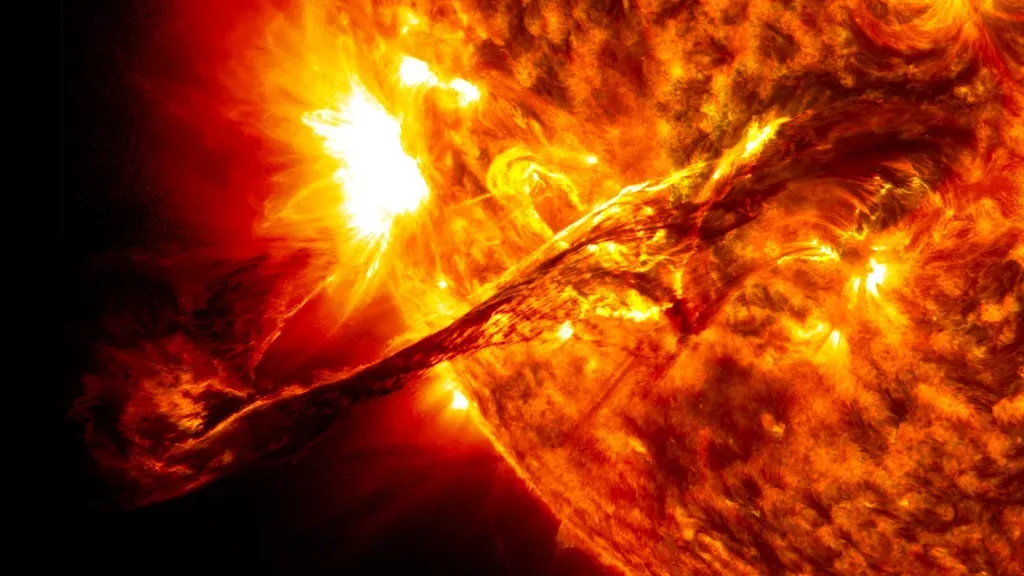
Life depends on stable conditions, but it also depends on change. Mutations are the raw material of evolution, and while most arise from ordinary copying errors in DNA, a portion are triggered or influenced by high-energy radiation. Cosmic rays from distant galaxies, solar flares from our Sun, and sporadic bursts of energetic particles constantly pepper Earth’s atmosphere. Most of this radiation is filtered by our magnetic field and atmosphere, but not all of it, and what gets through can damage DNA in ways that sometimes become heritable changes.
It is tempting to imagine mutation as a purely internal, biological process, but the universe has always had a say. Over long timescales, shifts in solar activity, variations in Earth’s magnetic field strength, and encounters with regions of higher cosmic ray density in the galaxy may have subtly modulated mutation rates. That does not mean every species owes its key traits to a single cosmic-ray strike, but it does suggest that the universe has been quietly scribbling edits into the genetic script since life began, whether we like it or not.
7. Future Cosmic Threats and the Fragility of Life’s Trajectory
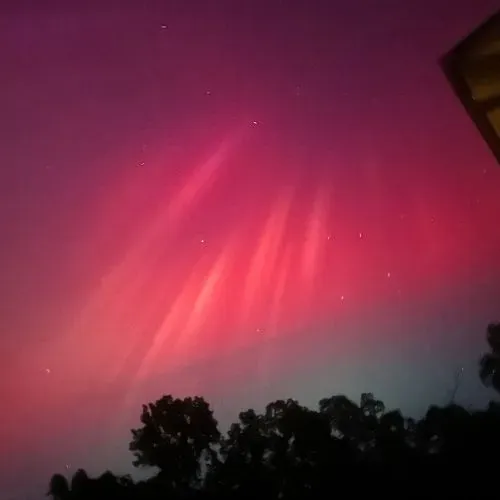
So far, we have been lucky. Our Sun is still in its comfortable middle age, there are no known supernova candidates extremely close to Earth, and while asteroids still pose a risk, we are finally at a stage where we can at least track and potentially deflect some of them. But on really long timescales, our luck will not hold. The Sun will eventually grow brighter, making Earth less hospitable, and, much farther in the future, it will swell into a red giant and strip away our oceans and atmosphere, if not engulf the planet entirely.
Even before that distant finale, other cosmic events remain on the table: large impacts, stronger solar storms, or rare high-energy bursts from elsewhere in the galaxy. From an evolutionary standpoint, these are not just threats; they are potential reset buttons or detours. My personal take is that if life wants a long-term future, it cannot stay tied to a single world that is at the mercy of cosmic dice rolls. In that sense, understanding these cosmic influences is not just a scientific curiosity – it is a survival manual written in starlight.
Conclusion: Life as a Cosmic Negotiation, Not a Closed System
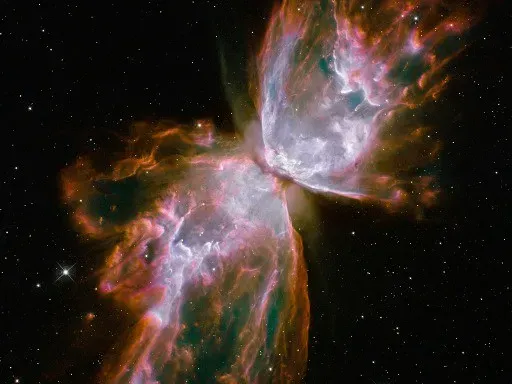
When you zoom out far enough, life on Earth stops looking like a self-contained story and starts to feel more like a negotiation between biology and the universe. Supernovae gave us the elements to exist at all, the Sun’s birth and stability kept the lights on, orbital wobbles and asteroid impacts periodically tore up the script, and constant streams of particles from space have been stirring the gene pool from the beginning. To pretend evolution happened in a sealed test tube, untouched by the cosmos, is to miss half the plot.
My opinion is that this perspective should make us both humbler and more ambitious. Humbled, because so much of our history was sculpted by events absurdly beyond our control, and ambitious, because for the first time, a species born of these accidents can understand them and maybe shape its own cosmic fate. The next big step in life’s evolution might not be another asteroid or orbital shift, but a conscious choice to spread beyond this single vulnerable planet. Knowing what you know now, does it still feel like we are just passengers on this ride – or are we slowly becoming the pilots?