
Walk back in time to the age of dinosaurs and you’d see towering predators with teeth the size of knives. Impressive, yes – but the real nightmares are lurking right now, thousands of feet under the ocean’s surface. Down there, in the cold black water where sunlight never reaches, evolution went off the rails in the best possible way.
The deep sea is like Earth’s haunted basement: rarely visited, poorly lit, and full of things you’re not entirely sure you want to meet. These fish are not just strange; they are extreme. Needle-like fangs, transparent heads, jaws that unhinge like horror movie creatures – it is not an exaggeration to say some of them make dinosaurs look almost… elegant. Let’s dive into seven deep sea fish so bizarre and terrifying that prehistoric reptiles start to feel pretty tame by comparison.
1. The Fangtooth: The Fish With a Mouth Full of Nightmares
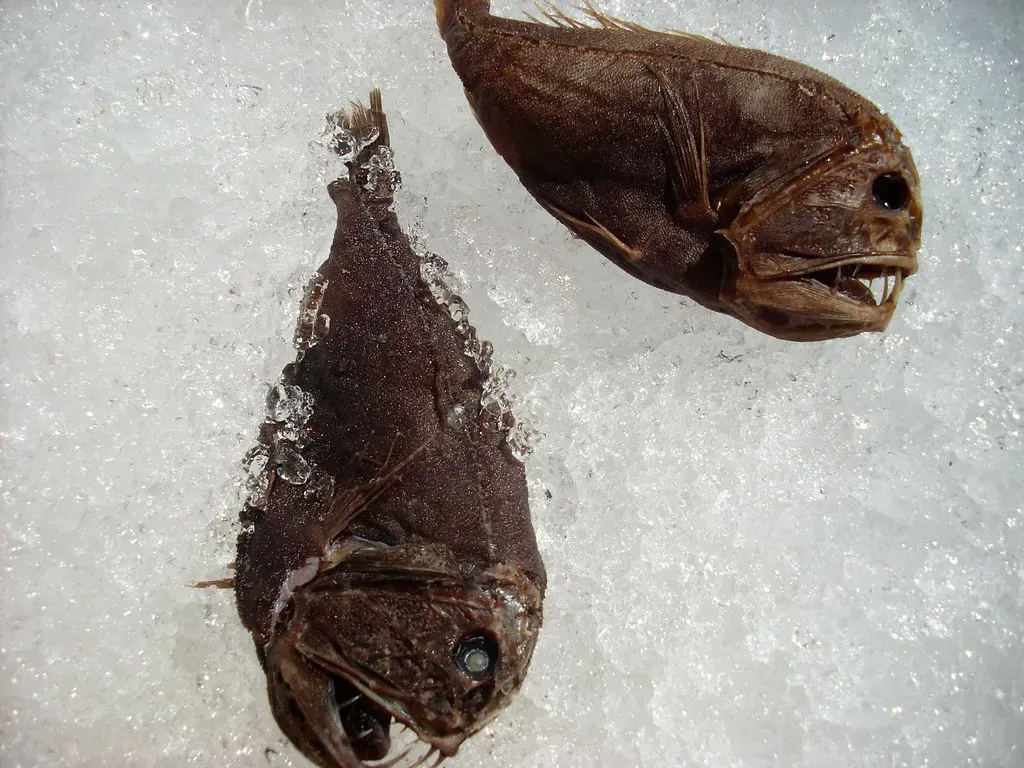
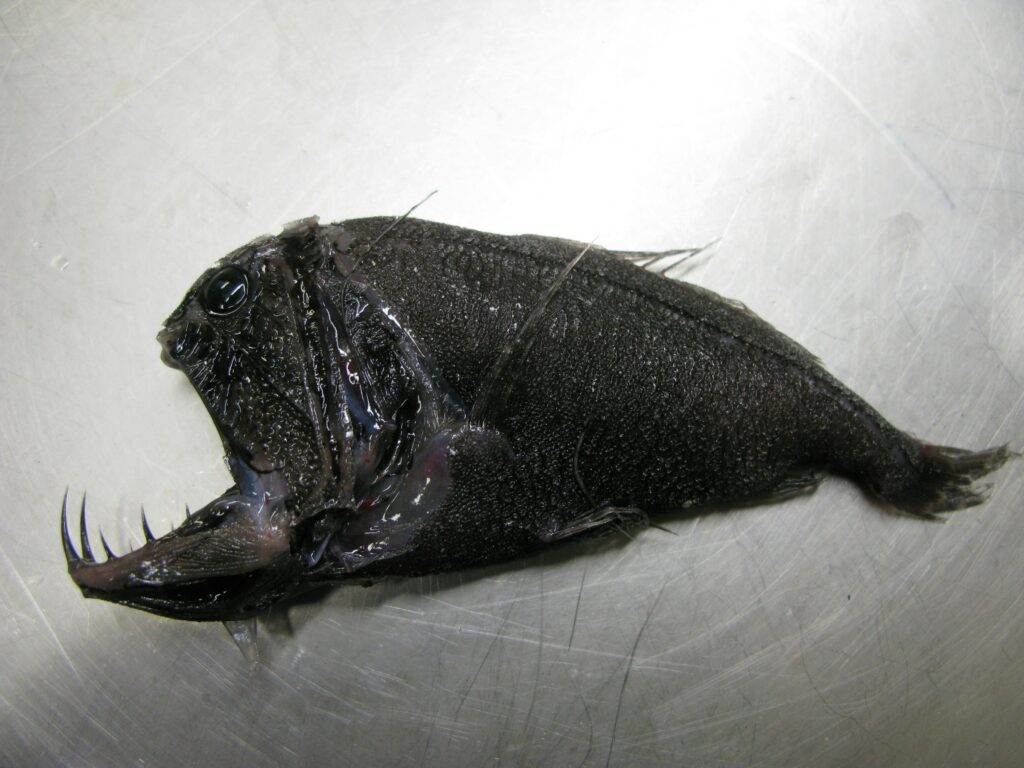
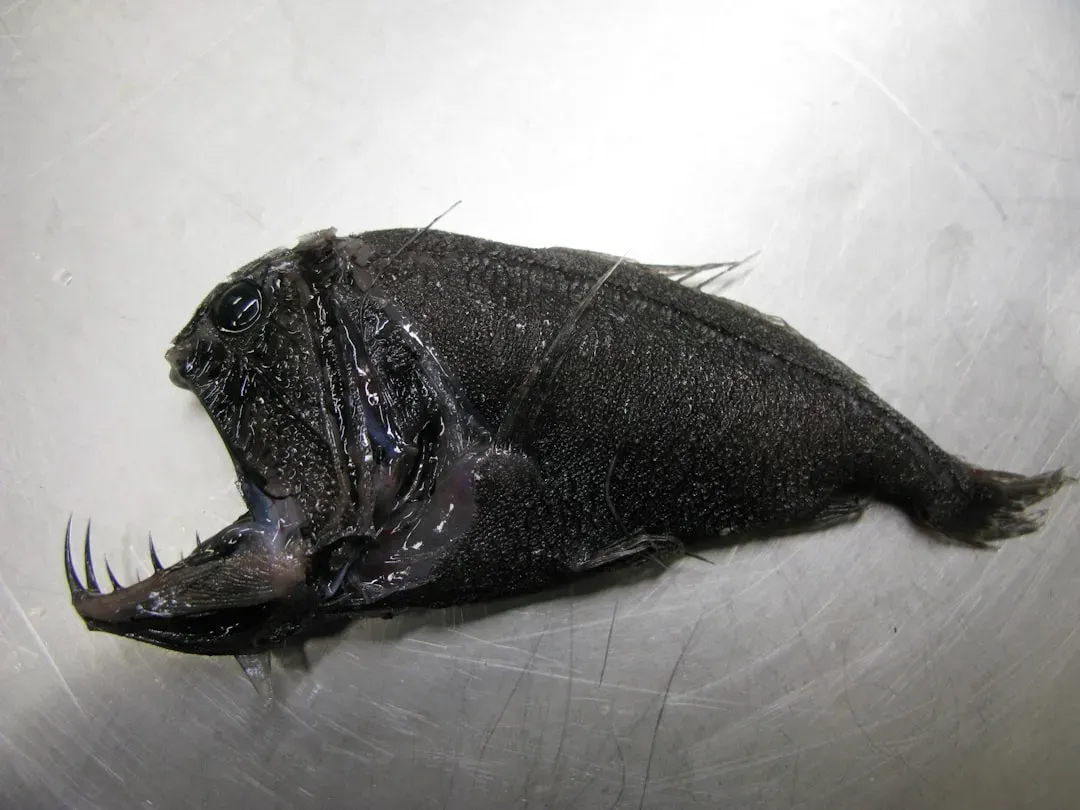
If dinosaurs had dental issues, the fangtooth would still win the prize for the most disturbing smile. This compact, rugged-looking fish has teeth so long they literally have to fit into special pockets in its skull just so it can close its mouth. Its head seems almost too big for its body, with a permanent scowl that looks like pure hatred carved into bone.
What makes it truly unsettling is the mismatch between size and brutality. Many fangtooth species are only about the length of a human hand, but their bite is strong and their fangs are among the largest in proportion to body size of any fish on the planet. In the pitch-black deep, they rely on an almost weaponized sense of touch and smell to attack anything unfortunate enough to cross their path. Picture a dinosaur’s jaws shrunk down and crammed into a compact, armored body – that’s the fangtooth, and I honestly think it looks more like a demon than a fish.
2. The Gulper Eel: A Living Cartoon Gone Horribly Wrong
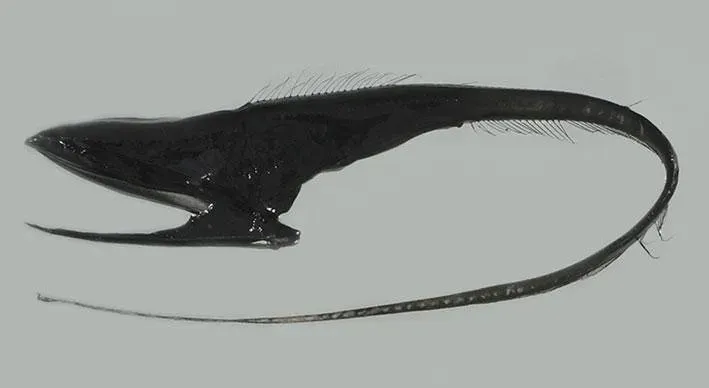
The gulper eel looks like someone took a regular eel, stretched it out, then attached a giant balloon for a head. Its mouth is so huge that it can be wider than the rest of its body, like a nightmarish fishing net with eyes. It does not have the sharp, dramatic teeth of some other deep sea predators, but the sheer size of its jaw is enough to make you recoil.
This fish lives in depths where meals are rare, so it evolved a scoop-style feeding strategy. Instead of carefully hunting, it can simply open its cavernous mouth and engulf prey along with big gulps of water, then push out the excess. Its tail often has a tiny glowing tip, acting like a lure in the darkness, drawing in curious fish that never realize the “little light” ahead is attached to a giant expandable maw. Compared to a dinosaur’s rigid skull, the gulper eel feels almost more alien than animal, like a glitch in the ocean’s design.
3. The Viperfish: The Needle-Toothed Missile of the Abyss
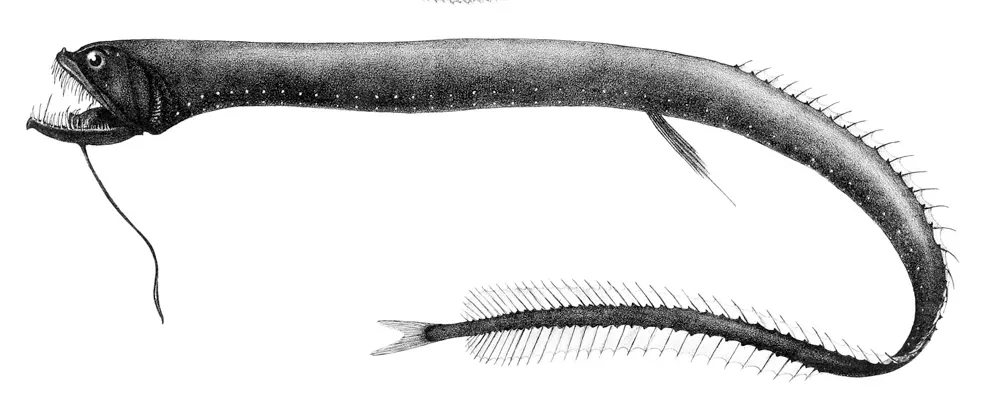
The viperfish looks like it was drawn by a horror artist who thought normal teeth were too boring. Its lower jaw is lined with long, needle-like fangs that do not even fit inside its mouth; they angle back toward the body, designed to snag and impale anything that gets close. With a lean, torpedo-shaped body and a head full of spikes, it looks far more vicious than many dinosaur species ever did.
What really ramps up the horror factor is how it hunts. The viperfish has light-producing organs along its belly and a glowing lure near its mouth, which it uses like a deep sea “fishing rod.” It hangs in the dark, motionless, then launches forward in sudden bursts of speed toward confused prey. Imagine a living, glowing javelin ending in a bear trap of needles – that is what the viperfish brings to the table. Dinosaurs had bulk and power, but this thing is pure, stripped-down, surgical violence.
4. The Anglerfish: The Deep Sea Icon That’s Worse Up Close
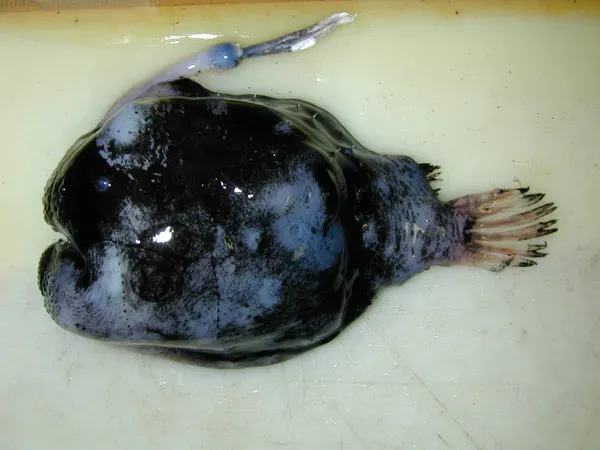
You have probably seen cartoon versions of the anglerfish, but the real thing is somehow far more disturbing. Its body looks like a crumpled, leathery sack with a mouth that practically wraps around its face, packed with long, curved teeth. The eyes are glassy and far apart, giving it an expression that feels both blank and predatory, like it is permanently waiting for something to kill.
That famous glowing lure – a fleshy rod growing from the head with a bioluminescent tip – isn’t just a cool trick, it is a deadly trap. In the deep black water, that tiny point of light might be the only thing smaller animals can see, drawing them in until the anglerfish snaps its jaws shut in a fraction of a second. Some species of anglerfish are also known for their bizarre reproductive strategy, with tiny males fusing onto the larger female’s body like living attachments. For all the drama of dinosaur fossils, nothing quite matches the eerie combination of body horror and biological efficiency packed into this one animal.
5. The Goblin Shark: The “Living Fossil” With a Spring-Loaded Face
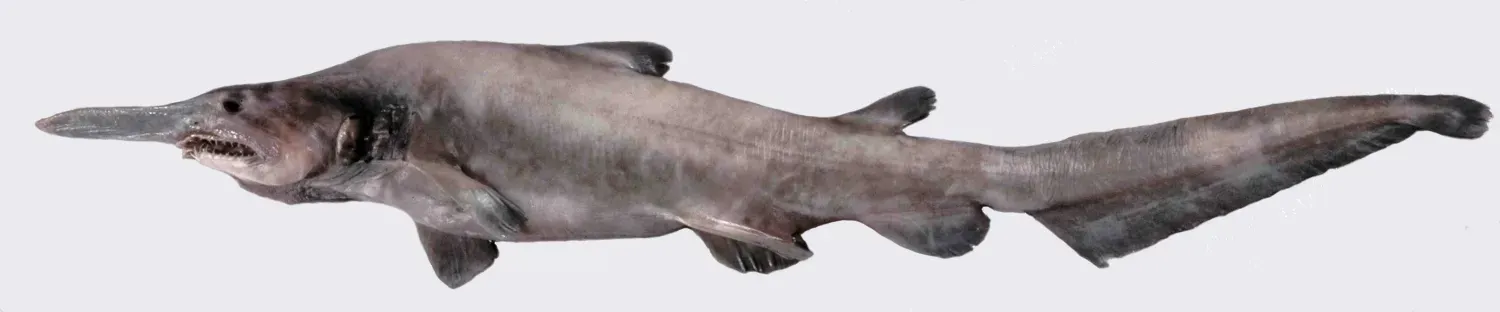
The goblin shark is often called a living fossil, and it looks like it crawled out of a prehistoric fever dream. With its long, flattened snout and pale, almost pinkish skin, it already looks unsettling before it even opens its mouth. But when it does, it unleashes one of the most terrifying tricks in the ocean: a jaw that shoots forward like a spring-loaded trap.
Its teeth are thin, pointed, and arranged in multiple jagged rows, perfect for gripping slippery prey like fish and squid. High-speed footage of goblin sharks feeding shows the entire jaw assembly rocketing out from the skull, grabbing the victim, and snapping back again in a movement that looks almost mechanical. Dinosaurs had fierce bites, but they did not have a face that could suddenly launch forward like a horror movie jump scare. Every time I see a video of this shark, it feels less like an animal and more like a creature designed to haunt your dreams.
6. The Black Dragonfish: Tiny Body, Terrifying Design
The black dragonfish proves that you do not have to be big to be terrifying. These fish are relatively small, but their bodies are jet black, thin, and armed with sharp teeth that seem far too large for their heads. In females, the jaws are elongated and fierce, giving them a skeletal, death’s-head vibe that is honestly a lot creepier than many dinosaur skulls.
They are also biological light shows in the darkness. The black dragonfish has bioluminescent organs along its sides, under its eyes, and sometimes along a filament hanging beneath its chin. Even wilder, some species can produce red bioluminescent light, which most deep sea animals cannot see, allowing them to shine an invisible spotlight on prey. Imagine a stealth hunter with a built-in night vision system and teeth like broken glass – that kind of quiet, surgical horror feels more chilling to me than a roaring T. rex ever did.
On top of that, the difference between males and females is extreme, with males being smaller and lacks the fearsome jaws, focusing mainly on reproduction. This split makes the females look like lone, roaming monsters while males are almost secondary characters. It is a reminder that the deep sea is not just strange in appearance, but also in lifestyle and strategy, shaped by pressures dinosaurs never had to face.
7. The Stoplight Loosejaw: The Predator With a Disappearing Face
![7. The Stoplight Loosejaw: The Predator With a Disappearing Face ([1], CC BY 3.0)](https://nvmwebsites-budwg5g9avh3epea.z03.azurefd.net/dinoworld/812357dc3b8193cb8a6192123262002a.webp)
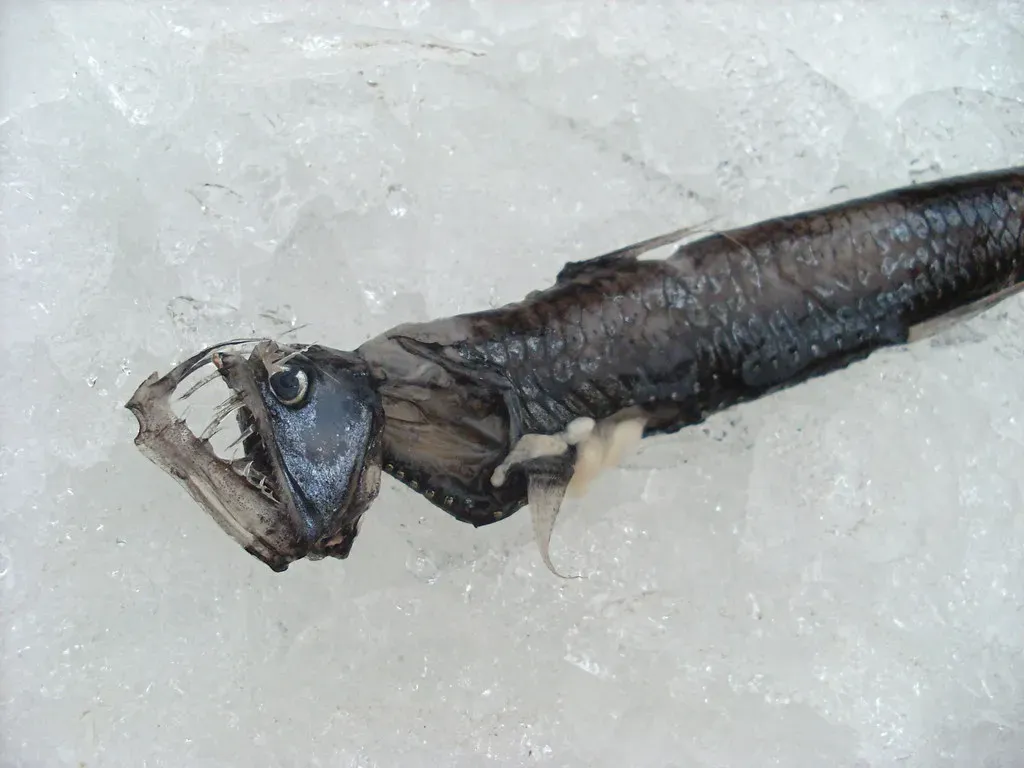
The stoplight loosejaw sounds harmless until you actually see one. Its lower jaw is long and almost skeletal, with large gaps instead of solid flesh, creating an unsettling “wireframe” look. When it opens its mouth, it looks like half its face has vanished, leaving a floating row of fangs hanging in the dark.
Its name comes from the unusual lights it produces. The stoplight loosejaw has organs that emit both dim green and rare deep red light. That red light is virtually invisible to most deep sea creatures, giving it a private wavelength it can use to spot and stalk prey without being seen. Dinosaurs relied on daylight and sheer size; this fish stalks by invisible flashlight, with a jaw that looks like an animated skeleton in mid-bite. If you told me it was designed for a sci-fi horror film, I’d believe you.
Conclusion: The Real Monsters Were Hiding in the Dark All Along
We grow up thinking dinosaurs were the ultimate monsters, but the more we learn about the deep ocean, the more that story starts to crack. Down there, evolution has produced creatures that stretch the definition of what a fish can look like: spring-loaded jaws, see-through faces, invisible spotlights, and teeth that barely fit inside their own skulls. These animals are not just scary; they are brilliant, finely tuned responses to a world of crushing pressure, eternal night, and constant hunger.
Personally, I find that a viperfish or goblin shark, seen up close, is far more chilling than any T. rex skeleton in a museum. Dinosaurs feel like ancient myths carved in stone, but these deep sea predators are alive right now, gliding through a darkness we almost never see. Maybe the real question is not which is more terrifying, but which is more humbling: the giants that ruled the land long ago, or the strange survivors still thriving in Earth’s deepest shadows today – so, which ones haunt your imagination more, the fossils above or the monsters below?