You think evolution is simple? Natural selection acts on random mutations, the fittest survive, and species gradually change over time. That’s what most of us learned in school. Turns out, the real story is far more fascinating and way more complicated than anyone expected.
Scientists have uncovered some mind-bending mechanisms that completely shake up traditional evolutionary thinking. These theories don’t necessarily throw Darwin out the window, but they add layers of complexity that make you question everything you thought you knew about how life transforms across generations. Some of these ideas seemed so radical that the scientific community initially rejected them outright. Yet decades of research have proven that evolution doesn’t play by the simple rules we once imagined.
Epigenetic Inheritance: Passing Down More Than Just Genes
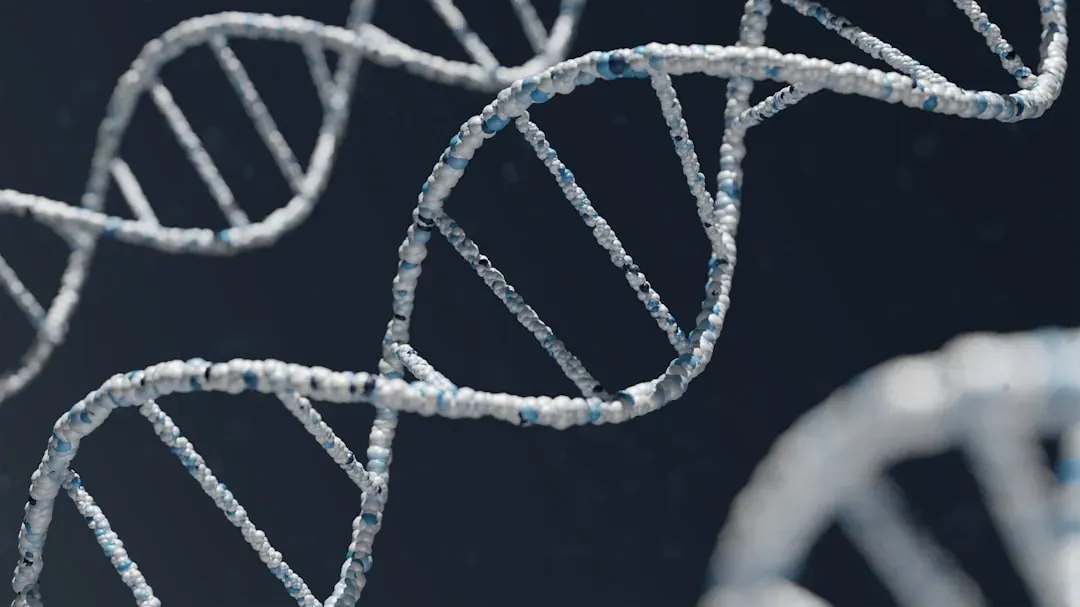
Here’s something that goes against what you’ve been taught: inheritance happens not only through the DNA code that passes from parent to offspring. A parent’s experiences, in the form of epigenetic tags, can be passed down to future generations. Think about that for a second. It means your grandmother’s environment might actually affect your biology today, without changing a single letter of your DNA sequence.
The epigenome can change rapidly in response to signals from the environment, and epigenetic changes can happen in many individuals at once. Unlike genetic mutations that occur randomly in single individuals, epigenetic shifts can sweep through populations almost simultaneously. This makes adaptation potentially much faster than traditional evolutionary theory would suggest. When environments are dynamic, there may be an epigenetic advantage to phenotypic switching by epigenetic inheritance rather than by gene mutation, as an epigenetically-inherited trait can arise simultaneously in many individuals.
Horizontal Gene Transfer: Evolution’s Shortcut Across Species
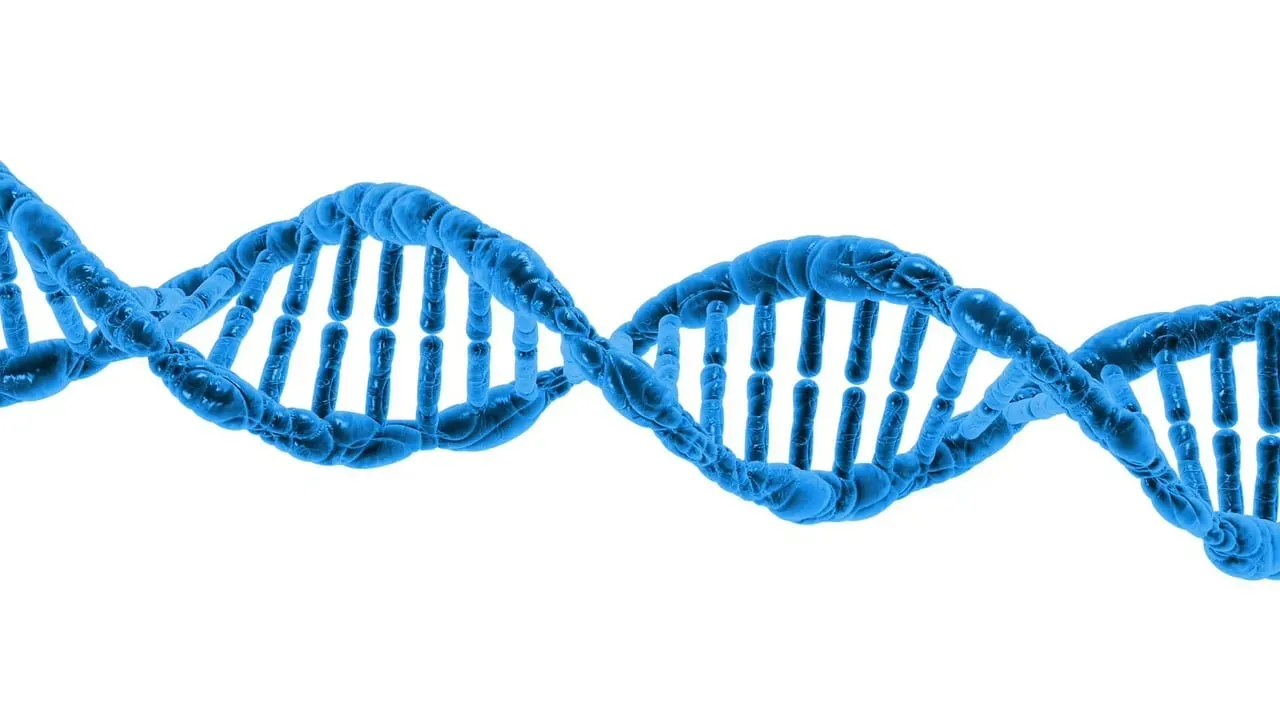
Imagine bacteria swapping genetic material like kids trading baseball cards. That’s essentially what horizontal gene transfer does, and it completely rewrites the rulebook on how organisms acquire new traits. Horizontal gene transfer is the primary mechanism for the spread of antibiotic resistance in bacteria, and plays an important role in the evolution of bacteria that can degrade novel compounds.
Horizontal gene transfer plays a larger role in microbial evolution than previously thought, with estimates suggesting that between roughly two and thirty-three percent of the genes of each microbial genome have been acquired by horizontal gene transfer. This isn’t some rare fluke. It’s a widespread evolutionary force that allows organisms to skip millions of years of gradual mutation and simply borrow fully functional genes from completely unrelated species. Horizontal gene transfer enables bacteria to respond and adapt to their environment much more rapidly by acquiring large DNA sequences from another bacterium in a single transfer. It’s like downloading software updates instead of waiting for your hardware to evolve naturally.
Symbiogenesis: When Cooperation Creates Complexity
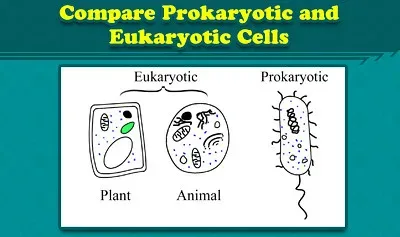
Symbiogenesis is the leading evolutionary theory of the origin of eukaryotic cells from prokaryotic organisms, holding that mitochondria, plastids such as chloroplasts, and possibly other organelles are descended from formerly free-living prokaryotes taken one inside the other in endosymbiosis. Let’s be real, that’s absolutely wild. The powerhouses inside your cells were once independent bacteria that got swallowed up billions of years ago.
Lynn Margulis championed this idea in the 1960s when everyone thought she was crazy. The scientific community initially dismissed Margulis’ ideas, but when it was discovered that mitochondria and chloroplasts contained their own genetic material related to that of bacteria, support for the endosymbiosis theory finally gained momentum. Symbiogenesis revolutionized evolutionary history by proposing a mechanism not encompassed in the original Darwinian vision, demonstrating that major evolutionary advancements may have resulted from symbiotic mergers rather than from gradual mutations and individual competition. Sometimes evolution happens through collaboration rather than competition, which honestly makes you rethink the whole survival of the fittest narrative.
Neutral Theory: Most Evolution Is Just Random Luck
What if most evolutionary changes have nothing to do with survival advantages at all? The neutral theory claims that the overwhelming majority of evolutionary changes at the molecular level are caused by random fixation of selectively neutral mutants under continued inputs of mutations, and most genetic variability within species at the molecular level are selectively neutral maintained by the balance between mutational input and random extinction.
Motoo Kimura proposed this controversial idea in 1968, and it sparked decades of heated debate. The theory suggests that most DNA changes are neither helpful nor harmful. They’re just neutral passengers drifting through populations by pure chance. If all mutations were neutral, the rate at which fixed differences accumulate between divergent populations is predicted to be equal to the per-individual mutation rate, independent of population size. Think about that: the vast majority of molecular evolution might just be noise, with natural selection only occasionally stepping in to sculpt the important stuff.
Punctuated Equilibrium: Evolution in Bursts, Not Gradual Steps
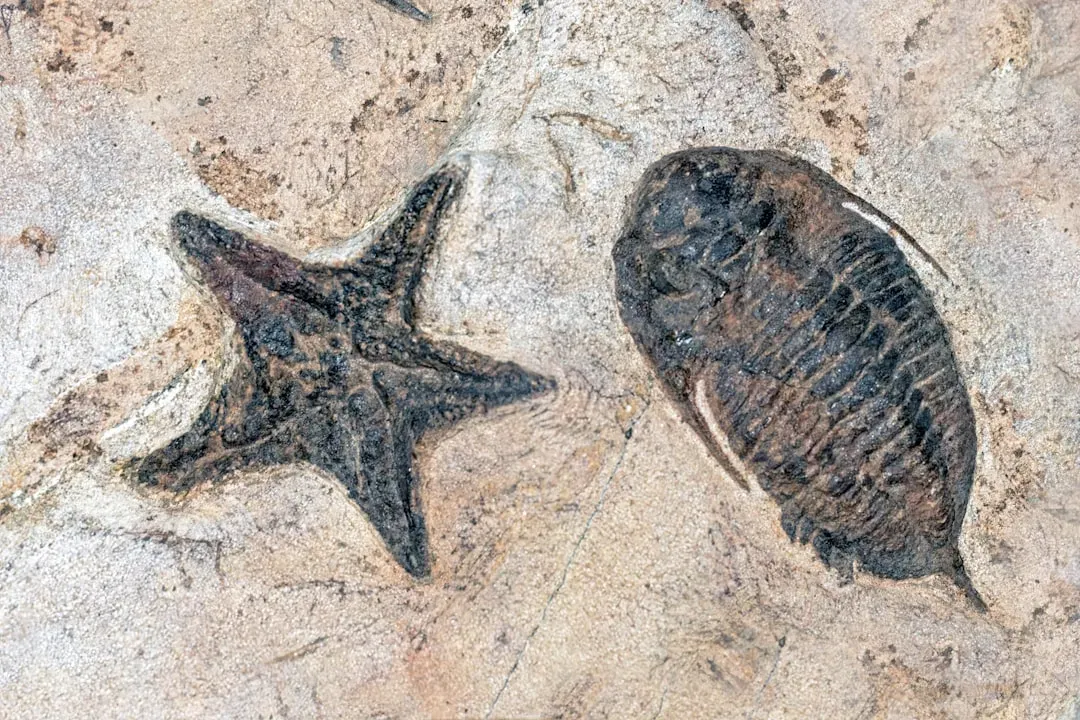
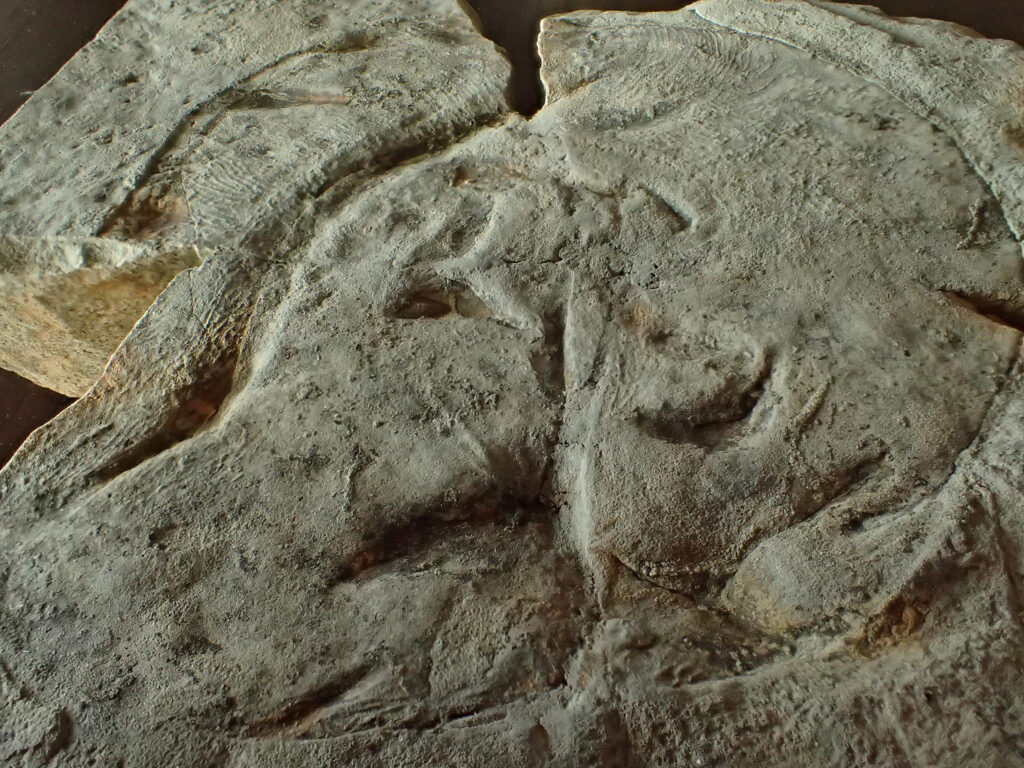
Niles Eldredge and Stephen Jay Gould proposed that there was a pattern of fossil species that remained largely unchanged for long periods termed stasis, interspersed with relatively brief periods of rapid change during speciation. This directly contradicts the classic Darwinian image of slow, steady change over millions of years. Instead, species might stay pretty much the same for ages, then suddenly transform during relatively short bursts.
The fossil record actually supports this idea better than gradual change does. Species appear suddenly in the geological record, hang around virtually unchanged for millions of years, then disappear just as abruptly. Those missing transitional forms that creationists love to complain about? They might never have existed in the numbers we’d expect because evolution doesn’t always move at a crawl. Sometimes it sprints, and those brief sprints leave fewer fossils behind. It’s a completely different tempo for evolutionary change than most people imagine.
Developmental Plasticity: The Environment Shapes Evolution Directly
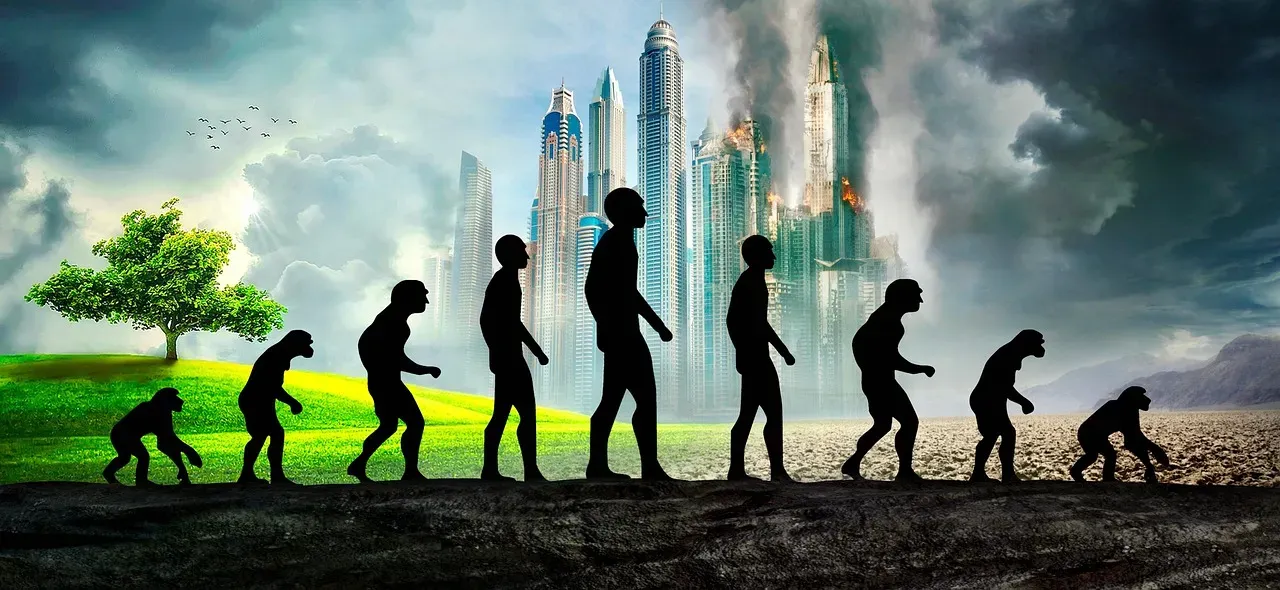
The idea that evolution is driven by an organism’s development, not just the natural selection of its genes, challenges a dearly held orthodoxy among evolutionary biologists. Your genes don’t determine everything. The environment you develop in can dramatically alter how those genes are expressed, creating entirely different organisms from the same genetic blueprint.
Organisms inherit more than DNA, which challenges the modern synthesis’s assumption that traits an organism acquires during a single lifetime cannot be passed down. There is cultural transmission: killer whales teach their children hunting skills and food preferences. This blurs the line between what’s “learned” and what’s “evolved” in ways that make traditional categories almost meaningless. Critics argue that the dominant view neglects how individual organisms shape their environments and adjust themselves during their lifetimes to survive and reproduce. Organisms aren’t just passive recipients of evolutionary pressures. They actively participate in their own evolution.
Gene-Centered Evolution: It’s All About the Genes, Not the Species
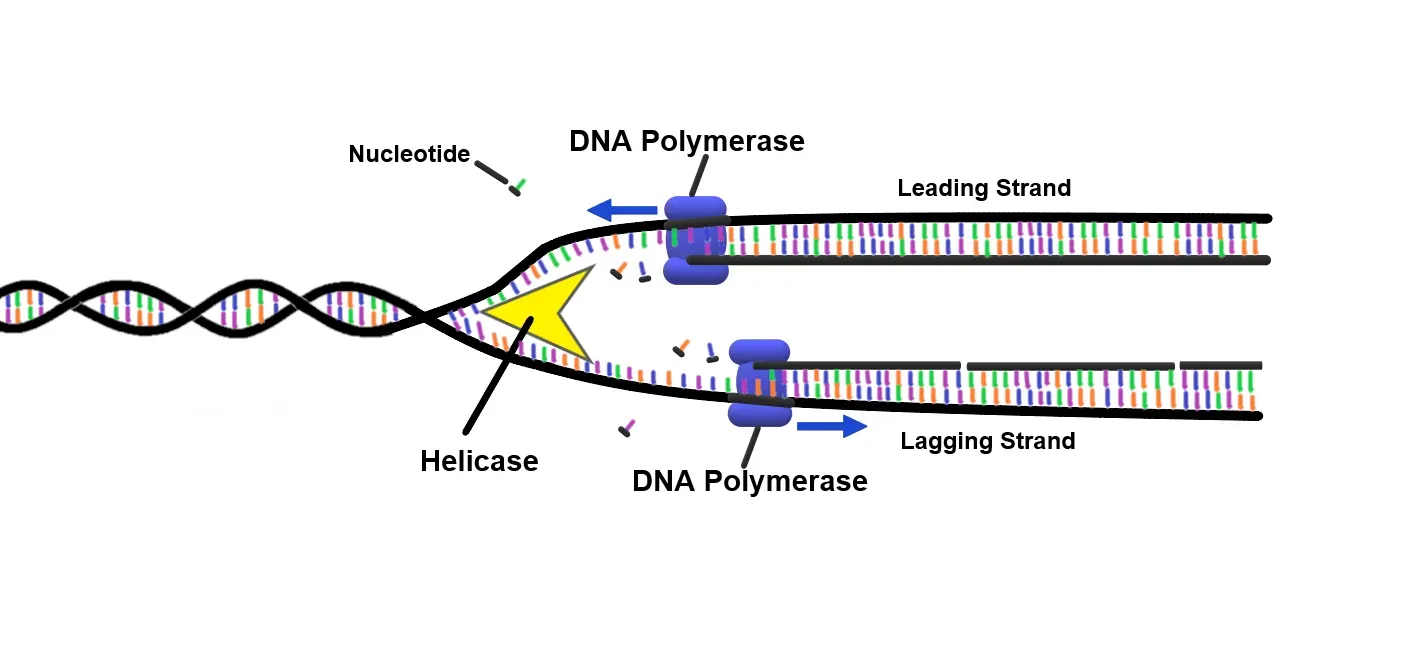
George Williams strongly critiqued explanations of adaptations worded in terms of survival of the species, with such explanations largely replaced by a gene-centered view of evolution. This completely flips the perspective. Evolution doesn’t care about you, your species, or even your survival. It cares about genes replicating themselves.
Richard Dawkins popularized this view with his concept of the selfish gene, and it fundamentally changed how biologists think about evolution. Genes use bodies as vehicles to make more copies of themselves. Sometimes that means helping your relatives even at cost to yourself, because they carry copies of your genes. Sometimes it means behaviors that seem to harm the individual but benefit gene propagation. The gene-centred view of evolution rose to prominence in the 1960s, followed by the neutral theory of molecular evolution, sparking debates over adaptationism and the relative importance of genetic drift versus natural selection. When you shift your focus from organisms to genes, suddenly all sorts of seemingly bizarre evolutionary outcomes start making perfect sense.
Conclusion

Evolution turns out to be messier, weirder, and more fascinating than the simple story most of us learned in biology class. These theories don’t destroy Darwin’s insights. They build on them, revealing that life has far more tricks up its sleeve than anyone imagined fifty years ago. Genes can jump between species. Parents can pass down environmental memories. Random chance might matter more than fitness. Cooperation can drive major leaps in complexity just as powerfully as competition.
The beauty of science is that it keeps questioning itself, keeps digging deeper, keeps finding surprises. These evolutionary theories remind us that nature doesn’t read our textbooks and doesn’t care about our neat categories. Life evolves through whatever pathways work, whether elegant or chaotic, planned or accidental. What do you think about these alternative mechanisms? Which one surprises you most?