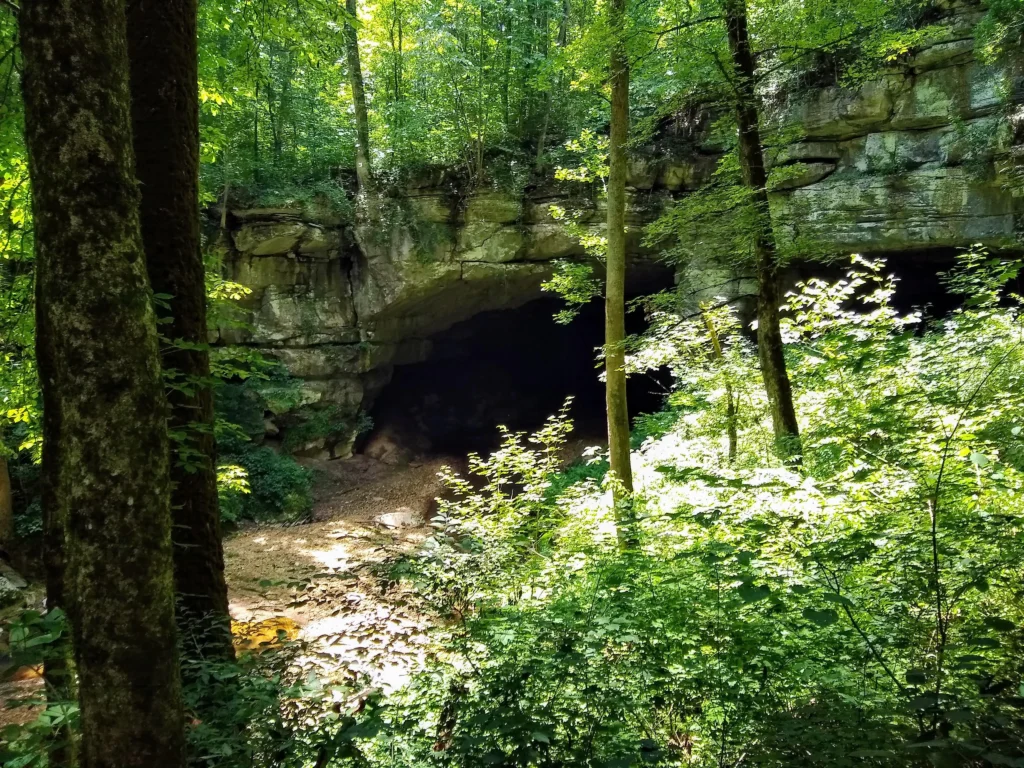
There’s something uniquely humbling about standing where people lived thousands of years ago. You can almost sense their presence when you visit certain places, wondering what drew them there, what they experienced, how they survived. Russell Cave in northeastern Alabama is one of those rare spots that bridges the chasm between our modern lives and the ancient world. Nestled near Bridgeport, this limestone shelter has kept watch over an extraordinary human story spanning countless generations.
You might walk right past it if you didn’t know what you were looking for. Yet beneath that unassuming rock overhang lies one of the most complete archaeological records in the entire southeastern United States. Let’s dive into what makes this place so remarkable.
It’s Been Sheltering Humans For An Astonishing 12,000 Years
The cave provided shelter to various groups for approximately 12,000 years – from roughly 10,000 BC to 1650 AD. Think about that timeline for a moment. While civilizations rose and fell across the globe, generations of people kept returning to this same rocky shelter.
This staggering achievement makes Russell Cave one of the oldest rock shelters in the eastern United States. Carbon dating of charcoal from the earliest fireplaces places the first human occupation between 6550 and 6145 BCE. The cave witnessed the end of the Ice Age, the birth of agriculture, and eventually the arrival of European colonists. That’s a lot of history contained in one location.
The Cave Formed Over 300 Million Years Through Natural Forces
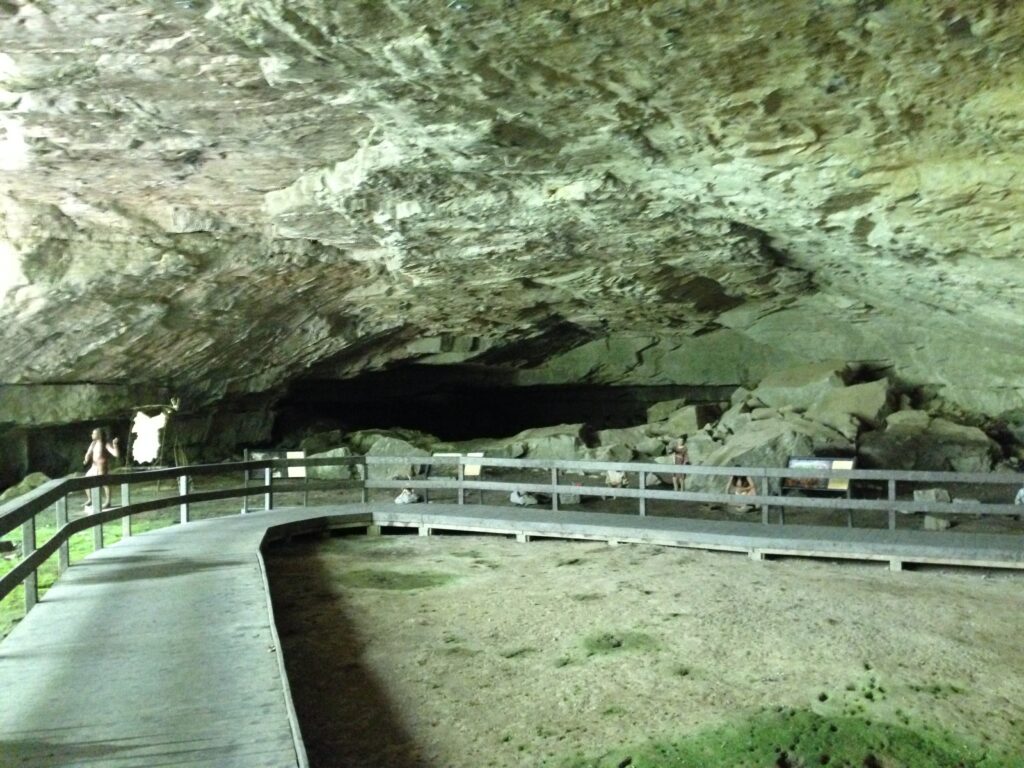
Over 300 million years ago Alabama was covered by inland sea, and as the skeletons of plankton and shells of deceased sea life sank to the bottom of the sea, the pressure of the water compressed the skeletons and shells, and slowly transformed them into limestone. Water carved this shelter from stone in the most patient way imaginable.
Russell Cave, like other caves in the region, was formed when groundwater eroded cracks and fissures in Mississippian limestone beds. Between 9,000 and 12,000 years ago, a portion of the cave’s roof collapsed, creating the entrance we see today. You could say the cave became truly habitable just in time for those first human arrivals. Interesting how nature’s timing works out sometimes.
Archaeologists Have Recovered Nearly Two Tons Of Artifacts From The Site
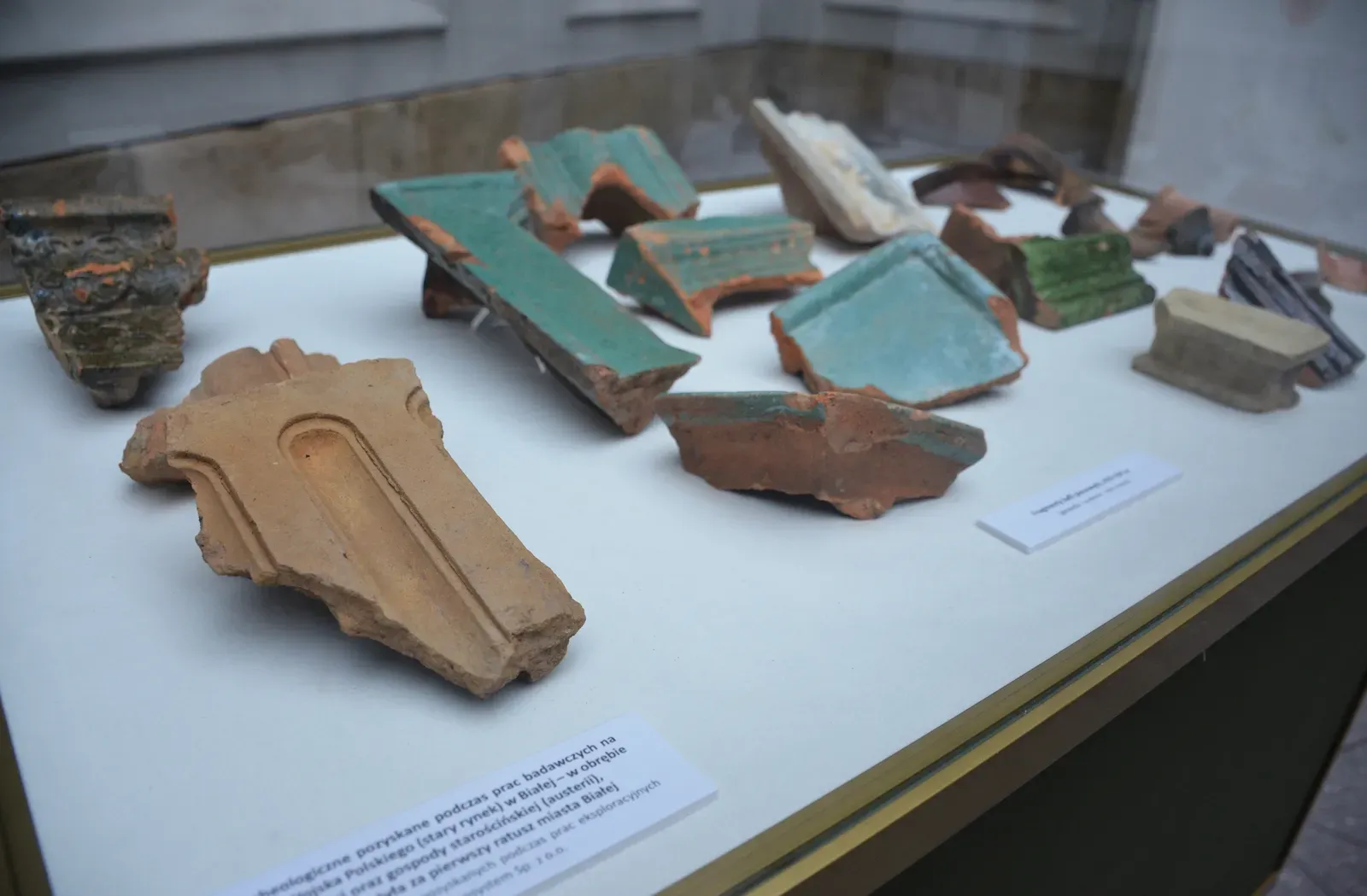
Here’s where things get really fascinating. Around two tons of artifacts have been recovered from the site. Two tons! These discoveries include charcoal from fires, bones of animals (as remains of hunted game and as bone tools), spear and arrow points, sherds of pottery, and the remains of several adults and children buried at the site.
The excavations went deep too. Archaeological excavations of the 1950s and 1960s dug more than 42 feet into the cave floor, discovering bone tools, jewelry, pottery fragments, animal bones and arrow heads. The occupation and use of the area was regular, providing a chronological layering of artifacts from before recorded history to the modern era. Each layer tells its own story, like reading the pages of an incredibly old book.
The Cave Likely Served As A Seasonal Winter Hunting Camp
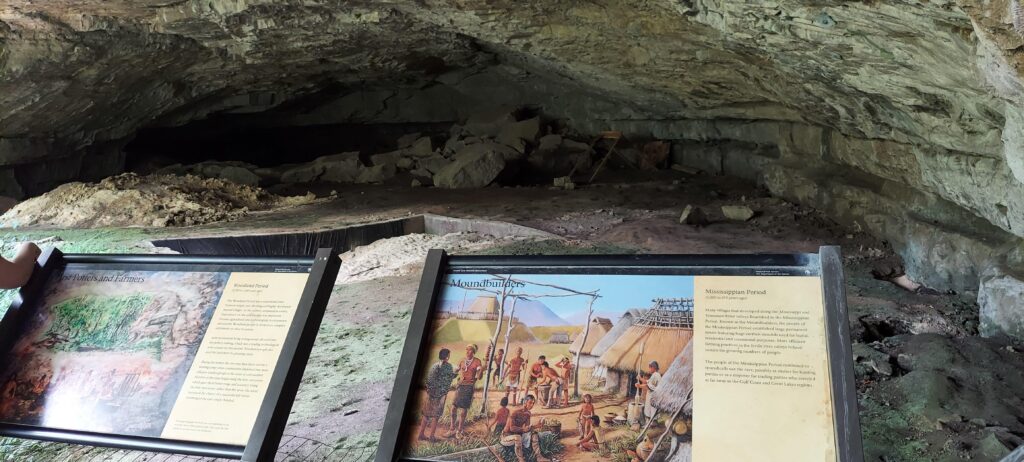
It is believed to have primarily served as a seasonal winter shelter. The cave’s strategic design helped ancient inhabitants survive harsh conditions. The main cave entrance faces east, which helps block cold winds from the north and northwest, and also lets in the warm morning sun.
Analysis of the distribution of the artifacts among functional categories reveals that the ratio of nonweapon artifacts to weapons was very low, which is indicative of a hunting camp with lack of permanent occupancy. Each excavated layer within the cave contains only a few artifacts, supporting the view that the cave was inhabited only sporadically and by small groups of 30 people or fewer. These weren’t permanent villages but carefully chosen seasonal refuges.
President Kennedy Designated It A National Monument In 1961
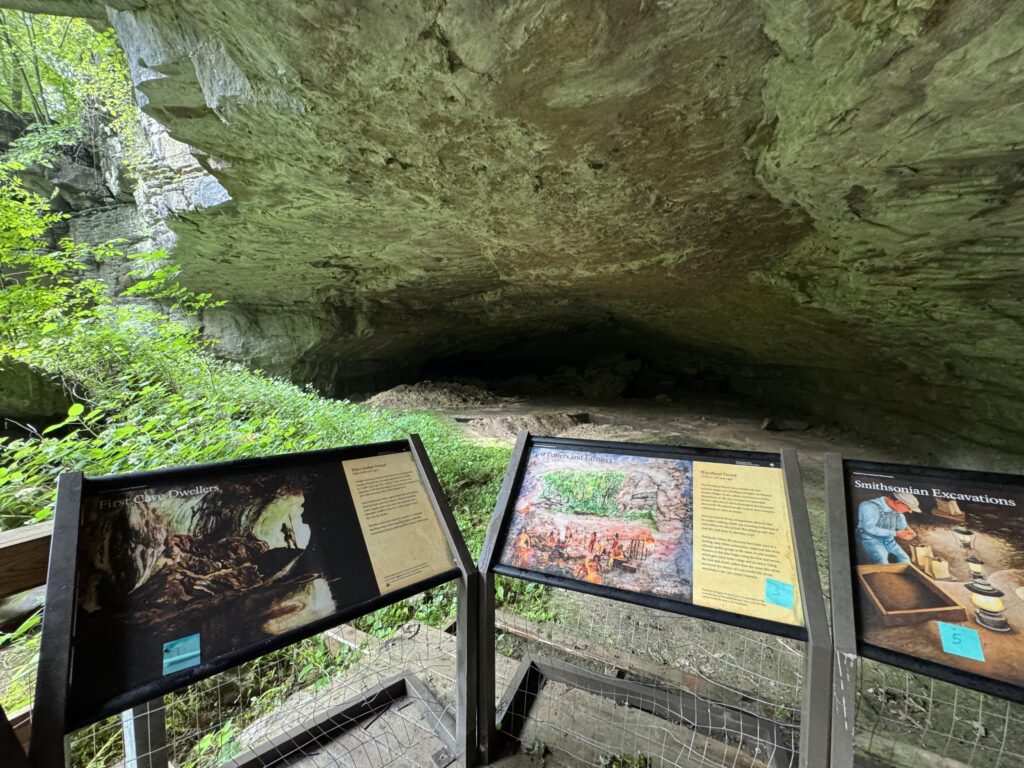
In 1953, the Chattanooga chapter of the Tennessee Archeological Society first recognized Russell Cave as an archaeological site, and the first explorations revealed layers of deposits in the cave floor. The significance became immediately apparent. Following excavation and reporting in 1956, the land was purchased by the National Geographic Society and donated to the American people.
The area was designated as a national monument in 1961 during the presidency of John F. Kennedy. The national monument was listed on the National Register of Historic Places on October 15, 1966. Today you can visit for free, which feels appropriate given its status as a gift to all Americans.
It Houses A Rare Scorpion Species Found Nowhere Else On Earth
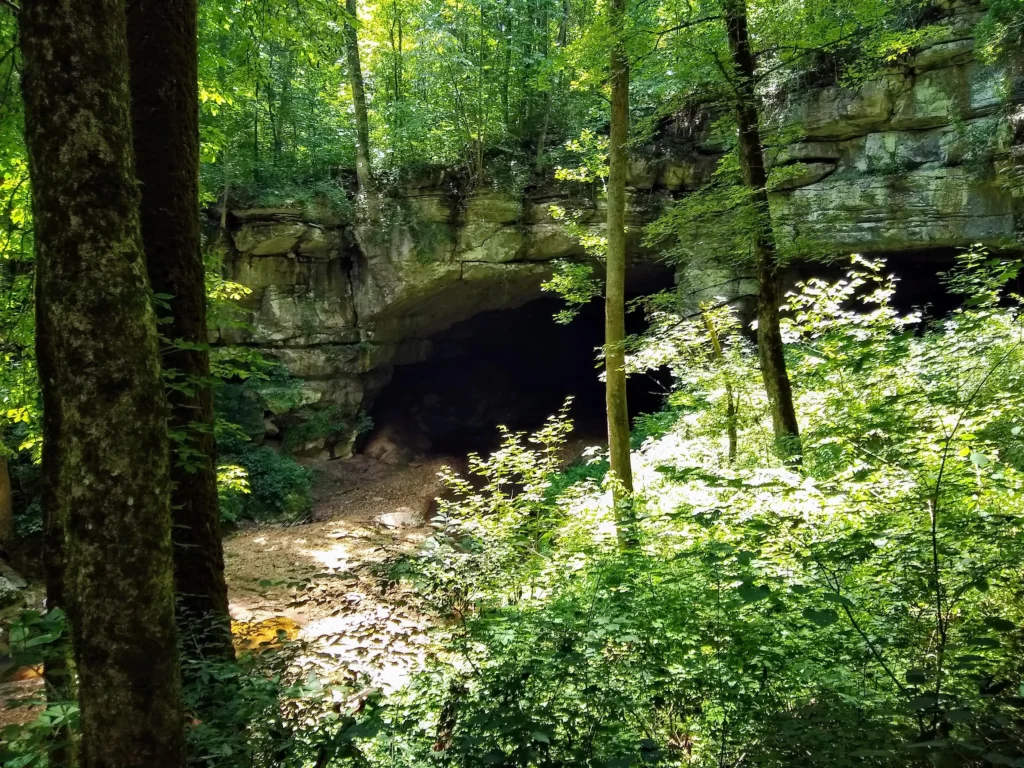
Russell Cave is one of the most extensive cave systems in Alabama, with more than 7 mi (11 km) of mapped passageways, and due to the discovery of several rare species (including a species of scorpion that exists nowhere else in the world), recreational caving is no longer allowed. Honestly, how wild is that? A creature that evolved in this one specific location, hidden beneath Alabama.
Part-time residents to the park include eight species of bat, including the big brown, little brown, gray bat, northern bat, tri-colored bat, and Rafinesque’s big-eared bat. The cave remains a living ecosystem, just as it was when ancient peoples sheltered here alongside their own animal neighbors.
Ancient Inhabitants Hunted Animals Both Familiar And Now Extinct
Researchers have found remains of mammals, birds, reptiles, fish, and mollusks, with deer, turkey, and squirrel being the most common. These animals still are hunted commonly in Alabama. Some things haven’t changed much in thousands of years.
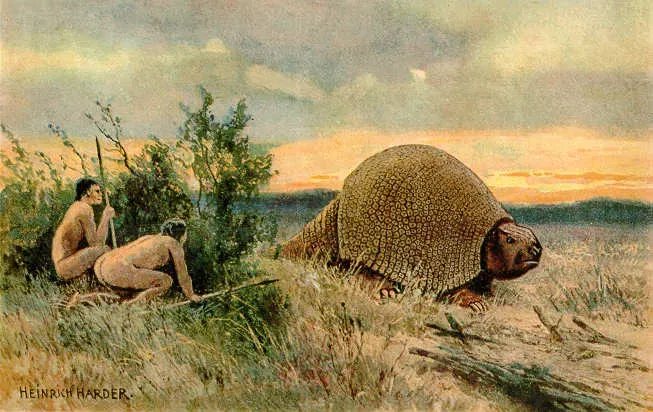
However, the digs also revealed something unexpected. Digs also revealed bones of animals no longer found in the region or extinct entirely, including giant armadillos, peccaries (pig-like animals), and porcupines, which once lived in the area but have since disappeared from the southeastern United States. Imagine hunting giant armadillos for dinner. The Ice Age must have been a different world entirely.
Conclusion
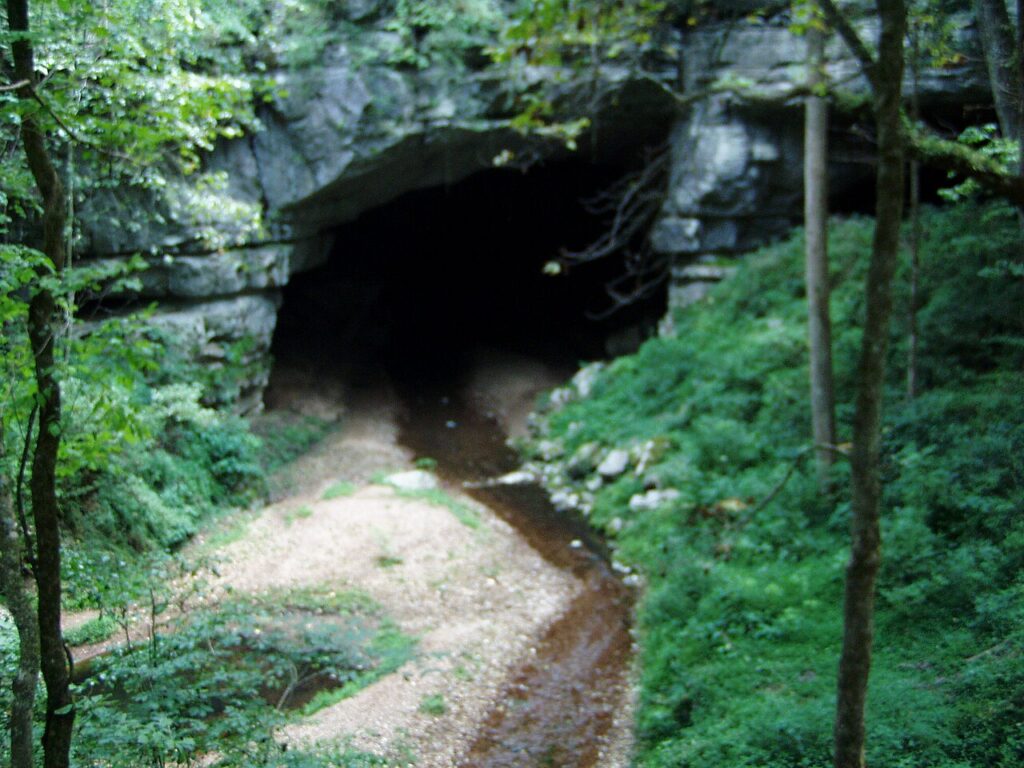
Russell Cave stands as a testament to human resilience and adaptability across millennia. You can walk the elevated boardwalk today, peer into that ancient shelter, and contemplate the countless fires that once burned there. The artifacts preserved in its depths tell a story of technological evolution, changing climates, and the eternal human need for safety and warmth.
What’s truly remarkable is how this one spot connects us to people who lived so long ago yet faced challenges we still recognize today. They sought shelter, hunted for food, cared for their children, and found meaning in their existence. Standing at Russell Cave, that connection feels real and tangible. Have you ever wondered what it would be like to spend just one winter in the shoes of those ancient inhabitants? What do you think about the incredible timeline preserved in this single location?