
Have you ever walked away from a conversation feeling like something was off, even though the words seemed perfectly fine? Maybe you’ve sensed someone was uncomfortable or hiding something, but you couldn’t quite put your finger on why. The truth is, our bodies are constantly broadcasting signals that our mouths might be trying to hide. While we carefully choose our words, our gestures often tell a completely different story.
Learning to read these nonverbal cues is like having a secret decoder ring for human interaction. Since body language is a natural, unconscious language that broadcasts your true feelings and , they’ll likely choose the nonverbal message when there’s a disconnect between what someone says and what their body shows. The fascinating thing is that most of us are completely unaware of the messages we’re sending through our movements, making these signals surprisingly honest windows into what people are really thinking. Let’s explore the gestures that can give away what someone truly means, even when they’re trying to keep it hidden.
Crossed Arms Signal Defensive Territory

You’ve probably noticed someone folding their arms during a heated discussion or when they disagree with what’s being said. This classic gesture creates a physical barrier between the person and whoever they’re talking to. It’s like building a tiny fortress around your chest, protecting your most vulnerable areas from perceived threats or unwanted information.
Honestly, crossed arms can mean different things depending on the situation. Sometimes people cross their arms simply because they’re cold or it feels comfortable. The key is looking at the bigger picture. If you disagree with or dislike what someone’s saying, you may use negative body language to rebuff the person’s message, such as crossing your arms, avoiding eye contact, or tapping your feet. When you see someone suddenly cross their arms right after you make a point, there’s a good chance they’re mentally checking out or putting up emotional walls. They might be feeling threatened, skeptical, or just plain uncomfortable with where the conversation is heading.
Fidgeting Hands Betray Nervous Energy
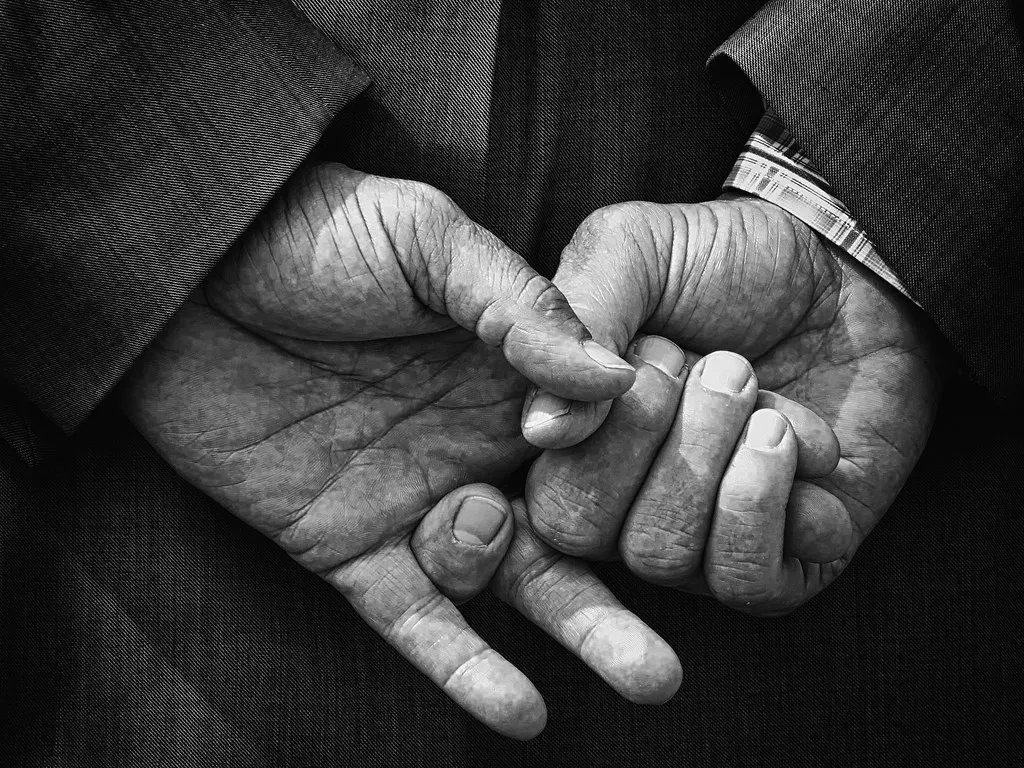
Watch someone’s hands during an important meeting or tense conversation. Are they picking at their nails, twirling their hair, or constantly adjusting their clothing? Fidgeting is a way for the body to release pent-up nervous or excited energy. These small, repetitive movements act like pressure valves for anxiety.
Here’s the thing, though. While many assume fidgeting automatically means someone is lying, that’s not always the case. Other ‘signs’, like fidgeting or specific movements, might be connected to any number of other behaviours and aren’t a reliable sign of lying. Someone might fidget because they’re anxious about being judged, excited about good news, or struggling with ADHD. The movements themselves simply tell you that internal energy needs somewhere to go. What matters is noticing when someone’s fidgeting suddenly increases or decreases compared to their normal behavior.
Foot Tapping Reveals Impatience or Stress

Let’s be real, we’ve all been guilty of this one. Foot tapping is a body language cue that often goes unnoticed but can reveal a great deal about a person’s inner state. This repetitive motion can signal a range of emotions, from anxiety and frustration to excitement and anticipation. The feet are actually incredibly honest because most people forget they’re even moving them.
Because anxiety disorders manifest as consistent nervousness or worry, the body tends to build tension and stress. Tapping your foot helps release this tension, giving your brain something to do other than spiral. Think of it as your body’s way of saying “I need to be somewhere else” or “This is taking way too long.” When someone starts tapping their foot faster and faster, they’re probably reaching their limit of patience. It’s worth noting that the rhythm matters too. A slow, steady tap might indicate boredom, while rapid, erratic tapping usually points to heightened anxiety or frustration.
Eye Contact Patterns Show Confidence or Discomfort

The eyes truly are windows to the soul, though not quite in the way most people think. There’s this persistent myth that liars always avoid eye contact, but reality is more nuanced. Eye contact, in particular, has never been shown by reputable studies to reveal lies. Some people naturally maintain less eye contact due to personality or cultural background, while skilled liars might actually overcompensate with intense staring.
What you should look for instead is consistency. When we maintain eye contact with someone, it signals our attentiveness and interest in what they are saying. It shows that we are fully present in the conversation and value their presence. Notice when someone suddenly breaks eye contact at a crucial moment in the conversation, or when their gaze starts darting around the room. These shifts can indicate discomfort with the topic at hand. Similarly, someone who refuses to meet your eyes during an entire conversation might be feeling ashamed, insecure, or disconnected from what they’re saying.
Hand Gestures That Don’t Match Words
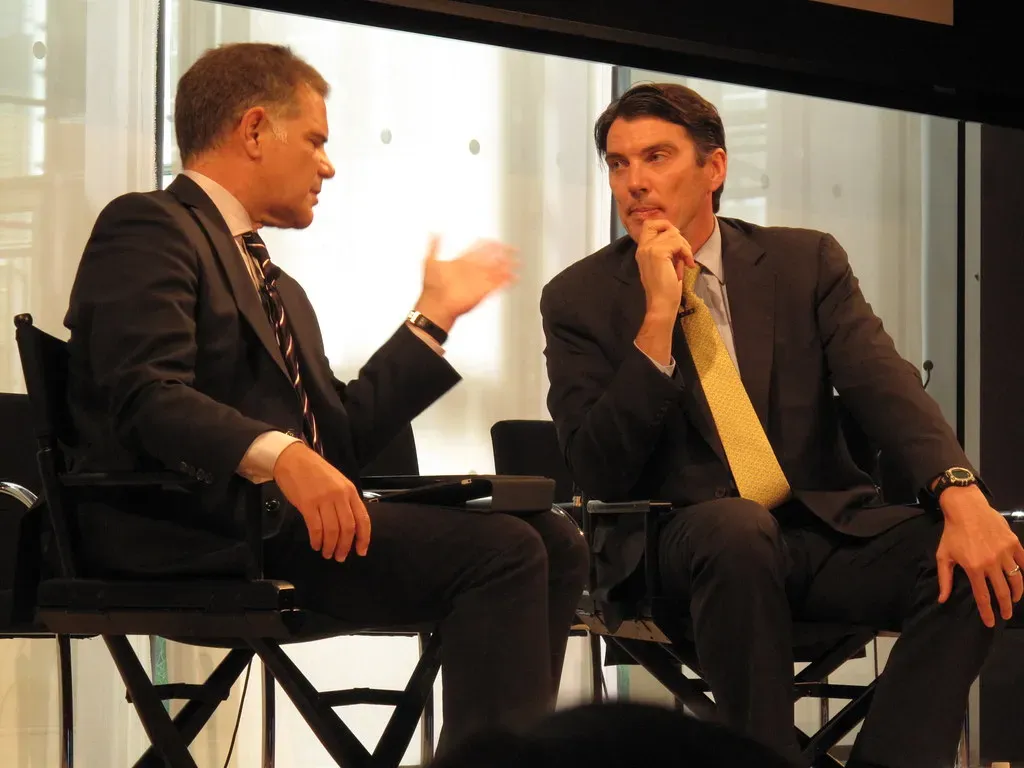
The spontaneous hand movements that people make when they talk often communicate a good deal more than they intend. Pay attention to timing. When someone speaks and their hand gestures arrive just a split second too late, something interesting happens. Their conscious mind is working overtime to construct their message, causing a delay between words and movements.
For the honest person, a hand gesture comes a beat before the words. An anxious liar’s gestures will follow the words. There’s also the issue of contradictory gestures. Someone might say “yes” while subtly shaking their head no, or claim they’re calm while their hands are clenched into fists. In our culture, shaking one’s head up and down means yes, and side to side means no. If someone is saying, “No, I didn’t do it,” but their head is shaking yes, they probably did it. These mismatches between verbal and nonverbal communication are like little truth leaks your body can’t control.
Touching the Face Suggests Self-Soothing

You might catch yourself touching your face when you’re stressed or thinking hard about something. When children lie, they tend to cover their mouth, feeling ashamed that they are doing something wrong and wanting to physically stop the words from coming out. Adults do a subtler version of this, perhaps touching their lips, rubbing their neck, or scratching their nose when they’re uncomfortable.
Self-touch is often an unconscious way to relieve tension. Nail biting and hair twirling are examples of pacifiers in action. These gestures are called “adaptors” because they help us adapt to stressful situations. Someone repeatedly touching their neck during a job interview is probably feeling vulnerable. A person who keeps rubbing their nose while telling you a story might be uncomfortable with what they’re saying. The face-touching isn’t necessarily proof of deception, but it’s definitely a sign that something is making them uneasy. Their body is literally trying to comfort itself through difficult emotional terrain.
Posture Shifts Indicate Engagement Level

Posture is a nonverbal cue that is associated with positioning. Posture and positioning are sources of information about individual’s characteristics, attitudes, and feelings about themselves and other people. When someone leans toward you during conversation, they’re literally drawn in by what you’re saying. Their body is moving closer because their mind is engaged.
The opposite is equally telling. Someone who gradually slouches, turns their body away, or starts leaning back is probably losing interest or feeling uncomfortable. Posture can be used to determine a participant’s degree of attention or involvement, the difference in status between communicators, and the level of fondness a person has for the other communicator, depending on body “openness”. Watch for sudden posture changes too. If someone was relaxed and open, then suddenly stiffens up or closes off, something in the conversation just triggered a defensive reaction. Their body is preparing to protect itself emotionally, even if their words remain polite and agreeable.
Conclusion

Understanding these seven gestures gives you valuable insight into the unspoken conversations happening all around you. Remember though, no single gesture tells the complete story. Every body movement must be interpreted broadly and in conjunction with every other element in communication. The real skill comes from noticing clusters of signals and changes from someone’s baseline behavior.
Next time you’re in a conversation, try observing these subtle cues without jumping to conclusions. You might be surprised by what you discover. Did any of these gestures surprise you, or have you caught yourself doing them? The body really does have its own language, and now you’re starting to speak it fluently.