
You know what’s funny? We tend to think wisdom belongs only to those with silver hair and decades of life experience. Yet some people seem to carry an old soul quality regardless of their age. They navigate life with a kind of quiet clarity that makes you wonder what they know that you don’t.
Wisdom isn’t really about how many years you’ve lived. It’s about how you process those years and what habits you’ve built along the way. The ancient philosophers understood this deeply. They spent lifetimes studying what separates mere knowledge from true wisdom, and what they discovered still holds up remarkably well today. Think about it – despite all our modern technology and conveniences, we’re still wrestling with the same fundamental questions about how to live a good life. So let’s dive into these seven timeless habits and see which ones might already be part of your daily rhythm.
You Practice Deep Self-Reflection

When you look at ancient Greek philosophy, Socrates famously equated wisdom with recognizing one’s own ignorance. This wasn’t some clever wordplay – it was the foundation of genuine wisdom. You probably engage in this habit if you regularly pause to examine your own thoughts, motivations, and behaviors without judgment.
Wise people tend to be very self-reflective, and this isn’t just idle navel-gazing. A deeper understanding of ourselves and others comes from reflecting on our own experiences and behavior and how these affect others, and self-reflection helps us to learn how to act more wisely in the future. When you make a mistake, do you brush it off or do you actually sit with it? Real wisdom emerges when you can honestly assess where you went wrong without drowning in self-criticism. It’s hard to say for sure, but I think this might be one of the most undervalued practices in our distraction-filled world.
You Embrace Uncertainty With Grace

If you’re genuinely wise, you’re likely to embrace uncertainty rather than resist it, understanding that life isn’t a fixed blueprint but rather a fluid journey filled with unexpected twists and turns. Here’s the thing – most people fight against the unknown. They want guarantees, detailed plans, and ironclad certainties.
You, on the other hand, recognize something profound. Wise individuals are cognizant of life’s uncertainty and inherent unpredictability, understand that they have limited control over life events and accept the inevitability of change, fostering an adaptive mindset to changing circumstances, and display intellectual humility in knowing that there are also limitations to their personal knowledge and that there is always more to learn. This doesn’t mean you’re passive or unprepared – it means you’ve learned that rigidity breaks while flexibility endures. Think of bamboo in a storm versus an oak tree.
You Listen Far More Than You Speak

Let’s be real – in most conversations, people are just waiting for their turn to talk. They’re mentally rehearsing their response instead of actually absorbing what the other person is saying. If you’ve developed the habit of genuine listening, you’re displaying remarkable wisdom.
Listening isn’t just polite behavior. It’s an act of understanding that deepens your perspective on the world. When you truly listen, you’re gathering information that shapes better decisions and builds authentic connections. The willingness and ability to accurately identify the emotions of others and experience sympathy with them gives individuals access to relevant information about the situation and the people involved. This allows you to respond with nuance rather than react from assumption. I know it sounds simple, but it’s incredibly difficult to master in practice.
You Learn From Every Experience, Especially Failures
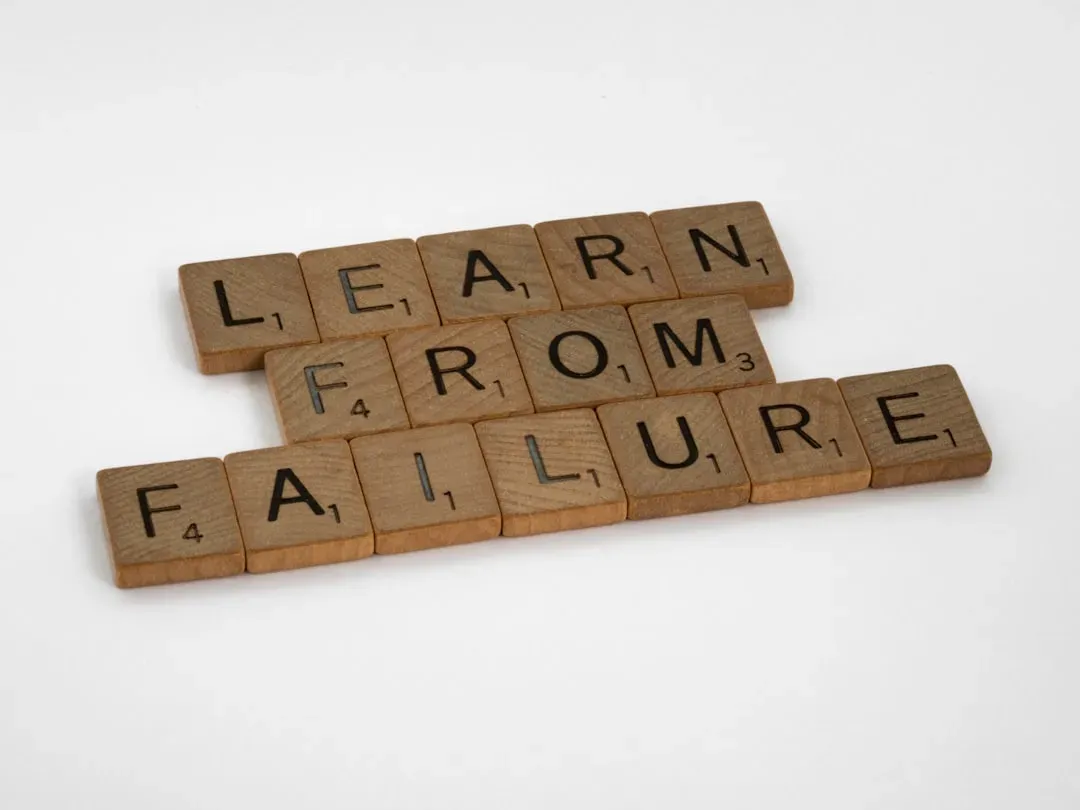
A wise person doesn’t shy away from making mistakes, doesn’t view mistakes as a reflection of their worth or competence, instead views them as valuable lessons that provide insight and growth, and understands that perfection is unattainable and that everyone makes mistakes. Here’s what separates you from the crowd – you actually extract lessons from your screw-ups.
Wisdom is often a result of a variety of experiences, and while we do develop wisdom by our experiences and older people have had more experiences, many young people have also had transformative experiences that will have enhanced their wisdom; however, experiences alone are not enough – we must learn from these experiences if they are to make us wise. You don’t just collect experiences like stamps in a book. You process them, extract meaning, and apply those insights moving forward. That failed relationship taught you about boundaries. That botched project showed you where your blind spots were. Nothing is wasted when you have this mindset.
You Show Compassion Without Expecting Anything in Return

Wise individuals express empathic concern and genuinely care for the well-being of others. This goes beyond basic kindness – it’s about understanding someone else’s pain and actually taking steps to help alleviate it when possible.
Compassion is about understanding someone else’s pain and taking action to help, and a wise person knows that everyone has their own battles to fight and is not quick to judge or dismiss others’ struggles. You’ve probably noticed that truly wise people don’t keep score. They help because it’s the right thing to do, not because they’re building social capital. Empathy and compassion are key parts of wisdom, and it is of no use to have a deep understanding of the world if we do not use this understanding wisely and in the support of others. When you offer support without an ulterior motive, you’re operating from a place of genuine wisdom.
You Balance Emotion With Rational Thinking
Wise persons are able to regulate their emotions so that they are able to think clearly about what decisions and actions may bring about a positive outcome, and yet emotions are not the enemy of wisdom. This is a subtle but crucial distinction. You don’t suppress your feelings like some emotionless robot, nor do you let them hijack your decision-making process.
Wise individuals exhibit remarkable emotional resilience amidst adversity – this does not mean they are perfectly calm at all times but rather highlights their adeptness in navigating and regulating tumultuous emotions as they arise, displaying high levels of emotional intelligence by identifying, comprehending, and managing emotions within themselves and others, and even in daunting scenarios they can employ humor and are unlikely to be distracted by anger, fear, or apprehension. You feel deeply, but you don’t act rashly. You pause, you process, and then you proceed. That gap between stimulus and response is where wisdom lives.
You Remain Curious and Open to New Perspectives

Wisdom entails flexibility in thinking, the tendency and willingness to take on different ideas and perspectives, and an exploratory orientation in life – and the association between wisdom and openness is one of the most consistent findings in the literature. You haven’t closed yourself off to learning just because you’ve accumulated some knowledge.
Wise individuals seek a deeper understanding of life and possess an innate curiosity that becomes the impetus for thorough exploration, allowing them to analyze problems from diverse angles while considering contextual nuances, perceive differing viewpoints as sources of enrichment and embrace diverse perspectives without feeling threatened, and prioritize continued personal growth through introspection and assimilation of insights from personal and shared life experiences. When someone challenges your view, you don’t get defensive – you get interested. You ask questions. You explore the unfamiliar. This openness keeps your mind sharp and your understanding nuanced.
Conclusion

These seven habits aren’t flashy or dramatic. They won’t make you rich overnight or turn you into some guru on a mountaintop. Yet they represent something far more valuable – a way of moving through the world with depth, clarity, and genuine understanding.
The beautiful thing about wisdom is that it’s accessible to anyone willing to cultivate these practices. You don’t need a philosophy degree or decades of meditation retreats. You just need to show up consistently – reflecting honestly, listening deeply, learning from mistakes, showing compassion, balancing emotion with reason, embracing uncertainty, and staying curious. Which of these habits do you already practice, and which one might you start developing today?