For most of human history, dinosaurs existed only as bones. Big ones, strange ones, bones that told us about how they moved, how large they grew, and sometimes what they ate. What those ancient creatures actually looked like on the outside though – their skin, their texture, their color – remained almost completely in the dark. Honestly, even scientists didn’t expect that to change much.
Yet here we are in 2026, and the pace of discovery has been nothing short of stunning. New fossils, fresh analytical tools, and some extraordinary strokes of geological luck are filling in gaps that once seemed impossible to close. The skin of dinosaurs, it turns out, holds secrets we barely knew to ask about. So let’s dive in.
Clue 1: Some Dinosaurs Had Two Completely Different Types of Skin on the Same Body
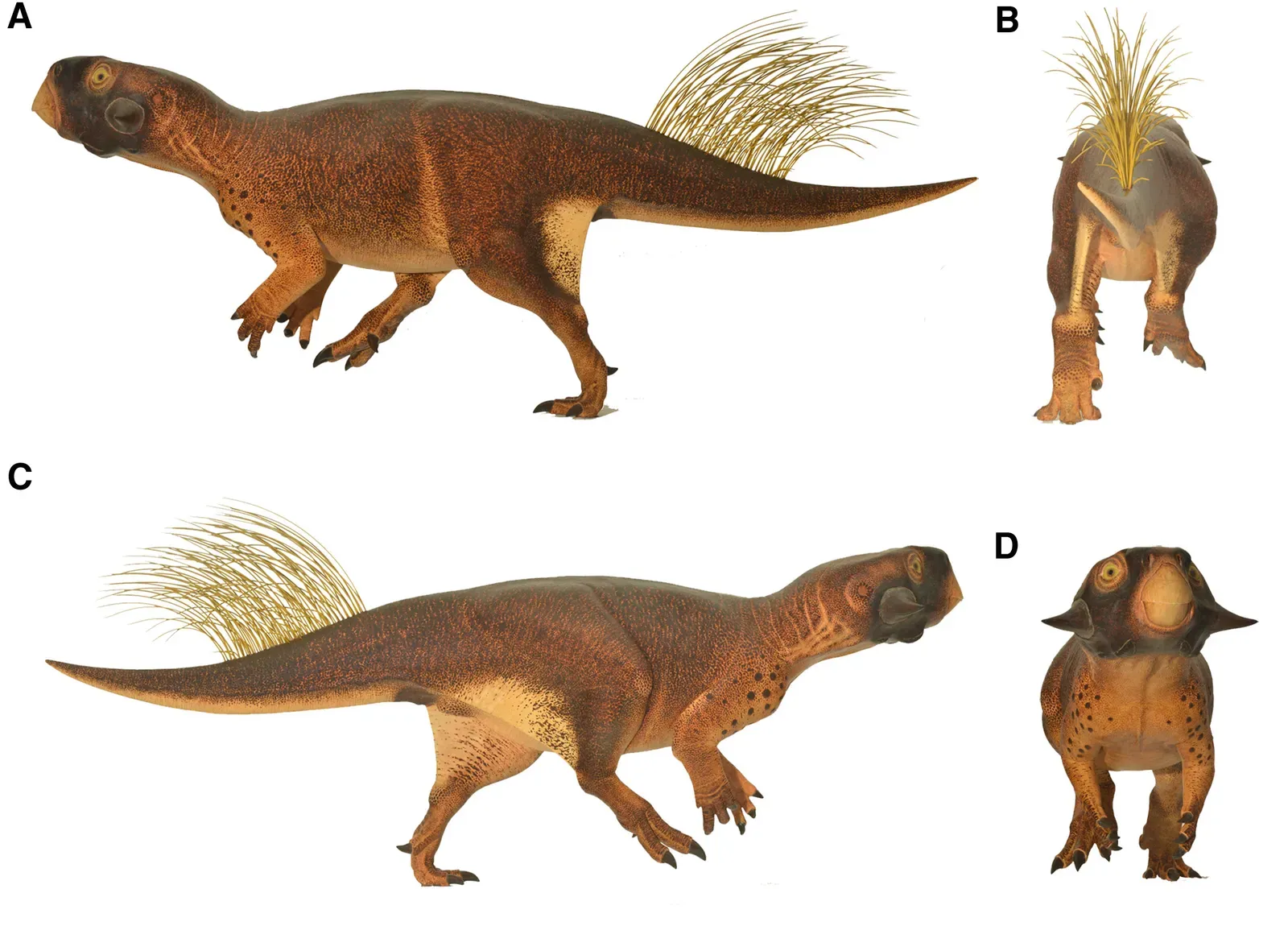
You might picture a dinosaur as either scaly or feathered, a neat either-or. Scientists have discovered what they call “zoned development” in dinosaur skin, with zones of reptile-style scales and zones of bird-like skin with feathers existing on the same individual animal. Think of it like wearing a wool sweater over a cotton shirt – two textures, one body, both serving different purposes.
Palaeontologists at University College Cork discovered that some feathered dinosaurs had scaly skin like reptiles today, by studying a specimen of the feathered dinosaur Psittacosaurus from the early Cretaceous, between 135 and 120 million years ago – a time when dinosaurs were actively evolving into birds. The study showed, for the first time, that Psittacosaurus had reptile-like skin in areas where it didn’t have feathers. This single finding reshapes the way you might picture the whole birds-from-dinosaurs story.
Clue 2: Dinosaur Skin Was Preserved in Glass – Literally
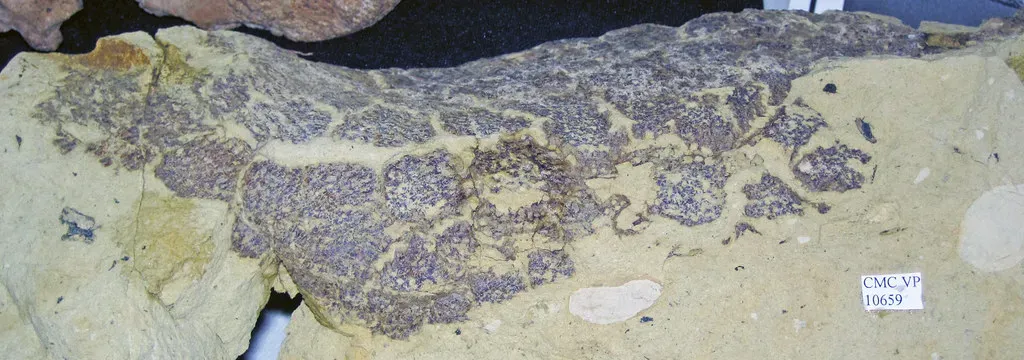
Here is where things get genuinely weird. A new dinosaur skin fossil has been found to be composed of silica – the same material as glass. That is not a metaphor. The skin didn’t just harden or turn to stone in the usual sense; it was replaced by one of Earth’s most common minerals in a way that had never been seen before in any vertebrate fossil.
Scientists investigated the specimen using X-rays and infrared light, which unveiled detailed cellular structures within the skin. A prime discovery was the skin’s composition: it was found to be mineralised with silica, the main component of glass, a type of preservation that is unprecedented in previously observed vertebrate fossils. This silica preservation is extraordinary because it kept the microscopic detail so sharp that scientists could examine the actual cellular architecture of the skin itself – layers and all.
Clue 3: A Brand-New Dinosaur Had Hollow Spikes Never Seen Before in Any Known Species
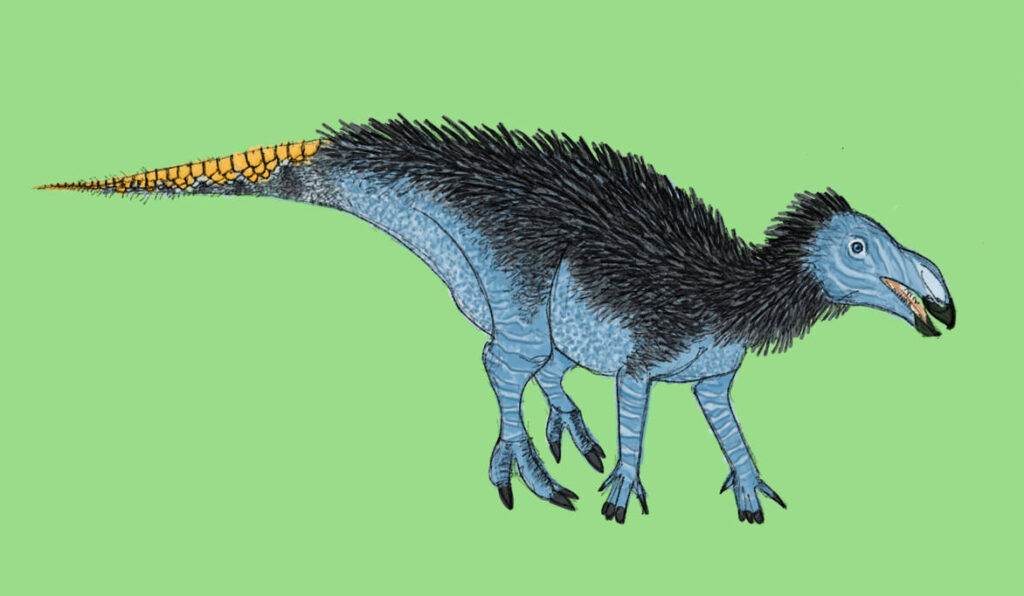
If you thought the catalogue of unusual dinosaur features was complete, think again. Scientists in China uncovered an exceptionally preserved juvenile iguanodontian with fossilized skin so detailed that individual cells are still visible, and even more astonishing, the plant-eating dinosaur was covered in hollow, porcupine-like spikes – structures never before documented in any dinosaur. This is like finding a new type of finger on a hand you thought you already knew completely.
Using advanced imaging and microscopic analysis, paleontologists found that these spikes are hollow and cylindrical, composed of a highly cornified outer layer over a multi-layered epidermis, with keratinocytes preserved down to their nuclei. At the core of each spike lies a porous dermal pulp. This anatomy sets the spikes apart from both the protofeathers found in some other dinosaurs and the scaly spines seen in modern lizards, suggesting an independent evolutionary origin. In other words, this creature invented something entirely new.
Clue 4: Fossil Melanosomes Reveal That Giant Sauropods Were Patterned and Colorful
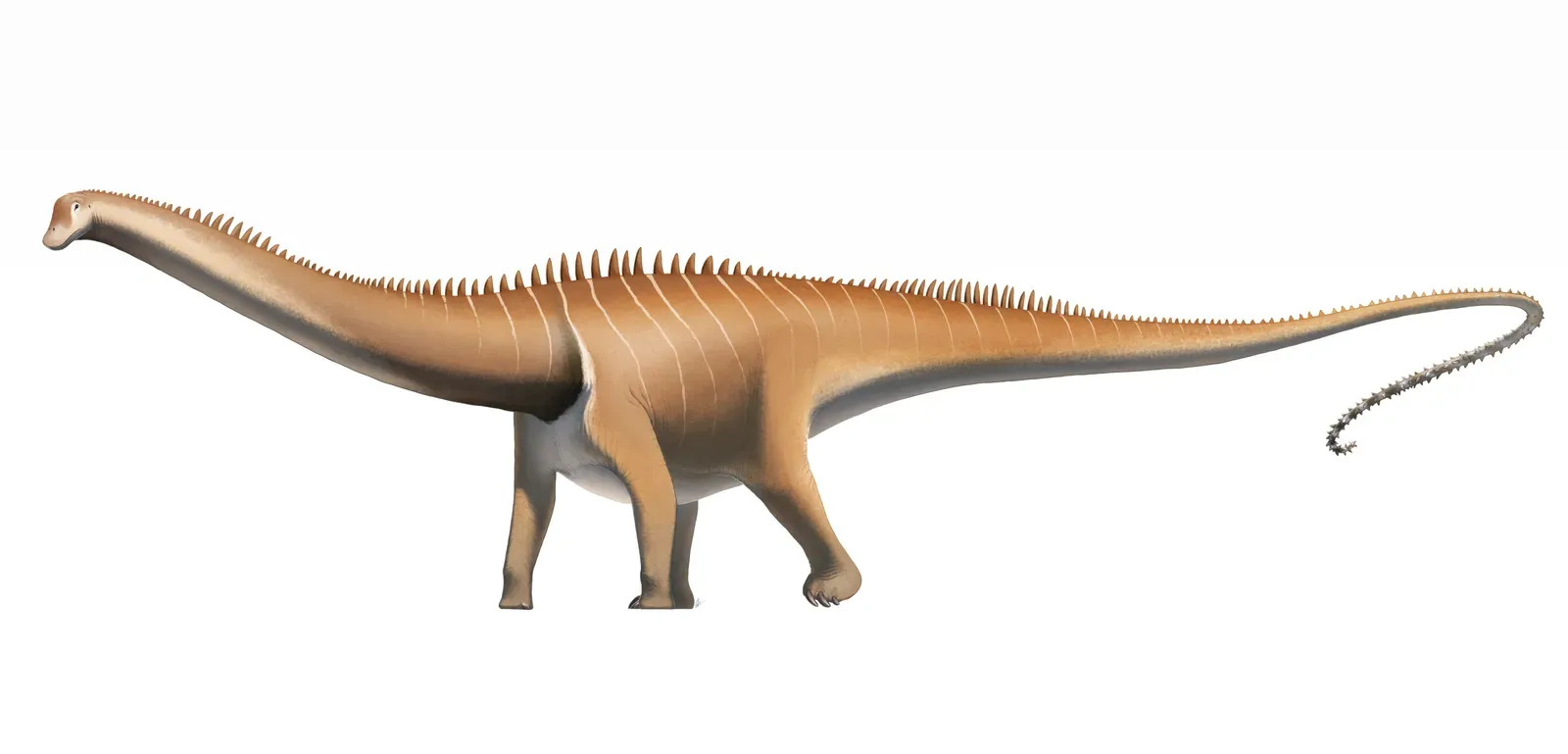
For over a century, you probably pictured massive long-necked dinosaurs like Diplodocus as plain grey or brown, uniform and bland as an unpainted wall. This idea came from a lack of evidence, not from direct proof – dinosaur skin rarely survives fossilization, and color fades long before their bones turn to stone. The assumption was probably wrong.
Scientists using scanning electron microscopy identified oblong and disc-shaped microbodies consistent with melanosomes – these structures are carbon-rich, embedded within layered fossilized skin, and closely match pigment organelles in other fossils. If both forms represent true melanosomes, this marks the first evidence of pigment diversity in dinosaur scales, previously seen only in feathers. Spots, speckles, or patches may have covered parts of the body, and such patterns often help animals blend into surroundings – for a young Diplodocus, camouflage could reduce the risk of attack. So the giant was spotted. Let that sink in.
Clue 5: The Armored Borealopelta Was Reddish-Brown and Still Needed to Hide
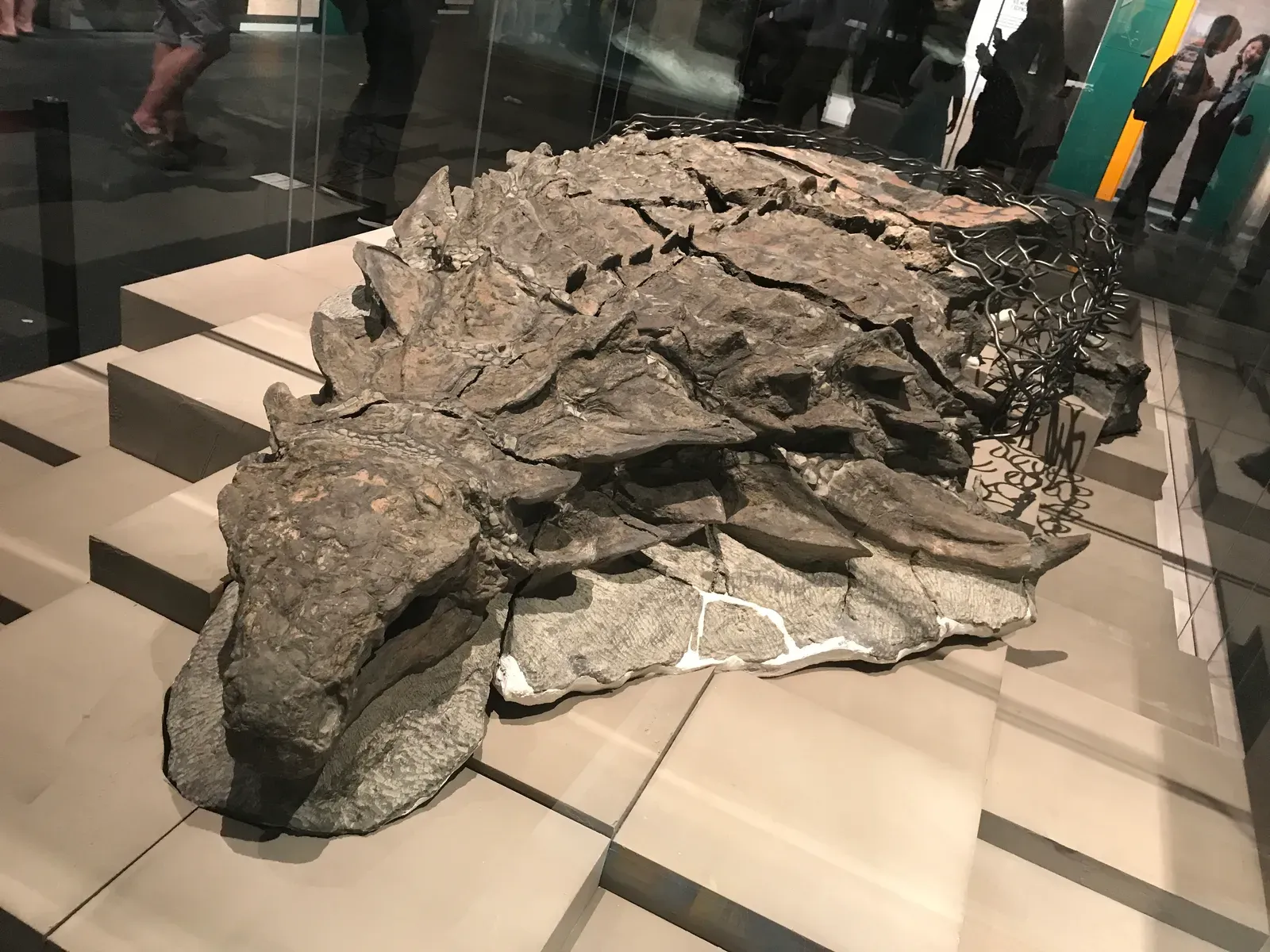
Here is a thought that feels almost absurd. Imagine an animal the size and weight of a compact car, covered head to toe in bony armor plates and long shoulder spines. Analysis of the fossilized skin of Borealopelta markmitchelli – the most well-preserved armored dinosaur ever unearthed – revealed that the ancient creature had a reddish-brown coloration and camouflage in the form of countershading, and that despite being the size of a tank, it was still hunted by carnivorous dinosaurs. That fact alone says something chilling about how dangerous the Cretaceous world truly was.
This remarkable fossil preserved not only the armor, known as osteoderms, in their life positions, but also remains of their keratin sheaths, overlying skin, and stomach contents from the animal’s last meal – and melanosomes were also found that indicate the animal had a reddish skin tone. The discovery that Borealopelta possessed camouflage coloration indicates that it was under threat of predation despite its large size, and that the armor on its back was primarily used for defensive rather than display purposes. Nature, it seems, never gives you a free pass.
Clue 6: A Clay Mask Revealed Hooves, Crests, and Spikes on a Duck-Billed Dinosaur Mummy
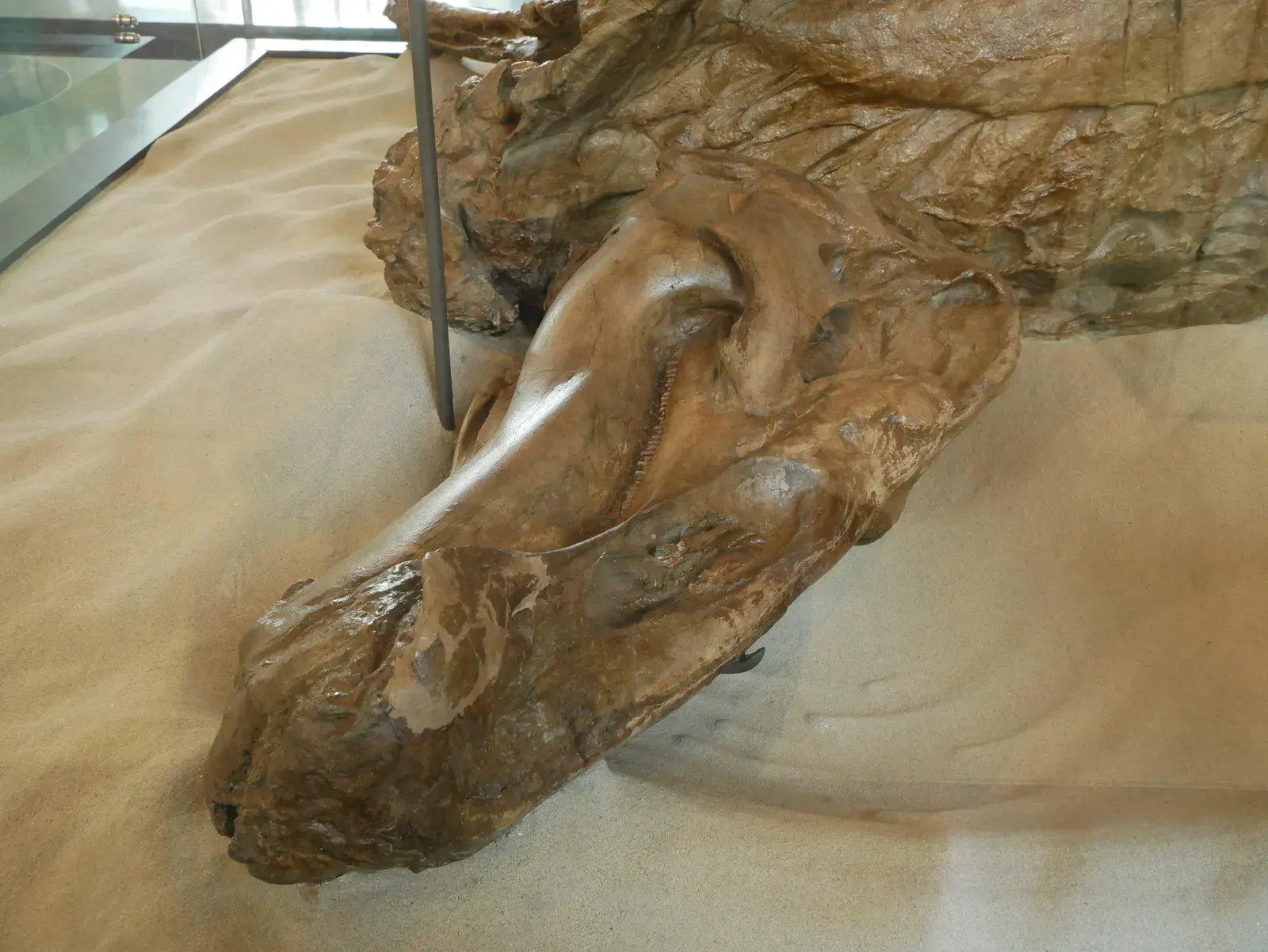
The word “mummy” conjures images of ancient Egypt, but dinosaur mummies are something far stranger. Scientists reconstructed the most complete and lifelike profile of Edmontosaurus annectens thanks to an extraordinary preservation process called clay templating, in which a thin clay film captured the dinosaur’s skin, scales, spikes, and even hooves in three dimensions – revealing a tall crest, a single row of tail spikes, delicate pebble-like scales, and the earliest known hooves in any land vertebrate. Not bad for a layer of clay thinner than a fingernail.
They identified a continuous midline feature that began as a fleshy crest along the neck and trunk and transitioned over the hips into a single row of spikes running down the tail, each spike positioned over a single vertebra. The lower body and tail had the largest polygonal scales, although most were tiny pebble-like scales just one to four millimeters across, surprisingly small for a dinosaur growing to over forty feet in length. Wrinkles preserved over the ribcage suggest the skin of this duckbill was thin. It’s the kind of detail that makes you feel like you’re reading a field guide to a living animal, not a fossil report.
Clue 7: A 125-Million-Year-Old Fossil Preserved Individual Skin Cells in Stunning Detail
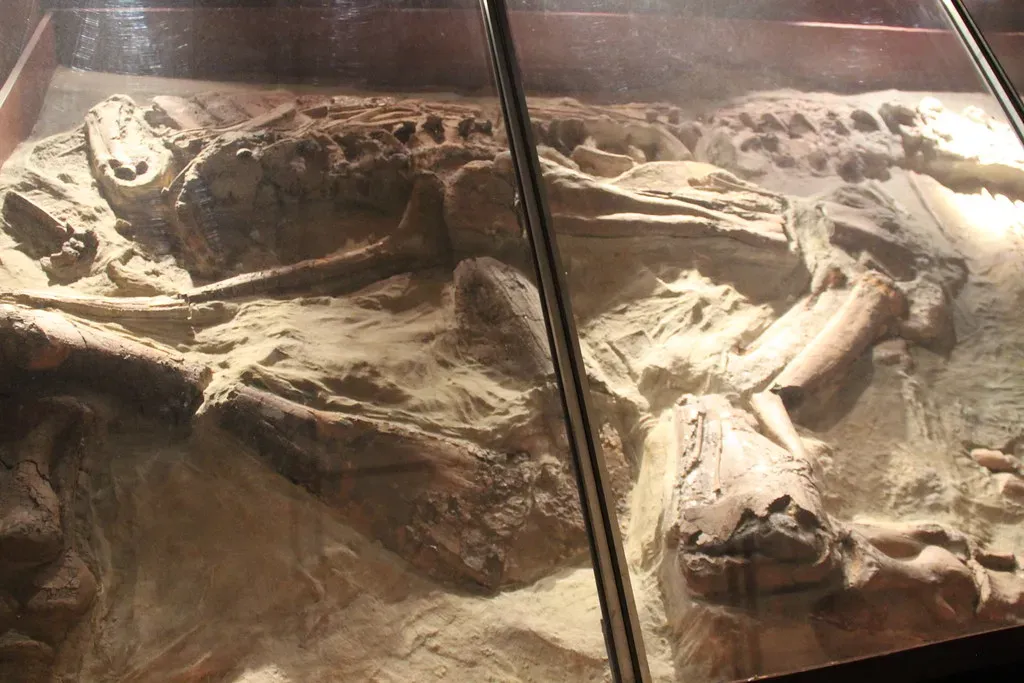
I think the most quietly jaw-dropping discovery on this list might also be the one you’ve heard least about. Using advanced imaging techniques including X-ray scanning and high-resolution histological analysis, a team of scientists was able to study the fossil at the cellular level, finding that individual skin cells had been preserved for approximately 125 million years. This level of detail allowed scientists to reconstruct the structure of unusual hollow spikes embedded in the skin, which covered much of the dinosaur’s body.
The fossil includes overlapping scales on the tail and distinct tuberculate scales on the neck and thorax – patterns that differ markedly from previously described iguanodontians. The findings, published in Nature Ecology and Evolution in February 2026, introduce an entirely new feature to the known diversity of dinosaur anatomy, and this discovery not only adds a new species to the Iguanodontia group, but also reveals that dinosaur skin and body coverings were more varied and innovative than previously understood. Studying skin cells from the age of dinosaurs, preserved perfectly in rock – it’s hard to fully wrap your mind around that.
Conclusion: The Skin Is Just the Beginning
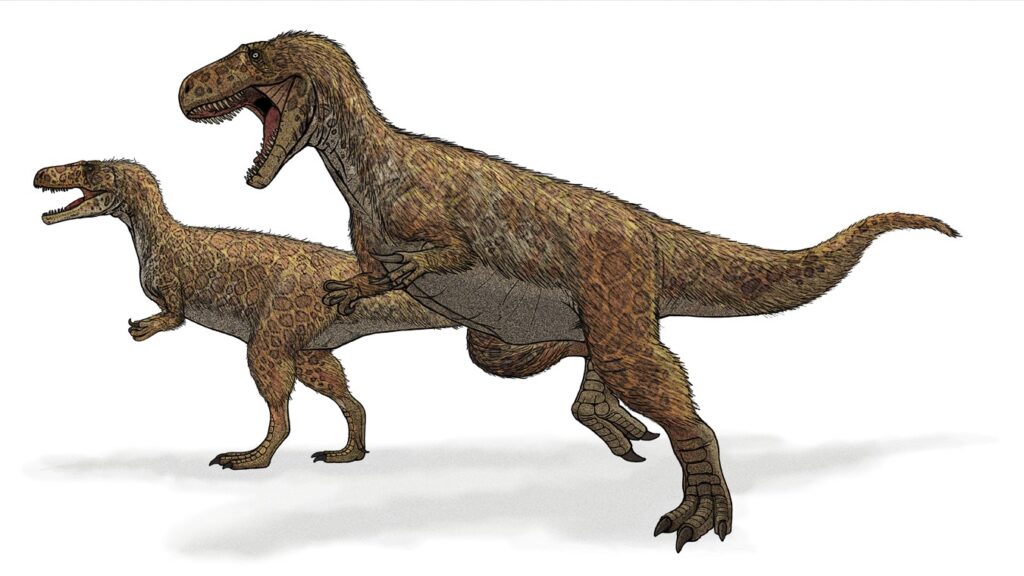
![Conclusion: The Skin Is Just the Beginning (Original, now superseded file based on the images found here: [2][3][4]and[5] which is now known to be Neovenator: File:Neovenator salerii-Dinosaurisle.jpg. Heavily revised current version based on skeletal diagrams by Scott Hartman in:(2015). "An overview of non-avian theropod discoveries and classification". PalArch's Journal of Vertebrate Palaeontology 12 (1): 1–73.
The feathering shown here is speculative, skin remains are not currently known for Megalosaurus., Public domain)](https://nvmwebsites-budwg5g9avh3epea.z03.azurefd.net/dinoworld/1f198749ac2afab5d14d15e873ec8e04.webp)
(2015). “An overview of non-avian theropod discoveries and classification”. PalArch’s Journal of Vertebrate Palaeontology 12 (1): 1–73.
The feathering shown here is speculative, skin remains are not currently known for Megalosaurus., Public domain)
For a long time, paleontology was a science of bones. Hard, mineralized, lasting bones. Today, thanks to exceptional fossil discoveries and advanced scientific techniques, paleontologists can paint a more accurate picture of dinosaur skin textures, patterns, and colors – and these rare skin impressions provide a remarkable window into the past, revealing dinosaurs not as simple scaled creatures, but as animals with complex and varied dermal coverings that served crucial biological functions.
What’s fascinating is that each new fossil doesn’t just add a detail. It changes the whole picture. Dinosaurs that were once painted grey and featureless in museum illustrations are now revealed as spotted, reddish, crested, and hollow-spiked in ways nobody predicted. As dinosaurs evolved, their feathery coverings and scaly skin began to look wildly different – some were camouflaged to blend in with their surroundings, while others may have been as brightly colored as the most ostentatious bird species.
The fossils being uncovered right now are rewriting the visual story of prehistoric life one square centimeter of skin at a time. And honestly, we’re probably only scratching the surface. Which of these seven clues surprised you the most? Drop your thoughts in the comments.