You probably grew up with a pretty simple picture of dinosaurs: giant lizards stomping around on land, roaring at each other until a meteor wiped them out. Over the past few decades, though, scientists have been quietly dismantling that cartoon version bone by bone. New fossils, new technologies, and new questions have turned dinosaurs from lumbering monsters into complex, bizarre, and often shockingly familiar creatures.
What might surprise you most is how many of these discoveries actually forced experts to change their minds and rewrite the story they themselves once told. From river‑stalking predators that swam like crocodiles, to mummified skin and giant flying reptiles that stretched the limits of flight, you are living at a moment when dinosaur science is being rewritten in real time. As you read through these seven discoveries, you may feel your childhood dinosaur books quietly becoming obsolete – and that is exactly what makes this era so exciting.
1. The Swimming Spinosaurus That Shattered The “Land-Only” Dinosaur Myth
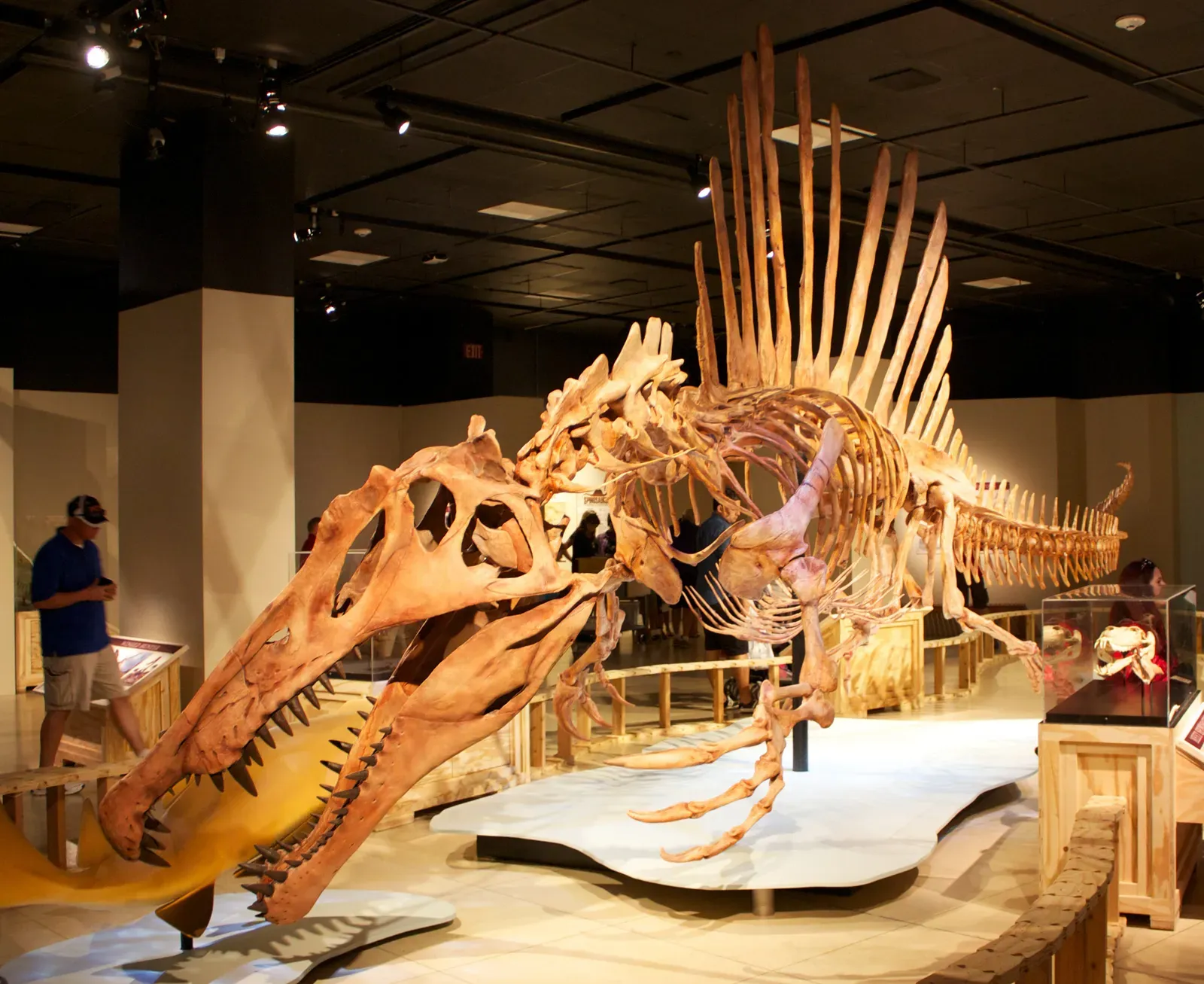
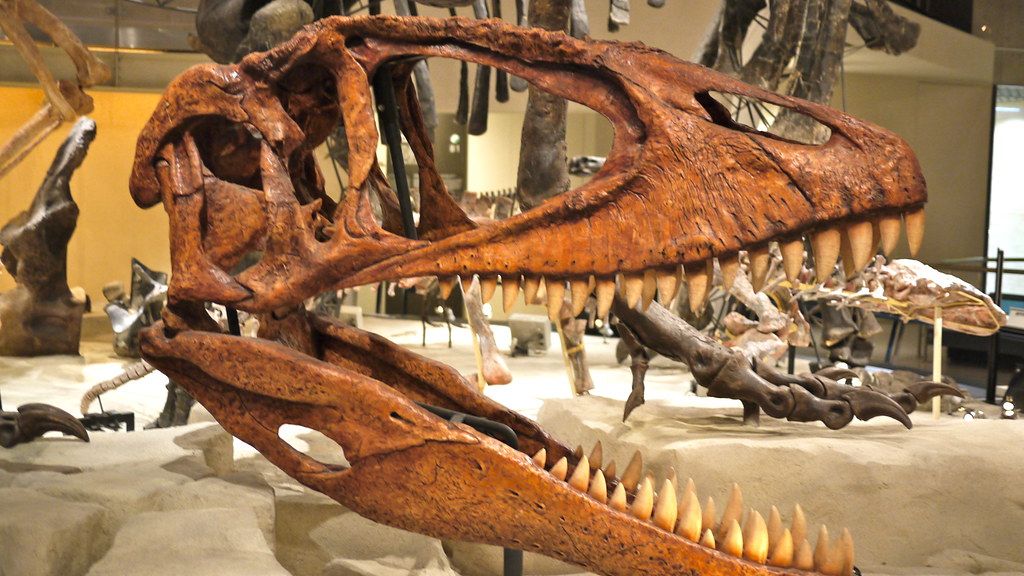
If you were told as a kid that dinosaurs were strictly land animals, Spinosaurus is here to ruin that comforting old rule. For years, paleontologists argued over whether this sail‑backed predator just waded in rivers or truly swam, and the debate sounded almost like a personality test: are you Team Wader or Team Swimmer? Then, newly described tail fossils from Morocco revealed a broad, paddle‑like structure, nothing like the narrow, whip‑like tails you see in classic theropods such as Allosaurus.
When researchers tested digital and physical models of that tail in water, they found it could generate far more thrust and efficiency than the tails of typical land‑hunting meat‑eaters. On top of that, you now know Spinosaurus also had dense bones that helped with buoyancy control, high-set nostrils, and flat, broad feet – traits that line up uncannily with semi‑aquatic animals like crocodiles. Instead of picturing every big predator as a T. rex clone on dry ground, you have to make room in your mental museum for a river‑stalking, fish‑hunting giant that spent much of its life in the water, overturning the old idea that non‑bird dinosaurs never truly invaded aquatic habitats.
2. Feathered Dinosaurs That Turned “Big Reptiles” Into Almost-Birds
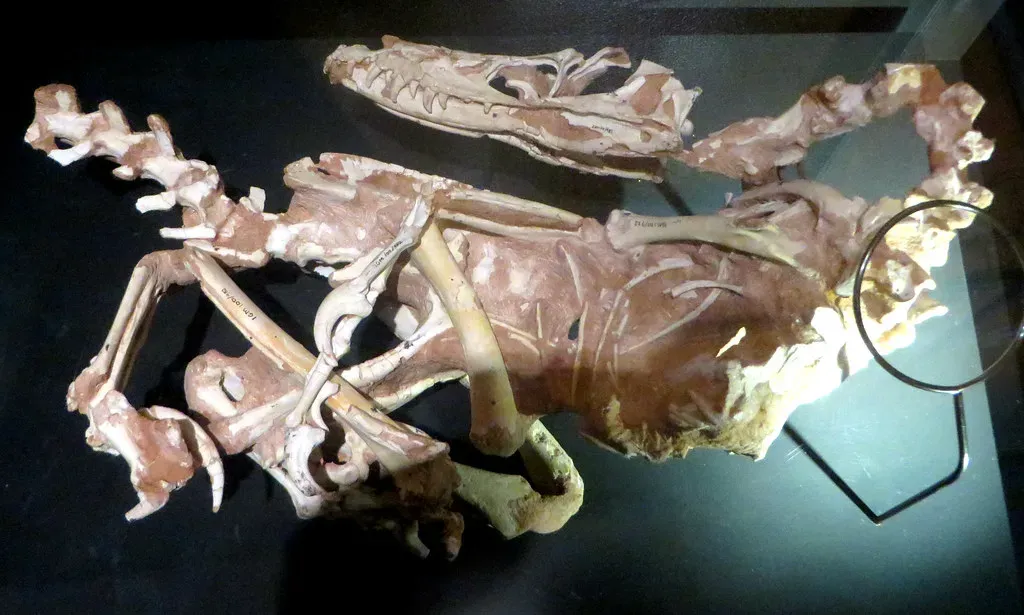
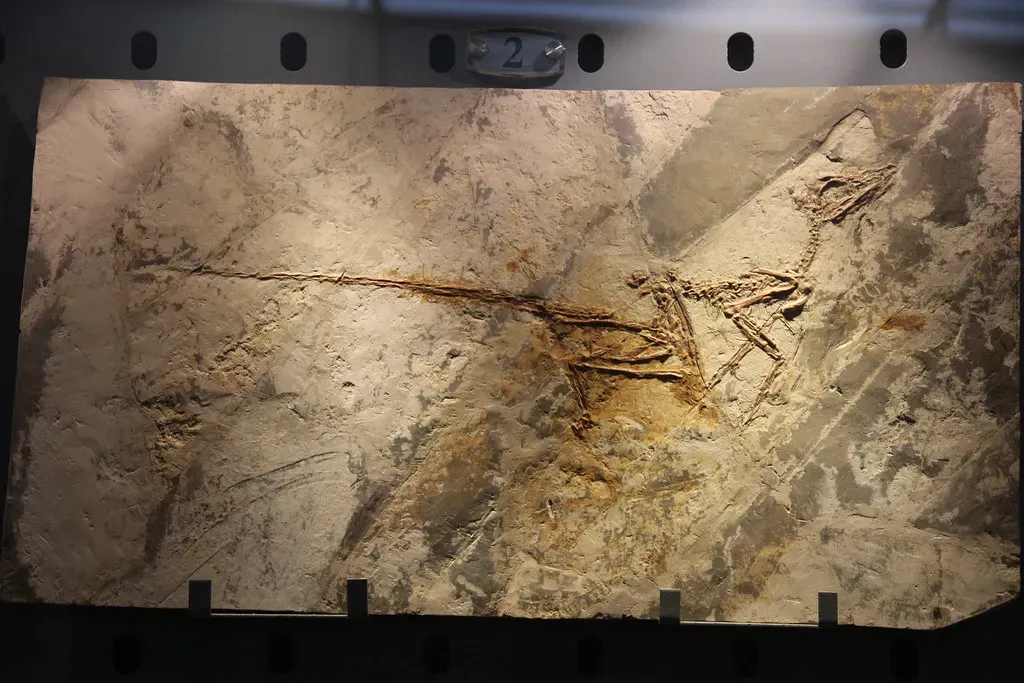
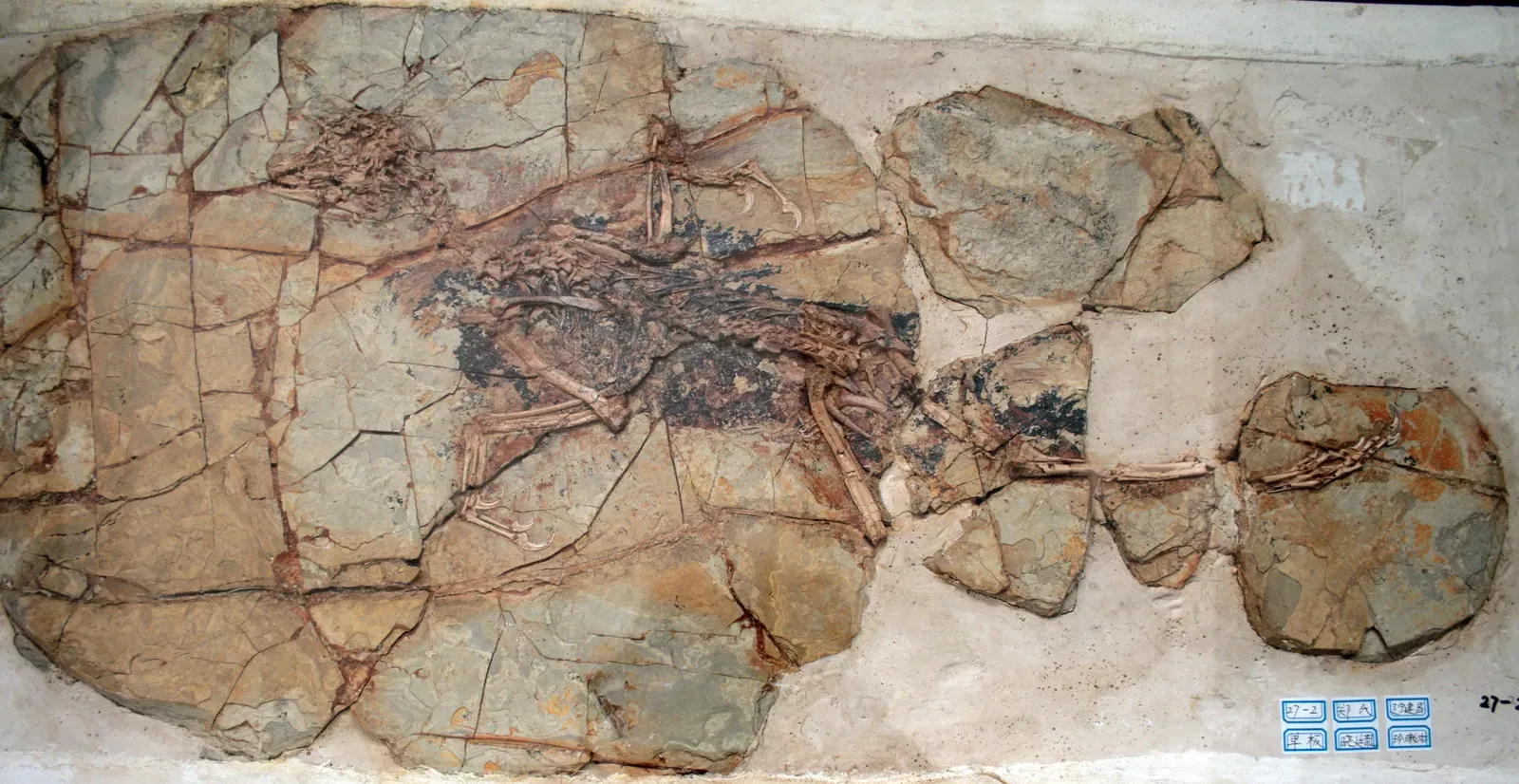
Take a moment and imagine a Velociraptor – not the scaly Hollywood version, but the scientifically accurate one, cloaked in feathers. Thanks to a spectacular series of fossils from northeastern China, you now know that many theropod dinosaurs carried feathers, not as a quirky exception but as a widespread feature. Some of these animals, like the small four‑winged Microraptor, had long feathers on both arms and legs, blurring the line between running, gliding, and genuine flight.
Even iconic transitional fossils such as Archaeopteryx keep revealing new surprises under high‑resolution scans, including skull and tongue adaptations associated with modern birds. When you put these clues together, you are no longer looking at dinosaurs and birds as two separate worlds. Instead, you see a continuous evolutionary story where feathers appear first for insulation or display and only later become the wings that power flight. That realization forces you to accept something wonderfully strange: when you watch a sparrow hop along the sidewalk today, you are technically looking at a living dinosaur.
3. Dinosaur “Mummies” With Skin and Soft Tissues Preserved in Stunning Detail
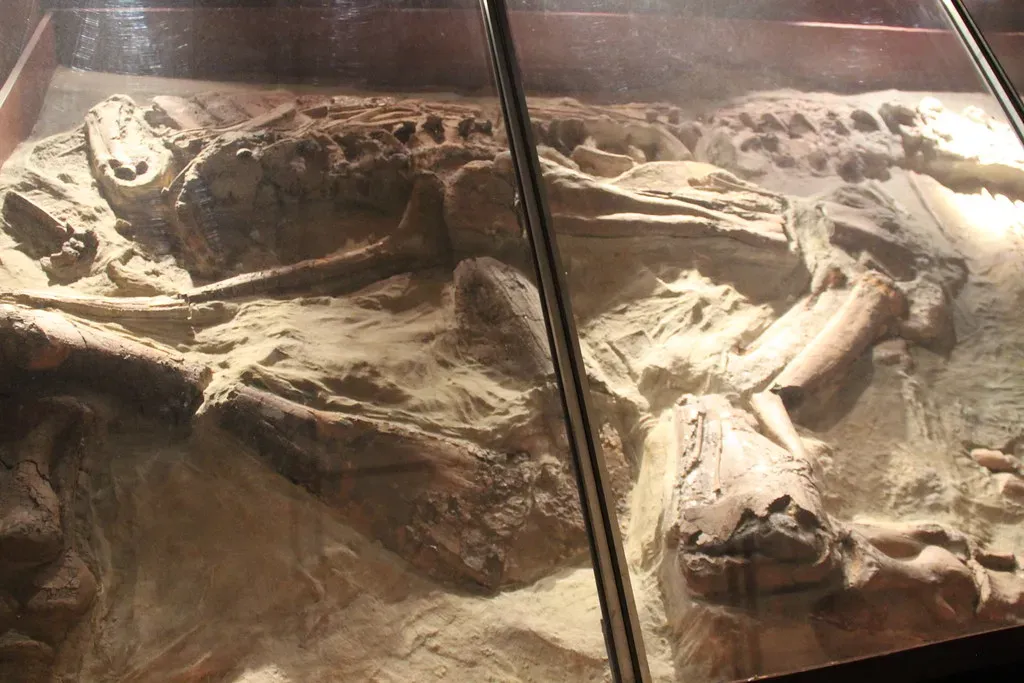
You might assume that dinosaur fossils are always just bare bones, but some of the most mind‑bending discoveries have come from so‑called dinosaur “mummies.” These are not mummies in the Egyptian sense, but fossils where skin, scales, and sometimes the shapes of muscles and soft tissues have been preserved in three dimensions. One famous example, a hadrosaur nicknamed Dakota, showed such detailed skin impressions that researchers could trace the pattern of its scales along the body like a topographical map.
Finds like these let you do something incredibly rare in paleontology: you can stop guessing about the outline of the animal and actually see it. You can infer how thick the tail was, how the limbs were muscled, and where armor-like skin may have offered protection. In some cases, the preservation even hints at the texture and flexibility of the hide, giving you a more lifelike sense of how these animals moved and felt in the flesh. Instead of abstract skeletons in a glass case, you get a sense that you could almost reach out and touch a real dinosaur’s skin – minus the risk of getting eaten.
4. Fossil Nests That Revealed Affectionate, Caring Dinosaur Parents
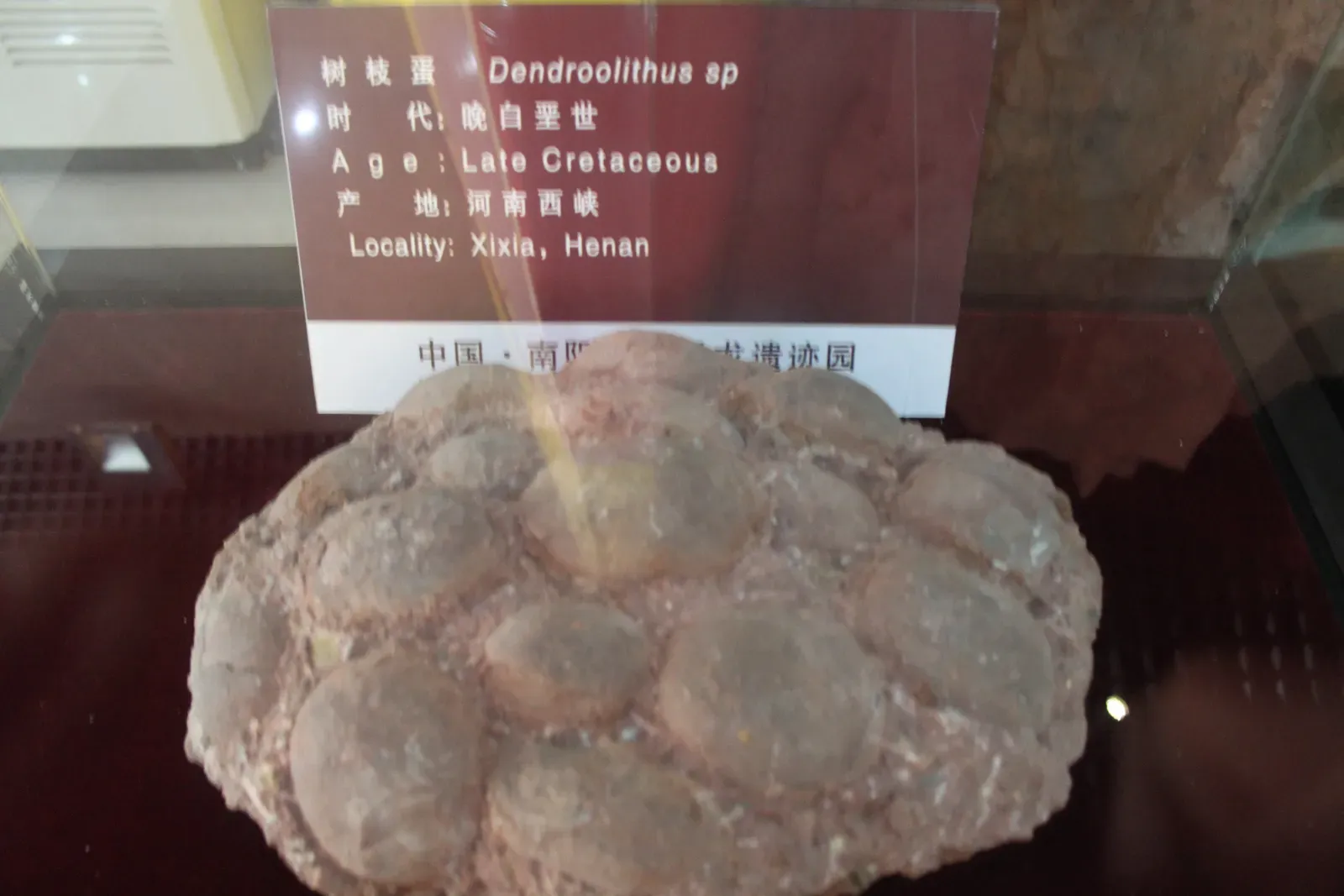
Old-school dinosaur books often painted these animals as cold, indifferent egg‑layers that dropped offspring into the world and walked away. Then large nesting sites were uncovered, including beautifully preserved colonies of plant‑eating dinosaurs where eggs, juveniles, and adults appeared together. When you see repeated layers of nests stacked in the same place, year after year, it starts to look far more like a rookery than a random scattering of eggs.
Evidence of hatchlings lingering in nests long after they could walk, along with adult skeletons close by, suggests extended parental care instead of simple abandonment. Some fossils even show adults apparently brooding over eggs in poses reminiscent of modern birds sheltering their clutches. All of this pulls you away from the idea of dinosaurs as reptilian robots and towards a world where at least some species nested in groups, protected their young, and returned regularly to the same safe breeding grounds. Suddenly, dinosaur life sounds less like a monster movie and more like scenes you might recognize from seabird colonies or penguin rookeries today.
5. Giant Flying Reptiles That Pushed Flight to Its Absolute Limits
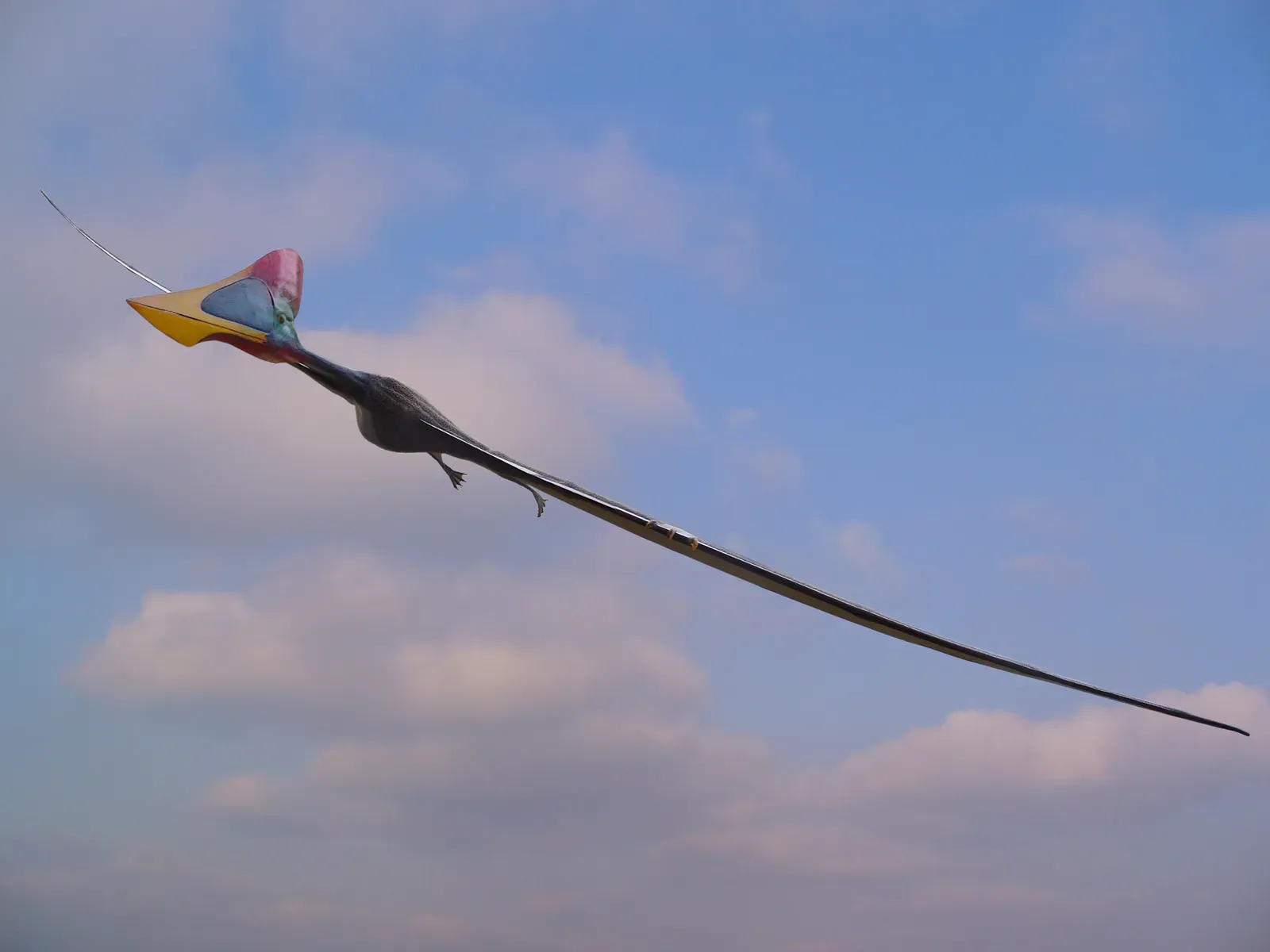
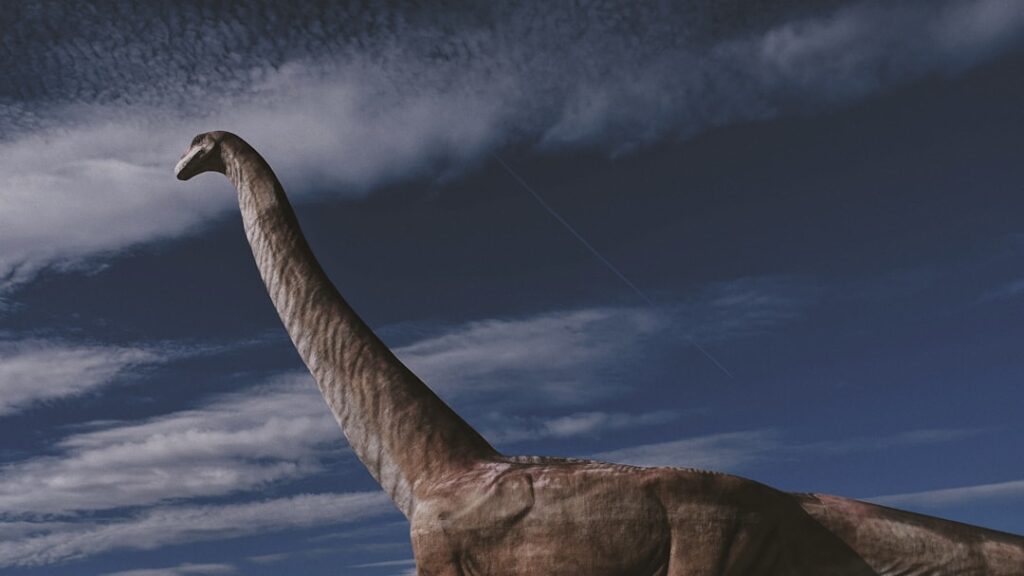
Few images in science hit you as hard as standing under a life‑size model of Quetzalcoatlus, one of the largest flying animals ever known. Picture an animal as tall as a giraffe with a wingspan rivaling a small plane, then try to imagine it actually taking off and staying in the air. For a long time, people doubted whether something so large could truly fly, but careful studies of pterosaur anatomy, combined with biomechanics and comparisons to modern animals, have made that scenario not only plausible but likely.
When you look closer, you learn that these pterosaurs had hollow but strong bones, powerful flight muscles anchored to a massive chest, and limb proportions that may have allowed them to launch using all four limbs in a powerful vault into the air. Some research suggests that at least one of the largest species behaved a bit like a gigantic heron, stalking shallow waters for prey before taking off again. The existence of such giants forces you to reconsider what is physically possible for flying vertebrates, and it permanently resets your sense of scale. After that, an eagle suddenly feels like a toy glider compared with the monstrous gliders of the Cretaceous skies.
6. Microscopic Soft-Tissue Traces That Changed How You Think About Fossils
You might think of fossilization as a process that ruthlessly strips away everything but rock-hard bone, yet microscopic work on some dinosaur specimens has suggested that traces of original soft tissues and molecules can hang on for tens of millions of years. Under the microscope, researchers have reported flexible, vessel‑like structures and protein fragments in carefully prepared bones, challenging the old assumption that all organic material disappears quickly on geologic timescales. For you, that means fossils are not always as “dead” as they look at first glance.
These controversial and carefully tested findings have opened up entirely new lines of questioning. If fragile molecules can sometimes persist, you might be able to compare certain proteins between dinosaurs and modern animals to refine evolutionary relationships beyond what bone shape alone can tell you. It also forces you to see fossils as potential chemical archives, not just stone sculptures. Even though there are still debates about how common this kind of preservation really is and exactly how it works, you now have to consider that a dinosaur bone might quietly hold microscopic whispers of the animal’s original biology.
7. The Dinosaur–Bird Revolution That Rewrote Your Family Tree of Life
Uploaded by FunkMonk, CC BY-SA 2.0)
The idea that birds evolved from dinosaurs is no longer a fringe claim; it is one of the most robust conclusions in modern paleontology. When you stack up the evidence – hollow bones, similar wrists and ankles, three‑toed feet, wishbones, feathers, and even similar nesting behaviors – it becomes hard to draw a clean line between “dinosaur” and “bird.” Instead, you are looking at a long branch of feathered theropods that gradually shrank, refined their flight-related anatomy, and survived the mass extinction that wiped out their larger cousins.
Once you accept that every robin, pigeon, and chicken is a dinosaur’s descendant, your mental image of the Mesozoic world changes dramatically. The end‑Cretaceous impact no longer feels like a clean full stop; it is more like a brutal pruning of a tree whose smaller twigs kept on growing into the modern world. This realization also makes living birds far more interesting on an everyday level. Next time you toss a crumb to a city sparrow or watch a hawk circling a highway, you can remind yourself that you are watching a dinosaur that made it through one of the worst days in Earth’s history and kept going.
Conclusion: Your Dinosaur Story Is Still Being Rewritten
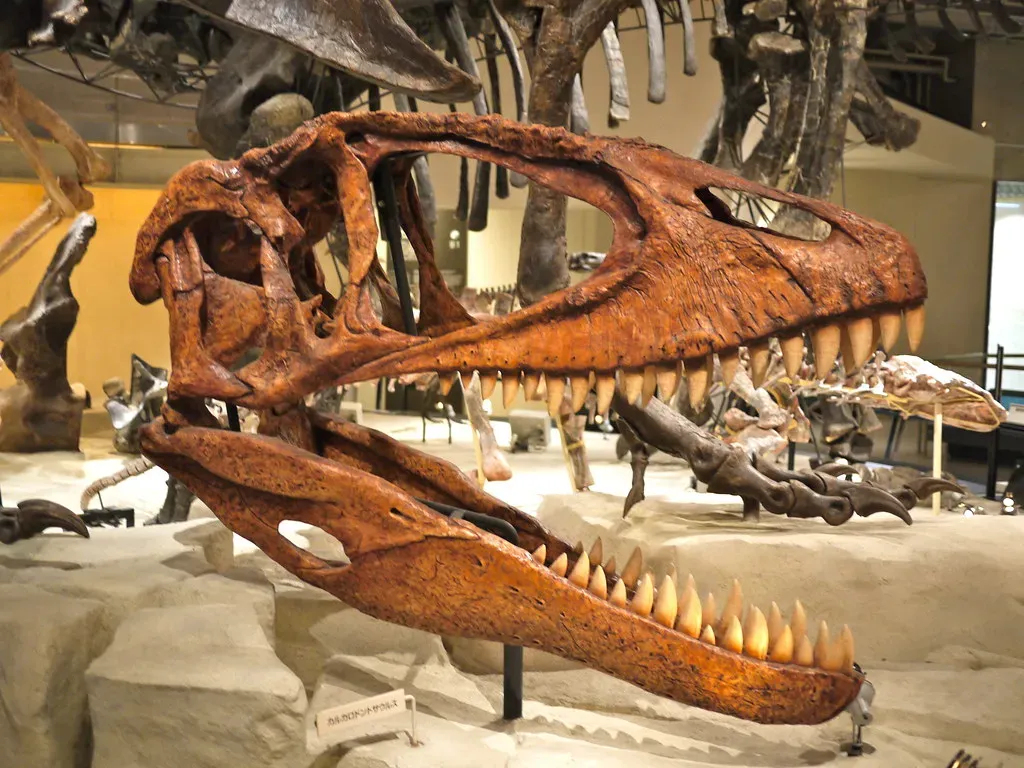
When you step back from these discoveries, a clear pattern hits you: almost every time paleontologists develop new tools or stumble on a new kind of fossil, the old story about dinosaurs has to be updated. You move from land‑only giants to swimming predators, from scaly reptiles to feathered near‑birds, from lifeless bones to preserved skin and possible molecular traces. Pieces you once thought were settled keep being swapped out, much like replacing tiles in a mosaic until an entirely new image emerges.
The most exciting part is that this process is nowhere near finished, and you are living in the middle of it. Somewhere right now, in a dusty field site or a quiet museum basement, another fossil is waiting to push you to rethink what you thought you knew about these animals. So the next time you see a dinosaur illustration that feels definitive, ask yourself: how long will this version survive before the next extraordinary discovery forces you to rewrite your mental history book yet again?