Imagine holding a piece of rock in your hands and realizing it contains the perfectly detailed outline of a leaf that once soaked up sunlight more than 300 million years ago. There is something quietly shocking about that. Plant fossils are incredible natural artifacts that offer a glimpse into Earth’s distant past, telling the story of life’s evolution and the changing environment over millions of years. You can trace the rise of entire forests, the collapse of ecosystems, and the slow, stubborn march of plants conquering dry land, all from the imprints locked inside stone.
What makes plant fossils so compelling is their variety. They range from the most delicate of flowers to the largest petrified trees and stumps, and include nearly every other part of a plant: leaves, roots, nuts, cones, berries, needles, stems, twigs, seeds, and pollen. Some of these fossils are so extraordinarily preserved that they have rewritten scientific textbooks. So let’s dive into seven of the most incredible plant fossils ever discovered, and unpack exactly why they matter.
1. The Rhynie Chert: A 407-Million-Year-Old Hot Spring Time Capsule
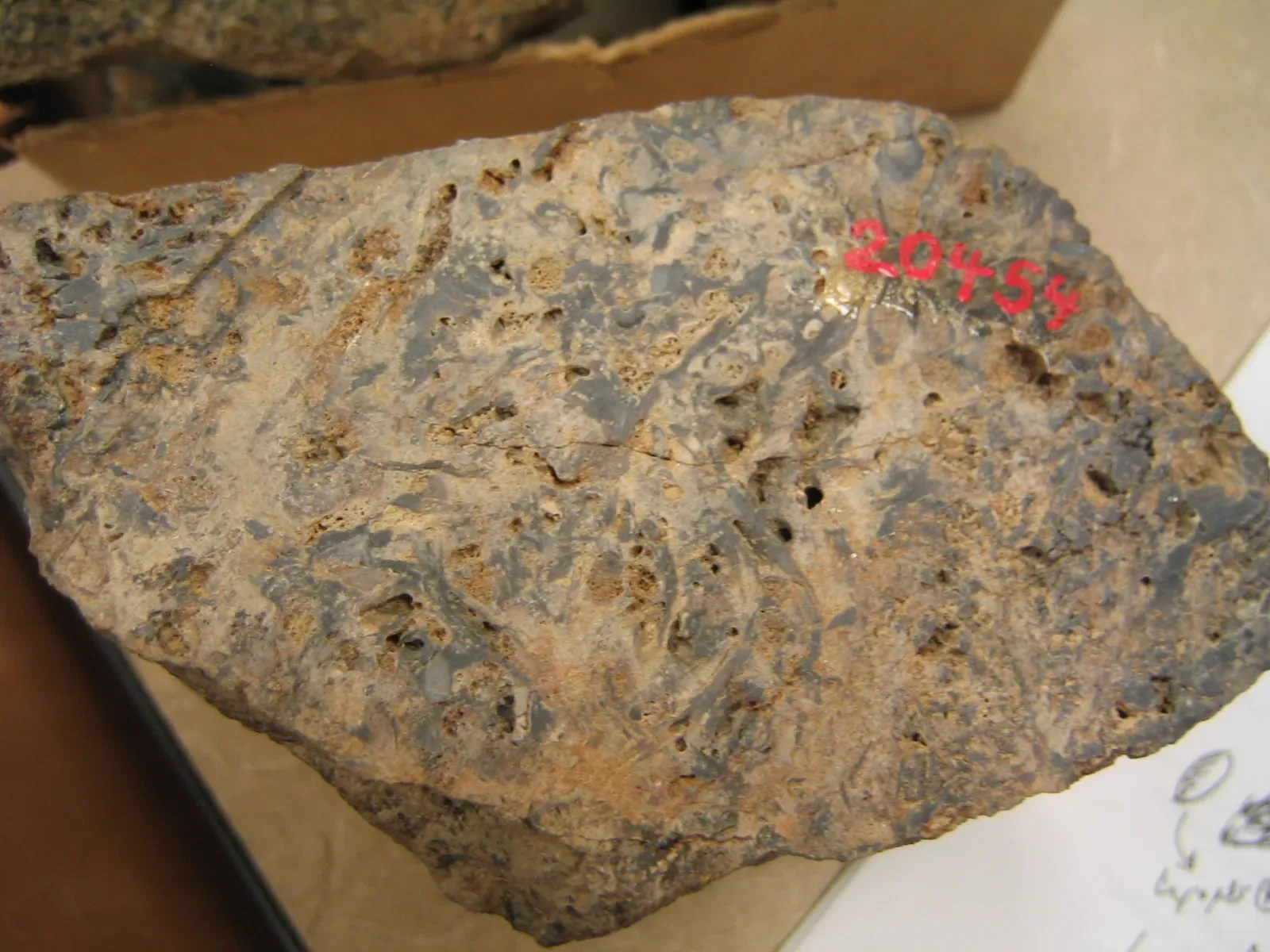
You would not guess that a small Scottish village sits atop one of the most astonishing fossil sites on Earth. The Rhynie chert is a Lower Devonian sedimentary deposit exhibiting extraordinary fossil detail and completeness, exposed near the village of Rhynie in Aberdeenshire, Scotland. The chert was formed when silica-rich water from volcanic springs rose rapidly and petrified the early terrestrial ecosystem, in situ and almost instantaneously, in much the same fashion that organisms are petrified by hot springs today.
Here is what makes it truly jaw-dropping. Plants demonstrate best the great value of the exceptional preservation of the Rhynie chert. The presence of soft tissue, including parenchyma, is not observed elsewhere in the fossil record until the advent of amber in the Triassic. This allows the study of structures such as the air spaces behind stomata, whereas conventional fossil records at their best allow no more than the counting of stomata. The plants are sometimes preserved in such exquisite detail that their internal anatomy can be described. They are the best preserved land plants known from 400 million or more years ago and as such form a cornerstone of palaeobotanical studies.
2. The Mazon Creek Fossil Beds: Carboniferous Jungle Preserved in Iron
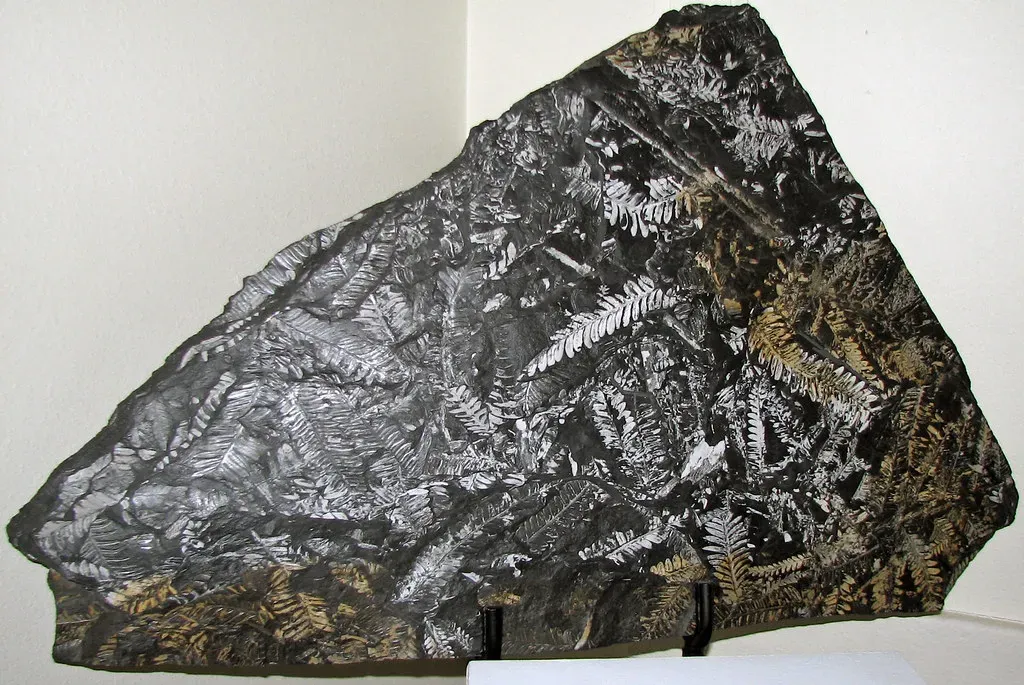
Picture northeastern Illinois roughly 309 million years ago. You are standing in a dense equatorial swamp, surrounded by giant ferns and towering lycopod trees. The Mazon Creek fossil beds are a conservation lagerstätte found near Morris in Grundy County, Illinois. The fossils are preserved in ironstone concretions formed approximately 309 million years ago in the mid-Pennsylvanian epoch of the Carboniferous period. These concretions frequently preserve both hard and soft tissues of animal and plant materials, as well as many soft-bodied organisms that do not normally fossilize. It is honestly one of the most generous preservation events in Earth’s history.
One of the best records of late Paleozoic ecosystems, the Mazon Creek Lagerstätte is world famous for its striking flora and fauna preserved within siderite concretions. Distinct from other late Carboniferous concretionary Lagerstätten because of the remarkable fidelity of soft tissues and pigments that are frequently preserved, Mazon Creek has seen a revival in investigations during the last ten years using modern palaeontological techniques. The Mazon Creek flora is not only characterized by the excellent preservation of specimens, but also by the large range in sizes of fossils and the large numbers of species represented, many of which are not found anywhere else in the world.
3. The Petrified Forest of Arizona: Ancient Trees Turned to Stone
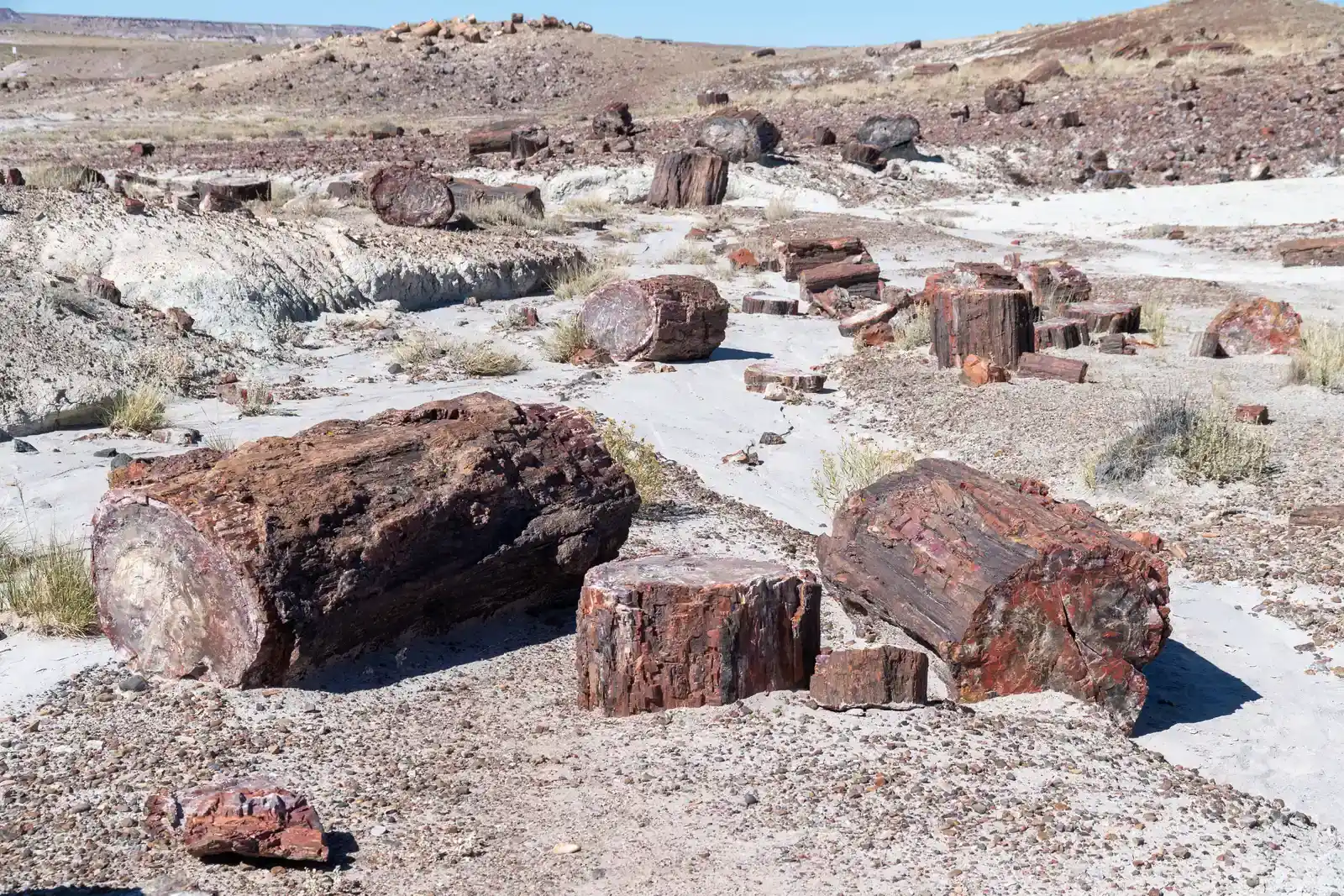
When you think of forests frozen in time, the Petrified Forest National Park in Arizona is about as dramatic as it gets. Think of it like nature’s version of Pompeii, only instead of volcanic ash burying a city, silica-rich water slowly replaced every cell of ancient conifer trees with glittering stone. Conifers are cone-bearing plants with blade-like leaves such as pines, firs, cypresses, redwood, and spruces. They are an ancient group with ancestors from Pennsylvanian Period forests. No other group of organisms of such antiquity has retained an unbroken hold over vast areas of Earth’s surface. The best known conifer fossils in the National Park System are the large silicified logs in Petrified Forest National Park in Arizona.
Slowly over time, the living organic material is replaced by minerals, creating a fossil. If the fossilizing minerals are fine-grained, like clay, then the fossil tends to retain fine details at the microscopic level. Florissant Fossil Beds National Monument and Yellowstone National Park also have extraordinary examples of petrified trees and wood. More recent conifer specimens in the National Park System include an 800,000-year-old pinecone from Valley Forge National Historical Park in Pennsylvania. You get the sense that stone is a far more faithful record-keeper than we ever give it credit for.
4. Horneophyton lignieri and the Fossil That Explained How Plants Grew Tall
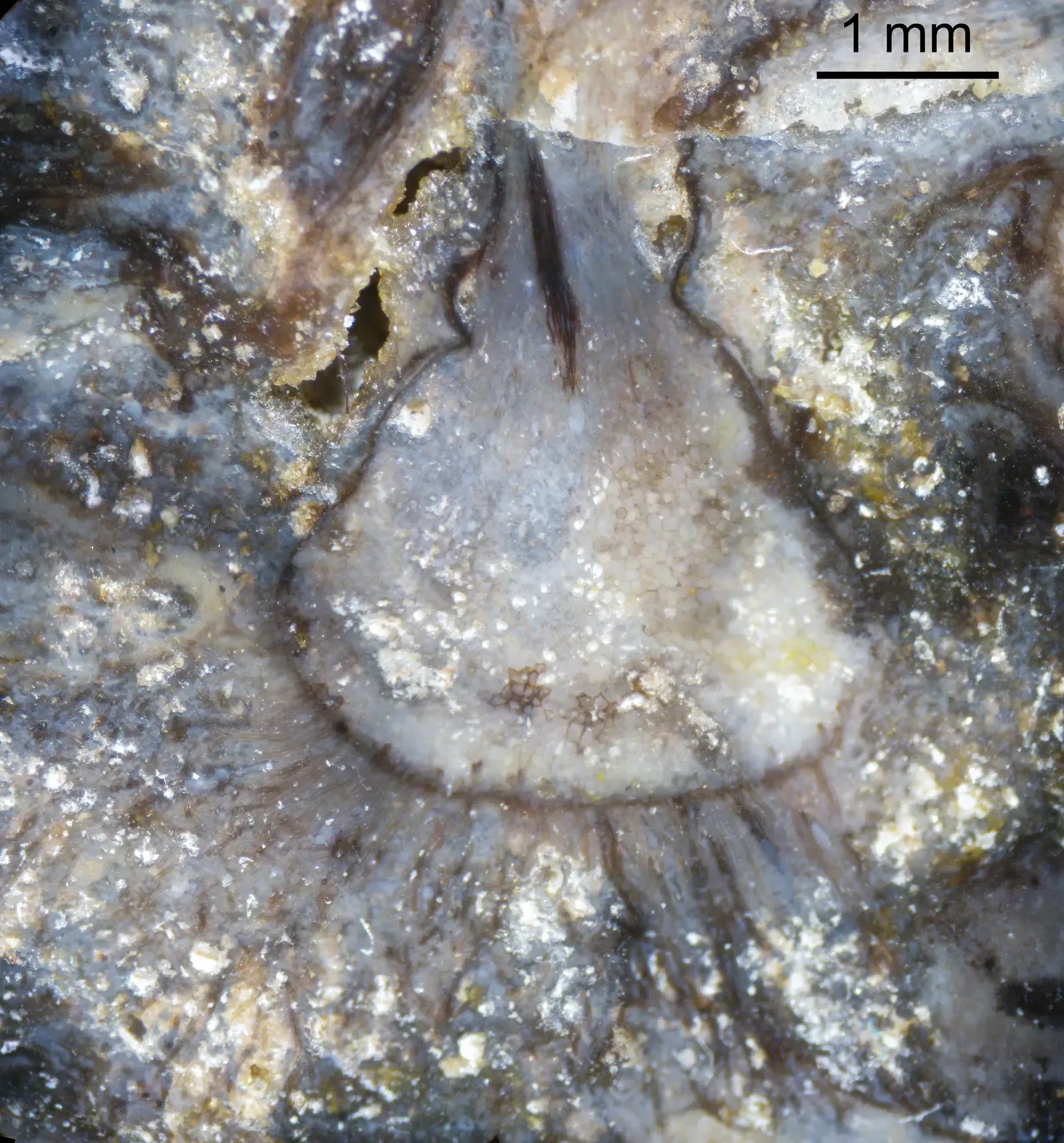
Here is a fossil that personally fascinates me, because it solved a mystery that scientists puzzled over for more than a century. How did tiny, low-growing plants eventually become the massive trees that now dominate our forests? The first plants on land stayed very close to the ground and had simple structures. Scientists spent many years trying to understand how these small plants eventually became tall trees. A fossil plant that is more than 400 million years old is now helping to explain how this change happened.
Horneophyton worked differently. Its internal tissues moved water and sugars through the same cells. This approach limited efficiency but represented a clear step beyond the simplest land plants. The Rhynie Chert preserves several plant species that lived side by side. Some of these plants already displayed more advanced internal systems. Asteroxylon, for example, had clearly separated xylem and phloem, which allowed it to grow taller than Horneophyton. The contrast between these two plants, preserved together in the same rock, is essentially a snapshot of evolution mid-stride.
5. The Glossopteris Fossils: The Leaf That Proved Continental Drift
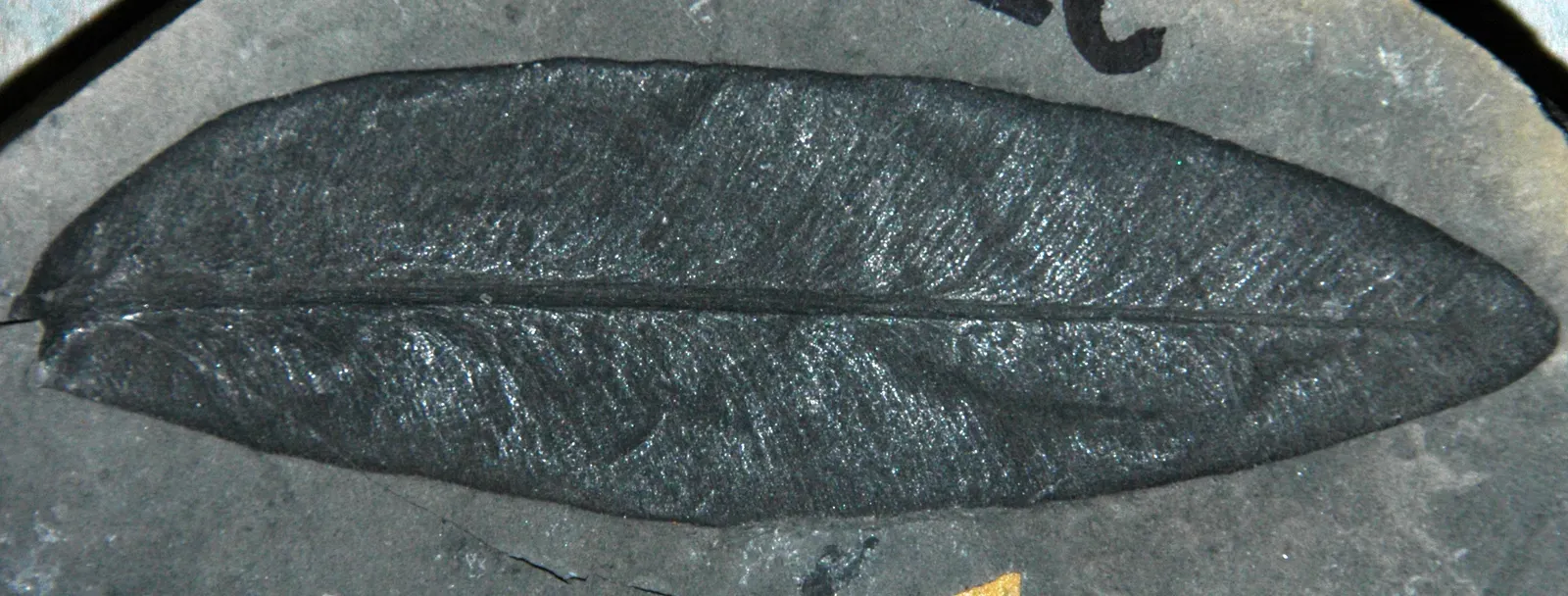
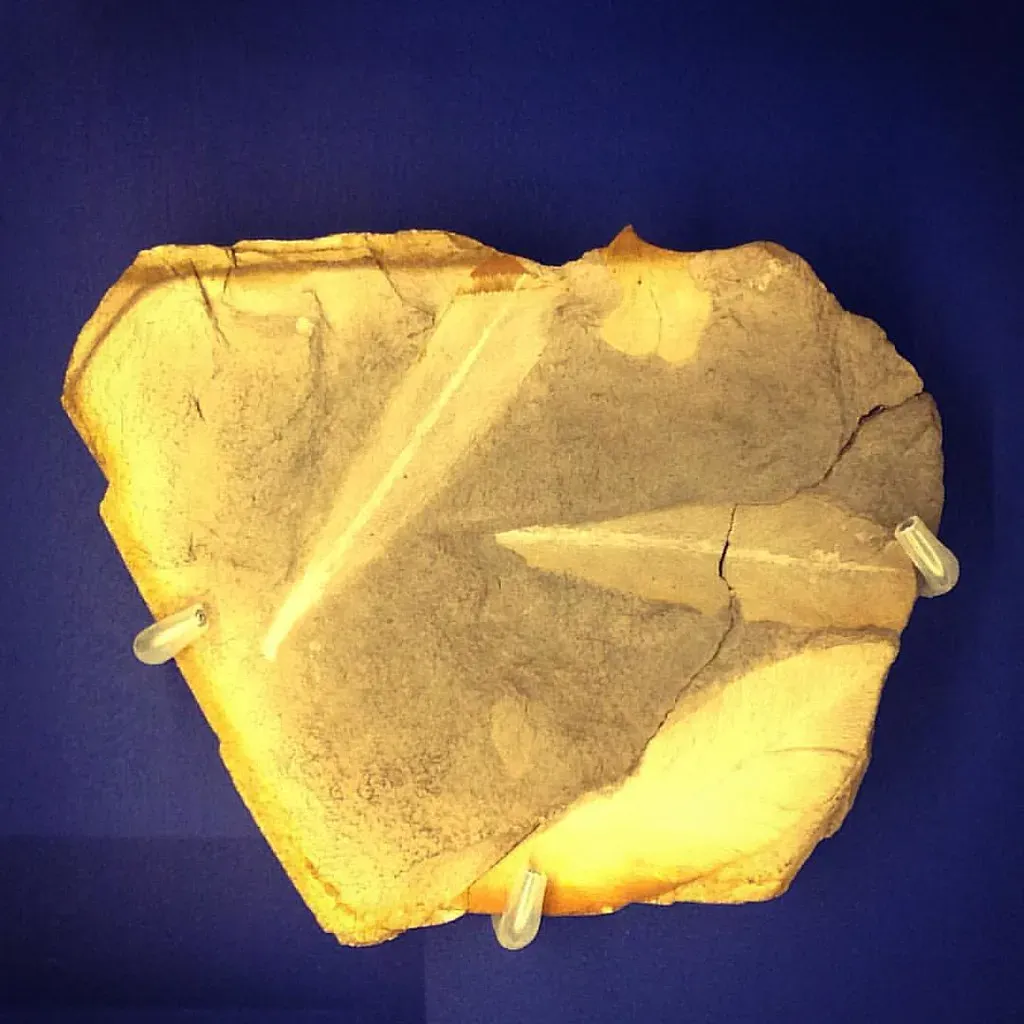
Let’s be real, few plant fossils have ever carried more geopolitical weight than Glossopteris. This ancient seed fern, with its distinctive tongue-shaped leaf, was found on multiple continents that are now separated by vast oceans, a fact that shook geology to its core. An Antarctic fossil leaf of Glossopteris indica was collected by Captain Scott on the Terra Nova expedition. This fossil is one of the earliest pieces of evidence that forests once covered Antarctica. A frozen, barren landscape that once hosted lush forests. It is still a stunning thought.
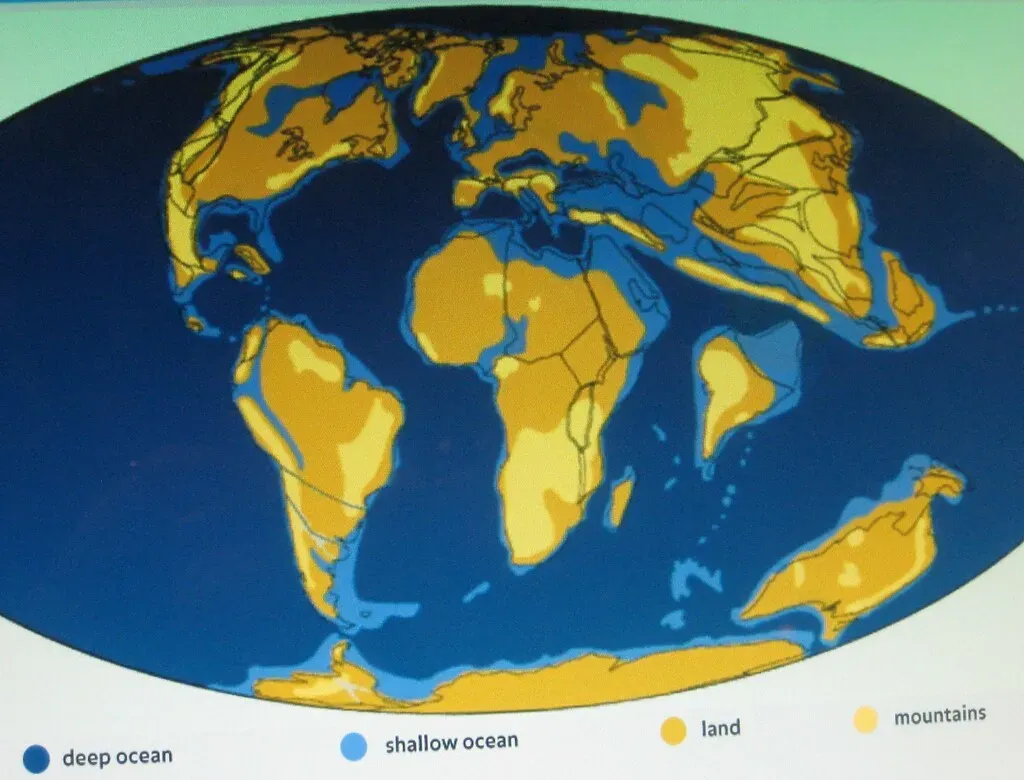
The discovery of Glossopteris fossils across South America, Africa, India, Australia, and Antarctica helped scientists confirm the existence of the ancient supercontinent Gondwana. These regions were all once part of an ancient supercontinent known as Gondwana that had fully formed around 600 million years ago and began to fragment roughly 180 million years ago. The oldest known seed plant is a seed fern from Late Devonian time. The fact that one humble leaf fossil helped prove that Earth’s continents were once united is the kind of story that deserves to be far more widely known.
6. The Silcrete Plant Fossils of Australia: Preserved at a Cellular Level
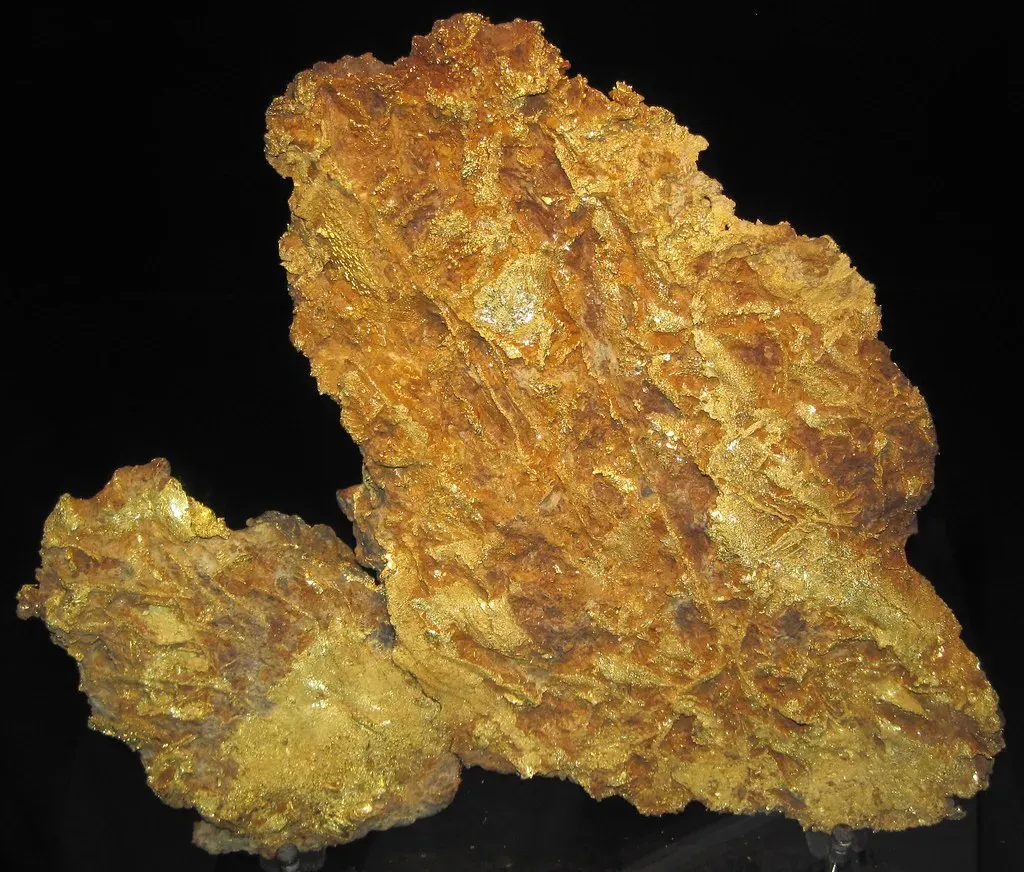
Most plant fossils you encounter are flat, compressed, and stripped of their three-dimensional character. The silcrete plant fossils of Australia are something else entirely. Fossil plants are often found in a flattened and compressed state, or preserved as impressions. The plants from the silcrete sites, which mostly date to around 30 to 20 million years ago, are preserved in three dimensions and display little or no signs of compression. What is perhaps most extraordinary is that in some specimens soft tissue preservation results in the arils on seeds, the outer fruit wall, the bark of vines, and root nodules being preserved.
In order for such fine preservation to occur, the researchers determined that the plants would have been buried quickly by volcanic materials. There would also have been an abundant source of silica, which almost certainly resulted from the weathering of volcanic rocks. The process in which silica infiltrates and preserves plant structures is known as silicification. The fact that the plants were rapidly entombed by volcanic material indicates that they would have been actively growing in their original location at the time. This scenario provides researchers with a golden opportunity to shed light on the nature of prehistoric plant communities.
7. The Green River Formation’s Mysterious “Alien Plant”: A Family That No Longer Exists
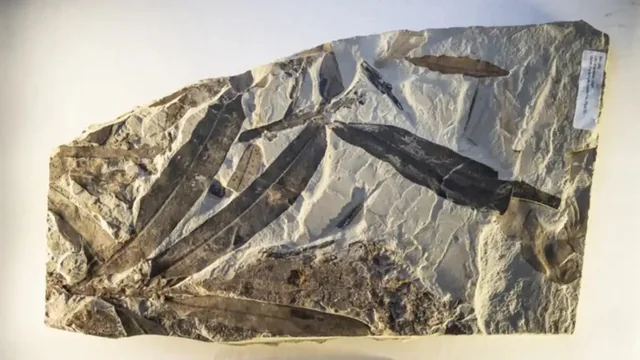
Not every ancient plant fossil fits neatly into what we know today. Some of them are so strange that scientists spend years simply trying to figure out what on Earth they are looking at. In 1969, fossilized leaves of the species Othniophyton elongatum, which translates to “alien plant,” were identified in eastern Utah. Initially, scientists theorized the extinct species may have belonged to the ginseng family. However, a case once closed is now being revisited. New fossil specimens show that Othniophyton elongatum is even stranger than scientists first thought.
The fossils were discovered in the Green River Formation near the ghost town of Rainbow in eastern Utah. Roughly 47 million years ago, the area was a tectonically active, massive inland lake system that provided the perfect conditions for fossil preservation. Low-oxygen lake sediments and showers of volcanic ash slowed the decomposition of many fish, reptiles, birds, invertebrates, and plants, allowing some of them to be preserved in amazing detail. In many cases, extinct plants that existed less than 65 million years ago are placed within modern families or genera. This can create a skewed estimate of biodiversity in ancient ecosystems. Othniophyton elongatum belongs to a plant family that simply no longer exists anywhere on Earth, which is both humbling and deeply intriguing.
Conclusion: What the Stones Remember
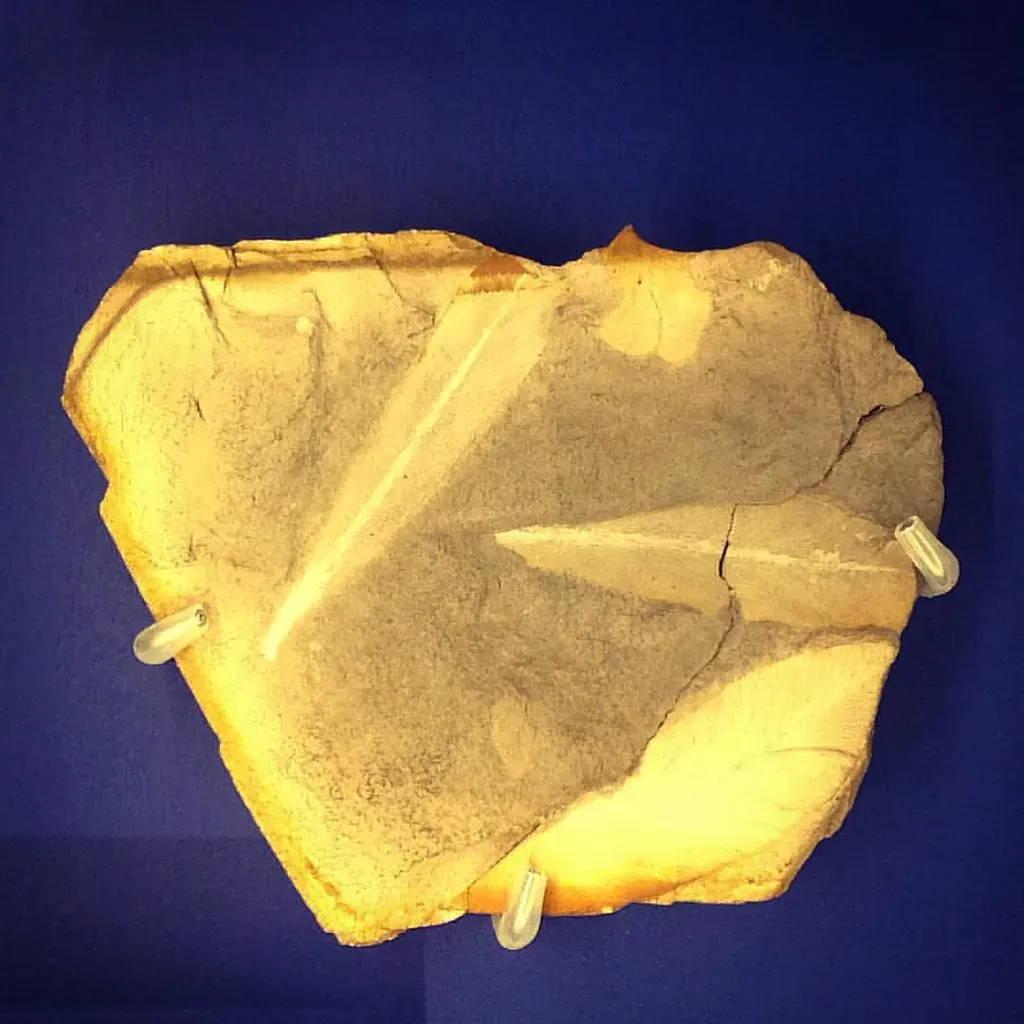
Every single fossil on this list tells a story you would never hear otherwise. Paleobotany is the branch of botany dealing with the recovery and identification of plant fossils from geological contexts, and their use for the biological reconstruction of past environments and the evolutionary history of plants. Without these extraordinary specimens, vast chapters of Earth’s biography would simply be blank pages.
The field of paleobotany continues to advance, not only by the discovery of new fossils but also by the use of new methods applied to existing fossils and the application of techniques from other fields. Plant parts preserved in different ways or ones that show additional features are continually being discovered. More sophisticated and improved methods to study the fossils and interpret the results also provide new data which contribute to an enhanced understanding of the plants and communities that existed through geologic time. You do not need to be a scientist to find that remarkable.
From a silica-soaked hot spring in Scotland to a ghostly inland lake in Utah, these fossils prove that the natural world has always had a genius for preservation. The real question, honestly, is how many more secrets are still buried out there, waiting for you to find them. What would you have guessed was hiding in a piece of ordinary-looking rock? Share your thoughts in the comments below.