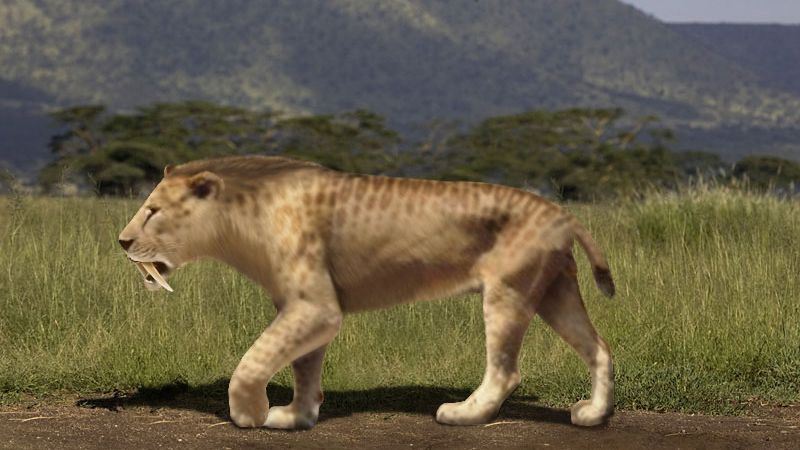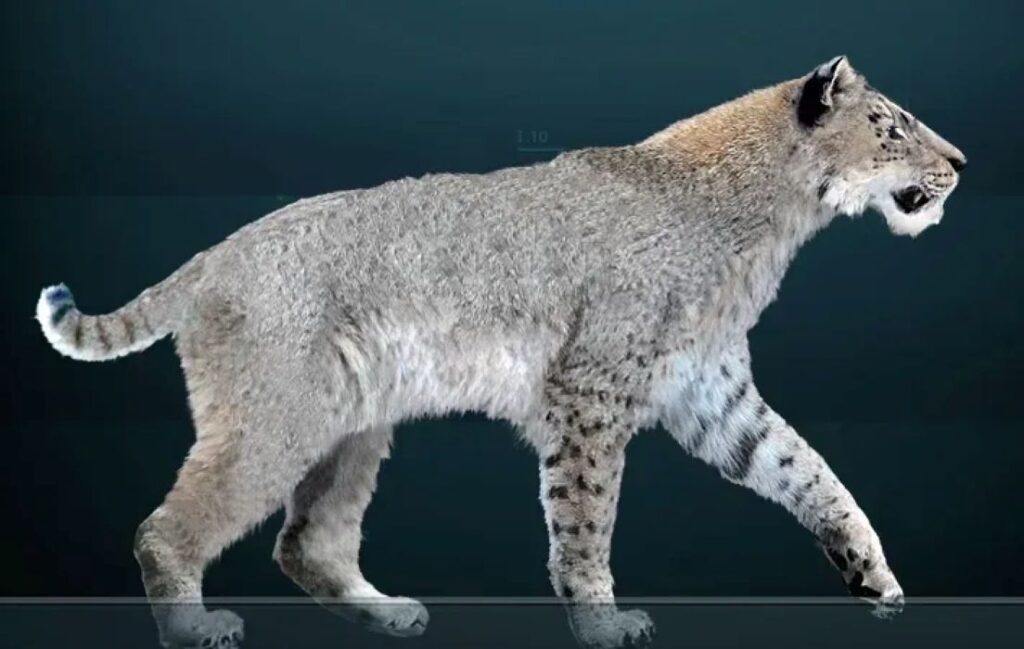
Have you ever imagined what North America looked like tens of thousands of years ago? Picture vast open plains, dense forests, and wetlands teeming with creatures so massive and fearsome they’d dwarf anything alive today. Long before humans claimed dominance over the American continents, a remarkable cast of predators ruled these ancient landscapes with raw power and deadly precision.
These weren’t the animals we see in modern wildlife documentaries. They were something else entirely – apex hunters with specializations that seem almost alien to us now. From cats with teeth like daggers to wolves built for bringing down giants, the prehistoric predators of America were evolution’s bold experiments in survival. So let’s dive in and meet these extraordinary hunters that once prowled the land beneath our feet.
Smilodon: The Icon With Fangs Like Knives
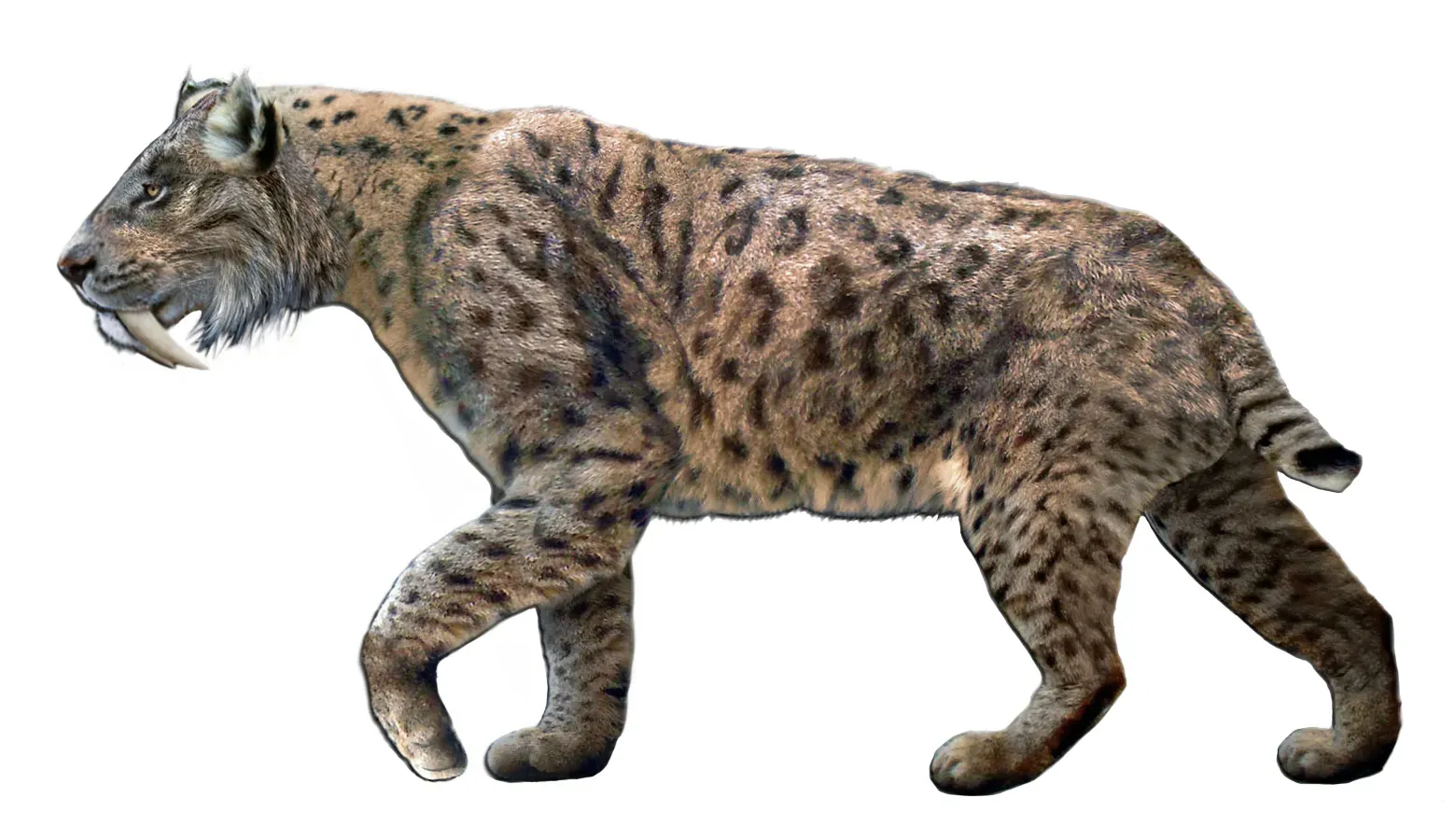
When you think of prehistoric predators, the saber-toothed cat instantly comes to mind. Smilodon lived during the Pleistocene epoch and disappeared around ten thousand years ago. What made this creature so remarkable wasn’t just its size – though it could reach weights approaching six hundred pounds – but those incredible upper canine teeth. These immense fangs could reach lengths of up to eight inches and were probably used for stabbing and slashing attacks on large herbivores such as mastodons.
Recent research suggests Smilodon may have been a forest dweller that primarily feasted on leaf-browsing creatures, taking things like tapirs and deer rather than horses and bison. The hunting strategy was likely ambush rather than pursuit. Instead of exhausting prey through long pursuits, these cats ambushed prey at short distances and immobilized them using their massive forelimbs before killing with precisely positioned bites. Honestly, the image of a pride working together in the shadows makes them even more terrifying than we initially imagined.
Dire Wolf: The Pack Hunter That Wasn’t Actually a Wolf
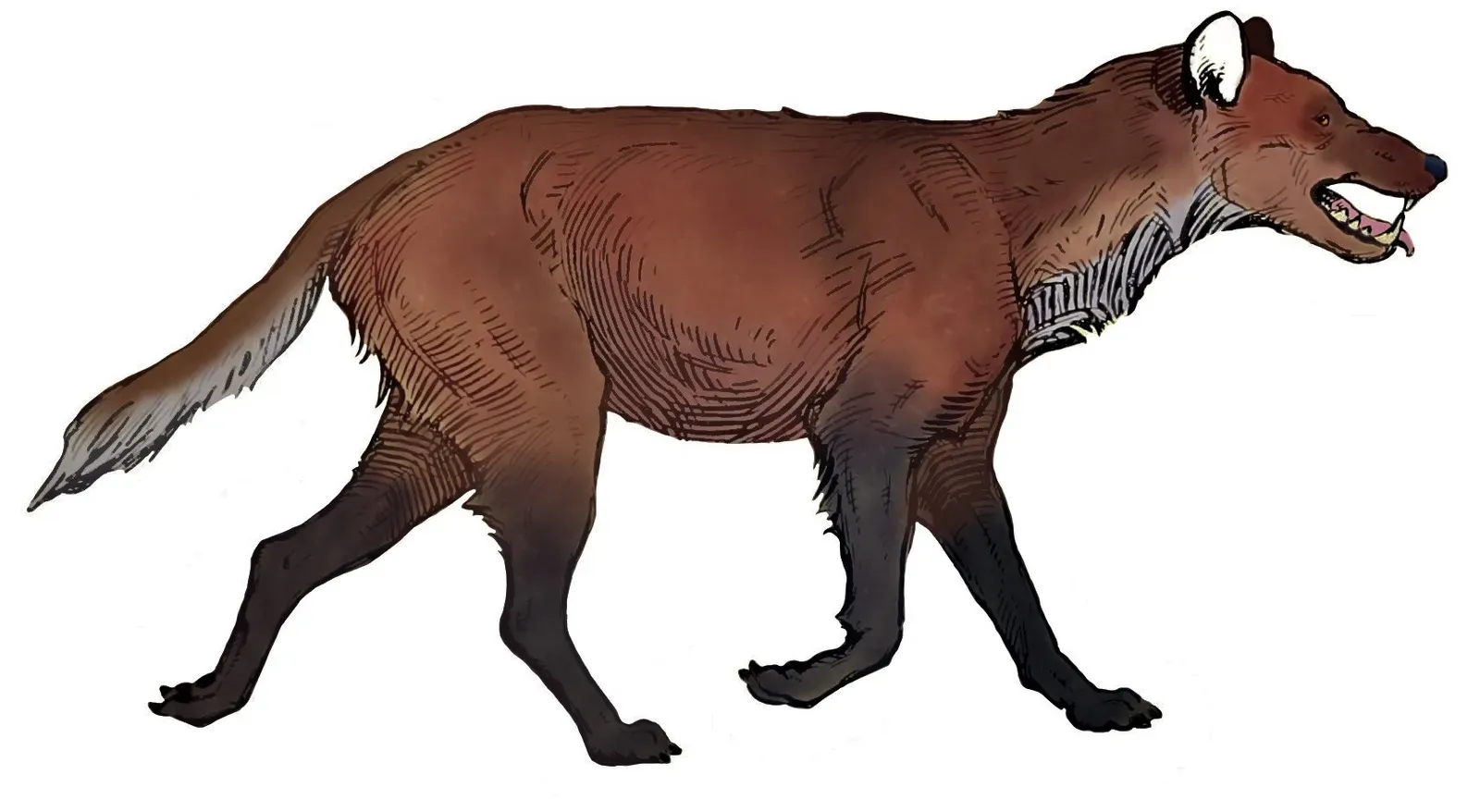
The dire wolf is an extinct species of canine native to the Americas during the Late Pleistocene and Early Holocene epochs, living from roughly 125,000 to 10,000 years ago. Here’s the thing that shocked scientists recently: dire wolves were a highly divergent lineage that split from living canids around 5.7 million years ago. They weren’t really wolves at all in the modern sense.
The dire wolf was about the same size as the largest modern gray wolves, with subspecies weighing between 132 to 150 pounds on average, but its teeth were larger with greater shearing ability and its bite force at the canine was stronger than any known Canis species. Over 4,000 individual dire wolves have been recovered from the La Brea Tar Pits, more than any other mammal species, suggesting they hunted in packs. The sheer number trapped in the tar suggests these predators were drawn repeatedly to the same doomed prey – a testament to their social hunting behavior.
American Lion: The Giant Cat That Ruled the Plains
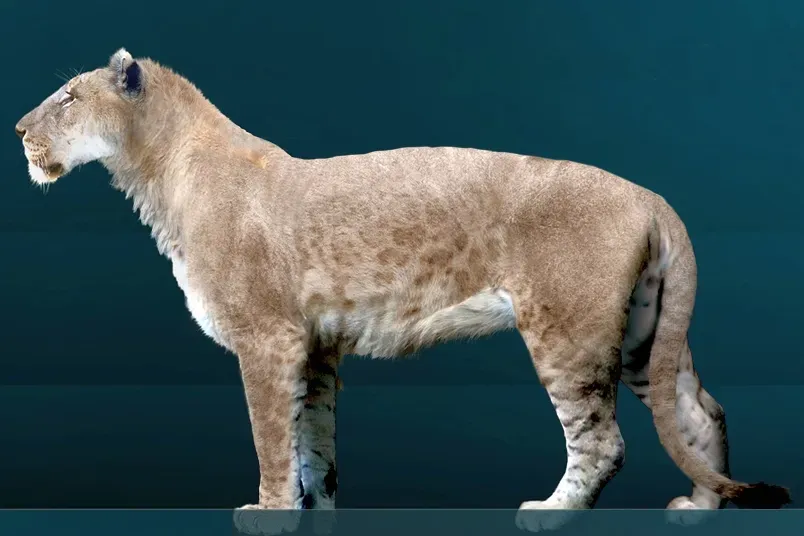
Let me tell you about a predator that makes modern African lions look modest by comparison. The American lion was native to North America during the Late Pleistocene from around 129,000 to 12,800 years ago and was about 25 percent larger than the modern lion, making it one of the largest known felids to ever exist. Picture a cat standing shoulder-height to a tall human, with males potentially exceeding five hundred pounds.
Based on skull width, a 347 kilogram American lion would have a bite force of 2,830 newtons. A fragment of a gray wolf femur from the La Brea Tar Pits shows evidence of a violent bite that possibly amputated the leg, with researchers believing Panthera atrox is a prime candidate for the injury due to its bite force and bone shearing ability. That’s absolutely brutal when you think about it. Male American lions were 25 percent bigger than their African cousins, with longer and stronger legs, built for a different kind of hunting than we see today.
Giant Short-Faced Bear: The Towering Terror
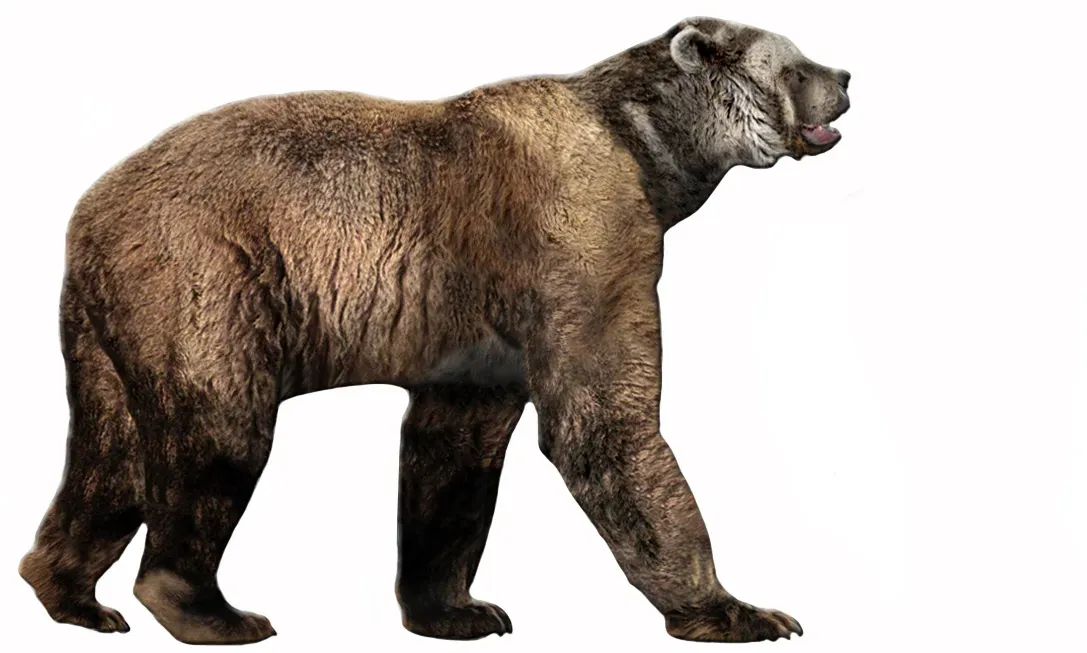
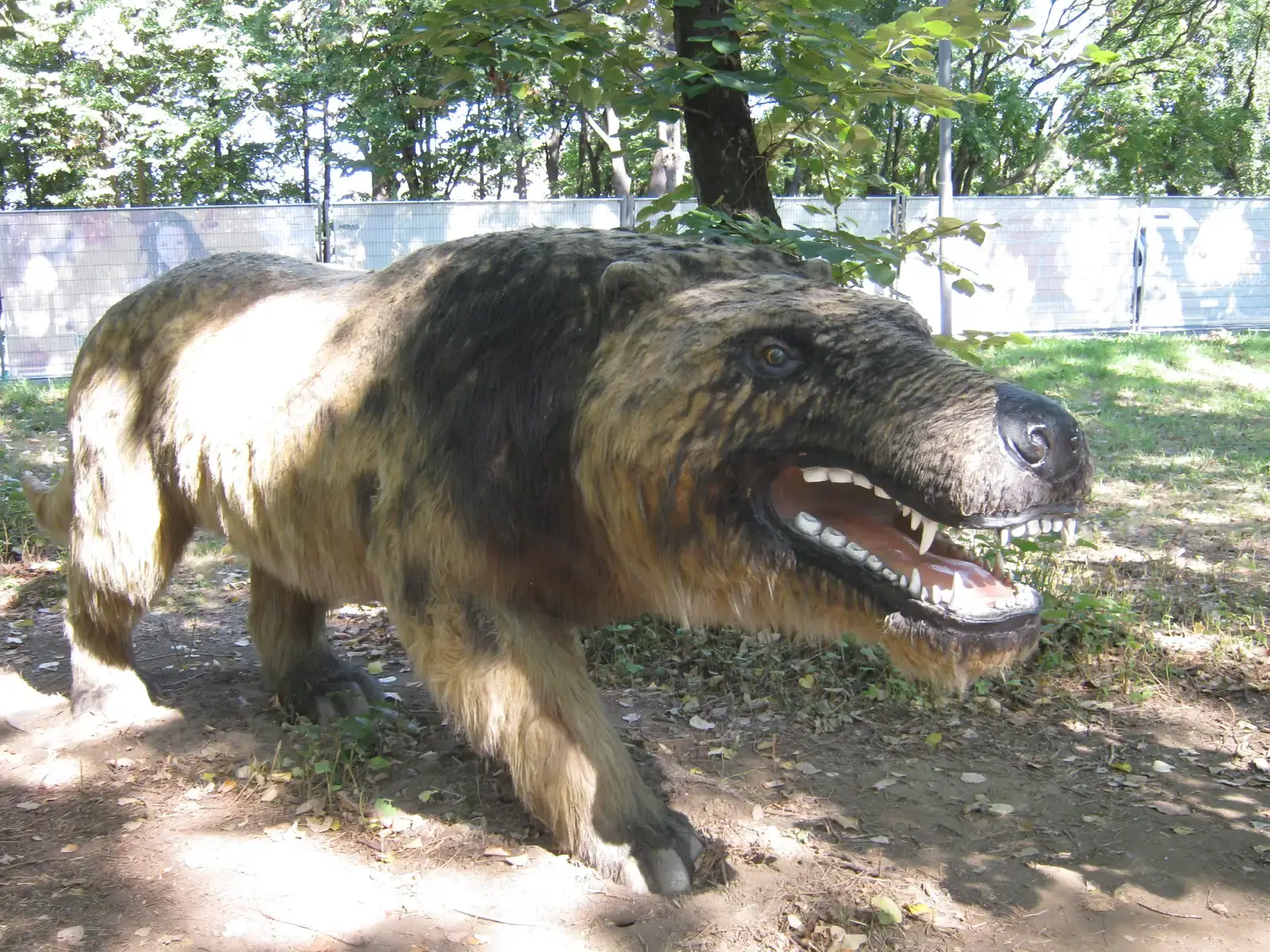
Arctodus is an extinct genus of short-faced bears that inhabited North America during the Pleistocene, with the giant short-faced bear Arctodus simus considered one of the largest known terrestrial carnivorans that has ever existed. Imagine encountering something that tall. The giant short-faced bear was about five feet at the shoulders when walking and stood as tall as 12 feet on its hind legs, probably weighing over 1,500 pounds and capable of running over 40 miles per hour.
The debate about whether this massive bear was primarily a carnivore or omnivore continues. Most authors support the hypothesis that Arctodus simus was omnivorous like most modern bears and would have eaten significant amounts of plant matter, with morphological characteristics confirming these bears were adapted to and actively consumed vegetation. Still, the idea of a creature this enormous charging at you is nightmare fuel regardless of its dietary preferences. They probably scavenged and preyed upon large herbivores such as bison, muskoxen, deer, caribou, horses, and ground sloths, with their disappearance linked to habitat changes at the end of the Ice Age.
Scimitar-Toothed Cat: The Other Saber Specialist
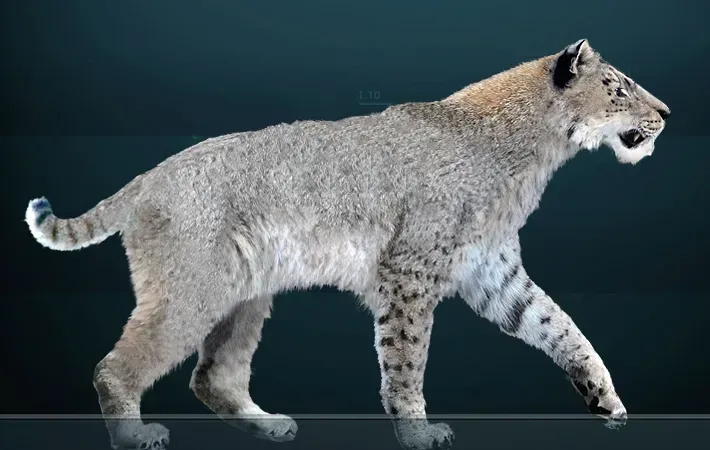
The scimitar-toothed cat Homotherium had large canine teeth, powerful forelimbs, a sloping back and a large optic bulb, all of which made it a deadly predator during the Pleistocene, and during the last ice age the animal crossed the Bering Land Bridge and started living in North America. Unlike Smilodon with its dagger-like fangs, Homotherium had more curved teeth – hence the “scimitar” nickname.
What’s fascinating is how these two saber-toothed specialists coexisted by likely targeting different prey or hunting in different environments. Fossilized remains have been found at the La Brea Tar Pits in Southern California and other parts of the U.S., including Alaska, Idaho and Texas. The geographical spread tells us these cats were incredibly adaptable. Their powerful build and specialized teeth suggest they took down prey with surgical precision, perhaps targeting the young of megaherbivores that even Smilodon might have hesitated to approach.
Terror Bird Survivors: The Last Flightless Hunters
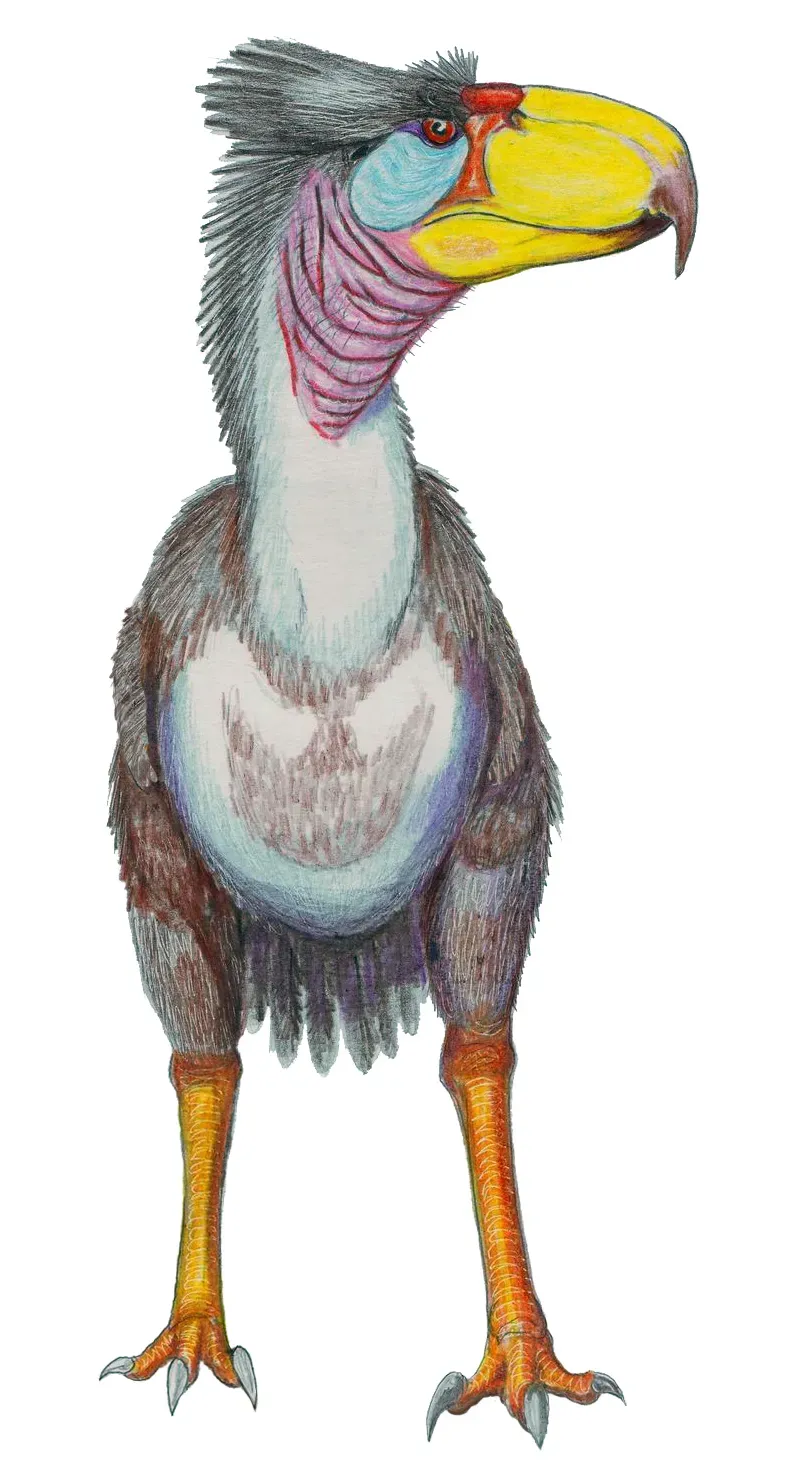
Isolated from the rest of the world for millions of years, South America became home to creatures found nowhere else on Earth, and top of the food chain in this strange land were the aptly named Terror Birds. While these incredible predators were more dominant in South America, some species like Titanis ventured into North America during the Great American Interchange.
Picture a bird standing taller than you, weighing hundreds of pounds, with a massive hooked beak capable of delivering bone-crushing blows. These flightless carnivores were built like nightmares – all legs, beak, and aggression. Though they were already declining by the time other major predators arrived from the north, their existence proves that mammalian predators didn’t always have a monopoly on apex positions. The fact that giant birds once is one of those details that sounds too wild to be true.
North American Cheetah: The Speed Demon of the Pleistocene
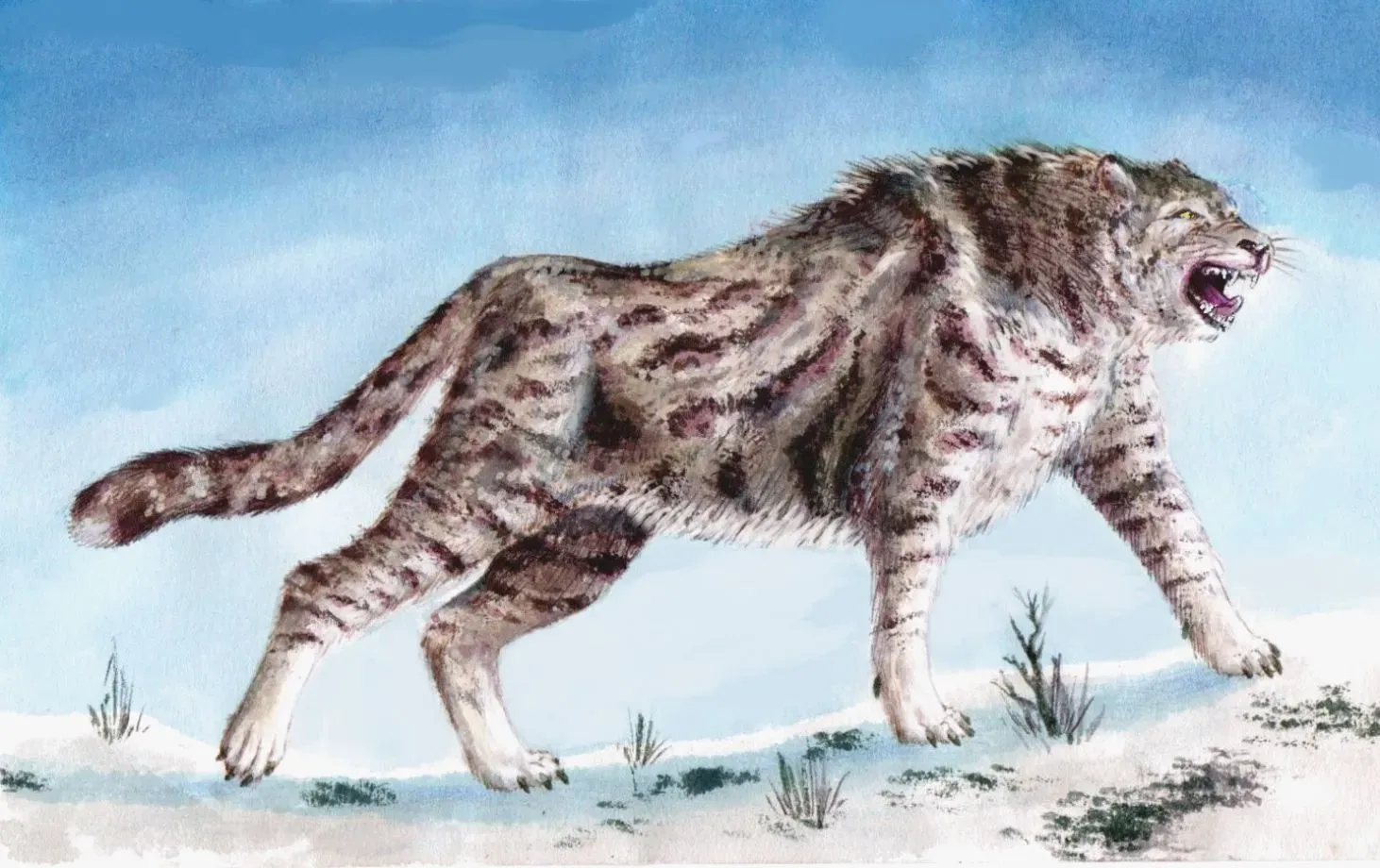
The extinct North American Cheetah, Miracinonyx, resembled the modern cheetah in appearance and speed but was more closely related to the cougar, and this swift predator kept deer and pronghorn populations in check across the American plains, with fossils found across the continent confirming it thrived until approximately 30,000 years ago. Here’s the thing – this wasn’t just a relocated African cheetah. It was a separate evolutionary solution to the same problem: how to catch incredibly fast prey.
The presence of this speed specialist explains something remarkable about modern pronghorns. These animals can run at speeds exceeding 55 miles per hour – far faster than any current North American predator requires. They’re essentially running from ghosts, from a threat that no longer exists. The American cheetah shaped the evolution of its prey so profoundly that the adaptations remain tens of thousands of years after the predator vanished. That’s the kind of legacy that gives you perspective on just how dominant these ancient hunters truly were.
Conclusion: Echoes of Ancient Dominance
The prehistoric predators of ancient America weren’t just larger versions of animals we know today. They represented entirely different approaches to survival, hunting strategies refined over millions of years that are now lost to time. The shifting climate at the end of the ice age, combined with competition with humans for food and potentially human hunting of prey, led to the demise of these predators roughly 10,000 to 20,000 years ago.
What strikes me most is how recently these creatures walked the same ground we inhabit now. Ten thousand years is nothing in geological terms – barely a blink. The disappearance of such magnificent predators reshaped entire ecosystems in ways we’re still discovering. From the speed of pronghorns to the behavior patterns of surviving species, the ghosts of these ancient hunters still influence the natural world around us.
What do you think would happen if any of these predators still roamed North America today? Would humans and these apex predators find a way to coexist? Share your thoughts in the comments.