Dinosaurs have fascinated us for generations. We talk about their massive size, their terrifying teeth, their dramatic extinction. Yet one of the most astonishing chapters of their story has nothing to do with how they died. It has everything to do with how they were born.
Tucked inside ancient shells, buried in remote deserts, or cradled in open nests under a prehistoric sky, dinosaur eggs hold secrets that continue to shatter everything we thought we knew. From colorful shells to surprisingly devoted parents, the world of dinosaur reproduction is far stranger, richer, and more emotionally compelling than any blockbuster movie has ever shown you.
So buckle up, because what you’re about to read just might change the way you picture these magnificent creatures entirely. Let’s dive in.
Not All Dinosaur Eggs Had Hard Shells – And That Changes Everything
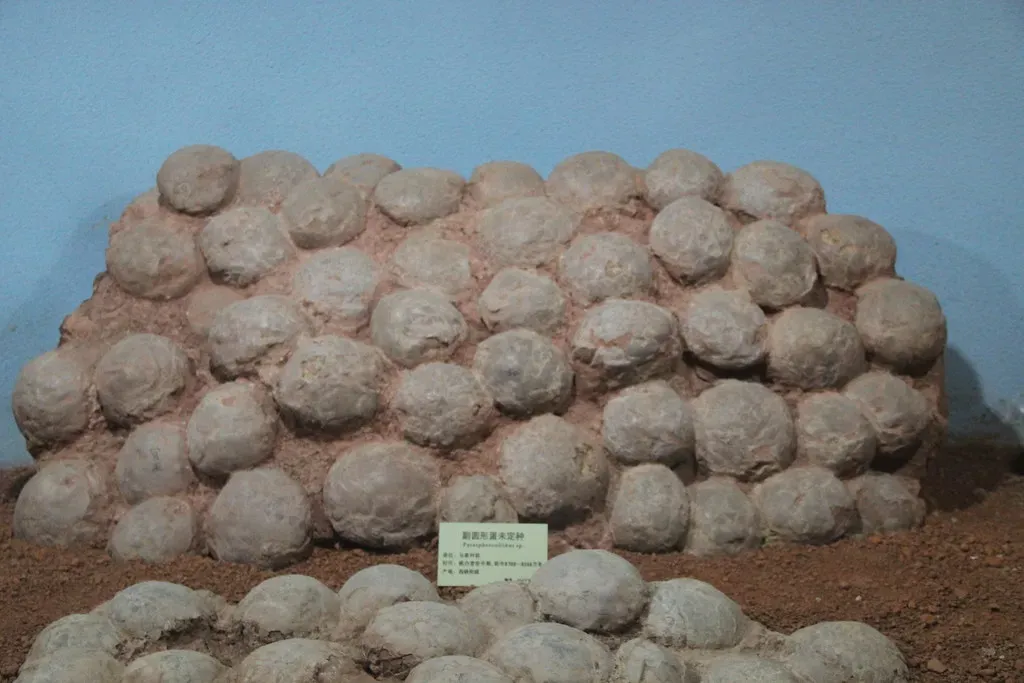
Here’s the thing: for well over a century, scientists assumed that all dinosaurs laid hard-shelled eggs, similar to the eggs of modern birds and crocodilians. It seemed like a safe assumption, since those are the two living groups most closely related to dinosaurs. For more than a century, most paleontologists hypothesized that all dinosaurs laid hard-shelled eggs, reasoning that the closest living relatives of dinosaurs – crocodilians and birds – also lay hard-shelled eggs. In 2020, however, that assumption was completely overturned, opening an exciting new realm of research on dinosaur reproduction.
The common ancestor of all dinosaurs actually laid soft-shelled eggs buried in moist soil, and hard-shelled eggs evolved multiple times in several different lineages. Think of it like the evolution of flight in insects versus birds – the same result arrived at by very different routes. This discovery helps explain why dinosaur eggs are relatively rare in the fossil record: many species laid soft-shelled eggs that were simply unlikely to fossilize. In other words, we’ve been finding only a fraction of the real picture.
Some Dinosaur Eggs Were Strikingly Colorful
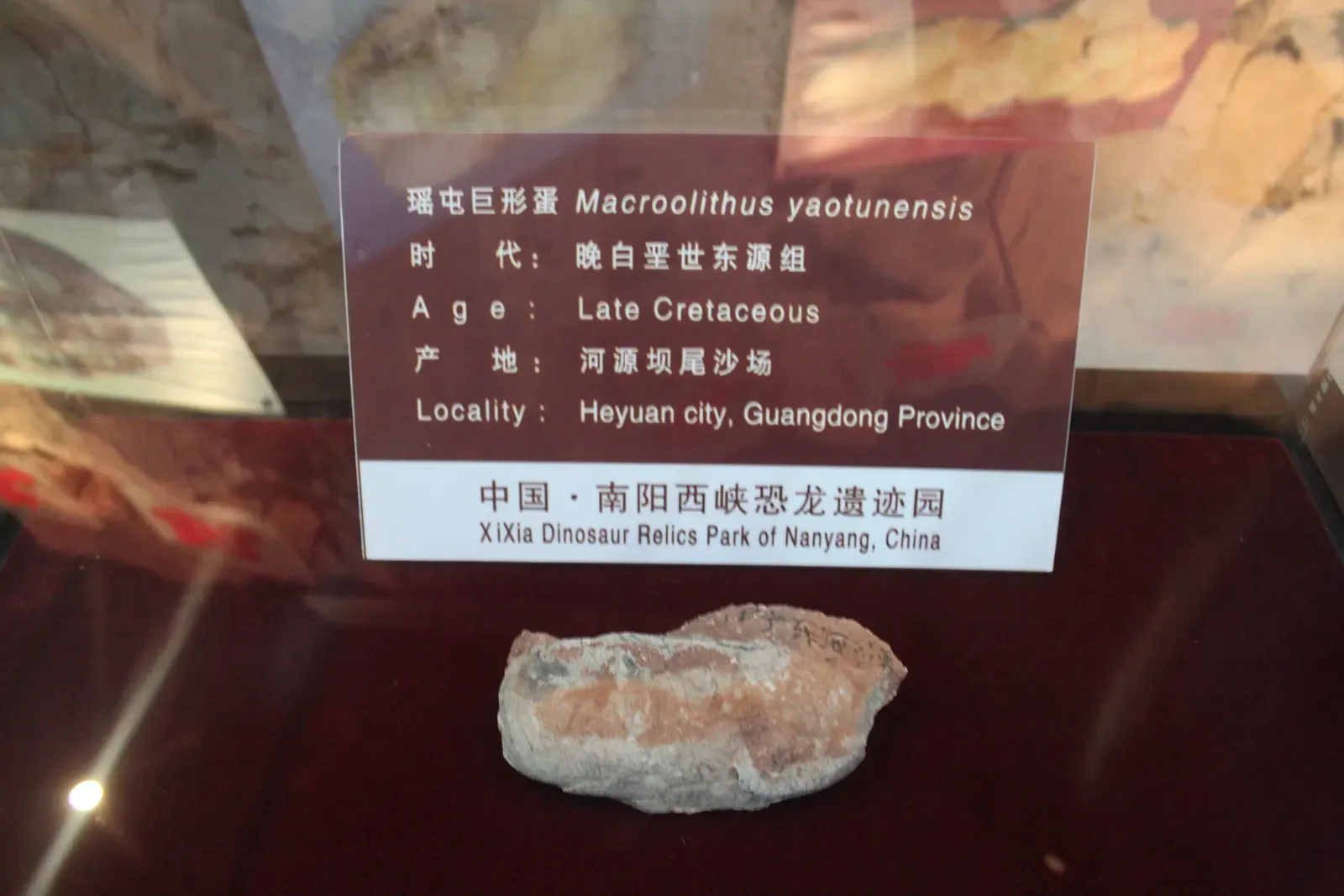
You might picture dinosaur eggs as plain, beige, or earthy in tone. Honestly, I would have guessed the same thing not so long ago. But science had a far more vivid surprise waiting. Researchers published findings on pigments found in fossilized eggshells from several dinosaur species, with the work indicating that the dazzling variety of colors and patterns found in modern bird eggs traces back to a single evolutionary origin in nonavian dinosaurs.
Researchers sampled the eggshells of nineteen species of birds, crocodilians, and nonavian dinosaurs, analyzing their chemical composition using a technique called Raman spectroscopy to identify pigments. The colors of modern bird eggs derive from just two pigments: biliverdin and protoporphyrin IX. The researchers detected both pigments in their fossil eggshell samples, and by mapping the results onto a family tree, they determined egg color arose just once, within the Eumaniraptora group of dinosaurs. That includes oviraptorids and some other nonavian dinosaurs, as well as all modern birds. So when you admire the beautiful blue of a robin’s egg, you’re admiring a trait that is far, far older than the robin itself.
Dinosaur Eggs Took a Shockingly Long Time to Hatch
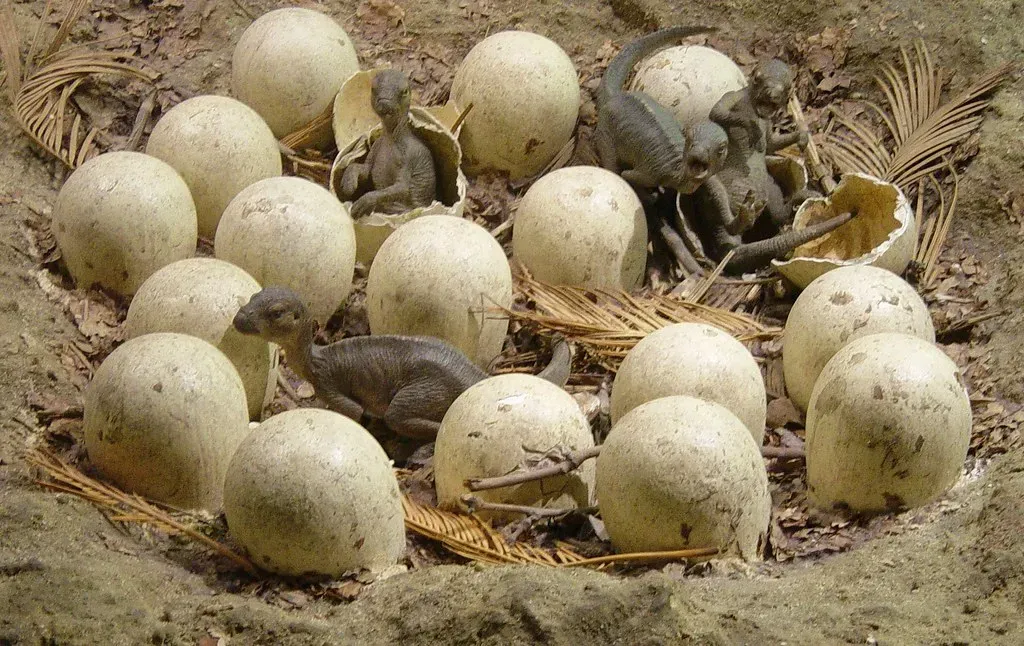
Most people assume that because dinosaurs were so closely related to birds, their eggs must have hatched relatively quickly, like a modern chicken or sparrow. That logic made sense for a long time. It turns out it was completely wrong. Scientists generally thought that dino eggs, like those of birds, hatched relatively quickly, but a study found that dinosaur eggs took between three and six months to hatch, which is roughly twice as long as predicted from bird eggs of a similar size.
Growth lines on the embryonic teeth showed researchers precisely how long the dinosaurs had been growing inside the eggs. These lines are like tree rings, but they are laid down daily, meaning scientists could literally count them to see how long each dinosaur had been developing. Results showed nearly three months for the tiny Protoceratops embryos and six months for those from the giant Hypacrosaurus. That is a long time to be a vulnerable, unhatched egg in a world full of hungry predators. It’s hard to say for sure, but many paleontologists believe this slow incubation may have played a role in their eventual extinction.
A Dinosaur Embryo Was Found Curled Just Like a Modern Baby Bird
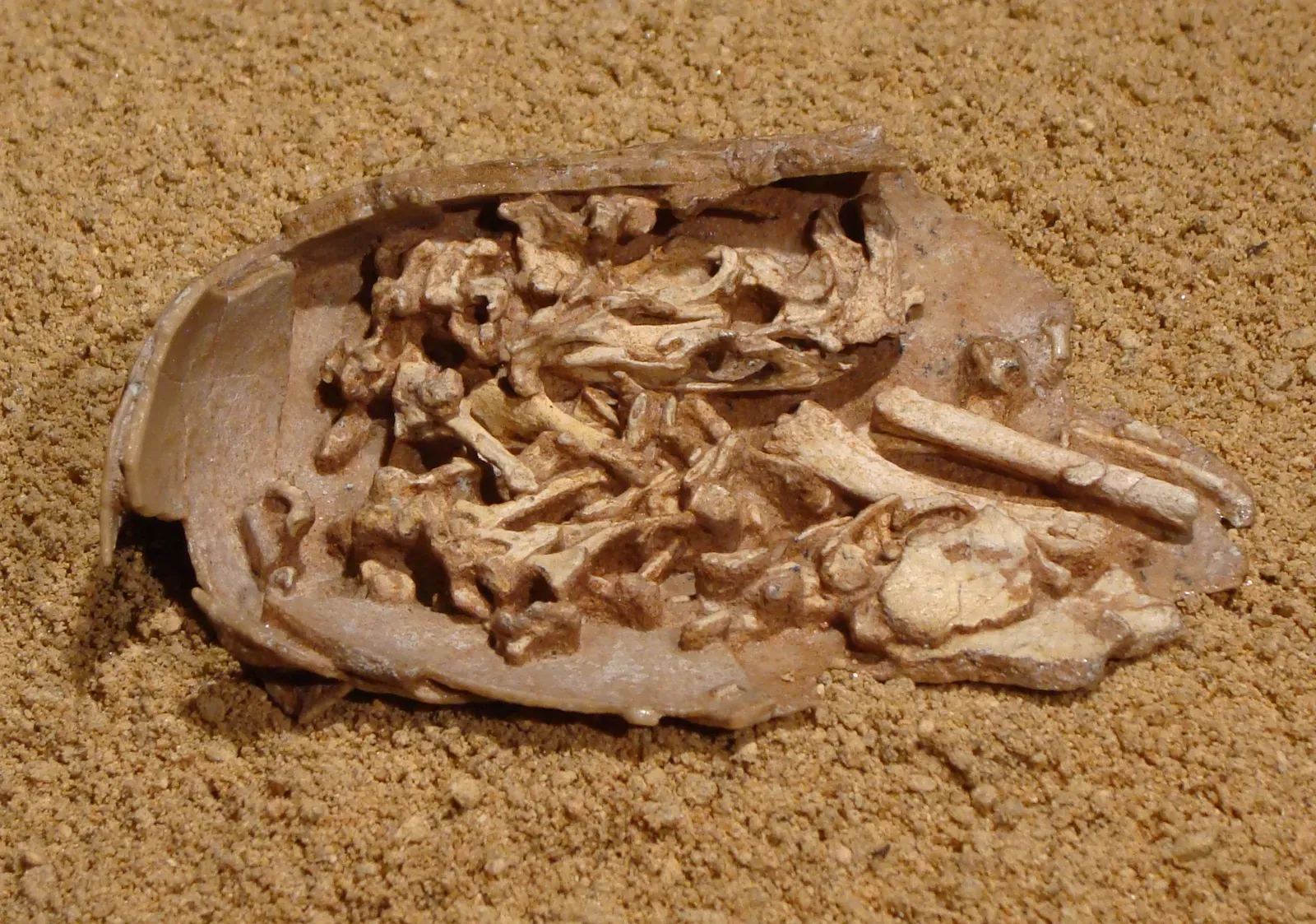
One of the most jaw-dropping fossil discoveries in recent memory came from a single egg tucked away in a museum storage room in southern China. A fossilized egg from southern China revealed one of the most complete dinosaur embryos ever found, with scientists describing the tiny animal, nicknamed Baby Yingliang, and the way its body was curled just before hatching. The egg had been sitting in storage for years before anyone noticed bones through a crack in the shell.
The head of the embryo lies below the body, the feet sit on either side of the torso, and the back follows the rounded end of the egg. This pattern matches a late-stage position in living birds known as tucking. In birds, coordinated movements bring the beak into a position that allows the chick to crack the shell, and that sequence is controlled by the central nervous system. Comparison to other late-stage oviraptorid embryos suggests that pre-hatch oviraptorids developed avian-like postures late in incubation, behaviors which in modern birds are related to coordinated embryonic movements associated with tucking. Researchers propose that such pre-hatching behavior, previously considered unique to birds, may have originated among non-avian theropods. Let that sink in for a moment.
Some Dinosaurs Were Remarkably Devoted Parents
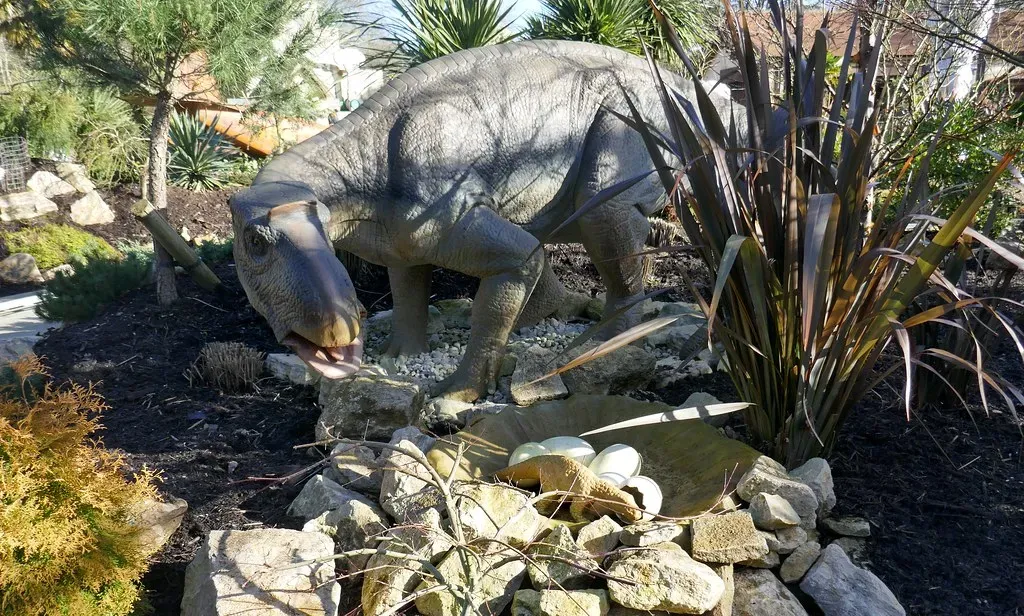
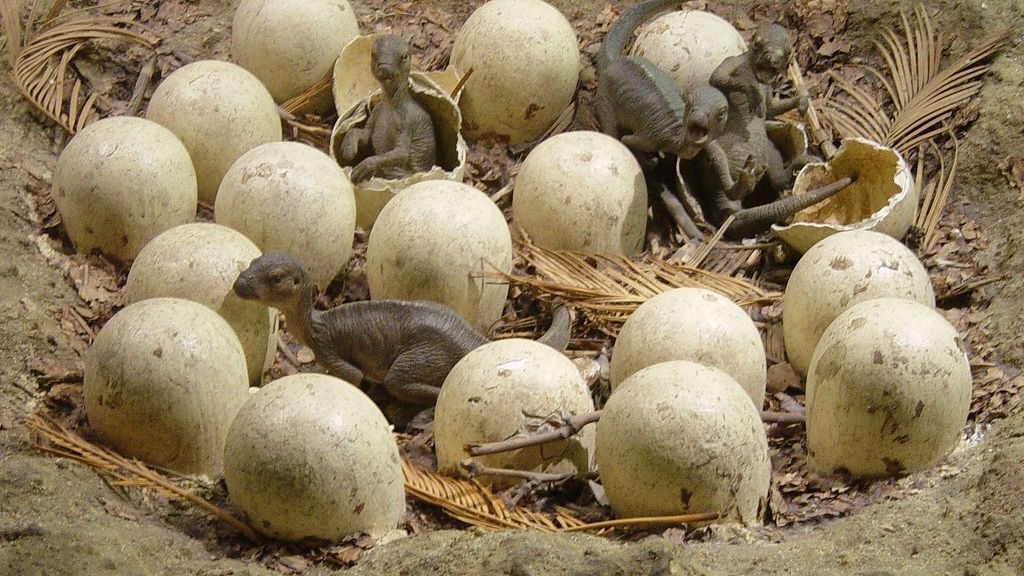
Let’s be real: most of us picture dinosaurs as cold, indifferent creatures that laid their eggs and walked away, much like a sea turtle dropping its clutch on a beach and never looking back. But the fossil record tells a profoundly different story for some species. The shovel-beaked dinosaur Maiasaura, whose name means “good mother lizard,” got its name in part from the discovery of a nest containing baby dinosaurs too developed to be newborns. In the excavations and analysis that followed, Maiasaura became one of the earliest and best examples of dinosaurs watching over their offspring for an extended period after hatching.
A multinational team of researchers announced a first for the world of paleontology: a dinosaur preserved sitting atop a nest of its own eggs that also included fossilized babies inside. Though a few adult oviraptorids had been found on nests of their eggs before, no embryos had ever been found inside those eggs until this discovery. In the new specimen, the babies were almost ready to hatch, which tells scientists beyond a doubt that this oviraptorid had tended its nest for quite a long time. That is parental dedication that would make many modern animals envious.
Oviraptor Was Falsely Accused of Egg Theft for Decades
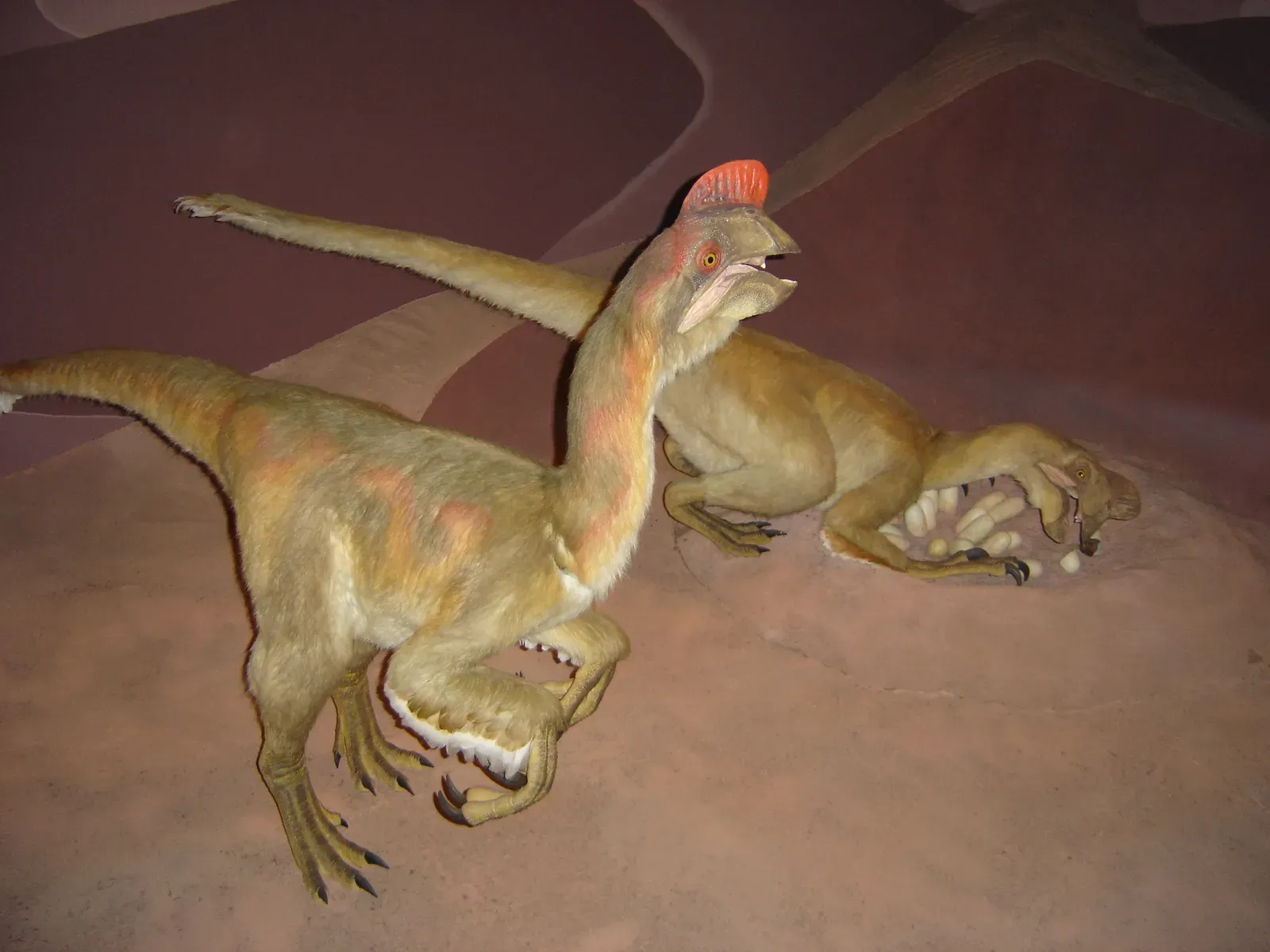
Few stories in paleontology are as wild, or as ultimately humbling, as the century-long case of the “egg thief” that never was. When a skeleton of an unusual beaked theropod dinosaur was found next to one nest, explorers assumed it had died pilfering Protoceratops eggs. This unusual dinosaur was dubbed Oviraptor, meaning “egg thief,” and for the next seventy years, Oviraptor stood falsely accused of stealing eggs. It’s the prehistoric equivalent of wrongful conviction.
Paleontologists had originally presumed that the fossil eggs at the Flaming Cliffs were laid by Protoceratops because it was the most common dinosaur at the locality where the eggs were found. However, in the 1990s, Museum expeditions discovered identical eggs, one of which contained the embryo of an Oviraptor-like dinosaur, which completely changed scientists’ understanding of which dinosaur had actually laid those eggs. The animal that scientists named “egg thief” had in fact been brooding its very own clutch. The irony doesn’t get much richer than that.
Hatchling Dinosaurs Came Into the World in Dramatically Different States of Readiness
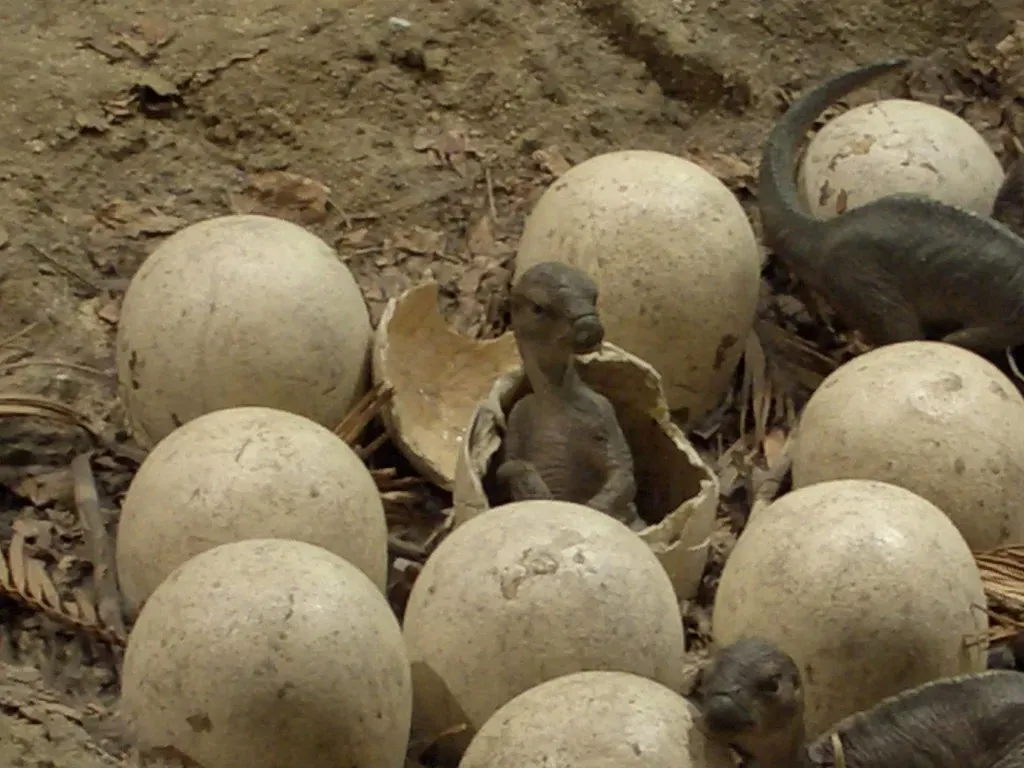
Not every baby dinosaur entered the world on equal footing. Some were born totally helpless, while others hit the ground running, literally. Some baby hadrosaurs had poorly developed joint surfaces in the legs, meaning they were unable to move well, yet had worn teeth suggesting they were already feeding, which points to an altricial, nest-bound lifestyle dependent on parental care. Some other baby dinosaurs, such as troodontids, had fully formed joints prior to hatching and would have been able to move from their very first day.
Teams discovered bones of juvenile dinosaurs so tiny that the teeth and bones could fit on the head of a pin, indicating that the animals were truly recent hatchlings, some no bigger than a guinea pig. It has been found that dinosaurs had rapid growth rates, reaching full adult body size in less than a decade for most groups, and less than two decades for even the largest of species. So imagine being no bigger than a guinea pig and growing into something the size of a bus within a single decade. That growth trajectory is almost too extreme to believe, yet the bones don’t lie.
Conclusion: Small Shells, Big Revelations
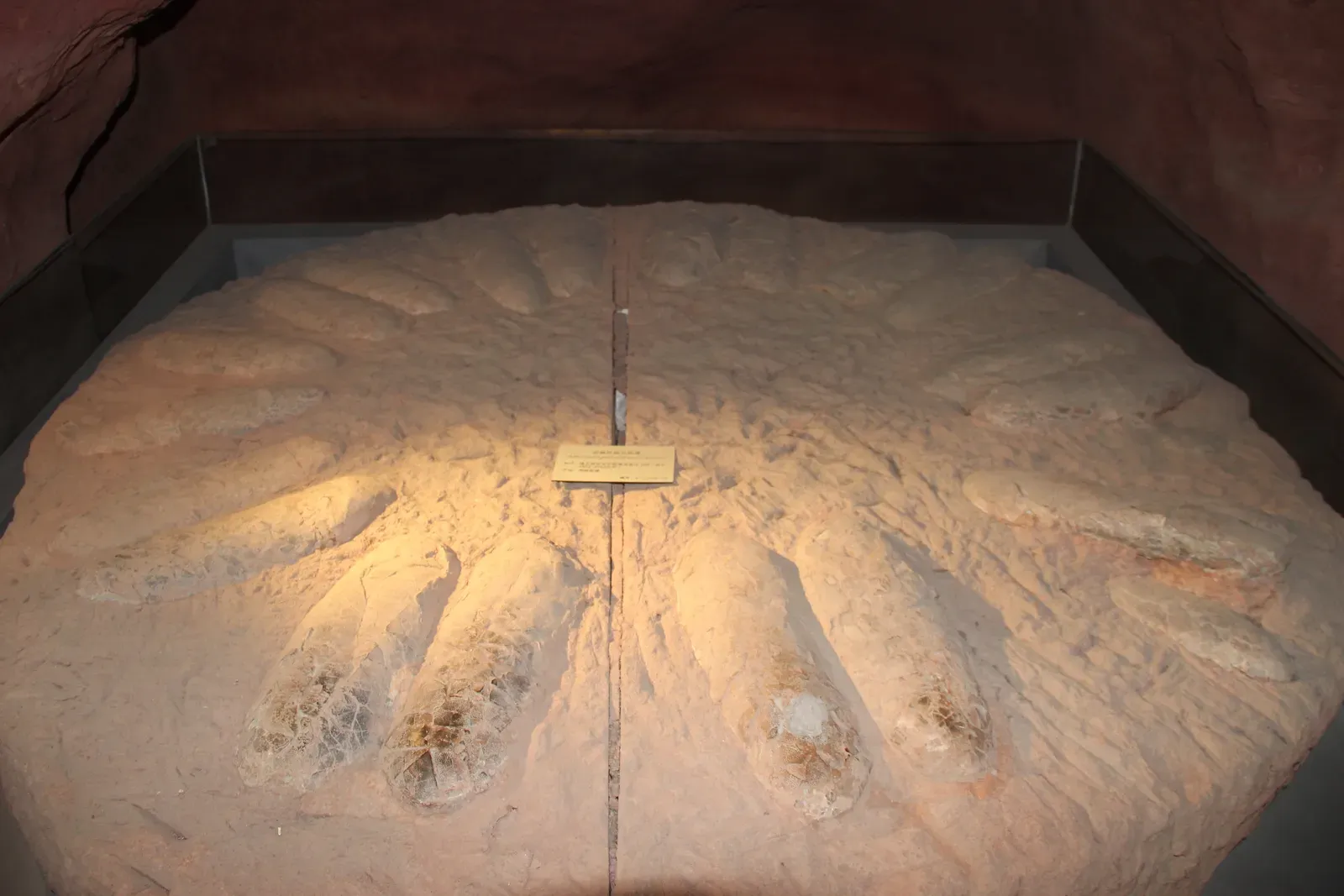
It is genuinely remarkable how much of the dinosaur story is locked inside an egg. These ancient shells, some no bigger than a volleyball and others barely larger than a lemon, have rewritten our understanding of how dinosaurs lived, loved, and cared for their young.
You now know that their eggs were sometimes as colorful as a modern robin’s nest, that their incubation times were closer to a crocodile than a chicken, that some were fiercely devoted parents while others buried their clutches and moved on. New discoveries of fossil dinosaur eggs, nests, and even embryos are providing a new avenue of investigation for scientists who seek not only information on biological relationships, but also on the behavior of these animals, shedding new light on intriguing questions paleontologists have been pondering for over a century.
Every cracked shell recovered from the earth is a time capsule from a world that vanished sixty-six million years ago. The more we look, the more we find that dinosaurs were not the cold, lumbering monsters of old imagination, but complex, dynamic creatures whose lives began in ways that still echo through every bird egg you’ll ever see. What part of the dinosaur story surprised you the most? Share your thoughts in the comments below.