
Think about what keeps you going every single day. Is it a sense of purpose that pulls you out of bed? Maybe it’s the warm presence of family and friends. Or perhaps it’s that deeply ingrained sense of discipline that gets you to tick off your to-do list no matter what. Here’s the thing: those qualities aren’t just making your day-to-day life better. They’re actually adding years to your life. And I mean real, healthy, happy years.
Research has shown that certain personality traits are just as powerful as intelligence or even your bank account when it comes to predicting how long you’ll live. Some studies have tracked people for decades, and the patterns are pretty clear. Your mindset and how you interact with the world around you matter more than you might think. So let’s dive into the seven traits that science says could help you reach your nineties – and beyond – while enjoying the ride.
You Keep Your Promises and Follow Through

Conscientiousness is especially predictive of living a longer life, and this personality trait is built on self-discipline, organization, and a sense of responsibility. When you’re conscientious, you’re the type who plans ahead, keeps track of your health appointments, and actually follows your doctor’s advice. It sounds simple, but these behaviors compound over time.
People who are conscientious – organized and responsible – tend to live longer, described as probably the best “silver bullet” for health, and it’s a resilience factor that may help individuals overcome major risks such as living in poverty. Think of it like building a safety net for your future self. You’re not taking wild risks without considering the consequences, and you’re making choices today that protect you years down the line. The trait has been linked to health-related behaviors such as smoking and sleep, which may help explain its link to longevity, and recent research suggests conscientiousness is also related to immune system function.
The really fascinating part? Conscientiousness is the strongest personality predictor of longevity. Your ability to stick with your goals and resist short-term temptations pays off in a big way when it comes to your lifespan. Conscientious people tend to avoid dangerous situations, maintain healthier lifestyles, and cope better with stress.
You See the Glass as Half Full

Optimism isn’t just about feeling good. It’s about genuinely believing that the future holds something positive for you. Research found optimism is specifically related to 11 to 15% longer life span, on average, and to greater odds of achieving exceptional longevity – living to age 85 or beyond – independent of socioeconomic status, health conditions, depression, social integration, and health behaviors. That’s a serious boost.
The most optimistic men and women demonstrated, on average, an 11 to 15% longer lifespan, and had 50-70% greater odds of reaching 85 years old compared to the least optimistic groups, even after accounting for age, demographic factors, chronic diseases, depression and health behaviors. If you naturally look for silver linings, your body responds in kind. More optimistic men experienced fewer negative emotions, and more than half of this link could be explained by reduced exposure to daily stressors, suggesting optimism may cause older adults to avoid, direct their attention away from, or change how they think about stressful situations.
What’s even better is that optimism isn’t something you’re just born with or without. Because optimism is a modifiable characteristic that can be changed with interventions like writing exercises and therapy, improving optimism may be an effective strategy to improve health and extend lifespan. You can actually train yourself to see things more positively, and that shift in perspective might just extend your life.
You’re Surrounded by People Who Matter
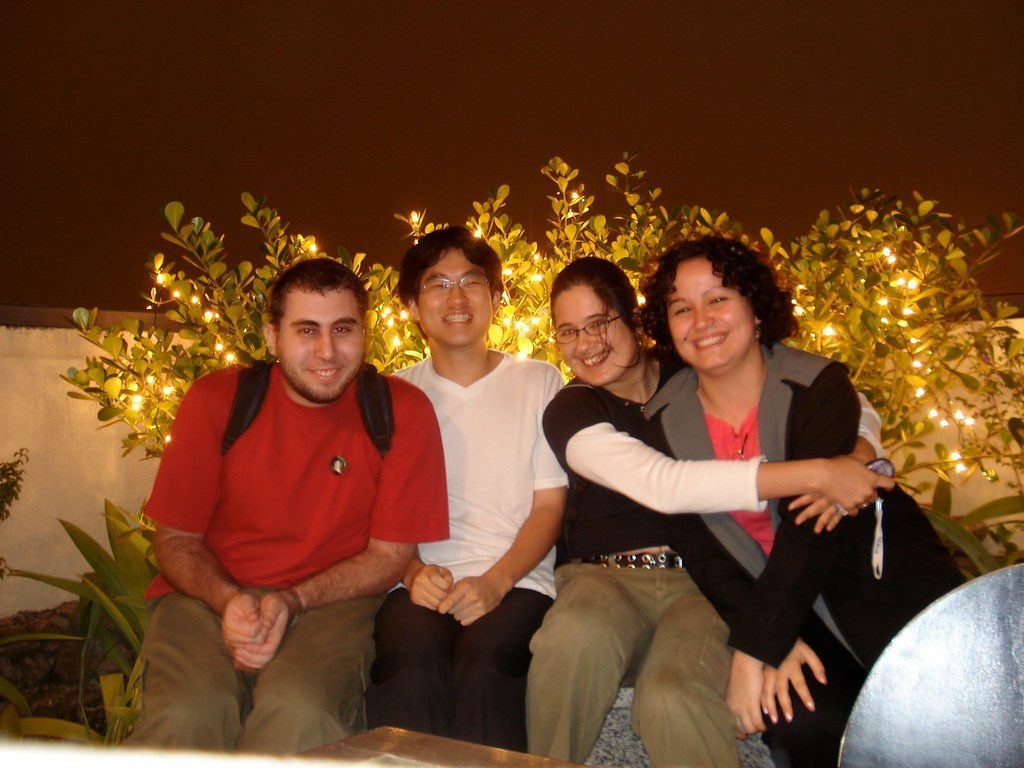
Let’s be real: humans aren’t meant to go it alone. The link between social relationships and longevity is as strong as cholesterol levels or smoking. Your friendships, family bonds, and community ties aren’t just nice to have – they’re literally life-extending.
Those ties protect people from life’s discontents, help to delay mental and physical decline, and are better predictors of long and happy lives than social class, IQ, or even genes. People who were the most satisfied in their relationships at age 50 were the healthiest at age 80. It’s not about having hundreds of acquaintances; it’s about depth and quality. Are you investing time in relationships that truly support you?
One meta-analysis found that people with healthy and supportive relationships live longer, with research participants with larger social networks being about 45% less likely to die over studies averaging seven years long. Even if you’re an introvert, maintaining a few close, meaningful relationships can make all the difference. A higher degree of social integration was associated with lower risk of physiological dysregulation in a dose-response manner in both early and later life, while lack of social connections was associated with vastly elevated risk in specific life stages.
You Have a Reason to Get Out of Bed

Purpose is that thing that makes you feel like you’re contributing to something larger than yourself. Maybe you mentor young people at work, volunteer at a local shelter, or simply take pride in being there for your grandchildren. Whatever it is, having a sense of purpose gives your life direction and meaning.
Purpose predicts health outcomes above and beyond the role of conscientiousness. Even if you’re disciplined and responsible, having a deep connection to what you do takes things to another level. Purpose isn’t just psychological fluff – it translates into real, measurable health benefits. Finding the right mentor can have a powerful effect in becoming more purposeful, and for seniors, engaging in leisure activities like arts classes can go a long way toward purpose, well-being and lower rates of dementia and depression.
Think about retirees who suddenly lose their sense of direction once they stop working. The ones who thrive are those who find new ways to contribute, whether it’s through creative hobbies, community involvement, or staying connected to causes they care about. Your sense of purpose can evolve, but keeping it alive is key to a longer, happier life.
You’re Curious and Open to New Experiences

Research showed higher openness in both male and female centenarians, and higher conscientiousness and extraversion in female centenarians, suggesting high scores in the specific personality traits conscientiousness, extraversion, and openness are associated with longevity. Openness means you’re willing to try new things, explore different perspectives, and embrace change rather than resist it.
People who score high in openness tend to be more creative, more intellectually curious, and more adaptable. They’re the ones who take up painting at seventy or decide to learn a new language just for fun. This mental flexibility keeps your brain engaged and your outlook fresh. It’s hard to say for sure, but staying mentally active and open to new experiences may protect against cognitive decline as you age.
Being open doesn’t mean you have to be adventurous in the extreme sports sense. It’s more about maintaining a sense of wonder and a willingness to step outside your comfort zone now and then. The world is constantly changing, and those who can roll with it tend to fare better in the long run.
You Keep Your Cool Under Pressure

In a large sample of generally healthy individuals followed for almost five decades, longevity was associated with being conscientious, emotionally stable, and active. Emotional stability – sometimes called low neuroticism – means you’re less prone to anxiety, mood swings, and chronic stress. Graceful agers tend to keep an even keel, being less likely to report feeling ecstatic or so sad that nothing will cheer them up, and that inner tranquility is easier on the heart and supports better sleep, both of which pay major longevity dividends.
Here’s the interesting part: a little bit of stress isn’t necessarily bad. Although people with zero stress report greater happiness, they might have worse cognition, a detriment to long-term health. You need a little challenge to stay sharp. What matters is how you handle it. If you can stay calm and level-headed when things go sideways, your body doesn’t get flooded with stress hormones that wreak havoc over time.
Emotional stability doesn’t mean you never feel anything. It means you bounce back. You process your emotions, work through challenges, and don’t let stress consume you. That resilience protects your heart, your immune system, and your mental health in ways that accumulate over decades.
You Engage With the World Around You
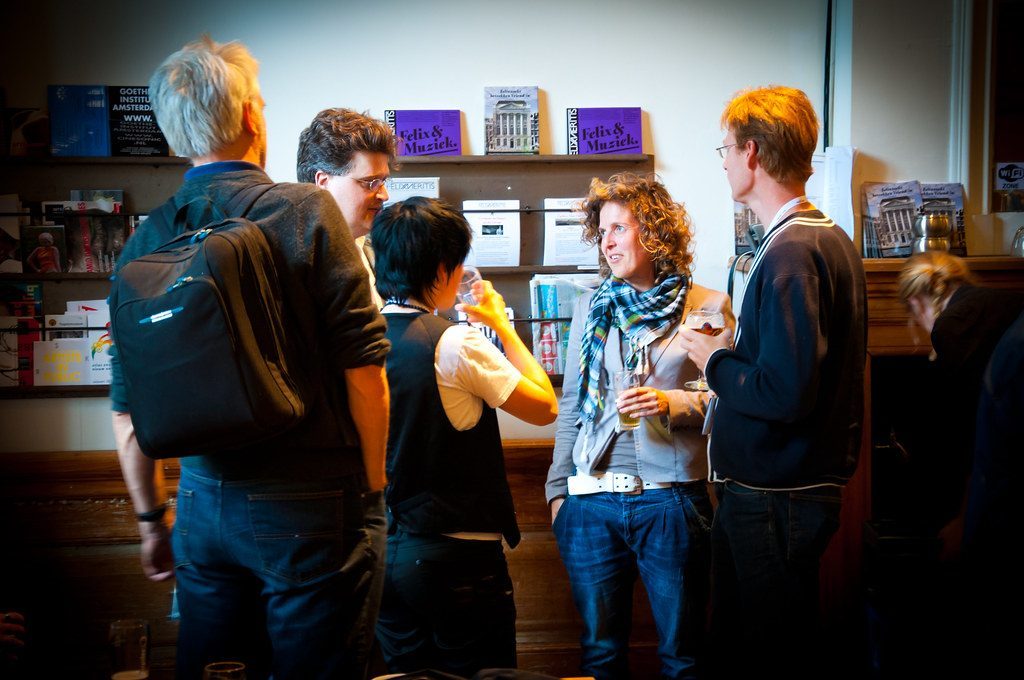
Let’s talk about being active – not just physically, but socially and mentally. Being extraverted, or outgoing, is another trait that can lengthen your span of health. Extraverts tend to seek out social interactions, join groups, and stay engaged with their communities. That regular contact with others keeps them connected, supported, and less isolated.
Within the first five years of a study tracking people averaging 89 years old, the more people socialized, the longer they lived, with each group – those who socialized occasionally, monthly, weekly, or every day – living longer than the one before it. Even if you’re not naturally outgoing, finding ways to participate in community life, whether through clubs, religious organizations, or volunteer work, can extend your life.
You don’t have to be the life of the party. What matters is that you’re not isolating yourself. Staying involved gives you a sense of belonging and keeps your mind stimulated. Social support increases survival by some 50%, and the benefit of friends, family and even colleagues turns out to be just as good for long-term survival as giving up a 15-cigarette-a-day smoking habit. Think about that for a second. Your relationships are as important as quitting smoking when it comes to longevity.
Conclusion
Living a long, fulfilling life isn’t just about luck or genetics. Sure, those things play a role, but the way you approach life – your mindset, your relationships, your daily habits – matters just as much, if not more. Being conscientious, optimistic, socially connected, purposeful, open, emotionally stable, and engaged with the world around you creates a powerful foundation for both longevity and happiness.
The beautiful thing is that many of these traits can be developed and strengthened over time. You’re not stuck with the personality you have today. With effort and intention, you can cultivate optimism, deepen your relationships, find purpose, and become more emotionally resilient. So what do you think? Which of these traits do you already have, and which ones could use a little more attention? Tell us what resonates with you.