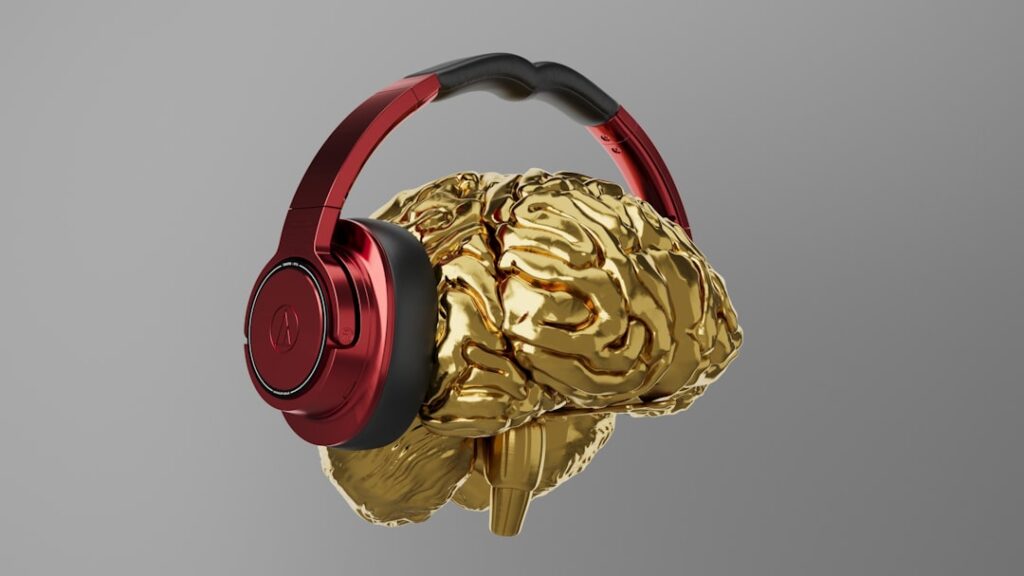

The Neurological Symphony: How Music Activates the Brain (Image Credits: Unsplash)
Music has long captivated humanity, weaving through cultures and eras as a source of joy and connection.
The Neurological Symphony: How Music Activates the Brain
Researchers have uncovered that music engages nearly every region of the brain simultaneously, creating a symphony of neural activity. Studies from institutions like Harvard Medical School reveal how melodies trigger responses in areas responsible for movement, memory, and emotion. This widespread activation strengthens neural pathways over time, much like exercise builds physical muscle.
When individuals listen to music, the brain’s motor cortex synchronizes with rhythms, prompting subtle movements or even full dances. The hippocampus, key to forming memories, links songs to personal experiences, enhancing recall. Meanwhile, the amygdala processes emotional tones, explaining why certain tracks evoke strong feelings. Such interactions highlight music’s role in promoting neuroplasticity, the brain’s ability to adapt and reorganize itself.
Enhancing Memory and Cognitive Sharpness
Music serves as a potent tool for memory improvement, particularly as people age. Evidence from Johns Hopkins Medicine indicates that regular musical engagement can sharpen cognitive functions, delaying declines associated with conditions like Alzheimer’s. For instance, patients with mild cognitive impairment showed improved recall after repeated exposure to meaningful tunes.
Beyond memory, music bolsters executive functions such as attention and problem-solving. Musical training, whether playing an instrument or simply listening, fosters better working memory and multitasking abilities. These benefits extend across all ages, with children gaining enhanced language skills and adults experiencing reduced mental fatigue. Overall, incorporating music into routines supports long-term brain health.
Emotional Regulation and Stress Reduction
Music acts as a natural regulator of emotions, releasing dopamine to elevate mood and counteract stress. Neuroimaging studies demonstrate that rhythmic sounds calm the nervous system, lowering cortisol levels and promoting relaxation. This effect proves especially valuable in therapeutic settings, where music eases anxiety and depression symptoms.
Personal playlists tailored to moods can transform daily experiences, turning commutes into uplifting journeys or workouts into energizing sessions. Research in journals like Frontiers in Psychology supports music’s modulation of the limbic system, which governs emotional responses. As a result, individuals report greater resilience to life’s pressures, fostering a sense of well-being that permeates relationships and productivity.
Physical Health Ties: From Pain Relief to Heart Sync
The brain’s response to music extends to physical benefits, influencing pain perception and cardiovascular health. Listening to preferred genres has been shown to reduce chronic pain by distracting neural pathways and promoting endorphin release. This aligns with findings from neuroscience reviews, where music distracts from discomfort while enhancing overall comfort.
Rhythms in music can even synchronize heartbeats, as group singing or dancing entrains physiological responses. Such synchronization not only improves coordination but also strengthens social bonds, contributing to communal enrichment. For older adults, these effects help maintain mobility and vitality, underscoring music’s holistic impact on body and mind.
Practical Integration: Building a Music-Rich Life
To harness these advantages, simple habits make a difference. Start by curating playlists for specific activities, like calming tracks for meditation or upbeat ones for exercise. Experts recommend at least 30 minutes daily to notice cognitive and emotional shifts.
Group activities, such as choir participation, amplify benefits through shared rhythms that boost brain connectivity. Even passive listening during routines enriches life by tying mundane tasks to pleasurable associations. Over time, these practices cultivate deeper appreciation for music’s transformative power.
- Listen actively to build focus and reduce distractions.
- Play an instrument to enhance hand-eye coordination and creativity.
- Use music for mindfulness to deepen emotional awareness.
- Incorporate rhythms in movement to improve physical balance.
- Share musical experiences to strengthen social ties.
- Explore genres to stimulate curiosity and adaptability.
- Track mood changes to personalize selections effectively.
Key Takeaways
- Music promotes neuroplasticity, aiding memory and learning throughout life.
- It regulates emotions by balancing stress hormones and boosting feel-good chemicals.
- Regular engagement enriches relationships and physical health via synchronized activities.
In a world buzzing with demands, music offers a timeless ally for brain vitality and life’s deeper fulfillment. As research continues to illuminate its profound effects, embracing it daily unlocks untapped potential. What role does music play in your routine? Share your thoughts in the comments.