
If you grew up picturing the dinosaur-killing asteroid as the ultimate reset button on life, you’re not alone. The popular story goes like this: rock falls from the sky, dinosaurs vanish, and mammals rise from the rubble to eventually give us streaming services and smartphones. But the real story is messier, weirder, and honestly more impressive. Some ancient creatures stared down that global catastrophe about sixty‑six million years ago and basically said, “We’re not done yet.”
Today, their descendants are swimming in your oceans, gliding over your head, and maybe even showing up in your backyard. They’re living, breathing time capsules, carrying the scars and successes of one of Earth’s worst days. Once you start recognizing them, a walk outside suddenly feels like stepping into a low-budget Jurassic Park reboot – minus the screaming. Let’s look at seven prehistoric survivors whose line never broke, and what they can quietly teach us about resilience when the sky literally falls.
1. Crocodilians: Living Tanks From the Age of Dinosaurs
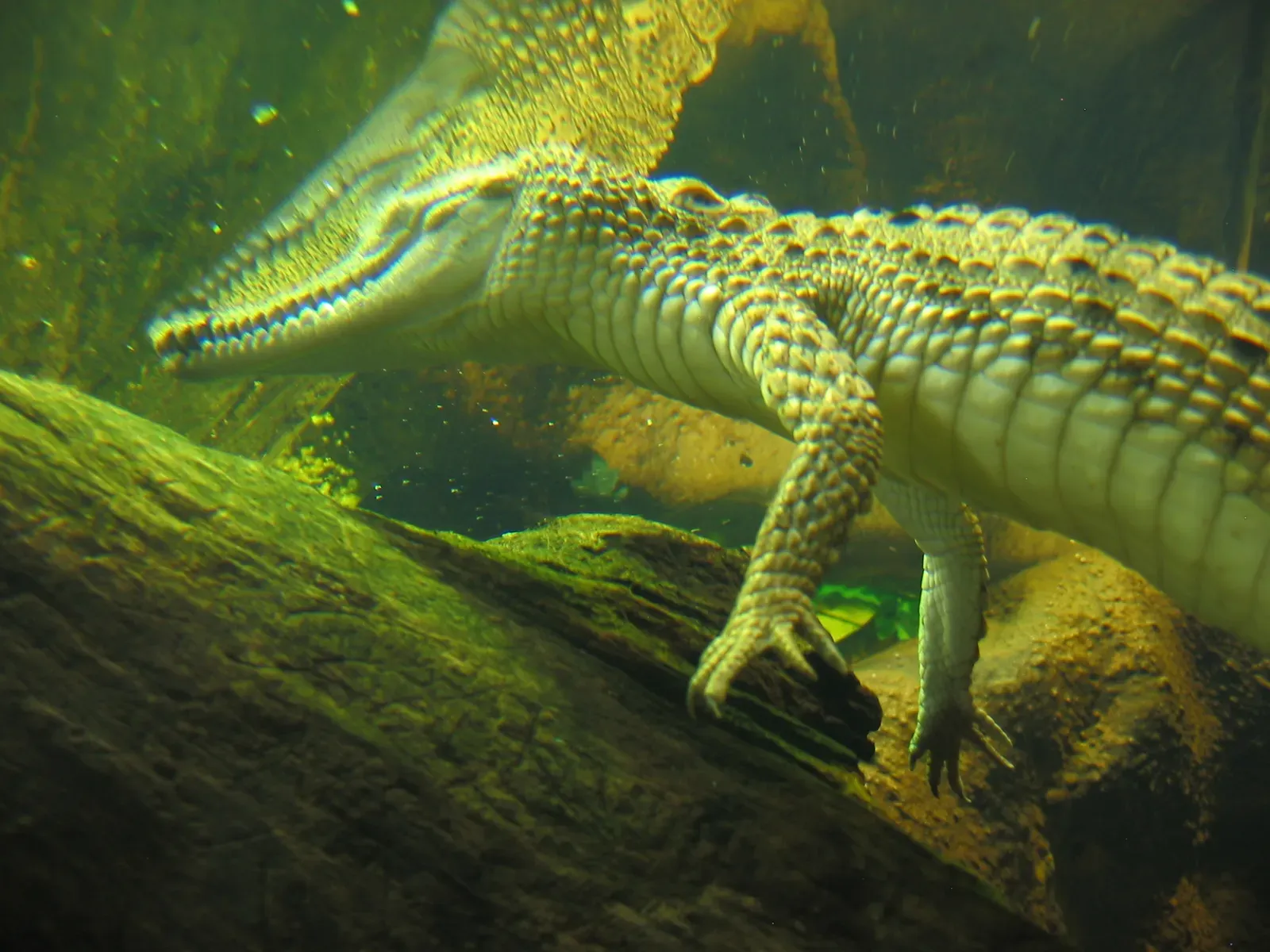
Crocodiles and alligators feel like they were designed by a committee that really liked armor and ambush tactics, and that design has hardly changed since the late Cretaceous. Their ancestors were already lurking in rivers and swamps while Tyrannosaurus was stomping around nearby, and yet it was the big land dinosaurs that vanished, not these semi-aquatic reptiles. Part of their secret is lifestyle: they sit and wait, using very little energy, and can go surprisingly long stretches between meals. When the food web collapsed after the asteroid impact, that low‑budget metabolism suddenly became a huge survival advantage.
Modern crocodilians – from the American alligator to the Nile crocodile and the saltwater crocodile – are essentially streamlined versions of those ancient beasts. They still have the same basic body plan: long snout, powerful tail, eyes on top of the head like a submarine periscope. Watching one glide just under the surface is like seeing a ghost from the Cretaceous quietly patrol your local swamp. I remember standing at a zoo once, staring at a massive croc that barely moved for ten minutes, and realizing that this lazy stillness is exactly what helped its ancestors ride out a global apocalypse.
2. Birds: The Only Dinosaurs That Made It
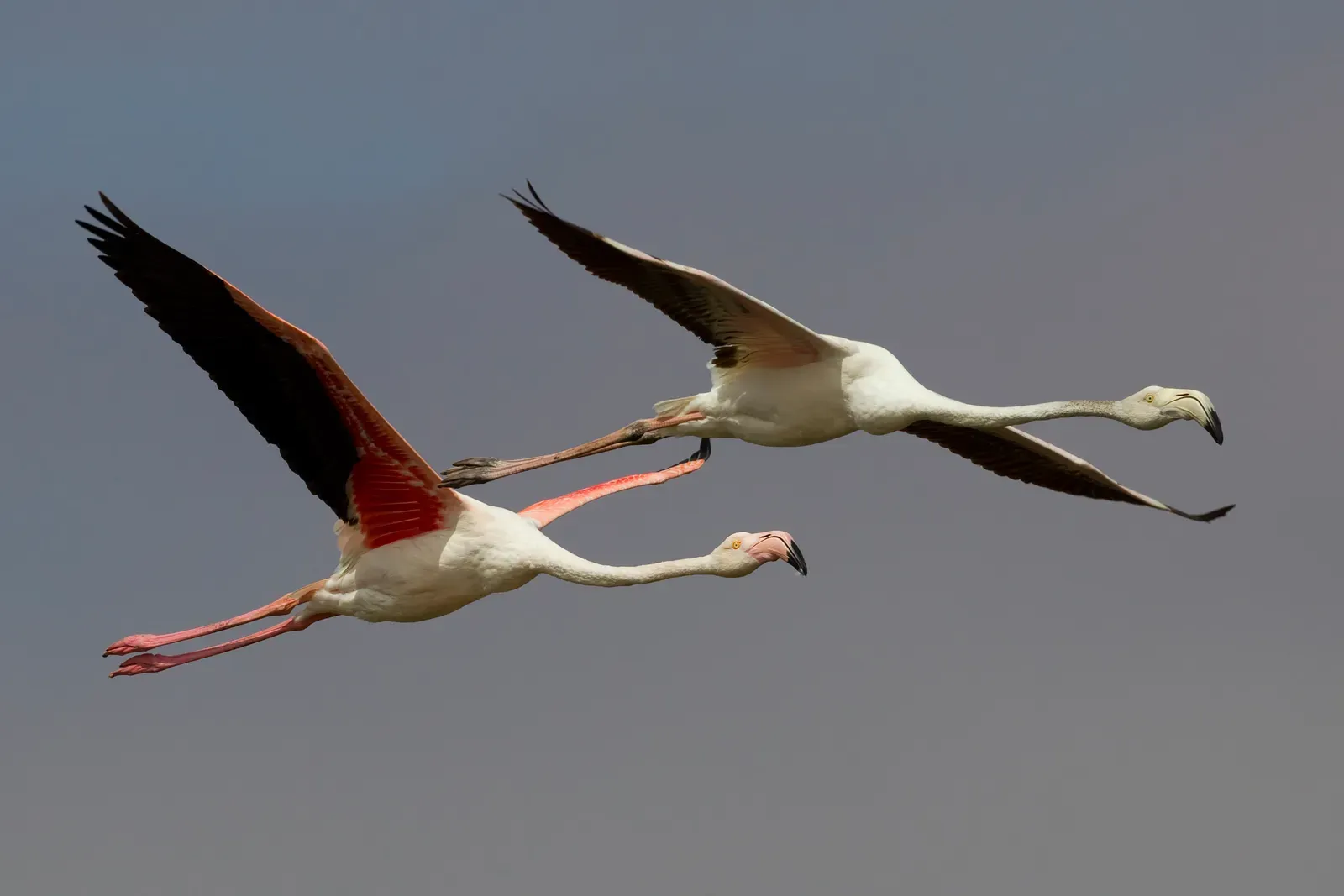
It still blows people’s minds, but it’s now mainstream science: birds are dinosaurs. Not “like” dinosaurs – they are the only surviving dinosaur lineage, descended from small feathered theropods that were already experimenting with flight before the asteroid ever showed up. When that impact turned forests into charcoal and darkened the skies, many large, heavy‑bodied dinosaurs simply could not cope with the rapid climate shock. But some small, beaked, ground‑dwelling bird ancestors, able to eat seeds and other tough food sources, managed to squeak through that evolutionary bottleneck.
Every sparrow, crow, pigeon, eagle, and hummingbird you see today is part of that tiny group’s fallout story. Think about that the next time a cheeky seagull steals a fry from your hand: you’ve just been robbed by a dinosaur. Birds took that second chance and exploded into a staggering variety of shapes and lifestyles, from diving penguins to hovering hummingbirds. If any group embodies the idea that survival is followed by reinvention, it’s these feathered survivors who turned a mass extinction into a global takeover of the skies, forests, oceans, and even city sidewalks.
3. Sharks: Ancient Predators Still Patrolling the Seas
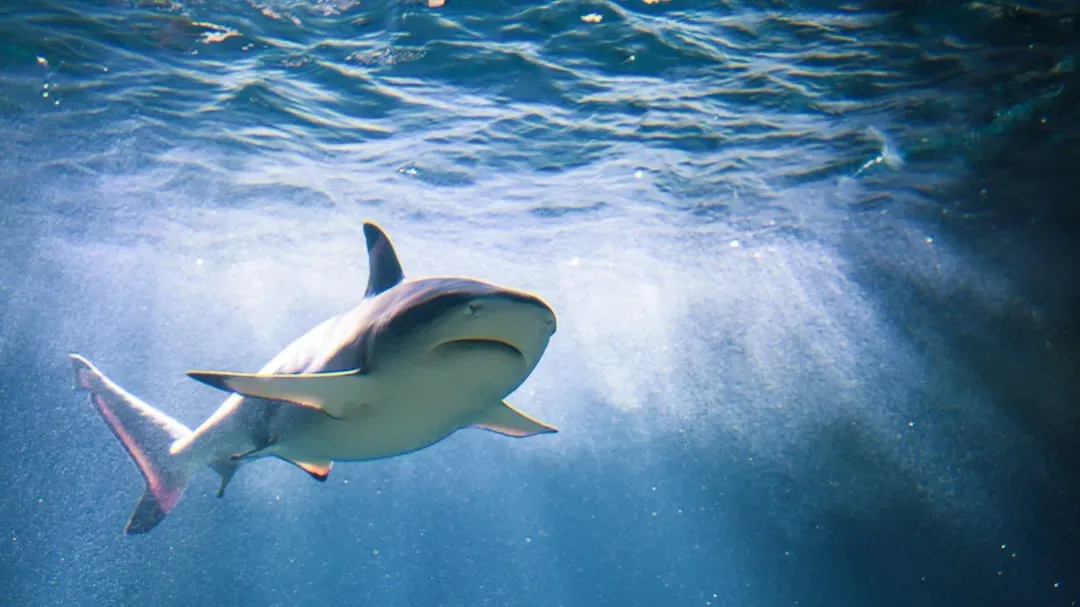
Sharks are older than dinosaurs, older than trees, and somehow still feel cooler than most movie monsters we invent. By the time the asteroid hit, sharks had already survived multiple other mass extinctions, and while some lineages were wiped out, others pressed on relatively unchanged. Their cartilaginous skeletons, efficient swimming, and finely tuned senses made them versatile hunters and scavengers in suddenly chaotic oceans. When debris blocked sunlight and marine ecosystems crashed, sharks that could travel widely and eat almost anything had an edge.
The descendants of those prehistoric sharks now include everything from the great white to reef sharks and deep‑sea oddities we rarely see. When you watch a shark cruise through clear blue water, it looks like minimalism perfected: no wasted parts, nothing unnecessary, just a streamlined survival machine that has passed nature’s harshest exams over and over again. I still remember my first time seeing a shark in the wild – it glided in, silent and unbothered, like it had all the time in the world. In a way, it does; its ancestors survived disasters that would make our worst apocalyptic movies look tame.
4. Turtles: Armored Time Travelers With Patience to Spare
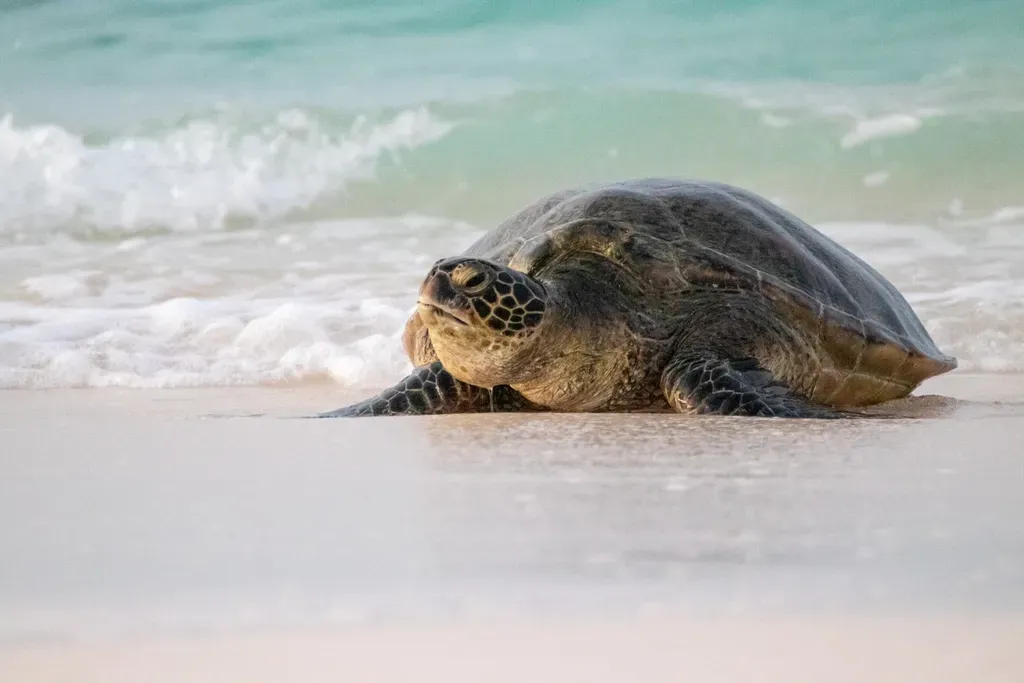
Turtles and tortoises are one of those groups where, if you saw a fossilized shell from the late Cretaceous, you’d probably recognize it instantly. Their basic body plan – ribs fused into a protective shell, slow but steady movement, long lifespans – was already in place when the asteroid struck. Being generalists helped them: many could live in water or on land, eat a broad range of plants and animals, and hunker down when conditions turned nasty. In a world suddenly full of fires, acid rain, and climate chaos, having a built‑in bunker on your back was a seriously good deal.
Today’s freshwater turtles, sea turtles, and land tortoises are the continuation of that story, even if many now face human‑driven threats they never had to deal with before. Watching a sea turtle slowly pull itself up a beach to nest is like watching time crawl out of the water, carrying millions of years of evolutionary trial and error. Personally, I love how utterly unhurried they seem, like they’re on a different clock from the rest of us. When your ancestors outlasted the dinosaurs, you can probably afford to take your time crossing the road – though we really should be kinder about giving them the right of way.
5. Ray-Finned Fish: The Unsung Backbone of Modern Oceans
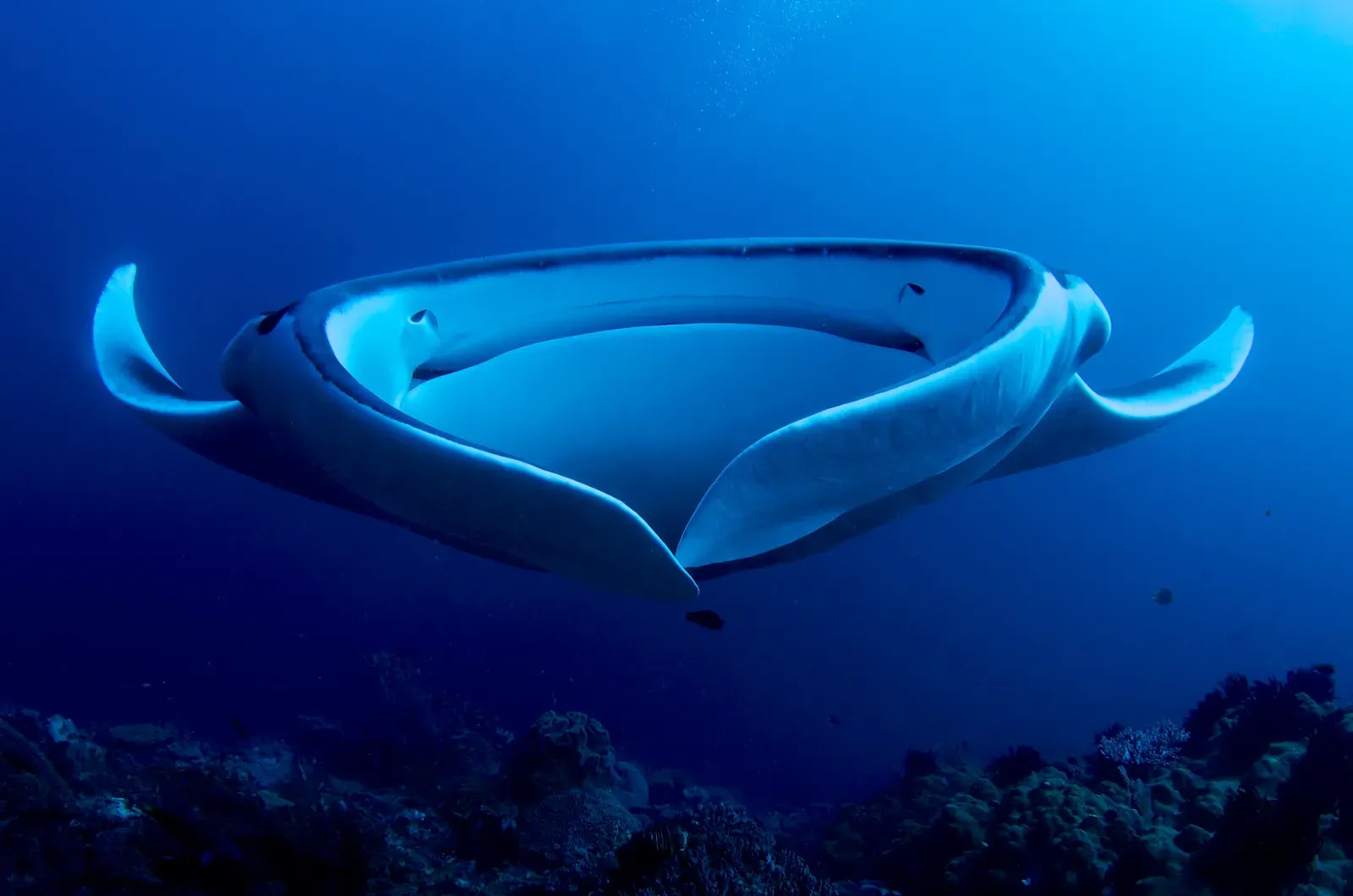
Ray‑finned fishes might not be as flashy as sharks or as dramatic as crocs, but their lineage is a quiet powerhouse. By the end of the Cretaceous, these bony fishes already dominated many marine and freshwater ecosystems, and although the asteroid event hammered ocean life, a big portion of ray‑finned groups survived. Their diversity and flexibility were key: different species lived at different depths, ate different things, and reproduced in different ways. When a disaster scrambles the rules, spreading your bets across many niches suddenly becomes the winning strategy.
The mind‑bending part is that most of the fish you know today – salmon, tuna, goldfish, clownfish, bass – are ray‑finned descendants of that survivor stock. They underpin food webs that support seabirds, marine mammals, and yes, humans. Every time we casually eat a piece of grilled fish, we’re tapping into a lineage that quietly got through one of Earth’s worst extinction events and then rebuilt a lot of the ocean’s living architecture. It makes our modern overfishing problems feel even more tragic; we are pressuring a group that already proved it could withstand an asteroid, but might not withstand us.
6. Small Mammals: Night Creatures That Seized the Day
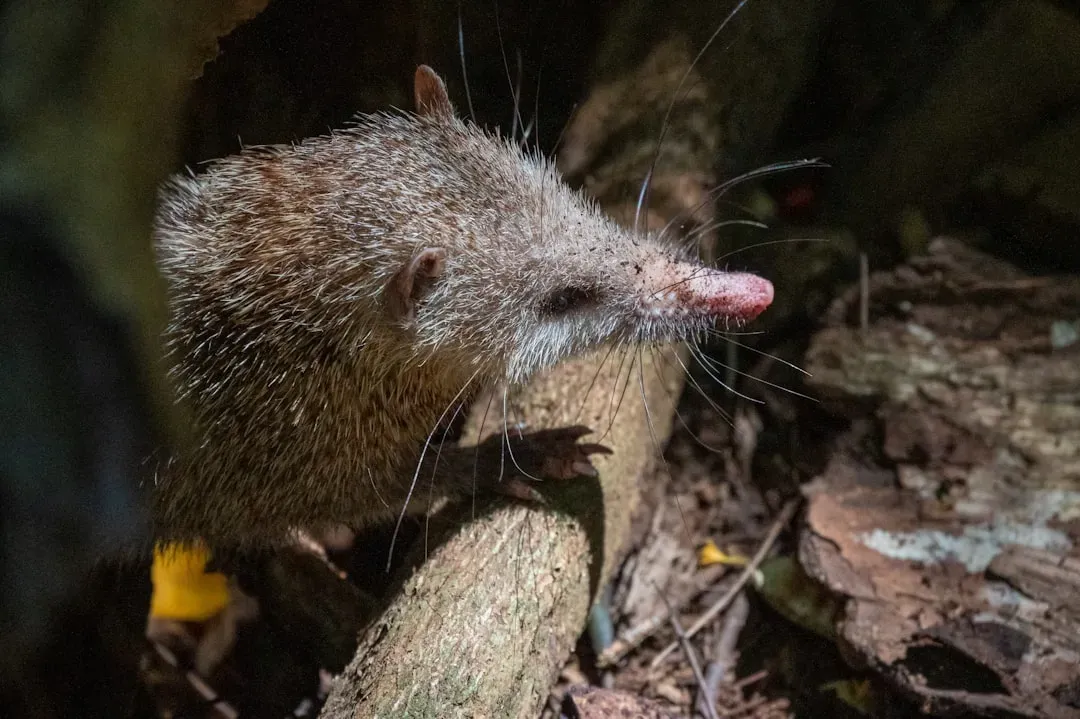
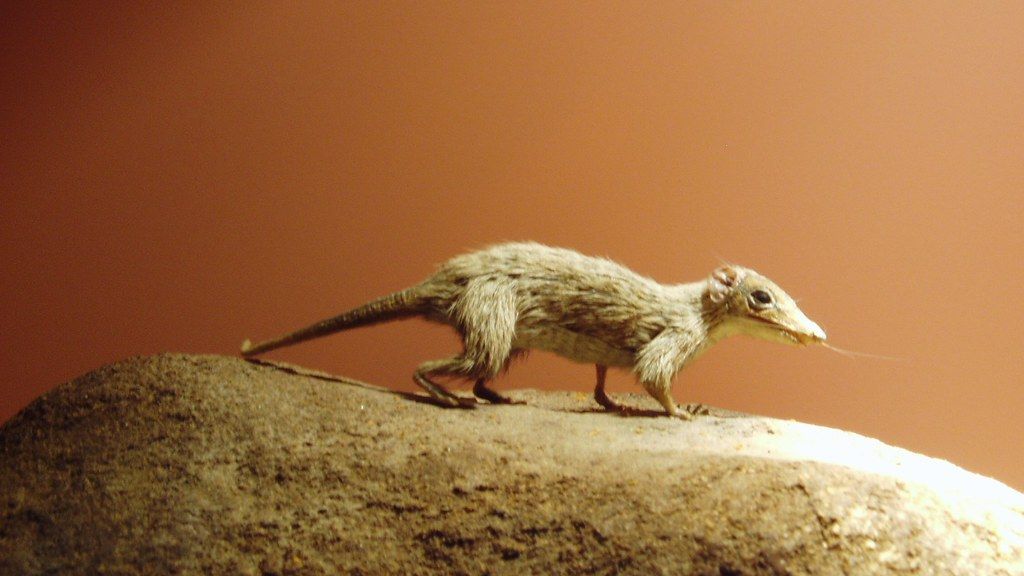
By the time the asteroid arrived, mammals were not brand‑new upstarts; they had been around for tens of millions of years, mostly small, mostly nocturnal, and mostly overshadowed by dinosaurs. When the impact set off wildfires, threw debris into the atmosphere, and collapsed plant communities, many big animals simply ran out of food and time. But tiny mammal species that could burrow, hide, and eat insects, seeds, and anything else they found had a fighting chance. Being small and versatile suddenly beat being huge and dominant.
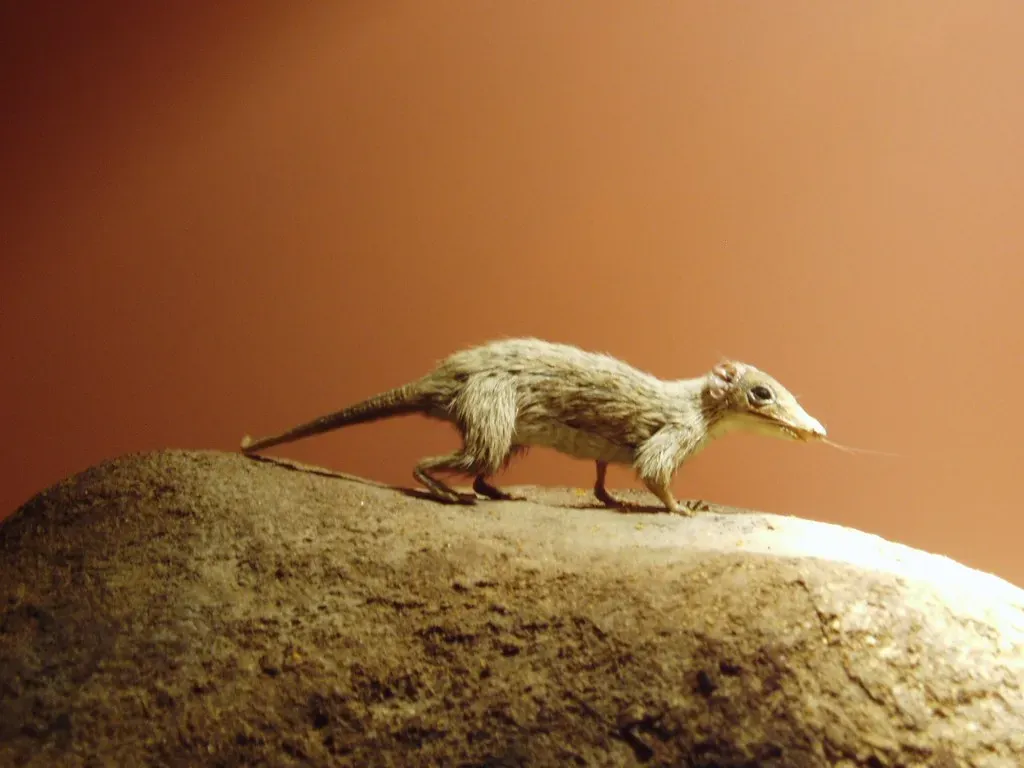
The descendants of those scrappy survivors are now everything from shrews and bats to whales, primates, and yes, us. I find it both humbling and a little funny that our entire species traces its existence back to something like a shrew‑sized, insect‑eating creature darting around in the underbrush while dinosaurs ruled above. When people talk about humans being “meant” to dominate the planet, I think of those early mammals instead – opportunists who survived not because they were destined to, but because they were adaptable, cautious, and very, very good at not being noticed until the world changed in their favor.
7. Ammonite Cousins: Nautiluses and Cephalopod Survivors
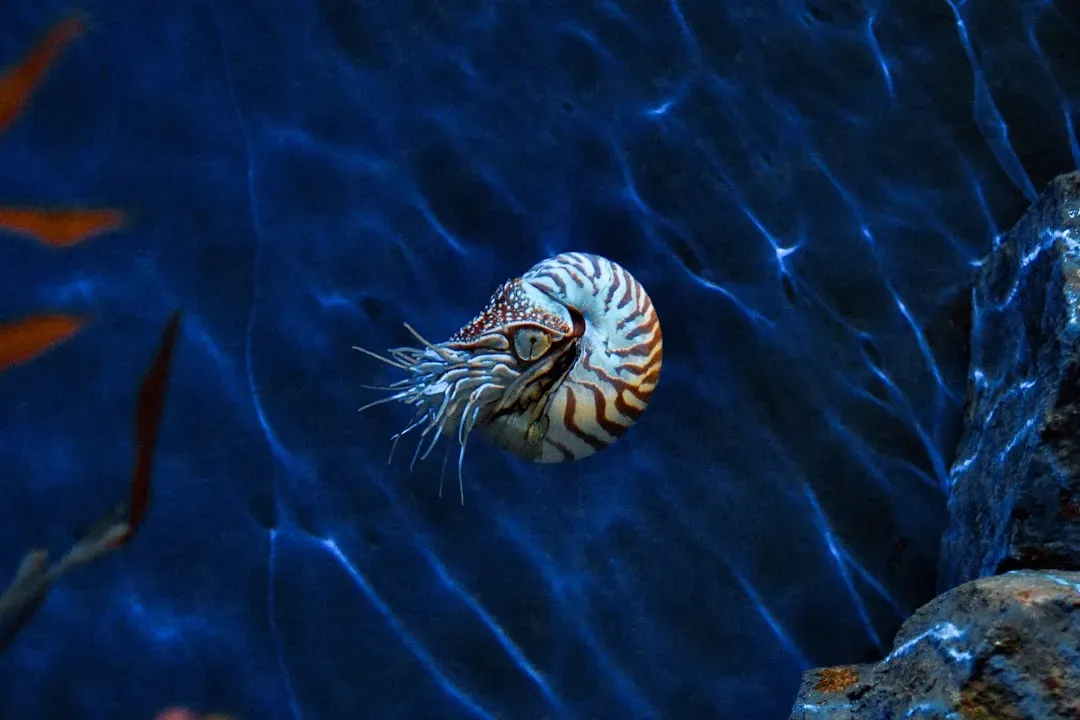
Classic coiled ammonites themselves did not make it past the asteroid impact, but some of their broader cephalopod relatives did, including the ancestors of modern nautiluses and other shelled and soft‑bodied forms. The picture here gets technical fast, but the simple version is that not every spiral‑shelled or tentacled creature vanished. Certain groups managed to survive in deeper or more stable marine environments, or had life cycles that helped them recover faster once conditions started to improve. These survivors carried forward design ideas that had been around since long before dinosaurs showed up.
Modern nautiluses, with their perfect coils and cluster of tentacles, look like they were air‑dropped from a prehistoric seascape. When you see one drift in an aquarium tank, it feels like a living fossil in the truest sense: an echo of vanished seas and extinct ammonites. Squid and octopus lineages were also part of this broader cephalopod survival, later diversifying into the curious, intelligent creatures we know today. To me, it’s kind of poetic that in oceans where so much was erased, a few ancient tentacled lineages quietly held on, later giving us some of the most bizarre and brainy animals on the planet.
Conclusion: Survival Is Not About Strength – It’s About Flexibility
Looking across these seven survivor groups, a pattern jumps out: the winners of a mass extinction are not always the biggest, strongest, or flashiest. They are the ones that can eat a wide range of food, live in more than one kind of habitat, slow their metabolism, or reproduce quickly when conditions finally ease up. Crocodilians, birds, sharks, turtles, ray‑finned fish, small mammals, and cephalopod survivors all took different roads through the same disaster, but they share a talent for flexibility and persistence. In that sense, the asteroid did not rewrite the rules of evolution; it just turned up the difficulty and watched who could still play.
Personally, I think we overrate brute power and underrate quiet resilience, both in nature and in our own lives. The creatures that made it through the Cretaceous–Paleogene extinction were not invincible superheroes; they were adaptable pragmatists that made do with what they had. In a century where we are the ones changing the planet at breakneck speed, that feels like a pointed lesson. Maybe the real question is not which species are “fit” right now, but which ones – including ours – can bend without breaking when everything suddenly shifts. If another global shock came tomorrow, whose story would still be unfolding millions of years from now, and whose would end in a geological blink?