Have you ever wondered what kind of bizarre experiments evolution conducted before arriving at the creatures we know today? Think about it. Millions of years ago, our planet was a laboratory where nature tested the strangest body designs imaginable. Some had eyes on stalks, others sported teeth arranged like buzzsaws, and a few looked so alien that scientists initially thought they were pranks.
The fossil record reveals creatures so unusual that they seem like something from a fever dream. These weren’t failed experiments though. Each bizarre feature served a purpose, helping these animals survive in worlds vastly different from ours. Let’s dive into seven prehistoric oddities that showcase just how wild evolution can get.
Helicoprion: The Buzzsaw Shark That Baffled Scientists for a Century
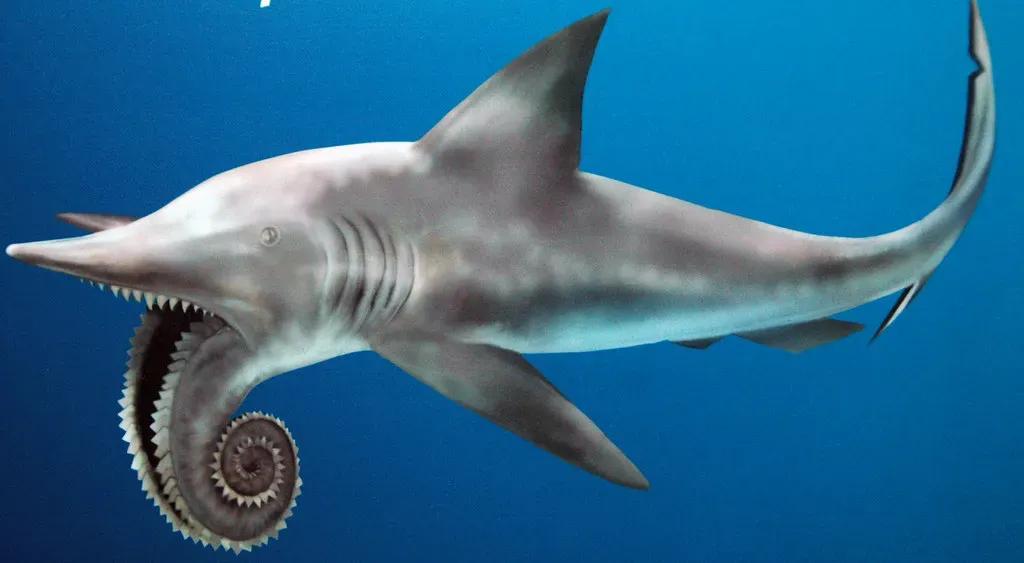
Picture a fish that lived 270 million years ago, first described in 1899 based solely on its buzzsaw-shaped whorl of teeth and nothing else. For more than a hundred years, scientists scratched their heads trying to figure out where these spiral teeth even belonged on the animal. Was it in the mouth? On the snout? Nobody could agree.
Helicoprion stands as not only a candidate for weirdest fossil ever, but also for most enduring scientific mystery. The arrangement of its teeth defied logic until recent technology finally revealed the truth. The tooth whorl sat inside the lower jaw, rotating backward as new teeth grew. Imagine meeting that thing in ancient oceans.
Opabinia: The Five-Eyed Wonder with an Elephant Trunk
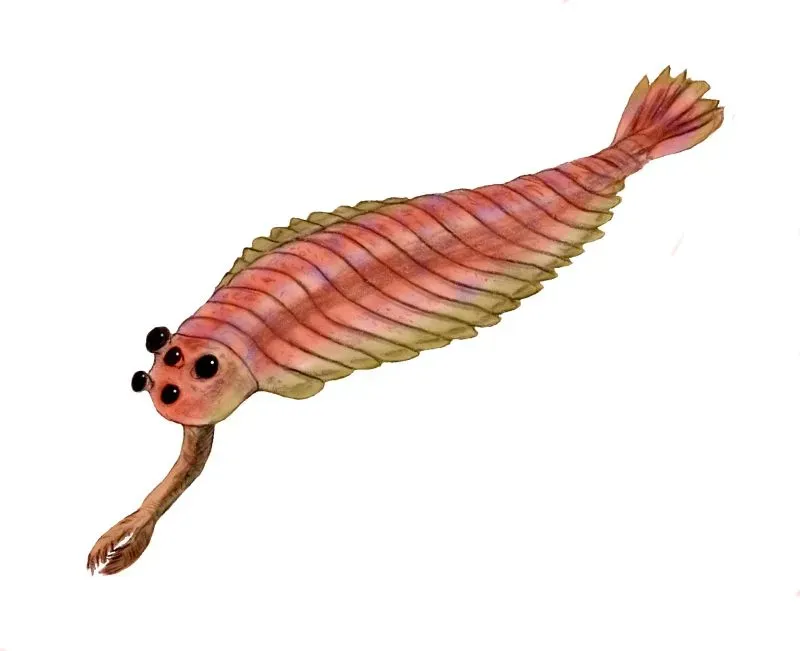
When Opabinia was first revealed to paleontologists at a scientific conference, the audience burst out laughing at this tiny creature with a segmented body of plates, five eyes on mushroom-like stalks, and a proboscis ending in a kind of claw. Honestly, who could blame them? This thing looks like nature threw random parts together and hoped for the best.
This animal, an ancient and strange relative of today’s arthropods, was certainly one of the odder inhabitants of the 508 million-year-old Burgess Shale. Despite its comic appearance, Opabinia was a successful predator in Cambrian seas. Scientists still debate exactly how it lived, though the positioning of its trunk-like appendage suggests it may have fed like an elephant snacking on peanuts. Five eyes gave it exceptional vision, while the clawed proboscis grabbed unsuspecting prey from the seafloor.
Anomalocaris: The Cambrian Monster That Fooled Everyone
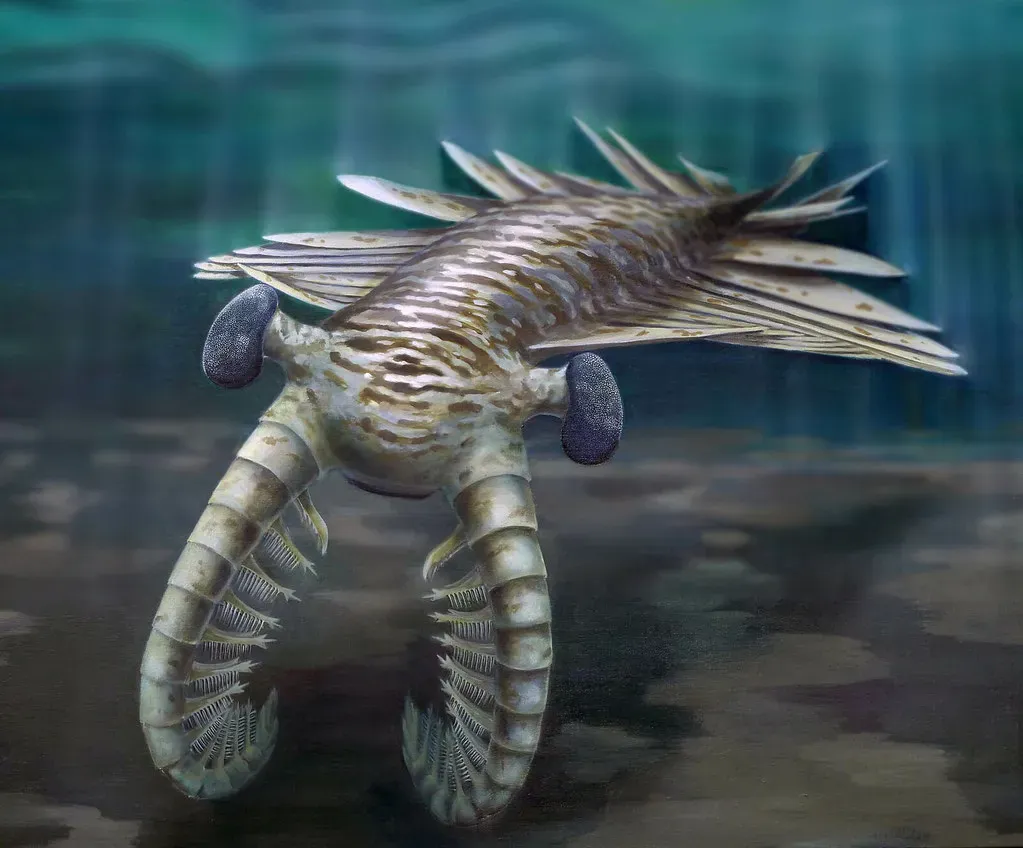
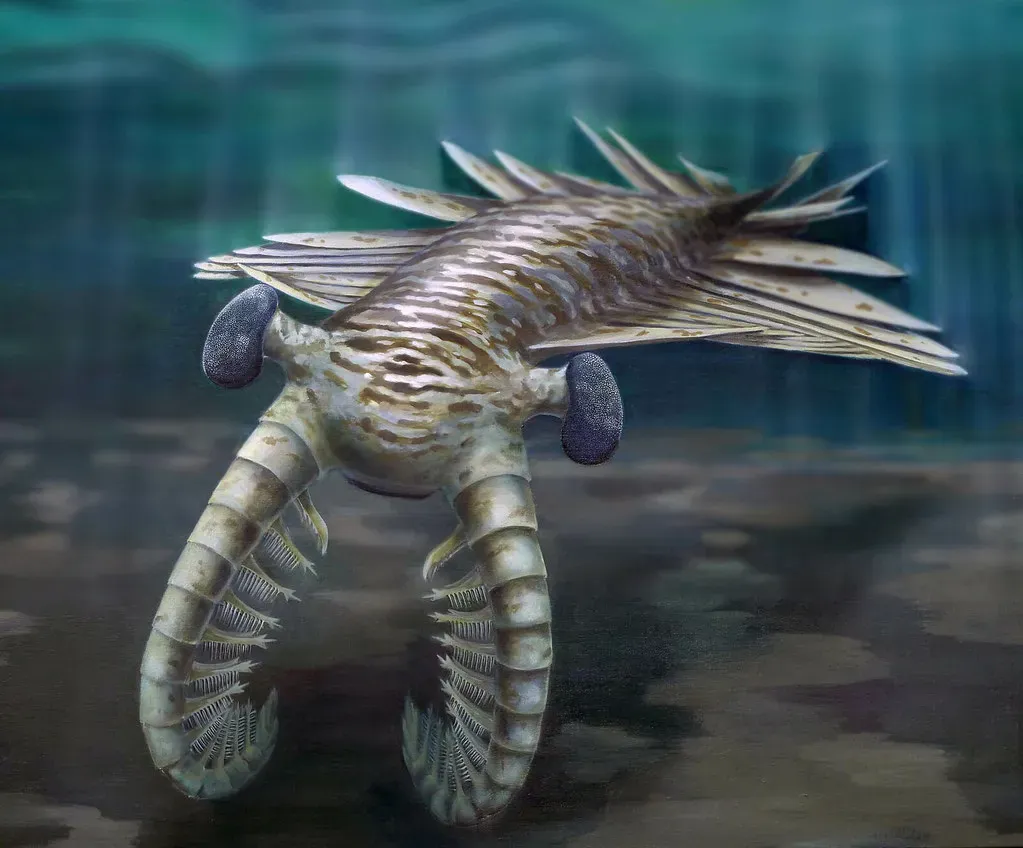
Anomalocaris, whose name means “weird shrimp,” was so strange that paleontologists saw different parts of this creature and described them as a shrimp, a sea cucumber, a jellyfish, or a jellyfish on top of a sponge, but all those fossils belong to just two species of arthropod, not half a dozen kinds of smaller species. Talk about a case of mistaken identity.
It could reach a meter in length, which was gigantic by Cambrian standards, making it the biggest predator known from its time. With big eyes and grasping mouthparts, this apex predator dominated ancient seas around 505 million years ago. It probably snacked on trilobites like we munch on popcorn. The discovery of Anomalocaris revolutionized our understanding of early predator evolution.
Tully Monster: Illinois’s Alien Fish with Eyes on Stalks
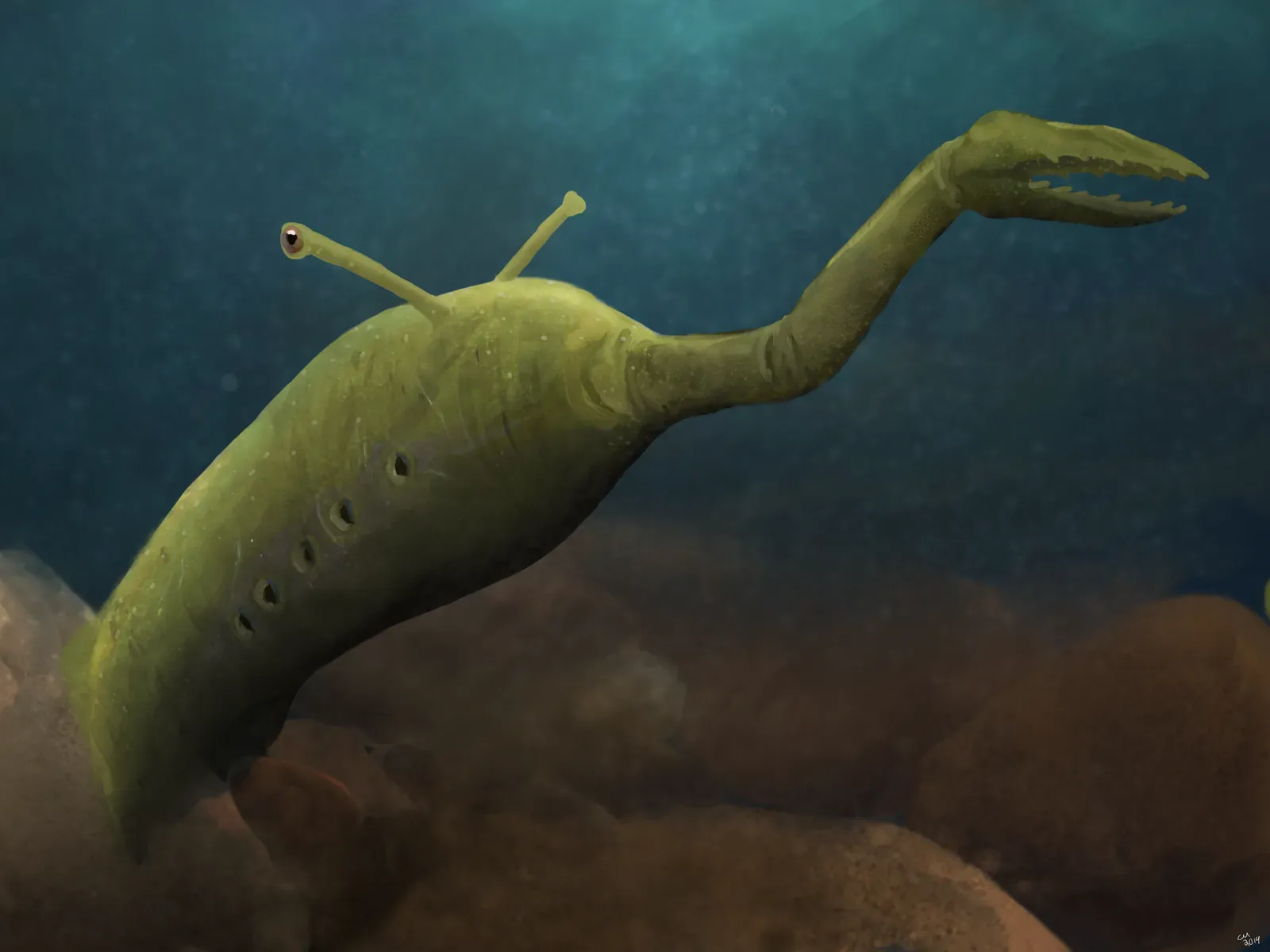
The foot-long “monsters” have eyes on stalks, a jaw attached to a noodly proboscis, and were eventually identified as jawless fish, distant relatives of the horrifying lampreys that are alive today and currently invading the Great Lakes. Let’s be real, anything nicknamed “monster” and connected to lampreys deserves respect and fear in equal measure.
The Field Museum has the world’s best collection of these fossils, including some bizarre ones called Tully monsters that flummoxed scientists trying to identify it for decades. Found in rocks 300 million years old near Chicago, this creature kept its secrets well. The strange combination of features made classification nearly impossible until recently. Its pincher-tipped proboscis bristled with razor-sharp teeth, suggesting it was quite the predator despite its awkward appearance.
Therizinosaurus: The Gentle Giant with Nightmare Claws
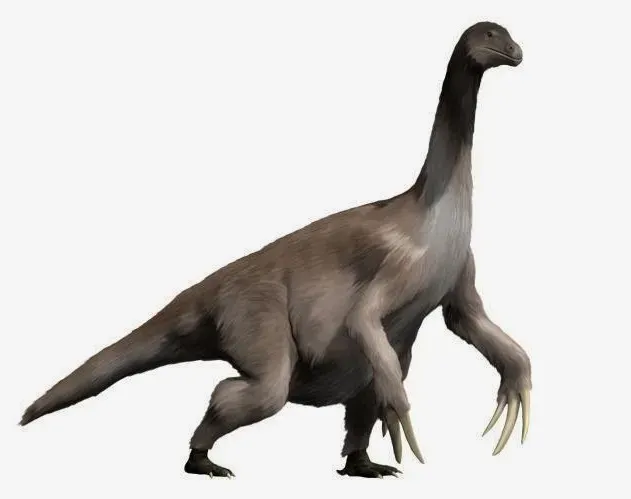
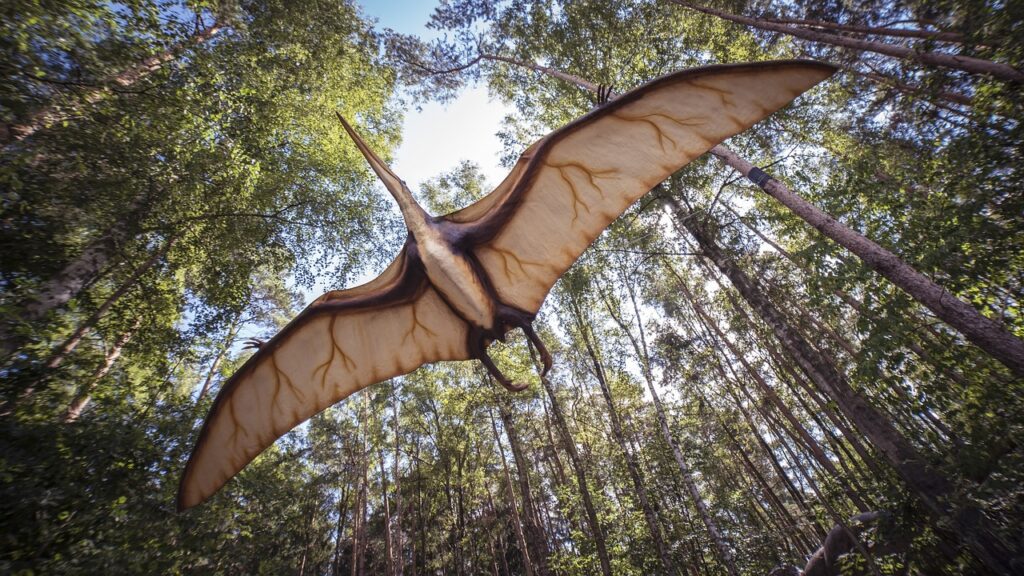
This family of strange, mysterious theropods was notable for their long necks and their large claws, but unlike most other theropods, they were herbivores, and the claws of Therizinosaurus were quite large, likely reaching a meter in length. Picture a dinosaur with sword-length claws that eats nothing but plants. Evolution has a weird sense of humor.
It was big enough that it could probably sit on the ground next to trees and use its claws to reach up and strip off vegetation, and the big gut was the best practical way to digest plant matter. Those massive claws weren’t for hunting but for defense and pulling branches closer. Its odd proportions made it very slow, so the giant arms likely helped fend off predators. Still, you wouldn’t want to accidentally startle one of these things.
Basilosaurus: The Walking Whale That Learned to Bite Like T. Rex
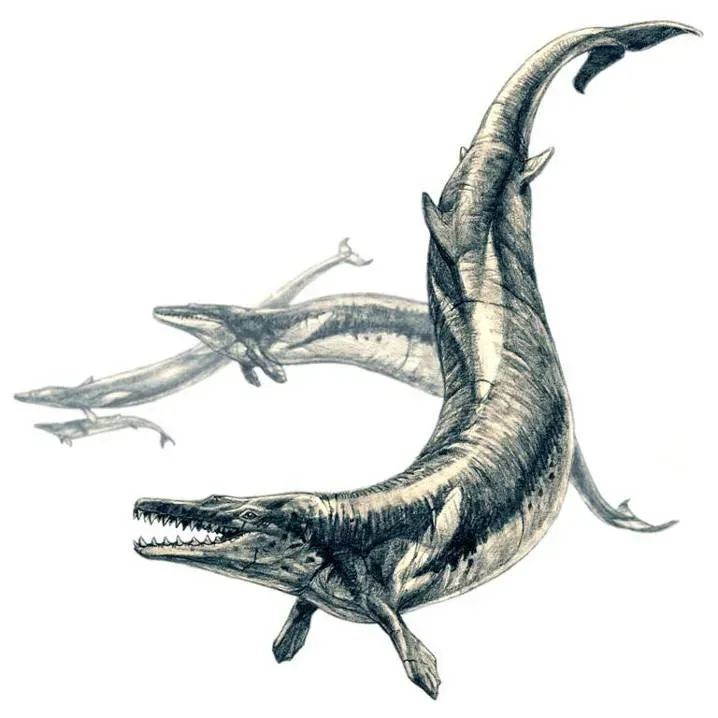
This 60-foot leviathan had a bite force to rival that of T. rex, which it put to good use cracking open the skulls of other, smaller whales. Here’s the thing that really gets me. Whales haven’t always been ocean-dwellers – their ancestors lived on land, and they moved to the water about 50 million years ago, experiencing some awkward in-between years before becoming the whales we know today.
Basilosaurus represents one of those transitional phases, though calling this apex predator “awkward” seems generous. Its three-foot skull housed jaws powerful enough to crush bone. Unlike modern gentle giants of the sea, Basilosaurus was a terrifying hunter that actively preyed on other marine mammals. Tooth marks on fossil whale skulls tell the brutal story of its feeding habits.
Dunkleosteus: The Armored Fish with a Staple Remover Mouth
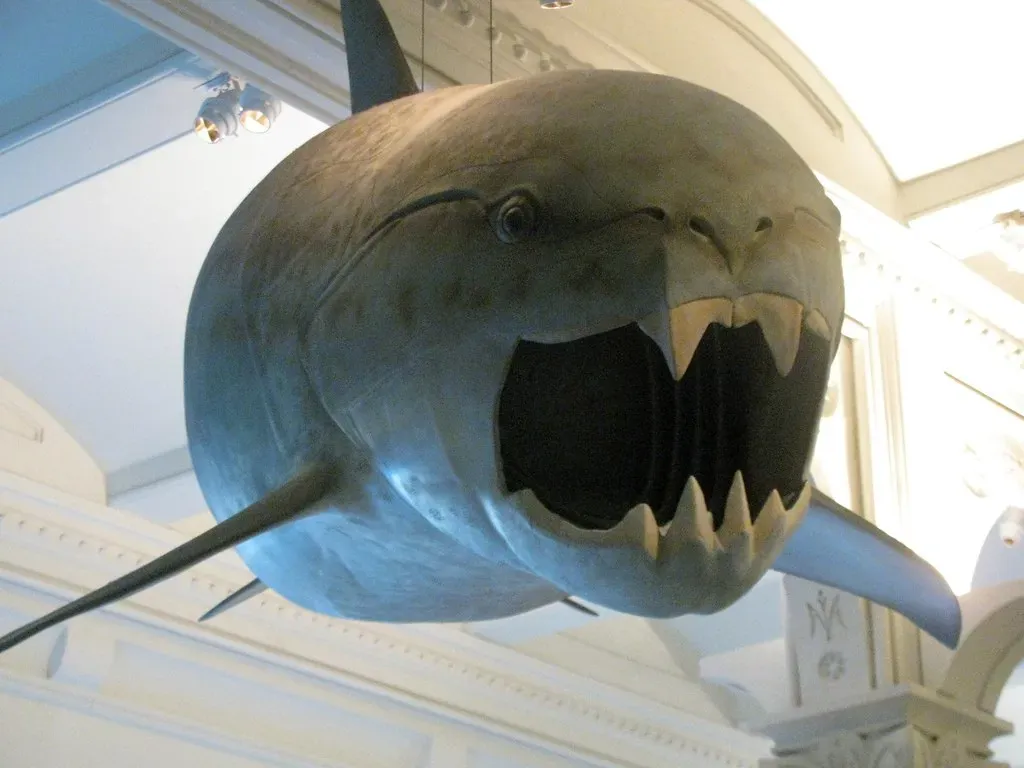
One of the scariest creatures ever to live in the ocean, this Devonian fish could grow up to 33 feet long, had an armored face, and likely had one of the strongest bites in history, using a beak-like mouth instead of teeth to devour its prey as one of the largest of the Placoderms, a group of armored fish that are now extinct.
Imagine a great white shark with a staple remover for a mouth and you have some idea of what Dunkleosteus looked like. Instead of traditional teeth, this nightmare of ancient seas possessed self-sharpening bony plates that could exert massive crushing force. Nothing in its environment was safe. The armored head and devastating bite made it the undisputed ruler of Devonian oceans. Modern fish should probably send thank-you notes that this monster went extinct 360 million years ago.
Conclusion
These seven creatures remind us that evolution doesn’t follow a predictable script. It experiments endlessly, creating forms that seem impossible until we find their fossils embedded in stone. From buzzsaw teeth to five-eyed hunters, from whale ancestors with crushing bites to gentle giants sporting meter-long claws, prehistoric life showcased creativity we can barely imagine.
The natural world tested countless designs over hundreds of millions of years. Most failed and vanished forever, but each taught evolution valuable lessons that shaped the animals we see today. These bizarre experiments weren’t mistakes. They were successful adaptations to environments completely alien to us.
What strikes me most is how each seemingly ridiculous feature served a real purpose. Nature doesn’t design for aesthetics. Every strange adaptation helped its owner survive, reproduce, and thrive in its particular world. Which of these ancient oddities surprises you most? Tell us in the comments.