
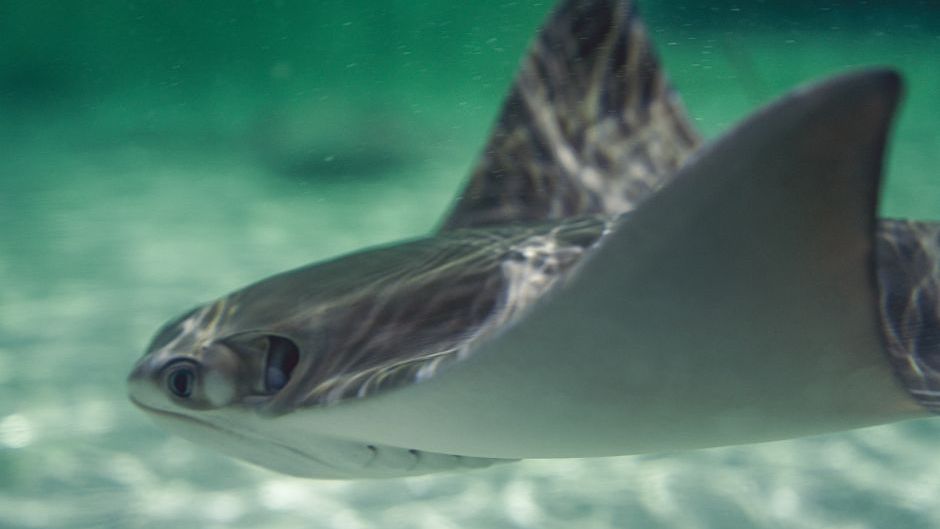
If you grew up thinking the dinosaur‑killing asteroid was a clean reset button that wiped the slate for modern life, the truth is a lot messier and, honestly, way more dramatic. The impact that ended the age of non‑avian dinosaurs was brutal, but it was not the neat Hollywood apocalypse we like to imagine. Some lineages crawled, swam, and slithered through the firestorm, rebuilt themselves in a shattered world, and then quietly ruled the planet for tens of millions of years while the dinosaurs were just fossils in the ground.
Here’s the uncomfortable twist: a surprising number of those survivors did fine against global darkness, acid rain, and mass starvation – but are now losing, fast, to highways, plastic, climate change, and fishing nets. They dodged one of the worst days in Earth’s history, only to stumble in the age of smartphones and skyscrapers. Let’s look at seven of these ancient winners, how they made it through the asteroid disaster, how they flourished afterward, and what happened when our species walked onto the stage and started rearranging everything.
1. Crocodilians: Ambush Survivors From the Age of Dinosaurs
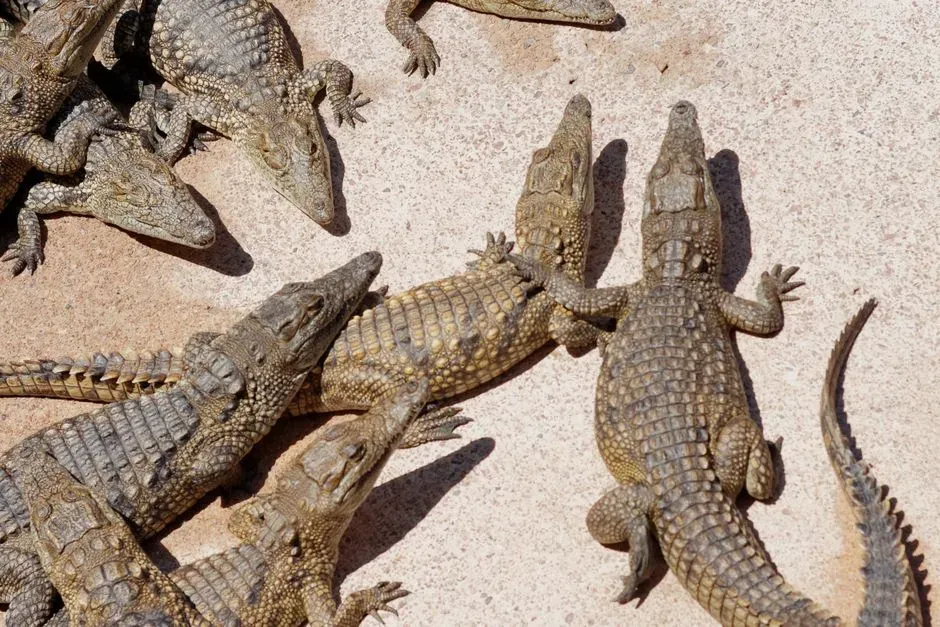
It still blows my mind that when you look into a crocodile’s eyes, you’re staring at a design that was already old when T. rex went extinct. Crocodilians – the group that includes crocodiles, alligators, caimans, and gharials – are direct descendants of a wider clan of reptiles that thrived alongside dinosaurs for millions of years. They survived the asteroid impact likely because they could hunker down in water, go long periods without food, and feed on almost anything that washed their way, from fish to decaying carcasses. In a post‑impact world where big plant‑eating dinosaurs were gone and food was scarce, that kind of low‑energy, opportunistic lifestyle was a winning strategy.
Once ecosystems stabilized, crocodilians spread and diversified in rivers, lakes, and coasts around the world, turning into top predators in many freshwater systems. Then humans arrived and flipped the script. Habitat loss, dam building, industrial river use, and hunting for leather hammered many species, pushing some to the edge. A few, like the American alligator, have bounced back with strong legal protection, but others, such as the gharial in India, are now hanging on with only a fraction of their former range left. The brutal irony is that these animals survived an era of meteorites and megafauna, but they may not survive a few more decades of sand mining, polluted rivers, and unregulated development.
2. Sharks: Ancient Ocean Predators in a Plastic Sea
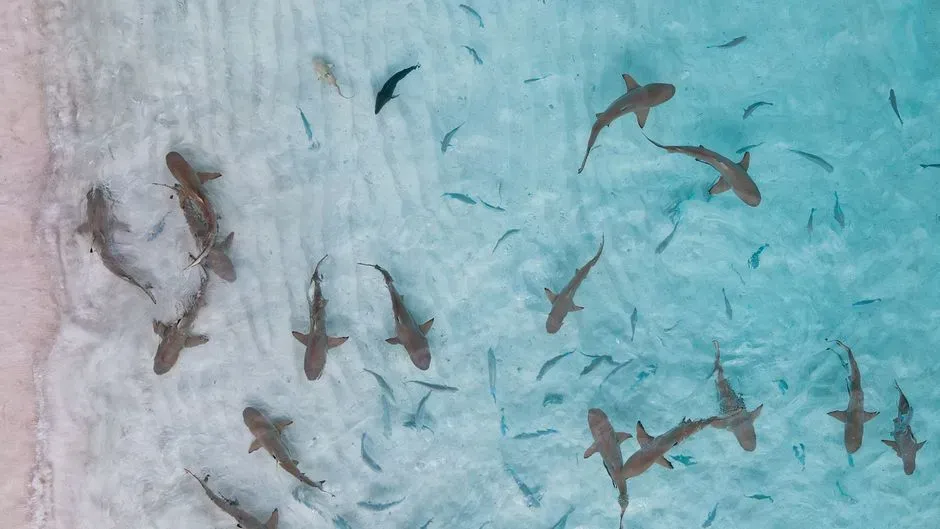
Sharks had already been patrolling the oceans for hundreds of millions of years before the asteroid hit, which means they had seen other mass extinctions and lived to tell the tale, so to speak. When marine ecosystems crashed at the end of the Cretaceous, many shark species did disappear, but the group as a whole endured. Some early forms shrank in size, others shifted diets, and many retreated into deeper or more stable habitats where food webs were less devastated. Over time, new shark lineages evolved to dominate different ocean roles, from filter‑feeding giants to lightning‑fast open‑water hunters.
They survived global darkness and a collapsing food chain, but modern humans have become an extinction event with fishing gear. Industrial longlining, finning, and bycatch have shredded shark populations across the world’s oceans, pulling out top predators that took millions of years to refine. Add in warming seas, shifting currents, and pollution, and you get a bizarre situation: an animal tough enough to outlast the dinosaur apocalypse is being outcompeted by the market demand for shark fin soup and cheap seafood. To me, it feels like tearing the engines out of an airplane while it’s still in the air and hoping the flight still goes smoothly.
3. Turtles: Armored Time Travelers Under Siege
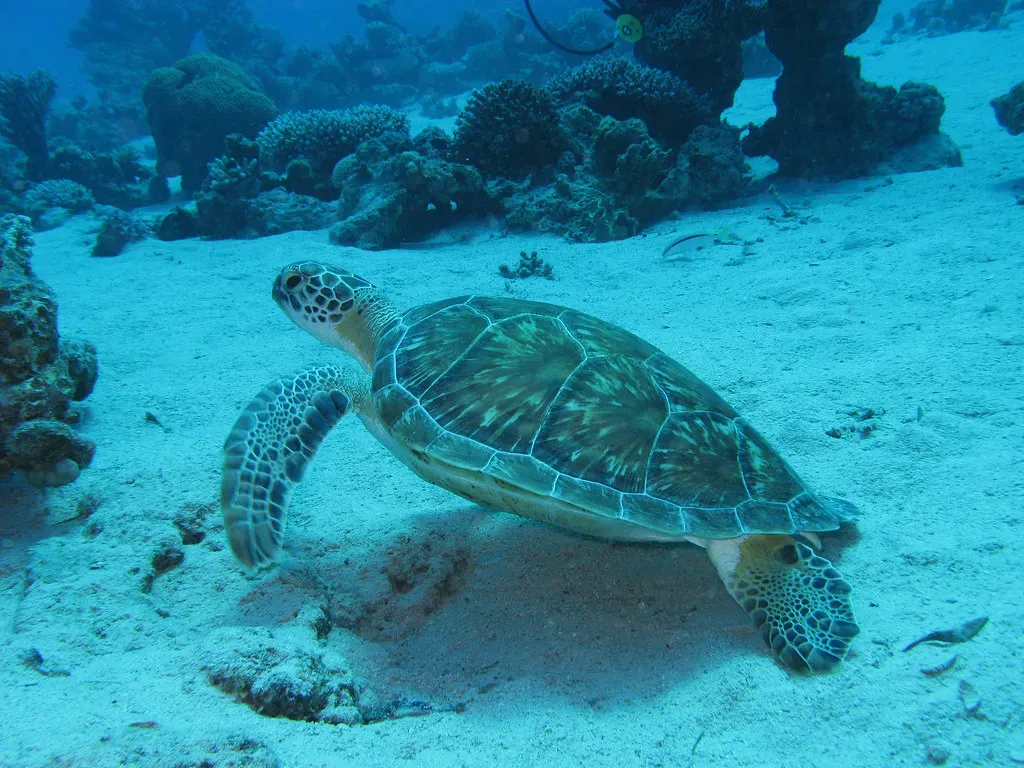
Turtles are the quiet overachievers of prehistory. Their basic body plan – a protective shell, slow metabolism, and a generally unhurried pace – turns out to be exactly the kind of design that can ride out cataclysms. When the asteroid hit, many large, specialized animals vanished, but turtles, especially those in freshwater habitats, could hide in mud, lower their activity, and wait out the leanest times. They could feed on anything from plants to carrion, and their eggs, laid in relatively protected areas, gave them at least a chance of continuity in a shattered ecosystem.
Fast‑forward to today, and I’d argue turtles are some of the clearest examples of how human pressure can break even the best survival strategies. Sea turtles now face lights on beaches that disorient hatchlings, plastic bags that look like jellyfish, and fishing nets that do not care how ancient their lineage is. Freshwater turtles deal with wetland drainage, road mortality, and the pet trade. These creatures with deep evolutionary patience are suddenly up against a pace of change that does not match their slow life histories. In a way, we turned their greatest strength – their slowness – into a liability by making the world change faster than they can possibly adapt.
4. Birds: The Last Dinosaurs Learning to Dodge Skyscrapers
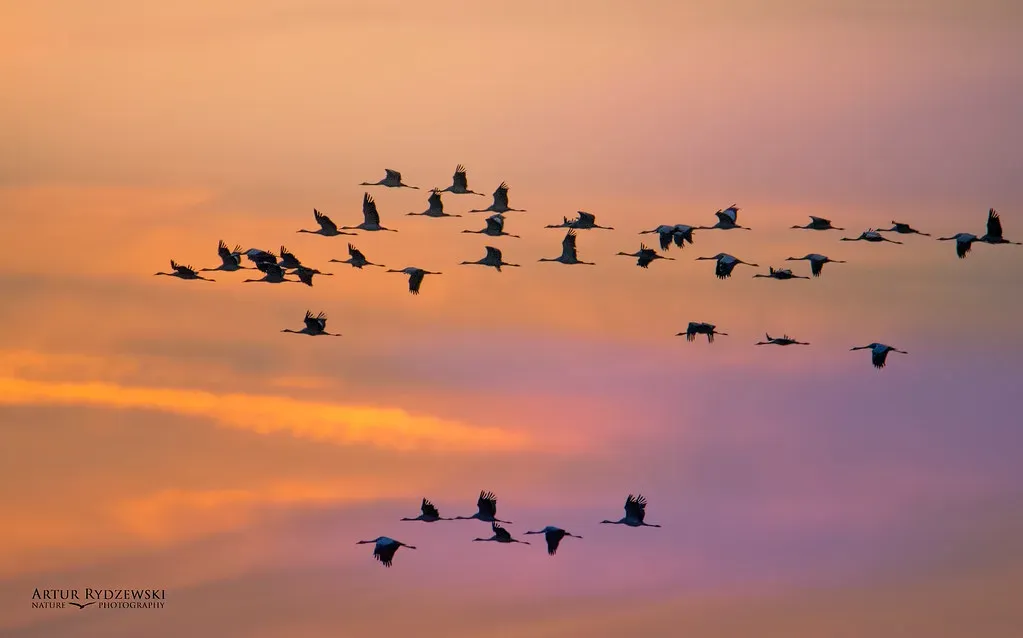
It can feel strange to say it, but birds are technically dinosaurs, just the feathered, flight‑capable survivors of a family that mostly did not make it past the asteroid. While the big, ground‑dwelling species like T. rex disappeared, small, beaked, likely omnivorous birds appear to have had several advantages. They ate seeds, insects, and anything else they could find, allowing them to survive when big plants died back and food chains collapsed. Some could likely shelter in forests or near water, and their ability to fly meant they could leave devastated areas and search for pockets of resources in a broken world.
From that handful of survivors, birds exploded into the ten‑thousand‑plus species we know today, filling almost every niche from penguins in polar seas to hummingbirds in tropical forests. Yet humans have turned Earth into an obstacle course of glass windows, cats, pesticides, and disappearing habitat. Urban lights throw off migration, intensive agriculture rips apart nesting sites, and climate shifts move the goalposts faster than many species can follow. The tragic part is that birds have already proven they can rise from disaster to dominate the skies, but our buildings, chemicals, and land use are quietly causing declines that are hard to see until it is almost too late. We may be witnessing a second, slower extinction of dinosaurs, and this time the asteroid is us.
5. Ray-Finned Fishes: The Quiet Winners of a Ruined Ocean
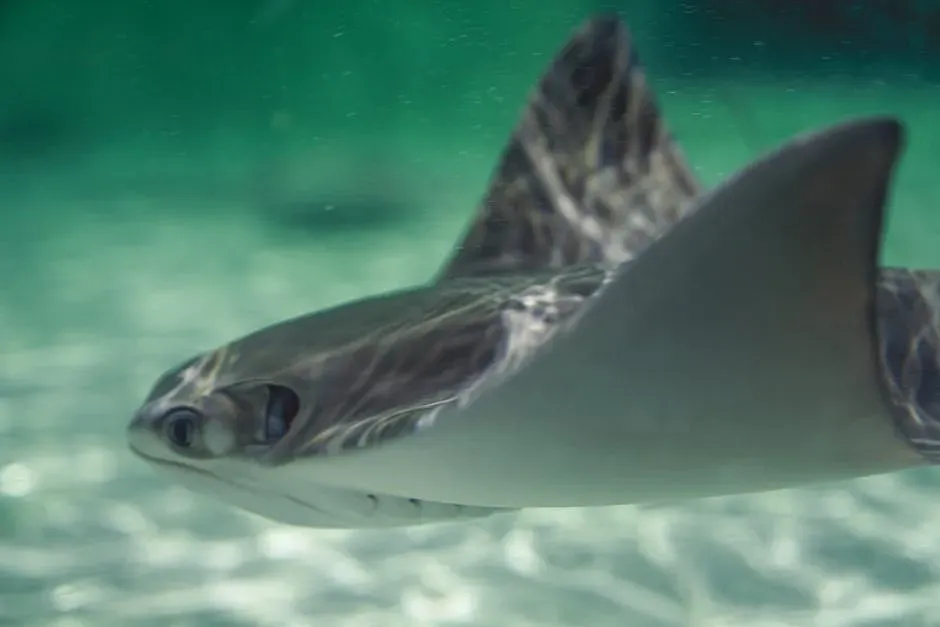
While dinosaurs stole the spotlight on land, the oceans had their own dramas, and ray‑finned fishes were already major players before the asteroid struck. This gigantic group includes most of the fish people know – from tiny reef dwellers to tuna and salmon. When the impact disrupted marine food webs, not all fishes were hit equally. Many larger, specialized marine reptiles and some big predatory fish vanished, but smaller, more flexible species of ray‑finned fishes often hung on. Their rapid reproduction, diverse feeding strategies, and ability to exploit different water depths and temperatures gave them a resilience that proved vital in a chaotic ocean.
Over tens of millions of years, they exploded into a mind‑bending variety of forms, filling coral reefs, rivers, lakes, and open seas with color and movement. But if you look at today’s oceans, it is obvious that humans have turned these quiet evolutionary winners into dwindling resources. Overfishing, bottom trawling that rips up seafloor habitat, dams that block migrations, and warming waters that bleach reefs are all heavy blows. I sometimes think of modern commercial fishing fleets as the asteroid’s spiritual successor, scouring ecosystems so quickly that evolution cannot keep up. The fish that once thrived after dinosaurs vanished are now squeezed between our appetites and a rapidly changing ocean chemistry.
6. Mammals: From Shrew-Like Nobodies to Planet Architects
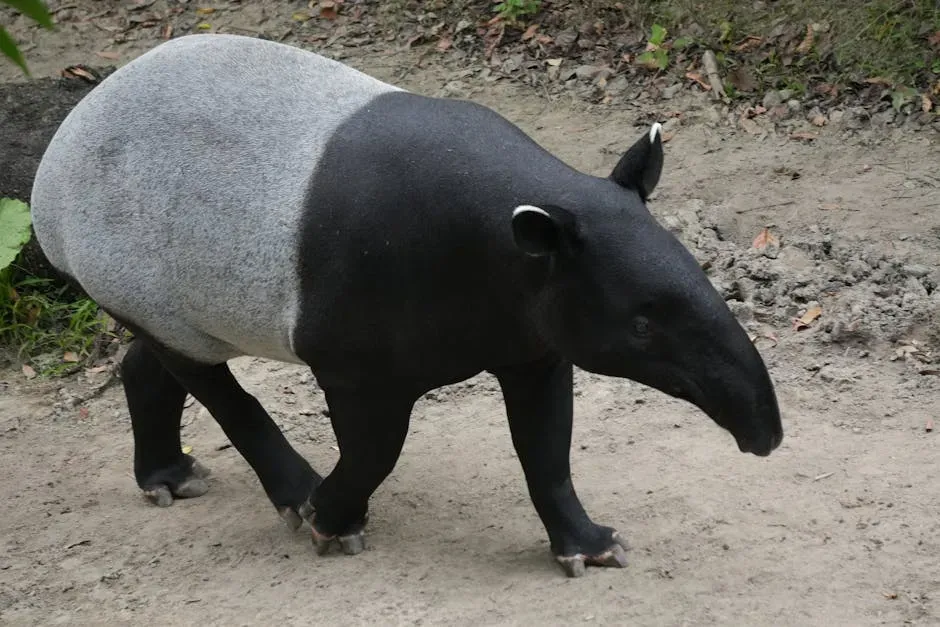
Before the asteroid, most mammals were small, nocturnal creatures living in the shadow of the dinosaurs, literally and ecologically. That turned out to be a strange form of preparation. When the asteroid impact set forests ablaze and plunged the world into darkness, being small, warm‑blooded, and capable of eating insects, seeds, and whatever else they could find gave early mammals an edge. Many could shelter underground or in crevices, reproduce relatively quickly, and adapt their behavior faster than lumbering giant reptiles. Once the dinosaurs were gone, these scrappy survivors had an open field of opportunities to explore.
What followed is one of the most dramatic success stories in Earth’s history: mammals evolved into bats, whales, big cats, primates, and eventually us. And here is where it gets uncomfortable, because humans are both the greatest success of the mammal experiment and its most ruthless critic. We have driven other mammals to extinction through hunting, habitat destruction, and invasive species, from mammoths in the past to rhinos and great apes today. If you zoom out, it almost looks like the group that once cheated death at the end of the Cretaceous is now being pruned back by one of its own branches. The meteor gave mammals a chance; our behavior now decides how many of them get to keep it.
7. Horseshoe Crabs: Living Fossils Meeting Modern Medicine
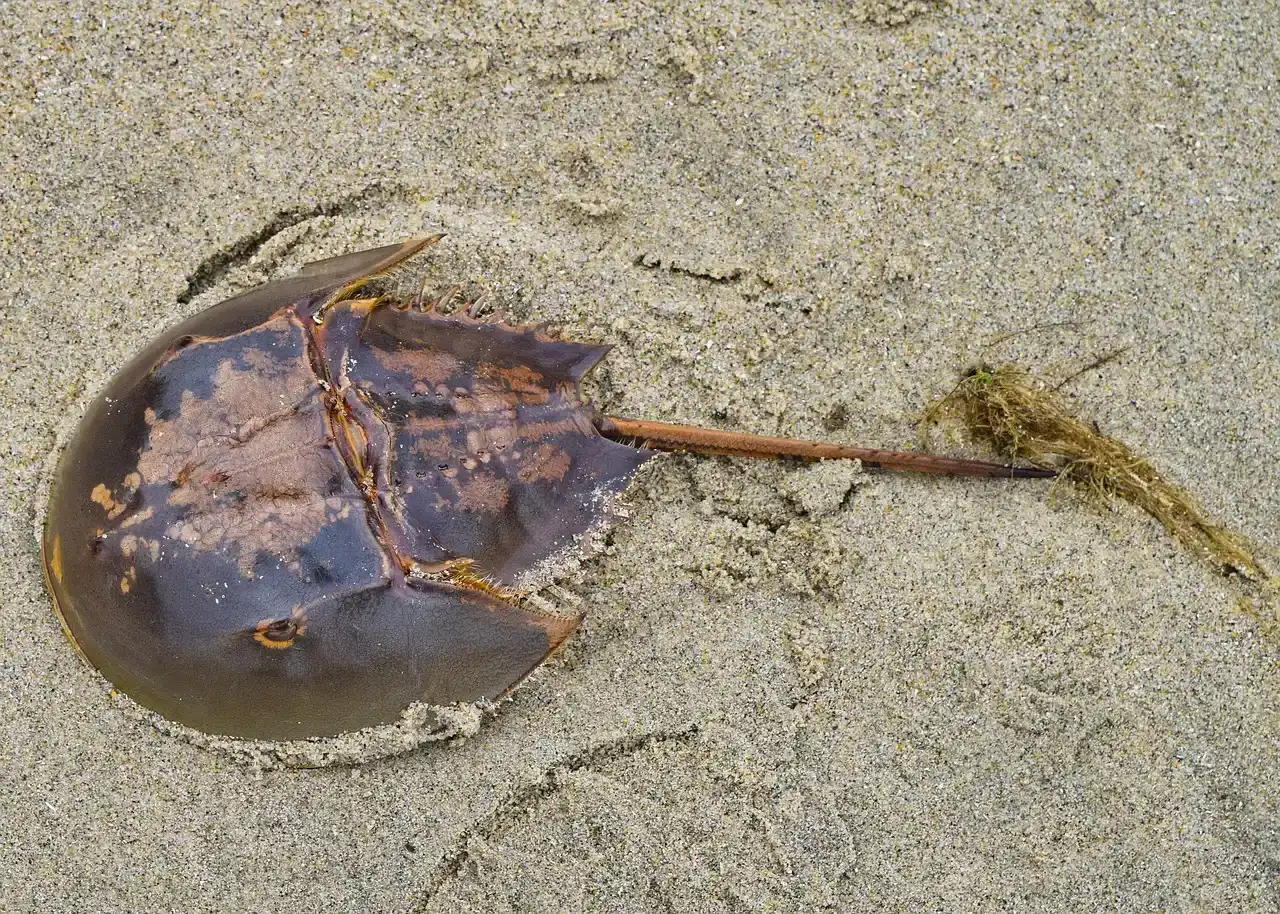
Horseshoe crabs are older than the dinosaurs, older than the asteroid, and honestly older than most of the things we casually call ancient. They survived multiple mass extinctions by sticking to a simple, low‑maintenance lifestyle: scuttling along shallow seafloors, eating worms and small animals, and laying huge numbers of eggs on beaches. Their tough exoskeletons and ability to tolerate changes in oxygen and salinity helped them weather wild swings in climate and sea level over geological time. When the asteroid hit, they did what they had always done – endure, reproduce, and wait out the chaos.
For most of human history, we barely noticed them, but modern society found an unusual use: their blue blood is incredibly sensitive to bacterial toxins and is used to test the safety of medical products. That discovery turned horseshoe crabs into a heavily harvested resource in some regions, on top of coastal development and beach disturbance that already threaten their spawning grounds. Shorebirds that rely on their eggs during migration feel the impact too, creating a cascade of stress in coastal ecosystems. To me, it feels almost poetic and a bit unsettling that an animal that coasted through planetary disasters is now entangled with hospital supply chains and pharmaceutical regulation. They survived fire from the sky, but they might not survive our demand for sterile syringes and oceanfront property.
Conclusion: The Asteroid Wasn’t the End – We Might Be
When you step back and look at these seven lineages together, a pattern jumps out that is hard to ignore: what the asteroid killed in a geological instant, humans are unpicking slowly but relentlessly. Crocodilians, sharks, turtles, birds, fishes, mammals, and horseshoe crabs all passed one of the hardest stress tests life has ever seen, and for millions of years after, they were some of evolution’s biggest success stories. The fact that so many of them are now in trouble tells you that our footprint is not just large; it is qualitatively different from the natural challenges they evolved to face. Asteroids do their damage and move on. We build roads, industries, and habits that grind on, day after day.
My own view is blunt: if a creature can outlast global firestorms and poisoned oceans but cannot withstand our fishing nets, bulldozers, and buying habits, the problem is not with the creature. We like to cast the dinosaur extinction as an inevitable twist in Earth’s story, but the pressure we are putting on these survivors is a choice, not fate. The eerie question we should sit with is not just which of these ancient lineages will still be around in a few centuries, but whether we want to be remembered as the species that finished what the asteroid started – or the one that finally decided to stop acting like an extinction event. Which side of that story do you really want us to be on?