Imagine scrolling through your feed one morning and seeing a live stream, not of some dog rescue or celebrity drama, but of a mammoth-sized reptile crawling out of the ocean or a bear with claws longer than your fingers sprinting toward a camera. You would not calmly sip your coffee and analyze its ecological impact. You’d probably freeze, swear, and then run. There’s something about truly ancient animals that scrapes right at our instincts; they look like glitches from another version of Earth, one we were never meant to see up close.
What makes this even more unsettling is that these creatures were not fantasy monsters. They were real, they ruled their ecosystems, and they were often perfectly adapted killing machines. Many were bigger, faster, or just weirder than anything alive today. If even one of them showed up in a modern city or at your favorite beach, it would shut society down for a while. Let’s walk through seven prehistoric creatures that, if they reappeared today, would send modern humans into full-scale panic mode.
1. Spinosaurus – The River-Stalking Super Predator
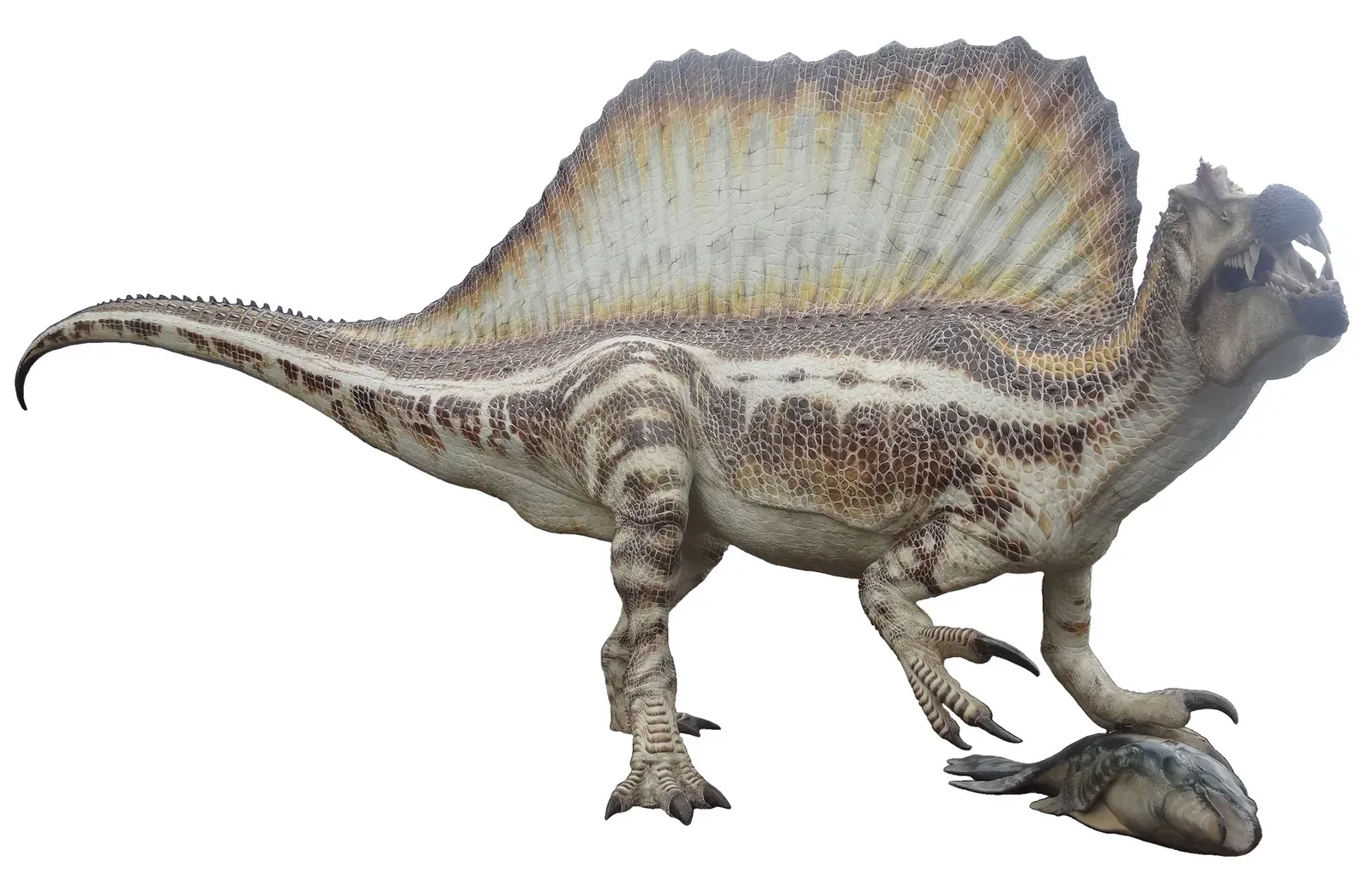
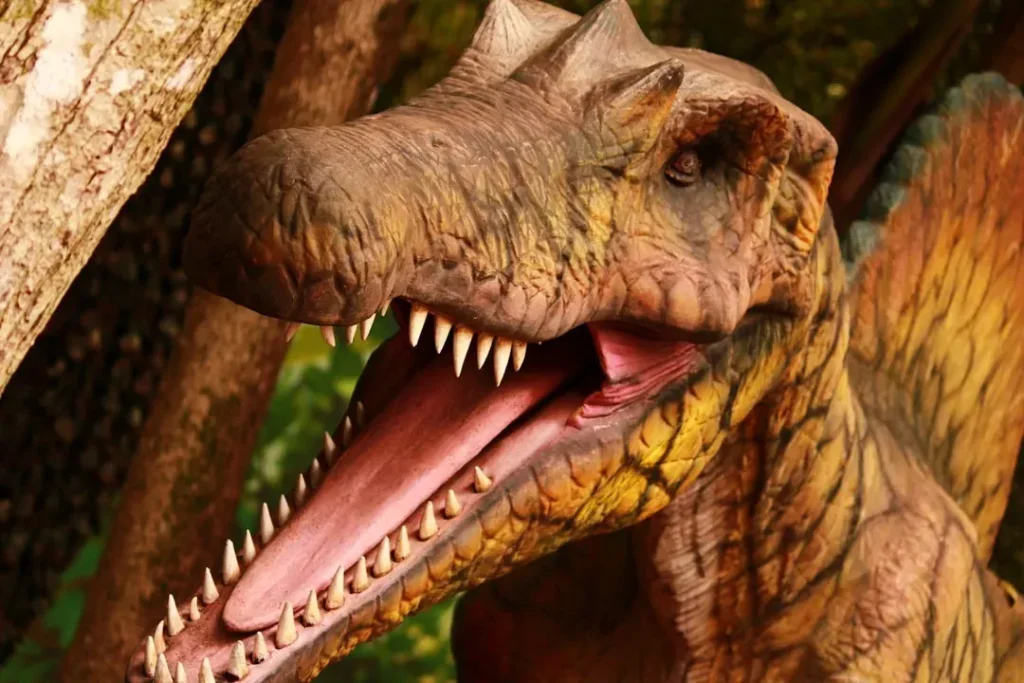
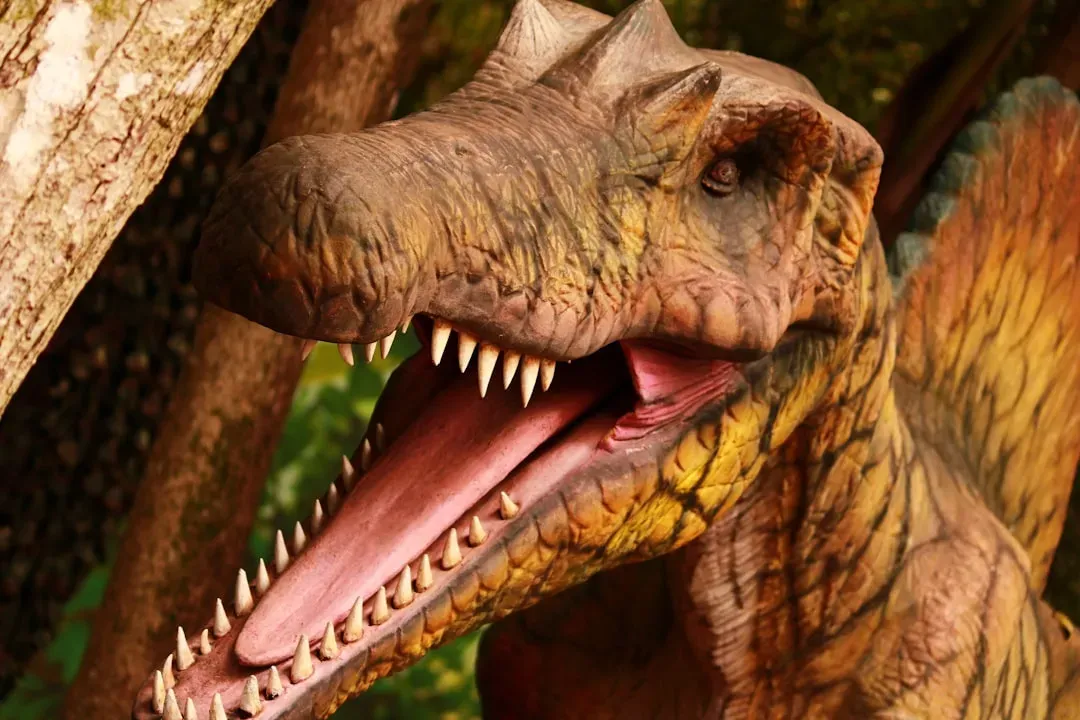
Here’s a fun nightmare: a predator longer than a city bus, built like a cross between a crocodile and a heron, that hunts in rivers and swamps and can pull you straight out of your fishing boat. That is roughly what Spinosaurus was, a gigantic theropod dinosaur living about ninety to one hundred million years ago in what is now North Africa. It is generally considered one of the largest carnivorous dinosaurs ever discovered, even edging out or rivaling Tyrannosaurus rex in body length, with estimates in the fifteen to eighteen meter range depending on the reconstruction. Paleontologists think it had dense bones and a long, low skull packed with conical teeth, perfect for grabbing slippery prey like massive fish and possibly anything unlucky enough to be near the water’s edge.
If Spinosaurus appeared today, coastal towns and river communities would instantly become horror-movie sets. Picture one of these things surfacing near a crowded marina, its tall sail slicing through the water like a drifting billboard of doom. Modern humans are already wary of normal-sized crocodiles and sharks; a semi-aquatic carnivore the size of a truck convoy would end beach tourism overnight. Drones would be deployed, navies would get nervous, and social media would light up with shaky videos of that sail cutting across murky water while people in the comments argue whether it’s real or some elaborate hoax. Living in a world with Spinosaurus wouldn’t just be scary; it would fundamentally change how we treat rivers and shorelines.
2. Megalodon – The Ocean’s Ultimate Jump Scare
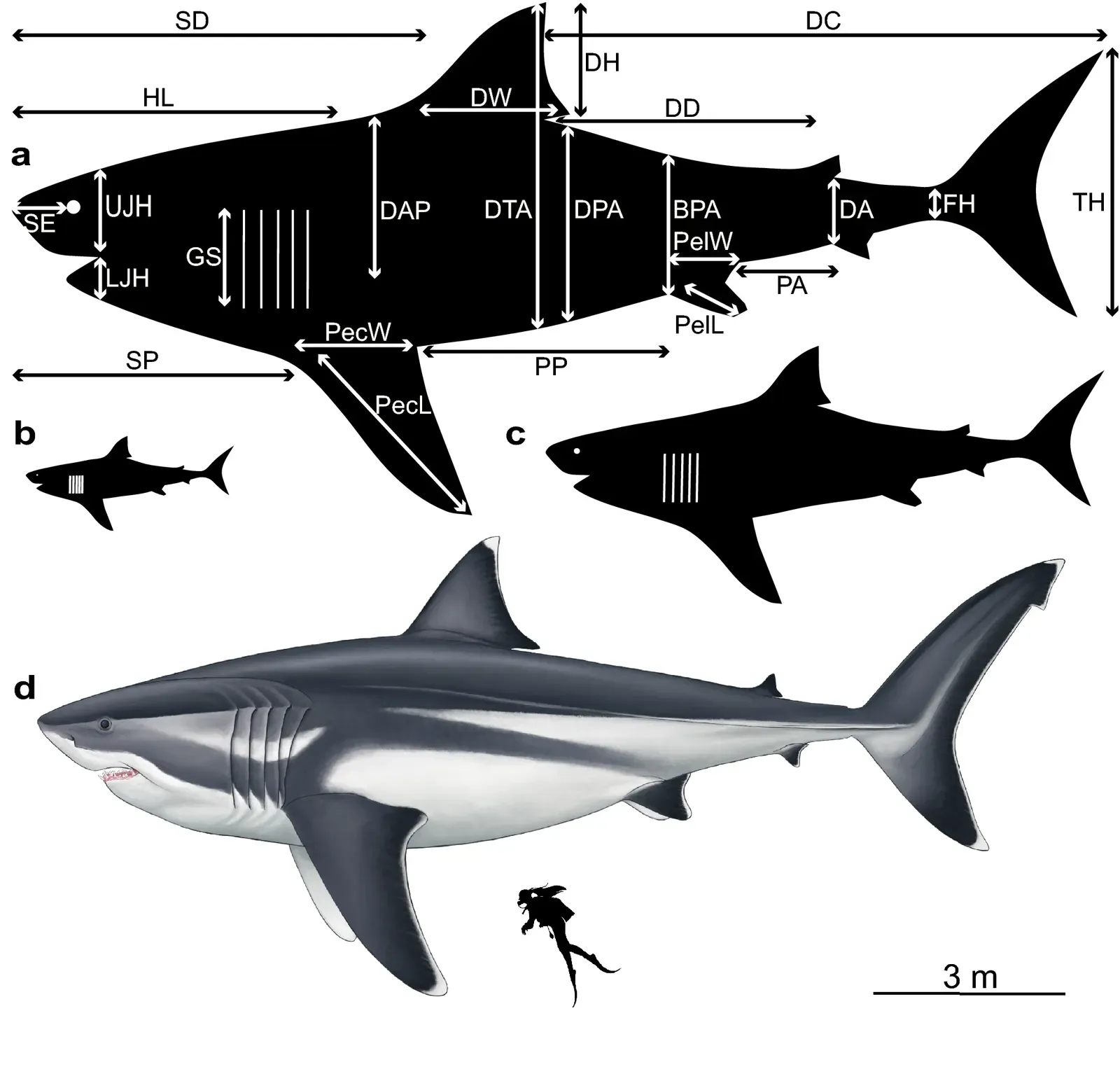
Most people already feel a little uneasy in deep water, even when the worst thing around is a curious dolphin. Now imagine knowing that somewhere below you lurks a shark that could bite a small boat in half. Megalodon, the extinct giant shark that lived roughly between twenty‑three and three and a half million years ago, is one of the most panic-inducing animals humans can even imagine. Its exact size is debated, but conservative scientific estimates suggest lengths well over fifteen meters, with some reconstructions going higher. Its jaws were enormous, lined with thick, triangular teeth bigger than your hand, and the bite force modeling suggests it could crush bone and shell with absurd ease.
Drop a few Megalodons into today’s oceans and shipping routes, cruise lines, and coastal economies would lose their minds. Think about viral footage of a container ship with a moving, shadowy mass pacing beneath it, or a whale carcass disappearing in a violent froth as something far too big takes a bite. Even if Megalodon rarely encountered humans, the sheer fear of what might be under the surface would be enough to empty beaches and marinas for months. It would be the end of relaxed ocean swimming; every dark shape below the waves would become a potential reason to sprint back to shore. Our illusion that the sea is mostly “managed” by humans would vanish overnight.
3. Titanoboa – The Train-Sized Snake From Hell
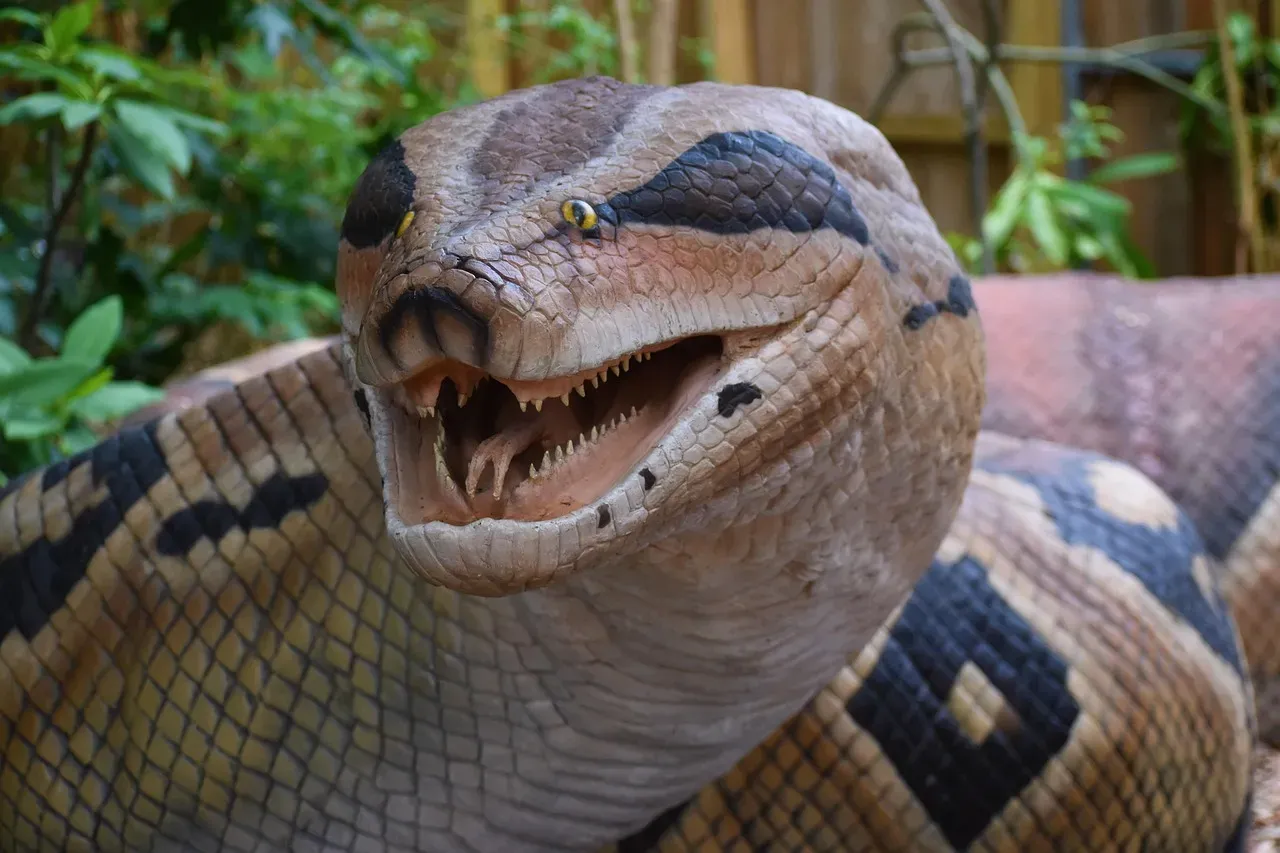
If you’ve ever felt uneasy around a normal snake, your brain is absolutely not prepared for Titanoboa. After the age of the dinosaurs, around sixty million years ago, the world warmed, and in the tropical forests of what is now northern South America slithered a snake estimated at over twelve meters long, with a body as thick as an oil drum. This was essentially a living muscle coil, probably capable of crushing large prey with terrifying efficiency. In the dense, swampy environments it called home, Titanoboa would have moved like a living log that suddenly came alive, taking down massive fish or even crocodile-like reptiles.
Now put Titanoboa into a modern rainforest, or worse, somewhere near a human settlement. Imagine drone footage showing a “fallen tree” in a flooded field that suddenly moves, revealing a head the size of a human torso. Emergency services would be swamped by calls, military units would be deployed in jungle gear, and conspiracy theories would explode overnight. Just knowing that a snake long enough to block a two-lane road existed in the wild would make hiking, camping, and even driving near certain regions feel like signing up for an extreme sport. Modern humans already panic over a harmless snake in the garden; Titanoboa would be psychological warfare on a continental scale.
4. Quetzalcoatlus – The Flying Giant That Turns Skies Hostile
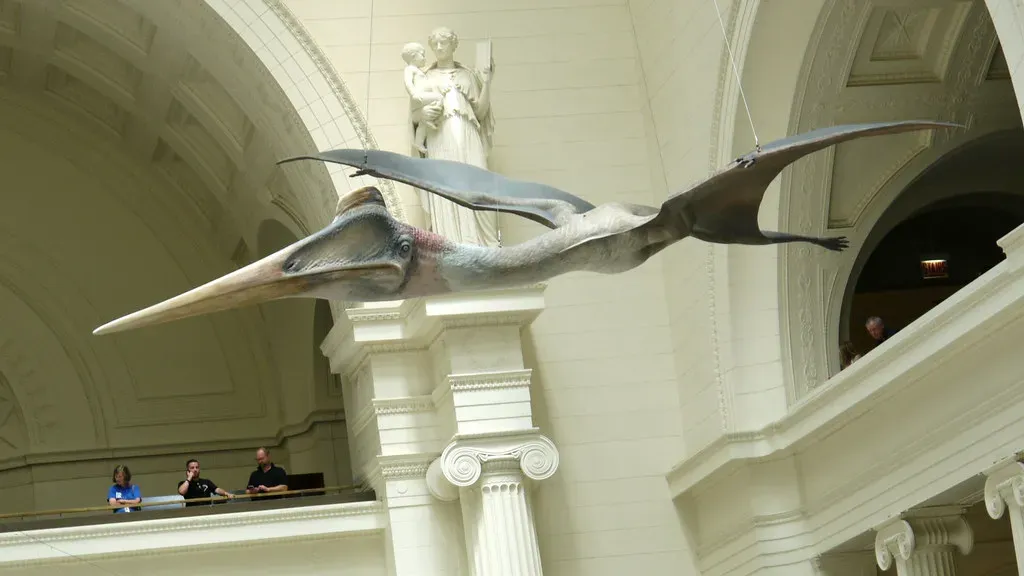
For most of us, the sky is where the scary things are small: birds, bugs, maybe the odd bat. Quetzalcoatlus would erase that comfort in a single wingspan. This pterosaur, which lived around seventy million years ago, is one of the largest known flying animals in Earth’s history, with wingspans estimated around ten meters or more, roughly comparable to a small airplane. On the ground it would have stood as tall as a giraffe, stalking around on long limbs like some skeletal, beaked stilt-walker. Scientists think it may have scavenged or hunted on land, using its long, toothless beak to snatch prey or pick at carcasses.
Picture one of these dropping into a modern suburb, gliding silently over rooftops before folding its wings and landing near a highway. Every car would slam on the brakes. People would fumble their phones trying to capture video while simultaneously ducking for cover. Airports would shut down flight paths at the first sighting; no pilot wants to share airspace with something that could smash through a cockpit like a thrown tree. Even if Quetzalcoatlus mostly ignored humans, the fear of a shadow that covers half a street, the sound of massive wings beating overcity skylines, would keep entire populations looking nervously upward. The sky itself would stop feeling safe.
5. Andrewsarchus – The Nightmare “Mammal Tank”
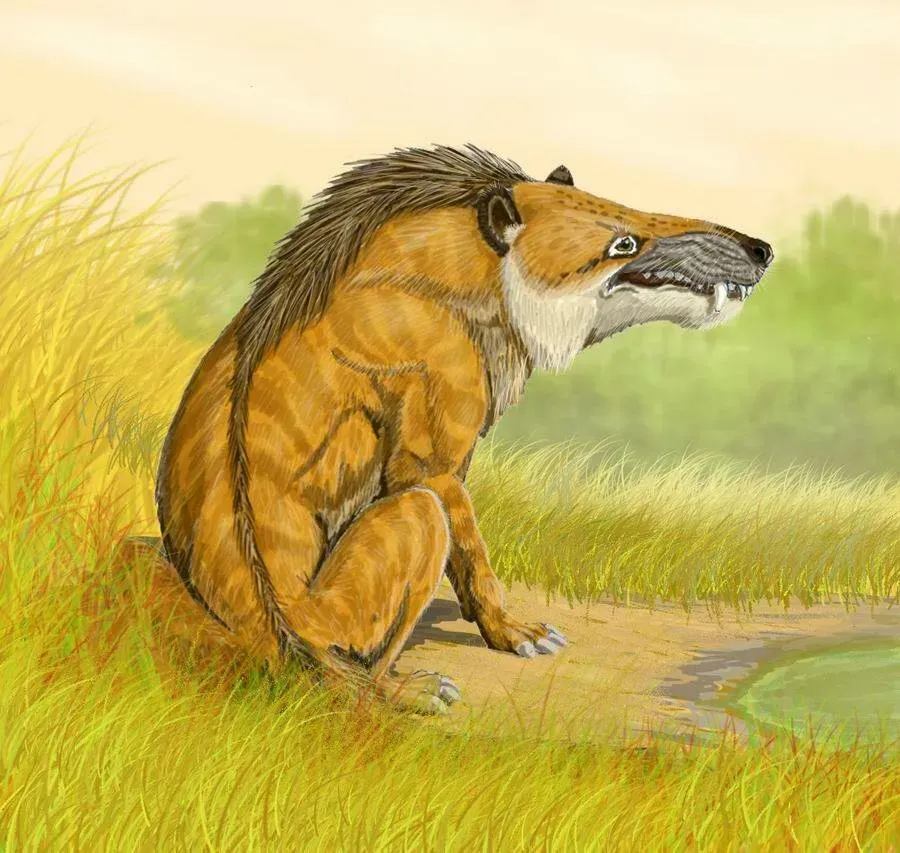
When people picture prehistoric terror, they usually jump straight to dinosaurs, but the mammal side of evolution had its own share of nightmare fuel. Andrewsarchus, which roamed roughly forty million years ago, is known mostly from a giant skull, but that skull alone is enough to make your pulse jump. It suggests an animal with a massive, elongated head armed with powerful jaws, likely capable of crushing hard food or bone. Reconstructions portray it as a heavily built, wolf-like or boar-like creature larger than any modern terrestrial carnivore, straddling a strange evolutionary place among early hoofed mammals.
If one of these lumbering predators were roaming a modern countryside, it would be like dropping a tank-sized hyena into rural communities. Farmers would wake up to shredded fences, missing livestock, and tracks big enough to bathe a small dog in. Wildlife agencies would scramble to explain what it is while trying to prevent open-season chaos from terrified locals. Even in cities, the idea that such a thing could exist just a few hours’ drive away would change how people perceive “the wild.” Camping trips, backroad drives, and even late-night walks would gain a new, unsettling edge, because somewhere out there could be a mammal that looks at a modern bear and treats it like casual competition.
6. Megatherium – The Ground Sloth That Could Knock Over Trucks
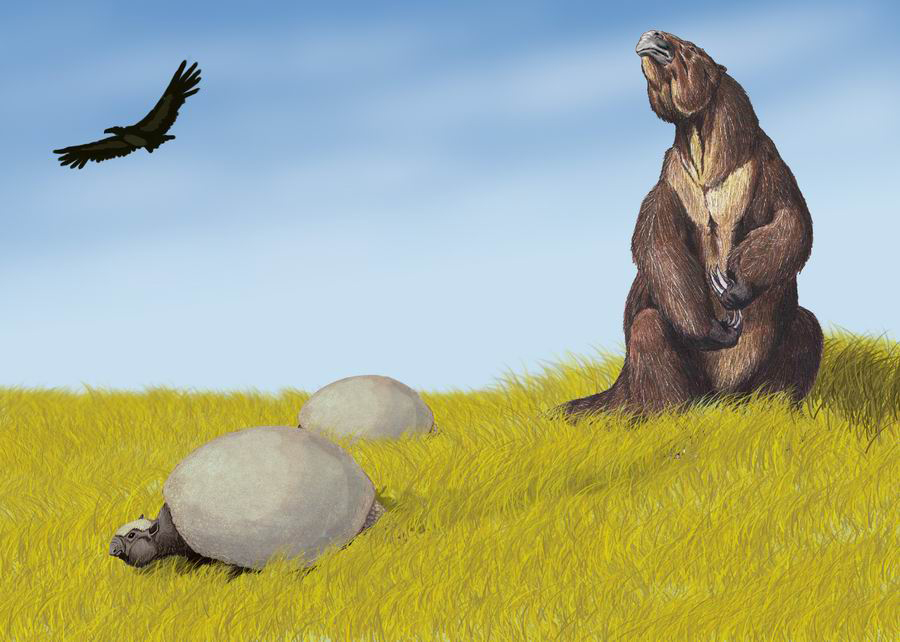
The word “sloth” makes you think of a cute, sleepy tree-dweller, but Megatherium, the giant ground sloth that lived until around the end of the last Ice Age in parts of South America, would wipe that image clean. This animal could reach the size of a small elephant, with huge claws and massive muscles that allowed it to rear up and pull down entire branches or even small trees. Though evidence suggests it was primarily herbivorous, its sheer size and strength would make it an intimidating neighbor. Standing upright, it could tower over a person like a slow-moving building, with arms capable of swatting aside obstacles that would stop a truck.
Drop a Megatherium into a modern landscape and, even if it never meant harm, it would cause chaos just by existing. Imagine one wandering through a rural town, leaning on a power pole the way you or I might rest on a lamppost, and accidentally ripping down the lines. Traffic would stop as this shaggy colossus casually crossed highways, oblivious to honking cars and screaming humans. Social media would love it at first – adorable giant sloth memes everywhere – but that enthusiasm would fade the moment one wandered into a neighborhood and flattened suburban fences like matchsticks. Humanity tends to panic when it realizes it cannot physically control something, and Megatherium would be one big, slow reminder of that.
7. Short-Faced Bear (Arctodus) – The Sprinting Ice Age Terror
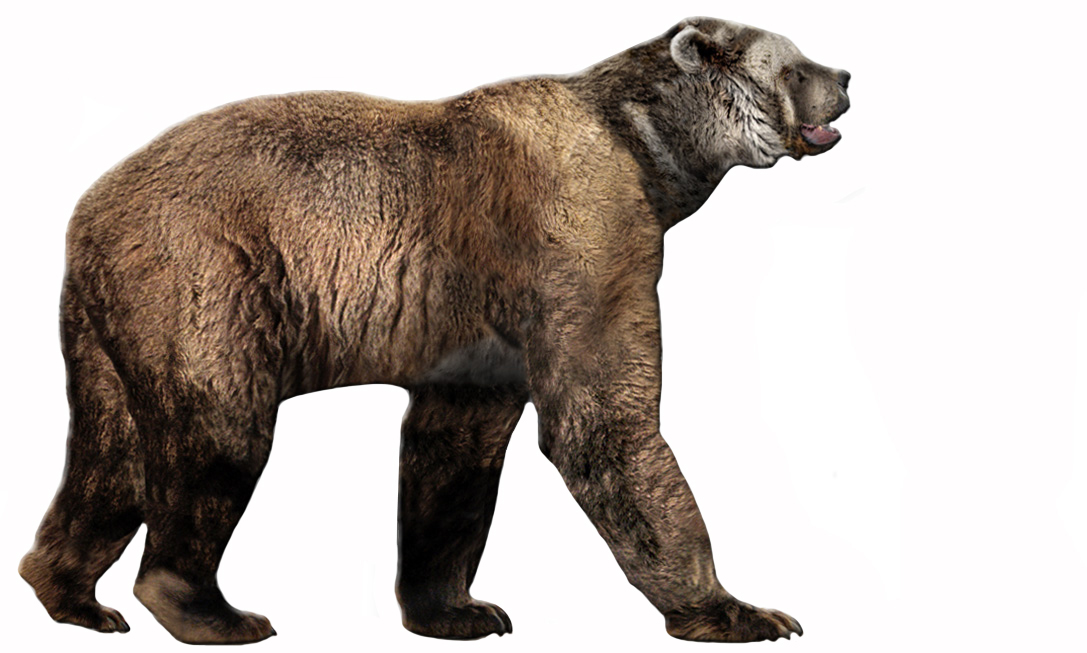
As if modern bears were not intimidating enough, the extinct short-faced bear, often referred to by its genus name Arctodus, takes things to another level. Living in North America during the Ice Age, some species of these bears are estimated to have stood towering over humans when on their hind legs, with long limbs and a body built less like a lumbering grizzly and more like a terrifying, overclocked predator. Studies have suggested it could potentially run at speeds that would leave a human utterly helpless in open terrain, turning any encounter at distance into a countdown, not an escape.
Now imagine one of these moving through a modern national park or wandering near mountain towns that are already nervous about regular bear encounters. Campgrounds would empty, hiking trails would close indefinitely, and emergency alerts would become a daily ritual. Park rangers would go from giving friendly safety talks to coordinating with military units about tranquilizers, drones, and evacuation plans. The knowledge that something that big, that fast, and that curious about carcasses and maybe your food supply is out there would keep people glued to news updates. Humans like to pretend we’re at the top of every food chain on Earth; a short-faced bear casually disproving that on live TV would shake that belief violently.
Conclusion: Panic as a Reminder That We Are Not the Main Character
Thinking about these prehistoric creatures crashing into modern life is entertaining, but it also pokes at something uncomfortable: we are deeply used to being in charge. Our cities, roads, farms, and beaches feel like the default state of the planet, and the animals that still scare us – sharks, crocodiles, big cats – mostly do so at the margins. Drop in a Spinosaurus or Megalodon, and that illusion shatters. Suddenly, humans are not clever apex managers; we’re just another nervous species glancing over our shoulders. Personally, I find that humbling in a good way. It’s a bit like realizing the universe is not built around your schedule; unsettling at first, but strangely healthy.
In a way, our hypothetical panic at these creatures is a reminder of how edited and softened the modern world really is. The deep past was not designed for our comfort, and life then ran on rules that did not care about our fear threshold or vacation plans. Would any of us actually want to live alongside Titanoboa or a short-faced bear? Probably not. But imagining it can shake us out of our self-importance and remind us that Earth has hosted far stranger, wilder tenants than us. Maybe the real question is not whether we could survive them, but whether we truly understand just how lucky we are that we do not have to. If one of these animals walked past your window tomorrow, how fast would your idea of “being in control” collapse?