
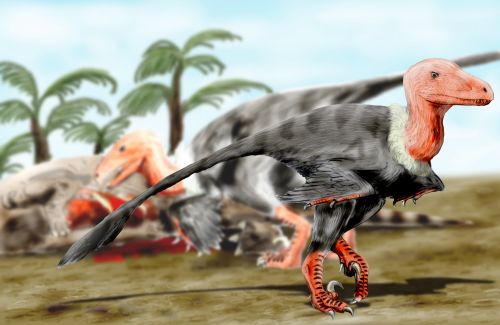
Imagine walking onto a beach where every shadow might belong to something that sees you as snack-sized. In the prehistoric world, that was normal life. Some of the most fearsome hunters were not just dangerous; they were specialists at taking down victims that were much bigger, heavier, and stronger than they were. These were animals that turned hunting uphill battles into a way of life.
What fascinates me most about these predators is how unapologetically optimized they were for impossible tasks. They did not “fight fair,” and nature rewarded them for it. From saber-toothed cats that gambled everything on one perfect bite, to marine reptiles that weaponized teamwork and speed, these hunters show how evolution loves a bold strategy. Let’s dive into seven prehistoric predators that were literally built to punch far above their weight class.
1. Deinonychus: The Small Raptor That Helped Topple Giants
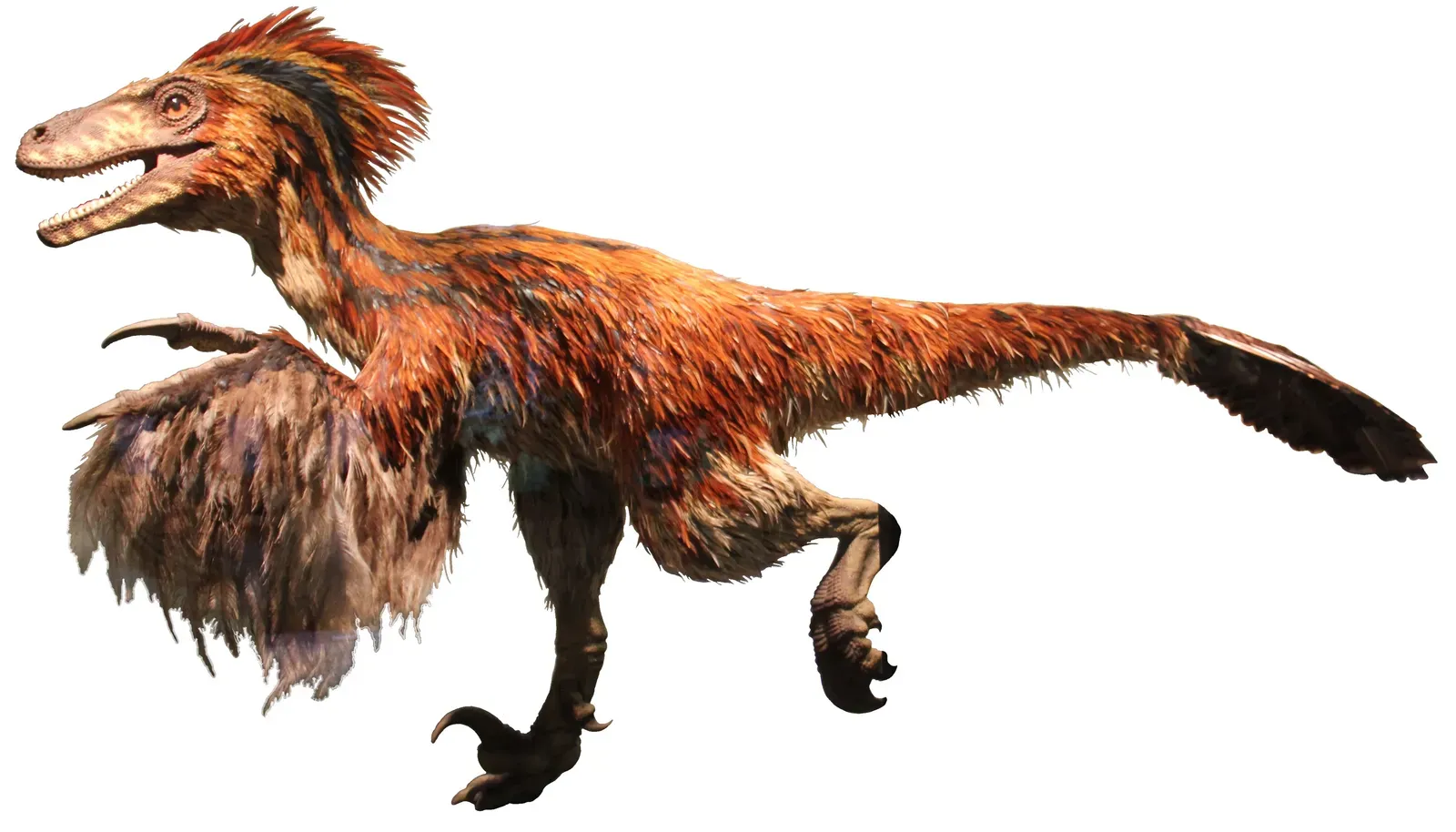
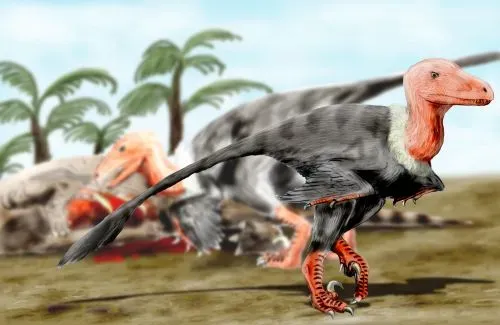
Deinonychus was roughly the size of a large dog, not some towering Jurassic Park monster, yet it is strongly associated with hunting prey much larger than itself, including early plant-eating dinosaurs. Its defining feature was that sickle-shaped claw on each hind foot, more like a stabbing ice pick than a simple talon. Add a flexible tail for balance and long, grasping arms, and you get an animal built to deliver quick, slashing attacks instead of wrestling matches.
What really sets Deinonychus apart is evidence that it may have hunted cooperatively or at least tolerated others around a carcass. Multiple skeletons of Deinonychus have been found alongside the much larger herbivore Tenontosaurus, suggesting packs or opportunistic group attacks rather than solo heroics. Whether they were true coordinated teams or just several hungry raptors piling on, the outcome was the same: a gang of smaller predators bringing down something many times their weight through speed, agility, and numbers.
2. Smilodon fatalis: The Sabertooth That Gambled Everything on One Perfect Bite
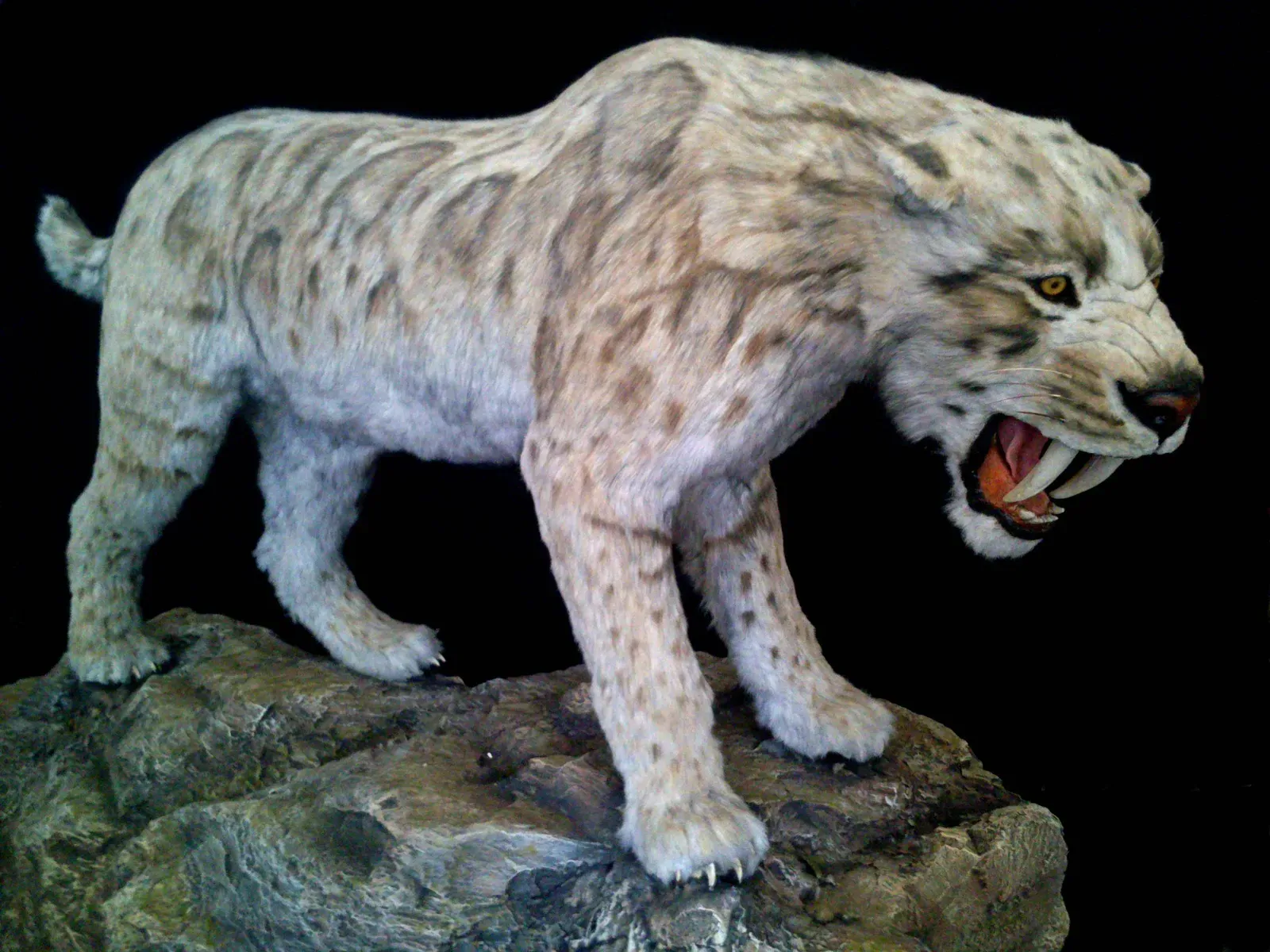
Smilodon fatalis, commonly lumped under the label “saber-toothed tiger,” was a muscular, compact cat with upper canines so long they look almost absurd at first glance. Those teeth were not general-purpose tools; they were high-risk, high-reward weapons tailored to kill large, thick-necked mammals like bison, ground sloths, and young mammoths. Its neck and forelimbs were powerfully built, suggesting a style of hunting where it grappled and pinned big prey before delivering a precise, lethal bite to soft tissue.
Because those saber teeth were relatively fragile compared with modern big-cat canines, Smilodon probably did not chase small, darting animals or chew through bone. Instead, it seems adapted to ambush large, slower targets that provided a big energetic payoff. I always picture it as the ultimate specialist: a predator that traded versatility for mastery, betting its survival on the ability to bring down giants with a single devastating move rather than a prolonged chase.
3. Allosaurus: The Big-Game Hunter With a Bite Like a Hatchet
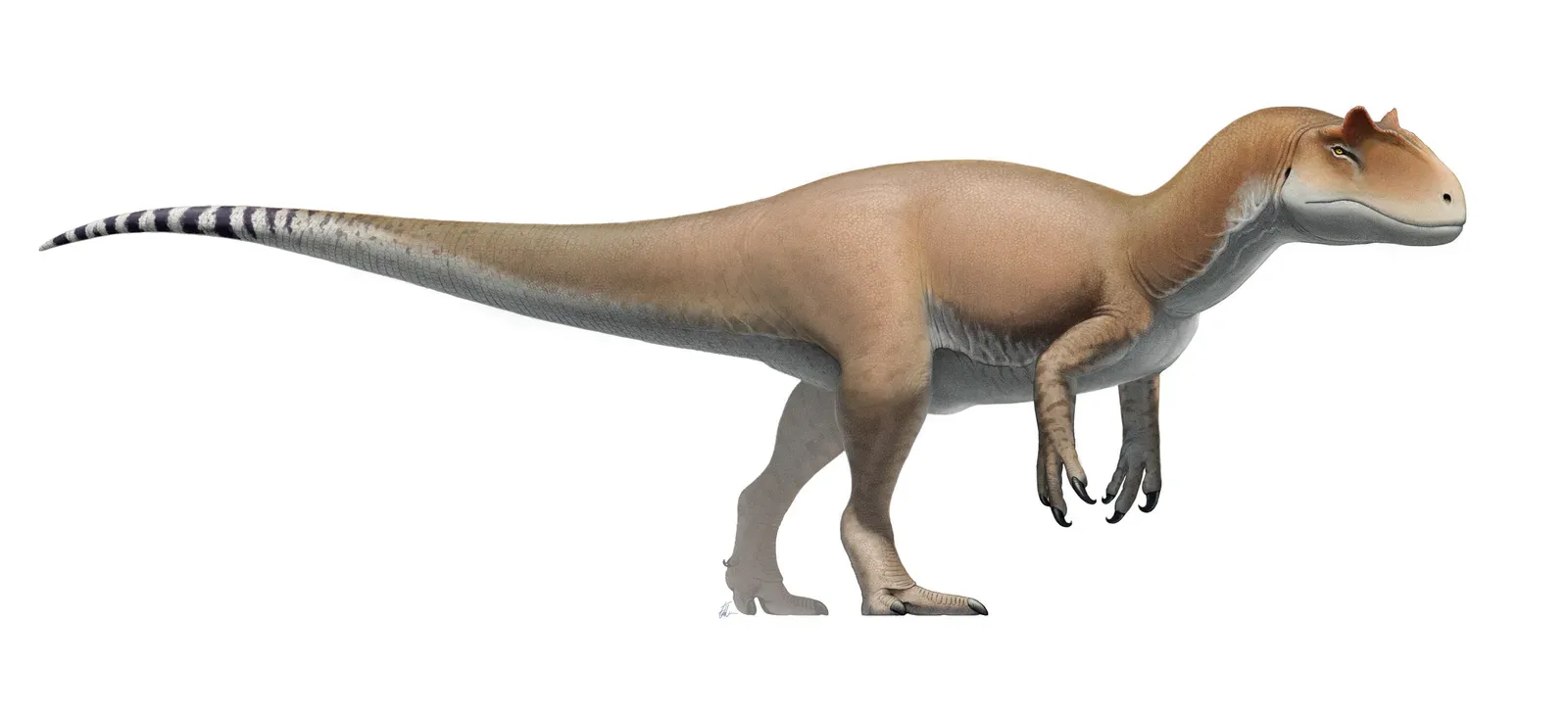
Allosaurus was a large theropod dinosaur, but it still often targeted prey that could outweigh it, such as sauropods and hefty ornithopods. Unlike the later Tyrannosaurus with its crushing bite, Allosaurus seems to have used a different strategy. Its skull and neck anatomy suggest a slashing, hatchet-like bite, where the head was driven downward and backward into prey, using serrated teeth to open deep wounds rather than simply crunch through bone.
There is fossil evidence of Allosaurus tooth marks on the bones of much larger dinosaurs, including sauropods, suggesting active attacks rather than just scavenging leftovers. Some paleontologists think multiple Allosaurus individuals may have converged on large prey in loose groups, using repeated, fast strikes to weaken and bleed their victims. That style makes sense if your target is a walking apartment building: you do not try to tackle it like a lion does a zebra; you hit, slash, and let it collapse under the weight of blood loss and shock.
4. Megalodon: The Giant Shark That Still Punched Above Its Weight
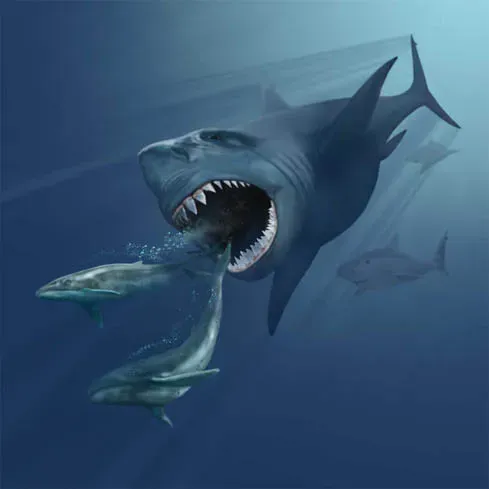
Megalodon is usually imagined as the biggest bully in prehistoric oceans, and it really was enormous, likely longer than a bus. Even so, some of its probable prey were massive in their own right, including large baleen whales. Taking on something that big in open water is no easy feat, even when you are a giant shark. Megalodon had a jaw structure and teeth designed to grab, puncture, and shear thick blubber and bone, turning colossal marine mammals into manageable chunks.
What makes Megalodon especially interesting is that it probably relied heavily on strategic targeting, not just brute size. It may have attacked from below or behind, aiming for flippers or soft abdominal regions to cripple its prey before finishing the job. In other words, even one of the largest sharks that ever lived still needed a smart plan to subdue animals that could rival it in mass. Strength alone was never enough; it also had to be a calculating, patient hunter.
5. Velociraptor: Feathered, Fast, and Built to Harass Larger Victims
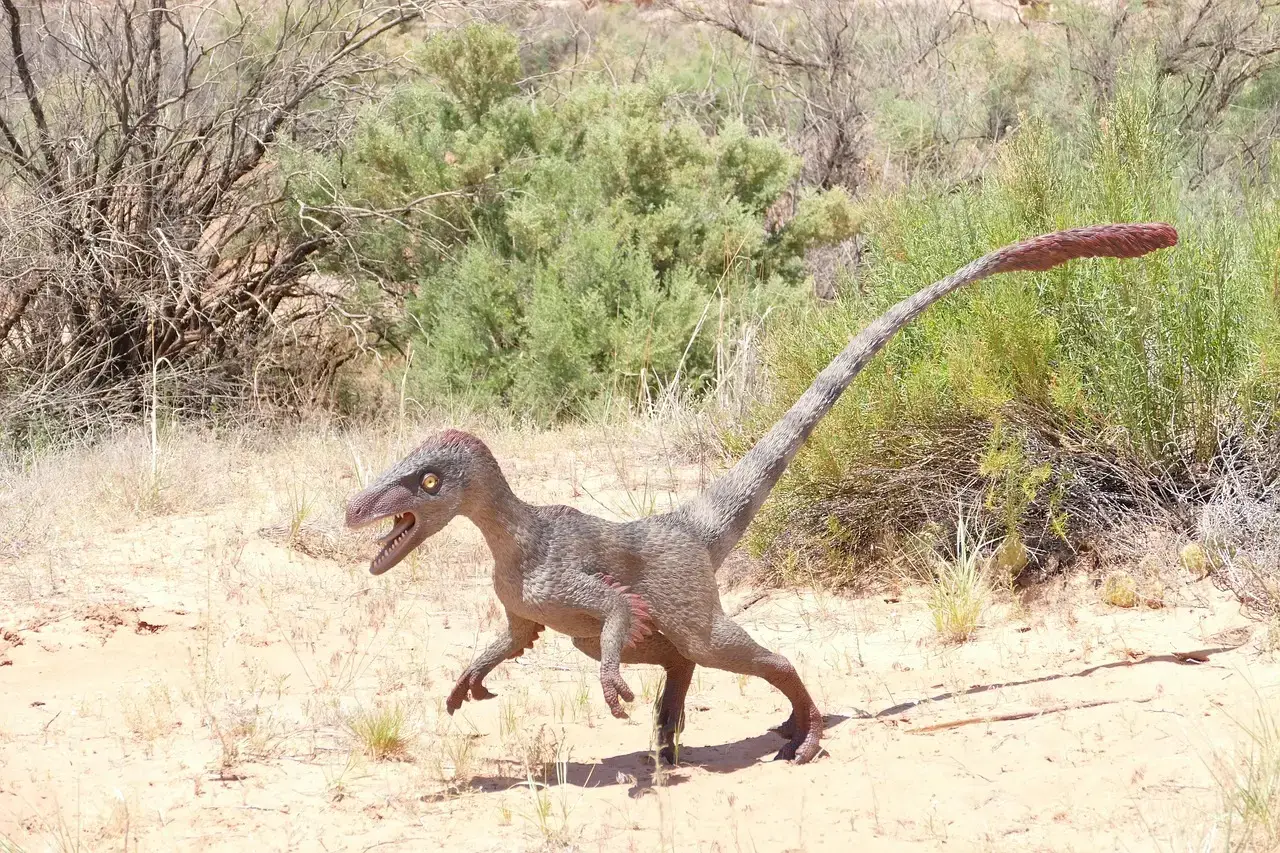
Real Velociraptors were much smaller than their movie versions, closer to a turkey or medium-sized dog in body size. Yet their anatomy tells a story of a predator made for agility and targeted attacks, not brute force. With a stiffened tail for balance, long legs for speed, and that famous retractable sickle claw, Velociraptor was more of a precision striker than a brawler. Fossils show them locked in combat with larger herbivorous dinosaurs, suggesting they did not shy away from punching up.
One famous fossil shows a Velociraptor and a larger Protoceratops preserved in the act of fighting, each mortally engaged with the other. That snapshot hints at a predator willing to take huge risks against bulkier opponents, banking on its agility and weaponized feet to win the encounter. It is easy to imagine multiple Velociraptors harrying a large animal from different angles, much like modern birds of prey sometimes mob a bigger intruder. For a hunter this size, courage and technique were as important as any raw measurement in meters or kilograms.
6. Liopleurodon: The Marine Reptile Built Like a Submarine Ambush Weapon
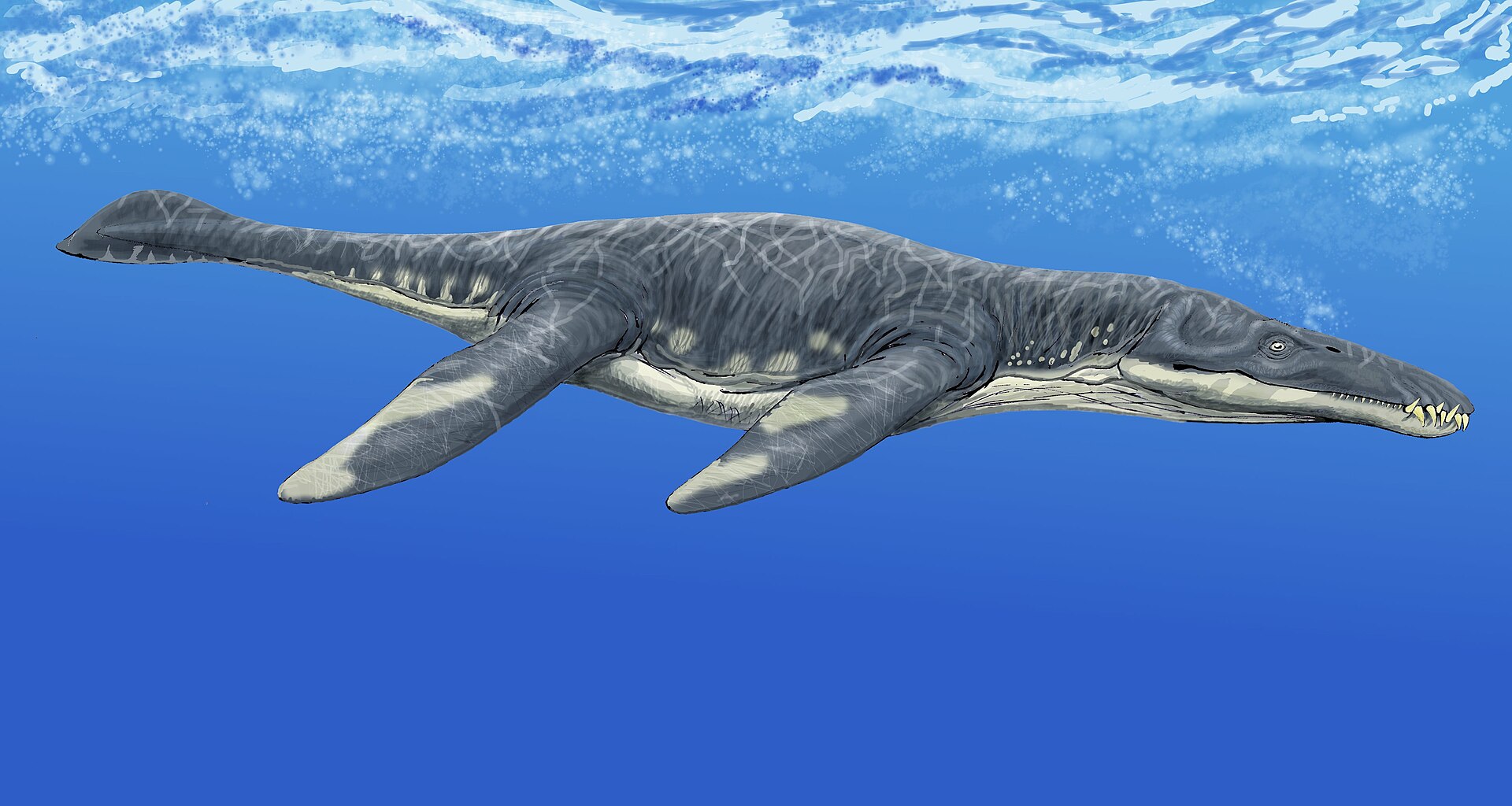
Liopleurodon was a pliosaur, a marine reptile with a big head, short neck, and a torpedo-shaped body driven by powerful flippers. It was not the largest marine reptile ever, but it was extremely well-equipped to tackle big, swift prey like sizable fish, other marine reptiles, and possibly juvenile or mid-sized long-necked plesiosaurs. Its jaws were packed with conical, gripping teeth, ideal for seizing and holding onto struggling animals in the water column.
The shape of its body suggests strong acceleration and solid maneuverability, making Liopleurodon a likely ambush predator. I like to think of it almost like an underwater missile: burst of speed, sudden impact, and a crushing bite locked onto something that might weigh as much or more than it did. In the three-dimensional battlefield of the ancient seas, being able to surprise and overpower larger, muscular prey was a life-or-death advantage. Size mattered, but timing and power delivery mattered more.
7. Hyaenodon: The Mammalian Predator With an Oversized Bite
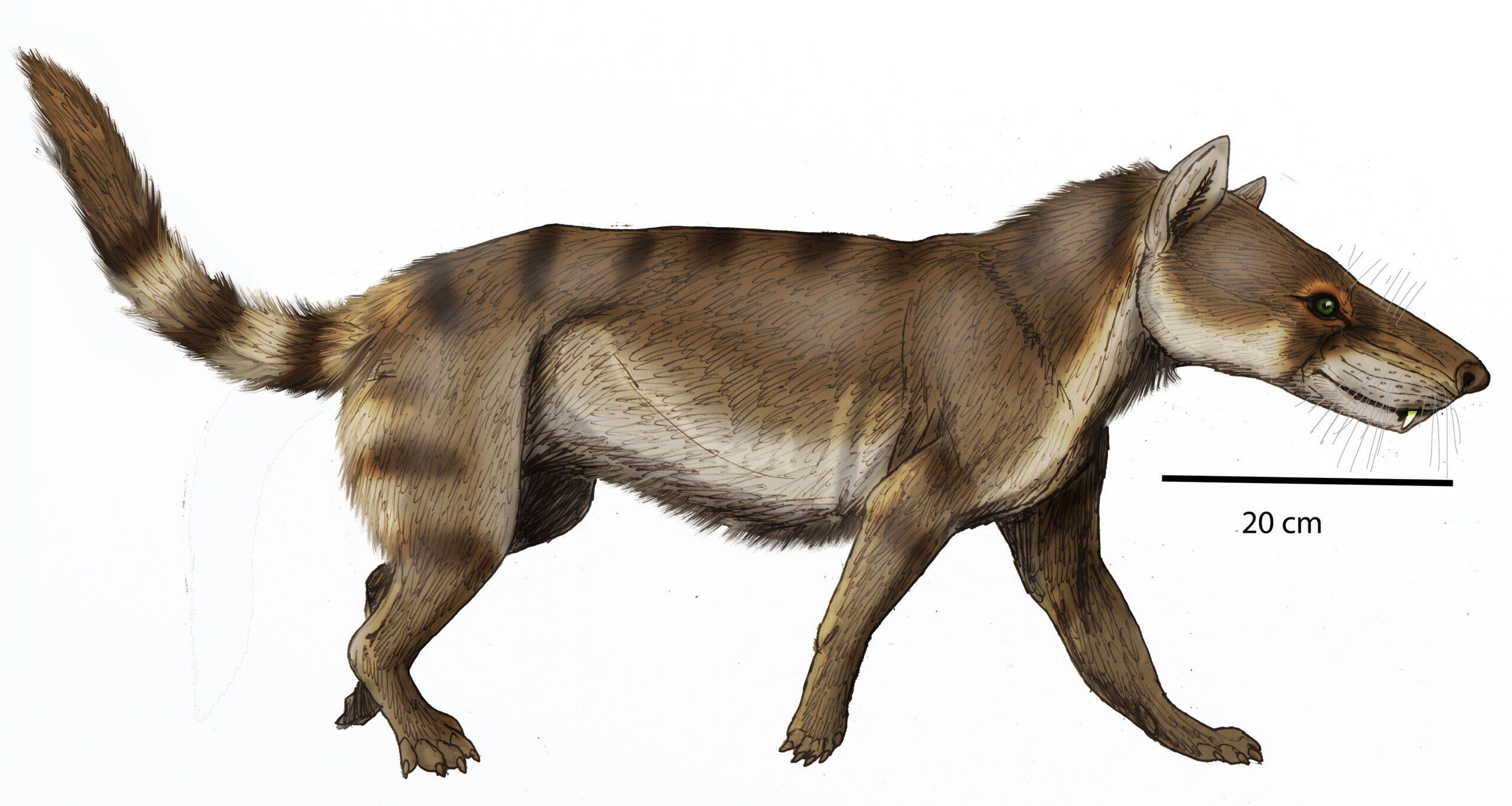
Hyaenodon was not a dinosaur or a reptile, but an early carnivorous mammal that lived long after non-avian dinosaurs disappeared. Some species reached the size of a large dog or small bear, yet their skulls and jaws were remarkably big and deep for their body size. This anatomy suggests a crushing, shearing bite capable of handling heavily built herbivores and processing tough meat and bone. It was not just picking off small rodents; it was a serious contender in ecosystems of large mammals.
Evidence points to Hyaenodon going after prey that could be larger than itself, like early ungulates and other robust herbivores. Its elongated skull, slicing teeth, and powerful neck muscles hint at a strategy of overwhelming bites rather than cat-like grappling finesse. In a sense, it feels like a prototype version of later big mammalian carnivores: not quite a cat, not quite a dog, but a specialist at using dental firepower to compensate for any size disadvantage. If you were a medium or large herbivore in its range, you were never completely safe, even from something that did not look hugely impressive at a distance.
Conclusion: Why Nature Loves Underdogs With Sharp Teeth
Looking across these seven predators, a pattern jumps out: evolution repeatedly favors animals that are willing to take on oversized challenges. Whether it is the surgical strike of Smilodon, the group tactics of Deinonychus, or the ambush power of Liopleurodon, each of these hunters solved the same problem in a different way. They turned size mismatches into opportunities, using speed, teamwork, specialized teeth, or cunning attack angles to flip the script on much bigger prey.
Personally, I think this is one of the most humbling lessons from prehistory. Being the biggest was never a guarantee of safety, and being smaller did not mean you were stuck hunting easy targets. The real advantage lay in strategy and adaptation, not bragging rights on a size chart. Next time you see a fossil of some giant herbivore in a museum, it is worth asking yourself: which smaller, sharper, hungrier predator was quietly evolving to bring it down, piece by piece?