
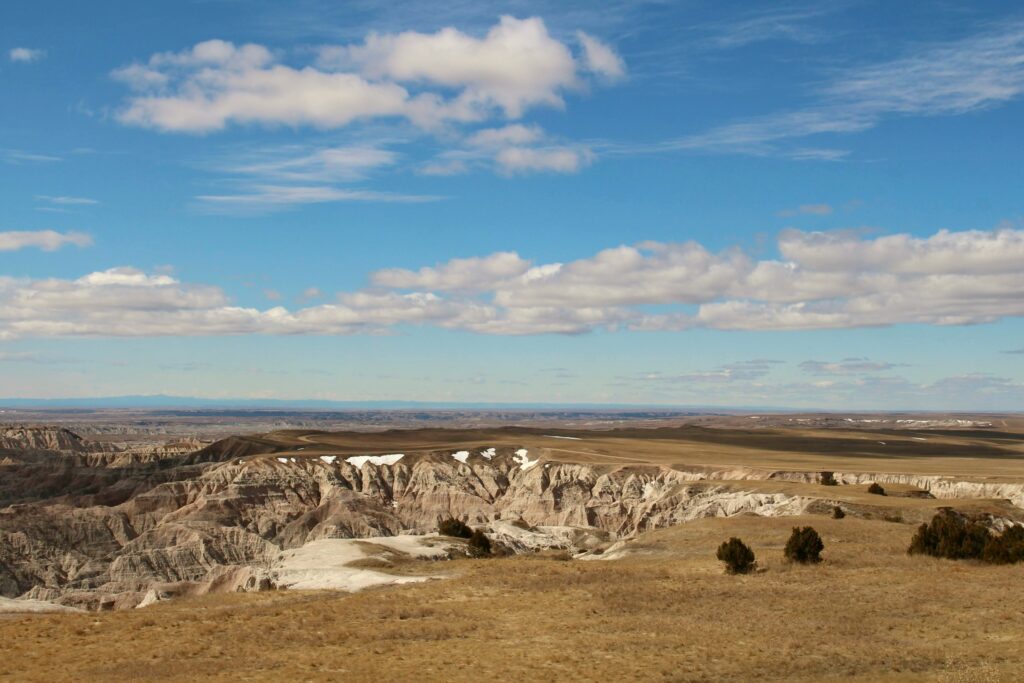
It is strange to look at a modern map of North America and realize that, for most of Earth’s history, this familiar shape simply did not exist. Instead of neat borders and interstates, there were shallow tropical seas where the Great Plains sit today, vast deserts where forests now stand, and reptilian giants stalking what would someday become quiet suburbs. The continent we think we know has been rebuilt, flooded, crumpled, and frozen over countless times.
Prehistoric discoveries across North America are like torn-out pages from a very old travel guide to an alien world that just happens to occupy the same ground. From coral reefs in Kansas to crocodile-filled swamps in the Arctic, the fossils and rocks under our feet say one thing very clearly: this place has reinvented itself again and again. Let’s walk through nine of the most mind-bending finds that reveal just how radically different ancient North America once looked.
1. The Western Interior Seaway: When a Warm Ocean Cut the Continent in Two
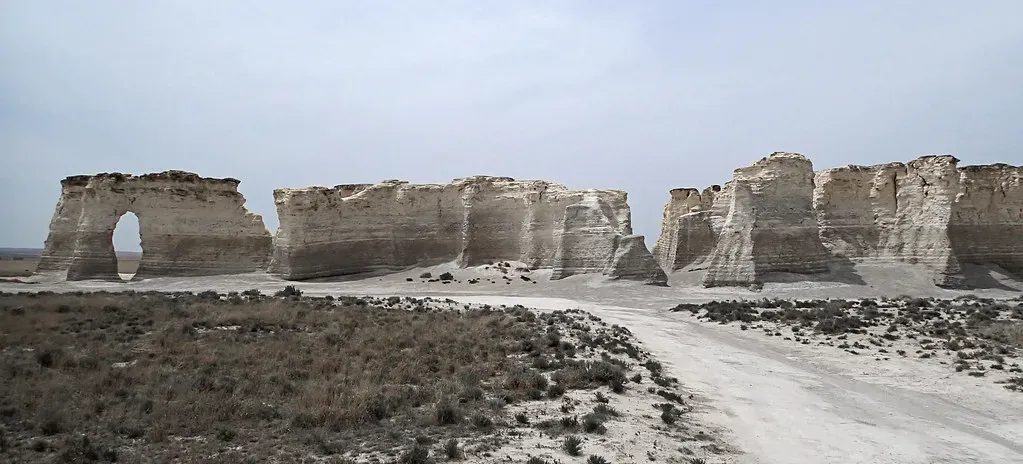
Imagine standing in the middle of what is now Kansas or Nebraska and watching waves roll in over a shallow, warm, tropical sea stretching from the Gulf of Mexico to the Arctic Ocean. During the Late Cretaceous, roughly about one hundred million to sixty-six million years ago, a vast body of water called the Western Interior Seaway flooded the heart of North America. Instead of corn fields and cattle, there were ammonites drifting in the water column, giant predatory marine reptiles on the hunt, and coral-like reefs sprawling across what is now dry land.
This seaway turned the continent into two long, skinny landmasses: Laramidia to the west and Appalachia to the east. It was not some minor coastal bay, but an inland ocean thousands of kilometers long and up to several hundred meters deep in places. If you have ever driven across the Great Plains and thought it felt like crossing the ocean, you are not that far off – geologically speaking, you actually are driving through the ghost of an ancient sea.
2. Mosasaurs and Giant Sea Predators in the Middle of Today’s Farmland
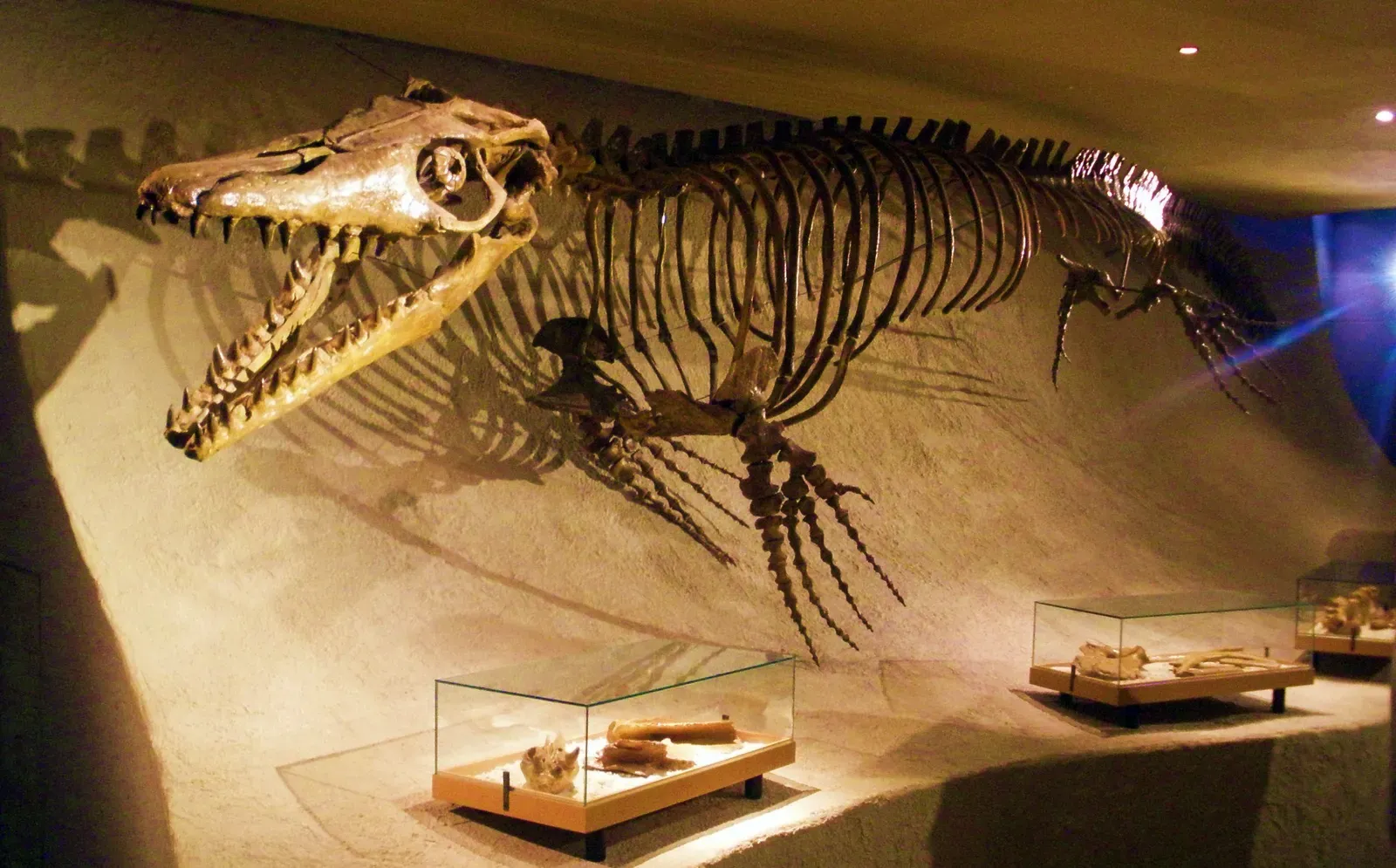
One of the most shocking reminders of that seaway is the discovery of massive marine predators buried beneath modern farmland. In states like Kansas, South Dakota, and Wyoming, paleontologists have unearthed skeletons of mosasaurs – huge, streamlined marine reptiles with powerful tails, double-jointed jaws, and rows of conical teeth built for tearing prey apart. Some species stretched longer than a bus and ruled the Western Interior Seaway the way great white sharks dominate some modern oceans.
Alongside mosasaurs, there were long-necked plesiosaurs, large predatory fish, and soaring pterosaurs that likely hunted over the waves or scavenged coastal carcasses. The idea that quiet Midwestern towns are built above the old hunting grounds of these animals is almost comical. Every time a farmer turns over a fossil-rich rock, it is another reminder that what used to be an oceanic killing field is now a patchwork of fields, silos, and highways.
3. Tropical Coal Swamps in What Would Become Ice Age Canada
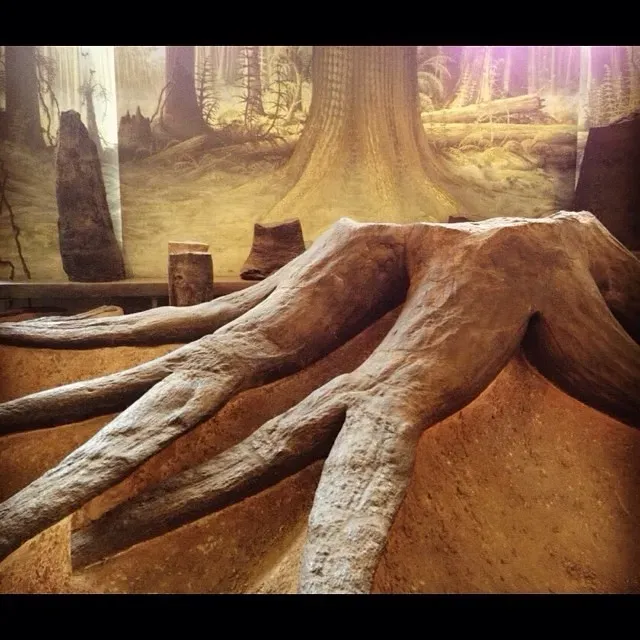
Today, much of Canada is associated with boreal forests, tundra, and long, brutal winters. Yet in the Carboniferous Period, roughly about three hundred million years ago, parts of what is now eastern Canada and the northeastern United States were smothered in dense, tropical coal swamps. These hot, humid lowlands were full of towering, tree-sized club mosses and horsetails, with fern forests and stagnant, peat-choked wetlands that would eventually convert into coal seams we still mine.
The fossils from these ancient swamps include giant dragonfly-like insects with wingspans that rival modern birds and amphibians the size of small crocodiles. The climate and atmosphere were radically different, with high humidity and oxygen levels that made these ecosystems almost greenhouse-like. When you see a coal train rolling through a chilly Canadian landscape, it is effectively dragging along the compressed remains of a vanished rainforest that once grew there under a steamy equatorial sun.
4. Dinosaurs of Laramidia: A Narrow Continent Packed With Giants
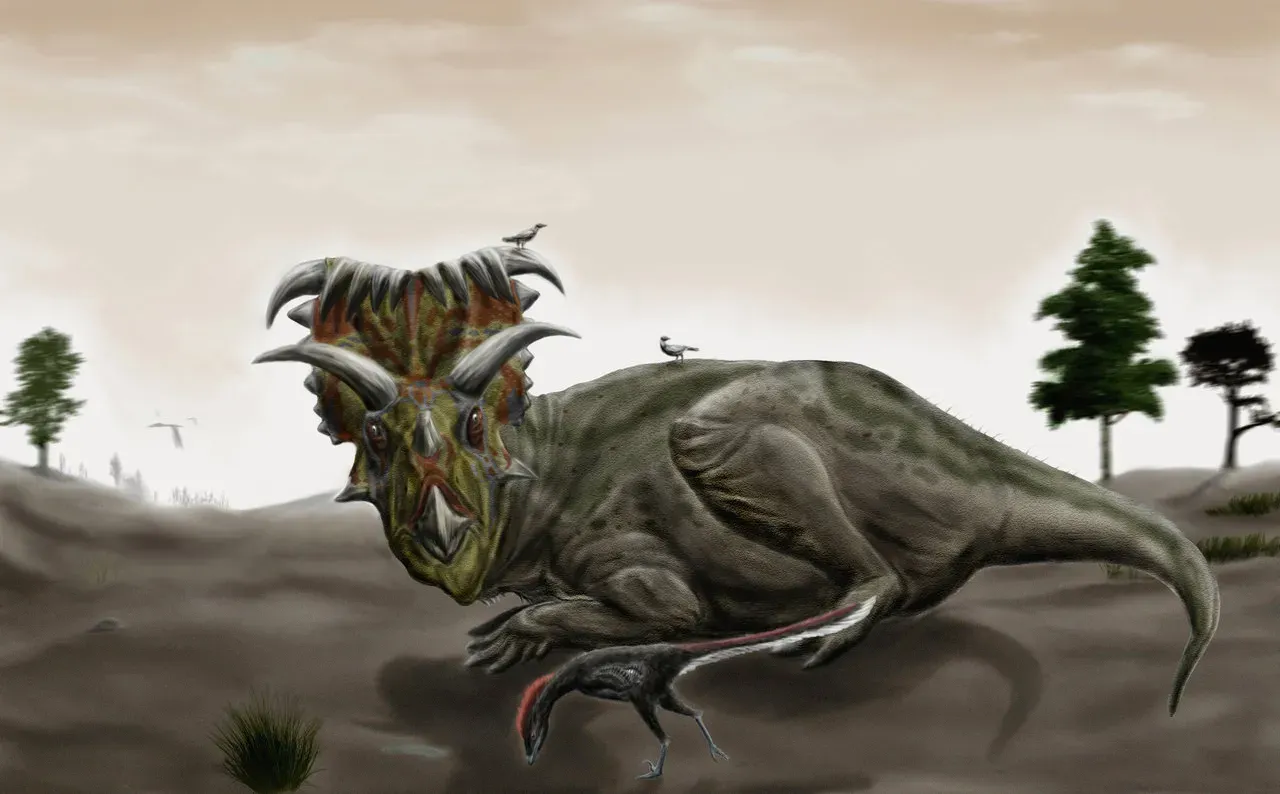
While the Western Interior Seaway flooded the middle of the continent, the western strip known as Laramidia became a long, narrow landmass teeming with dinosaurs. In what is now Montana, Utah, Alberta, and other western regions, paleontologists have found an astonishing variety of large dinosaurs living at roughly the same time. Horned ceratopsians, duck-billed hadrosaurs, heavily armored ankylosaurs, and predators like tyrannosaurids all shared this relatively confined real estate.
What makes Laramidia especially strange is how many similar but distinct dinosaur species evolved in different parts of this limited strip, almost as if each region had its own dinosaur cast. Subtle differences in skull horns, frills, and body shapes hint at complex ecosystems tightly packed along coastlines, river deltas, and floodplains. The western interior that now holds mountain towns and ski resorts was once an enormous, dinosaur-crowded corridor, like a prehistoric version of a busy urban spine stretched from north to south.
5. Appalachia’s Lost Dinosaurs: A Different World on the Eastern Shore
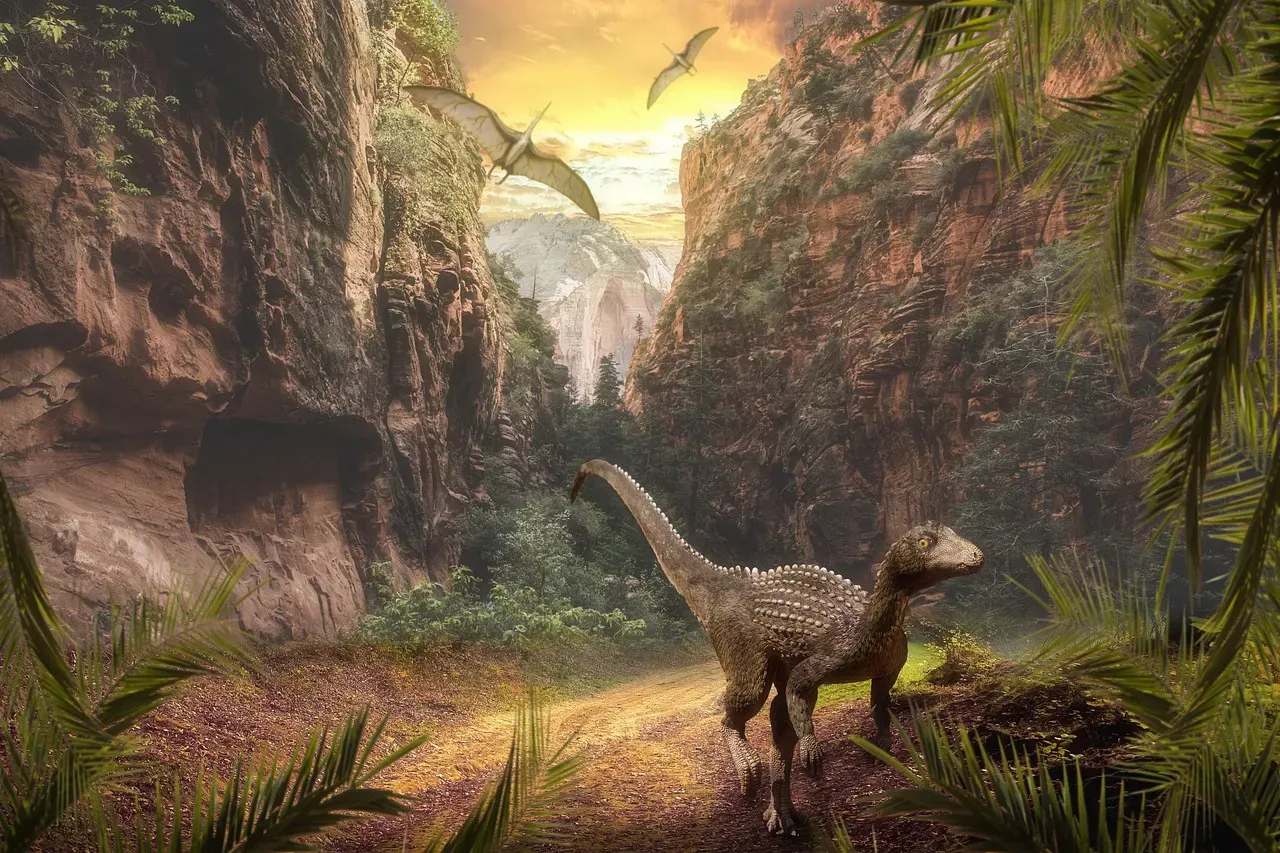
The eastern side of the Western Interior Seaway, the landmass known as Appalachia, has left a much patchier fossil record, but what we do have suggests it was no less unique. Much of today’s eastern United States – from the Carolinas up through New Jersey and beyond – was its own dinosaur continent for millions of years. Isolated by the seaway, its dinosaurs seem to have followed separate evolutionary paths from their western cousins.
Fossils from places like New Jersey, Maryland, and the Gulf Coast reveal duck-billed dinosaurs, armored forms, and large predatory theropods that look intriguingly different from similar groups out west. This hints that ancient North America was not one unified dinosaur habitat, but a split-screen of parallel worlds slowly diverging. When you stand on an East Coast beach today and look inland, it is easy to forget that this shoreline once belonged to its own continent with its own animals and climate story.
6. Coral Reefs and Warm Seas in the Middle of the Continent
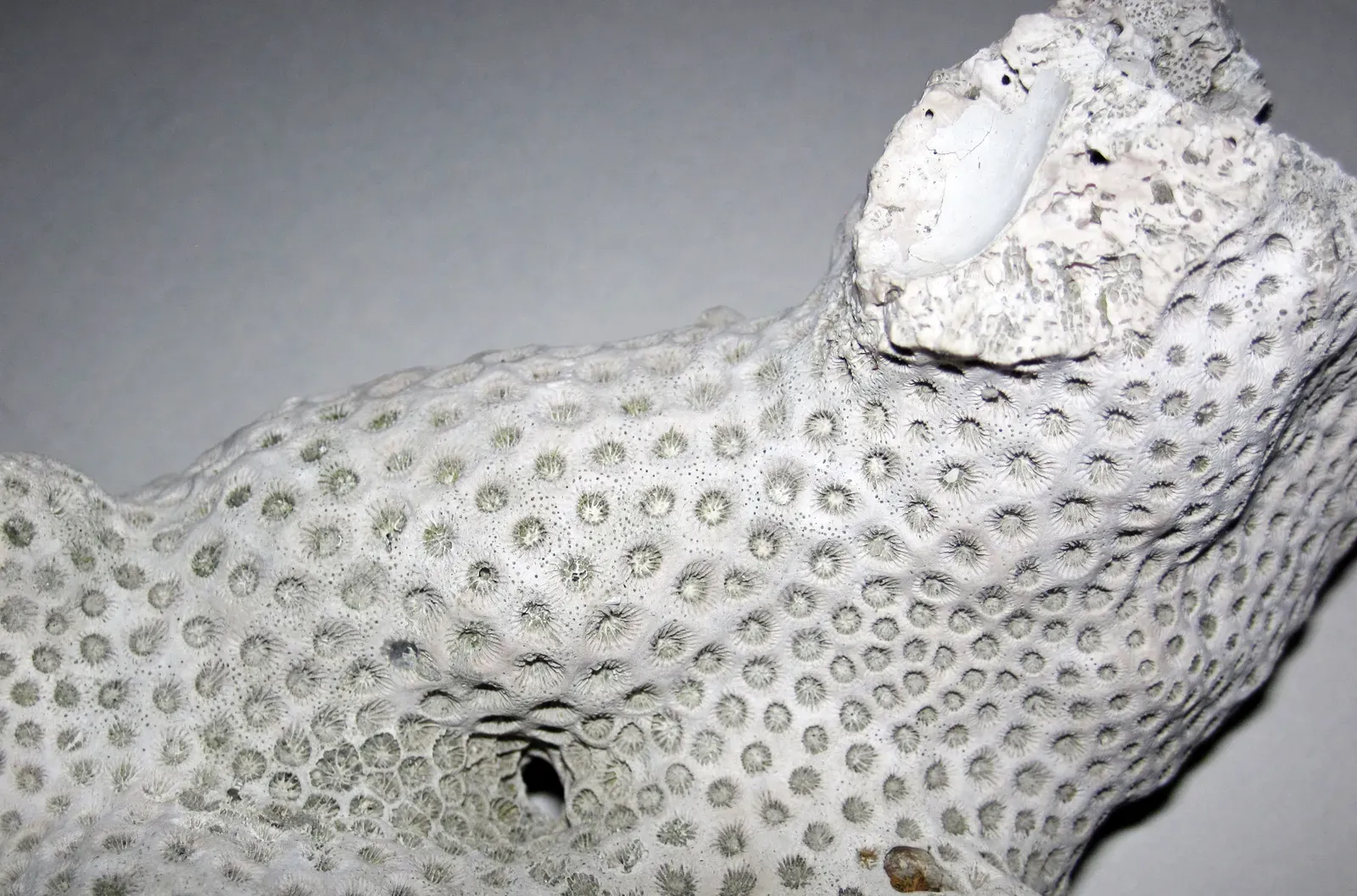
Long before the Western Interior Seaway of the dinosaur era, earlier oceans drowned much of central and western North America and left behind rich marine deposits. In places like the Canadian Rockies, the Midwest, and parts of the Southwest, you can find fossils of ancient coral reefs, trilobites, brachiopods, and other marine creatures that thrived in warm, shallow seas hundreds of millions of years ago. If you have ever hiked along a canyon wall and spotted shell-shaped fossils high above the current waterline, you have glimpsed this watery past.
These rocks tell us that central North America spent long intervals much closer to the equator, bathed in warm tropical or subtropical waters rather than sitting under temperate skies. The continent was not just moved north and south by plate tectonics; it was rolled and tilted under different oceans, with coastlines appearing and disappearing again and again. The idea that parts of modern landlocked states were once beach-front property on a vanished sea is enough to make any real estate agent jealous.
7. The Bering Land Bridge and Lost Ice Age Ecosystems
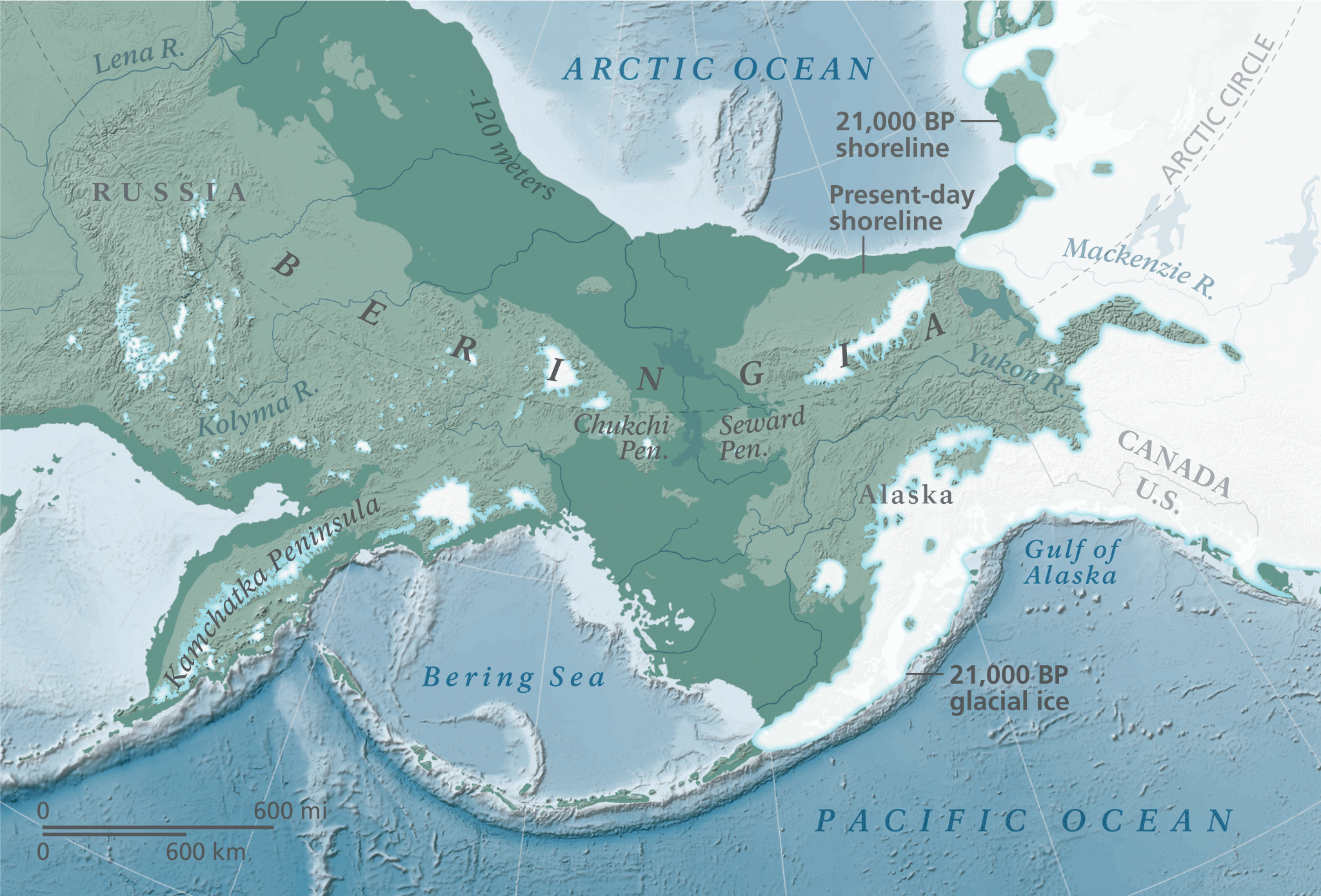
Jump forward to the Ice Age, and a different transformation reshaped North America: sea levels dropped as massive ice sheets locked up water, exposing a land bridge between Siberia and Alaska. This region, called Beringia, was not just a narrow path but a broad expanse of steppe-tundra connecting Asia and North America. Instead of an ocean barrier, there was open land where herds of mammoths, bison, horses, and other animals could migrate, along with the early humans who followed them.
Much of what is now submerged under the Bering Strait was once cold but surprisingly productive grassland, not the endless ice sheet people often imagine. Fossil bones, ancient soils, and preserved plant remains show an ecosystem that supported a rich mix of grazing animals, predators, and human communities. Today, waves and ice-choked water cover that entire world, but the sediments on the seafloor still hold traces of this vanished Ice Age landscape that changed the human story in the Americas.
8. Arctic Forests and Crocodile-Friendly Climate in the Far North
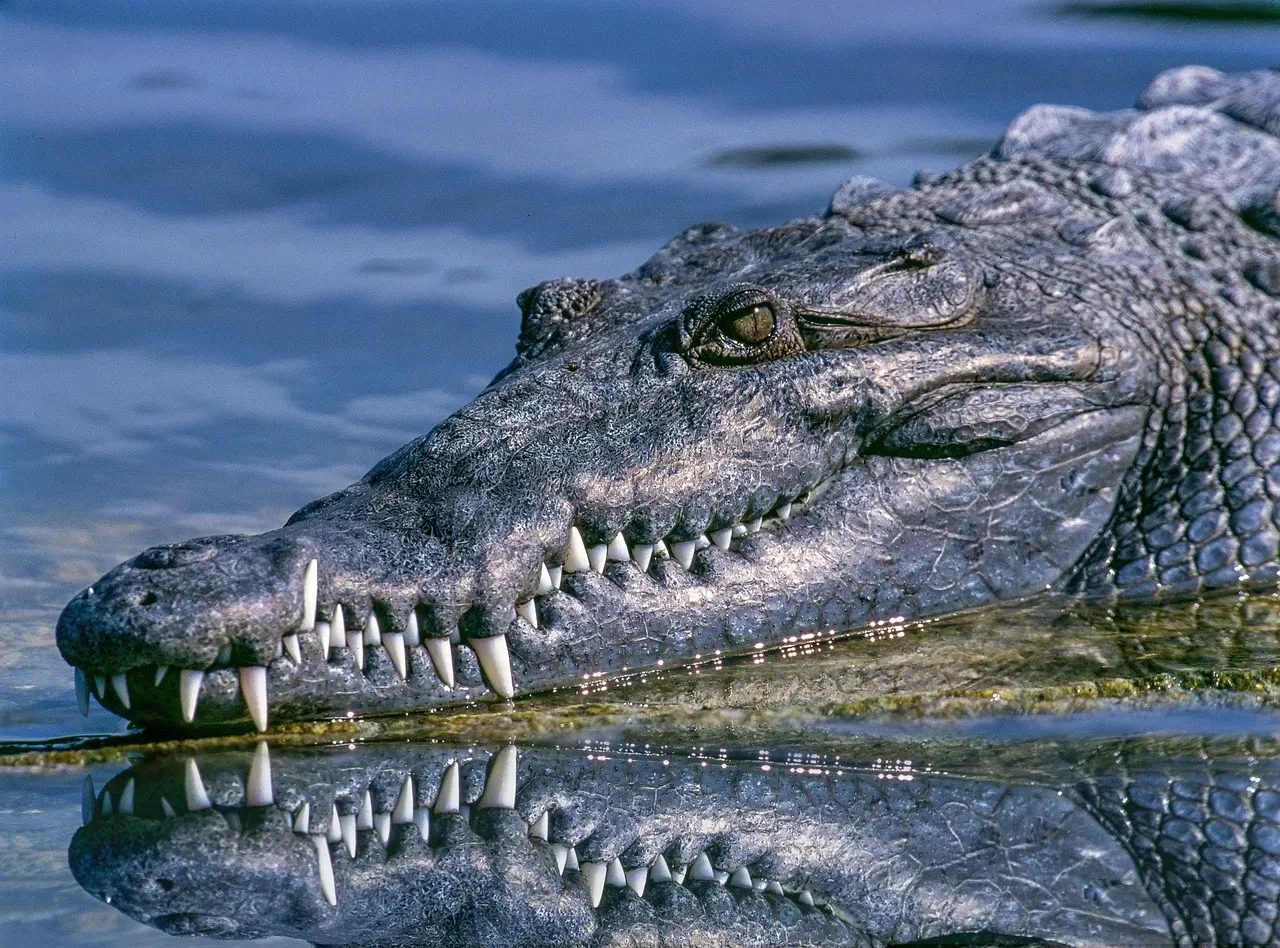
One of the most startling sets of discoveries comes from the far north, in places like Alaska and Canada’s Arctic islands. Fossils of temperate forests, including tree stumps still rooted in place, reveal that these high-latitude regions once hosted lush woodlands. During parts of the Cretaceous and early Paleogene, the Arctic was warmer, with mild, wet conditions and long, dim winters but not the deep freeze we see today.
Incredibly, fossils of crocodile relatives and turtles have been found in these ancient northern deposits, showing that cold-blooded reptiles were able to survive there year-round. That means winter temperatures must have been far milder than the brutal subzero cold we now associate with the Arctic. It is hard to picture crocodile-like animals basking near where polar bears live today, but that is exactly what the rocks and bones suggest about this radically different northern world.
9. Giant Mammals Roaming a Very Different Late Ice Age Landscape
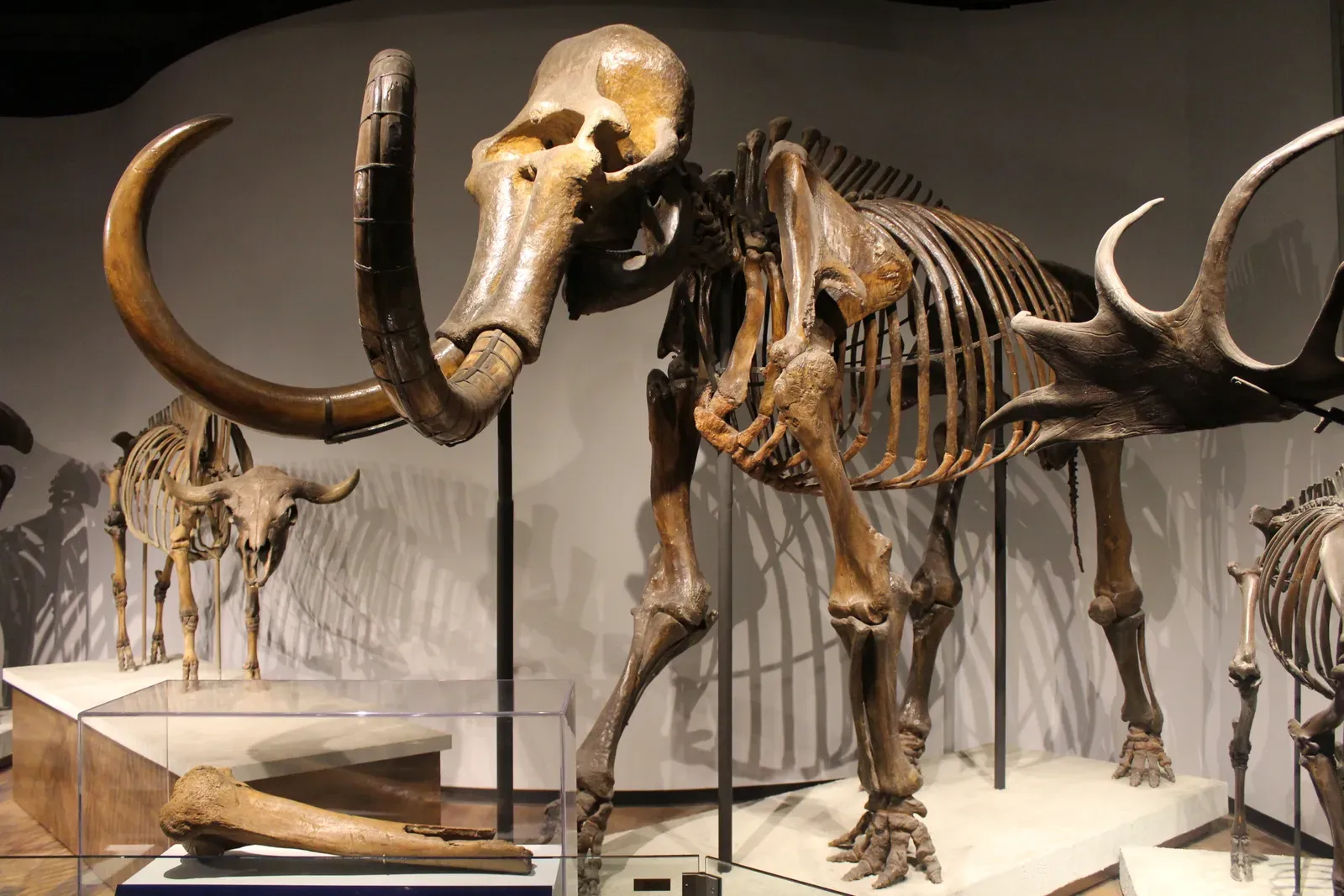
Even the North America of just tens of thousands of years ago would feel shockingly unfamiliar if you could actually visit it. During the Late Pleistocene, the continent hosted mammoths, mastodons, giant ground sloths, saber-toothed cats, and enormous short-faced bears, among many other large mammals. These animals roamed grasslands, open woodlands, and patchy forests that spread and shrank as the climate swung between colder and slightly warmer phases.
The disappearance of most of these large animals near the end of the Ice Age left modern North America looking oddly empty by comparison. Today’s deer, bison, and bears are only a remnant of a once much more extreme and varied megafauna. When you stand on a modern prairie, it can feel vast and quiet, but in the recent geological past it would have been more like watching an endless wildlife migration, with huge animals dominating the view in every direction.
Conclusion: A Familiar Continent With a Wildly Unfamiliar Past
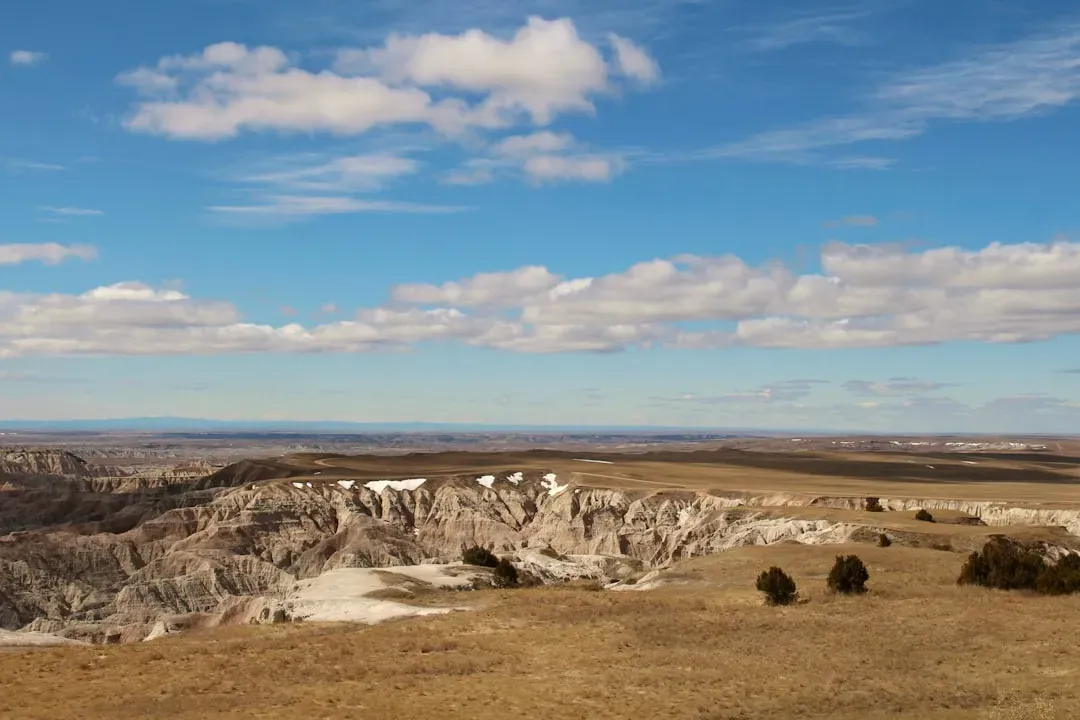
Taken together, these discoveries paint a picture of North America that is almost unrecognizable compared with what we see on a map or out a car window. This was once a continent split by a warm inland sea, ringed with coral reefs, wrapped in tropical swamps, topped with crocodile-haunted forests in the far north, and later crossed by mammoth herds on exposed seafloors. The neat, stable outlines we memorize in school hide a restless, shape-shifting land that has been rebuilt countless times by shifting plates, rising and falling seas, and swinging climates.
For me, that realization is both humbling and oddly comforting. It reminds us that the world beneath our feet is not fixed, and that our own version of North America is just one temporary frame in a very long movie. The next time you cross a flat stretch of interstate or walk a quiet beach, it might be worth asking yourself what used to be here – a coral reef, a dinosaur floodplain, a mammoth steppe, or maybe even an ocean. And if this familiar continent has already been so many wildly different places, what would you guess it might look like millions of years from now?