
Let’s be real, navigating your emotions in today’s world can feel like trying to control a runaway train. One moment you’re cruising along just fine, and the next you’re caught in a wave of anxiety or frustration that seems impossible to escape. Here’s the thing though – your emotional state isn’t something that just happens to you. You actually have more control over it than you might think, and honestly, that’s incredibly empowering.
Science has given us a roadmap to better emotional regulation, revealing techniques that genuinely work when life gets overwhelming. Whether you’re dealing with everyday stress or those moments when everything feels like it’s spinning out of control, these research-backed approaches can help you find your footing again. So let’s dive into seven psychological tricks that might just transform how you experience and manage your emotions.
Harness the Power of Your Breath
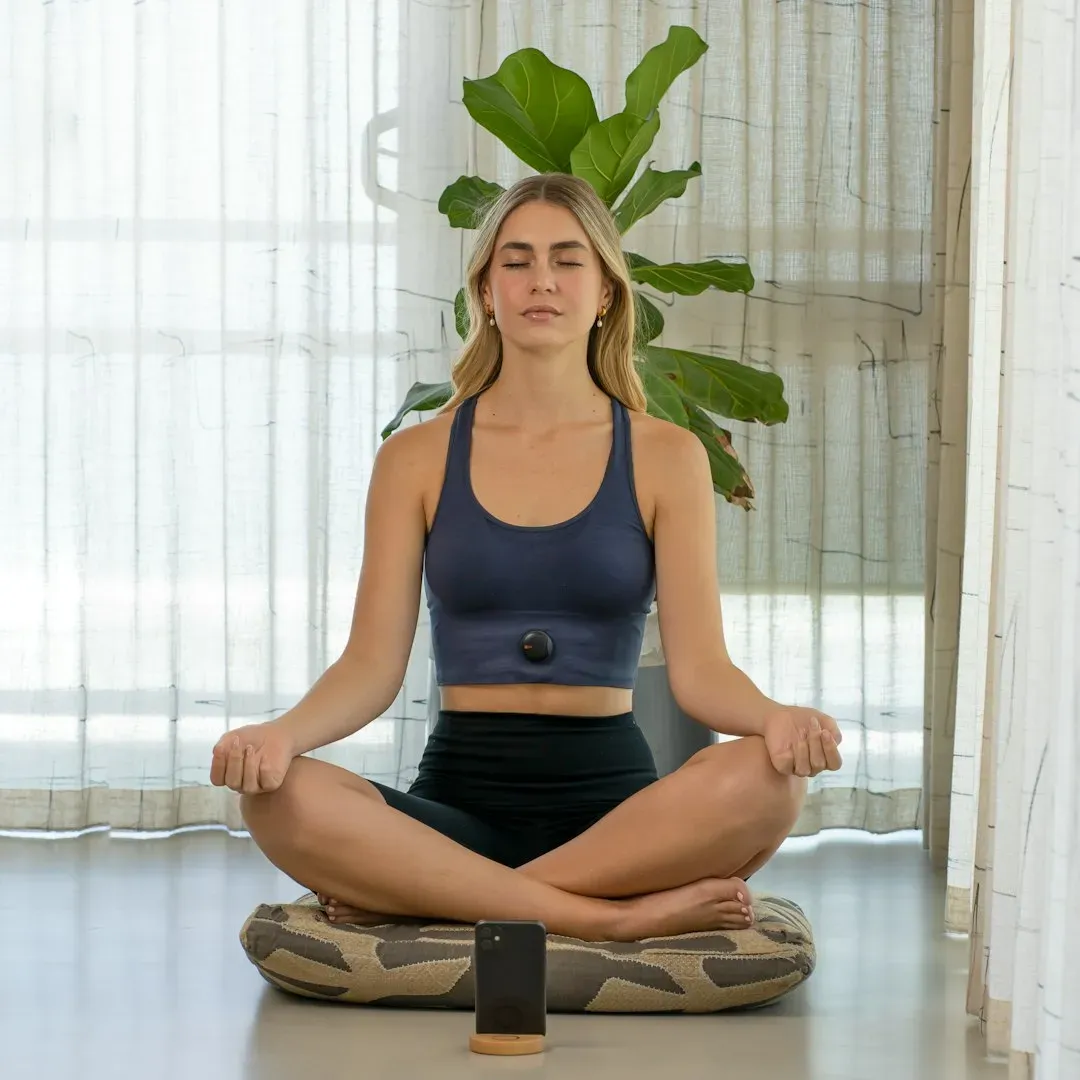
Deep, intentional breathing activates the parasympathetic nervous system and promotes relaxation, which is essentially your body’s built-in calm button. Think about it – when was the last time you paid real attention to your breathing? Most of us go through entire days on autopilot, never realizing that something as simple as how we breathe can dramatically shift our emotional state.
Sessions as short as 5 min yield comparable benefits to longer sessions, so you don’t need hours of practice to feel results. Try this: when you notice tension building, focus on making your exhales longer than your inhales. Cyclic sighing, which emphasizes prolonged exhalations, produces greater improvement in mood and reduction in respiratory rate compared with mindfulness meditation. Your nervous system responds almost immediately to this pattern, sending signals to your brain that it’s safe to relax.
Reframe Your Internal Narrative
Reappraisal is an emotion regulation skill that involves cognitively reframing an experience as more positive or less negative, building this skill can both increase positive emotion and decrease negative emotion simultaneously. Basically, you’re not changing what happened, you’re changing what it means to you. It sounds simple, yet it’s surprisingly powerful when you actually practice it.
Let’s say you didn’t get that promotion you wanted. Instead of spiraling into thoughts about being inadequate, you could reframe it as valuable feedback about where to grow next, or even as protection from a role that might not have been the right fit. Reappraisal is a central skill targeted by cognitive-behavioral interventions, and the efficiency of these interventions has been consistently supported. The key is catching yourself in the moment and consciously choosing a different lens through which to view the situation.
Practice Strategic Distraction

The distraction strategy is perceived as shifting one’s attention to a positive or neutral thought, or focusing one’s attention on a different activity. Now, this isn’t about avoiding your problems or pretending they don’t exist. Strategic distraction is about giving yourself permission to step away from intense emotions when you need a break, especially when those emotions threaten to overwhelm you completely.
When anxiety or anger reaches high intensity, your brain actually has a harder time processing and regulating those feelings. Distraction, as the strategy based on backing out and lack of engagement, requires less cognitive resources than reappraisal, making it particularly useful during emotional peaks. Engage fully in something else – maybe a puzzle, a conversation with a friend, or even organizing a drawer. You’re not running away, you’re giving your emotional system time to reset so you can come back and address things with a clearer head.
Cultivate Self-Compassion Instead of Self-Criticism

That critical voice only increases our stress, triggering the same fight-or-flight response as caustic words from another person, and to feel happier, we need to replace that inner critic with a kinder, more compassionate voice. Think about how you talk to yourself when you mess up. Would you speak to a close friend that way? Probably not, right? Yet we often reserve our harshest judgments for ourselves.
Studies show that self-compassion is a source of eudaimonic happiness – the kind of happiness associated with purpose and meaning in life. Instead of berating yourself for feeling anxious or making a mistake, try responding with understanding. Something like, “This is really difficult right now, and it makes sense that I’m struggling. I’m doing my best.” It might feel awkward at first, but honestly, changing your internal dialogue can fundamentally shift your emotional landscape.
Ground Yourself Through Sensory Awareness

Sensory grounding techniques leverage your five senses to pull your awareness back into the here and now whenever your mind begins to wander, cultivating an unshakeable anchor to the present moment. When emotions run high, your mind tends to race into the future or fixate on the past, and that’s where sensory grounding becomes incredibly useful.
Try the five senses technique: identify five things you can see, four you can touch, three you can hear, two you can smell, and one you can taste. It sounds almost too simple to work, yet it interrupts the emotional spiral by forcing your attention back to physical reality. When you focus on your breathing, body sensations, or surroundings, you interrupt negative thought patterns and help your brain stay calm. You’re essentially reminding your nervous system that right now, in this present moment, you’re actually safe.
Observe Your Emotions Without Judgment

Emotional acceptance is a skill that involves experiencing negative emotions without judging them or yourself, and emotional acceptance is a key emotion regulation skill because judgment of our negative emotions just amplifies them making them stronger, last longer, and become harder to regulate. This one can feel counterintuitive because we’re so used to labeling our feelings as good or bad, appropriate or inappropriate.
Imagine your mind as a stage and your thoughts as actors, cultivating a neutral stance, noticing each thought’s entrance and exit without judgment or attachment. When you feel anger, instead of thinking “I shouldn’t feel this way” or “What’s wrong with me?”, simply notice: “I’m experiencing anger right now.” That small shift creates distance between you and the emotion, making it less overwhelming and easier to work with. You’re acknowledging the feeling without letting it define you.
Build Emotional Muscle Through Gratitude Practice

Gratitude is an emotion regulation skill that involves thankfulness, and gratitude has been shown to increase positive emotions while also improving the quality of our personal relationships. I know gratitude practices can sound cliché, especially when you’re in the middle of a rough patch, but the research on this is really compelling.
Gratitude calms stress, strengthens emotional resilience and improves mental well-being. You don’t need to write pages in a journal or force yourself to feel grateful for things that genuinely upset you. Start small – maybe just notice three specific moments from your day that didn’t completely suck. The barista who smiled at you. The way sunlight looked coming through your window. Your favorite song coming on unexpectedly. Developing and practising an attitude of gratitude shifts the thoughts from lack to abundance, gradually training your brain to notice the good alongside the difficult.
Conclusion
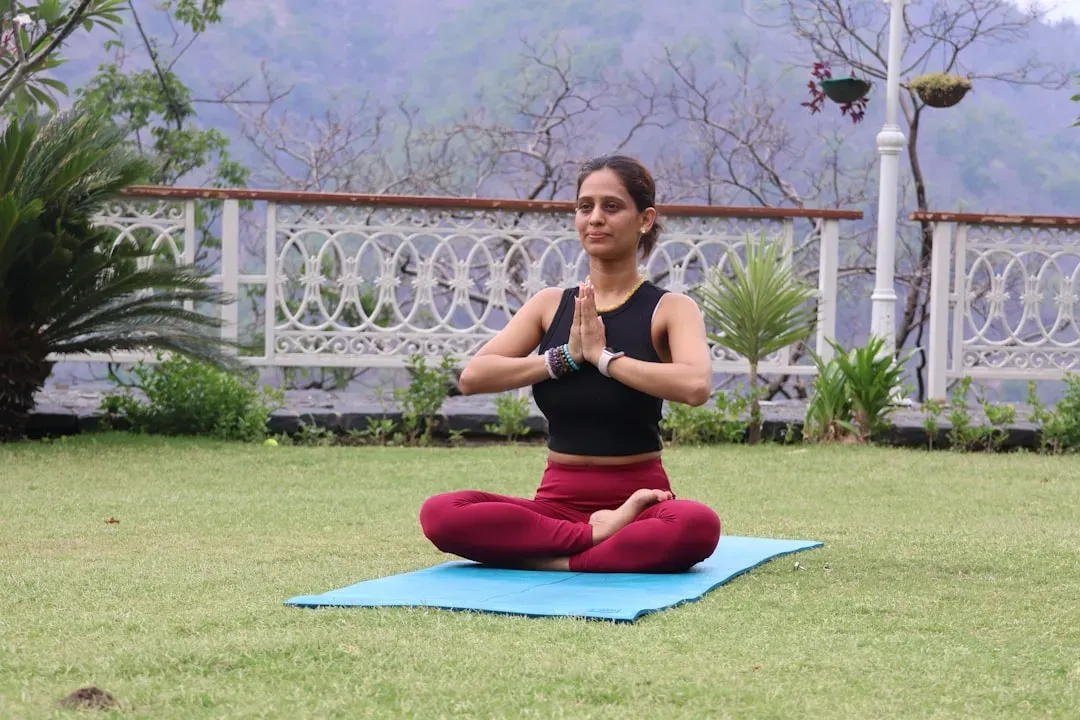
Mastering your emotions isn’t about becoming some zen robot who never feels stressed or upset. It’s about developing tools that help you navigate the inevitable ups and downs with more grace and less suffering. These seven techniques – breath control, reframing, strategic distraction, self-compassion, sensory grounding, emotional acceptance, and gratitude – work because they’re rooted in how your brain and nervous system actually function.
The beautiful thing is that you don’t need to be perfect at all of them. Pick one or two that resonate with you and start there. Evidence-based techniques like mindfulness, cognitive reappraisal, and breathing exercises can help us manage our emotions more effectively, and cultivating emotional regulation skills fosters resilience and enhances quality of life. Inner calm isn’t a destination you arrive at once and stay forever – it’s something you cultivate daily, through small intentional practices. Which of these techniques will you try first? What would it feel like to have just a bit more emotional freedom in your daily life?