Most people know about Stonehenge. You’ve seen it on postcards, documentaries, and probably every other travel brochure aimed at British tourism. Yet just about 25 miles north of Stonehenge in Wiltshire, England, sits something far bigger, arguably far older in its complexity, and honestly, far more accessible. Something so ancient and so enormous that a real, living village exists right in the middle of it.
Welcome to Avebury. If you’ve never heard the name, that’s perfectly fine. You’re in the company of millions who overlook it. Once you understand what you’re really looking at here, though, the experience becomes something between a history lesson and a jaw-dropping moment of pure wonder. Let’s dive in.
You Are Standing Inside the Largest Stone Circle on Earth
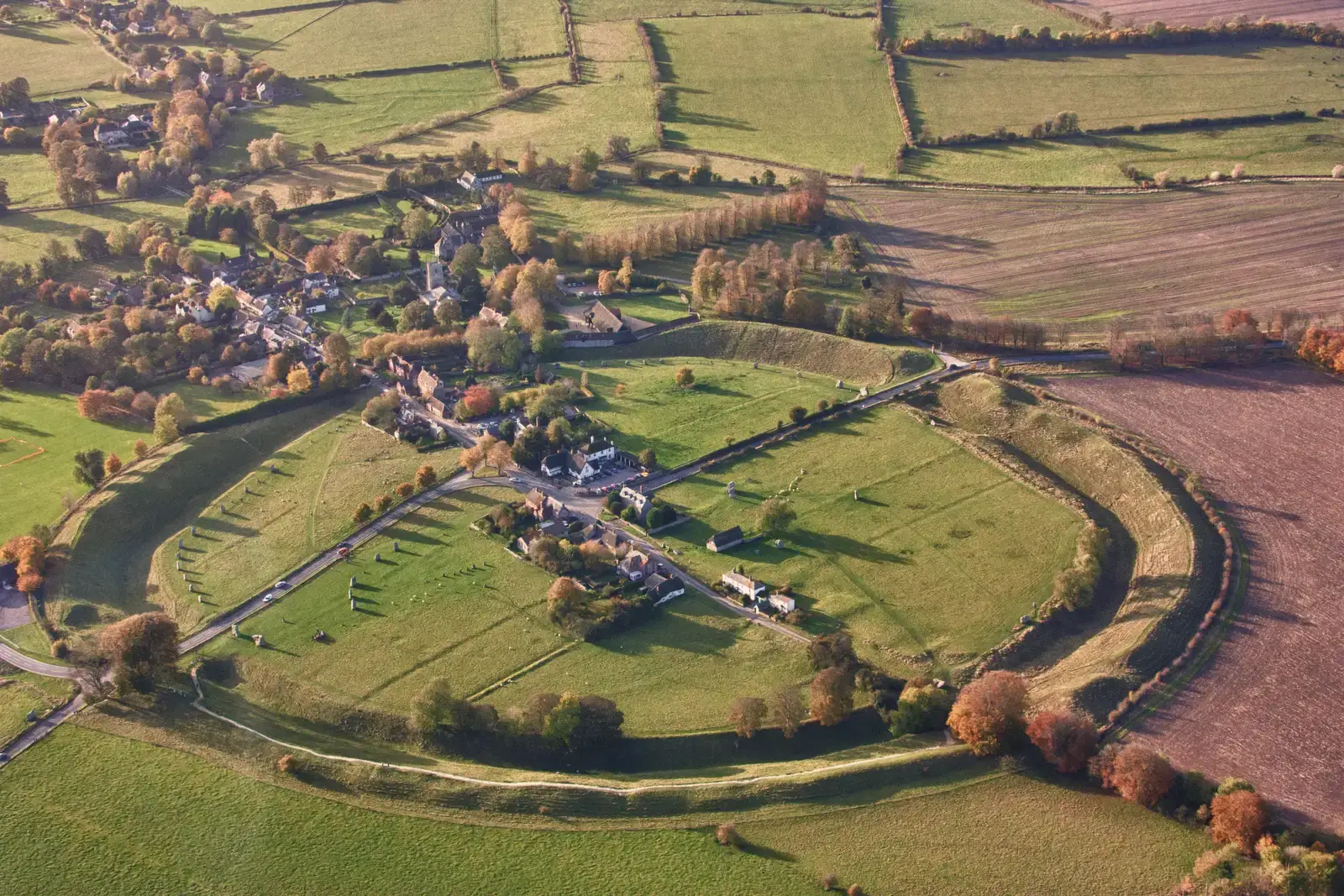
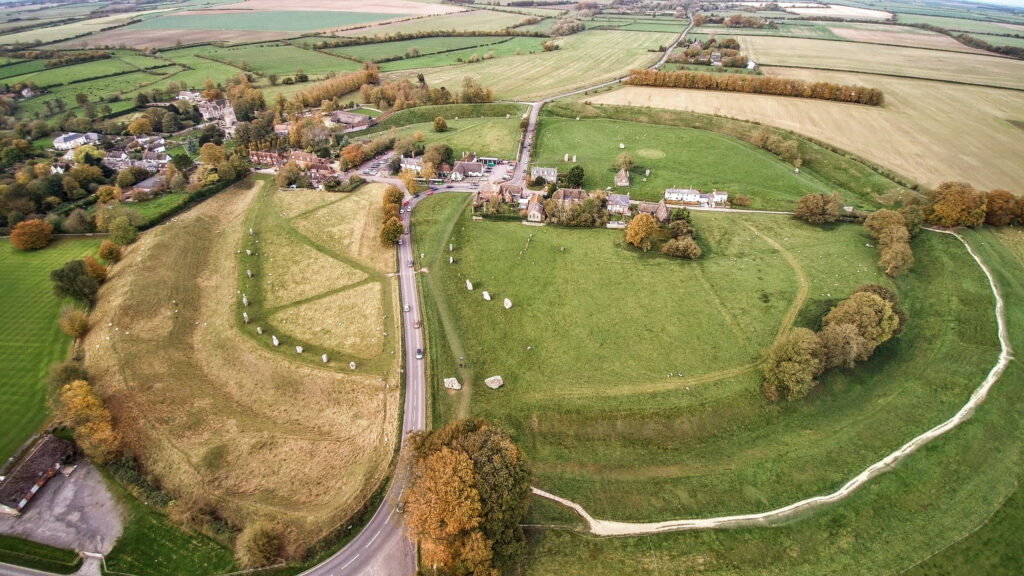
When you walk through Avebury, you aren’t just visiting a monument. You are literally stepping inside it. The modern village of Avebury sits inside the circle, making it the only town in Europe built within a prehistoric monument. Think about that for a second. While people in other places built towns next to historical landmarks, the village at Avebury simply grew up right in the heart of a Neolithic wonder.
Stonehenge is the most architecturally sophisticated prehistoric stone circle in the world, while Avebury is the largest. Avebury is home to three megalithic stone circles, including the world’s largest, which is 14 times bigger than Stonehenge. You won’t appreciate the full scale from ground level. It’s a bit like standing at the bottom of a cathedral and trying to comprehend its height. You need the view from above to truly grasp what you’re looking at.
It Was Built Over Centuries, Not in One Go
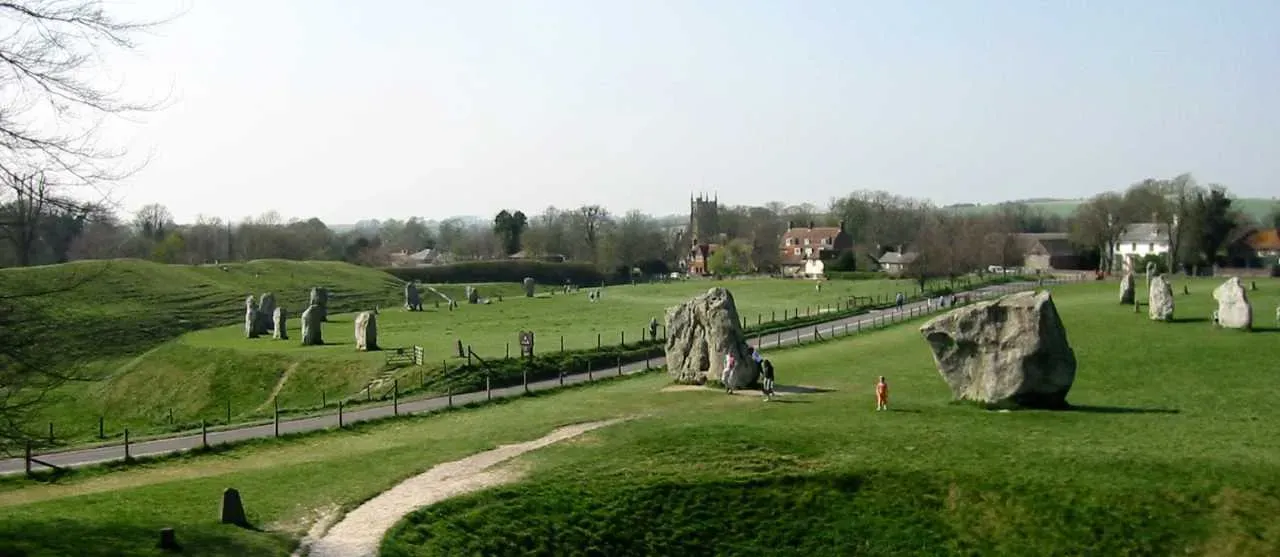
Built and much altered during the Neolithic period, roughly between 2850 BC and 2200 BC, the henge survives as a huge circular bank and ditch, encircling an area that includes part of Avebury village. That means the construction stretched across roughly six centuries of work. To put that in perspective, six centuries ago from today, people were still deep in the medieval period.
The chronology of Avebury’s construction is unclear. It was not designed as a single monument, but is the result of various projects that were undertaken at different times during late prehistory. Aubrey Burl suggests dates of 3000 BC for the central cove, 2900 BC for the inner stone circle, 2600 BC for the outer circle and henge, and around 2400 BC for the avenues. What you’re looking at is less a single building project and more a living, evolving sacred landscape, shaped and reshaped across generations.
The Scale of the Engineering Will Genuinely Astonish You
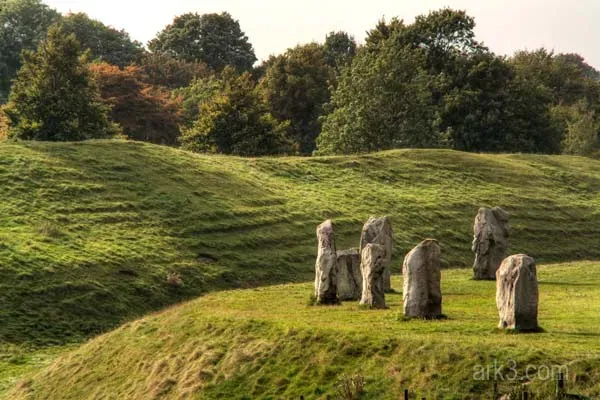
The henge ditch is approximately 421 metres in diameter, making the enclosed area roughly 11.5 hectares, or 28.5 acres. The sheer physical effort required to create this by hand is almost unimaginable. The bank and ditch are almost a mile in circumference, and the ditch was originally around nine metres deep. The banks were built up from chalk, dug from the ditch using stone and bone tools, and both would have been bright white when new.
The outer circle’s 98 stones, averaging perhaps 20 to 40 tonnes each, were sourced from the Marlborough Downs, roughly 3 kilometres to the east. They were not shaped but they were selected, transported, and erected. Each stone required a team of perhaps 200 people using ropes and wooden levers to drag it to the site and raise it into a prepared pit. The total labour invested in the stone settings alone, not counting the enormous henge ditch, represents a commitment of resources that only a large, well-organized community could sustain. The heaviest stone at the site, found in the north circle, weighs at least 100 tonnes, making it the heaviest in Britain.
The Stones Were Deliberately Chosen for Their Shapes and Possible Symbolism
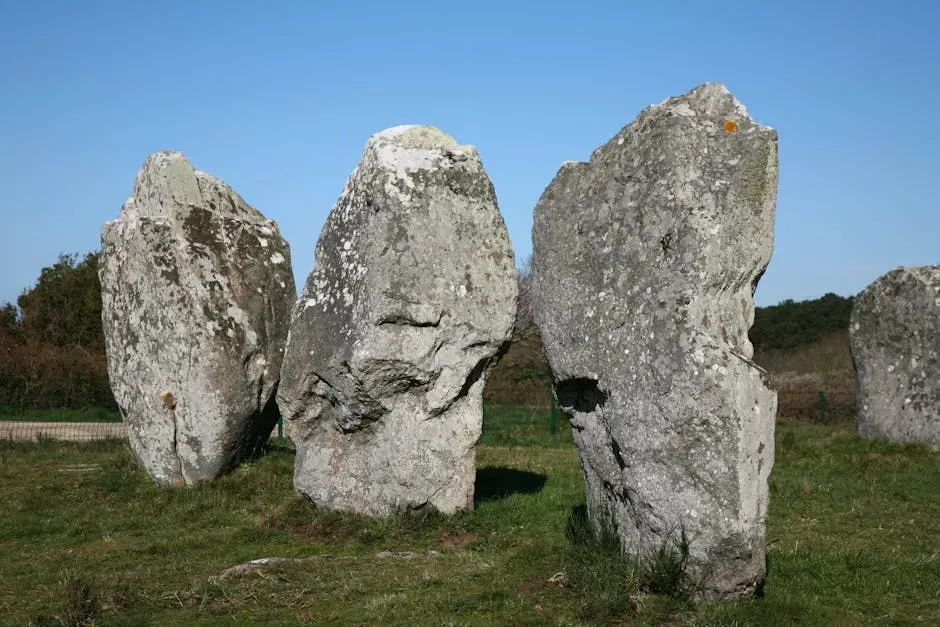
A great deal of interest surrounds the morphology of the stones, which are usually described as being in one of two categories: tall and slender, or short and squat. This has led to numerous theories relating to the importance of gender in Neolithic Britain, with the taller stones considered “male” and the shorter ones “female.” It sounds almost poetic, and honestly, I think it’s one of the more intriguing details about the site.
Unlike Stonehenge, Avebury’s stones are undressed natural sarsens, left in their rough natural shapes rather than shaped with tools. The effect is less architectural precision and more raw geological power: enormous chunks of the earth’s surface, standing upright. The undressed quality of the stones gives Avebury a character distinct from Stonehenge. The stones are a locally sourced hard grey sandstone known as sarsen. Rough, organic, and full of character, each one is entirely unique.
The Monument Was Nearly Destroyed, and a Marmalade Fortune Saved It
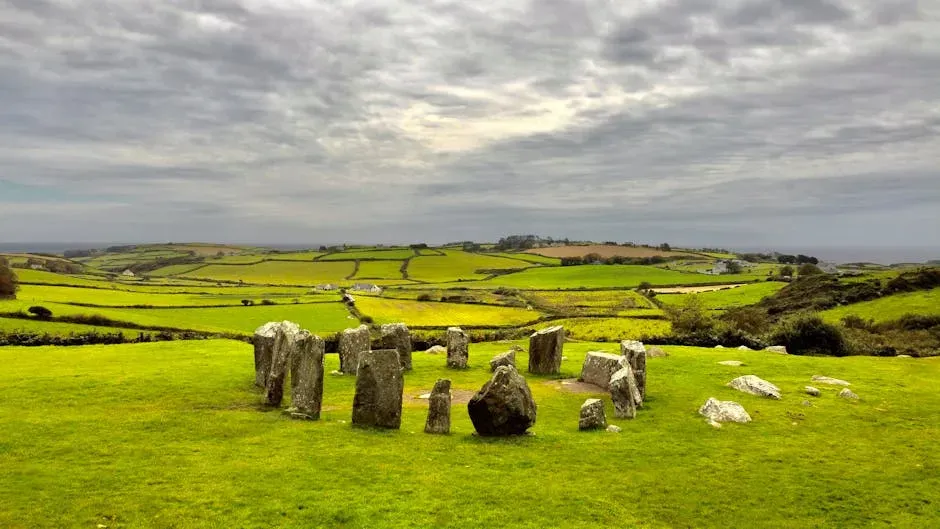
In the latter part of the 17th and then the 18th centuries, destruction at Avebury reached its peak, possibly influenced by the rise of Puritanism in the village. The majority of the standing stones that had been a part of the monument for thousands of years were smashed up to be used as building material. This was achieved by lighting a fire to heat the sarsen, then pouring cold water on it to create weaknesses in the rock, and finally smashing at the fire-cracked rock with a sledgehammer. It is shocking that such a world-class monument came so close to being erased entirely.
Alexander Keiller (1889 to 1955), heir to a Scottish marmalade fortune, purchased much of Avebury in 1924 and began systematic excavation and restoration in the 1930s. He used his wealth to acquire a total of 950 acres of land in Avebury for preservation, where he conducted excavations and re-erected some standing stones. He re-erected fallen stones, excavated buried ones, and marked the positions of destroyed stones with concrete markers. His work, while not perfect by modern standards, saved the monument from further destruction and created the Avebury we see today.
Avebury Is Part of a Sweeping Sacred Landscape You Can Still Explore Today
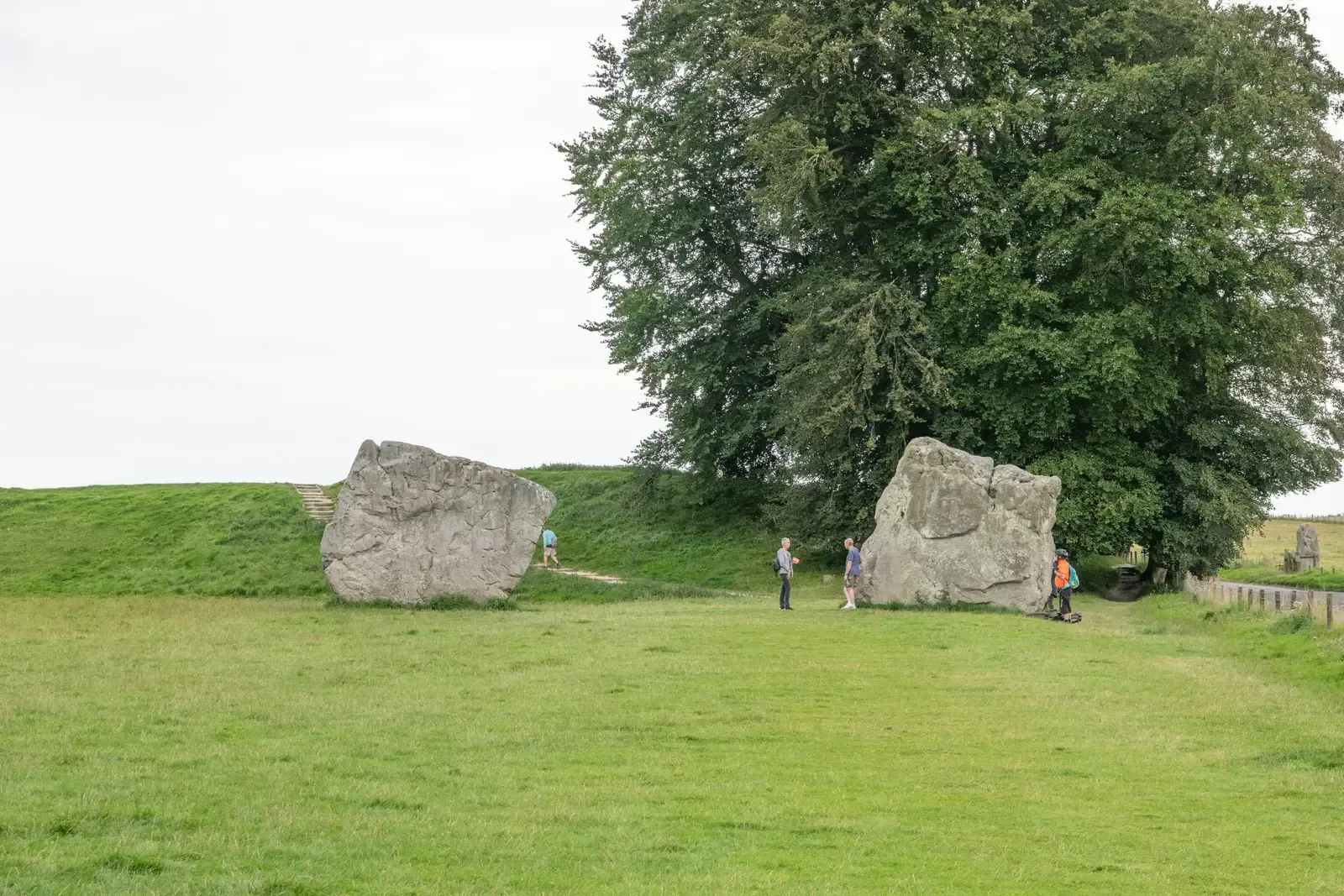
Avebury is part of an extraordinary set of Neolithic and Bronze Age ceremonial sites that seemingly formed a vast sacred landscape. They include West Kennet Avenue, West Kennet Long Barrow, The Sanctuary, Windmill Hill, and the mysterious Silbury Hill. Each of these sites tells its own story, yet they all appear connected in ways archaeologists are still piecing together.
Perhaps the most humbling nearby monument is Silbury Hill. Silbury Hill is the largest artificial prehistoric mound in Europe, measuring 30 metres in height. Eighteen million hours of labour, the equivalent of 500 people working full-time for 15 years, were invested in building a mound that, as far as archaeology can determine, contains nothing. It has no astronomical alignment, no burial, no artefacts, no obvious ritual function. It simply exists: a massive, carefully constructed, enigmatic fact on the Wiltshire landscape. Some mysteries, it seems, are designed to stay that way.
No One Knows Exactly What It Was For, and That Is Part of Its Magic
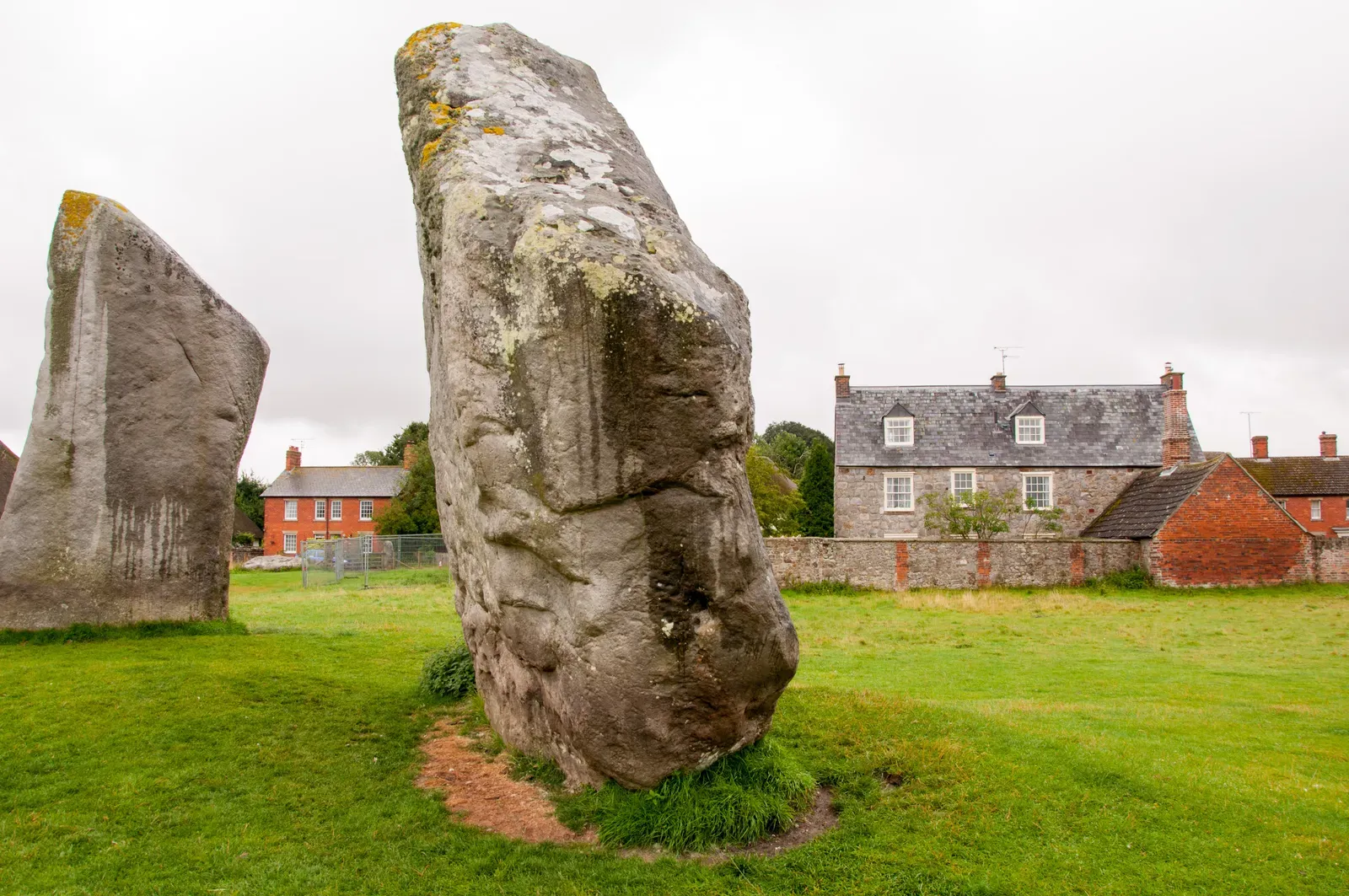
Constructed over several hundred years in the third millennium BC, during the Neolithic, or New Stone Age, the monument comprises a large henge with a large outer stone circle and two separate smaller stone circles situated inside the centre of the monument. Its original purpose is unknown, although archaeologists believe that it was most likely used for some form of ritual or ceremony. It’s worth sitting with that uncertainty for a moment. One of the largest construction projects in prehistoric human history, and we genuinely do not know why it was built.
Archaeologist Aubrey Burl believed that rituals would have been performed at Avebury by Neolithic peoples in order to appease the malevolent powers of nature that threatened their existence, such as the winter cold, death and disease. Others have suggested it served as a gathering place for seasonal fairs, a kind of prehistoric community hub. Avebury has been adopted as a sacred site by many adherents of contemporary Pagan religions such as Druidry, Wicca and Heathenry. Whatever its original purpose, it continues to draw people searching for meaning, connection, and something ancient. And in 2026, the Avebury Stone Circle remains an architectural marvel, inscribed on the UNESCO World Heritage Site list.
Conclusion
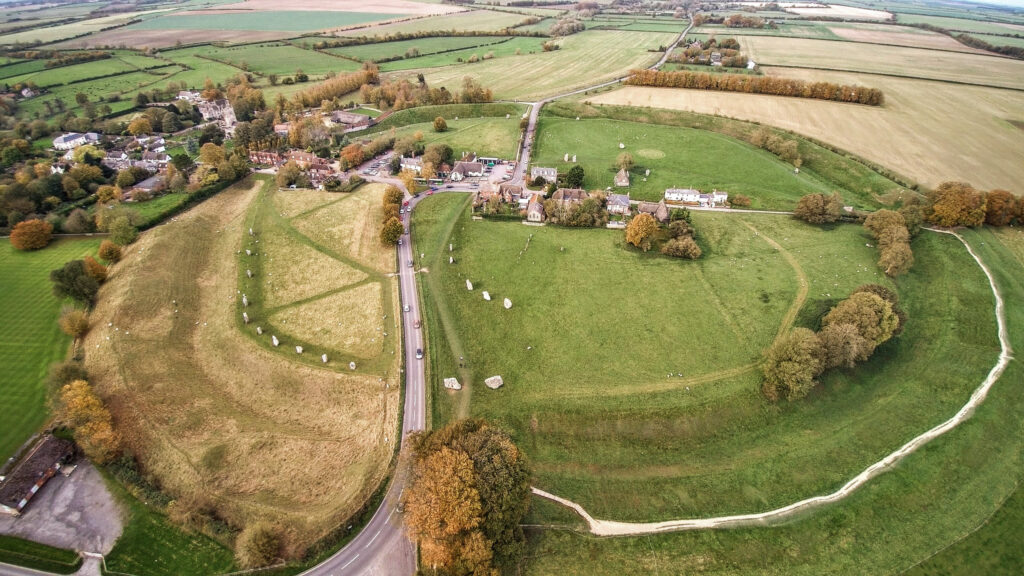
Avebury is one of those rare places on earth that genuinely earns the word “remarkable.” You can walk freely among stones that predate written language, touch rocks that Neolithic communities hauled across the landscape using nothing but collective human will, and stand in the middle of a living village that has no idea how extraordinary its backyard truly is.
It survived medieval zealotry, agricultural destruction, centuries of neglect, and came within a whisker of disappearing entirely. The fact that it still stands, and that you can visit it freely without a fence or an entry fee, feels almost miraculous. Honestly, if you’ve ever visited Stonehenge and felt slightly distant from it, kept back by barriers and crowds, Avebury is the antidote.
The world’s largest stone circle is still out there in the Wiltshire countryside, open and waiting. It has been standing for roughly five thousand years. What would it take to get you there? Tell us in the comments below.