If you could step back into the Late Jurassic and watch certain dinosaurs move, you’d probably feel an eerie sense of déjà vu. The tilt of the head, the way the feet gripped the ground, even the flick of a feathery tail would look strangely familiar, because you see echoes of it every time a pigeon struts past you or a hawk glides overhead. You’re not just looking at animals that vaguely resemble dinosaurs; you’re looking at the last living dinosaurs themselves.
When you dig into how birds evolved, the story turns from a simple “dinosaurs died, birds survived” into something far richer and more surprising. You find that many traits you associate with birds today – feathers, fast metabolisms, agile brains, complex parenting – were already taking shape in their dinosaur ancestors. Let’s walk through seven powerful ways dinosaurs quietly built the blueprint for the birds you see out your window today.
1. Feathers: From Dinosaur Insulation to Bird Flight
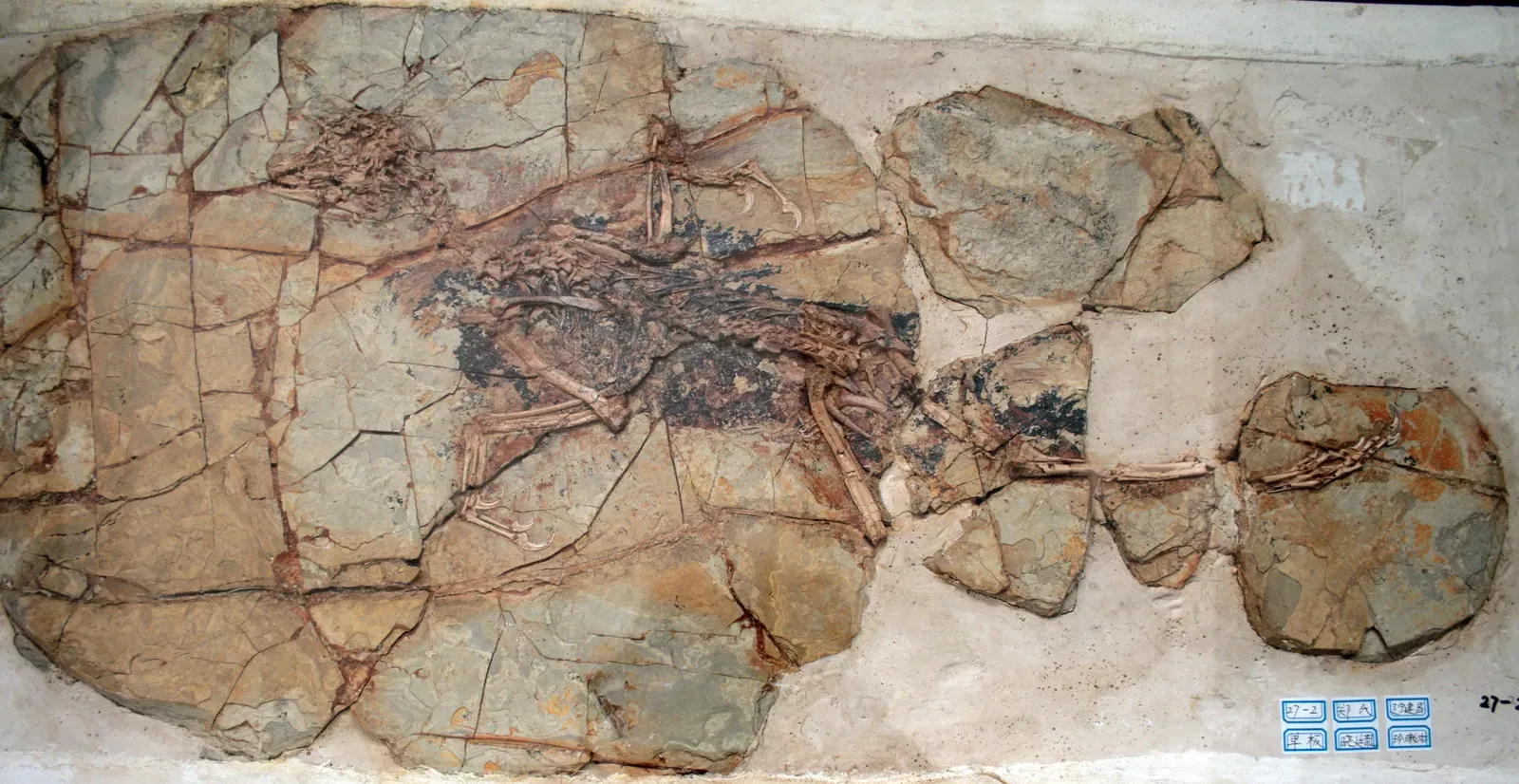
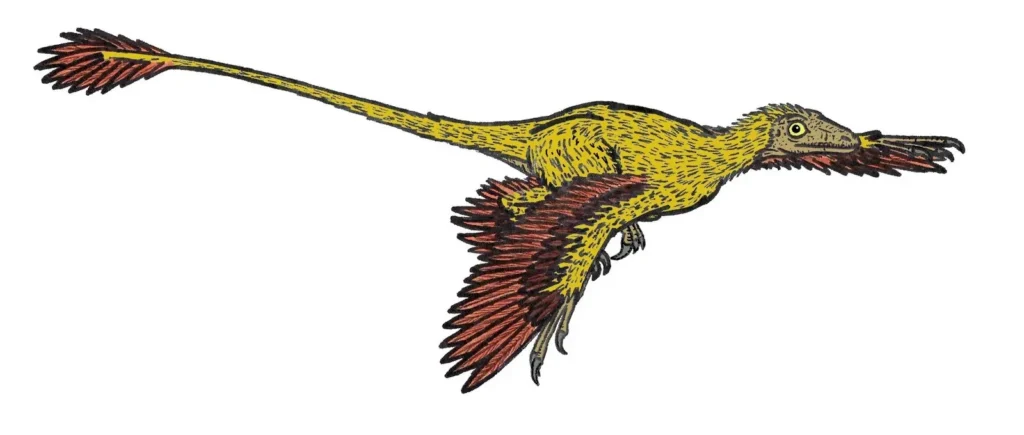
Uploaded by FunkMonk, CC BY-SA 2.0)
You might think feathers were invented just for flight, but if you could touch many small theropod dinosaurs, you’d probably feel soft fuzz rather than bare scales. Early feathers seem to have started out as simple filaments for insulation, helping small, active dinosaurs hold onto body heat. As evolution tinkered, those filaments branched, flattened, and diversified into more complex structures that you’d recognize as primitive feathers.
Over time, you see those simple filaments turn into vaned feathers on the arms and tails of certain dinosaurs, long before true powered flight existed. For you, this means that when a bird preens its feathers on a branch, you’re witnessing a structure that had a long pre-bird history in dinosaur lineages. Flight feathers are just one specialized version of a tool that originally helped dinosaurs stay warm, stand out to each other, and maybe even intimidate rivals or attract mates.
2. Hollow Bones and Lightweight Frames
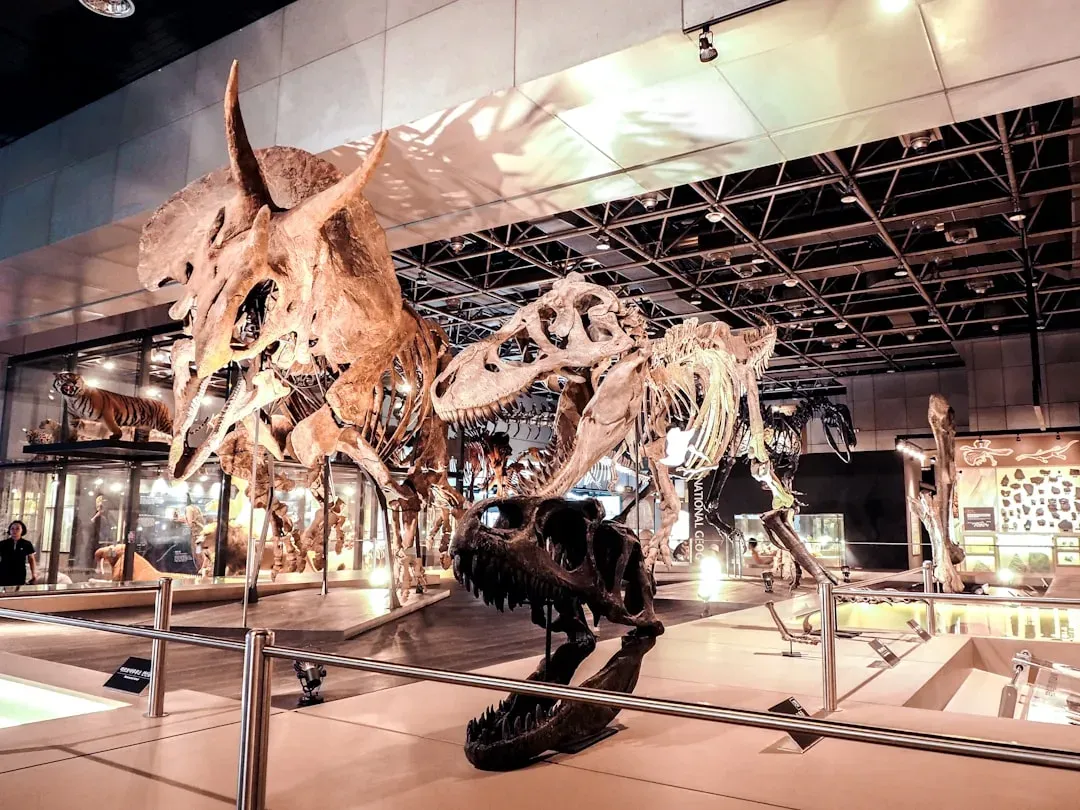
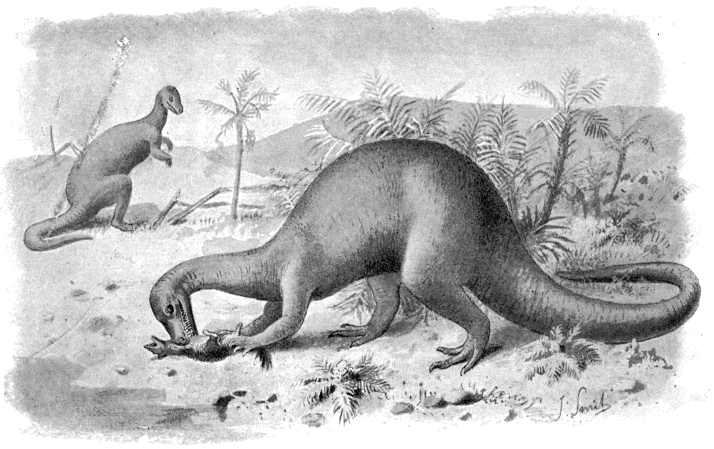
If you picture a lumbering giant like a long-necked sauropod, “lightweight” is probably the last word that comes to mind. Yet even many large dinosaurs had air-filled spaces in their bones, much like the hollow bones you find in birds today. In theropods – the group that gave rise to birds – these air sacs and hollow regions helped reduce weight without sacrificing strength, a crucial step toward the lighter skeletons that flight would eventually demand.
When you handle a bird’s bone (even a chicken drumstick), you’re touching a design that dinosaurs were already experimenting with. Those air-filled spaces were part of a respiratory system that extended into the skeleton, making breathing more efficient and bodies less dense. You can think of it as nature’s version of aerospace engineering: shaving off every unnecessary gram while keeping the frame tough enough to handle powerful muscles and fast movement.
3. The Dinosaur Blueprint of the Bird Skeleton
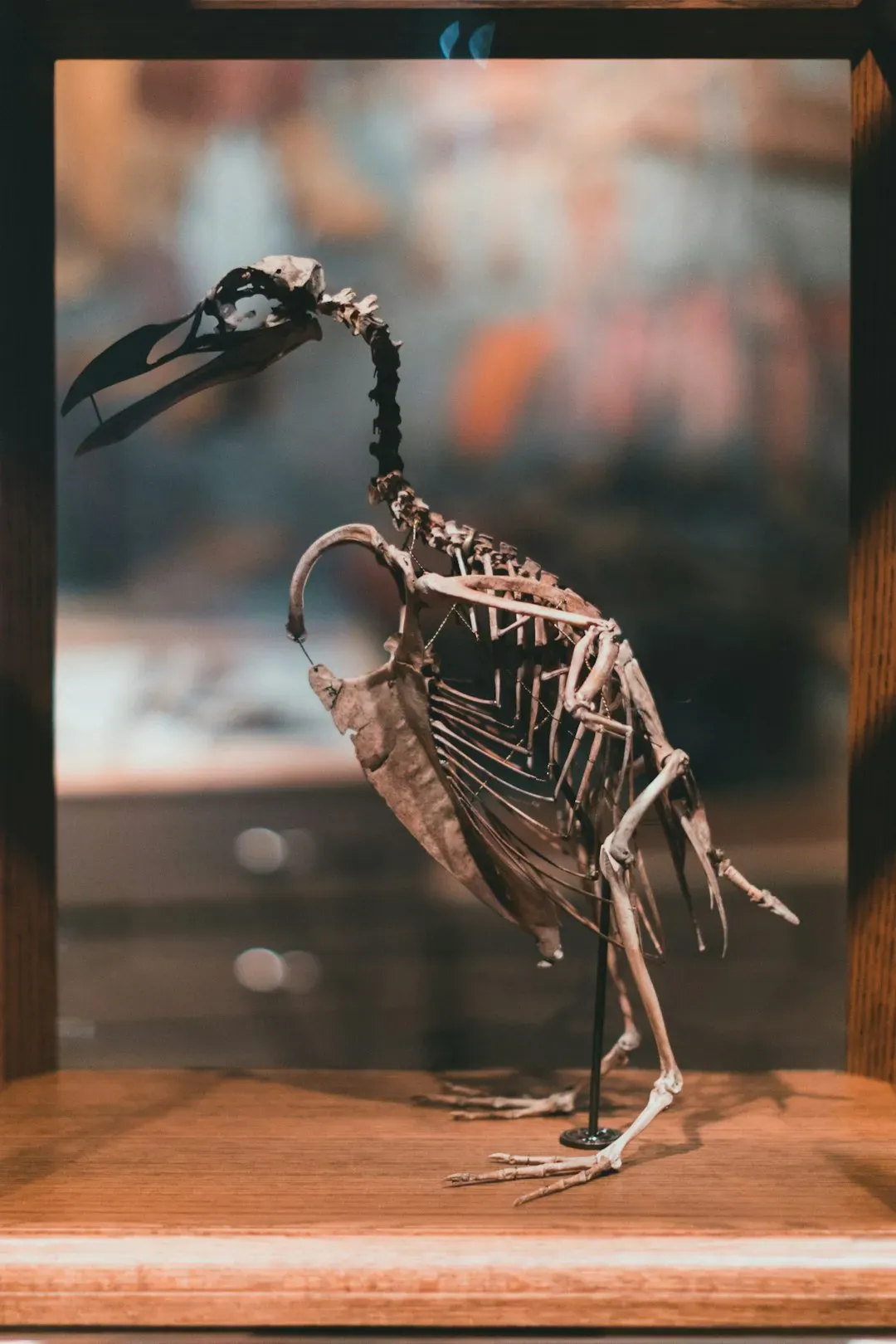
Next time you see a bird skeleton in a museum, look past the wings and imagine arms with claws, a long tail, and teeth instead of a beak. Many core features of that skeleton – three-fingered hands, a semi-lunate wrist that could fold the hand back, long hind limbs, and a backward-pointing pubis in some lineages – were already present in non-bird theropod dinosaurs. You’re not looking at a totally new body plan; you’re seeing a dinosaur body that’s been refined, trimmed, and specialized.
Even the famous bird wishbone, or furcula, has deep dinosaur roots. In many theropods, that fused clavicle acted like a springy brace for the shoulders, helping with powerful forelimb movements. In you and other modern bird observers, it’s easy to focus on wings as something uniquely avian, but those wings are just modified dinosaur arms. Flight did not pop out of nowhere; it grew layer by layer from a skeleton that was already unusually flexible and suited for quick, precise motions.
4. Warm-Blooded Metabolism and High-Energy Lifestyles
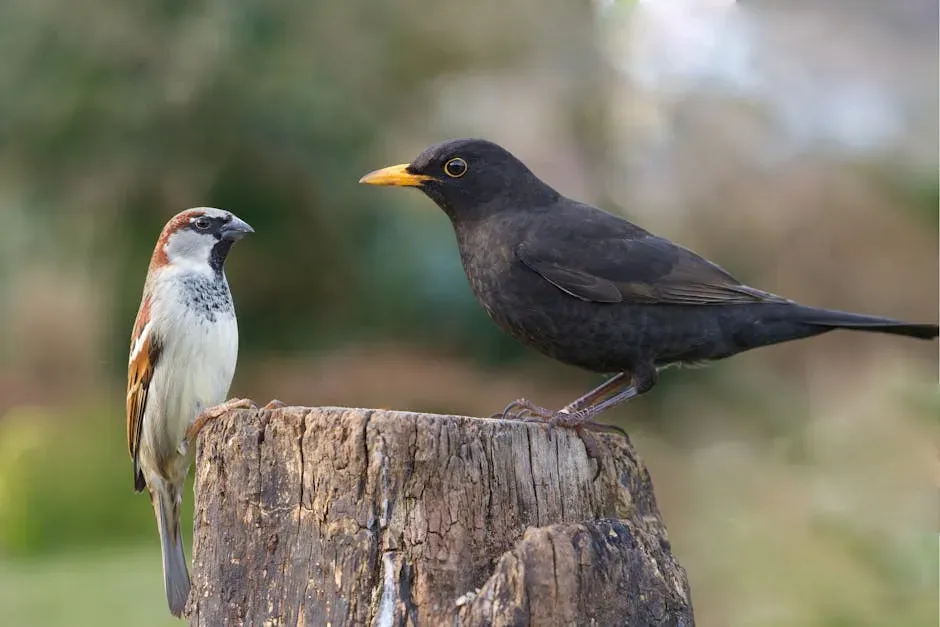
When you think of birds, you think of constant motion: a hummingbird hovering, a hawk soaring for hours, or a sparrow flitting endlessly between branches. That kind of lifestyle requires a high metabolism, fast oxygen delivery, and a body that runs hot. Evidence from dinosaur bone growth rings, microscopic structure, and even oxygen usage suggests that many theropod dinosaurs were already operating at elevated metabolic levels compared with typical reptiles.
In practice, that means you can imagine certain dinosaurs living more like birds than like sluggish lizards: active hunters, fast runners, and agile predators that needed reliable internal temperature control. As this trend continued, you ended up with lineages that could push activity even harder, eventually reaching the intense metabolic pace you see in birds. When a bird shivers in cold weather to stay warm, you’re seeing a style of life that dinosaurs were already gearing up for long before feathers ever lifted anyone off the ground.
5. Brains, Senses, and the Rise of Dinosaur Intelligence
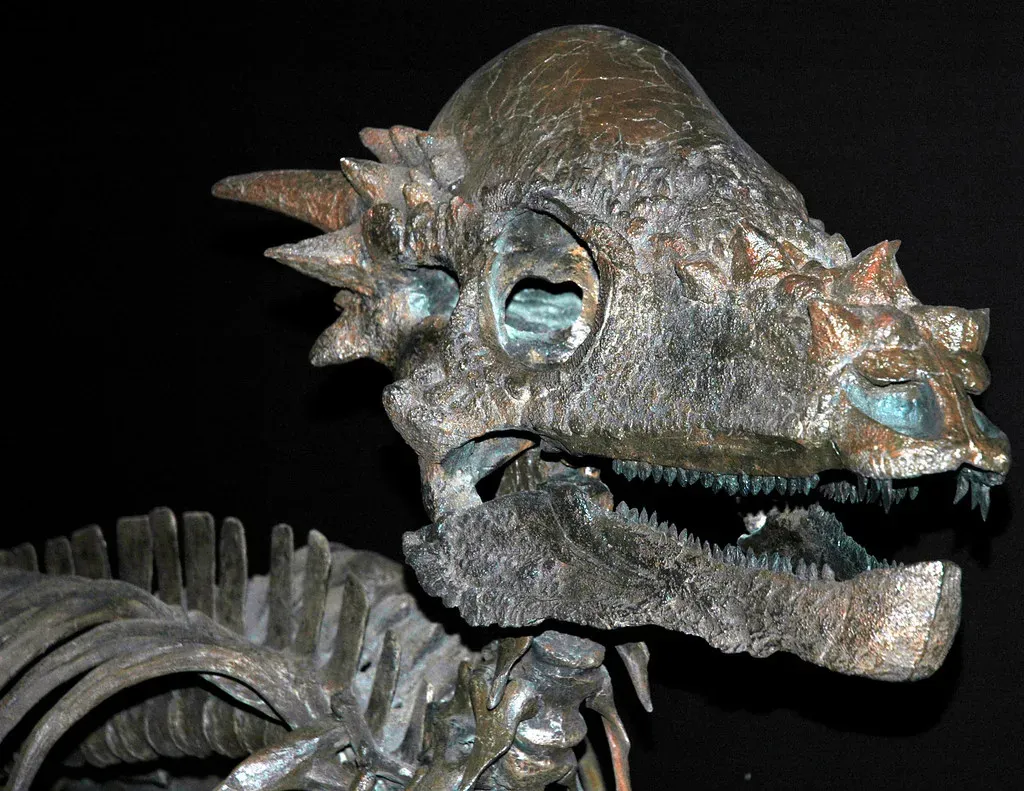
Birds often surprise you with how clever they are, whether it’s a crow solving puzzles or a parrot mimicking sounds with uncanny accuracy. That intelligence did not come out of nowhere. Braincase studies in theropod dinosaurs show expanding regions associated with vision, balance, and coordination. Many of these predators relied on sharp eyesight, rapid reflexes, and complex hunting strategies, all of which demanded more brainpower.
As you trace the line toward early birds, you see brain proportions shifting closer to what you find in modern birds, especially when it comes to areas that handle visual processing and movement in three-dimensional space. For you, that means the bird’s-eye view really is a dinosaur’s-eye view, upgraded. The keen awareness a hawk uses to lock onto prey or the precise timing a swallow needs to catch insects midair is rooted in sensory and neural innovations that were already being tested in their dinosaur forebears.
6. Eggs, Nests, and Dinosaur-Style Parenting
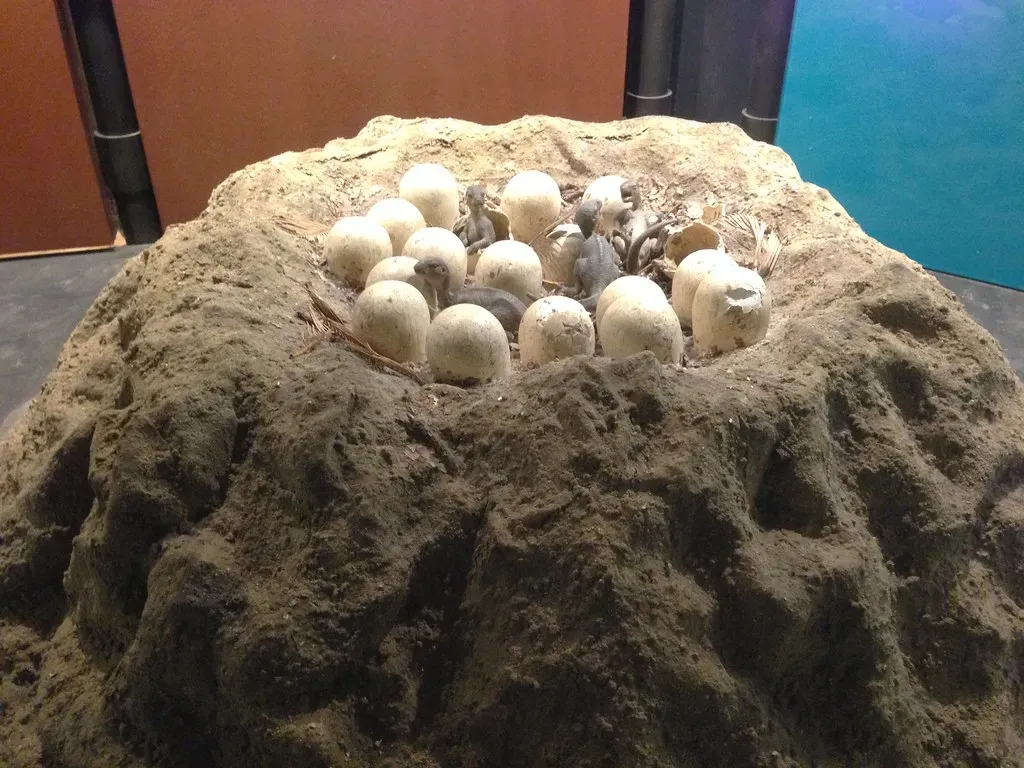
You probably associate careful parenting with birds: adults sitting on nests, turning eggs, feeding chicks, and defending young with startling ferocity. Fossilized dinosaur nests and adult skeletons found positioned over eggs suggest that some non-bird dinosaurs were already investing heavily in their offspring. They arranged eggs in organized clutches, built nests, and in some cases appear to have brooded them, using body heat to regulate temperature, much like birds do today.
When you see a bird carefully rotating its eggs or feeding helpless hatchlings, you’re watching behavior that has deep roots in dinosaur family life. This kind of investment in fewer, better-protected young fits perfectly with the shift toward more active, warm-blooded bodies, since each baby is more costly to produce and raise. In your everyday life, that robin guarding its nest or that goose charging at intruders is echoing parenting strategies that started long before the first true bird took to the air.
7. From Running, Gliding, and Leaping to True Flight
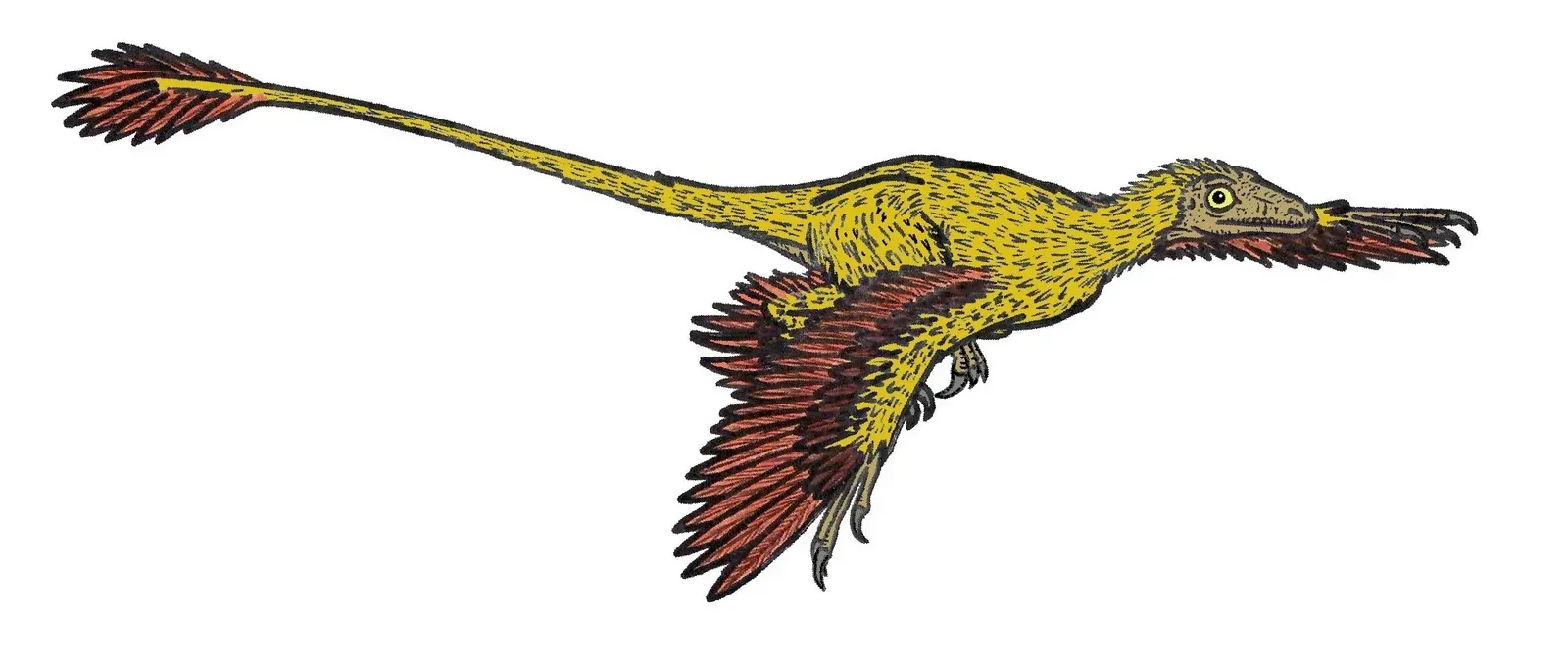
One of the biggest mental shifts you can make is to stop thinking of flight as a single magical event and start seeing it as a series of small, practical upgrades that dinosaurs used for everyday survival. Feathered theropods may have initially used their feathered arms for balance while running, for braking when leaping, or for short gliding jumps from higher ground. These behaviors would have given them real advantages – dodging predators, catching prey, or moving through cluttered forests more safely.
As feathers became more aerodynamic and muscles stronger, those small advantages began to blur into true powered flight. You can imagine a continuum: from a running dinosaur that uses feathered arms to help scramble up slopes, to one that can extend jumps into glides, and finally to a creature capable of flapping hard enough to sustain airborne travel. When you watch a modern bird use its wings not just for flight but also for balance, display, or braking during landing, you are seeing the many original jobs that dinosaur wings performed before full-on flight took over.
Conclusion: Seeing Birds as the Last Dinosaurs
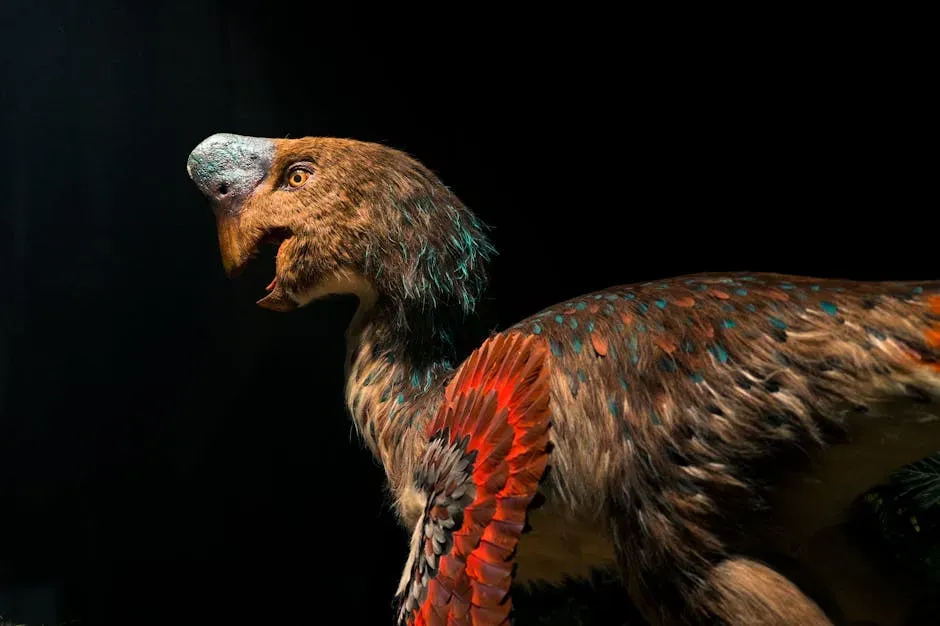
When you put all these threads together – feathers, hollow bones, skeletal tweaks, hot-running metabolisms, sharper brains, devoted parenting, and primitive experiments with aerial movement – you stop seeing birds as a separate invention and start seeing them as the final chapter of the dinosaur story. Every time you look at a sparrow hopping by a café table or a vulture circling high above a highway, you’re not just watching a modern bird; you’re watching a dinosaur that made it through the worst extinction event in Earth’s recent history by changing instead of disappearing.
Once you recognize that, your everyday world looks different. A city park becomes a living dinosaur exhibit, filled with beaked, feathered descendants still refining the same ancient blueprint. You may never look at a flock of pigeons the same way again, and maybe that’s the quiet thrill of it: you’re sharing your planet and even your sidewalks with the last surviving branch of a once-dominant dynasty of animals. Did you expect the age of dinosaurs to still be happening right over your head?