Stand back far enough from human history and the last few thousand years start to look like the final seconds of a very long movie. Almost everything that made us who we are today happened in the unimaginably deep past: strange climates, vanished humans, lost ecosystems, and choices our ancestors never knew they were making. Prehistory is not just a dusty prologue; it is the weird, wild testing ground where our story could easily have gone very differently.
These seven “what if” questions do not try to rewrite history with fantasy. Instead, they press on the places where the evidence is thin, the consequences were huge, and the alternatives are genuinely worth thinking about. None of them can be answered with certainty, but exploring them changes how we see ourselves: not as the inevitable outcome of progress, but as one quirky branch on a very tangled tree of possibilities.
What if Neanderthals had never gone extinct?
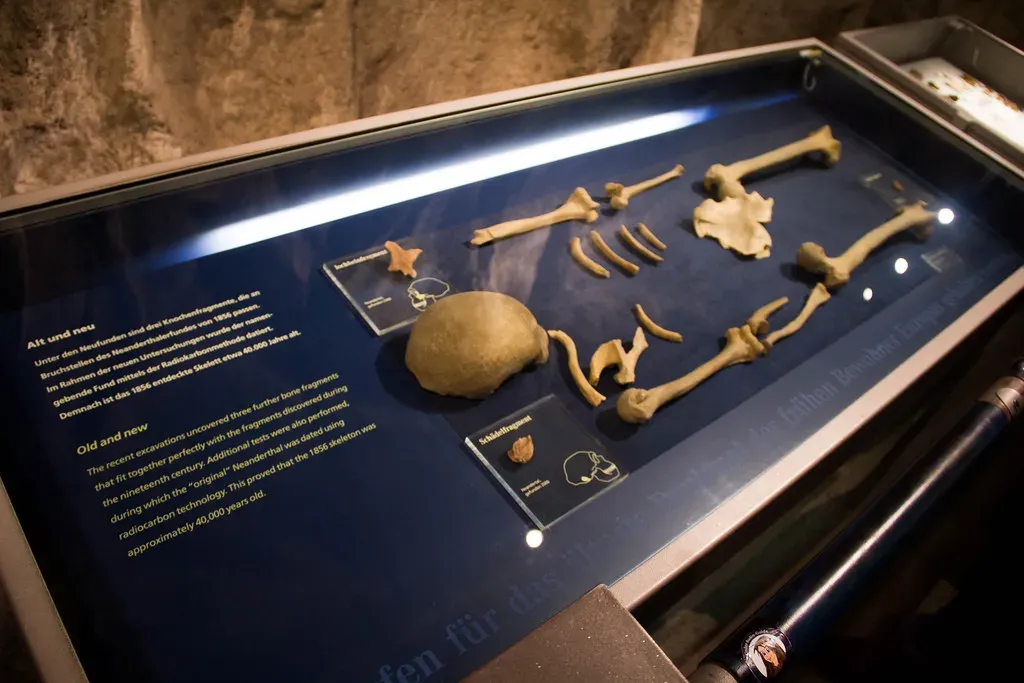
Roughly speaking, Neanderthals were around for hundreds of thousands of years in Europe and western Asia before disappearing about forty thousand years ago, just as our own species spread across their range. We now know they were not the grunting caveman stereotype: they controlled fire, used complex tools, buried their dead, and had brains at least as large as ours. Genetic evidence shows that most people outside Africa today still carry a small amount of Neanderthal DNA, which means our ancestors did not just compete with them; they also had children together.
If Neanderthals had survived as a distinct population into historical times, our picture of “humanity” would be radically different. Imagine growing up in a world with more than one living human species, each with its own culture and history, sharing cities, laws, and borders. Would discrimination and racism be even worse, anchored in biological differences? Or would the existence of another fully intelligent human species have forced us to face our shared origins and rethink ideas about superiority altogether? Personally, I suspect we would have done what we always do: mix cooperation and cruelty in almost equal measure, but the moral questions would be impossible to ignore.
What if humans had evolved on a planet without repeated ice ages?
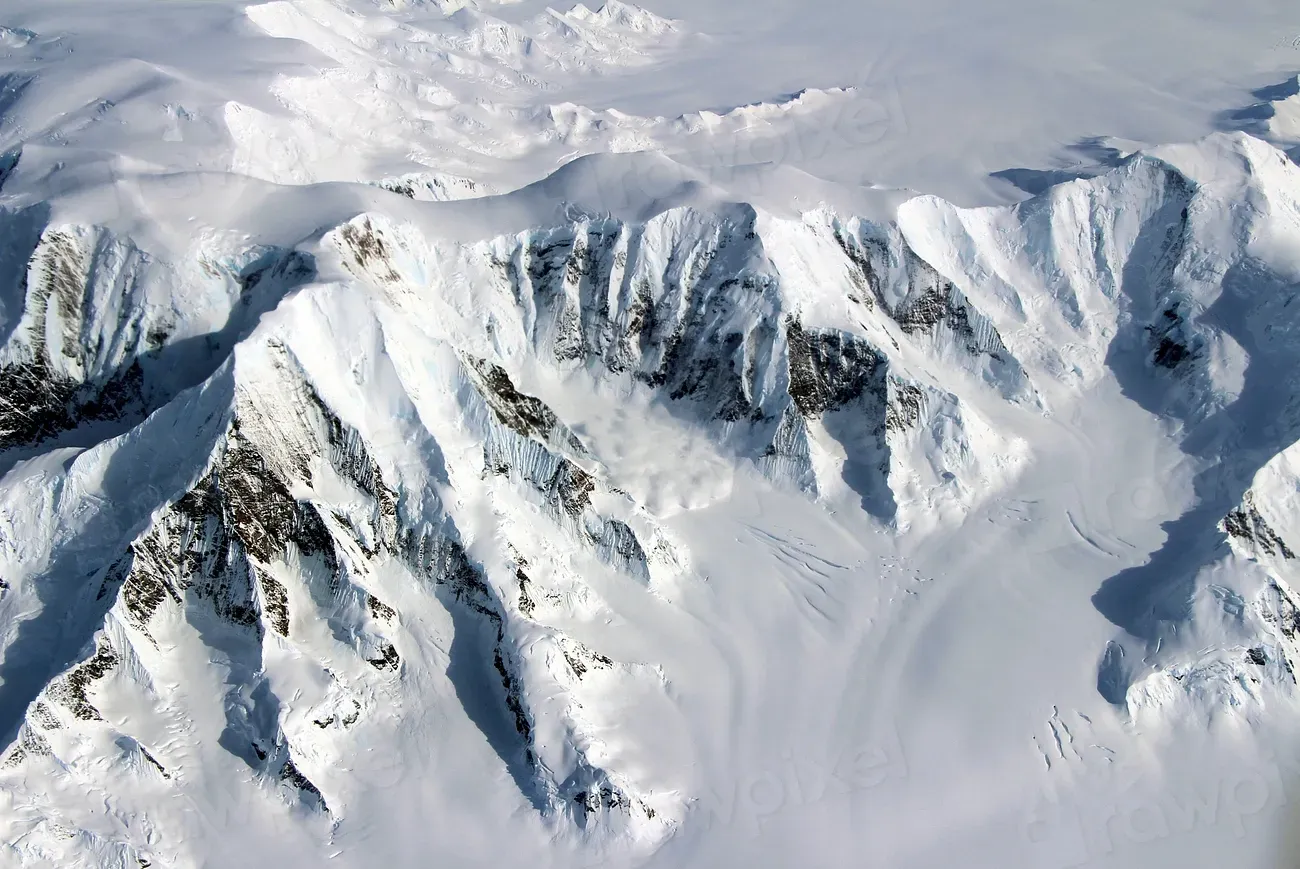
Over the last few million years, Earth has cycled through long, cold glacial periods and shorter, warmer interglacials. These swings in climate reshaped landscapes, drove animals to move or die out, and probably pushed early humans to adapt or vanish. Some researchers think that the constant shifting between forests and open grasslands in Africa forced our ancestors to become flexible, creative generalists who could survive in many environments instead of specializing in one.
Now imagine a more stable world: no huge ice sheets advancing and retreating, no dramatic sea-level changes, fewer sudden ecological crises. In that scenario, early humans might have stayed in relatively comfortable, predictable habitats, with less pressure to migrate, innovate, and cooperate across long distances. Perhaps we would have ended up with many regionally distinct, moderately intelligent hominins instead of one hyper-adaptable global species. I like to think we owe some of our restlessness and inventiveness to those harsh climate swings; without them, our story might have been calmer, slower, and much less technologically explosive.
What if a different hominin, not Homo sapiens, had made it to global dominance?
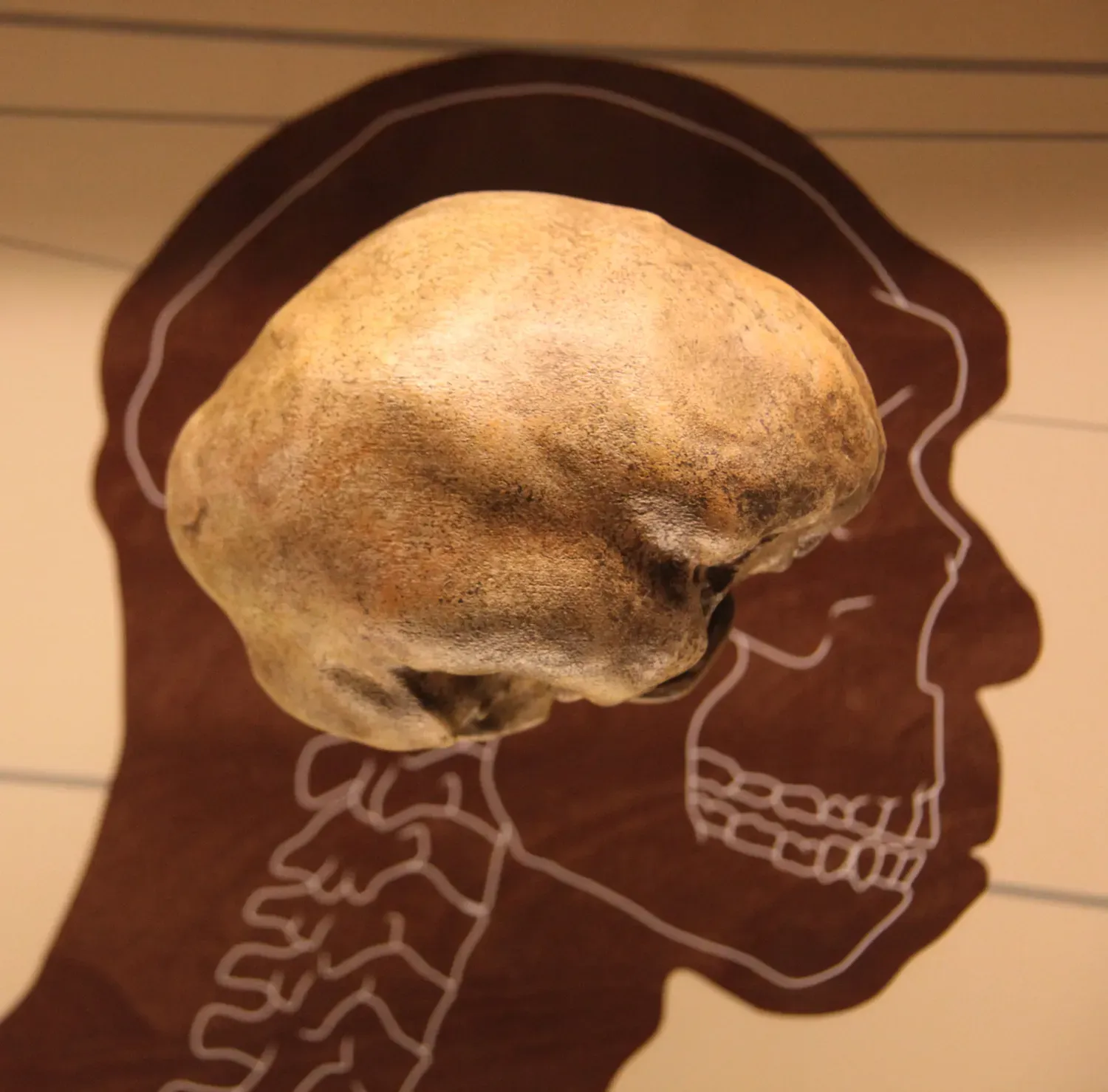
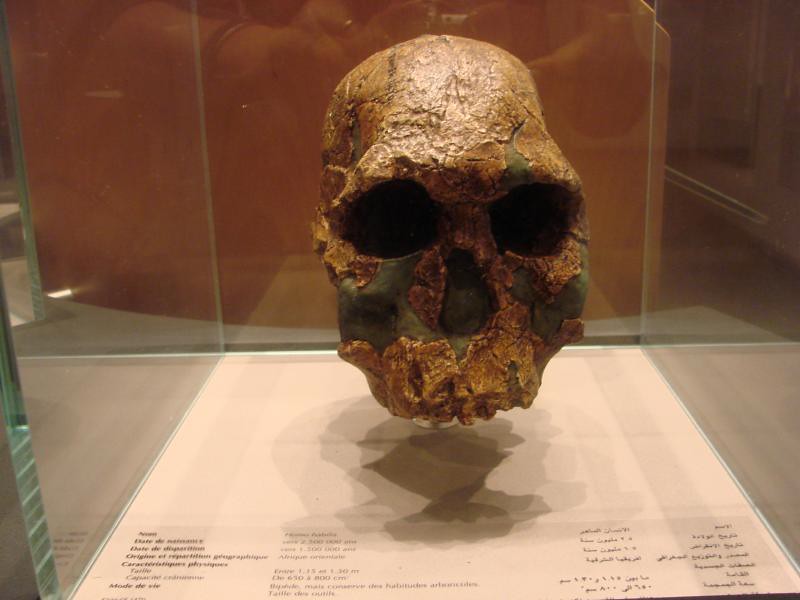
Homo sapiens was not the only contender for “most successful ape” in prehistory. There were robust, big-brained relatives like Homo heidelbergensis, mysterious small-bodied hominins like those found on Flores in Indonesia, and other groups we know mostly from a handful of bones and DNA fragments. At several points in time, multiple hominin species shared the planet, each with slightly different bodies, tools, and likely social behaviors. Our species just happens to be the one that survived and spread almost everywhere.
Suppose another branch, perhaps one slightly more robust or differently wired socially, had been the one to expand and fill the globe. You can picture a world where tool-making and culture evolved, but with different emphases: maybe less obsession with symbolic art and more with practical engineering, or tighter kin-based groups instead of large, flexible networks of cooperation. In my view, it is arrogant to assume “someone like us” was inevitable. Intelligence could have worn a different face, had a different temperament, and still built something recognizable as civilization, but with values and vulnerabilities that would probably feel strangely alien to us.
What if megafauna had survived alongside humans into the modern era?
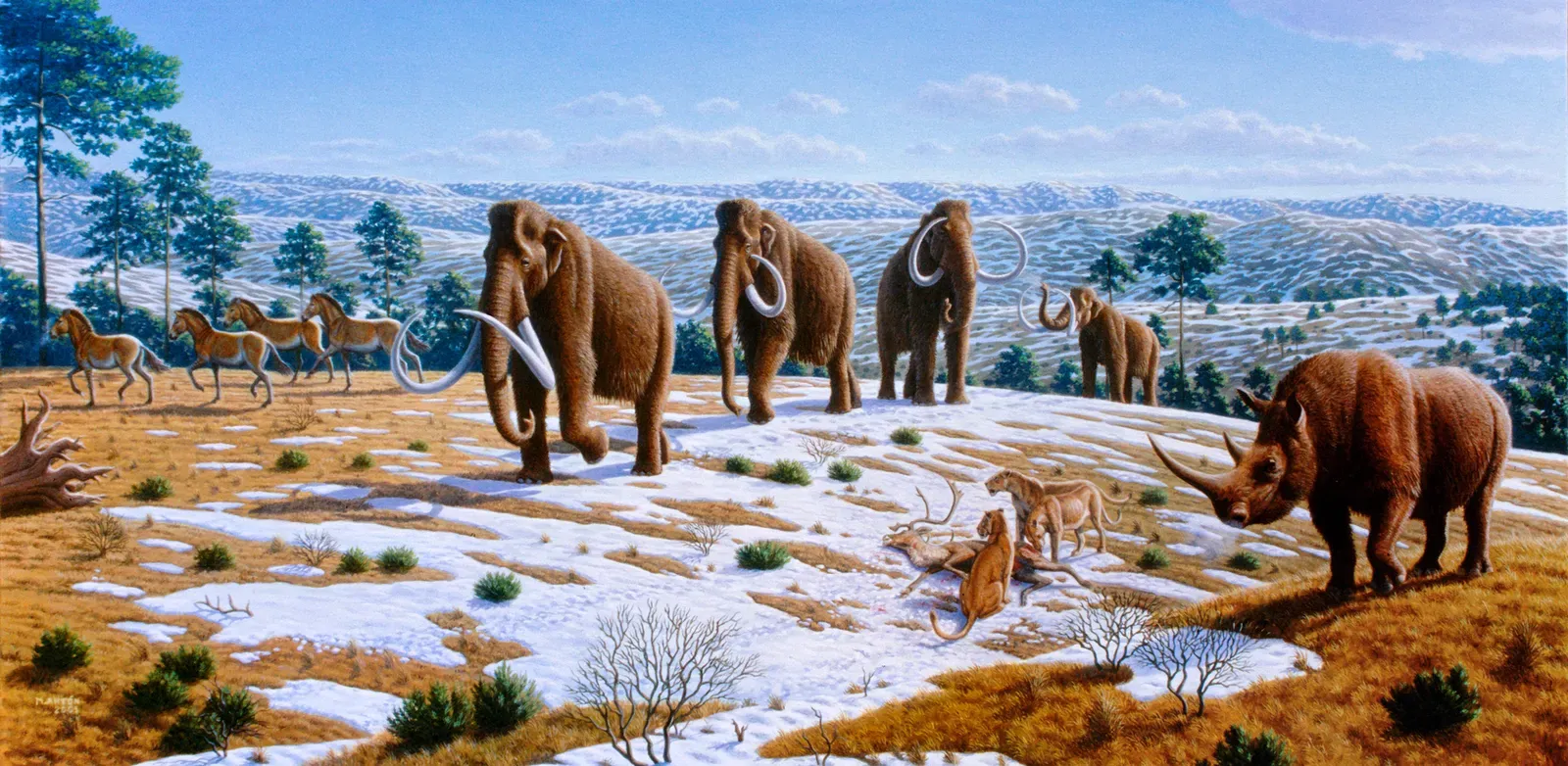
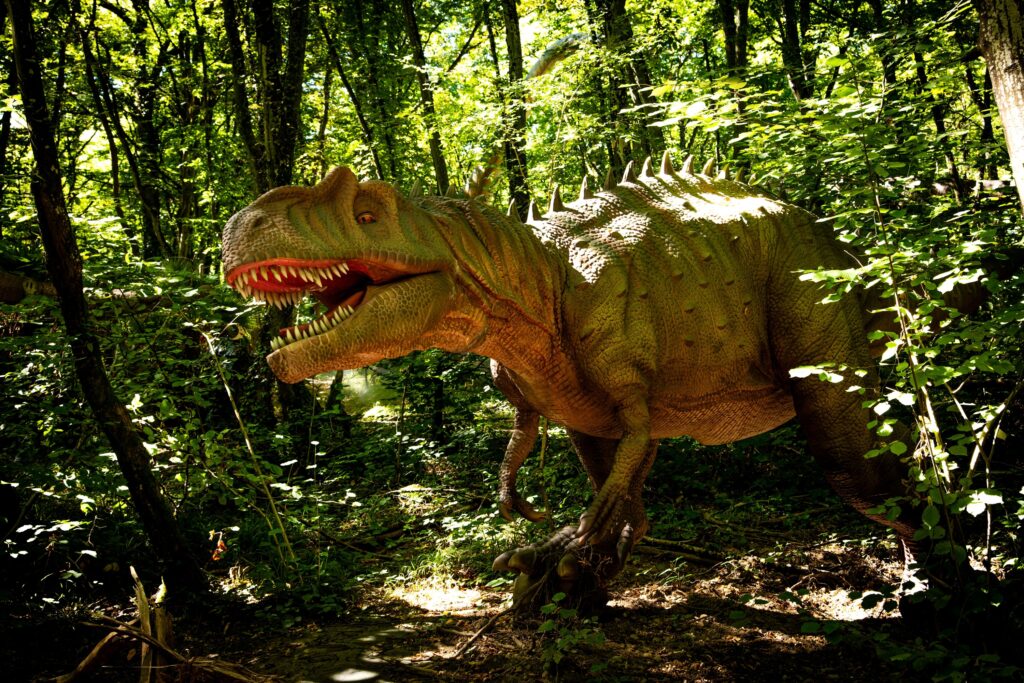
For most of prehistory, Earth was home to gigantic animals: mammoths, mastodons, giant ground sloths, enormous marsupials, and birds tall enough to stare a human in the eye. Many of these so-called megafauna disappeared around the time humans arrived in new regions, often during periods of climate change, and scientists still debate how much was due to human hunting versus environmental stress. Either way, our modern biodiversity is a thinner, quieter version of what once existed.
Picture living in a world where mammoths still roam northern grasslands, sabertooth cats stalk large herds, and enormous flightless birds are a routine hazard on open plains. Modern agriculture, urban planning, and even our sense of “wildlife” would be completely different if we had always needed to share space with such powerful animals. Would we be more respectful of nature because it could still crush us, or even more creative at pushing it out of the way? I suspect our mythology and religions would look different too; it is hard to imagine our stories about power and fear evolving the same way if we had grown up under the shadows of living giants.
What if the Toba super-eruption had pushed humans to the edge of extinction?
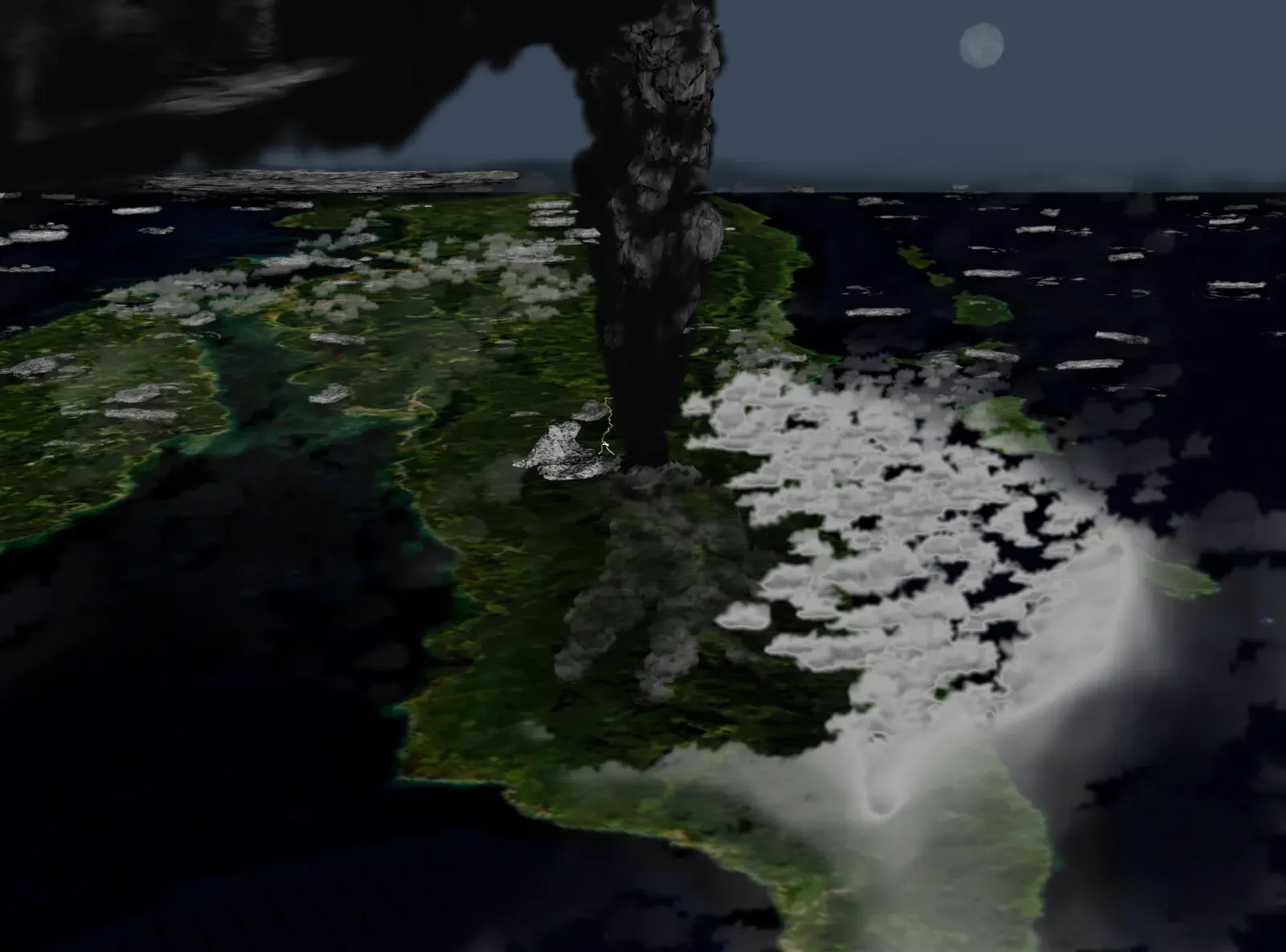
About seventy-four thousand years ago, the Toba volcano in what is now Indonesia erupted on a staggering scale, spreading ash over huge areas and likely influencing global climate for some time. Some scientists once argued that this event nearly wiped out humans, reducing us to a tiny remnant population, although more recent evidence suggests the impact on our numbers might have been more complex and regionally varied. Still, it is one of the clearest reminders that our species has never been fully in control of its own fate.
If Toba had been just a little more devastating, or if it had struck when our populations were more fragile, modern humans might have been reduced to a scattered handful of survivors in isolated refuges. Cultural diversity would have been bottlenecked even more severely, and the genetic variety we rely on today could have been drastically smaller. In that alternate timeline, humanity might still exist, but as a ghost of what could have been, constantly vulnerable to disease and environmental change. It is sobering to realize that our entire global civilization hangs on a long streak of “near misses” like this, most of which our ancestors barely understood.
What if fire had been tamed much later in our evolution?
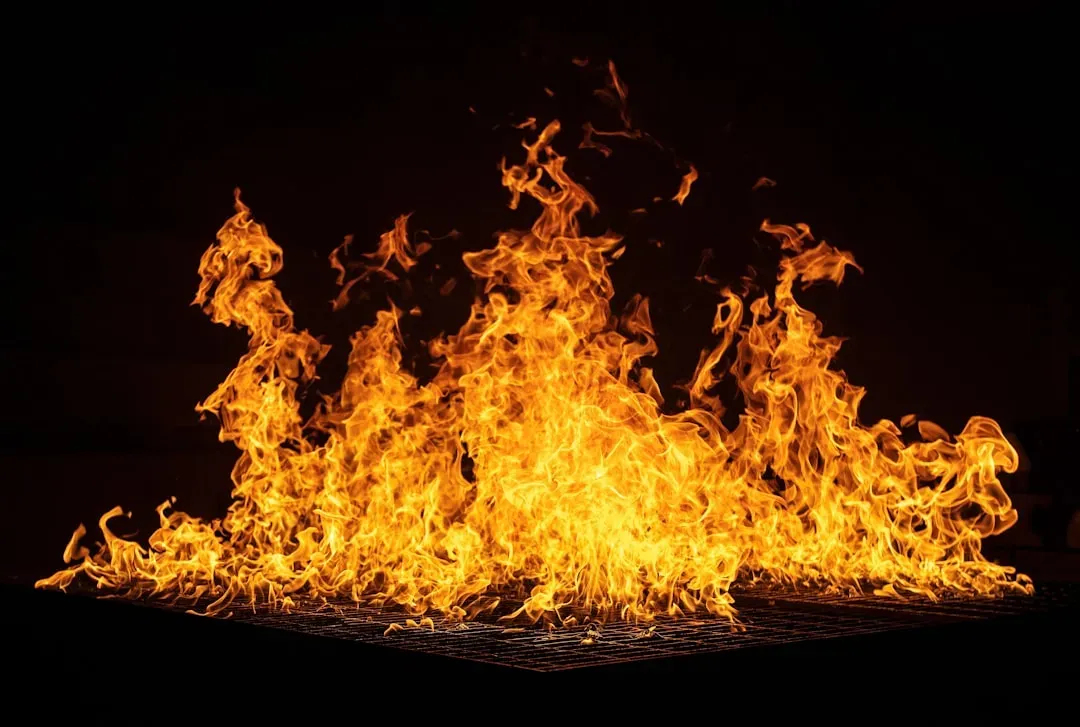
The controlled use of fire is one of the deepest turning points in human prehistory. Cooking made food easier to digest, unlocked extra calories, and may have supported the shrinking of our guts and the expansion of our energy-hungry brains. Fire also extended the day, scared off predators, and acted like a social magnet: people gathered around flames to share stories, teach skills, and build group identity long before there were villages or written laws.
Imagine that lightning and wildfires still existed, but our ancestors never quite cracked the problem of keeping and making fire until very late in the game. Our bodies would likely look different, with larger jaws and teeth, more robust digestion, and possibly smaller brains supported by a lower-energy diet. Night would have been more dangerous and limiting, shrinking the space for complex social life and cultural transmission. In that world, humanity might still be here, but perhaps as highly capable daylight foragers, clever but not quite on the trajectory toward the dense, electrified cities and twenty-four-hour lifestyles we now take for granted.
What if agriculture had failed and humans had stayed hunter-gatherers?
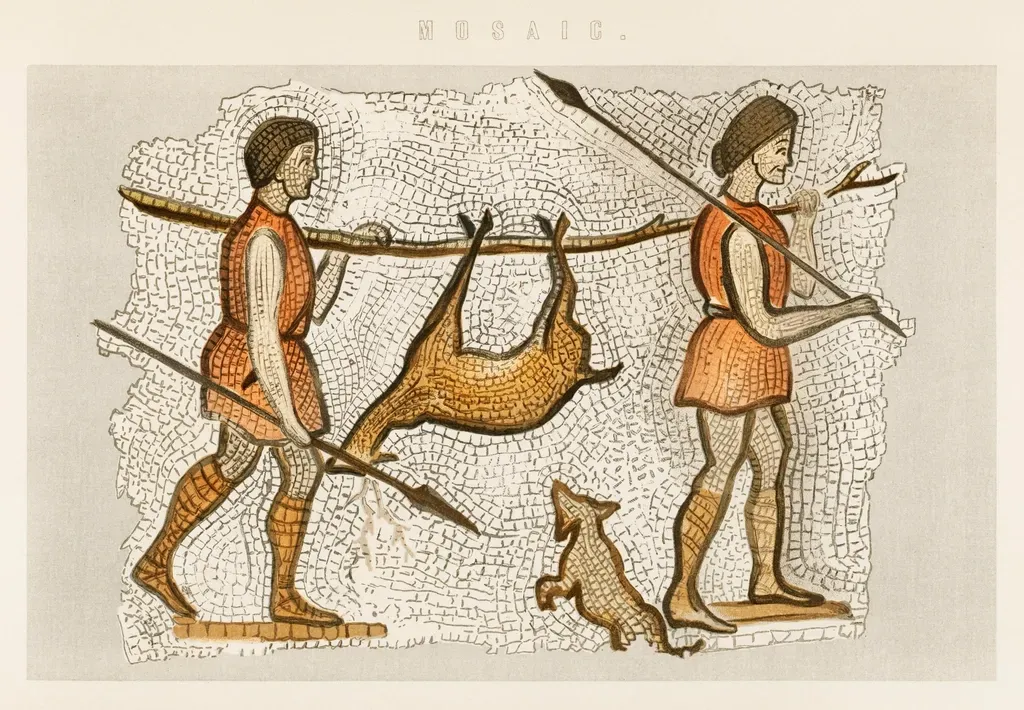
Around twelve thousand years ago, in several parts of the world, some groups of humans began to domesticate plants and animals, gradually shifting from mobile foraging to more settled farming lifestyles. This transition did not happen overnight, and it was not clearly “better” in the short term: early farmers often had worse health, more disease, and less varied diets than their foraging neighbors. Yet agriculture allowed for surplus food, population growth, permanent settlements, and eventually cities, writing, and complex states.
Now consider a scenario where early farming experiments repeatedly failed because of climate swings, pests, or social resistance, and no one ever quite committed to full-time agriculture. Humanity might have remained in smaller, more mobile bands, with rich ecological knowledge but far lower population densities. Without dense cities, there might have been fewer pandemics, less rigid hierarchy, and slower technological change, but also no modern medicine, no large-scale science, and no global communication networks. As much as I sometimes romanticize forager life, I have to admit that the comforts I enjoy are tightly bound up with the very inequalities and environmental pressures that the agricultural shift set in motion.
Conclusion: Prehistory as a mirror, not a myth
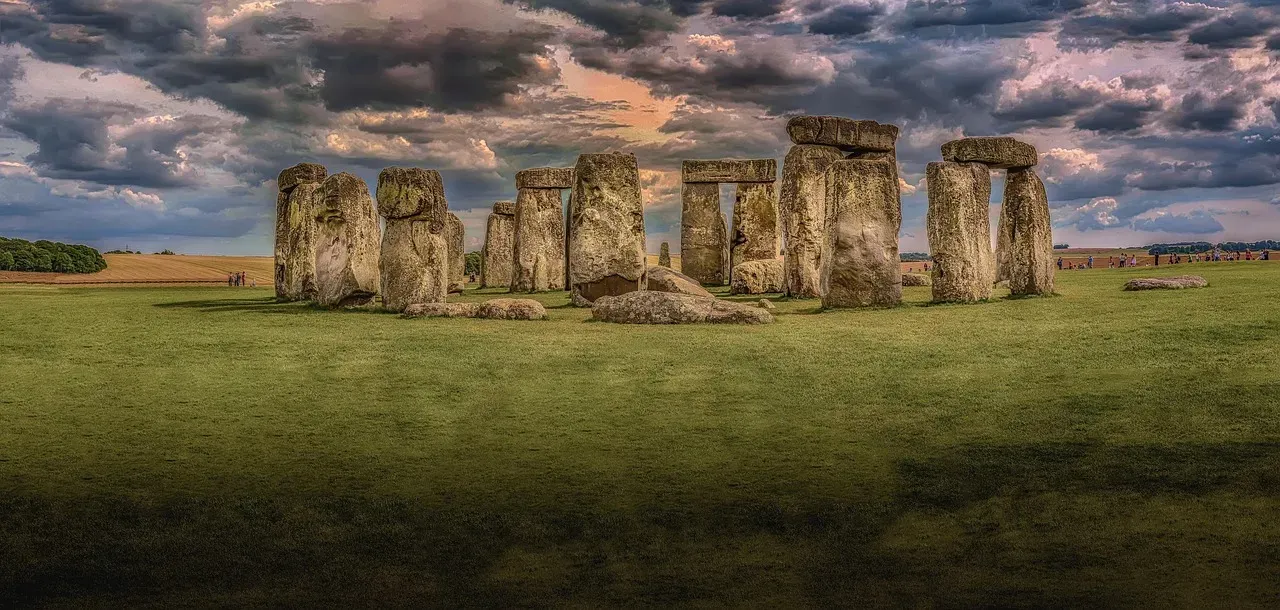
These “what if” questions are not just mental games; they are ways of testing our favorite stories about inevitability. When you realize how many turning points in prehistory could have gone differently, it becomes harder to claim that our particular form of civilization, or even our particular species, was destined to appear. Instead, we start to see ourselves as lucky survivors of a long series of gambles made in changing climates, shifting ecosystems, and social worlds our ancestors barely understood.
For me, the most unsettling and inspiring takeaway is that the future is just as open as the past once was. We are now the species with the power to trigger our own extinctions or reinvent our ways of living on a planetary scale, and that responsibility sits heavy once you see how fragile our path has been. Prehistory does not offer comforting guarantees, but it does offer a clear warning: nothing about our dominance is permanent, and nothing about our behavior is beyond change. When you look at these ancient crossroads, which possible version of humanity do you think we are drifting toward now, and is that really the one we want?