Imagine sharing your world with animals so enormous they made elephants look modest. Creatures that could shake the ground beneath your feet, cast shadows the size of small houses, and whose bones alone could build walls for shelter. This wasn’t fiction or mythology. For tens of thousands of years, our ancestors lived alongside some of the most awe-inspiring beasts to ever walk the Earth, and in doing so, formed connections with them that shaped everything from art and religion to survival and cultural identity.
What’s truly remarkable, though, isn’t just that ancient people lived next to these megafauna giants. It’s how deeply these creatures became woven into the fabric of early civilizations, from rock paintings to spiritual ceremonies, from bone tools to bones used as actual building materials. The story of ancient humans and prehistoric megafauna is, honestly, one of the most fascinating and underappreciated chapters in all of human history. Let’s dive in.
The Paleolithic Cave Painters of Europe: Artists Who Lived Among Giants
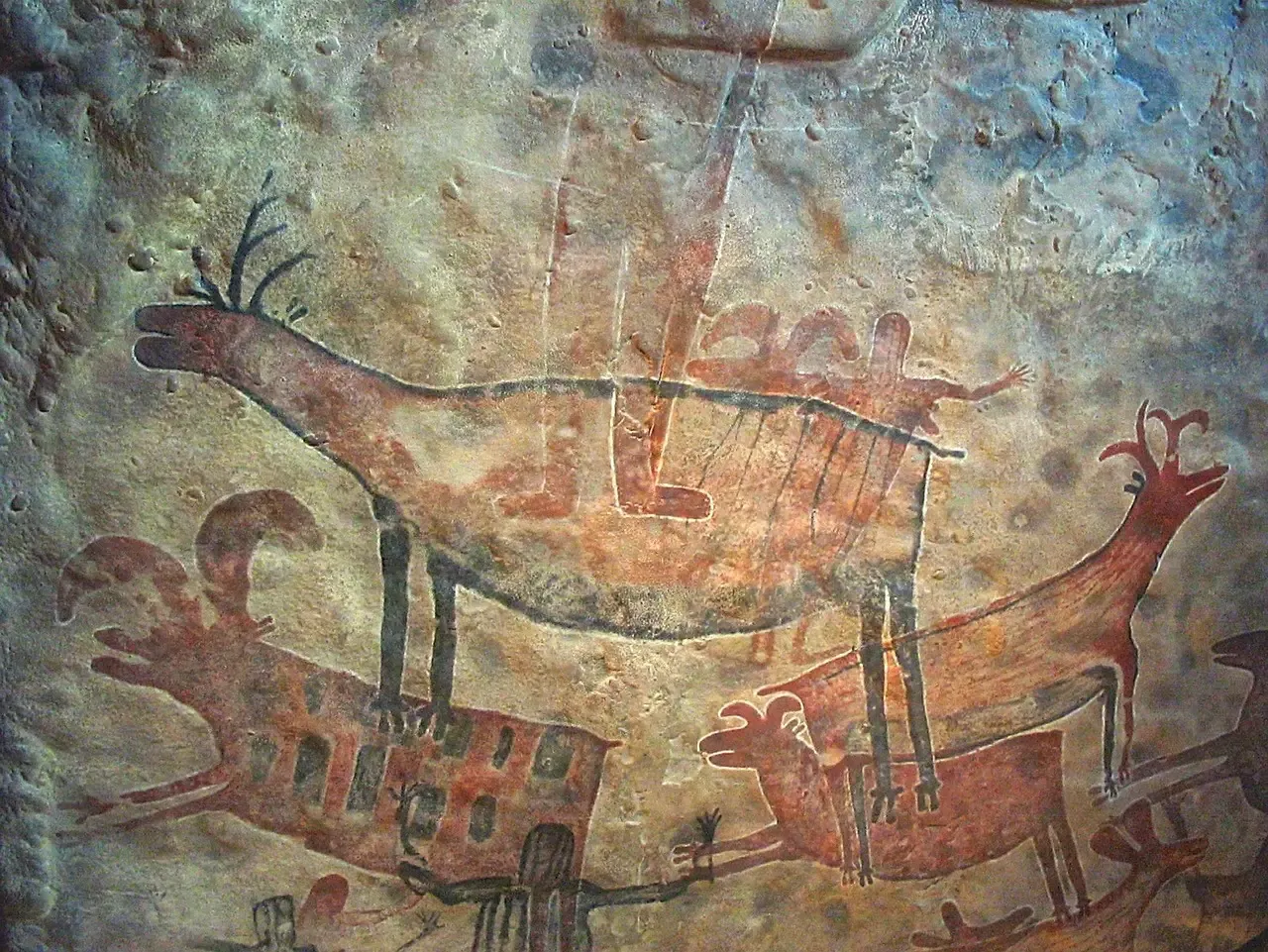
Here’s the thing that stops you in your tracks when you really think about it – the very first artists in human history weren’t painting flowers or landscapes. They were painting monsters. Magnificent, thundering monsters. The most common animals depicted in European cave art are the more intimidating ones, like cave lions, woolly rhinoceroses, and mammoths. These weren’t decorative choices. These were the creatures that defined life itself for the people who made these paintings.
This type of rock art is typically found in European cave shelters, dating to around 40,000 to 14,000 years ago, when the Earth was largely covered in glacial ice, and the images are predominantly depictions of animals, human handprints, and geometric patterns. Think about that for a moment. People living in one of the harshest climates imaginable still found time and reason to create art, and the megafauna around them were their central inspiration. Some scholars believe the paintings were part of hunting rituals, meant to capture the spirit of an animal to ensure a successful hunt, while others think they were used in shamanistic ceremonies or simply to tell stories.
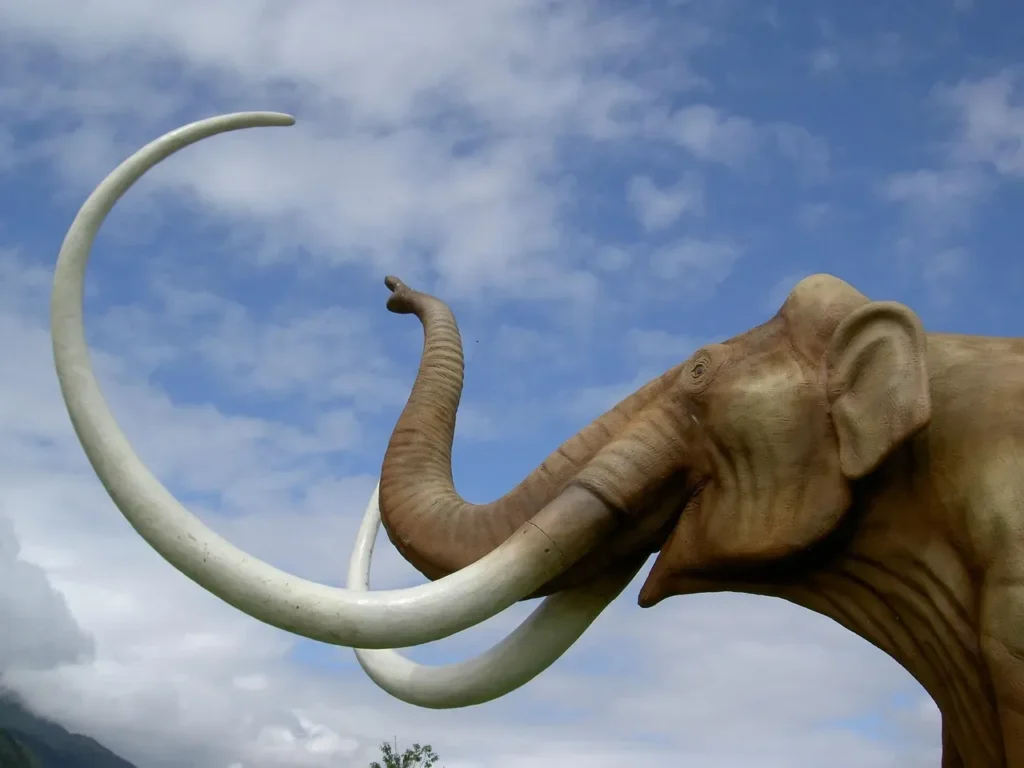
Mammoths were highly revered and held deep symbolic and cultural significance in the art of ancient civilizations, and their intricate representations, from cave paintings to sculptures, showcased not only their physical characteristics but also reflected the cultural, religious, and mythological beliefs of the respective societies. Mammoths were often associated with power, strength, and survival, and their representations in art served as talismans, providing protection and guidance.
One impressive 12-inch composite creature, carved from the ivory of a mammoth, fuses animal and human elements, with a lion’s head and the elongated body and forelimbs of a big cat, while the legs, feet, and bipedal stance are clearly modeled on the human form. This sculpture was discovered in Germany in the Hohlenstein-Stadel cave and is the oldest known example of an imaginary form in history. It tells you everything you need to know about how deeply these animals lived in the minds of early Europeans – not just as prey, but as something close to the divine.
The Clovis People of North America: Hunters on the Edge of an Extinct World
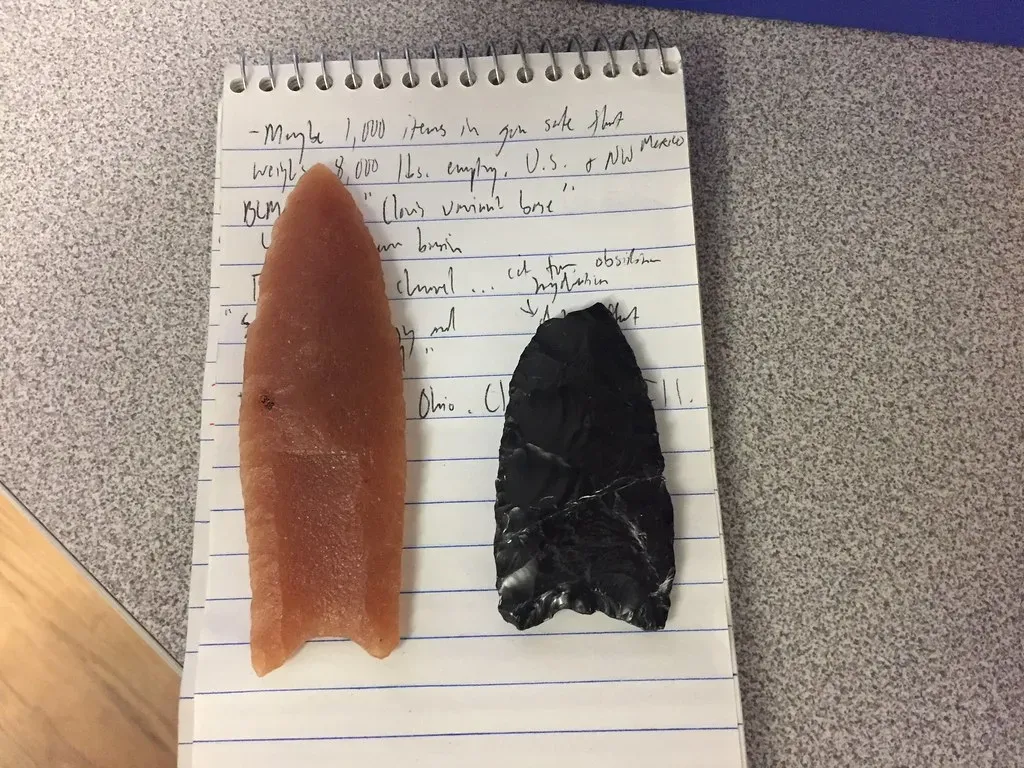
You’ve probably never heard of the Clovis people, and that’s a shame, because they may be the most dramatic hunters in human history. The earliest people who lived in North America shared the landscape with huge animals. On any given day, these hunter-gatherers might encounter a giant, snarling saber-toothed cat ready to pounce or a group of elephant-like mammoths stripping tree branches. Maybe a herd of giant bison would stampede past.
Based on sites excavated in the western United States, archaeologists know that Paleoindian Clovis hunter-gatherers who lived around the time of the extinctions at least occasionally killed or scavenged Ice Age megafauna, such as mammoths. There they found preserved bones of megafauna together with the stone tools used for killing and butchering these animals. It’s like a crime scene frozen in time – stone blades still sitting next to mammoth ribs, telling a story of a hunt that happened more than twelve thousand years ago.
Extinction through human hunting has been supported by archaeological finds of mammoths with projectile points embedded in their skeletons, by observations of modern naive animals allowing hunters to approach easily, and by computer models. Still, the picture is complicated. A paper published in Science Advances in 2024 added support to the overkill hypothesis in North America when the skull of an 18-month-old child, dated to 12,800 years ago, was analyzed for chemical signatures, and specific isotopes of carbon and nitrogen most closely matched those that would have been found in the mammoth genus and secondarily elk or bison. Even the youngest members of this civilization were connected to megafauna in the most fundamental way – through food.
This was the Ice Age world that humans encountered when they crossed from Asia into North America between 14,000 and 25,000 years ago – a world of beavers the size of bears, seven-foot camels roaming marshy shores, and sloths weighing more than 3,000 pounds. For the Clovis people, this wasn’t a zoo. It was home.
The Paleoindians of South America: A Civilization Built Around Giant Prey
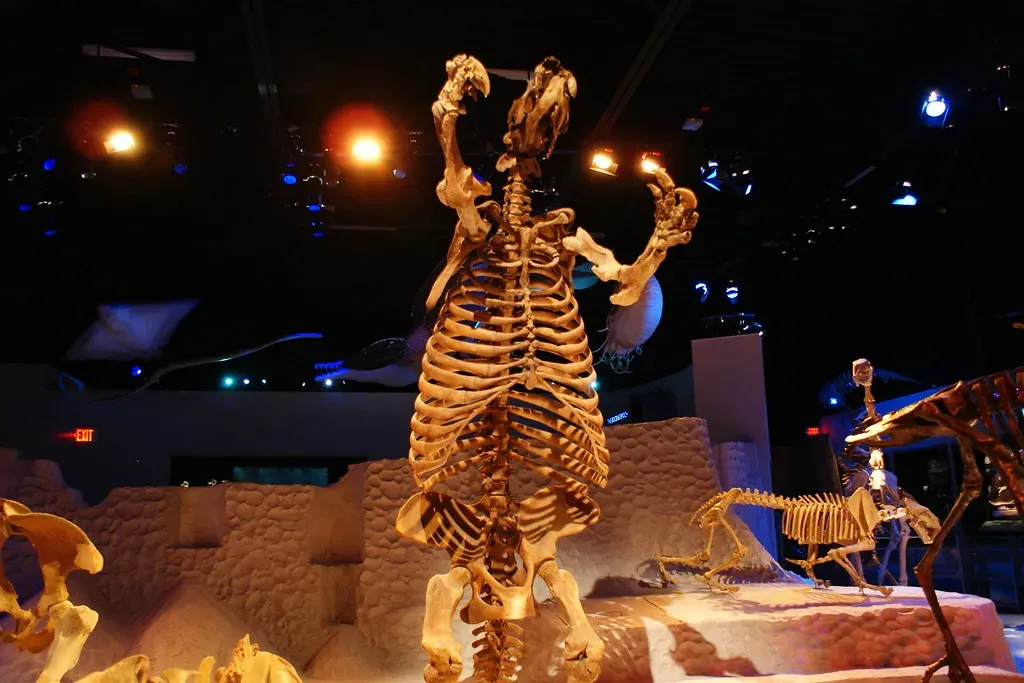
South America during the late Pleistocene was, I think, the most extraordinary place on Earth. In South America, a mixture of large native mammals, like xenarthrans and notoungulates, coexisted with newly arrived North American species. This mixture occurred after the closure of the Isthmus of Panama around 10 to 5 million years ago, forming one of the most astonishing assortments of giant mammals in the world, with more than 20 species that weighed more than 500 kilograms.
Research strongly suggests that before extinctions, Pleistocene megafaunal species, whether hunted or scavenged, were dominant in archaeological assemblages from southern South America. Evidence demonstrates that extinct megafauna were the principal prey item of early foragers from roughly 13,000 to 11,600 calibrated years before the present. Let that sink in. These weren’t occasional hunts. Megafauna were the backbone of early South American civilization’s entire food strategy.
Recent fossil evidence proves that ancient humans and sloths coexisted in South America, with fossils between 16,000 and 27,000 years old, suggesting that ancient humans living in South America were hunting giant sloths and utilizing their bones to make jewelry. The connection between people and these massive creatures went beyond survival. It was cultural. The megafauna didn’t just feed these people – they adorned them.
A kill site dating to around 12,600 years before present is known from Campo Laborde in the Pampas in Argentina, where a single individual of Megatherium americanum was slaughtered and butchered at the edge of a swamp, which is the only confirmed giant ground-sloth kill site in the Americas. One site, one moment, preserved forever – it’s the closest you can get to actually witnessing the encounter between an ancient civilization and the giants of their world.
The Aboriginal Australians: The World’s Longest Coexistence with Megafauna
Here’s a jaw-dropping fact that most people simply don’t know. As First Nations people have been in Australia for over 60,000 years, megafauna must have co-existed with humans for at least 30,000 years. Thirty thousand years of coexistence. That’s longer than all of recorded human history several times over.
When people first arrived in what is now Queensland, they would have found the land inhabited by massive animals including goannas six meters long and kangaroos twice as tall as a human. Imagine encountering a lizard the length of a bus on your first day in a new land. Research reveals that humans and megafauna, such as gigantic three-tonne wombat-like creatures, a ferocious marsupial “lion,” and what may be the world’s all-time biggest lizard, may have co-existed for around 15,000 years.
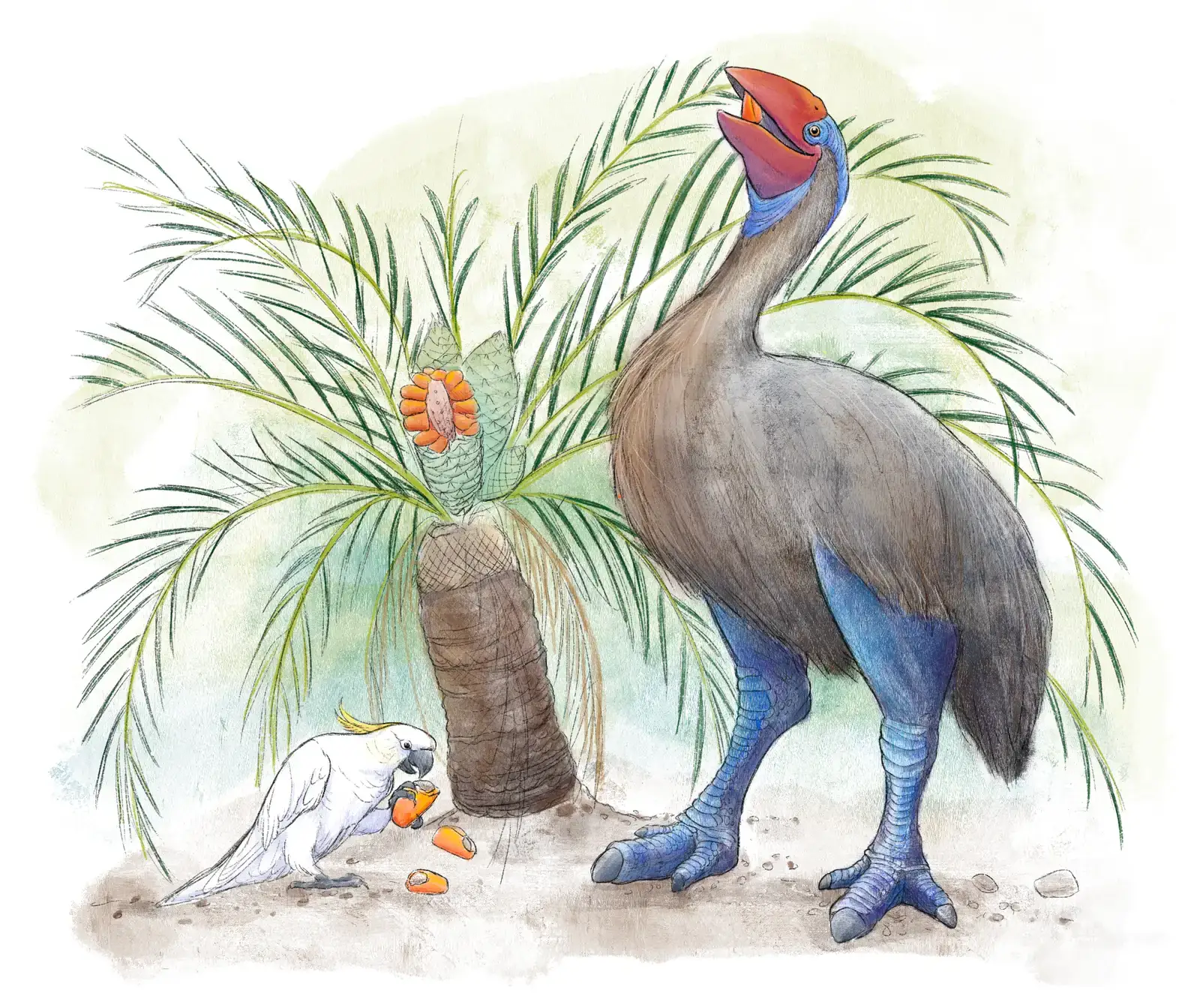
In Australia, cave paintings have been found on the Arnhem Land plateau showing megafauna which are thought to have been extinct for over 40,000 years, making this site another candidate for the oldest known painting. These images are not just art. They are eyewitness accounts, painted by people who actually saw these creatures alive. Paintings identified by a palaeontologist appear to depict the megafauna species Genyornis, giant birds thought to have become extinct more than 40,000 years ago, though this evidence is still being studied for dating confirmation.
For social, spiritual, and economic reasons, First Nations peoples harvested game in a sustainable manner. This is what sets the Aboriginal connection to megafauna apart from so many others. It wasn’t simply exploitation. It was a relationship built on balance, one that may have actually prolonged the survival of these giant creatures far longer than anywhere else on Earth.
Ancient European Civilizations and the Woolly Mammoth: Bones as Building Blocks
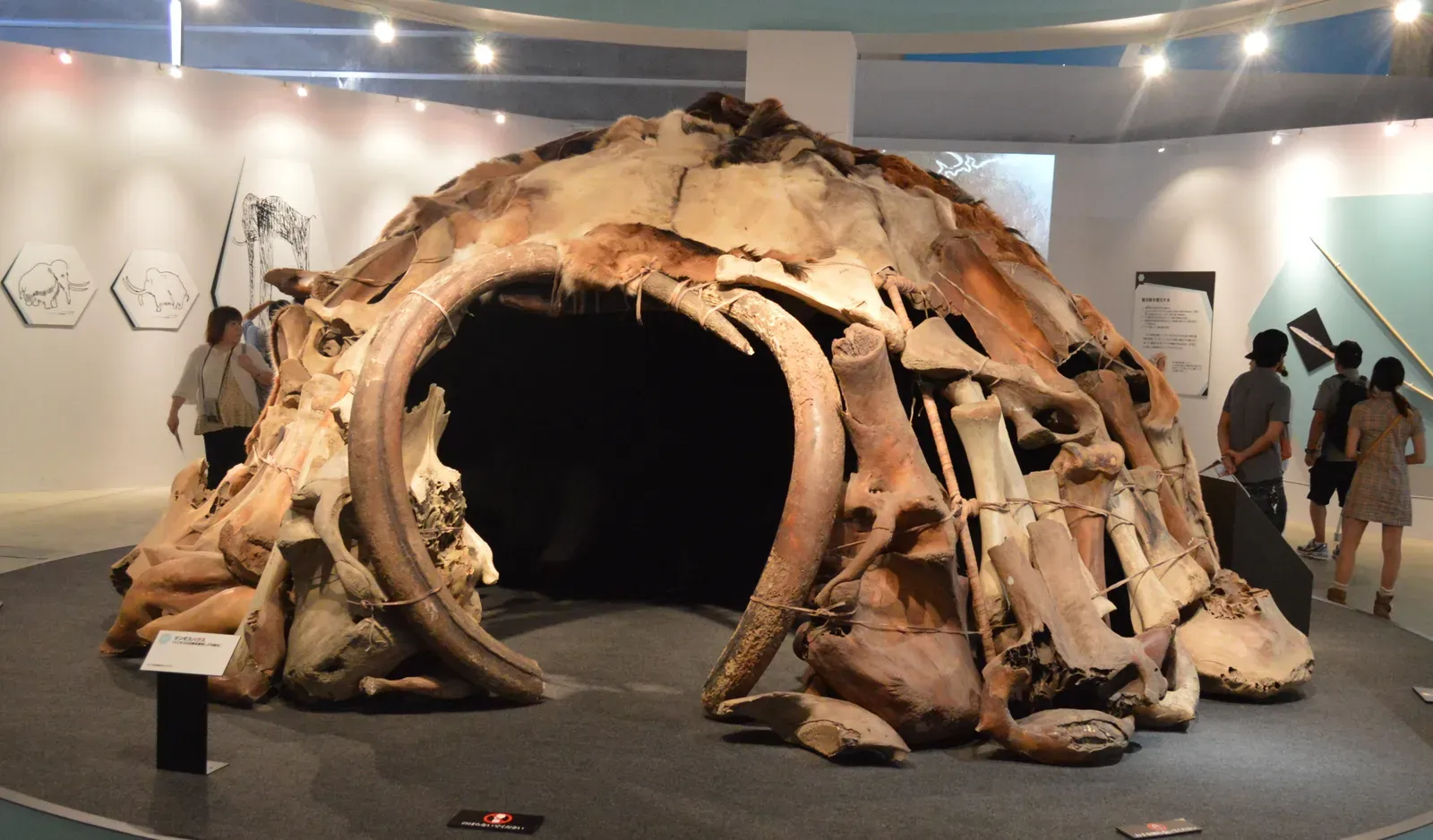
When we think of ancient people building shelters, we picture wooden frames or stone walls. But in the frozen steppes of prehistoric Europe, the construction materials of choice were something far more dramatic. In Siberia, a group of Russian scientists uncovered a house or tent with a frame constructed of mammoth bones. The great tusks supported the roof, while the skulls and thighbones formed the walls of the tent, with several families living inside, where three small hearths kept people warm during the winter. A house built from a giant. It sounds like mythology, but it was everyday life.
In icy places, like in Siberia in northern Russia, mummified mastodons with skin, hair, and even internal organs have been found. These remarkable finds tell us that the cold preserved not just the animals but entire snapshots of the world they shared with early European peoples. In general, the fossils of Pleistocene megafauna are well preserved because they became extinct so recently compared with dinosaurs, which disappeared 66 million years ago, and many of the bones are in good condition, preserving tiny details and even traces of DNA and other molecules.
European megafauna included woolly rhinoceroses, mammoths, cave lions, and cave bears. These weren’t distant creatures glimpsed from afar. They were neighbors, competitors, and in some deeply meaningful sense, partners in survival. Neanderthals, another hominin species that coexisted with megafauna in Europe and Asia, were skilled hunters and likely targeted large animals such as mammoths, woolly rhinoceroses, and giant deer. The megafauna connection in Europe stretches back even further than modern humans themselves.
The Venus of Hohle Fels, a 6 centimeter figure of a woman carved from a mammoth’s tusk, was discovered in Germany’s Hohle Fels cave in 2008 and represents one of the earliest found sculptures of this type. That a mammoth provided the raw material for one of humanity’s earliest artistic masterpieces says more about the human-megafauna bond than almost any other discovery ever could.
The Indus Valley Civilization: Animal Imagery and the Memory of Giants
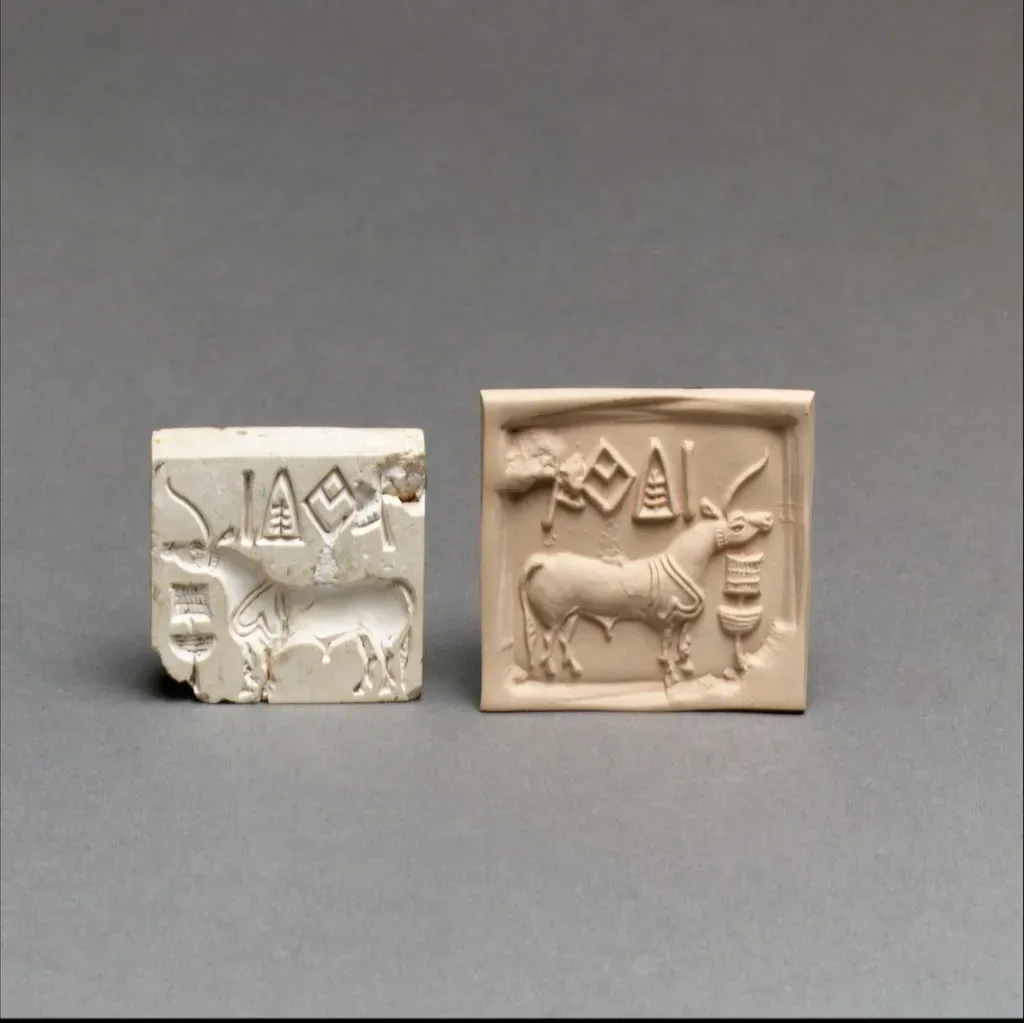
The Indus Valley civilization remains one of the most tantalizing mysteries in all of archaeology. At the same time as the great civilizations of Mesopotamia and Egypt, another complex society flourished in the Indus River Valley, in what is now Pakistan and India. Much about this civilization remains a mystery because its writing system has not yet been deciphered. However, its art and artifacts provide important clues about its culture.
Archaeologists have uncovered thousands of small square seals, typically made of soapstone. These seals are exquisitely carved with realistic depictions of animals, including bulls, elephants, and rhinos, as well as mythical creatures like unicorns, and each seal also includes lines of the mysterious Indus script. What’s compelling here is that elephants and rhinoceroses are themselves megafauna, and the Indus people clearly revered them. The line between surviving large animals and the recently extinct megafauna of earlier centuries blurred in the cultural imagination of these ancient peoples.
Along with Ancient Egypt and Mesopotamia, the Indus Valley civilization was one of three early civilizations of the ancient world, and of the three, it was the most widespread, covering an area of 1.25 million kilometers. A civilization that vast would have had complex relationships with the natural world, including the large and powerful animals that shared their territory. It’s hard to say for sure exactly how the Indus people perceived the final remnants of the Pleistocene megafauna era, but their obsessive and detailed depiction of large animals gives us plenty to think about.
The Indus Valley civilization produced fine small stamp seals and sculptures, and may have been literate, but after its collapse there are relatively few artistic remains until the literate period, probably as perishable materials were used. What we do know is that large animals, powerful and imposing, held a central place in Indus Valley visual culture, a thread connecting them to the prehistoric traditions that came before.
The Patagonian Peoples: Living Alongside Megafauna on the Edge of the World
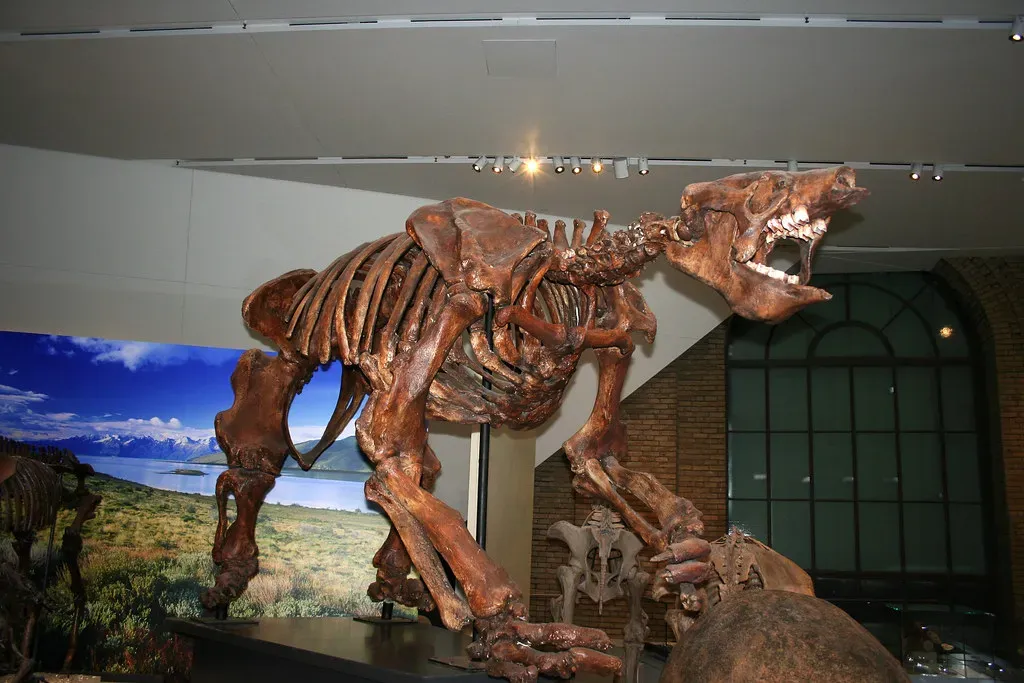
Few places in the world feel as remote and ancient as Patagonia, the windswept southern tip of South America. It’s the kind of place where time seems to move differently. Researchers used mitochondrial DNA extracted from radiocarbon-dated bones and teeth found in caves across Patagonia and Tierra del Fuego to map the genetic history of six megafaunal species, including the giant jaguar, large ground sloths, and the one-ton short-faced bear. These weren’t just extinct animals. They were members of the same world occupied by the first human inhabitants of this land.
The combination of radiocarbon dating and mitochondrial DNA allowed researchers to see the timing of major changes in the diversity of these populations, and to compare that timing with the arrival of humans in the area, as well as with the timing of warming. The team identified a narrow extinction phase starting about 12,300 years ago, while the earliest dates from archaeological sites place humans in the region starting about 14,600 years ago. That’s roughly 2,000 years of overlap – 2,000 years of living side by side with creatures you might assume belonged only to myth.
People and megafauna actually coexisted for a few thousand years before the mass extinctions began. This is genuinely important. The simple story of humans arriving and immediately wiping out megafauna just doesn’t hold up here. Dramatic climate swings were not terribly unusual during this period in Earth’s history, and the Patagonian megafauna had made it through several warm periods before the one that finally did them in. The difference was that this time, humans were on the scene, hunting the animals, occupying territory, and changing the landscape in ways researchers are still trying to understand.
In caves in southern Chile, the remains of the fur, claws, and poop of a giant sloth were found. These physical relics aren’t just paleontological curiosities. They represent actual moments when ancient humans potentially reached out and touched these creatures, encountered them, perhaps marveled at them, just as we would today.
The Early Peoples of the Australian Tropics: Witness to the Last Great Lizards and Marsupials
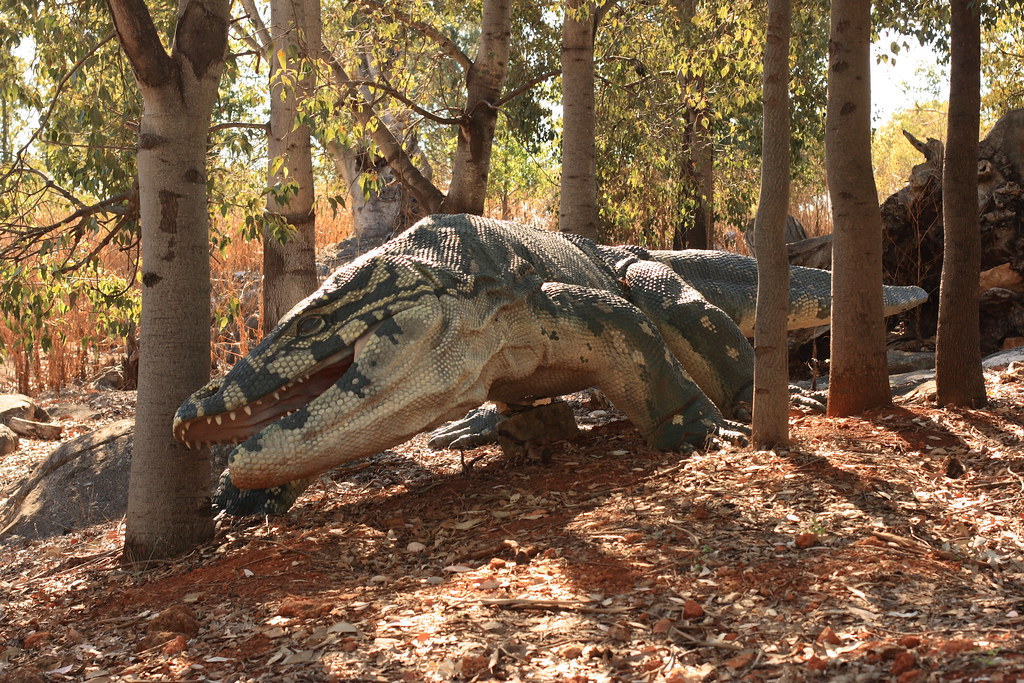
Let’s be real – if you traveled back 50,000 years and landed in tropical Australia, you’d probably think you’d arrived in another dimension entirely. Research shares the first reliable glimpse of the giants that roamed the Australian tropics between 40,000 and 60,000 years ago. These megafauna were the largest land animals to live in Australia since the time of the dinosaurs. The people who encountered them were not primitive or naive. They were sophisticated, adaptive, and deeply observant of the world around them.
A research team including co-authors from the University of Sydney and the University of Portsmouth established that some Australian megafauna, including the largest animals, persisted until around 30,000 years ago, coexisting with humans for at least 15,000 years. This extended coexistence speaks volumes about how the earliest Australians related to these creatures. It wasn’t pure predation. Something more nuanced was happening. For social, spiritual, and economic reasons, First Nations peoples harvested game in a sustainable manner.
The first bones of some of these ancient megafauna were found by the Barada Barna people during cultural heritage surveys on their traditional lands about 100 kilometers west of Mackay, at South Walker Creek Mine. There’s something deeply moving about that. Indigenous people discovering the bones of the giants their ancestors once shared the land with. It’s a connection across deep time. Understanding the ecological role these animals played and the environmental impact of their loss remains their most valuable untold story.
During the Late Pleistocene, about 65 percent of all megafaunal species worldwide became extinct, rising to roughly 72 percent in North America, 83 percent in South America, and 88 percent in Australia, with all mammals over 1,000 kilograms becoming extinct in Australia and the Americas. In no other region was the loss more complete. The ancient peoples of tropical Australia were among the very last humans anywhere on Earth to share their world with megafauna on this scale, which makes their cultural legacy all the more extraordinary.
Conclusion: Giants Gone, But Never Truly Forgotten
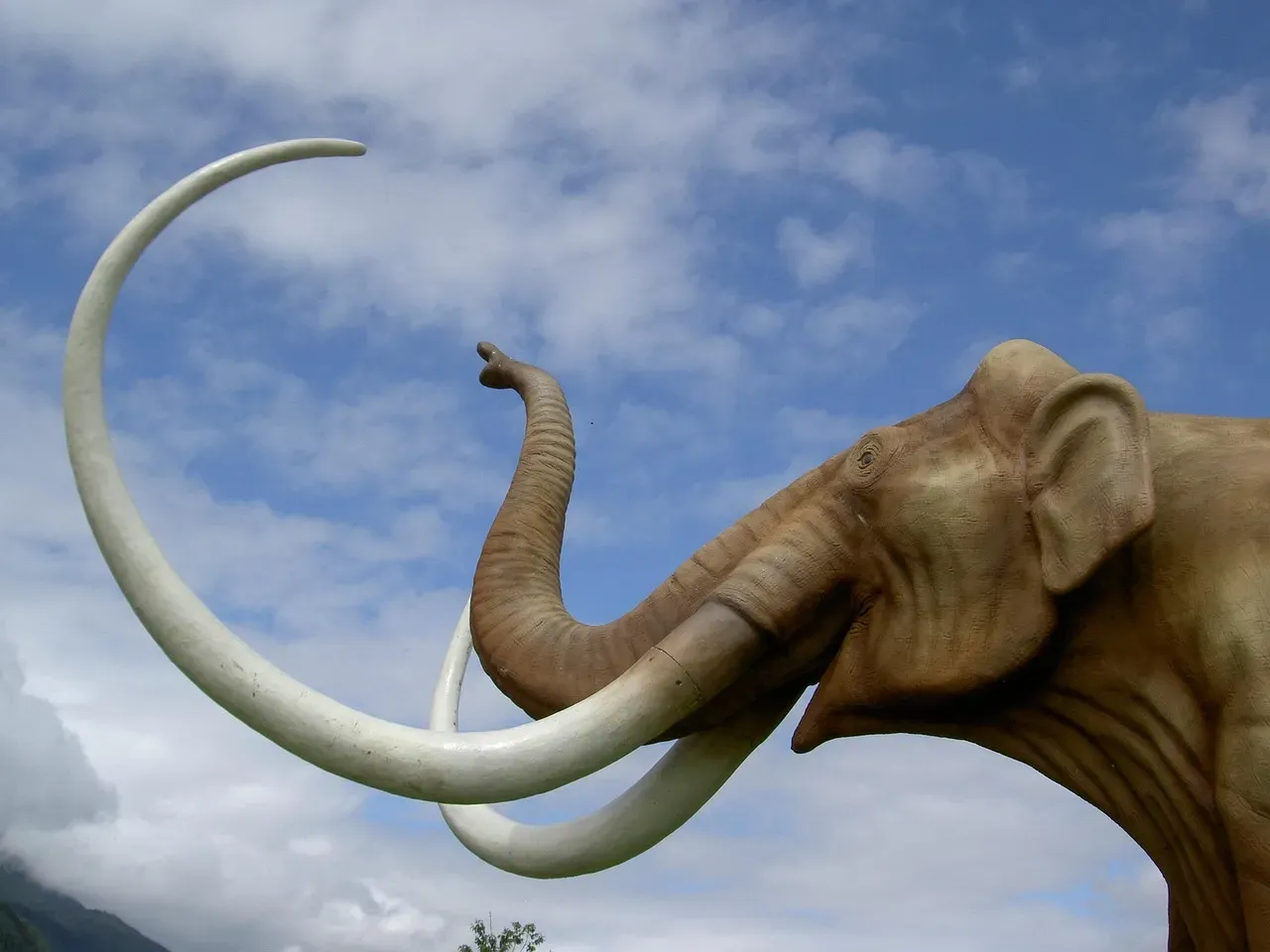
Across every continent, in every climate, and across tens of thousands of years, ancient civilizations were shaped by their encounters with prehistoric megafauna in ways we are still only beginning to fully understand. These weren’t just animals that ancient peoples happened to live near. They were woven into the fabric of culture, survival, spirituality, and identity in ways that echo through the archaeological record to this day.
From mammoth-bone houses in Siberia to giant sloth bones carved into jewelry in South America, from rock paintings of enormous birds in Australia to Clovis spear points buried in mammoth ribs, the evidence is overwhelming and humbling. Humans coexisted with a stunning array of megafauna, the large animals of the Pleistocene epoch, including iconic creatures like the woolly mammoth, saber-toothed cat, and giant ground sloth. This coexistence profoundly shaped both human evolution and the fate of these magnificent beasts.
The giants are gone now. Though they vanished thousands of years ago, their legacy remains written in stone and bone, and every fossil unearthed from ancient ground whispers the same remarkable truth: our planet was once home to giants. The question worth sitting with is this: what does it say about us that the very creatures we lived with, hunted, feared, revered, and painted on cave walls are now only dust and memory? What would we have done differently if we had known they were leaving forever?