There is something deeply unsettling, and thrilling, about the idea that the monsters our ancestors feared were not entirely made up. Think about it. Long before telescopes, microscopes, or scientific journals, ancient peoples were stumbling upon bones the size of tree trunks, skulls with cavities that looked like single hollow eye sockets, and clawed footprints in rock that no living creature could explain. Their imaginations did the rest.
What you are about to read is not just a tour through old mythology. It is something stranger, and honestly more exciting than that. It is the story of how real prehistoric beasts, whether encountered as fossils or as living memory, bled into the legends of eight of the world’s most fascinating ancient civilizations. Be prepared to see some of history’s greatest myths in a completely different light. Let’s dive in.
1. Ancient Mesopotamia: Where the World’s First Monsters Were Born
If you want to find the oldest recorded monsters on Earth, you need to travel back to the sun-baked plains of ancient Mesopotamia, the land wedged between the Tigris and Euphrates rivers. Dragons are among the most ancient mythological creatures known to humanity, and references to dragon-like beings appear in early texts from Mesopotamia, China, and ancient Europe. Mesopotamia was not just telling scary bedtime stories. It was laying the entire foundation for how civilizations would imagine and fear colossal beasts for thousands of years to come.
In the Babylonian creation epic, the Enuma Elish, Tiamat was the primordial goddess of the salt sea. She began as a creator but became a monstrous embodiment of chaos after her divine descendants rebelled. Depicted as a vast dragon or serpent, she created an army of monsters to destroy the younger gods. She was ultimately slain by Marduk, who used her body to form the heavens and earth. That is not just mythology. That is a civilization using a terrifying prehistoric-scale beast as the very raw material of creation itself.
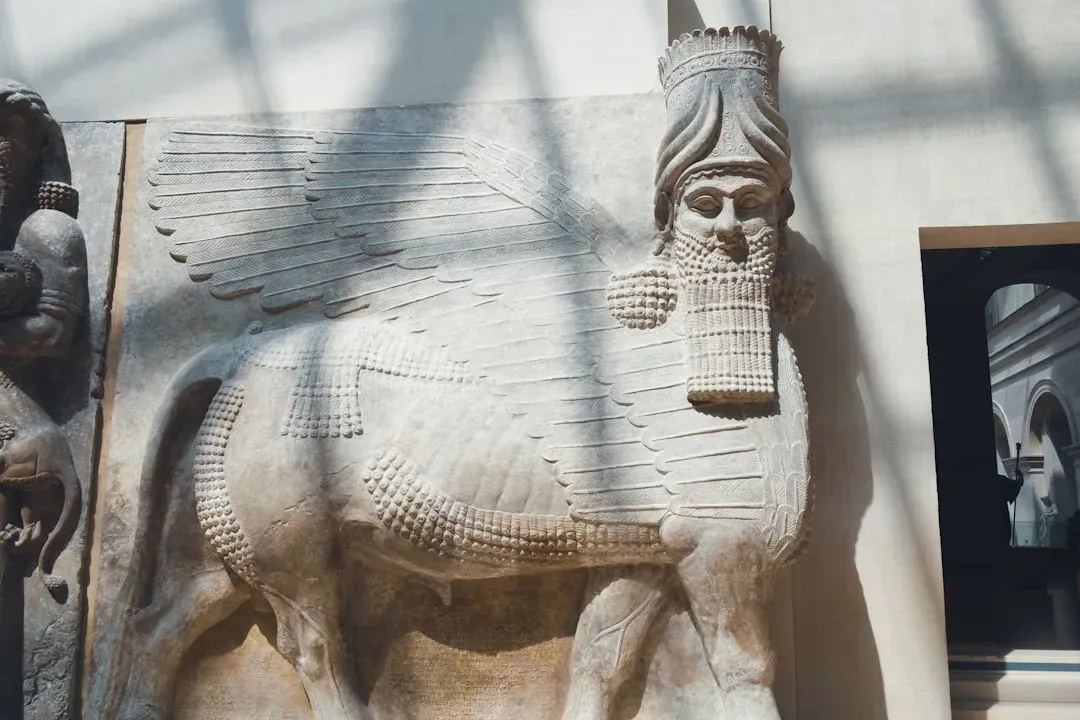
The Anzu, a massive bird of prey, was said to have stolen the tablets of destiny in one of the mythology’s most famous tales. The Lamassu were protective deities with the body of a bull or a lion, the wings of an eagle, and the head of a human, placed at city entrances and palace gates to ward off evil. When you look at these creatures carefully, you can see clear echoes of real animals, dramatically scaled up and fused together into nightmare fuel. I think that says everything about how ancient people processed the terrifying unknown around them.
2. Ancient Egypt: Serpents of Chaos and Hybrid Horrors
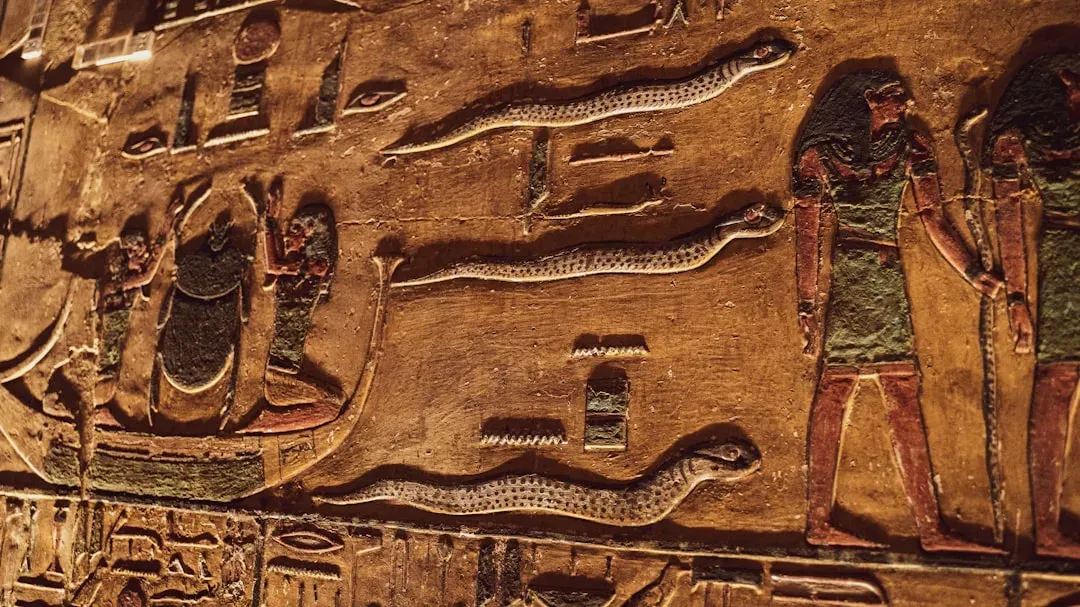
Ancient Egypt is synonymous with grandeur and mystery, and its mythology is no different. The classical traditions of ancient Egypt include some of history’s best-known and most iconic legendary creatures. Prominent Egyptian examples include the sphinx, a riddle-posing beast with the head of a human and the body of a lion that guarded great treasures and repositories of wisdom, and the Bennu bird, a winged creature whose piercing cry was said to have awoken all of creation at the dawn of time. Honestly, even as allegory, the scale of these creatures is extraordinary.
Apep, also known as Apophis, was the ancient Egyptian deity embodying chaos, darkness, and destruction. Depicted as a colossal serpent, Apep dwelt in the underworld and perpetually tried to devour the sun god Ra during his nightly journey. Here is the thing: a civilization so obsessed with cosmic order that they invented a world-swallowing serpent to explain why the sun rose and set every single day. The scale of that creature, something large enough to consume the sun, points to a cultural memory of truly massive, terrifying animals. In North Africa during the third to second century B.C., workers digging trenches came upon two fossilized skeletons, each about 34 feet long. The skeletons were assumed to be those of mythic giants. That entire area is rich with mastodon fossils, deinotheres, and mammoths, which paleontologists believe to be the source of the giant myths.
3. Ancient Greece: Cyclops, Griffins, and the Fossil Connection
Let’s be real: ancient Greek mythology has some of the most vivid, visceral monsters ever conceived. Famous examples include the beastly one-eyed cyclops, the half-man half-bull minotaur, the regenerating serpentine hydra, and the hideous snake-haired Medusa, a formerly beautiful maiden whose poisonous gaze turned living beings to stone. What is genuinely fascinating here is how many of these creatures may trace back to real-world encounters with prehistoric remains.
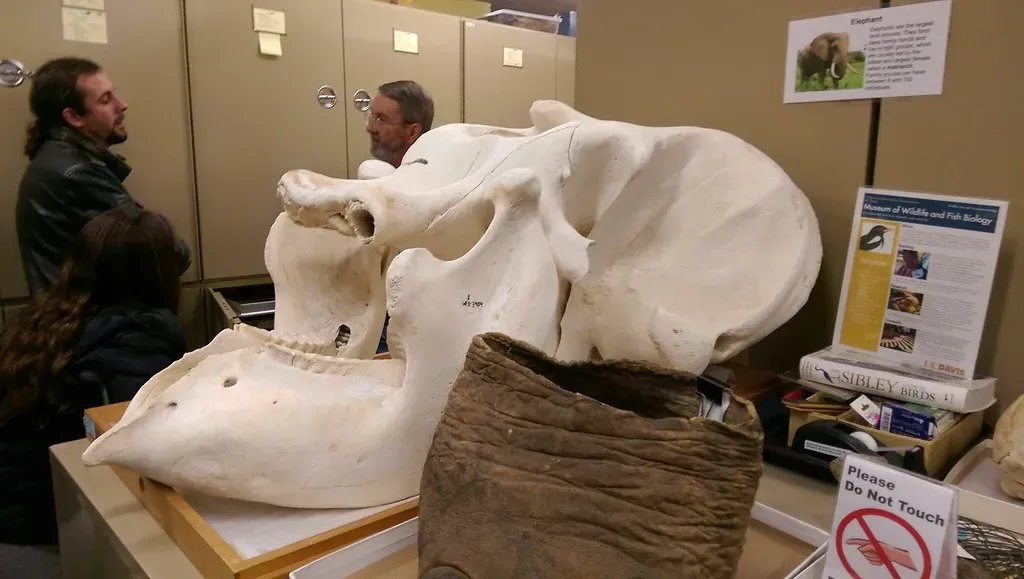
The ancient Greeks believed that the island of Sicily was crawling with mythical one-eyed giants known as the Cyclopes. As far back as the 1300s, scholars pointed out that Sicily and other parts of the Mediterranean were once home to an ancient species of elephants whose enormous skulls look a lot like Cyclopes’ heads. The elephant skulls include a large central nasal cavity where the trunk was once attached, which could easily resemble a lone, large eye socket. That is not coincidence. That is ancient paleontology dressed in the clothing of myth. According to researcher Adrienne Mayor, legends of the griffin could also be inspired by early encounters with dinosaur fossils. Scythian nomads in central Asia may have stumbled across the bones of the dinosaur Protoceratops and mistook them for a bird-like creature, resulting in the myth of a terrifying flying beast.
4. Ancient China: The Dragon as Distorted Dinosaur
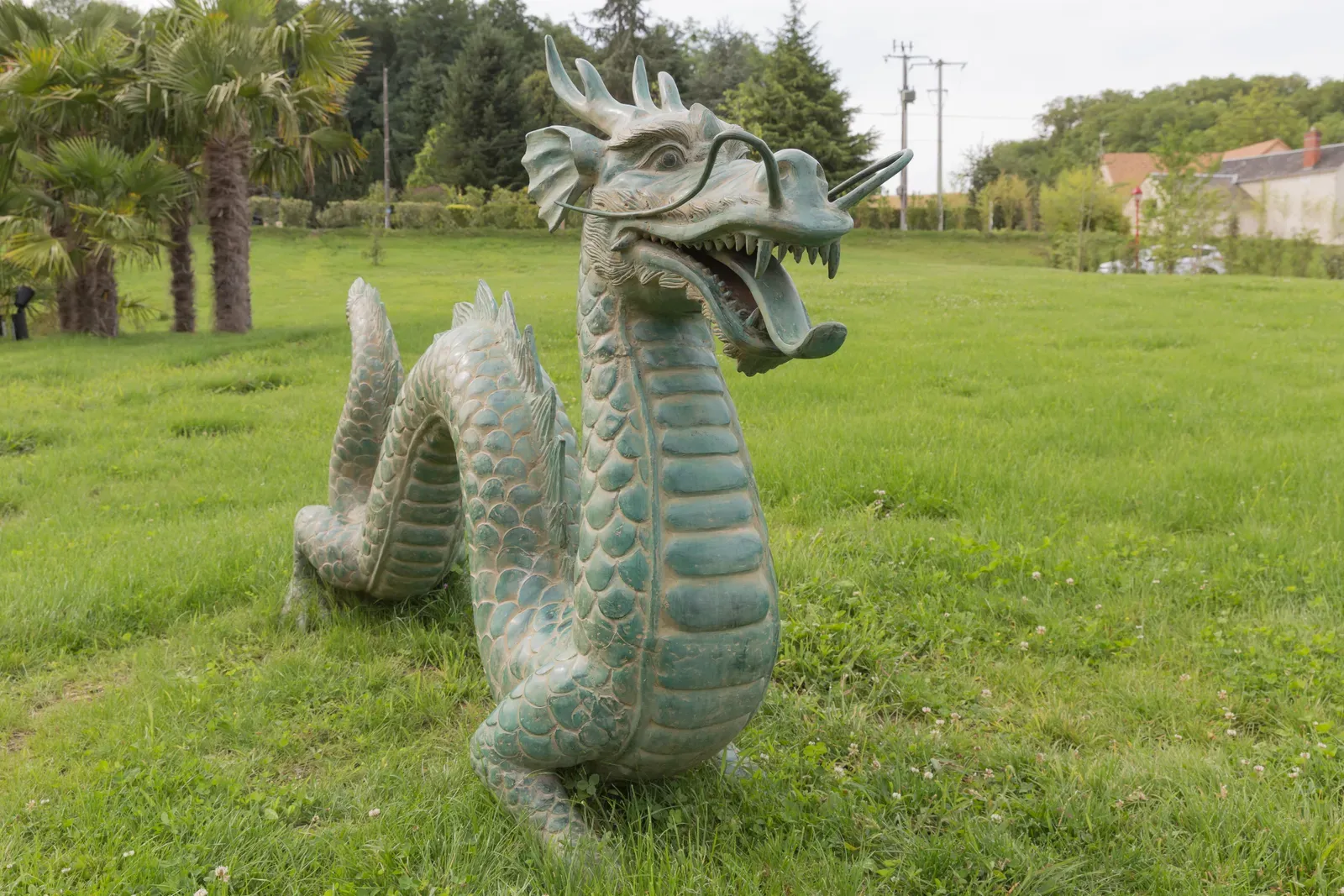
This photograph was taken by Medium69 (William Crochot) and released under the license stated below. You are free to use it for any purpose as long as you credit the author (William Crochot), the Source (Wikimedia Commons) and the license (CC-BY-SA 4.0) in close relation to the image.
Please do not upload an updated image here without consultation with the Author. The author would like to make corrections only at his own source RAW. This ensures that the changes are preserved.Please if you think that any changes should be required, please inform the author.Otherwise you can upload a new image with a new name. Please use one of the templates derivative or extract., CC BY-SA 4.0)
No civilization on Earth has a more enduring, or more complex, relationship with a legendary beast than ancient China has with the dragon. The Chinese Dragon, Lóng, is one of the oldest and most significant Chinese mythical creatures, originating in prehistoric art. Unlike Western dragons, the Lóng is predominantly benevolent and associated with water, rain, rivers, and good fortune. It symbolizes power, strength, and cosmic energy known as Qi. Historically linked to the Emperor, it represents imperial authority and the mandate of heaven. This is not just a scary monster. This is a creature so deeply woven into culture that it became the symbol of divine rule itself.
In ancient China, dinosaur remains, including those of Protoceratops and Psittacosaurus, were often mistaken for dragon bones. The Chinese term for dinosaur actually means “terrible dragon,” illustrating this direct link between prehistoric fossil and mythological creature. Think about how powerful that connection is. You walk past a riverbank, find a massive curved bone jutting from the earth, and you have no framework to explain it except through the lens of the divine. Some researchers think that dragon myths may have been spawned in part by the discoveries of dinosaur fossils, which are found all over the world. China, sitting atop one of the richest fossil beds on the planet, had more reason than most to populate its skies with impossible winged giants.
5. Norse Civilization: World-Ending Serpents and the Kraken’s Shadow
The Norse people were no strangers to vast, terrifying creatures. Their mythology is practically built on them. Jörmungandr is a colossal sea serpent, a child of Loki, cast into the ocean surrounding Midgard by Odin. He grew so large that he encircled the entire world and bit his own tail. His existence defines the boundaries of the human realm and represents the chaotic forces at its edges. He is the destined foe of Thor. At Ragnarök, Jörmungandr will rise, poison the world, and engage in a mutually fatal battle with Thor, a key event in the Norse apocalypse myth. A world-encircling serpent. I know it sounds crazy, but that image does not come from nowhere.
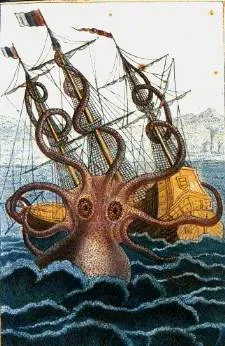
Tracing its origins back to a giant fish from Norse mythology called the hafgufa, the Kraken first entered popular folklore as a titanic octopus or squid spotted by fishermen off the coasts of Norway and Greenland. One 18th-century account described it as a squid-like beast so large that when any part of its body stuck out of the water, it resembled a floating island. The Kraken supposedly used its many tentacles to ensnare ships’ masts and drag them to the icy depths. Here is where it gets genuinely astonishing. Tales of the Kraken’s wrath might be embellished, but the creature itself is not entirely fanciful. The legend may have been inspired by sightings of actual giant squid, and some paleontologists have argued that the prehistoric oceans were once home to enormous cephalopods that fed on whale-sized Ichthyosaurs.
6. The Olmec Civilization: Jaguar Gods and the Were-Beast Memory
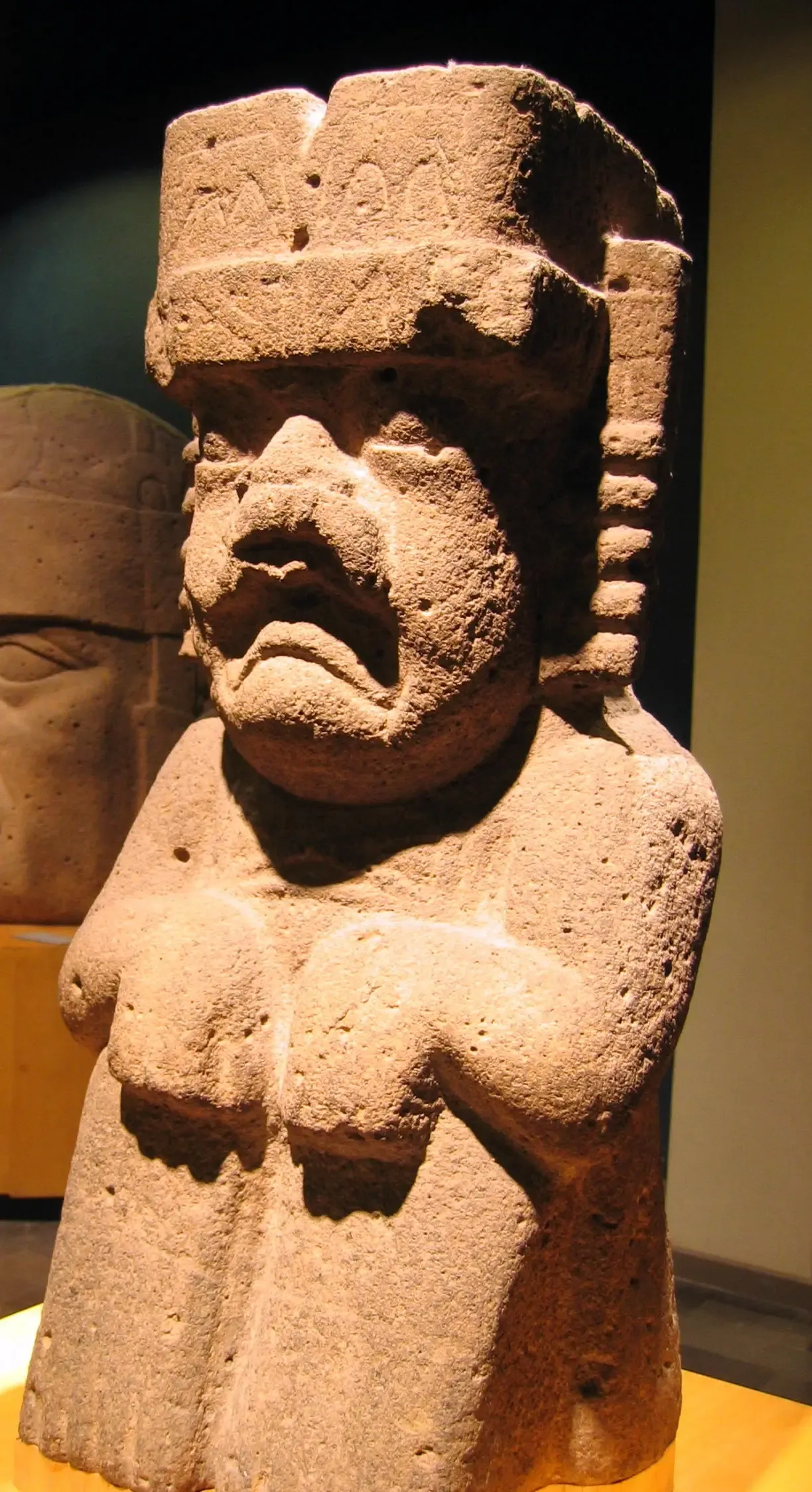
Long before the Maya and the Aztecs rose to prominence, the Olmec civilization was quietly pioneering the mythology of Mesoamerica. The Olmec civilization, flourishing from around 1600 BC to 350 BC in the tropical lowlands of present-day southern Mexico, is often heralded as the “mother culture” of Mesoamerica. This ancient society laid the groundwork for many aspects of culture, religion, and politics that would shape the region for centuries. Their beast legends are among the most cryptic and compelling of any ancient culture.
Unlike the Maya and Aztec cultures, there is no surviving written record of Olmec beliefs. What is known about Olmec mythology has been determined by studying Olmec art and inscriptions that did survive, and by comparing Olmec beliefs to other, later Mesoamerican cultures. What those carved stone faces and jade figurines reveal is an obsession with one creature above all others: the jaguar. The Olmec “Were-Jaguar,” a half-human, half-big-cat hybrid, dominates their sacred iconography. Imagine being an ancestor of the ancient Olmec and having your tribe encounter a nine-foot predatory bird. In a tropical world filled with apex predators beyond anything modern humans routinely encounter, the line between real animal and supernatural monster was essentially nonexistent. Their myths were their wildlife reports.
7. Aboriginal Australians: The Bunyip and the Memory of Megafauna
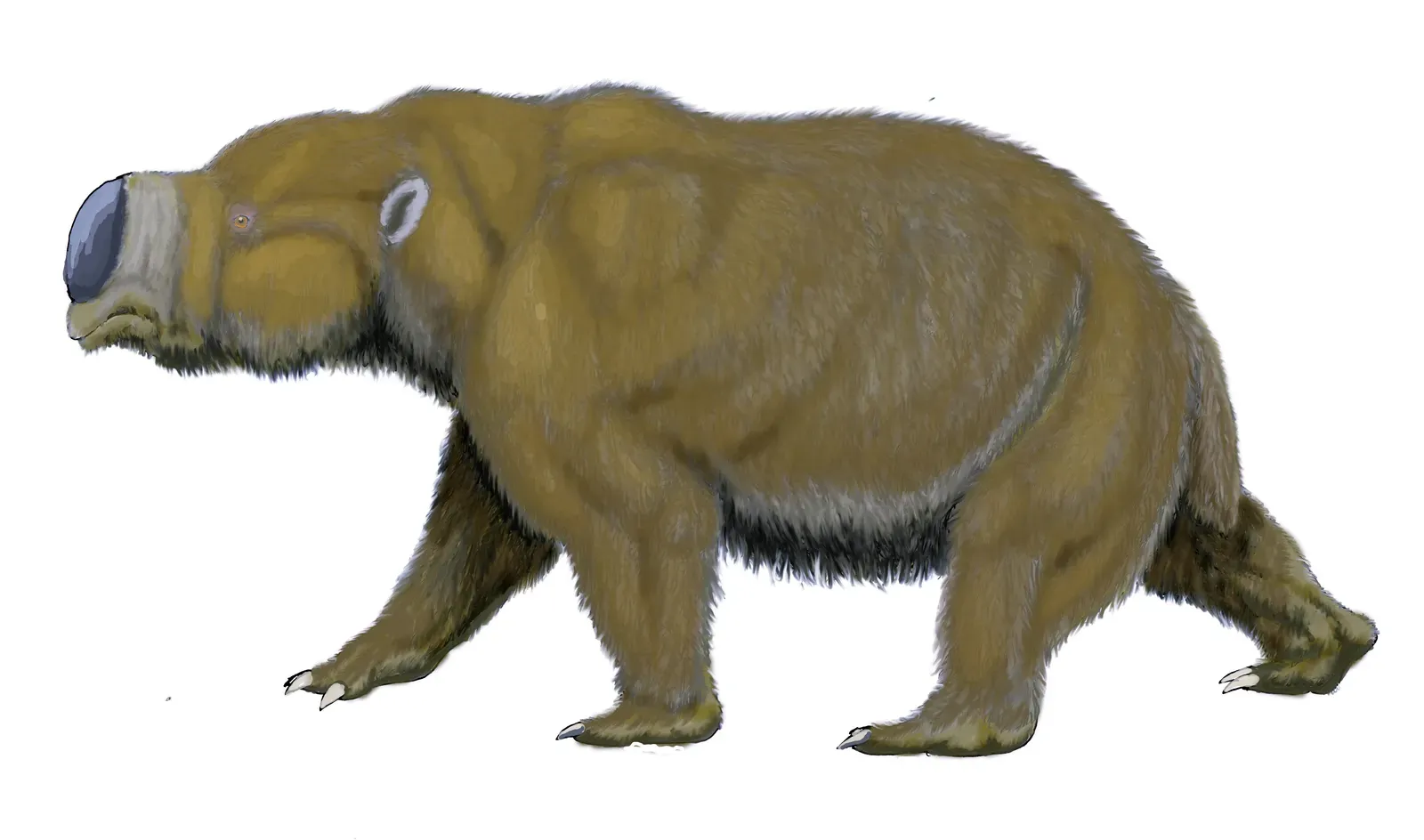
Here is something that does not get nearly enough attention in popular discussions of ancient mythology. The Aboriginal Australians have one of the longest continuous cultural traditions on the planet, and embedded within that tradition are stories of creatures that may actually be ancient memories of real prehistoric megafauna. The Bunyip, a semi-aquatic, dog-faced man-eater from Aboriginal Australian mythology, is thought to have been inspired by Diprotodon. Some suggest that Aboriginal legends of this monster may have stemmed from finds of fossilized bones, or even cultural memories of the time when the first Australians lived alongside Diprotodon. That is a staggering thought.
No matter how stories of the Bunyip originated, the animal it is supposedly based on was no man-eater. Diprotodon was a strict vegetarian and gathered in large herds to protect itself from the actual predators of the time, marsupial lions known as Thylacoleo. So over tens of thousands of years of oral retelling, a large, hulking plant-eater transformed in the cultural imagination into a terrifying swamp predator that devoured humans. Fossils discovered throughout Australia have been associated with the Bunyip, and some of those fossil remains contain bones much larger than that of an ox, buffalo, manatee, or hippopotamus. That kind of size, encountered without any scientific context, would terrify anyone into mythology.
8. The Aztec Empire: Giants, Bone Pits, and Beasts of the Fifth Sun
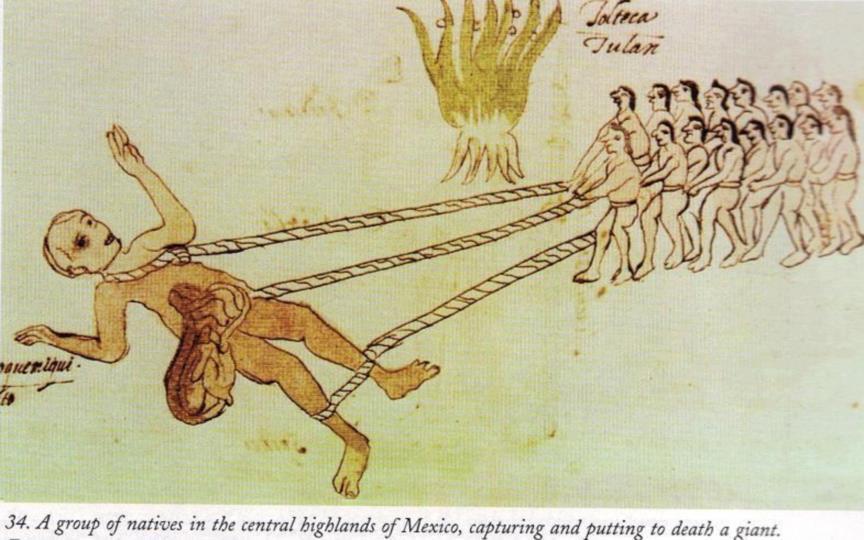
The Aztec Empire built one of the most theologically complex civilizations the Americas has ever known, and at the heart of its cosmology were creatures of unimaginable scale. Indigenous myths speak of earlier ages and peoples. The Aztecs, for example, believed in prior epochs populated by giants known as Quinametzin, and they attributed enormous ancient structures to these mythic ancestors. When the Aztecs beheld ruins like Teotihuacan, they claimed giants had built them in a bygone age. This was not idle fantasy. This was their attempt at explaining a physical world full of ruins and remains they could not account for.
In some cases, fossilized bones of extinct megafauna, like mammoths or giant ground sloths, may have directly inspired legends of giants. The Aztec world was literally scattered with the bones of Columbian mammoths and enormous ground sloths, creatures that actually roamed those same lands thousands of years earlier. Myths about giants in Tlaxcala, Mexico were believed to have killed all the ancestors of the Tlaxcalteca people, and these stories are presumed to be inspired by Colombian mammoth fossils found in the region. The Aztecs were not hallucinating. They were doing something remarkably human: looking at enormous, inexplicable bones in the ground, and writing the only story their world could offer to explain them.
Conclusion: The Bones Beneath the Legend
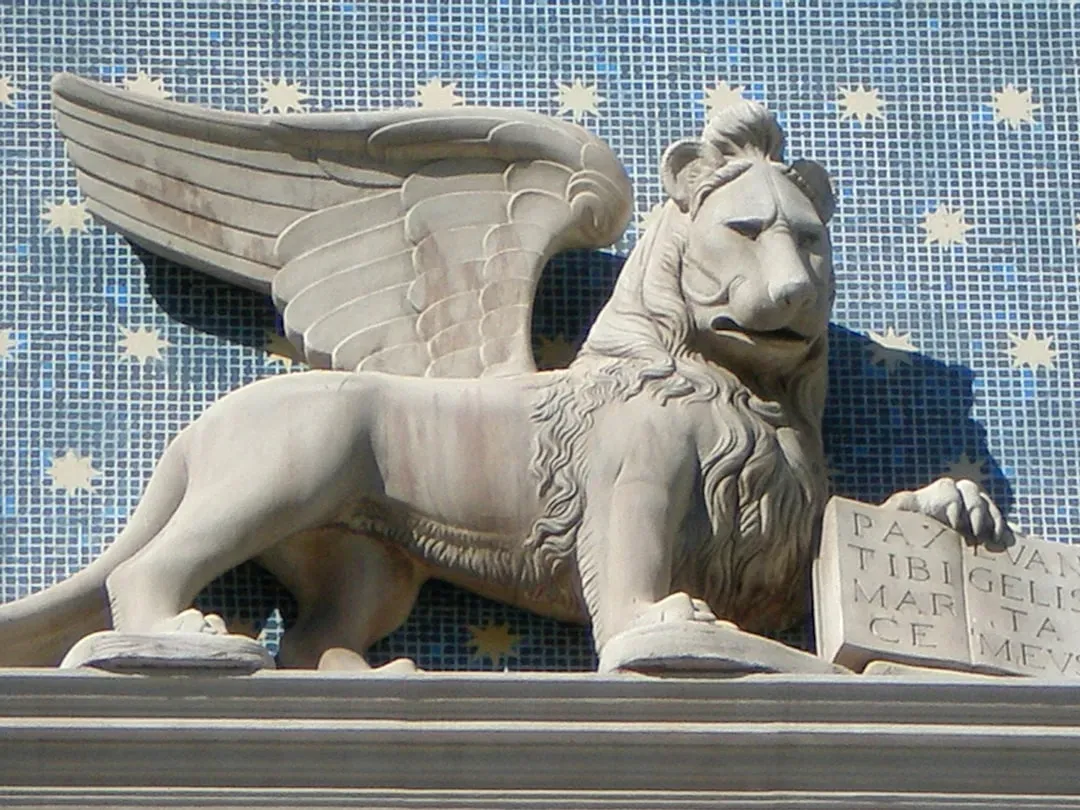
What all eight of these civilizations share is something beautifully human. The discovery of extinct animals was not a modern phenomenon. Some of our ancestors were budding palaeontologists themselves and regularly came across the traces and remains of animals from bygone eras. Unlike us, however, they did not have modern science to guide their interpretations and instead relied heavily on their imaginations, reconstructing fossils based on the living animals they saw around them and exaggerated tales of exotic beasts from afar.
From sea serpents to giant beasts, these monsters reflected the fears of ancient societies living in a mysterious and often dangerous world. Unfamiliar landscapes, storms, wild animals, and unexplained natural disasters could easily be interpreted as the work of supernatural beings. By giving these fears a form, early cultures created stories that helped people understand and confront the unknown. Every dragon, every cyclops, every world-swallowing serpent is, in some sense, a love letter from the past to the terrifying, wondrous, bone-filled world these civilizations actually lived in.
The next time you walk past a museum display of a mammoth skeleton or a Protoceratops skull, take a moment to imagine you are an ancient Mesopotamian shepherd, an Aztec priest, or an Aboriginal elder encountering those same bones with no scientific vocabulary to name them. What would you have called it? What legend would you have told? Tell us your thoughts in the comments below.