You tend to picture “ancient people” as just getting by with rocks, sticks, and maybe a fire if they were lucky. But when you look closely at what your ancestors actually pulled off, the story changes fast. You start seeing engineers, astronomers, chemists, surgeons, and city planners thousands of years before anyone wrote the word “science” in a textbook.
In fact, a lot of what you rely on today – from the way you move around, to how you keep track of time, to the buildings you live in – started as wild experiments by people who had nothing but their hands, their brains, and a lot of patience. As you walk through these eight inventions, you’re going to notice something slightly unsettling and deeply inspiring: people who lived millennia ago were asking the same big questions you ask now, and they were very, very good at answering them.
The Wheel: The Simple Circle That Changed Everything
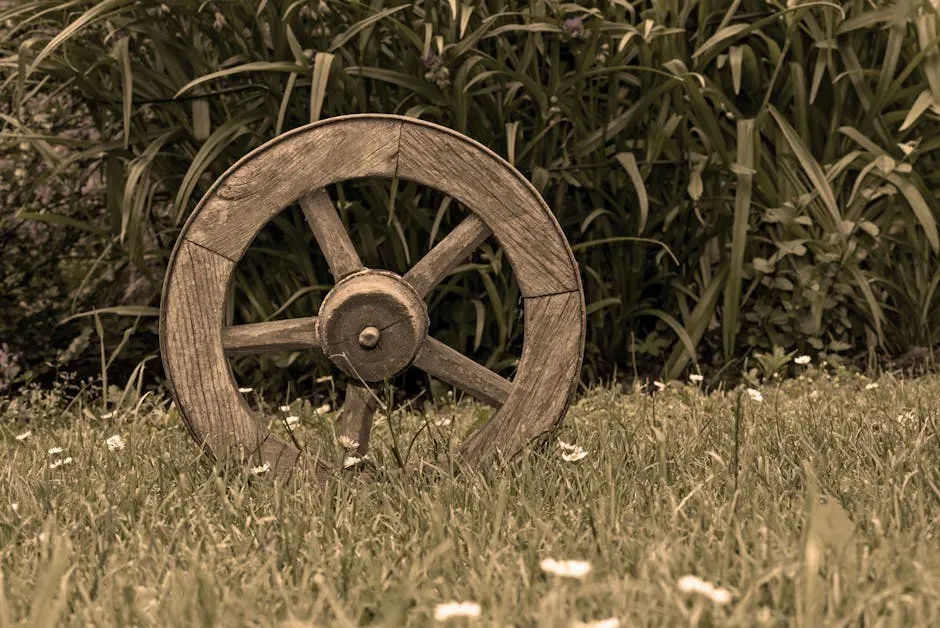
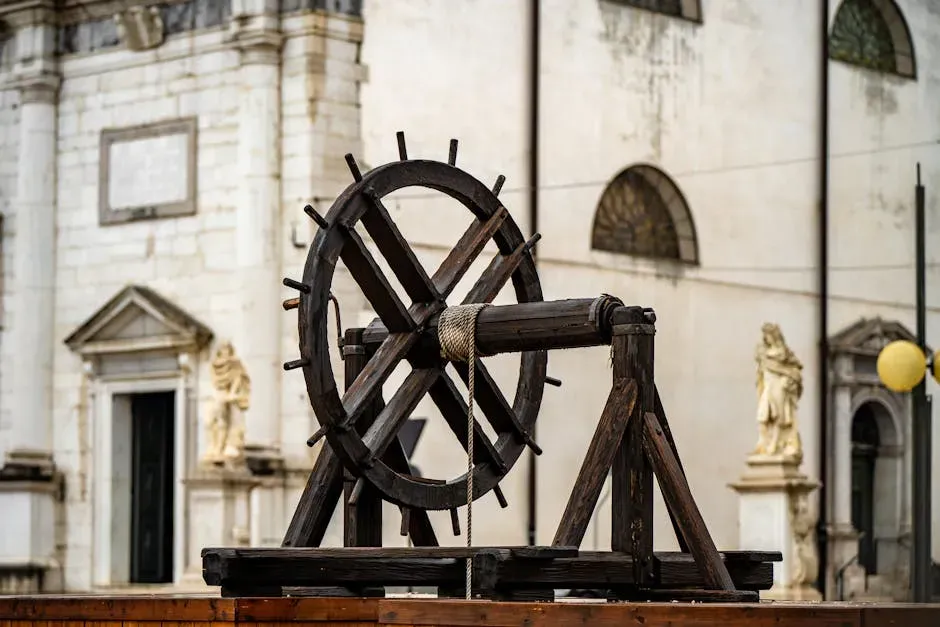
If you had to pick one invention that quietly rewired human history, you’d probably land on the wheel. Early versions show up in the fourth millennium BCE, linked to large wooden disks fixed to axles for carts and wagons in regions like Mesopotamia, and to potters’ wheels used to spin clay into perfect shapes. You are so used to wheels on cars, suitcases, and office chairs that it’s hard to imagine how revolutionary it was to suddenly roll heavy loads instead of dragging them.
What makes the wheel so ingenious is that it’s not just the round bit; it’s the partnership of wheel and axle. Once your ancestors figured out that a rigid axle running through a wheel could reduce friction and convert pushing or pulling into smooth rotation, everything from transport to crafts took off. When you step onto a train, hop on a bike, or even turn a doorknob, you’re still relying on that same basic insight: if you can turn something instead of forcing it straight, you save energy and unlock speed.
Writing Systems: Turning Thoughts Into Lasting Symbols
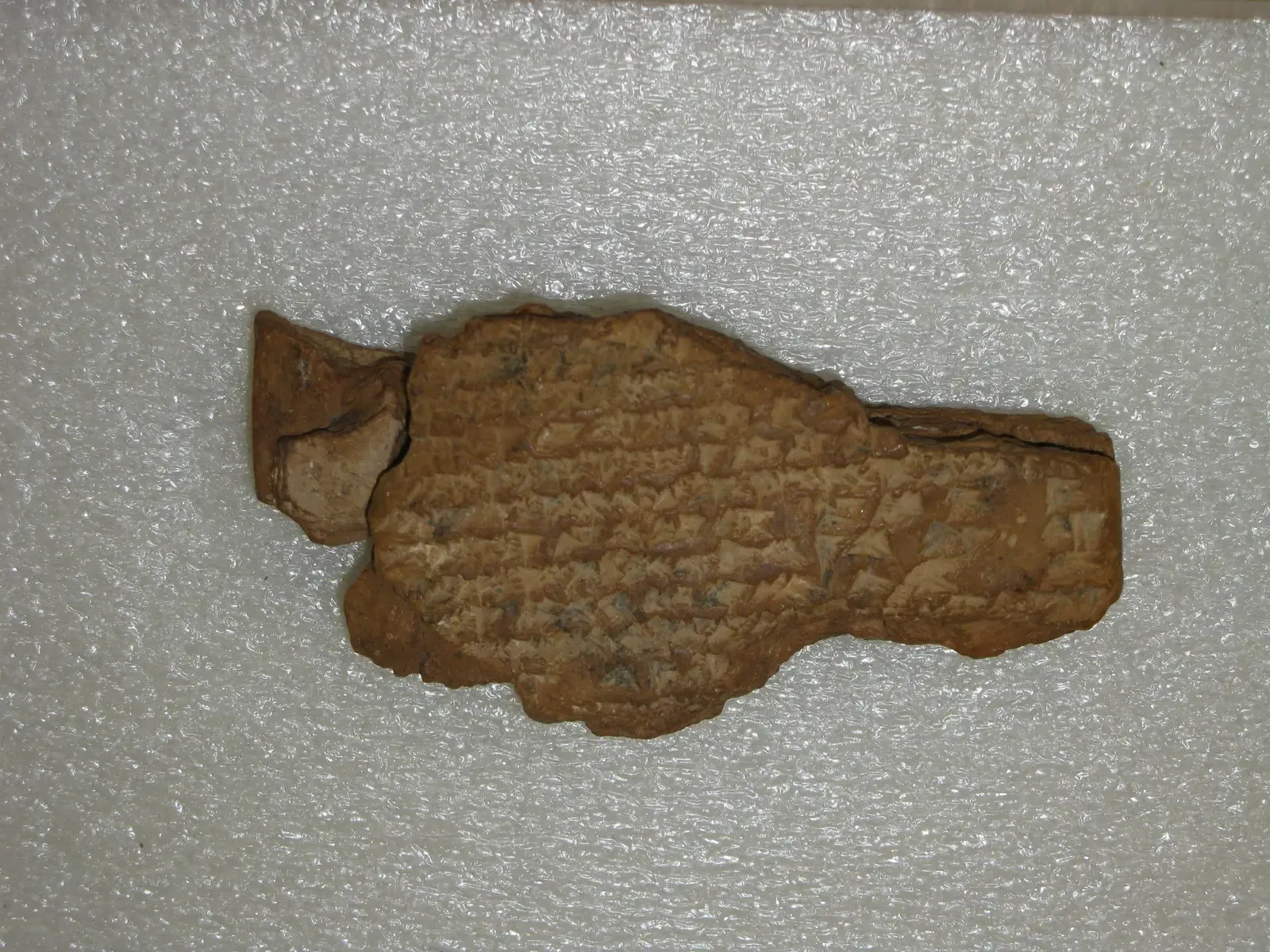
You probably take writing for granted because you do it all day – texts, emails, notes, passwords. But imagine trying to run a farm, a city, or a trade network with no way to record anything. Early full writing systems, like Sumerian cuneiform in the late fourth millennium BCE, began as marks pressed into clay to track grain, taxes, and trade. Over time, those marks evolved from simple tallies into flexible symbols that could capture language, contracts, myths, and laws.
Once you can put thoughts into stable symbols, your memory stops being limited to the brains of living people. You can send instructions far away, preserve knowledge for centuries, and build on the work of people you’ll never meet. Whether you’re scrolling through an article, reading a street sign, or signing a document, you’re living inside the ripple effect of an ancient decision: to encode speech in a visual system and let ideas outlive their speakers.
Aqueducts and Ancient Water Engineering: Plumbing for Whole Civilizations
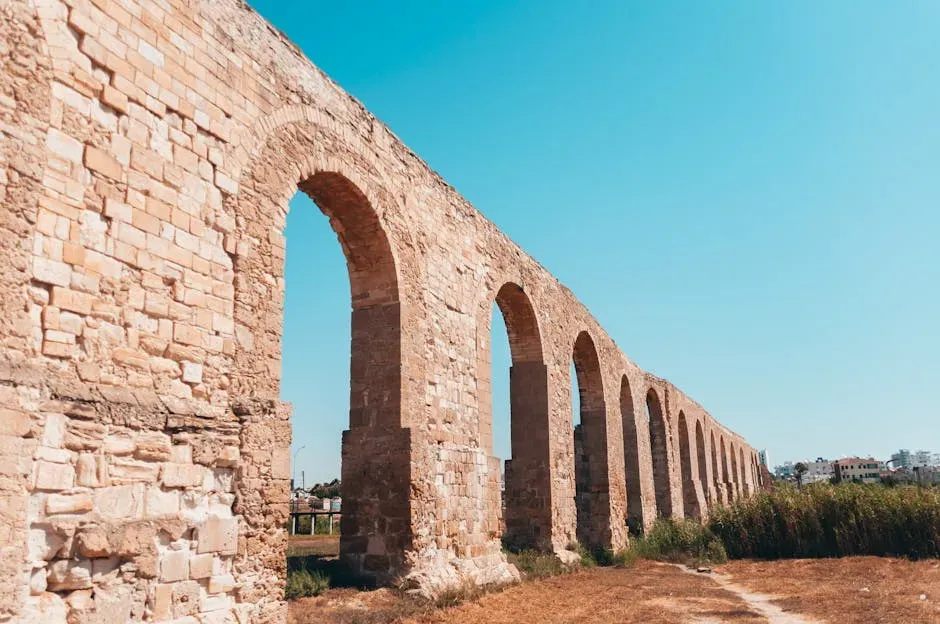
You might think of running water as a modern luxury, but ancient engineers were moving and managing water on a massive scale long before steel pipes and electric pumps. Civilizations like the Romans, Persians, and others built aqueducts, canals, underground channels, and complex drainage systems to bring fresh water from distant springs into crowded cities and to carry waste away. When you picture stone arches stretching across valleys or underground tunnels tapping hidden groundwater, you’re seeing deliberate, large-scale planning in action.
The real genius here is not just moving water downhill; it’s understanding gravity, gradients, and materials well enough to keep a stable flow over tens of kilometers. You benefit from that same mindset every time you turn on a tap, flush a toilet, or trust that your city’s water supply will not simply vanish overnight. Those ancient systems forced people to think like systems engineers: where does the water come from, how does it travel, and what keeps it safe to use for thousands of people at once?
Ancient Surgery and Medical Tools: High-Stakes Innovation on the Human Body
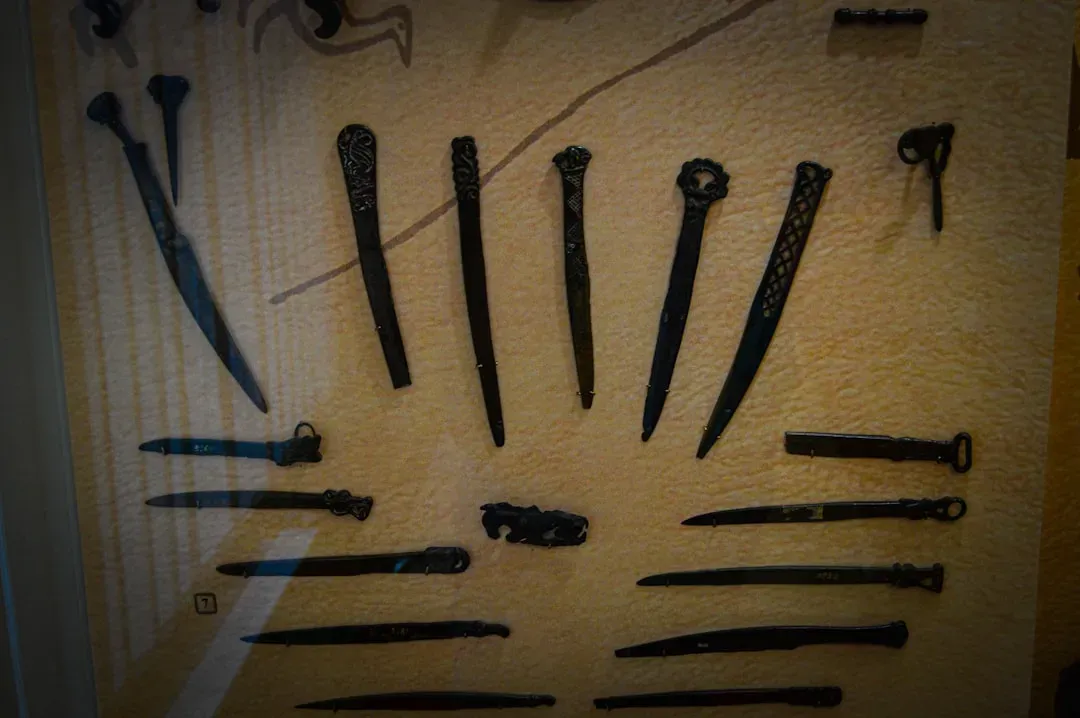
When you picture ancient medicine, you might imagine charms and chants, but archaeology tells you a more complicated, and frankly braver, story. In many regions, from ancient Egypt to South Asia and beyond, you find bronze scalpels, needles, forceps, trephination tools for skull surgery, and evidence that some patients actually survived serious procedures. Healed bone around surgical openings shows you that these were not just desperate stabs in the dark; they were controlled interventions that sometimes worked.
To cut into a human body without modern anesthesia, imaging, or infection control took a mix of observation, experimentation, and courage you can hardly fathom. When you walk into a modern hospital and trust a doctor to operate on you, you’re standing on layer after layer of trial, error, and refinement that goes back thousands of years. Those early practitioners were already mapping the body, distinguishing between types of wounds, and trying herbs, minerals, and techniques in what you would now recognize as the beginnings of clinical practice.
The Antikythera Mechanism: An Ancient Analog “Computer”
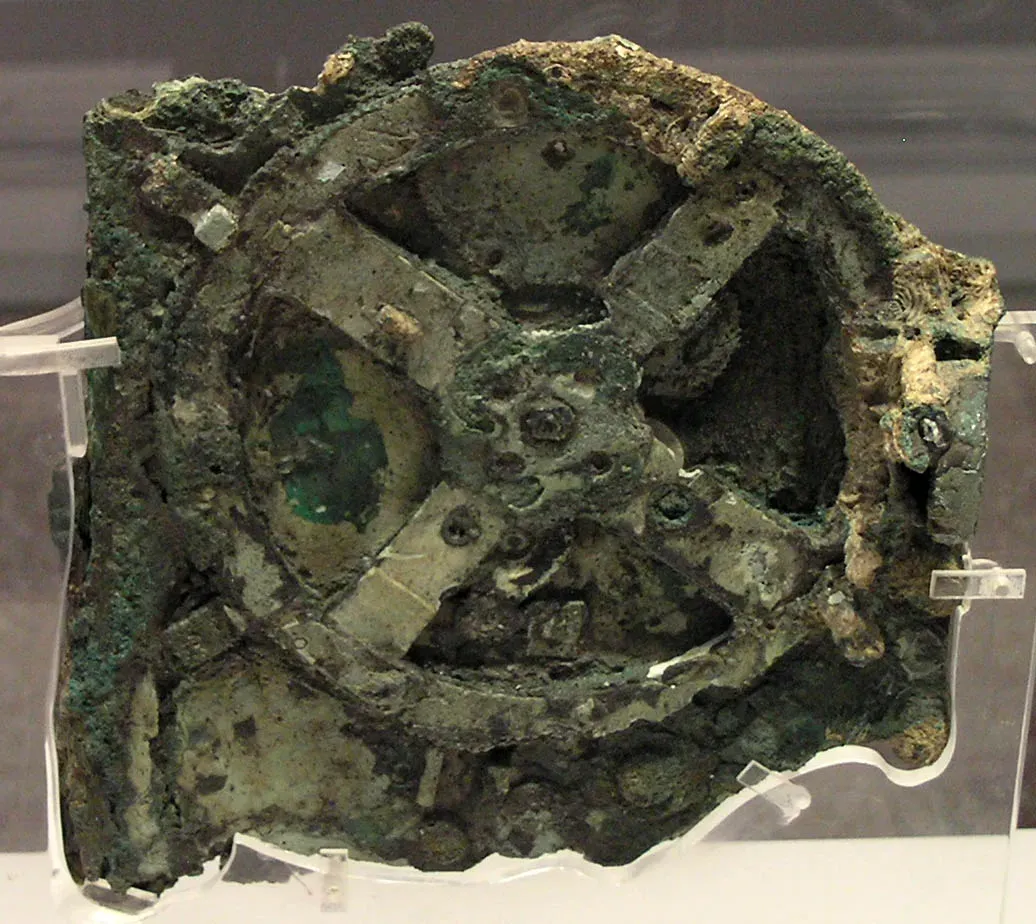
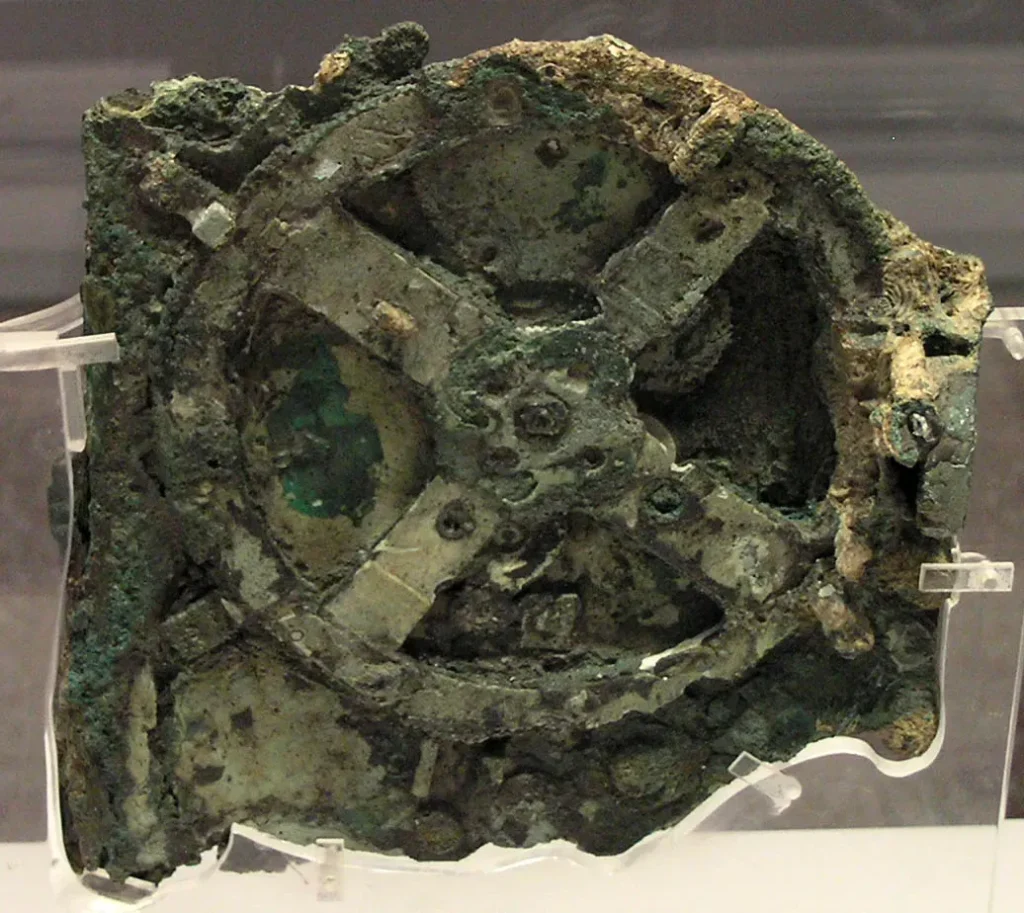
Imagine picking up a corroded lump from a shipwreck and discovering it was once a gear-filled machine that could model the sky. That’s essentially what happened with the Antikythera mechanism, a device recovered from a first-century BCE shipwreck near a small Greek island. When researchers scanned and reconstructed it, they found a dense cluster of interlocking bronze gears designed to predict the positions of the sun, moon, eclipses, and possibly known planets over time. You are looking at a kind of mechanical cosmos in a box.
What this tells you is that over two thousand years ago, artisans and thinkers were already encoding astronomical cycles into precision machines. While you rely on digital apps to check eclipses or moon phases, this device did similar things with carefully cut teeth and rotating dials. If you’ve ever marveled at a mechanical watch or an orrery, you’re appreciating the same kind of thinking: take something abstract and enormous – the movement of the heavens – and turn it into something you can hold, crank, and understand with your own hands.
Roman Concrete: Stone That Learns to Heal Itself
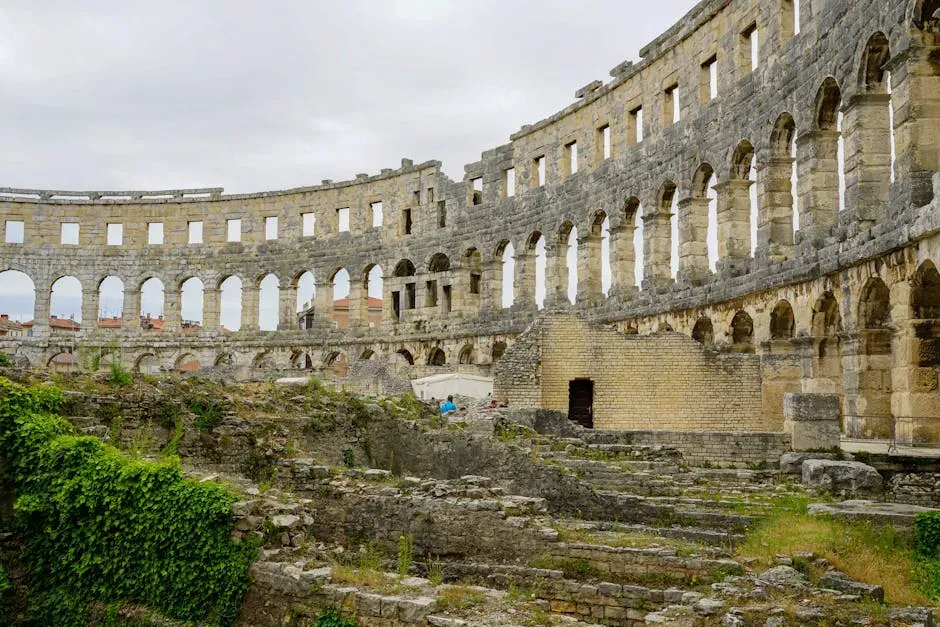
When you see ancient Roman harbor walls still standing in seawater or domes like the Pantheon surviving for nearly two thousand years, you’re seeing the quiet brilliance of their concrete. Unlike most modern mixes, Roman builders used a combination of lime and volcanic materials that chemically reacted over time, sometimes producing crystals and microscopic structures that actually strengthened cracks instead of letting them spread. In a sense, the material behaved a bit like a self-healing skin rather than a brittle shell.
For you, this is a reminder that high-tech does not always mean “new.” Researchers today study samples of Roman concrete in labs, trying to understand the exact recipes and processes so they can create more durable, lower-emission building materials. Every time you walk past a crumbling parking garage or a cracked sidewalk, it is worth remembering that people without steel reinforcement, power tools, or factories managed to build structures that shrug off centuries of wear. They were not just stacking stones; they were doing applied chemistry at city scale.
Early Clocks and Calendars: Taming Time With Stone, Shadow, and Stars
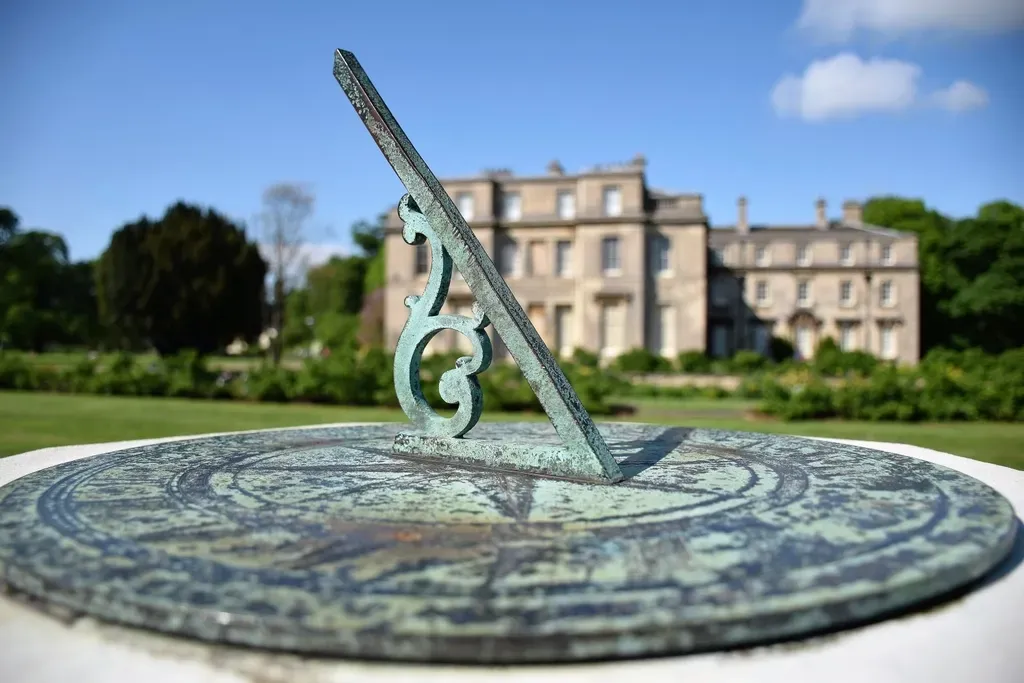
You live by the clock now – alarms, deadlines, calendars, reminders – but the urge to measure time precisely is ancient. From stone alignments that track solstices, to sundials that translate shadows into hours, to water clocks and elaborate calendar systems in many cultures, people have spent thousands of years figuring out how to pin down the flow of days, seasons, and years. These systems let you predict when rivers flood, when to plant, when to hold rituals, and how to coordinate life beyond guesswork and memory.
The ingenuity shows up in the details: using a narrowing channel to make water drip at a steadier rate, carving precise markings for changing solar angles, or building long-term lunar–solar calendars that reconcile the cycles of the moon with the path of the sun. When you glance at your phone to check the date, you’re leaning on a deep chain of refinement that goes back to farmers, priests, and sky-watchers watching the horizon and the stars with patient, obsessive attention. They turned fleeting observations into reliable patterns that still govern your life.
Paper and Early Books: The Technology of Cheap, Portable Knowledge
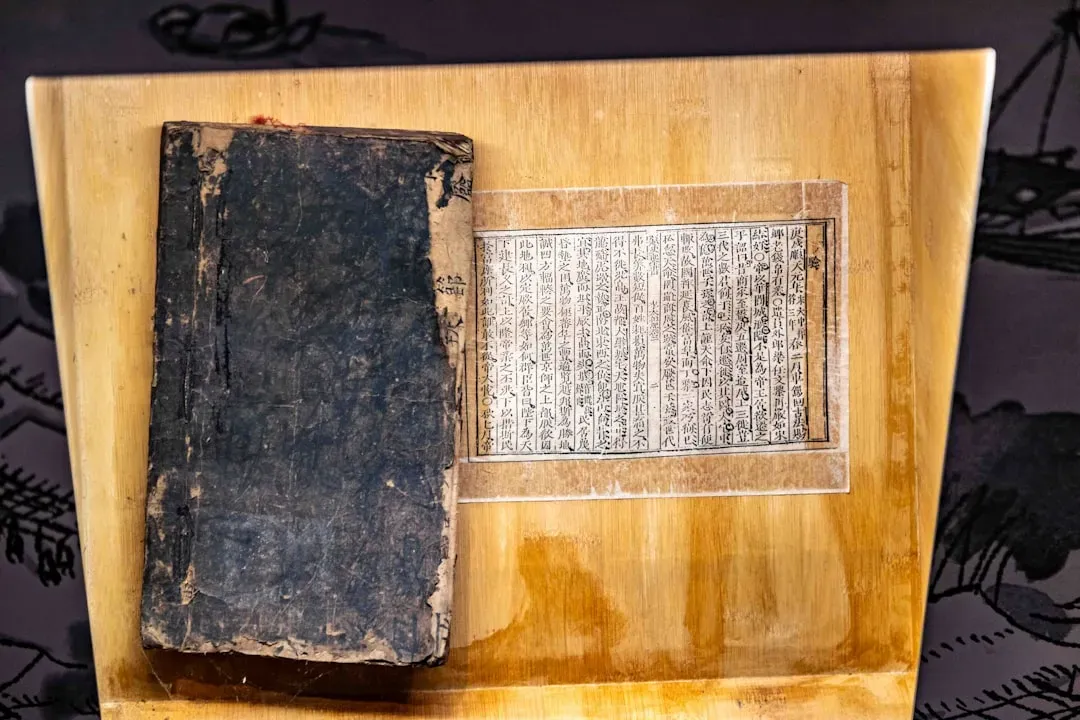
Before you had screens, you had pages, and before you had pages, you had to invent something better than heavy clay tablets or fragile, expensive materials. In places like ancient China, papermakers learned to mash plant fibers into a wet pulp, spread it thin, and press it into flexible sheets that could be written on, folded, stored, and transported far more easily than earlier options. Once you can produce writing surfaces relatively cheaply, it suddenly makes sense to keep records, copy texts, and educate more than just a tiny elite.
From there, it is a short mental jump to bound collections of pages – early books – that help preserve religious teachings, scientific notes, stories, and legal systems. You experience the legacy of this every time you flip through a paperback or open a notebook, even if you mostly live on digital documents now. The core idea is the same: knowledge should be portable, replicable, and shareable, not trapped in one temple, one stone, or one person’s memory. That decision reshaped how information moves through human societies, including yours.
Conclusion: You Come From a Long Line of Problem‑Solvers
When you zoom out and look at these inventions side by side – wheels and writing, surgery and sky machines, concrete and calendars, aqueducts and paper – a pattern appears. You are not just descended from people who survived; you are descended from people who constantly asked how to make life work better, how to turn ideas into tools, and how to leave something sturdier behind. They did it with trial and error, with observation, and with a kind of stubborn curiosity you can probably recognize in yourself.
So the next time someone talks about “primitive” humans, you can quietly remember that long before microchips, people like you were already building reliable infrastructure, modeling the cosmos, logging their thoughts, and daring to operate on the human body. You’re not the start of human ingenuity; you’re the latest chapter in a very old story. The real question is: now that you know what they managed with so little, what might you be underestimating yourself about today?