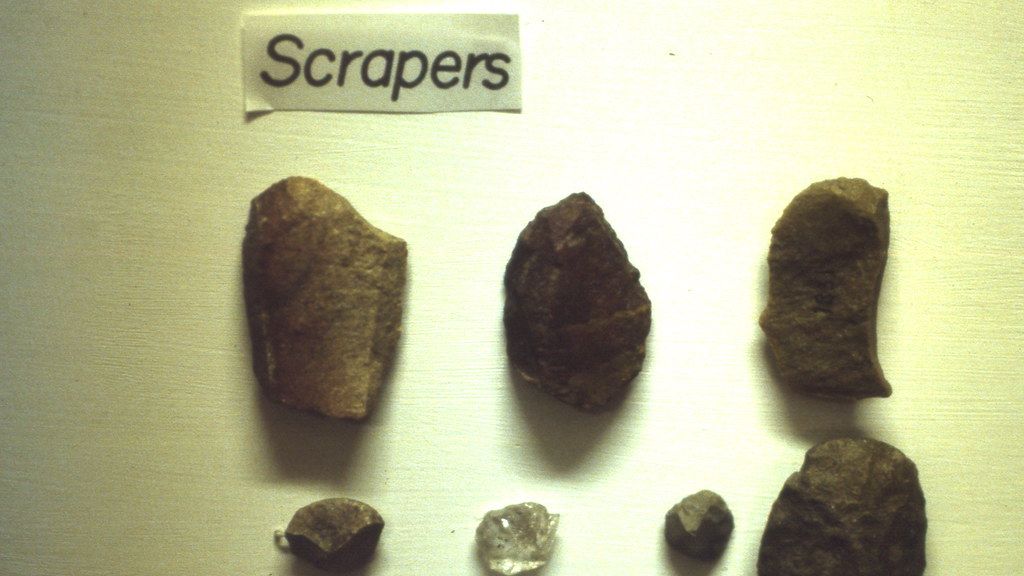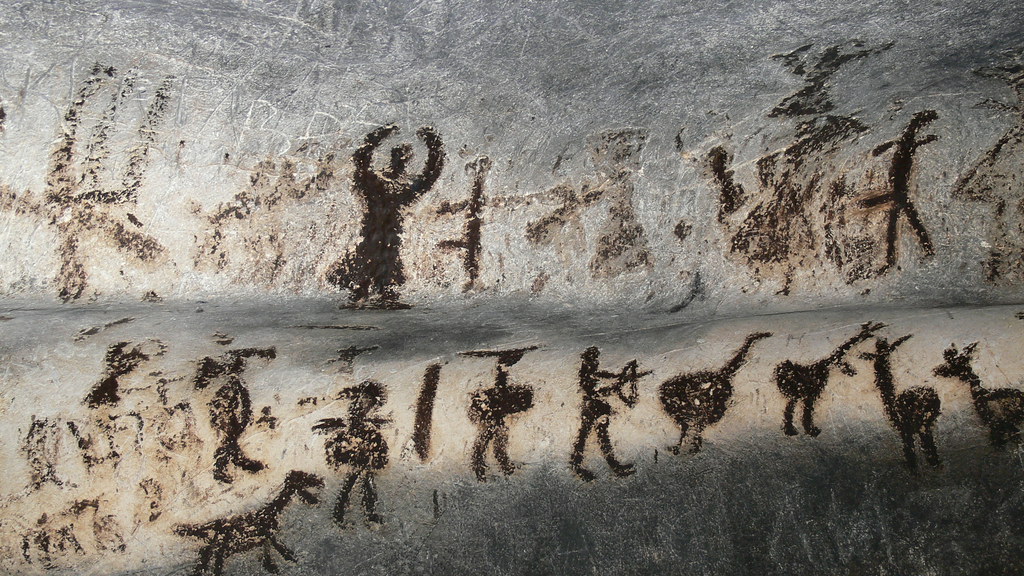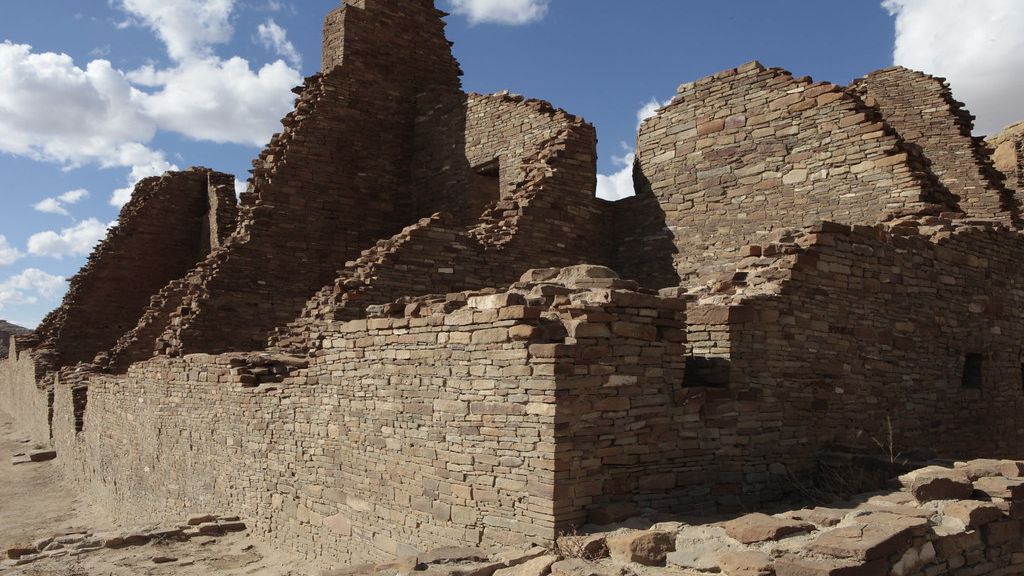
The American Southwest is a landscape that keeps its secrets buried deep, written in sandstone walls and hidden behind canyon shadows. Long before European explorers ever set foot on this continent, remarkable civilizations were building cities, tracking the stars, and engineering water systems across a terrain that seems determined to kill anything that dares to live on it. That is what makes this region so astonishing.
You do not need to travel to Egypt or Rome to stand in the presence of something truly awe-inspiring. The answers to some of the most profound questions about early human life in North America are right here, carved into volcanic rock and tucked beneath the red cliffs of New Mexico, Arizona, Colorado, and Utah. Let’s dive in.
1. Chaco Canyon, New Mexico: Where the Universe Was Written in Stone
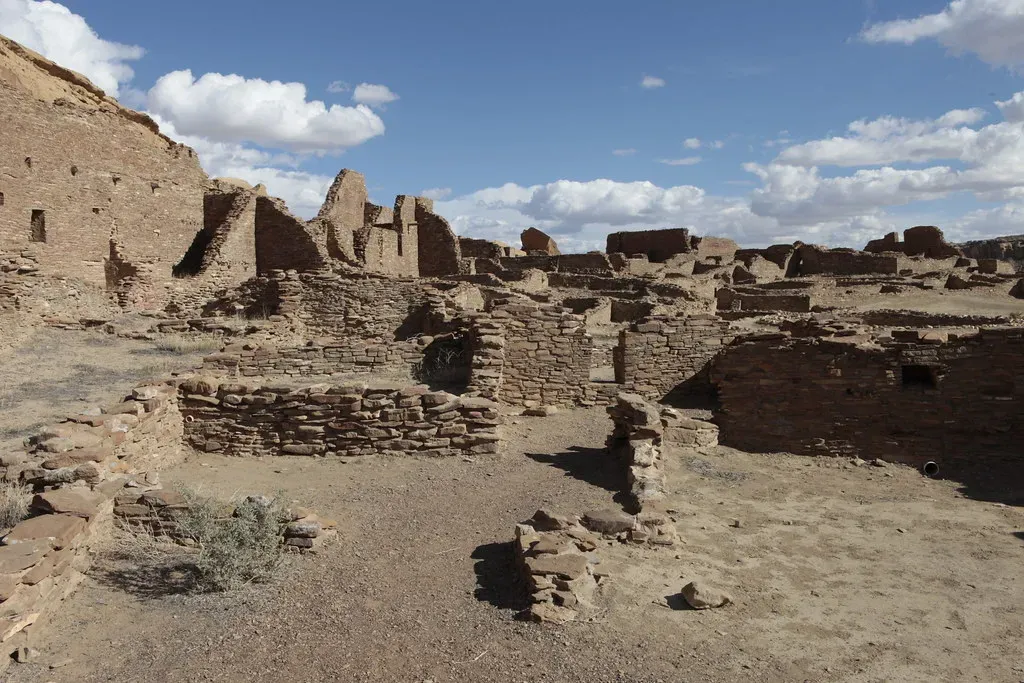
Here’s the thing about Chaco Canyon. When you first hear that it sits in a remote, dusty patch of northwestern New Mexico, your mind might not leap to “ancient metropolis.” Yet that is exactly what it was. Between AD 900 and 1150, Chaco Canyon was a major cultural center for the Ancestral Puebloans. The Chacoans quarried sandstone blocks and hauled timber from great distances, assembling fifteen major complexes that remained the largest buildings ever built in North America until the 19th century.
The Chacoans melded pre-planned architectural designs, astronomical alignments, geometry, landscaping, and engineering into ancient urban centers of unique public architecture. Researchers have concluded that the complex may have had a relatively small residential population, with larger groups assembling only temporarily for annual ceremonies. Think of it less like a permanent city and more like a sacred gathering place, a kind of ancient convention center for the cosmos. Chaco traded for turquoise and shells which came from hundreds of miles away, and imported macaws and cacao from Central America.
2. Mesa Verde National Park, Colorado: Cities Built Inside Cliffs
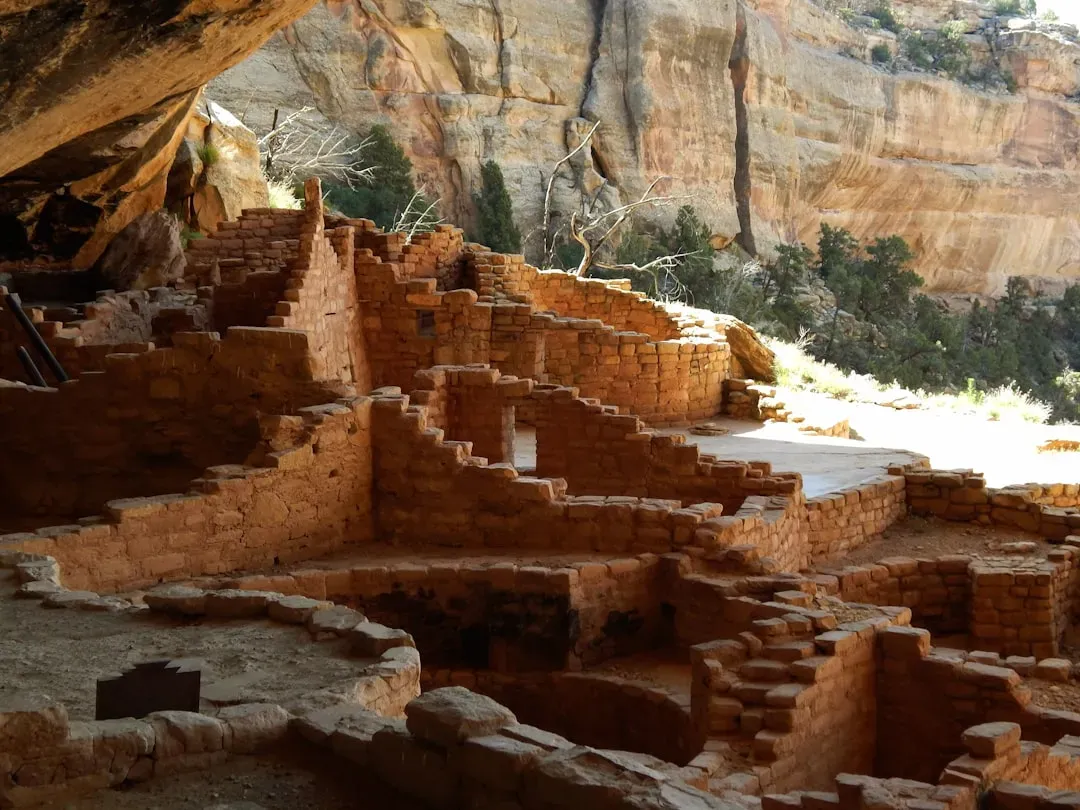
Honestly, if you have never stood at the edge of a mesa in southwestern Colorado and gazed down at a multi-story city tucked into a cliff face below you, you are missing one of the most jaw-dropping moments the American Southwest can offer. With more than 5,000 sites, including 600 cliff dwellings, Mesa Verde is the largest archaeological preserve in the United States. It is best known for structures such as Cliff Palace, one of the largest cliff dwellings in North America.
Prior to the late 1190s, Ancestral Puebloans primarily lived on the mesa tops. However, around this time, many people moved into structures built into natural alcoves on the cliff faces. Cliff Palace, a multi-storied ruin with around 150 rooms, is the best-known cliff dwelling in Mesa Verde, while other key sites include Balcony House and Long House. Why did they move into the cliffs? Archaeologists believe that by the year 1300, most of these sites were abandoned, and there are various competing theories as to why. Maybe there were problems with the weather that was forcing them to move, maybe it was water access. We are not entirely sure what caused people to abandon Mesa Verde. The mystery remains gloriously unsolved.
3. Canyon de Chelly, Arizona: A Living Monument Spanning 5,000 Years
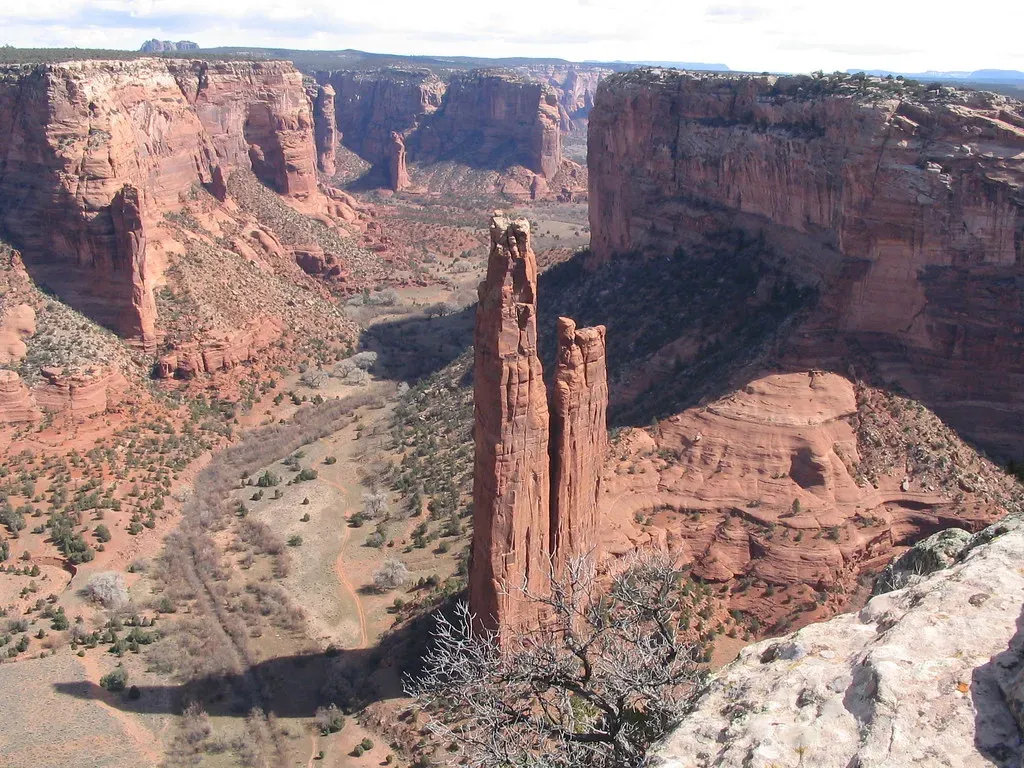
Most ancient sites feel like museums, frozen in time and roped off from daily life. Canyon de Chelly is different. Wildly different. For nearly 5,000 years, people have used the towering sandstone walls of Canyon de Chelly as a place for campsites, shelters, and permanent homes. Managed through a partnership between the National Park Service and the Navajo Nation and located on Navajo Trust Land, Canyon de Chelly represents one of the longest continuously inhabited landscapes of North America.
The canyon’s 305-meter-high sandstone walls shelter Ancestral Puebloan dwellings, Archaic-era rock art, and Navajo farms that are still worked today. For more than 300 years, the Navajo have inhabited this land, and that continuity defines everything about how the monument is managed, visited, and understood. You can read the full layered story of this place on its walls. The story of people who have lived in Canyon de Chelly is found in rock art, both pictograms painted on rock and petroglyphs chipped into the rock’s desert varnish. Some images are symbols relating to ceremonies and rituals, calling on deities for rain, bountiful harvests, and fertility.
4. Petroglyph National Monument, New Mexico: More Than 20,000 Messages from the Past
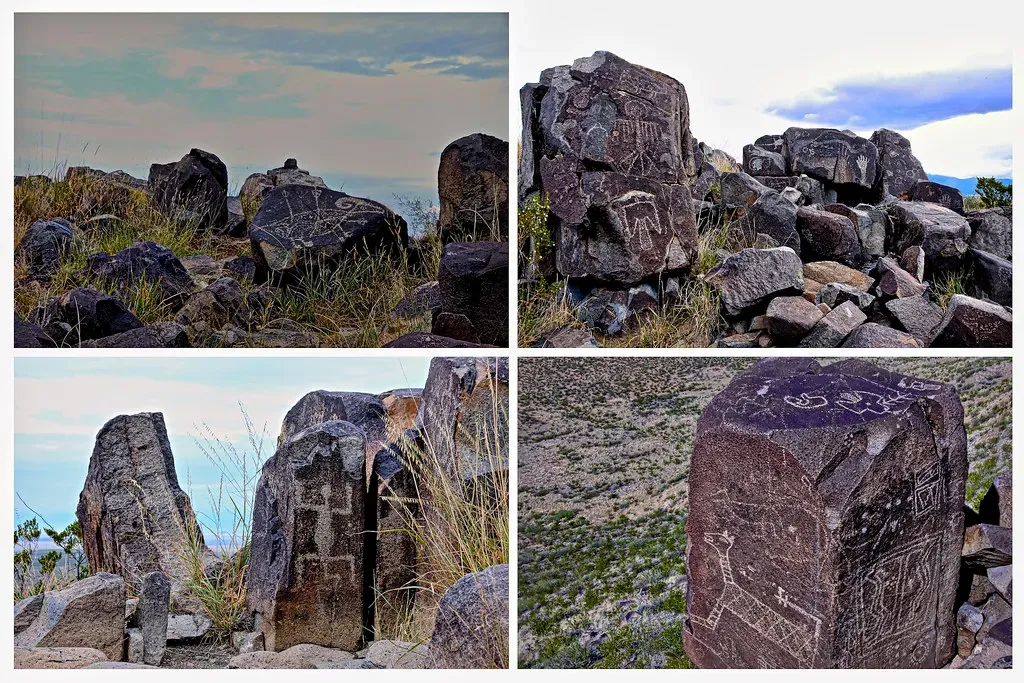
Imagine scrolling through a social media feed that stretches back roughly a thousand years. That is not a perfect metaphor, but it gets close to describing what you experience at Petroglyph National Monument near Albuquerque. Located near Albuquerque, Petroglyph National Monument is home to over 20,000 petroglyphs carved into volcanic rock. These ancient images include animals, humans, and geometric shapes, offering a fascinating glimpse into the past.
Southwestern archaeology offers a fascinating glimpse into the ancient civilizations that thrived in the arid landscapes of the American Southwest. This region, rich with cultural artifacts and archaeological discoveries, reveals the intricate lives of indigenous cultures that have shaped the history of the area. From the majestic cliff dwellings to the intricate pottery, every find tells a story of exploration, creativity, and resilience. What I find particularly striking about Petroglyph is how democratic it feels. These were not just royal declarations or priestly inscriptions. Ordinary people were leaving marks here too, expressing identity, belief, and daily life in a way that survived centuries of wind and desert sun.
5. Bandelier National Monument, New Mexico: Carved Homes in the Cliffside
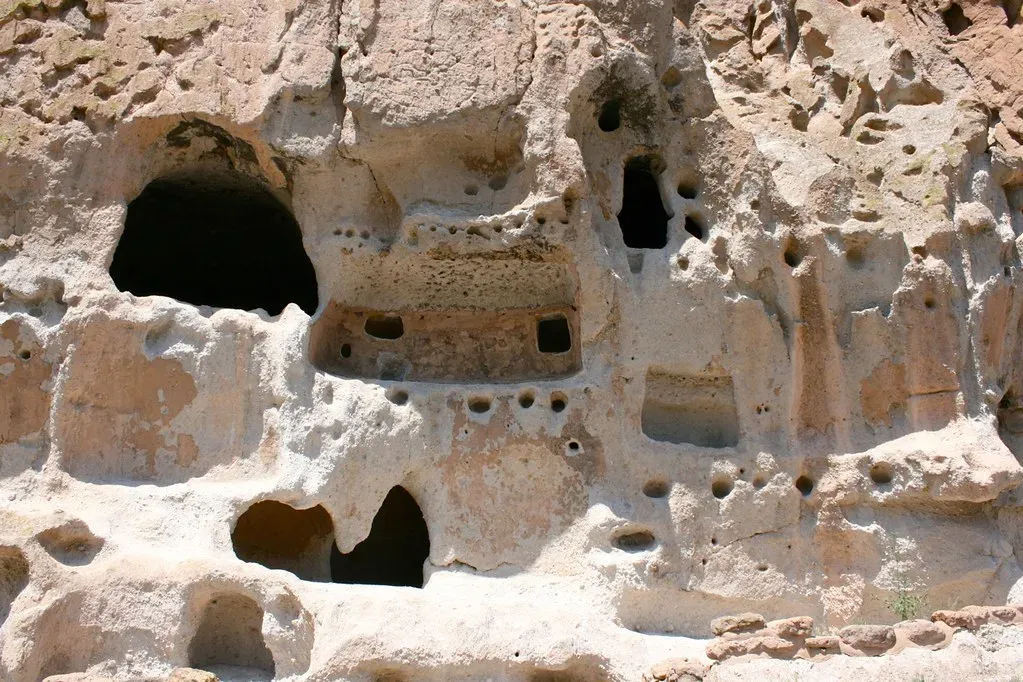
If you have ever wanted to literally climb into an ancient home, Bandelier National Monument near Los Alamos, New Mexico, is one of the few places on Earth where you can do exactly that. Bandelier National Monument, nearby Santa Fe and adjacent to Los Alamos, is a large 33,000-acre site that is home to huge cliffs dotted with petroglyphs and dwellings. Ancestral Pueblo people lived in this region between around 1150 CE and 1550 CE, living in the cliffs and farming on the canyon mesas. There are cavates, small carved alcoves in the rocks, some of which you can even climb within.
Another particularly spectacular ruin at Bandelier is Tyuoni, originally a 400-room, two-story building used for storing food. Unlike some other sites, there is lots of climbing, ladders, and exploring, with 70 miles of hiking trails and even some waterfalls within the site. The Alcove House trail even involves scaling ladders 140 feet above the canyon floor. It is hard to say for sure what the emotional experience of living in these alcove homes was like, but standing in one today, staring out over the canyon below, you get a sense that these were people who deeply understood the value of a view.
6. Gila Cliff Dwellings National Monument, New Mexico: The Mogollon’s Hidden World
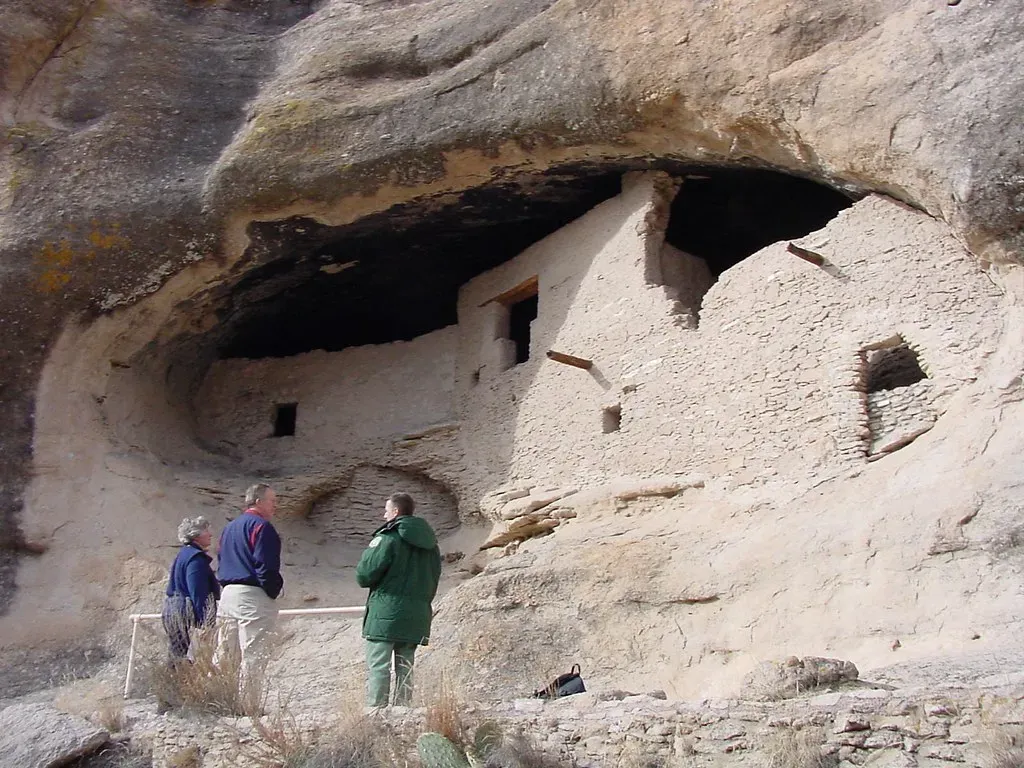
Not all the famous ancient Southwest cultures are Ancestral Puebloan. Deep in the rugged Gila Wilderness of New Mexico, in a setting that feels almost impossibly remote, you will find the Gila Cliff Dwellings, built by a culture that does not always get the headlines it deserves. The Gila Cliff Dwellings National Monument offers a unique combination of ancient architecture and rock art. The cliff dwellings, built by the Mogollon people, contain numerous pictographs that provide insight into their way of life.
The Mogollon culture, known for their unique pottery and pit houses, thrived in the mountainous regions of the Southwest. Unlike the flat mesa country you picture when you think of Ancestral Puebloan sites, the Gila Cliff Dwellings sit inside natural caverns in a forested canyon, surrounded by the sounds of a nearby river. More questions than answers surround the story of people who built structures in the natural caves of Cliff Dweller Canyon. Archaeological evidence suggests that many different groups of people have inhabited this area over thousands of years. That uncertainty is, in a strange way, part of the magic.
7. Wupatki National Monument, Arizona: A Cultural Crossroads in the Desert
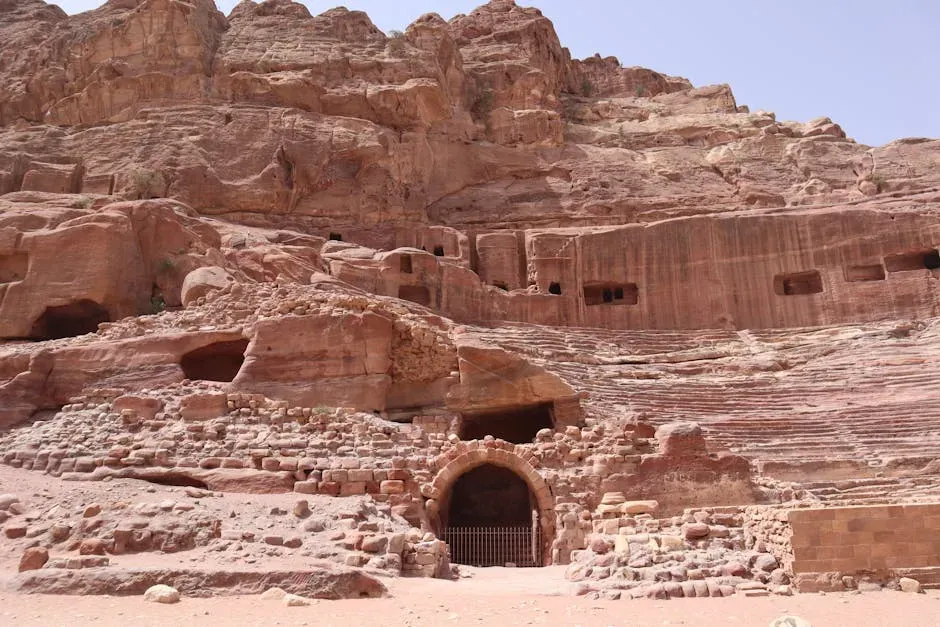
Roughly 35 miles north of Flagstaff, Arizona, the red sandstone ruins of Wupatki rise out of a landscape that looks like another planet. What makes Wupatki so genuinely fascinating is that it was not just one culture’s home. It was a meeting point, a kind of ancient junction where several different Southwest peoples converged after a nearby volcanic eruption around 1064 CE blanketed the land in ash that, counter-intuitively, enriched the soil for farming. Wupatki National Monument features impressive ruins and showcases the diverse cultures that inhabited the area.
Several notable ancient civilizations flourished in the Southwest, and each contributed to the rich tapestry of indigenous cultures. The Ancestral Puebloans were known for their impressive cliff dwellings and kivas, while the Hohokam civilization is renowned for its advanced irrigation systems, which transformed the arid desert into fertile farmland, allowing for the cultivation of crops. At Wupatki, evidence of the Ancestral Puebloans, Hohokam, and Sinagua cultures all overlap in the same place, which is genuinely rare. It is a reminder that ancient peoples were not isolated tribes living in bubbles. They traded, influenced each other, and shared the land in complex ways we are still trying to understand.
8. Aztec Ruins National Monument, New Mexico: A Chacoan Legacy Reborn
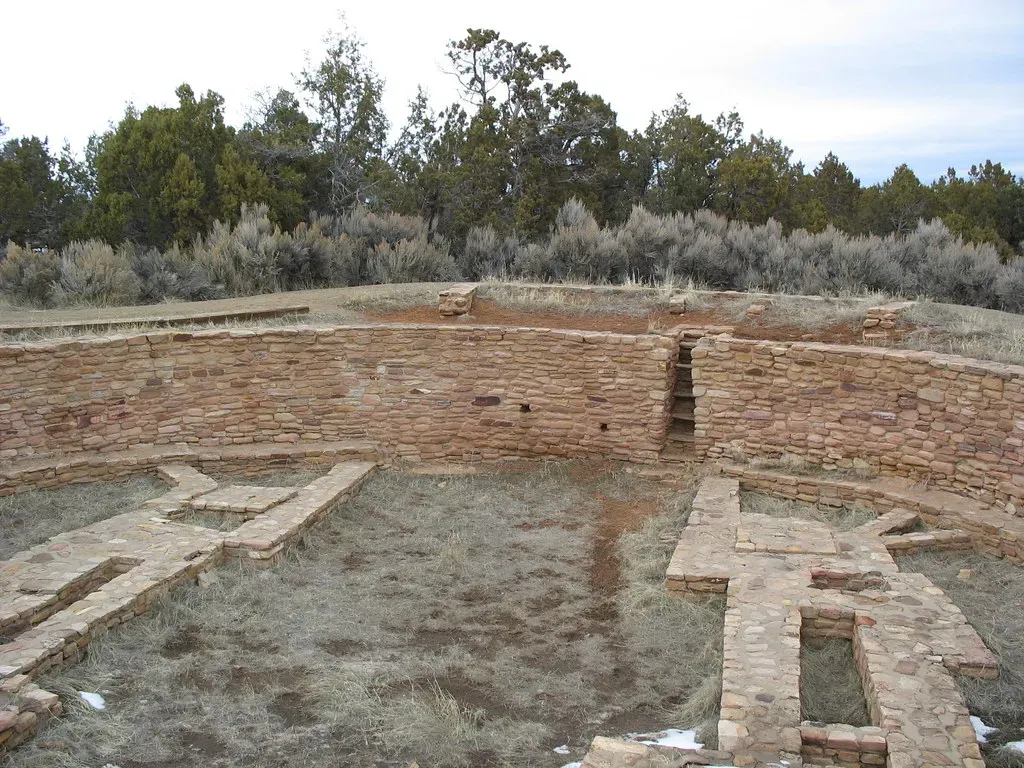
Despite the name, Aztec Ruins has absolutely nothing to do with the Aztec civilization of Mexico. Early European settlers simply got it wrong, and the misleading name stuck. What you will actually find here is a stunning continuation of the Chacoan world. Aztec Ruins, 55 miles to the north of Chaco Canyon, is a continuation of the Chaco story. Around 1100 CE, as people moved away from the great houses in Chaco Canyon, Aztec became an important center, occupied and expanded over the next 150 years. Aztec Ruins has architecture very similar to Chaco, including great houses and kivas, multi-story buildings, and roads radiating out.
Roads connected Chaco Canyon to over 150 other great houses, including Aztec Ruins and Salmon Ruins to the north. Chaco became the trade center for turquoise, parrots, macaws, copper bells, and other precious commodities. By the mid-1100s, the canyon began to decline as the regional center as new building ceased and influence moved to Aztec Ruins and other great houses. What is remarkable about Aztec is that its Great Kiva, one of the largest reconstructed ceremonial chambers in the Southwest, gives you a genuinely immersive sense of what ancient communal ritual might have felt like. Standing inside it, you realize these were not primitive people. They were architects of meaning.
A Deep Past Worth Protecting
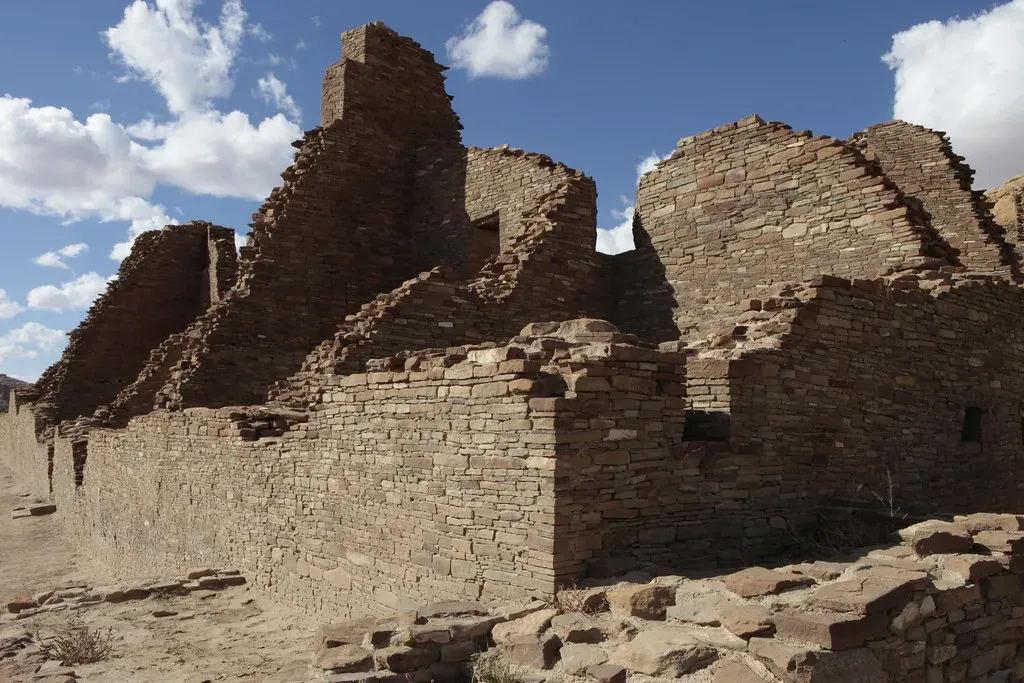
You do not have to be an archaeologist to feel the weight of what these eight sites represent. This part of the United States is home to some of the best ancient sites, ruins, and petroglyphs in the Americas. Each canyon wall, each carved stone room, and each carefully aligned doorway is a sentence in a story that stretches back thousands of years, written by people who had no idea that one day strangers would come from around the world just to marvel at what they left behind.
Intensive inventory surveys have recorded over 3,600 archaeological sites within Chaco Canyon’s park boundaries alone, and that is just one location. Across the entire Southwest, the number of sites reaches into the tens of thousands, with new discoveries still being made. Let’s be real: we have only scratched the surface of what is buried beneath those ancient red desert sands. The question worth sitting with long after your visit is this – how many more secrets is this land still keeping?