If you think people in the distant past believed only wild myths about the cosmos, you’re in for a shock. Long before modern telescopes, satellites, and physics equations, ancient thinkers were already guessing the shape, size, and behavior of the universe with eerie accuracy. Using nothing more than naked eyes, careful records, and a lot of patience, they worked out ideas that still sit at the heart of astronomy today.
As you walk through these old theories, you start to realize something humbling: with far fewer tools than you have in your pocket right now, earlier civilizations still managed to figure out how planets move, how big Earth is, and even that the universe might be changing over time. You may never look at the night sky, or your ancestors, the same way again.
The Spherical Earth: When You Already Knew You Lived on a Globe

You were never really fooled by the idea that people once thought Earth was just a flat disk stretching off into nowhere. If you go back to ancient Greece, India, and parts of the Middle East, you’d find scholars calmly explaining that Earth is a sphere, using arguments you can still test yourself today. They looked at the round shadow Earth casts on the Moon during a lunar eclipse and noticed how ships seemed to disappear hull-first over the horizon, both of which only make sense if you’re standing on a curved surface.
If you had stood beside those thinkers, you’d have seen that they were not just guessing; they were paying attention. In India, some early texts already refer to Earth as round and rotating, while Greek philosophers argued that a spherical Earth was the most elegant way to explain observations from different latitudes. By the time you get to the classical period, the idea of a round Earth in learned circles was so common that it was almost boring. The “flat Earth” story you often hear now says more about modern myths than ancient minds.
Measuring Earth’s Size with Shadows and Simple Geometry
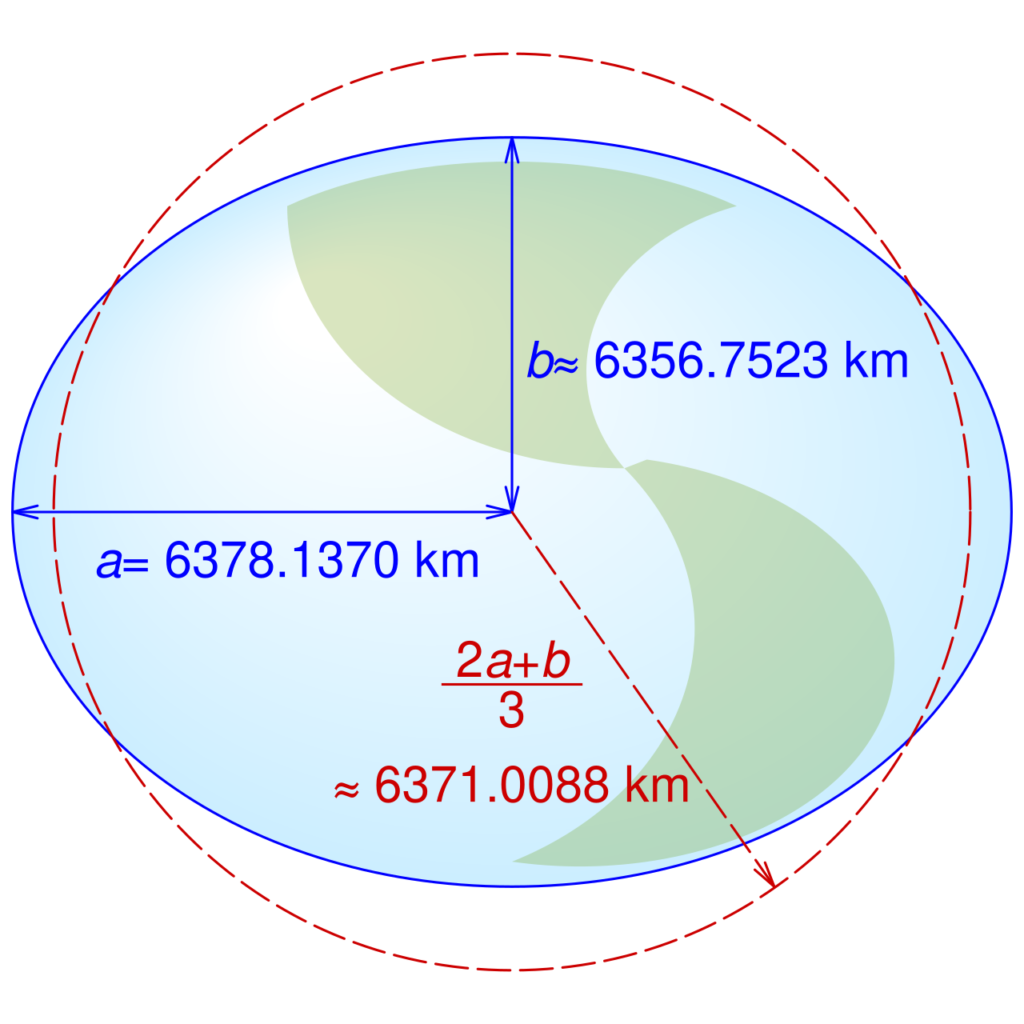
Imagine you have no satellites, no airplanes, and not even a high vantage point, but you want to know how big your planet is. If you follow the logic of Eratosthenes of Cyrene in the third century BCE, you’d realize you can do it with a stick, a well, and some geometry. He noticed that at noon on the summer solstice in a city near modern Aswan, the Sun shone straight down a well, casting no shadow, while at the same time in Alexandria, a vertical stick still produced a measurable shadow. From that difference in angle and the known distance between the cities, he estimated Earth’s circumference.
If you ran the numbers alongside him, you’d be stunned at how close he came to modern measurements. Depending on the exact units he used, his value was within only a small margin of the real figure you know today. You are essentially watching someone, more than two thousand years ago, turn the entire planet into a geometry problem and solve it with a level of accuracy that would still impress a high-school physics teacher. It shows you that sometimes a careful question and a clever setup matter more than advanced technology.
The Heliocentric Hint: When the Sun, Not Earth, Took Center Stage
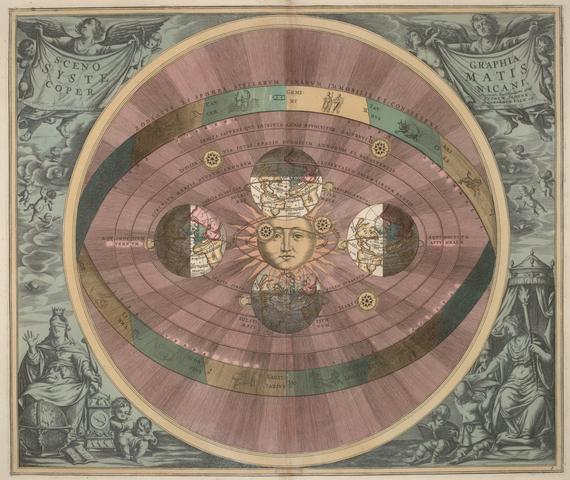
If you were born into most ancient cultures, you’d be told that Earth sits still at the center of everything and that the Sun, Moon, and stars swirl around you. Yet even in antiquity, you’d find voices quietly suggesting the opposite: that Earth moves and the Sun stands at the center. In ancient Greece, some philosophers proposed that the Sun, not Earth, might be the true hub of the cosmos, because it provided a simpler explanation for the wandering paths of planets in the sky. They noticed that certain retrograde motions made far more sense if Earth was moving than if everything else was looping around you in strange circles within circles.
If you extend that reasoning, you can see how close they were to what you now call the heliocentric model. They did not have all the math or the precise observations that came much later, but the core intuition was there: your planet is just one among several orbiting a star. You can almost feel the tension they must have faced; to accept this idea meant shrinking Earth’s importance, and by extension your own. Still, the notion survived in texts and debates, waiting centuries for better instruments and bolder people to pick it up again.
Planetary Motion as Predictable, Not Random Chaos
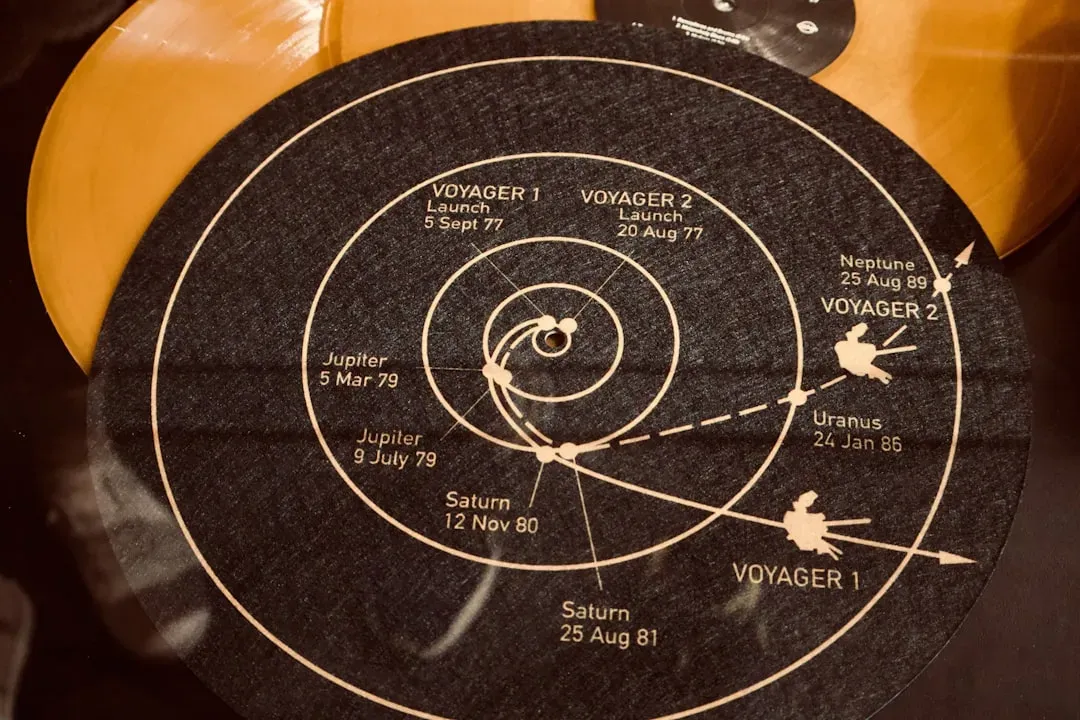
If you go outside on a few clear nights in a row, you might notice that some “stars” are not like the others. They drift slowly, sometimes even seeming to move backward for a while. To you this might be a curiosity, but to ancient astronomers, it was a puzzle they were determined to solve. In places like Babylon, astronomers catalogued planetary positions over generations, turning the sky into a giant data set. They developed mathematical schemes that let them predict where planets would be years in advance, proving that these wandering lights followed rules, not whims.
When you look at those old methods, you see the early bones of what later became orbital mechanics. They used numerical patterns rather than physical laws, but the idea that planetary motion is regular and calculable was already firmly in place. You can sense how empowering that must have felt: the heavens were not chaotic or ruled by constant miracles; they were structured. In many ways, you follow the same instinct every time you trust a space agency’s trajectory plans or even a simple eclipse forecast today.
The Idea of an Infinite or Boundless Cosmos
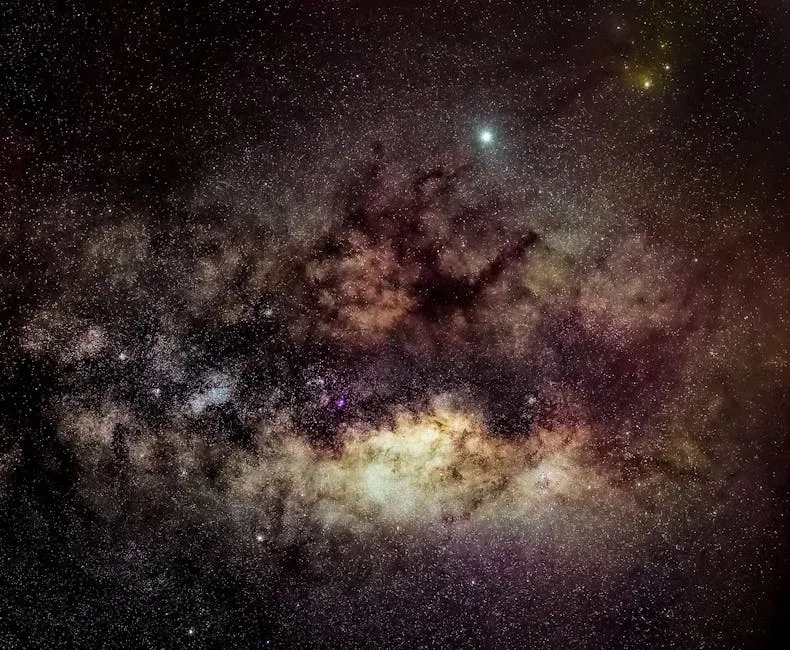
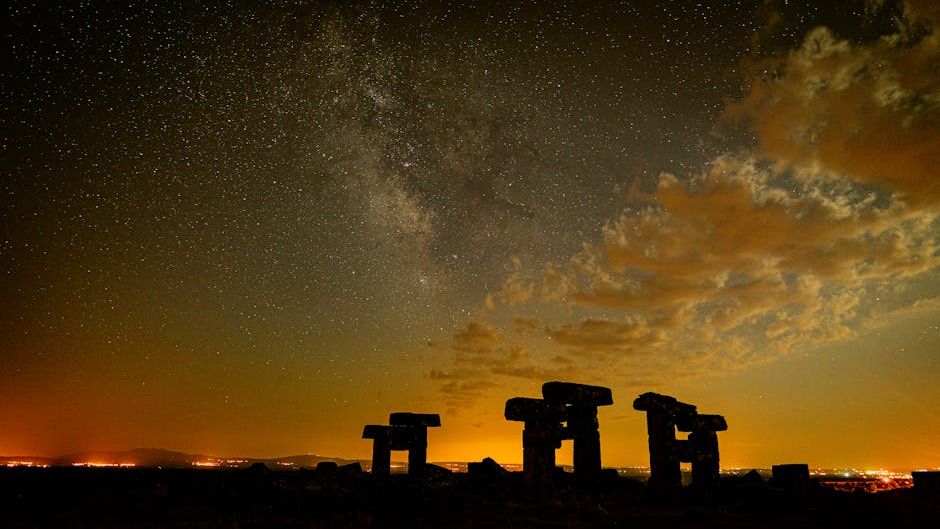
If you have ever stared at a clear night sky and felt that it goes on forever, you are sharing a feeling some ancient philosophers already dared to articulate. While many traditional cosmologies pictured the universe as a finite dome around Earth, a few thinkers argued that space might have no edge at all, or at least be unimaginably vast. They reasoned that if there is no obvious boundary, no visible wall, then perhaps the cosmos extends without limit, with countless stars spread out beyond what you can see.
When you compare this to your current understanding, where the observable universe alone stretches billions of light-years across, you realize how close in spirit they were. They did not know about galaxies, cosmic background radiation, or expansion, but they were willing to drop the comforting idea of a neat, closed container. You face a similar mental challenge now: if the universe is that large and possibly even larger than you can observe, what does that say about your place in it? The leap from a small, tidy world to a vast, open cosmos began much earlier than most people assume.
Atomic Theory: A Universe Built from Tiny, Invisible Building Blocks
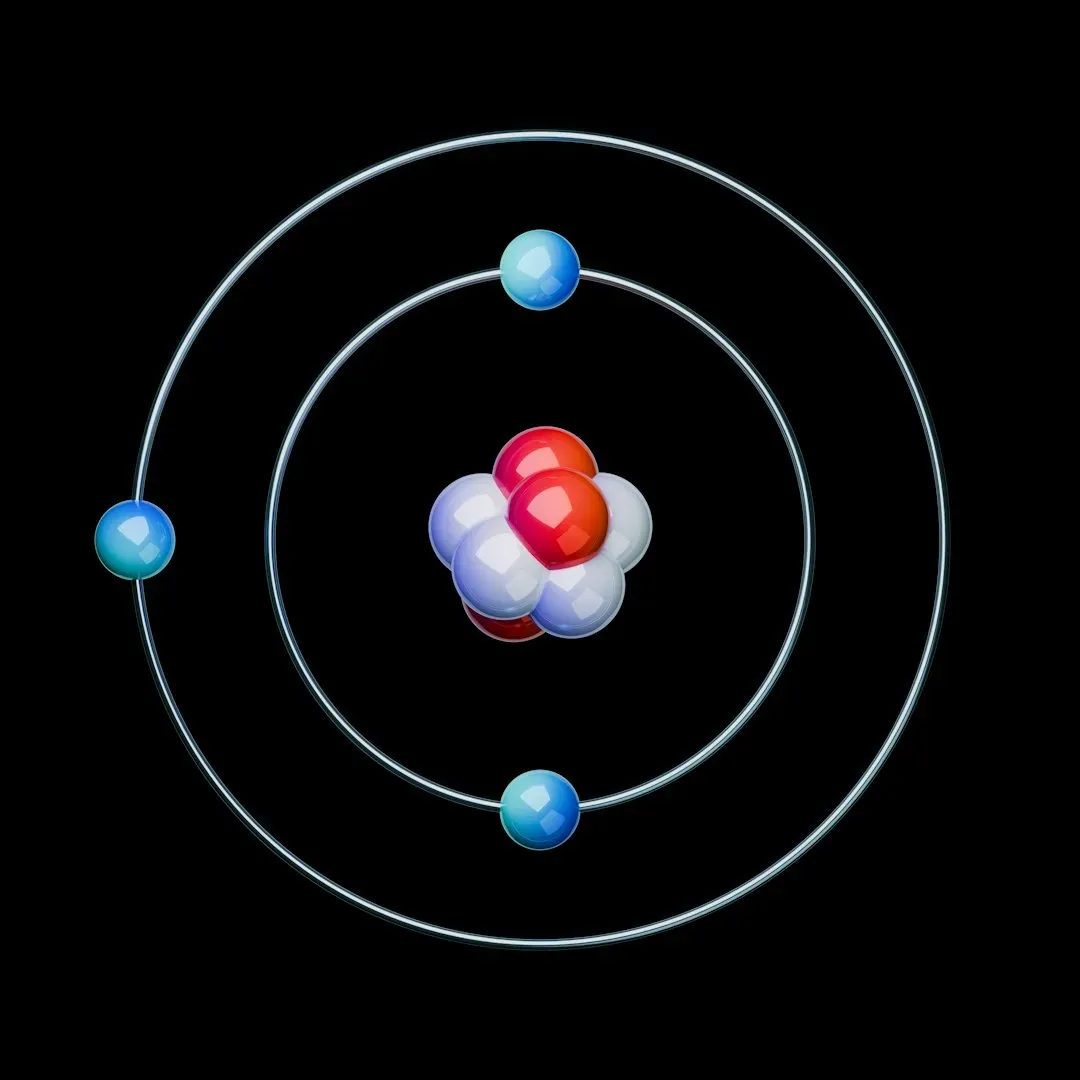
When you look at your hands, a rock, or a glass of water, everything feels solid and continuous. Yet some ancient thinkers insisted that all matter is made of tiny, indivisible units that you cannot see. They argued that if you keep cutting something in half, you eventually reach a point where you can’t divide it anymore, and that these ultimate particles combine in different ways to make the variety of things you experience. In other words, they were already flirting with atomic theory long before microscopes or particle accelerators existed.
Of course, their version of atoms was not the detailed portrait you know today, with electrons, protons, and quarks, but the central idea holds up shockingly well. You now understand that everything in the visible universe is made of fundamental particles obeying consistent rules, and they are so small you could line up trillions across the width of a single grain of sand. When you realize that some of this thinking traces back to discussions held under oil lamps and open skies, you start to appreciate just how powerful pure reasoning can be when you let it run free.
Earth as a Speck Among Countless Worlds
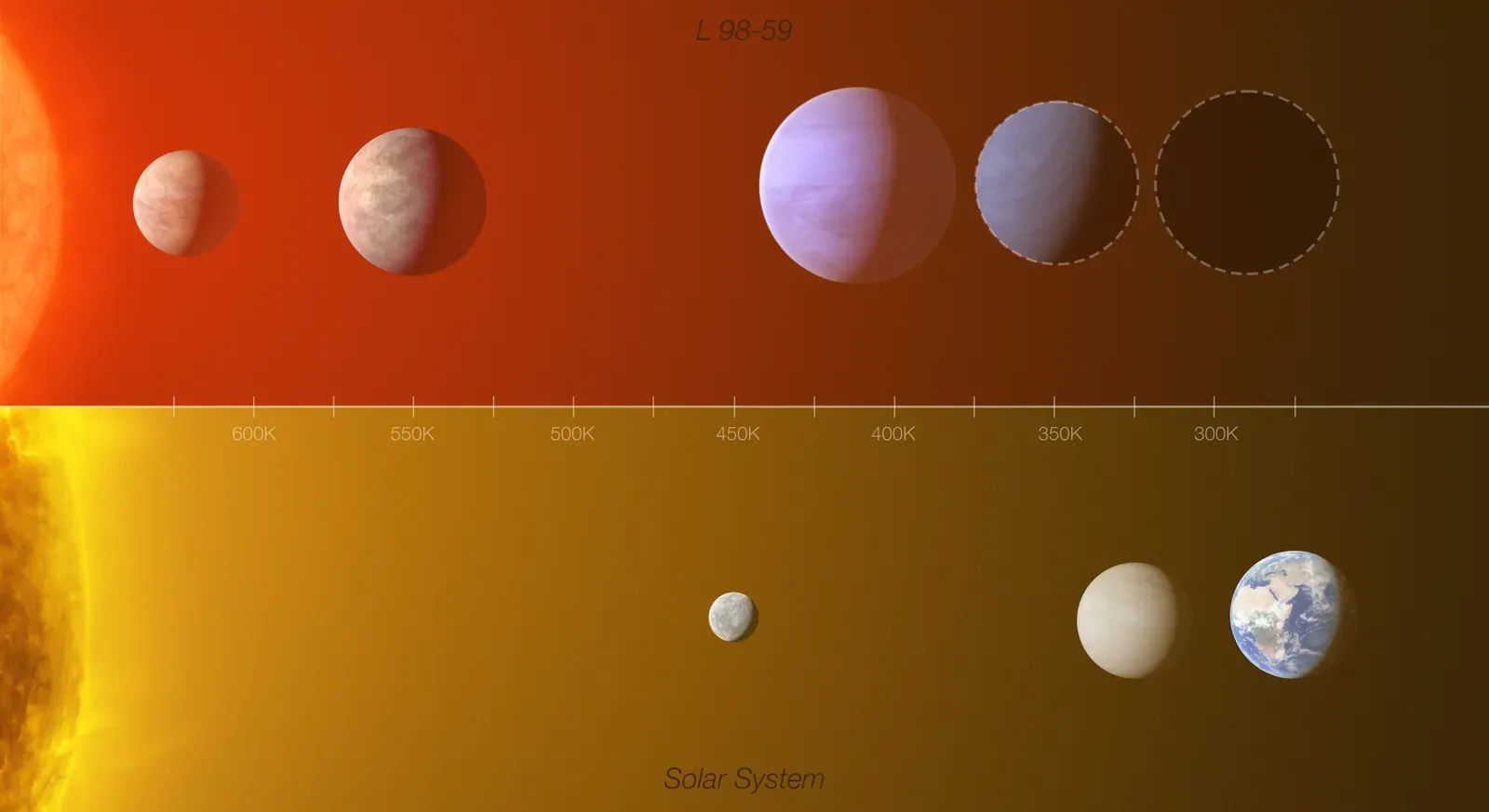
If you grew up with images of exoplanets on your news feed, it seems obvious that your world is not the only one. But imagine standing in a time when no one had ever seen another planet up close, when stars were just distant points of light. Even then, a few ancient voices argued that the stars could be suns of their own, perhaps with planets and even other forms of life. From their point of view, it would be strange if nature produced only one world with land and sea; it made more sense that the cosmos was full of worlds, some like yours and some very different.
Today you have confirmed thousands of planets orbiting other stars, and you strongly suspect there are countless more. When you hold this alongside those early ideas, you see a clear throughline: a refusal to assume that Earth is unique just because it is familiar. You are, in a way, finishing the thought they started. Every time a new exoplanet is discovered, you are adding weight to the old suspicion that your world is just one island in an enormous cosmic archipelago.
A Dynamic Universe: Cycles, Change, and Cosmic Renewal
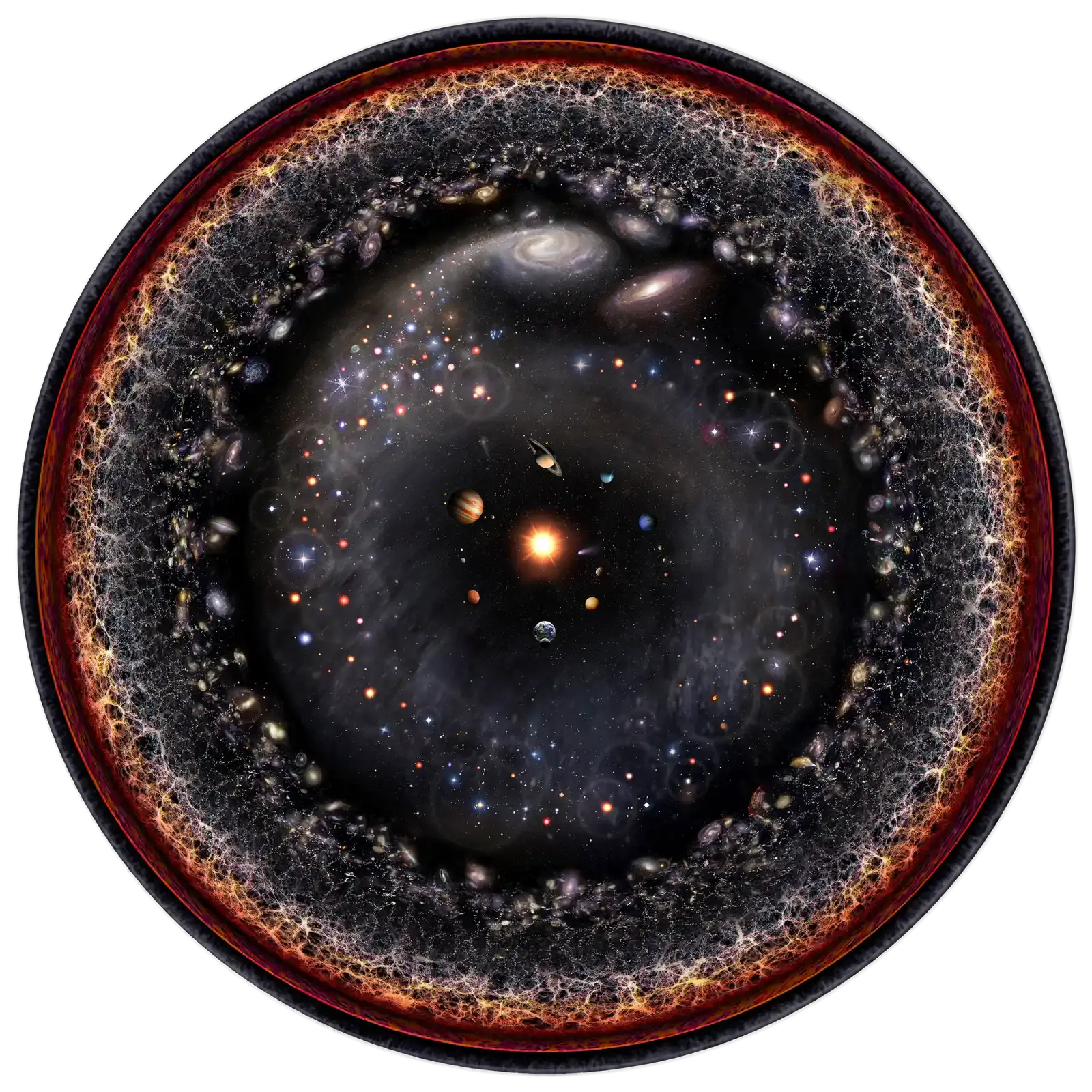
If you lived in many ancient cultures, you would be taught to see time and the universe as cyclical rather than frozen. Myths and philosophical texts from several traditions talk about cosmic ages, destructions, and rebirths, suggesting that the universe goes through grand cycles of creation and dissolution. While the stories often use dramatic imagery, the underlying idea is simple: the universe is not static; it changes on scales far beyond a human lifetime.
When you compare that to modern cosmology, which describes an evolving universe that has expanded, cooled, and changed over billions of years, the overlap is hard to ignore. You now talk about phases like the early hot, dense state, galaxy formation, and possible futures where expansion continues or changes. The details are different, of course, but the core insight remains the same: the cosmos has a history, and it will have a future that does not look like the present. In that sense, when you think of the universe as a story rather than a snapshot, you are walking in very old footsteps.
Cosmic Order from Simple Rules
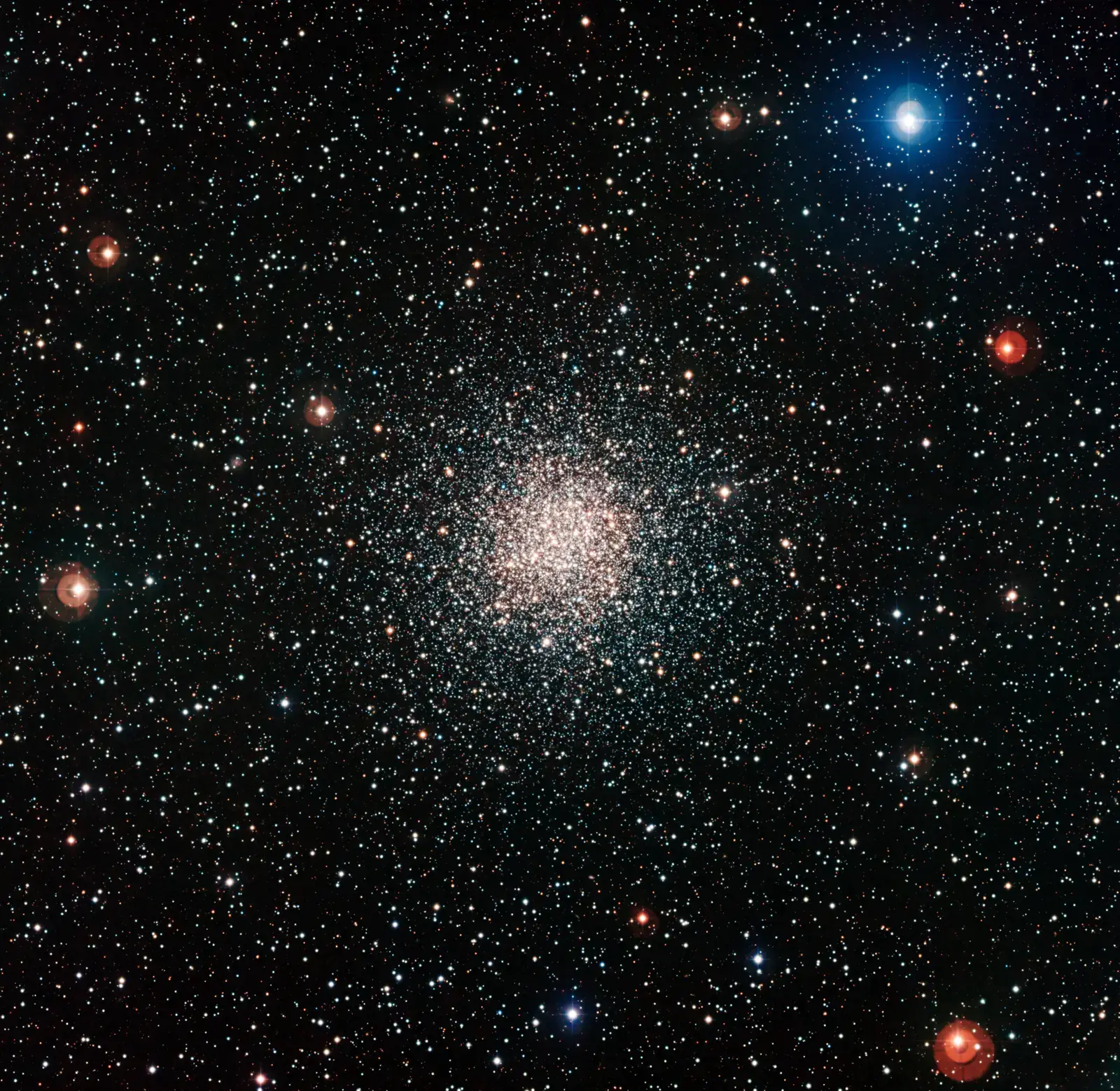
If you strip away the names and the myths, you keep bumping into the same ancient intuition: that the universe is ordered in a way your mind can grasp. Whether it was tracking eclipses, predicting solstices, or mapping planetary cycles, early observers acted on the belief that the heavens follow patterns that you can understand and use. They did not see randomness; they saw rhythm. That instinct is what pushed them to watch, record, and refine theories over generations until their predictions became remarkably accurate.
Today you extend the same faith into physics, assuming that behind every strange observation there is a rule or a set of equations waiting to be uncovered. From that perspective, you and those ancient sky-watchers are partners across time, sharing the same curiosity and stubbornness. You both look up and are convinced that the universe is not just beautiful but also intelligible. The big difference is that you now have telescopes, probes, and computers to help you, while they had little more than careful eyes and a willingness to be wrong until they were closer to right.
Conclusion: What You Inherit When You Look Up
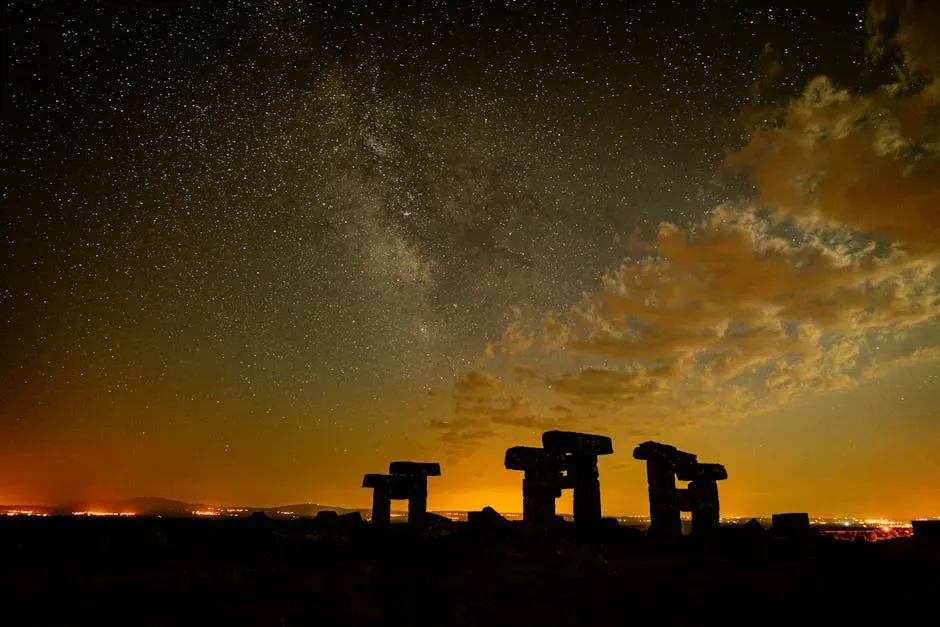
When you step back from all these ancient theories, you start to see a pattern that goes beyond any single culture or era. Again and again, people with almost no technology managed to climb surprisingly close to truths you now take for granted: that Earth is round and measurable, that planets move in predictable ways, that matter is built from tiny parts, and that your world is not special or central in the grand scheme of things. They did this with patience, courage, and a willingness to challenge comforting stories when those stories did not fit what they saw in the sky.
You inherit that same legacy every time you ask a hard question about how the universe works. You may have access to far more tools than they did, but the core act is the same: you notice, you wonder, you test, and you refine. So the next time you look up at the night sky, you might pause for a second and imagine those earlier observers standing beside you, working with their own limited yet determined minds. In the end, you are part of the same long experiment: trying to understand a universe that keeps turning out to be bigger, stranger, and more knowable than you first expected. What ancient idea do you think will surprise you next?