
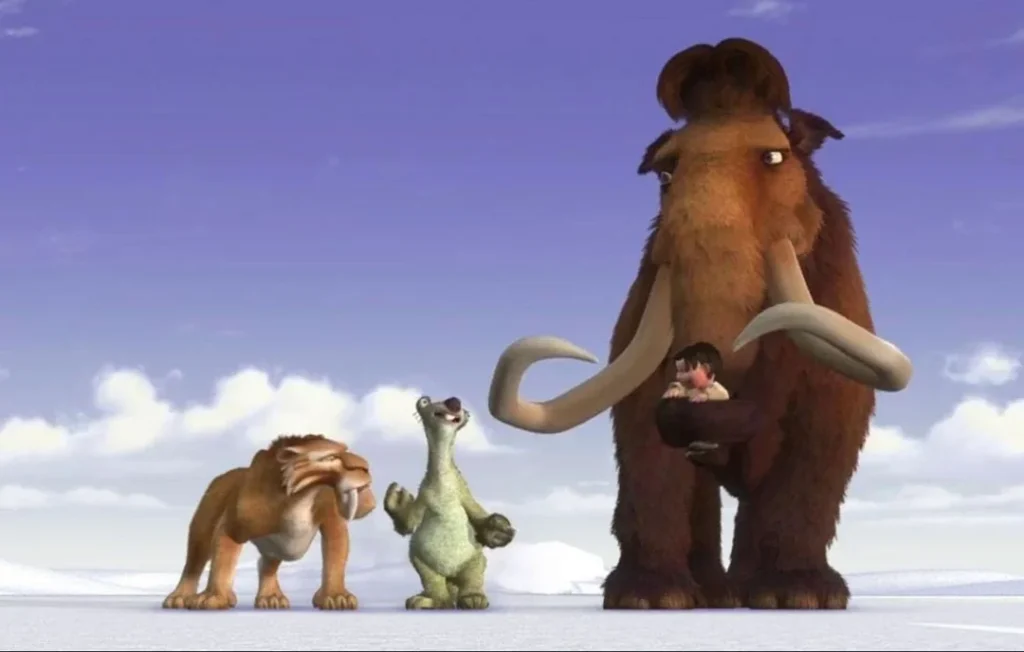
There’s a funny thing about the Ice Age movies: for all the slapstick chaos, talking animals, and totally made‑up squirrel‑rat hybrids, a lot of the main creatures are based on very real, very hardcore prehistoric animals. And the truth is, the real versions were often more extreme, more dangerous, and sometimes weirder than anything the screenwriters dared to show us.
When I first learned how these animals actually lived, I realized the films were basically a family‑friendly remix of some of the most brutal ecosystems Earth has ever seen. Manny, Sid, and Diego would not have survived five minutes in a real Pleistocene tundra. Let’s dig into eight Ice Age stars that really walked the Earth – and the science‑based facts about them that are honestly wilder than the movie plots.
Manny the woolly mammoth: colder, hairier, and surprisingly late to disappear
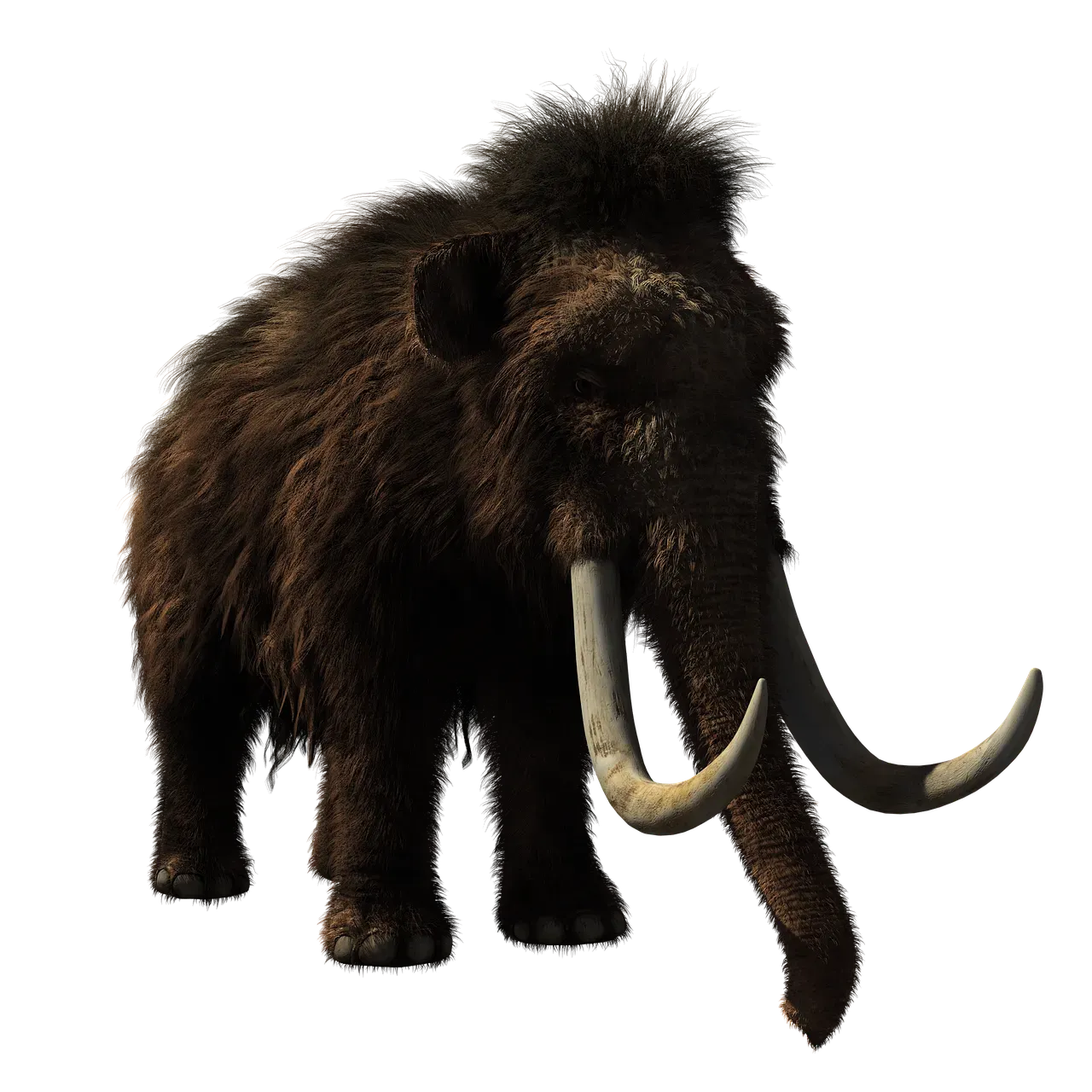
Woolly mammoths were not just big elephants with shaggy coats; they were finely tuned survival machines for deep freeze conditions. Adults often stood around three to almost four meters tall at the shoulder and weighed several tons, wrapped in dense, insulating fur and sporting small ears to reduce heat loss. Their trunks ended in two finger‑like projections that helped them grab grass and shrubs under snow, a detail the movies barely lean into even though it is one of their coolest adaptations.
The wildest twist is that mammoths hung around far longer than most people think. While the main continental populations vanished toward the end of the last Ice Age, small isolated groups survived on Arctic islands for thousands of years afterward, overlapping with human civilizations that were already practicing agriculture. Imagine tiny enclaves of “real Mannys” still roaming remote islands while pyramids were going up – a timeline way more mind‑bending than the film’s vague “really long ago” vibe.
Sid the ground sloth: a tank‑sized browser that could stand eye‑to‑eye with a giraffe
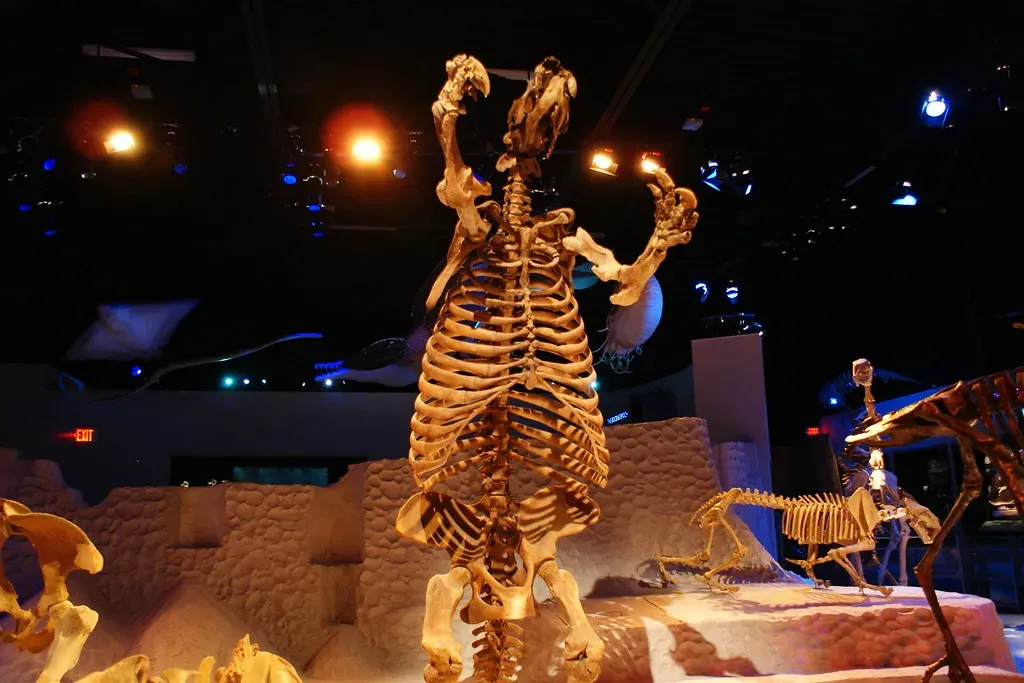
Sid is played for laughs as a clumsy, slightly gross tree‑sloth on two legs, but his real‑world inspirations were ground sloths such as Megalonyx and even bigger relatives. These animals were nothing like the sleepy, branch‑hugging sloths we know today; some ground sloths stretched around three meters long and weighed close to the mass of a small car. Massive hip and tail bones let them rear up and balance like living tripods so they could strip leaves from high shrubs and small trees.
In a serious twist on the movie’s running joke that Sid is constantly almost eaten, giant ground sloths were likely hard targets even for top predators. Heavy claws, sheer size, and a thick hide would have made them intimidating to attack, more like a walking armored bulldozer than comic relief. I sometimes think the most unrealistic part of Sid is not that he talks, but that predators keep underestimating him; in the real Ice Age, a ground sloth his size would have commanded serious respect.
Diego the saber‑toothed cat: a specialist built for ambush, not endless sprinting
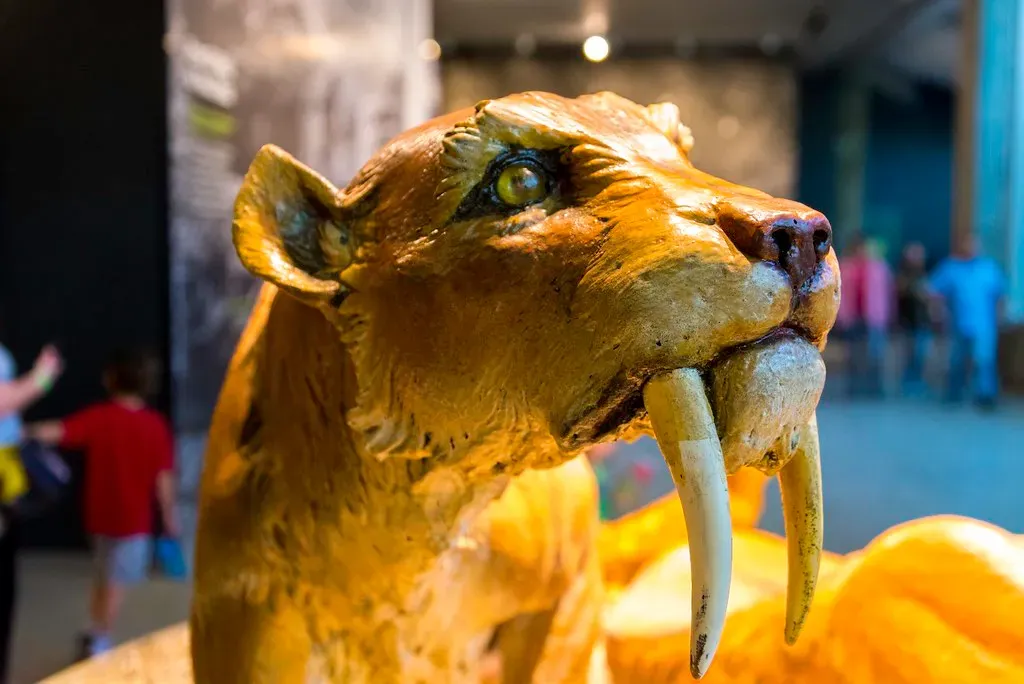
Diego is presented as a saber‑toothed “tiger,” but the real animals were saber‑toothed cats like Smilodon and its relatives, which were not actually tigers at all. Their bodies were built like powerlifters: massive forelimbs, shorter hind legs, and a stocky frame ideal for wrestling prey to the ground. Those famous upper canines were long, flattened blades, fragile if misused but devastating when driven into soft spots like the throat or belly.
What the movies miss is how carefully these cats probably hunted. Rather than marathon chases across open plains, they were likely ambush specialists, exploding into a short, brutal attack once prey was close. Their skeletons show heavy muscle attachments and joints that favored grappling over sprinting, more like a lion mixed with a bear wrestler than a sleek cheetah. The idea of a saber‑toothed cat quietly stalking in low light, then taking down a mammoth calf with a coordinated group attack, is darker and more intense than any of Diego’s comic one‑liners.
The woolly rhinoceros: a walking battering ram that never got starring credit
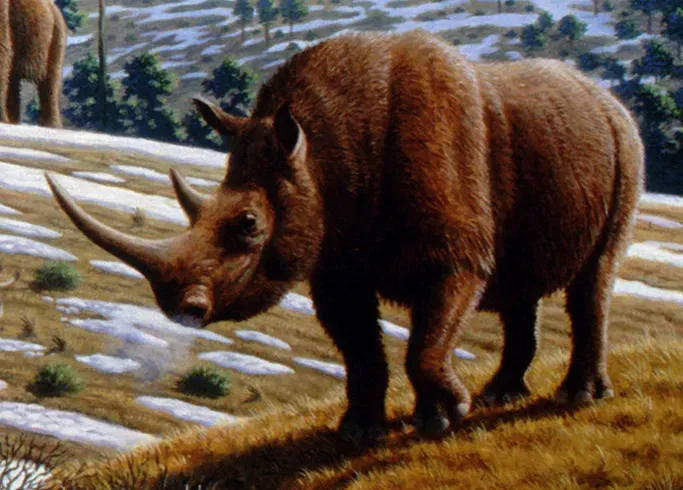
The films give quick glimpses of rhino‑like creatures, but the real woolly rhinoceros deserves full main‑cast status. These Ice Age rhinos carried massive front horns, sometimes stretching over a meter in length, sitting on heavy skulls built to anchor all that weight. Their bodies were draped in thick fur and backed by huge shoulder muscles, turning them into snow‑ploughing battering rams across the steppe.
Unlike the mostly solitary rhinos we tend to picture today, there is evidence suggesting woolly rhinos may sometimes have used the same migration routes and feeding grounds as mammoths and bison. That means the real Ice Age landscape could have featured huge gatherings of giant herbivores – mammoths, rhinos, wild horses, bison – all competing, jostling, and occasionally clashing. That chaotic, dangerous crowd scene would have made Manny’s herd look like a quiet hiking group by comparison.
Glyptodonts: the “armadillo tanks” tougher than anything in the herd
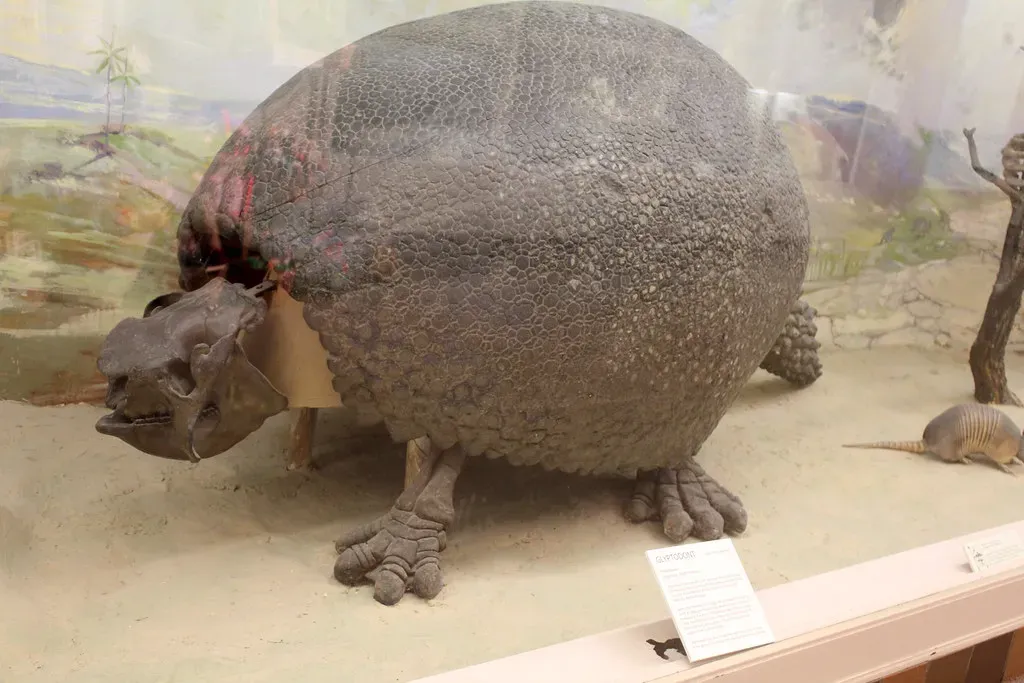
One of the more blink‑and‑you‑miss‑them backgrounds in the franchise are the armored, armadillo‑like beasts, which echo real animals called glyptodonts. These South American giants were relatives of armadillos but built like armored cars: solid bony shells, often with textured patterns, fused over the body. Some species grew nearly car‑sized and carried heavy, clubbed tails that could have been swung like wrecking balls during fights.
It is hard to overstate how strange they must have looked in real life. Imagine an armadillo crossed with a medieval war machine, trudging through grasslands while predators thought twice about getting too close. If the movies had stayed closer to the fossil record, the herd would have tried very hard not to annoy a glyptodont; one solid tail strike could have ended slapstick very quickly. In reality, these animals were less cuddly side characters and more mobile fortresses reshaping how predators behaved.
Steppe bison: the real muscle behind Ice Age herds
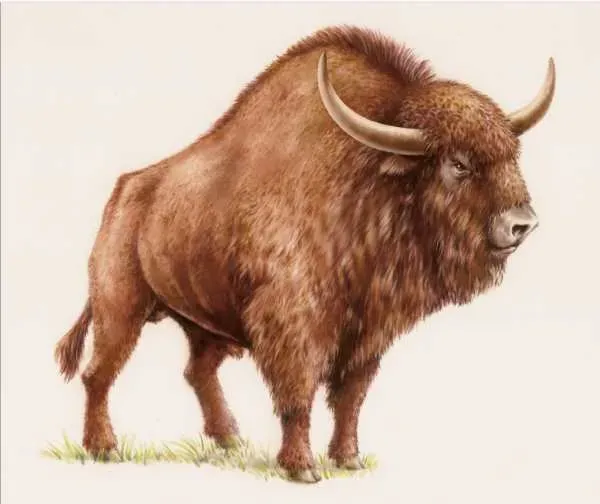
The Ice Age films show generic “bison‑ish” or cow‑like creatures in the crowd, but the real Ice Age bison of Eurasia and North America were steppe bison, bulked‑up ancestors of today’s bison. They carried dramatically large horns spanning well over a meter from tip to tip and a massive shoulder hump powered by strong neck muscles. In terms of raw numbers, they were among the dominant grazers of the mammoth steppe, shaping whole ecosystems through their constant feeding and trampling.
What really blows my mind is how resilient these animals were through repeated cycles of warming and cooling. Herds had to handle shifting grasslands, new predators, and eventually human hunters pushing into their range. While many of their Ice Age neighbors disappeared completely, bison lineages managed to hang on in reduced form into the modern bison we know today. That makes steppe bison the gritty survivors of the Ice Age world, far less glamorous than Manny’s crew but arguably more influential in keeping the ecosystem running.
Giant “terror birds” and vultures: the sky was not friendly either
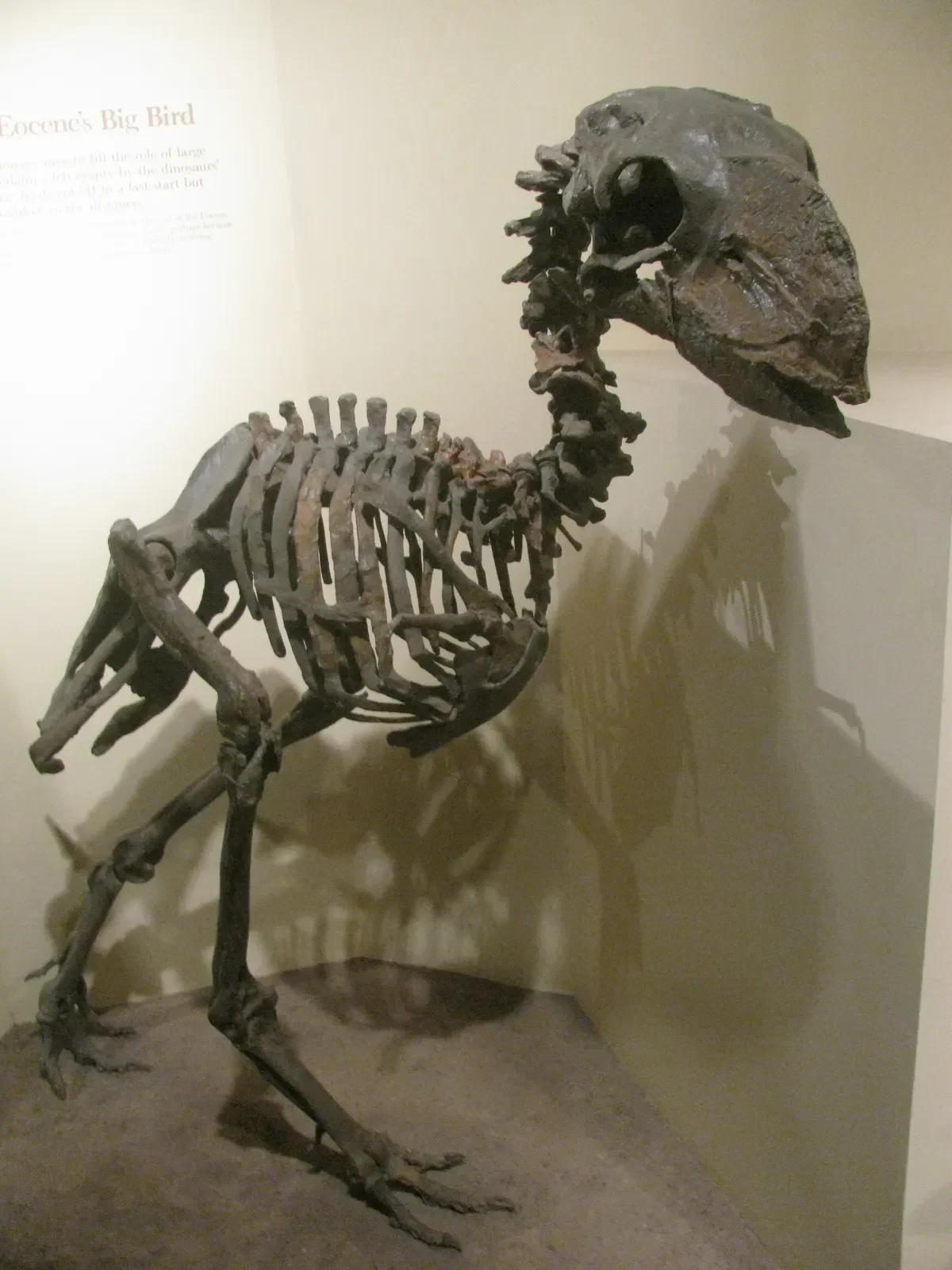
In Ice Age: The Meltdown, a sinister vulture shows up with ominous songs and dry humor, but real Ice Age skies were patrolled by scavengers and raptors that were anything but comic relief. Large condor relatives, giant eagles, and powerful vultures hovered over carcasses of mammoths, horses, and ground sloths, using keen eyesight to spot a meal from far away. Some birds of prey were big enough and strong enough to pose a real threat to young or weak mammals on the ground.
The grim reality is that death did not go unnoticed for long on the Pleistocene steppe. Once a mammoth or bison fell, flocks and mobs of scavengers could descend in startling numbers, stripping a carcass with ruthless efficiency. It is almost ironic that the films turned one of these sky‑cleaners into a sarcastic helper; in the real Ice Age, the arrival of circling birds meant the clock was ticking on any chance of escape or rescue.
Primitive humans: the invisible predators who would terrify the whole cast
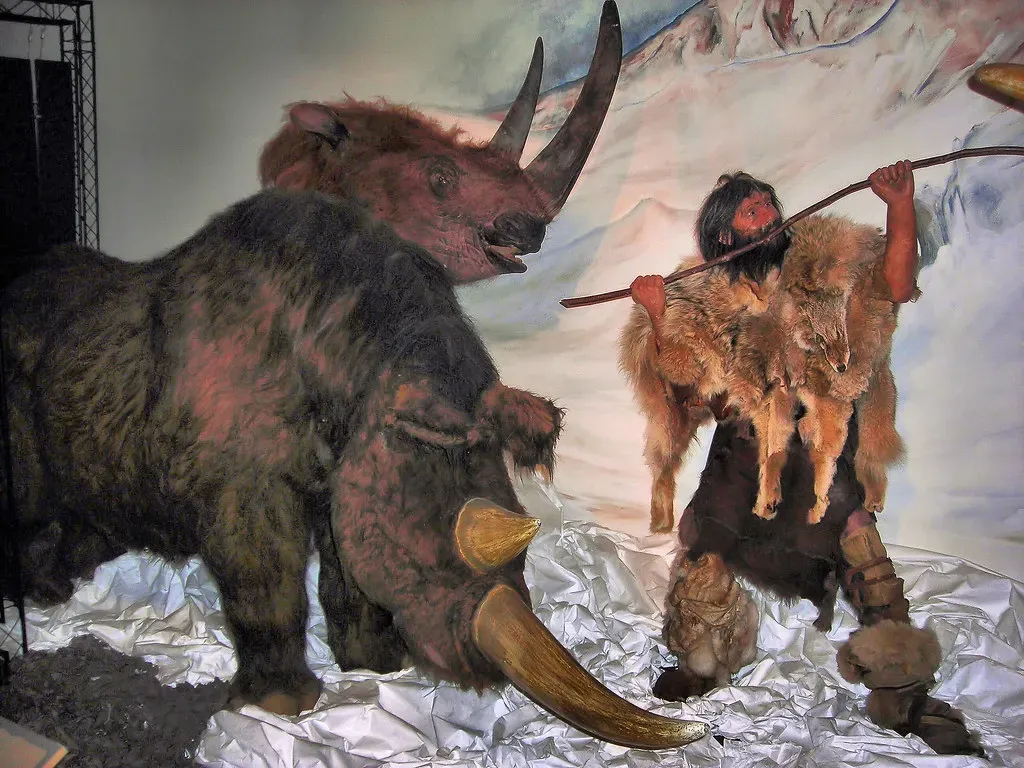
The movies keep human presence mostly minimal and sympathetic, but during the real Ice Age, humans were one of the most disruptive forces any of these animals ever faced. By the late Pleistocene, people were using coordinated hunts, projectiles, and group tactics to bring down enormous prey like mammoths and giant sloths. Instead of claws or fangs, they wielded stone‑tipped spears, clever planning, and the ability to communicate complex strategies before a hunt began.
When you step back, humans were the strangest “animals” in the Ice Age lineup: comparatively weak bodies, but advanced brains powerful enough to outthink predators and prey alike. There is ongoing debate about exactly how much human hunting versus climate change drove megafauna extinctions, but it is clear our species was a serious new pressure. If a realistic version of Ice Age ever existed, the scariest off‑screen villain would not be some giant carnivore or meteor – it would be small groups of determined humans quietly changing the rules of the entire ecosystem.
Conclusion: the real Ice Age was far rougher than any kids’ movie will admit
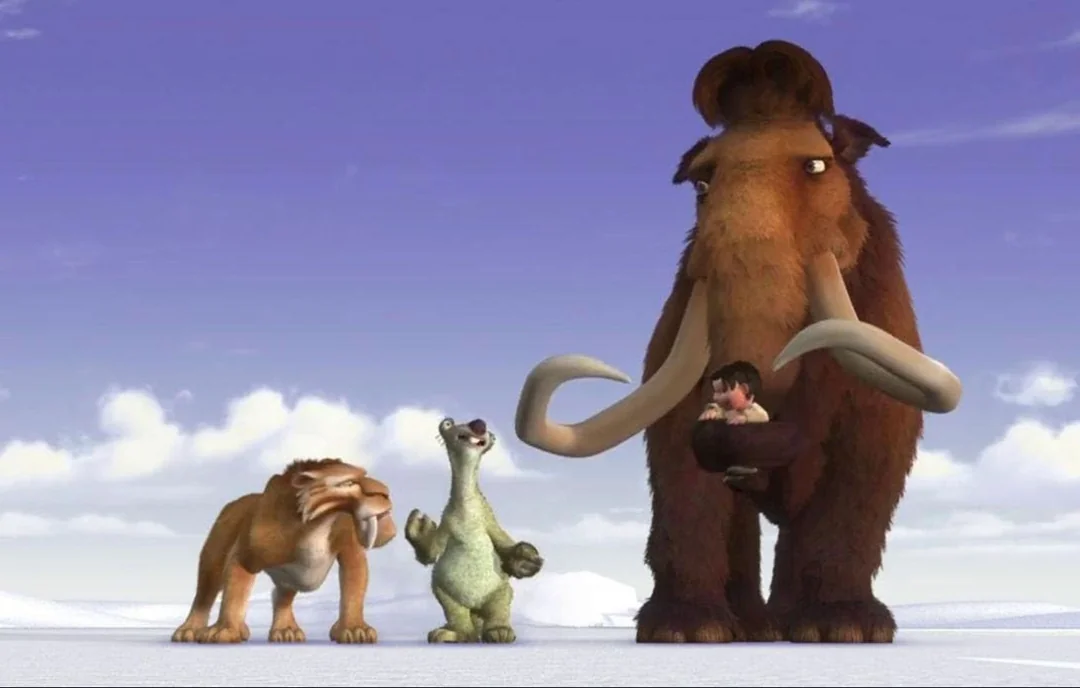
Once you know the science behind the cast, it is hard not to see the Ice Age films as a pastel‑colored postcard from a world that was actually brutal, crowded, and astonishingly complex. Manny was part of a lineage that overlapped with early farmers, Sid’s kin were armored herbivore‑tanks, Diego’s kind were ambush specialists designed for surgical takedowns, and the background herds and scavengers were shaping entire continents. The real Ice Age was less cozy road‑trip comedy and more high‑stakes survival drama running nonstop for thousands of years.
Personally, I love the movies even more now, but I think they might underplay how awe‑inspiring these animals really were. We did not just lose a few oversized curiosities; we lost entire ways of being a mammal, of surviving cold, of ruling open grasslands. Maybe the wildest fact of all is that our species walked onto that stage and helped bring the curtain down. Knowing that, which version feels more unbelievable to you – the cartoon, or the fossil record?