If you could walk beside a living Triceratops or stand in the shadow of a sauropod, you’d probably be shocked by how different they look from the toys, cartoons, and movie monsters you grew up with. You never get to see these animals alive, yet scientists are confident enough to sketch out their colors, textures, and even tiny details like scales and feathers. That might sound almost like magic, but it’s really a careful detective job built on multiple lines of evidence.
As you dive into how experts actually do this, you realize something important: no single clue is enough. Instead, you’re looking at a messy puzzle where bones, fossils of skin and feathers, chemical traces, and comparisons to living animals all have to fit together. You’ll see where scientists are on solid ground, where they’re making educated guesses, and where they honestly have to say “we just don’t know yet.” Once you understand these eight crucial clues, you’ll never look at a dinosaur illustration the same way again.
1. Reading the Story Hidden in Dinosaur Bones
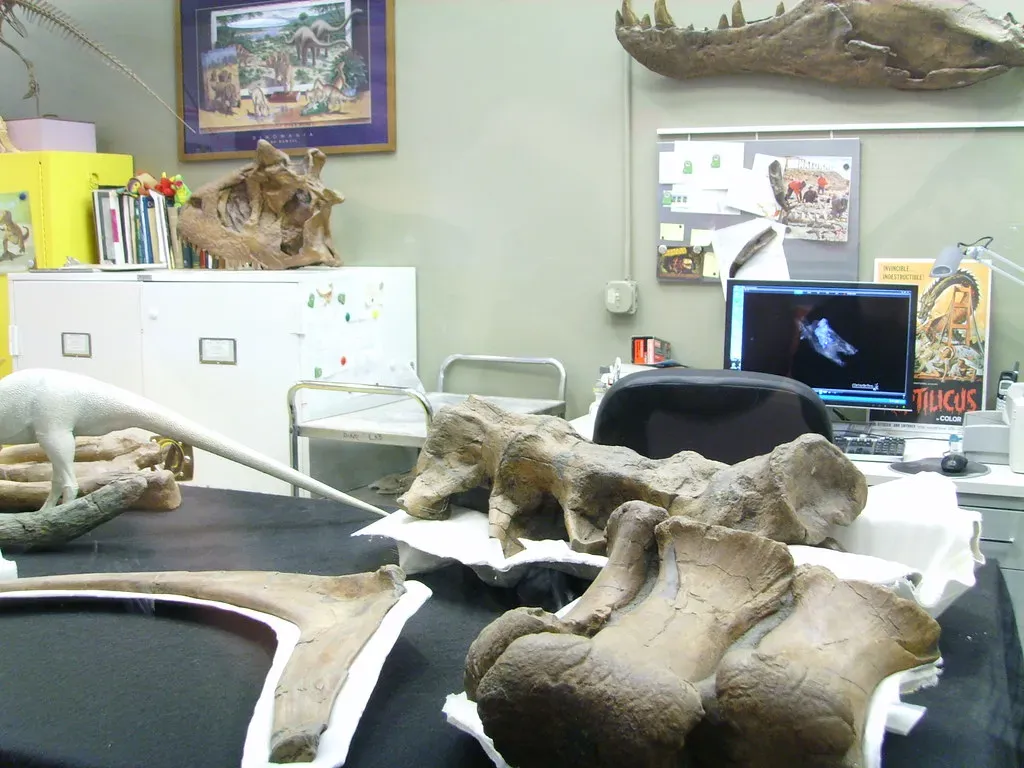
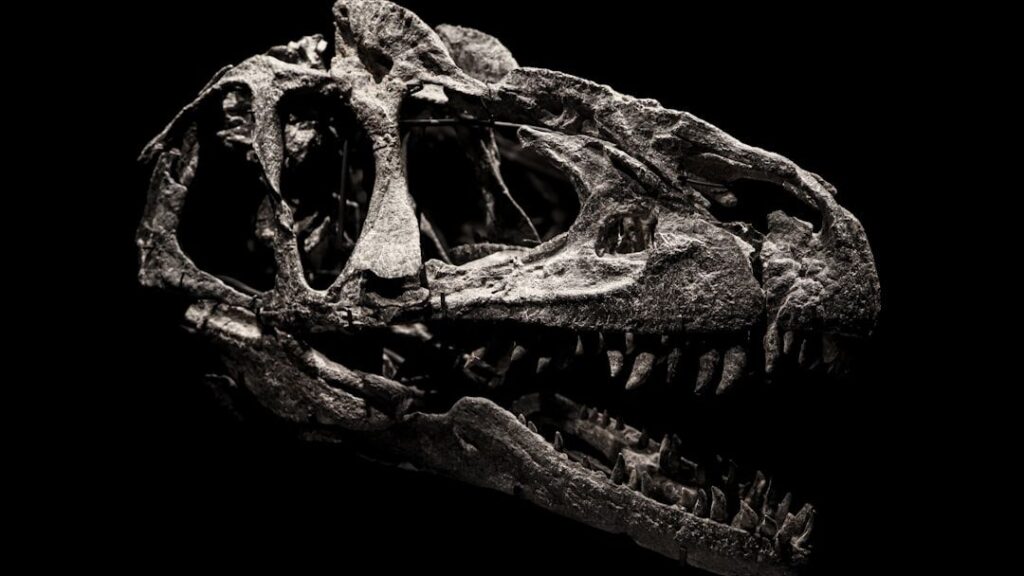
When you first imagine how paleontologists reconstruct a dinosaur’s appearance, your mind probably jumps straight to skeletons, and you’d be right to start there. The bones give you the core blueprint: body size, overall shape, how long the neck and tail were, and how the limbs were positioned. From the way joints lock together and how the bones curve, you can tell whether a dinosaur walked on two legs or four, whether its tail likely stuck straight out for balance or drooped down, and how it might have held its head. If you take a close look yourself, you can see that a big meat-eater’s hip bones and leg structure point to a powerful, upright stride, while a bulky plant-eater’s wide hips and pillar-like legs hint at a slow, weight-bearing stance.
The bones also tell you something about muscles, even though those soft tissues are long gone. Where you see rough, bumpy patches or ridges on the bone, you’re usually looking at the places muscles and tendons once attached. By comparing those features with living animals, you can reconstruct which muscles were likely huge and which were relatively small. That lets you picture beefy thighs, thick necks, or powerful tails, instead of just a bare skeleton. You won’t get exact details the way you would with a living animal, but you can narrow down the range of realistic shapes instead of just guessing wildly.
2. Fossilized Skin, Scales, and Feathers as Direct Evidence
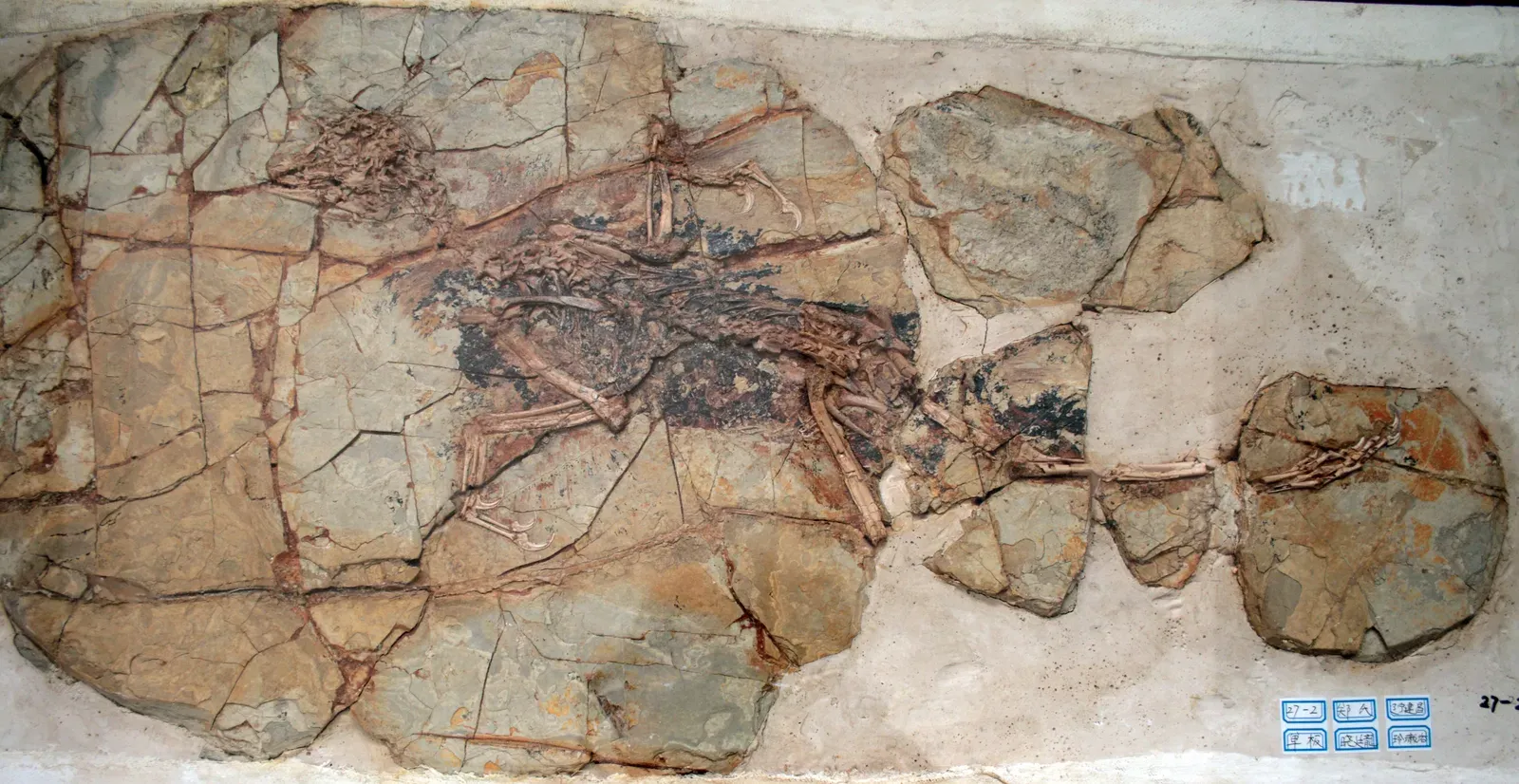
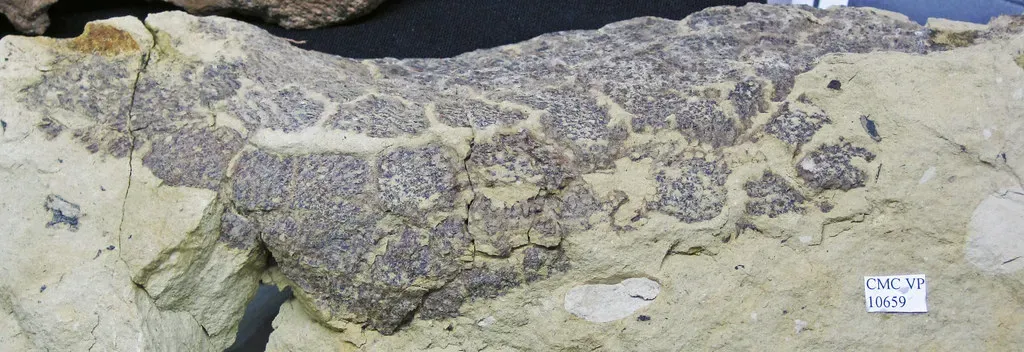
Every now and then, you get what feels like a cheat code: actual fossilized impressions of skin, scales, or feathers. When you see the texture of a hadrosaur’s scaly skin preserved as a pattern of bumps, or the delicate branching of feathers in a small raptor-like dinosaur, you’re looking at direct evidence of how that part of the animal really looked. These rare finds tell you about surface texture – whether a dinosaur was covered in pebbly scales, large plate-like scutes, or feathery fluff. In some specimens, you can even see different scale sizes and shapes across the body, which helps you map out skin patterns over the neck, belly, and tail.
Feather and filament fossils are especially revealing because they tell you not just that a dinosaur had feathers, but what kind. Short, hair-like filaments suggest insulation or display fuzz, while more complex, vane-like feathers hint at display structures or even primitive flight surfaces. When you stare at these fossils, you’re forced to update your mental picture: those sleek, lizard-like movie raptors suddenly become more birdlike, with plumage and maybe even color patterns. You still have to be careful, because you usually only see patches of skin or feathers, not the whole body, but those patches anchor your reconstructions in something directly observed instead of pure imagination.
3. Melanosomes and the Science of Dinosaur Color
Color used to feel like pure fantasy in dinosaur art, but now you can actually tap into microscopic clues to make educated reconstructions. In some feathered dinosaur fossils, tiny pigment-bearing structures called melanosomes are preserved. When you examine their shapes and how they’re arranged, you can compare them to melanosomes in modern birds and infer whether the original feathers were likely dark, reddish, iridescent, or patterned. In a few remarkable cases, you get evidence for striped tails or dark heads, giving you a surprisingly detailed sense of color patterning, not just a vague shade.
That said, you need to stay humble about how far this method goes. You’re usually dealing with just a few preserved patches, not the entire dinosaur, and pigments can break down or be altered over millions of years. Plus, there are colors and structural effects in living animals that do not always leave obvious fossil traces. So when you picture a dinosaur’s color, you can sometimes anchor specific areas with melanosome data and fill in the rest with reasonable comparisons to birds and reptiles. You are not painting in high-definition accuracy, but you’re no longer working from total guesswork either.
4. Muscle Reconstruction: Adding Flesh to the Frame
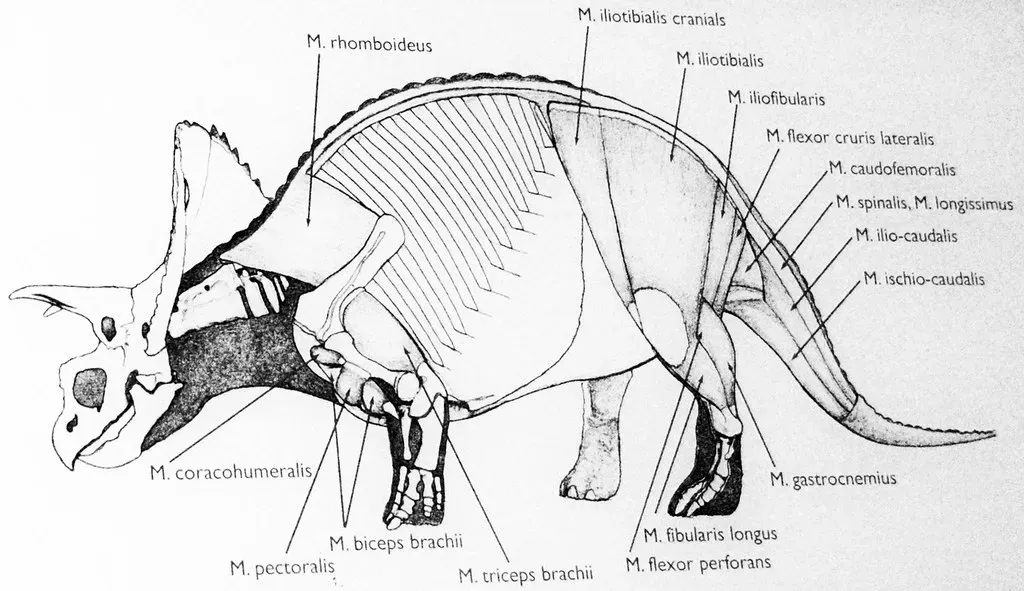
Once you have the skeleton, you still need to decide how bulky or skinny the dinosaur was, and that is where muscle reconstruction comes in. By looking at attachment sites on the bones and comparing them to living animals, you can estimate the size and orientation of major muscle groups. This helps you judge whether a dinosaur had a thick, muscular tail, chunky upper legs, or a surprisingly slender neck. You can think of it like putting clay on a wire armature: the bone is your armature, but the muscle clues tell you where to add more clay and where to keep it lean.
You also rely heavily on biomechanical reasoning here. If you know an animal had to support a massive head, its neck muscles and supporting bones must have been correspondingly strong. If its legs show adaptations for running, you give it more powerful thigh and calf muscles rather than spindly limbs. While you can overdo it and create over-muscled “bodybuilder dinosaurs,” careful reconstructions use physics, joint range of motion, and comparison with animals like birds and crocodiles to stay honest. In the end, you’re not just drawing a cool monster; you’re building a body that could actually move, breathe, and survive.
5. Trackways and Footprints: How Posture Shapes Appearance
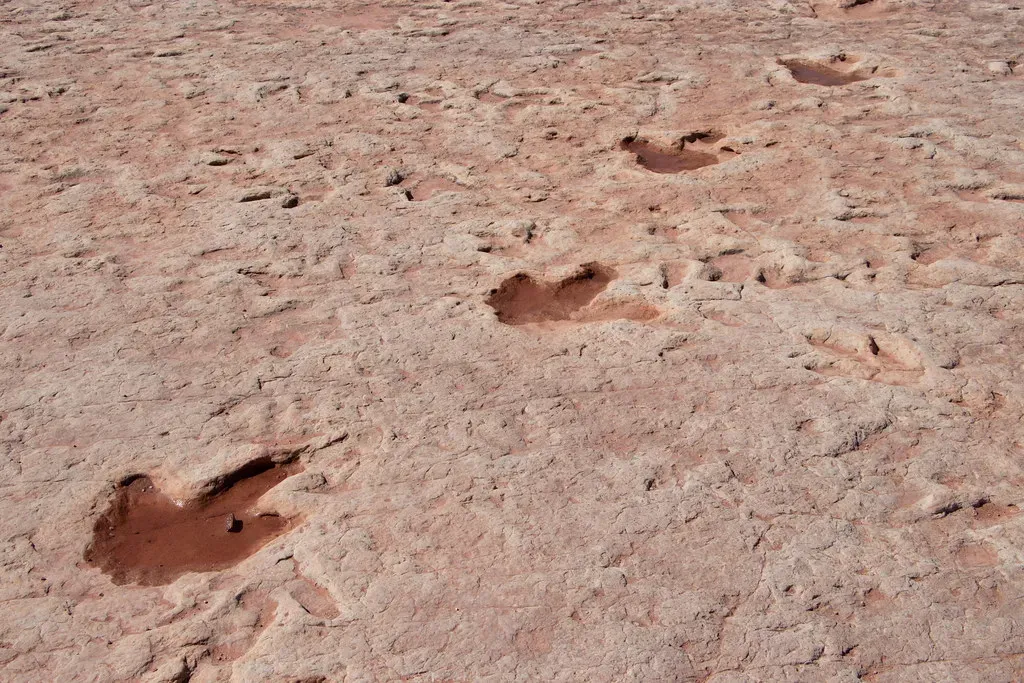
Dinosaur footprints might look simple at first glance, but they quietly reveal a lot about how an animal carried its body. By measuring stride length, foot angle, and trackway width, you can infer whether a dinosaur walked with a narrow, almost tightrope-like gait or a wide, stable stance. That directly changes how you picture its hips, the swing of its legs, and the position of its tail. When you see consistent patterns across many trackways, you can be more confident that a certain group of dinosaurs typically moved in a specific way rather than just in a one-off pose.
Trackways also help you catch and correct outdated or awkward reconstructions. Old artwork sometimes showed tails dragging furrows in the ground, but continuous trackways without tail drag marks pushed paleontologists toward a more horizontal, balanced posture. If you apply this to your own mental image, you stop imagining a dinosaur lumbering like a giant lizard and start seeing something more dynamic and birdlike. You still do not get details like skin texture or exact muscle outlines from footprints, but you do get a crucial sense of motion and posture, which immediately changes the silhouette you draw in your head.
6. Comparing Dinosaurs to Their Living Relatives
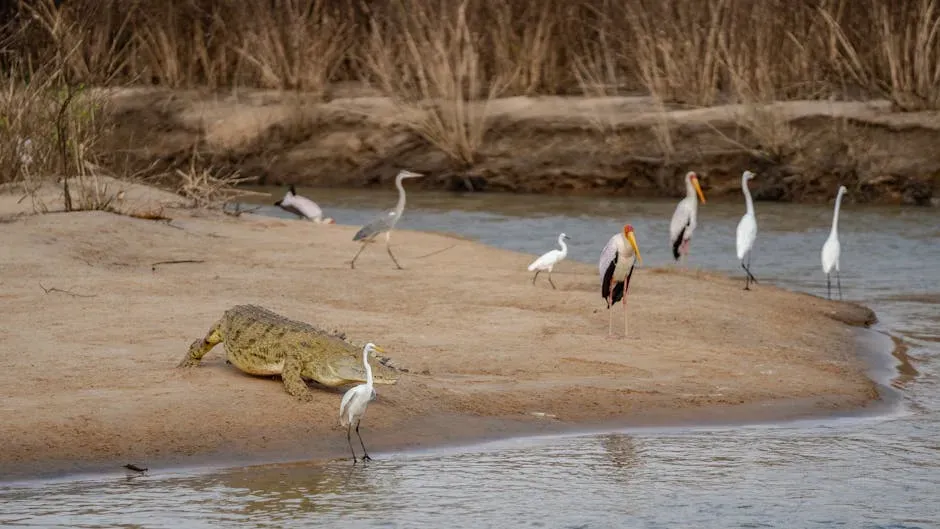
Because you will never see a dinosaur breathing in front of you, you have to lean on their closest living relatives: birds and crocodilians. This “bracket” of living animals surrounds non-avian dinosaurs on the evolutionary tree, so features that both birds and crocs share are especially important. You use this framework, sometimes called the extant phylogenetic bracket, to make reasonable inferences about muscles, internal organs, and certain soft tissues. If both sides of the bracket show similar structures, it becomes more plausible that dinosaurs shared those basic features too.
This comparison extends to external appearance as well. When you think about dinosaur skin, scales, or feathers, you look at modern reptiles and birds for guidance on patterns, thickness, and function. You do not copy a parrot or a crocodile directly onto a dinosaur, but you do borrow general principles. For example, you might expect thicker, more protective skin on parts of the body that face abrasion, or bright colors in species that likely used visual displays. There is always a risk of forcing dinosaurs into modern molds, so you have to keep checking your assumptions against actual fossils, but without these living analogues, your reconstructions would drift much further into fantasy.
7. Bone Texture, Horns, and Crests as Display Clues
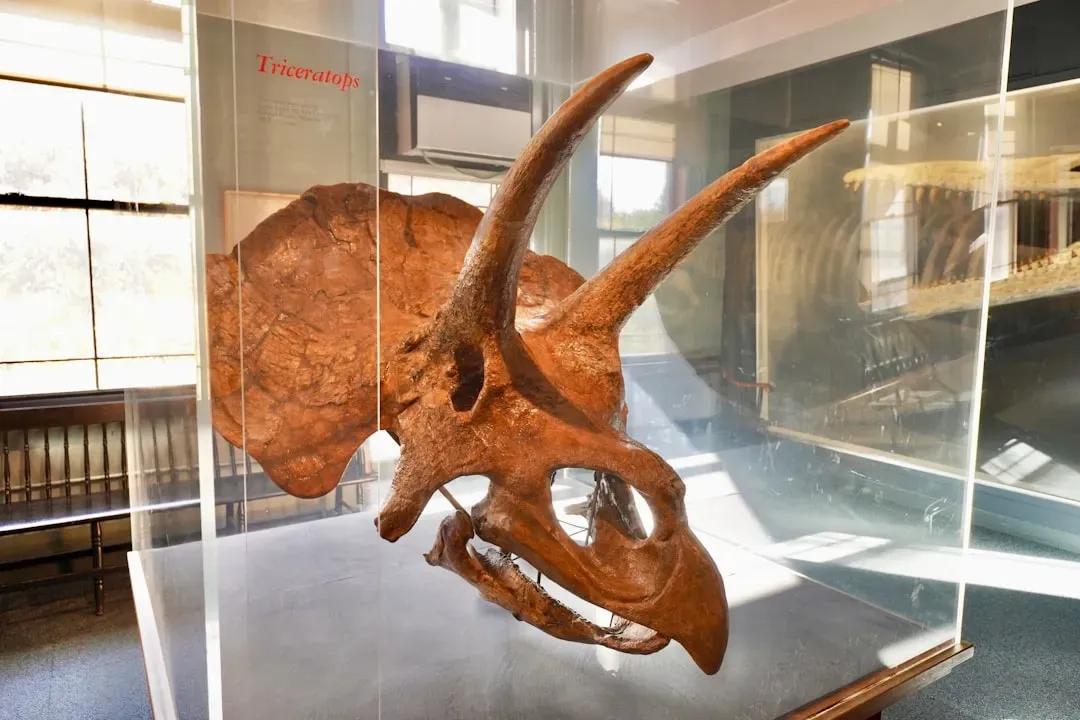
Many dinosaurs carried dramatic ornaments on their heads and bodies: horns, frills, crests, and bony domes. When you study the texture of the bone in these areas, you can sometimes tell whether they were covered by thick keratin sheaths (like modern horns and beaks) or by skin. Rough, grooved bone often hints at a keratin covering that would have made the structure longer, sharper, or more elaborate in life. This means the living animal you reconstruct might have looked even more impressive than the bare fossil skull sitting in a museum case.
These structures also push you to think about color and soft tissue display. In living animals, prominent horns, crests, and facial shields are often visually striking, used for species recognition, intimidation, or courtship. So, even though you cannot see the original pigments, it is reasonable to imagine bright patterns, contrasting colors, or glossy keratin surfaces in these areas. You still have to resist the urge to go wild just for the sake of drama, but you also do not want to paint a world of drab, colorless dinosaurs when modern animals with similar ornaments so often use them as visual billboards. In practice, you balance fossil evidence, bone texture, and modern analogies to give these features enough flair without slipping into pure fantasy.
8. Ecology and Lifestyle: Letting the Environment Guide the Look
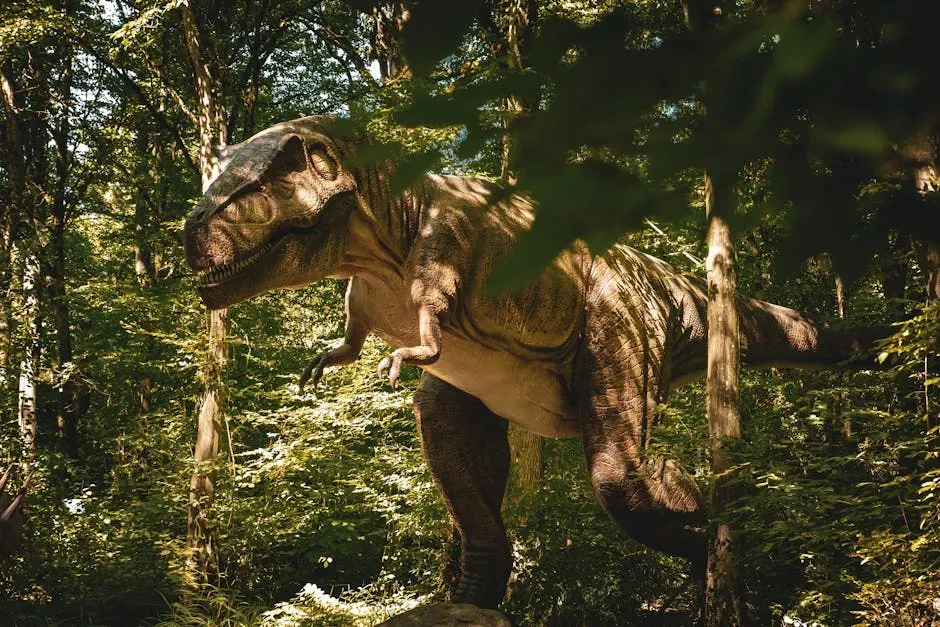
Finally, you round out the picture by asking a simple but powerful question: how did this dinosaur live? The environment and lifestyle strongly shape what an animal looks like, and that holds true in deep time. If you know a dinosaur lived in cooler climates, you might lean toward thicker insulation or feather coverage to conserve heat. If it was a fast runner on open floodplains, you imagine a more streamlined body and longer legs. For swampy or coastal habitats, you might picture broader feet, different skin textures, or color patterns that suit murky water and dense vegetation.
You can also use diet and likely behavior to refine appearance. A top predator might benefit from more muted, camouflaged coloration, while a display-heavy species living in social groups could have had more contrasting markings. You are still in the realm of informed speculation here, and you have to stay honest about that, but thinking ecologically keeps your reconstructions grounded in real-world pressures. Instead of dressing dinosaurs in random colors and shapes, you connect their look to survival: staying warm, blending in, attracting mates, or intimidating rivals. That ecological lens helps you move from “cool monster design” toward a believable, living animal.
Conclusion: A Patchwork Picture That Keeps Evolving
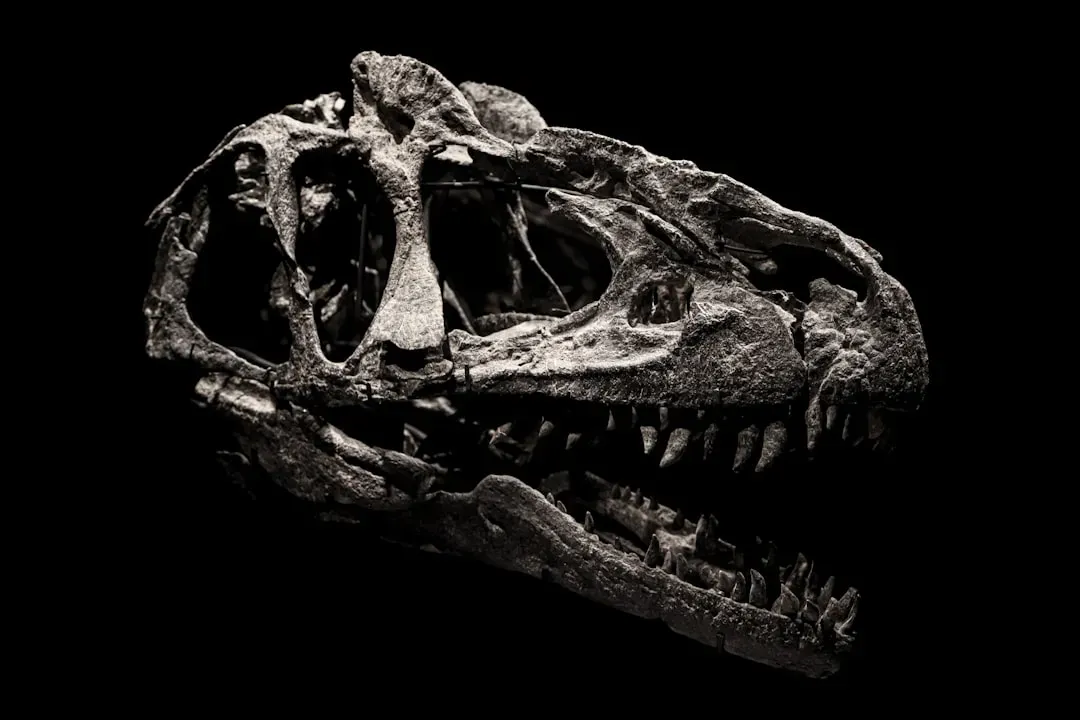
When you put all these clues together – bones, skin impressions, feathers, pigments, footprints, living relatives, and ecology – you are not getting a crystal-clear photograph of a dinosaur, but you are building a surprisingly solid portrait. Each line of evidence fills in a different part of the puzzle, and the overlaps are where you can feel most confident. At the same time, you have to stay comfortable with uncertainty in the blank spaces, because pretending to know more than the fossils allow only misleads you. The real excitement comes from watching that patchwork picture sharpen as new discoveries add fresh pieces to the mosaic.
If you keep these eight clues in mind, you start to see every new dinosaur illustration with more critical, curious eyes. You can ask yourself which parts are backed by fossils and which are educated guesses, and you can appreciate the skill it takes to turn scattered bones and faint impressions into a living, breathing animal on the page. The next time you see a dinosaur in a movie, you might find yourself wondering how it would change if a single new fossil feather or skin patch turned up tomorrow. Knowing that, how close do you think today’s dinosaurs are to the real thing that once walked the Earth?