The world of dinosaurs never stops surprising us. While we often think of these ancient creatures as purely visual hunters, relying on sharp eyes or powerful jaws to catch their next meal, recent research has revealed something far more fascinating. Many dinosaurs possessed extraordinarily powerful noses that could detect prey from incredible distances.
Imagine walking through a prehistoric forest where a massive predator could smell your scent from miles away, tracking your every movement without even seeing you. This wasn’t science fiction during the Mesozoic era. These ancient hunters had evolved sophisticated olfactory systems that put our modern-day bloodhounds to shame.
Tyrannosaurus rex – The Ultimate Prehistoric Bloodhound
When it comes to prehistoric sniffers, Tyrannosaurus rex stands as the undisputed champion among all dinosaurs. Scientists have determined that T. rex probably had between 620 and 645 genes encoding its olfactory receptors, a gene count only slightly smaller than those in today’s chickens and domestic cats. This massive predator could literally smell its prey before it could see it.
The king of dinosaurs wasn’t just built for brute force. Tyrannosaurs were probably able to “sniff out” prey from far away, using their incredible sense of smell to navigate vast territories and locate potential victims. Think of T. rex as nature’s perfect tracker, combining size, strength, and an almost supernatural ability to detect scent molecules carried on the wind.
Albertosaurus – The Tyrannosaur’s Keen-Nosed Cousin

Closely related tyrannosaurs such as Albertosaurus also had substantial olfactory receptor gene counts. This powerful predator shared the same exceptional smelling abilities that made the tyrannosaur family such formidable hunters. Other large meat-eating dinosaurs, such as Albertosaurus, also had large olfactory receptor gene counts.
Albertosaurus likely used its keen sense of smell to patrol large territories, much like modern wolves do when hunting. Picture this massive carnivore lifting its head to catch scent traces on the breeze, instantly knowing whether potential prey had passed through hours or even days earlier. The combination of powerful legs and an exceptional nose made Albertosaurus a nightmare for any herbivore in its domain.
Allosaurus – The Jurassic Period’s Master Tracker
Other predatory dinosaurs like Allosaurus also had relatively large olfactory bulbs compared to the rest of the brain, making these dinosaurs above average at detecting smells. The olfactory bulbs were large and well suited for detecting odors, but were typical for an animal of its size. This Jurassic giant wasn’t just about massive jaws and razor-sharp claws.
Living roughly 155 million years ago, Allosaurus used its powerful nose to hunt the abundant herbivores of its time. The combination of excellent smell and keen eyesight made this predator incredibly effective. Think of it as the prehistoric equivalent of a modern big cat, using multiple senses to stalk and ambush its prey across the ancient landscapes.
Carnotaurus – The Horned Hunter with a Super Nose
The olfactory bulbs, which housed the sense of smell, were large in Carnotaurus, while the optic lobes, which were responsible for sight, were relatively small. This indicates that the sense of smell might have been better developed than the sense of sight. This fascinating dinosaur was essentially built backwards from what we might expect.
Its brain cavity suggests an acute sense of smell, while hearing and sight were less well developed. Imagine a massive predator with devil-like horns above its eyes, capable of running at speeds up to 35 mph, tracking prey primarily through scent rather than sight. Carnotaurus was probably most active during twilight hours, when its superior nose gave it a decisive advantage over prey animals that relied more heavily on vision.
Thescelosaurus – The Underground Sniffer
The olfactory bulbs of Thescelosaurus were relatively larger than those of any other dinosaur we know of so far, and similar to those of living alligators, which can smell a drop of blood from miles away. This often-overlooked dinosaur possessed what might have been the most powerful nose in the entire dinosaur kingdom.
Thescelosaurus may have used its similarly powerful sense of smell to instead find buried plant foods like roots and tubers. Unlike the fearsome predators on this list, this herbivore used its exceptional smelling abilities for a completely different purpose. Picture this modest-sized dinosaur using its super-nose to detect underground food sources that other herbivores couldn’t even dream of finding.
Velociraptor – The Feathered Scent Detective
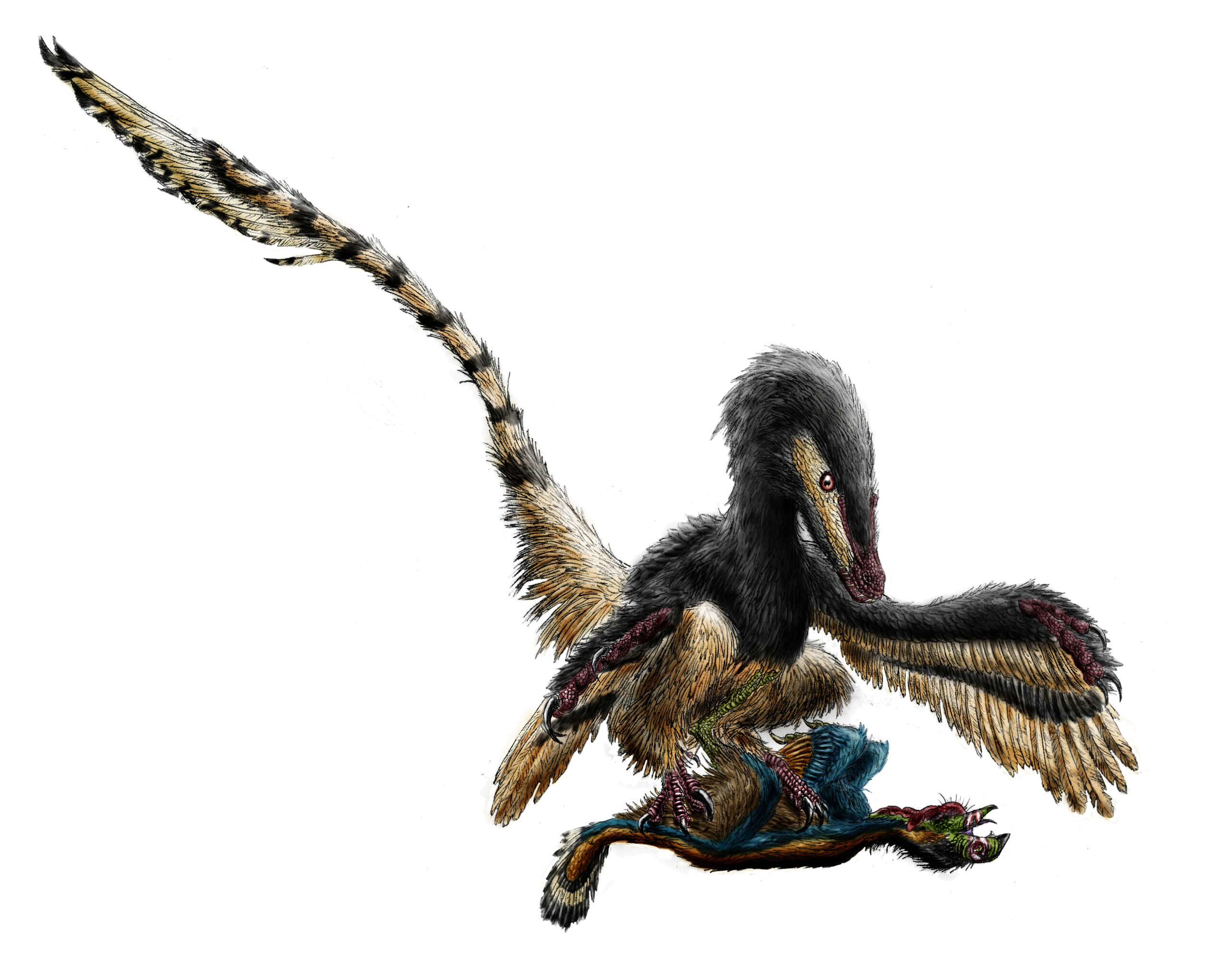
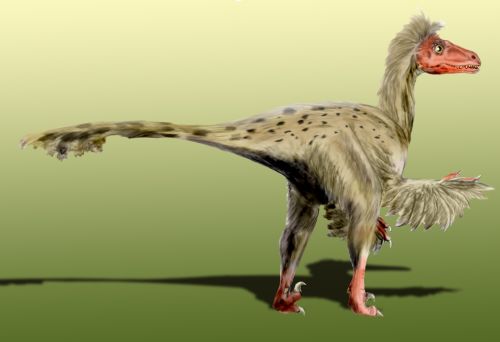
Based on the size of the part of the skull that holds the scent-processing part of the brain, experts think Velociraptor had an excellent sense of smell. The bipeds had an excellent sense of smell, evidenced by the size and shape of the part of their skulls that held olfactory bulbs, the part of the brain that processes scent. This famous raptor wasn’t just about speed and sickle claws.
Velociraptors likely used their keen noses to track small mammals and reptiles across the harsh landscapes of ancient Mongolia. In 2011, scientists also theorized that these predators were nocturnal, as their scleral ring was wide and would have let in enough light to see at night. Combined with their excellent sense of smell, this made them incredibly effective nighttime hunters, able to locate prey even in complete darkness.
Dromaeosaurus – The Bone-Crushing Sniffer
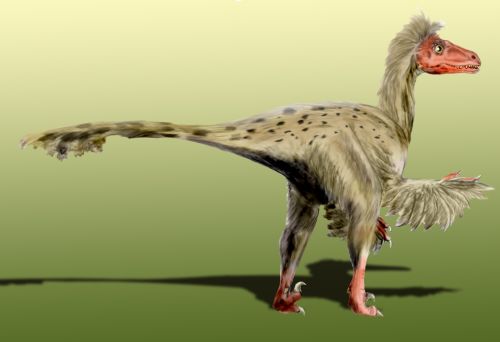
Tyrannosaurids and dromaeosaurids have higher olfactory ratios than predicted for theropods of similar body size, which suggests a keener sense of smell and a greater reliance on olfaction than in other theropods. Dromaeosaurus, the dinosaur that gave its name to the entire raptor family, possessed remarkable smelling abilities that complemented its powerful build.
This heavily built predator used its exceptional nose quite differently from its more famous cousin Velociraptor. Dromaeosaurus had a bite nearly three times as powerful as that of Velociraptor and suggested it relied more on its jaws than on the sickle claw to kill its prey. Picture this stocky hunter using its super-nose to locate prey, then crushing bones with jaws that would make a modern crocodile envious.
Erlikosaurus – The Plant-Eating Smell Champion
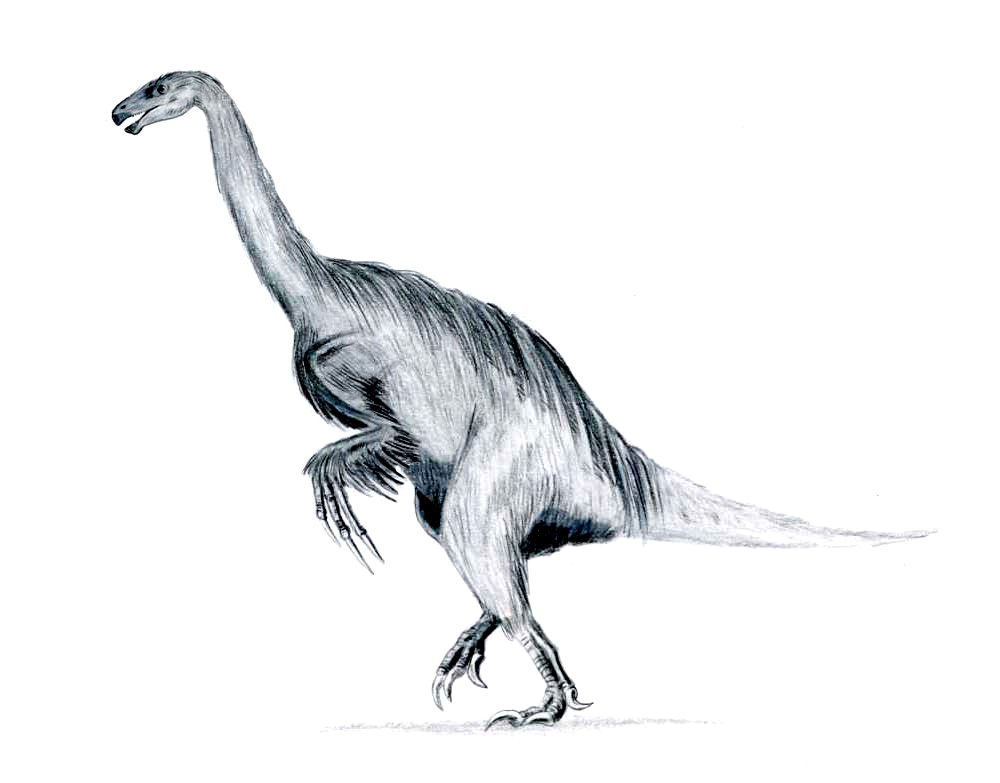
The Late Cretaceous herbivore Erlikosaurus had a greater number of projected olfactory receptor genes than Velociraptor and other predatory dromaeosaurids. This might seem surprising at first, but it makes perfect sense when you consider the challenges facing a plant-eating dinosaur in a world full of predators.
Erlikosaurus needed its exceptional nose for multiple purposes: finding the best vegetation, detecting approaching predators from vast distances, and possibly communicating with other members of its species through scent. This dinosaur proves that having a super-nose wasn’t just about hunting prey. Sometimes, the best defense was knowing exactly what dangers were lurking nearby, long before they became visible threats.
Conclusion

These eight remarkable dinosaurs revolutionize our understanding of prehistoric life. Far from being simple, lumbering giants, many dinosaurs possessed sensory abilities that would put modern animals to shame. Smell was certainly an important part of dinosaur life, and a good sniffer can be critical to finding food, regardless of what meat and veggie mix a particular species preferred.
The next time you imagine the ancient world, picture it as a place where scents carried incredible amounts of information. Predators could track prey across miles of terrain, herbivores could detect danger long before it appeared, and the very air itself became a highway of chemical communication that connected all life in ways we’re only beginning to understand.
What do you think about these incredible prehistoric super-sniffers? Tell us in the comments.