
When you picture dinosaurs, you probably think of steamy jungles, volcanic backdrops, and herds of giant reptiles thundering across warm floodplains. But here’s the twist: some of the strangest dinosaur discoveries come from places that seem totally wrong for a blockbuster dinosaur scene, from icy polar regions to the middle of modern cities. The rocks do not care what feels logical to us, and the fossils hidden inside them keep rewriting the map of the ancient world.
What fascinates me most is how these finds quietly destroy our simple mental picture of the Mesozoic. Dinosaurs were not just “tropical thunder lizards” – they were tough, adaptable animals dark winters near the poles, on island chains, and in landscapes that now look like deserts or suburbs. Let’s walk through eight dinosaurs whose fossil addresses are genuinely surprising, and see how each one changes what we thought we knew.
Leaellynasaura: A Small-Bodied Survivor of Polar Winters
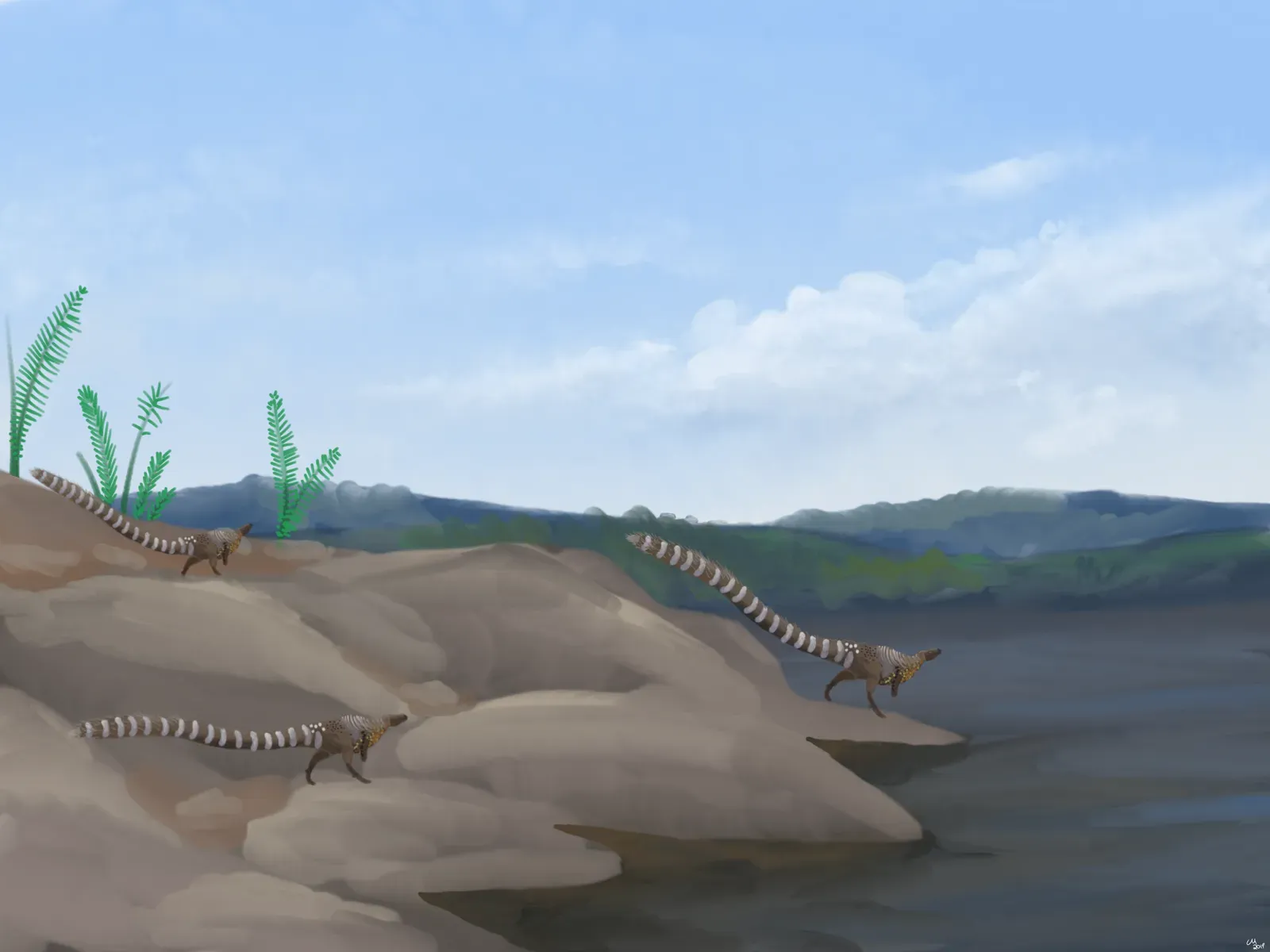
Leaellynasaura was a small, agile ornithopod found in what is now southeastern Australia, but during the Early Cretaceous this region sat much closer to the South Pole. That means this little dinosaur lived in forests that experienced long, dark winters, not the endless sunlight you see in theme-park dinosaur art. The idea of a knee‑high herbivore dealing with months of twilight and cold mud feels almost wrong until you remember that Earth’s climate back then was warmer overall, even near the poles.
Its remains, including beautifully preserved skulls and limb bones, suggest an active, fast‑moving animal that may have relied on keen senses to forage in low light. Some paleontologists have argued that its large eye sockets hint at adaptation to dim conditions, though this is still debated and not everyone is convinced. Either way, Leaellynasaura is a sharp reminder that “polar dinosaur” is not science fiction – it was a real ecological lifestyle, even if the polar environment was milder than today’s frozen Antarctic. I still find it slightly mind‑bending that a dinosaur once trotted around in places that now host ski resorts and temperate eucalyptus forests.
Kunbarrasaurus: An Armored Dinosaur from Australia’s Ancient Inland Sea
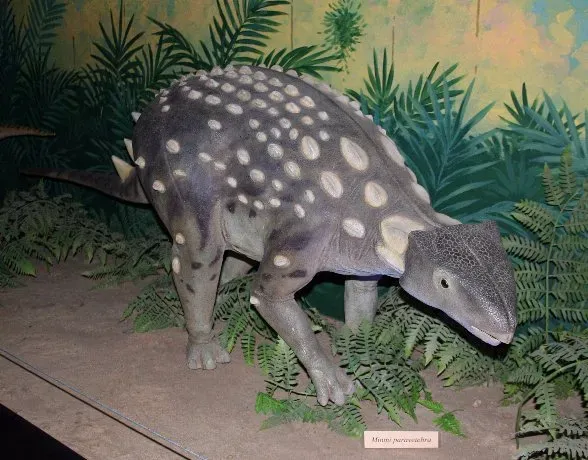
Kunbarrasaurus, an early ankylosaur from Queensland, comes from rocks that represent an ancient inland sea system in the Early Cretaceous of Australia. When most people think of armored dinosaurs, they imagine North American icons with tail clubs stomping through conifer forests, not squat, tank‑like animals living along the margins of a shallow seaway in a continent that was drifting toward the south. Yet that’s exactly what the geology points to: coastal floodplains, waterlogged sediments, and a landscape laced with rivers and lagoons.
The specimen of Kunbarrasaurus is so well preserved that researchers have reconstructed details of its skull, inner ear, and armor pattern, giving an oddly intimate look at this low‑slung herbivore. To me, what’s most striking is how it broadens the distribution of ankylosaurs beyond the usual North American and Asian strongholds, proving that this body plan was more widespread than old textbooks suggested. It turns “armored dinosaurs” from a regional specialty into a global experiment in living like a reptilian tank. The idea of this animal grazing on ferns somewhere that now feels hot, dry, and remote really drives home how different the Cretaceous world was.
Ugrunaaluk (Edmontosaurus‑like Hadrosaur): A Duck‑Billed Dinosaur from the Arctic
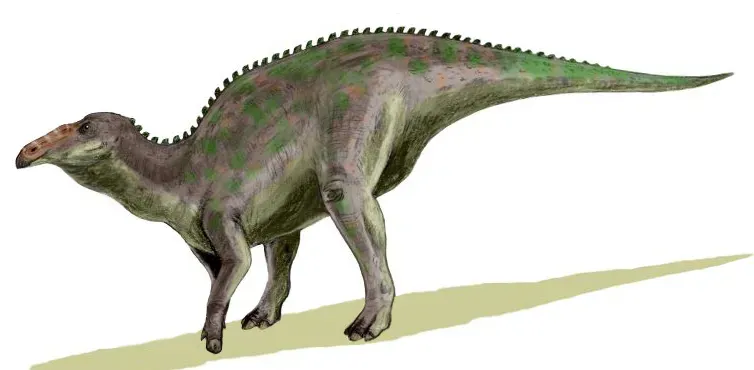
In northern Alaska, along the Colville River, paleontologists have uncovered huge bonebeds of a duck‑billed dinosaur informally called Ugrunaaluk, closely related to Edmontosaurus. These animals lived above the Arctic Circle during the Late Cretaceous, where they would have endured long, cold winters with extended darkness each year. When I first read about this, it sounded like a thought experiment, but the bonebeds are very real and densely packed, suggesting large herds moving through polar floodplains.
The big question is how they coped: did they migrate long distances each year, or tough out the polar winter in situ? The evidence is mixed, and scientists still argue about it, but the growth patterns in their bones suggest year‑round occupation is at least plausible. If that’s right, you have multi‑ton herbivores browsing in snowy or muddy forests under weeks of low light, more like modern caribou than tropical reptiles. It upends the old assumption that dinosaurs were locked into narrow climate bands and makes the Late Cretaceous Arctic feel like a surprisingly busy ecosystem.
Moros intrepidus: A Tiny Tyrannosaur in the American Interior
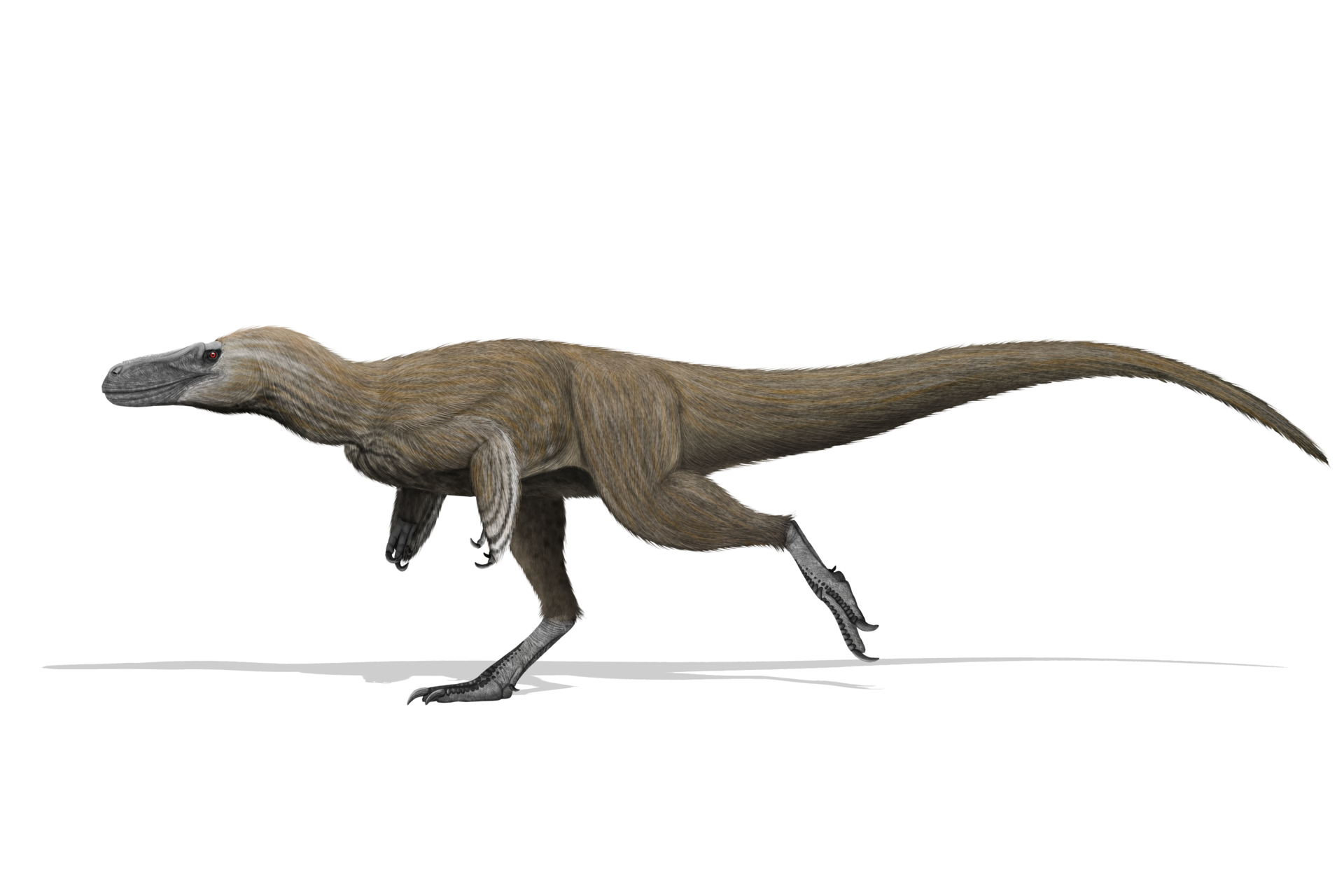
When people hear “tyrannosaur,” they immediately think of Tyrannosaurus rex stomping through coastal plains of western North America. Moros intrepidus could not be more different: it was a small, lightly built tyrannosauroid from the Cenomanian of what is now Utah, at a time when this region was part of the interior of the continent rather than a lush coastline. Instead of a towering apex predator, picture a human‑sized, long‑legged hunter weaving through floodplain vegetation, picking off small prey.
What makes Moros unexpected is not just its size but its context in time and space. It shows that tyrannosaurs were already present and diversifying in the interior of North America long before T. rex showed up on the coastal scenes that dominate popular culture. I like to think of it as the scrappy, undersized ancestor living in what would feel to us like “the middle of nowhere” compared to the glamorous coastal ecosystems of later times. Its discovery in a region that, today, looks like arid canyon country adds an extra layer of dissonance between the modern landscape and its ancient inhabitant.
Nanuqsaurus: A “Polar T. rex” from Northern Alaska
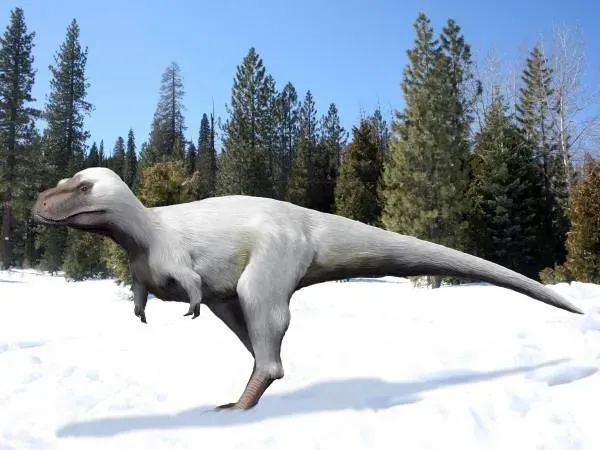
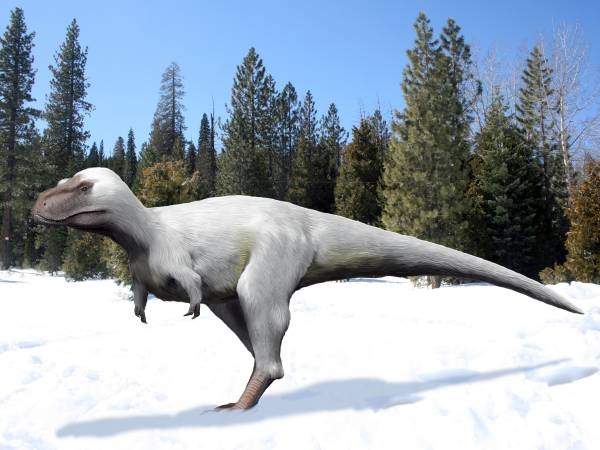
Nanuqsaurus is another Arctic surprise, a tyrannosaur from the Late Cretaceous of northern Alaska, sometimes nicknamed a polar cousin of Tyrannosaurus rex. It was smaller than T. rex, but still a serious predator, living in a high‑latitude ecosystem with pronounced seasons and months of low winter light. The idea of a top predator dinosaur prowling what is now tundra and permafrost feels almost cinematic, but the fossils anchor that vision in real rock and bone.
Its presence suggests that big predators could thrive even in these challenging environments, following herds of hadrosaurs and other herbivores through forests that experienced seasonal extremes. You could compare it loosely to polar bears today: not identical by any means, but occupying a top‑tier carnivore role in a place that seems harsh to us. To me, Nanuqsaurus helps shatter the lazy stereotype that dinosaurs were fragile tropical specialists crushed by any hint of cold. Clearly, at least some lineages could handle serious latitude and the ecological puzzles that came with it.
Tethyshadros: An Island Dinosaur from Ancient Europe
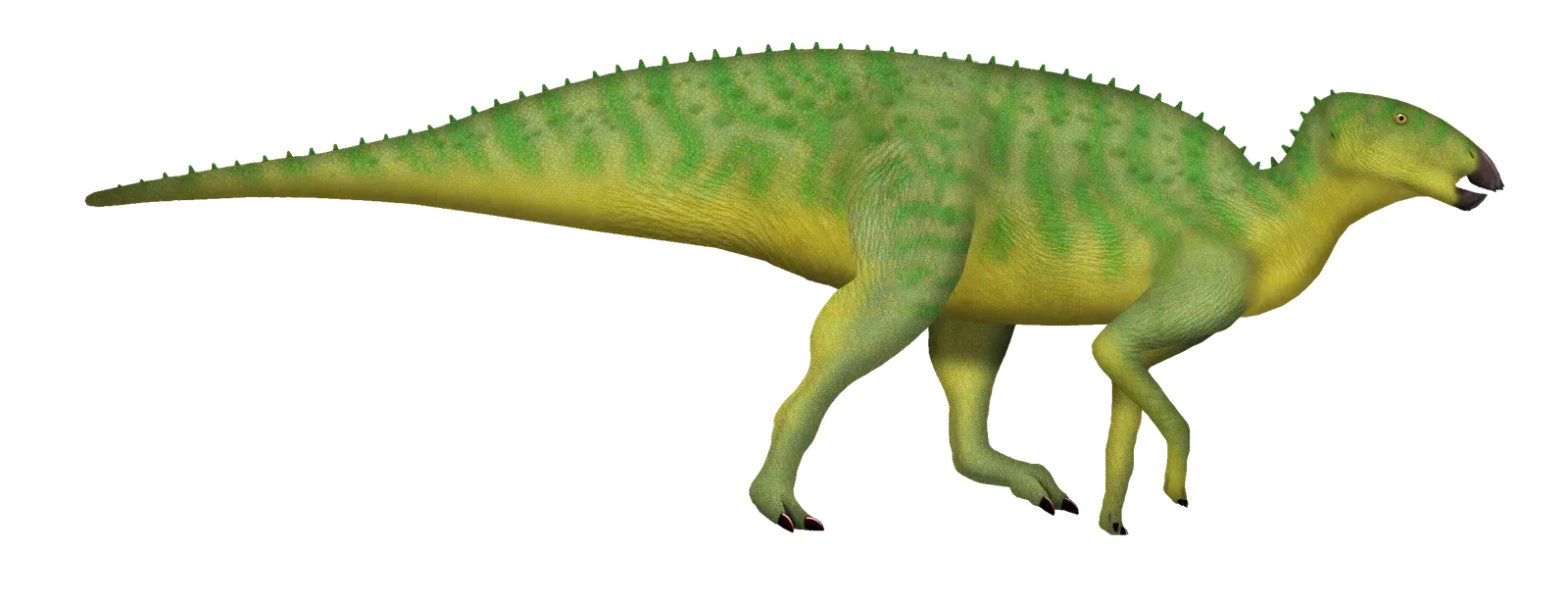
Tethyshadros was a hadrosaur‑like dinosaur from what is now Italy, and its fossils come from rocks that record an island environment in the Late Cretaceous Tethys Sea. That means this wasn’t a dinosaur roaming a giant landmass like North America; it was living on an island or archipelago, surrounded by warm, shallow seas. The result is a body that some researchers interpret as an example of island adaptation, with a somewhat smaller and more lightly built frame than its mainland cousins.
Europe in the Late Cretaceous looked more like Indonesia than the single solid continent we see on modern maps, with scattered islands hosting their own quirky faunas. Tethyshadros fits right into that picture: a herbivore navigating limited land, changing resources, and possibly fewer large predators. I love this example because it challenges the default assumption that dinosaurs always lived on huge, seamless continents. Instead, some of them were dealing with island life problems – fragmented habitats, fluctuating food, and maybe even a bit of evolutionary dwarfism.
Paralititan: A Giant from Ancient Egyptian Mangroves
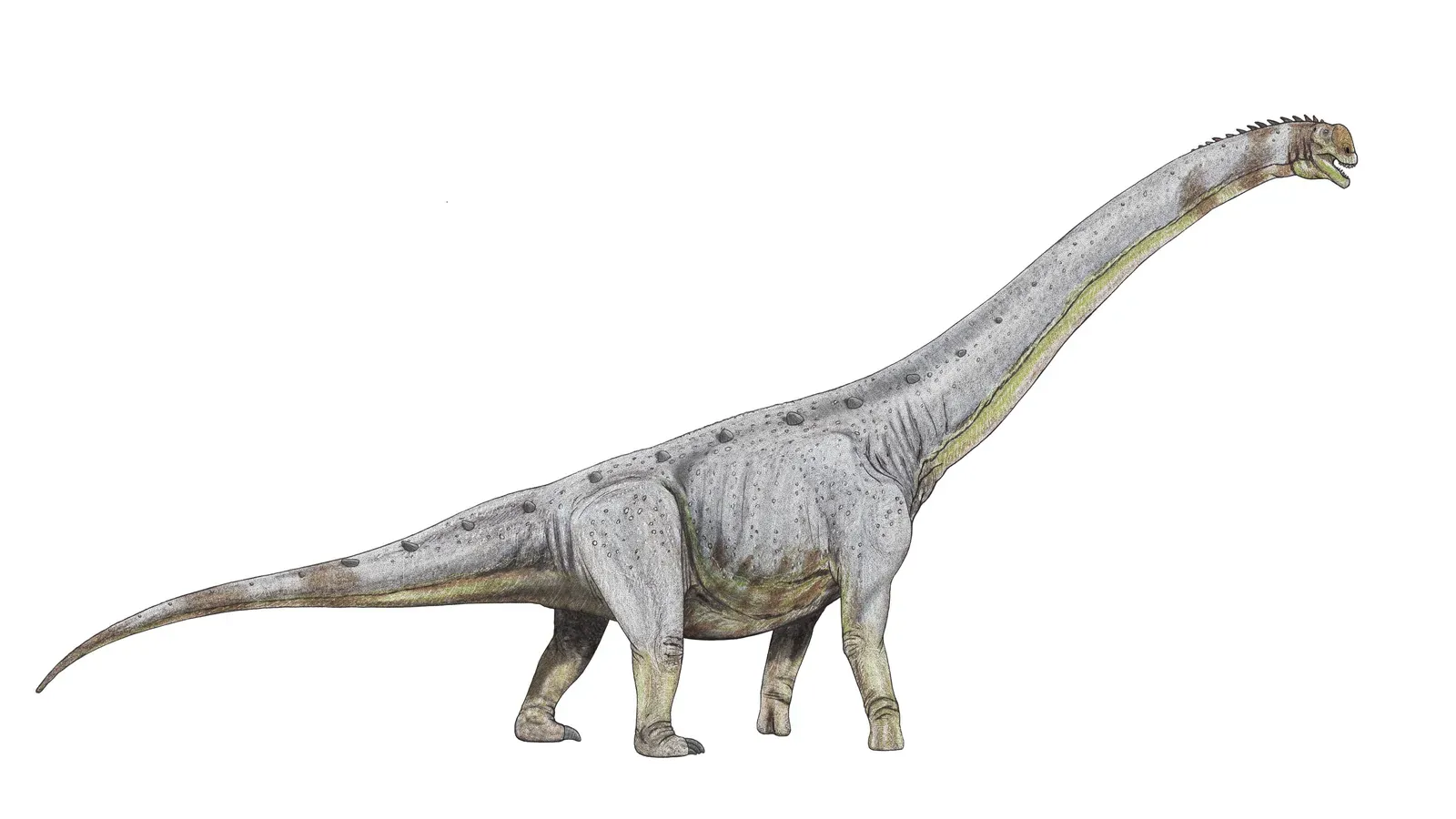
Paralititan, a massive titanosaur from Egypt, was discovered in rocks that represent coastal and mangrove‑like environments from the mid‑Cretaceous. The combination is almost surreal: a gigantic sauropod lumbering through tidal flats, channels, and swampy coastal forests where salty water and mud ruled the landscape. When you hear “Egypt” and “dinosaur,” your mind probably jumps to dry desert dunes, but the fossils there are time capsules from a greenhouse world with rising seas.
The bones of Paralititan are associated with sedimentary structures and plant remains that point strongly to these coastal wetlands. It hints at a lifestyle where a many‑ton herbivore browsed on vegetation along the water’s edge, sharing its world with crocodile‑like reptiles and fish in nearby channels. I find it oddly poetic that this giant, once living in a soggy, green, almost tropical coastal system, is now entombed in one of the driest deserts on Earth. It’s a clean illustration of how completely Earth’s environments can flip over tens of millions of years.
Yutyrannus: A Feathered Tyrannosaur from a Wintry Northern China
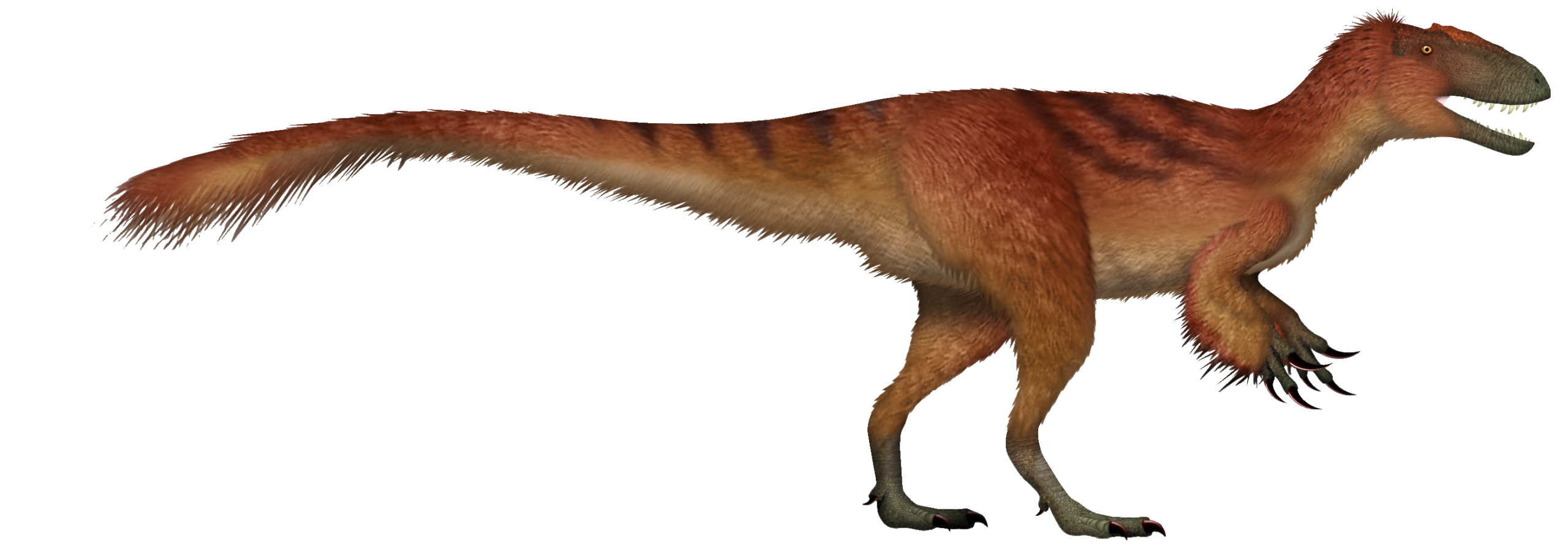
Yutyrannus, from Early Cretaceous northeastern China, is famous for showing clear evidence of feathers on a large tyrannosauroid, but its setting is just as intriguing. The rocks and associated fossils suggest a relatively cool, temperate to even chilly climate compared with the stereotypical steamy dinosaur tropics. This region would have experienced pronounced seasons, and some reconstructions propose cold winters, making those insulating feathers much more than just decoration.
Seeing a big predator wrapped in feathery filamentous covering, stalking across a landscape that might have seen frost or even light snow, radically reshapes the mental image of tyrannosaurs. It pushes back against the idea that large theropods were purely scaly, heat‑baked monsters and instead paints a world with more climate variety and more nuanced adaptations. Personally, Yutyrannus feels like a bridge between familiar dinosaurs and modern large birds of prey living in cooler environments. It makes the Mesozoic feel less like an alien planet and more like a different chapter of the same story Earth is still telling.
Conclusion: Dinosaurs Were Global Experimenters, Not Tropical Stereotypes
Looking at these eight dinosaurs together, a pattern jumps out: they were not confined to the postcard settings we grew up with. From polar Alaska and southern Australia to island‑dotted Europe and mangrove‑lined Egypt, dinosaurs colonized a huge range of environments and climates. I think the most honest takeaway is that we vastly underestimated their ecological flexibility, partly because our own imaginations were stuck in a narrow, jungle‑dominated script.
In my view, the more we dig, the more dinosaurs start to look less like exotic monsters and more like an incredibly successful, adaptable group of animals that tried almost every lifestyle the Mesozoic offered. That makes their eventual extinction feel even more dramatic, because they were not teetering on the edge of failure; they were thriving in deserts, coasts, islands, and polar forests. Next time you see a dinosaur scene drenched in tropical heat, it’s worth asking what is missing from that picture – the darkness of an Arctic winter, the salt of a mangrove swamp, the constraints of an island shore. If we keep challenging our own assumptions, what other “wrong” places might dinosaurs turn out to have called home?