
Have you ever walked away from a conversation feeling unsettled, even though the words sounded perfectly pleasant? Maybe someone told you they were interested in your proposal, yet something in their demeanor made you doubt their sincerity. The truth is, our bodies often betray what our mouths try to conceal.
While we carefully curate our words, body language is a natural, unconscious language that broadcasts your true feelings and intentions. It’s fascinating to think about how much we communicate without ever opening our mouths. Research reveals that nonverbal communication represents two-thirds of all communications, meaning the silent signals we send and receive far outweigh our carefully chosen vocabulary.
So how can you become better at decoding these hidden messages? Let’s dive into the subtle gestures that reveal what people are really thinking.
The Way They Position Their Arms Tells You Everything

You’ve probably heard that crossed arms signal defensiveness, right? Well, here’s the thing: it’s not quite that simple. Context matters tremendously when you’re trying to understand what someone’s arm positioning really means.
Crossed arms and legs are physical barriers that suggest the other person is not open to what you’re saying. Even during pleasant exchanges, this physical gesture creates an invisible wall between you and them. In negotiations specifically, one study found remarkable results: not a single negotiation ended in an agreement when one of the parties had their legs crossed while negotiating.
Still, you need to consider the full picture. Crossed arms can also suggest confidence if someone crosses their arms while smiling, leaning back, or showing other signs of being at ease. They might simply feel comfortable and in control rather than defensive. Temperature also plays a role; someone might just be cold!
Watch Their Hands for Hidden Stress Signals

Hands are incredibly revealing when you know what to look for. Think about the last time you felt genuinely nervous or anxious. What did your hands do?
Outstretched hands with palms up may be an unconscious reflection of openness, while clenched fists can suggest anger or frustration, especially in someone trying to suppress these emotions. You might notice their facial expression remains perfectly neutral while their fists betray their true emotional state. The disconnect between face and hands can be jarring once you start noticing it.
If someone is already holding a glass or a mug, they may start to hold it tighter when stressed, because you have this pent-up energy that your body has to release. Next time you’re in a tense meeting, glance at how people grip their coffee cups or pens. The white knuckles tell a story their words might not.
Their Feet Point Toward What They Really Want

Let’s be real: most people forget entirely about feet when reading body language. Yet feet are some of the most honest parts of our bodies because we rarely think to control them consciously.
The direction that the body is facing indicates what the person is interested in, because body follows the mind. Imagine you’re talking to someone whose entire torso is tilted away from you. This usually suggests that he is not interested in you and is looking forward to leave the conversation. Their feet might already be pointing toward the exit.
Conversely, when someone’s feet point directly at you during conversation, they’re genuinely engaged. The feet and legs can show nervousness and restlessness, and crossed legs can also suggest an unwillingness to hear what someone has to say, especially when arms are also crossed. Pay attention to where the feet lead, and you’ll discover where the mind wants to go.
Eye Contact Reveals Confidence or Discomfort

Eyes have been called the windows to the soul for good reason. The amount and quality of eye contact someone gives you speaks volumes about their intentions and emotional state.
In the workplace, strong eye contact is usually translated as sincerity and open communication. When someone maintains comfortable eye contact during conversation, they’re signaling confidence and genuine interest. However, you need to be careful about cultural interpretations here.
Avoidance of eye contact or crossed arms are interpreted as lack of interest regardless of whether it is intentional or subconscious. Someone who constantly looks away, checks their phone, or focuses on objects around the room rather than on you is sending a clear message: they’d rather be somewhere else. Honestly, we’ve all been on both sides of that dynamic.
The Head Tilt Shows They’re Listening Closely

Have you ever noticed how dogs tilt their heads when they’re trying to understand something? Humans do something remarkably similar.
It is a natural human behavior to tilt our head and expose our ear when we want to hear something better, and this one is a micropositive. When someone tilts their head while you’re speaking, it’s an excellent sign. If someone’s head tilts while the person is speaking with you, it means they are listening, they are engaged, and they want to hear more.
This gesture conveys genuine curiosity and interest. Next time you’re pitching an idea or telling a story, watch for the head tilt. It’s your green light to keep going because you’ve captured their attention.
Posture Reveals Power and Engagement

The way someone holds their body in space communicates their level of confidence, interest, and authority. You can often identify the most powerful person in a room simply by observing their posture.
An erect posture, gestures made with the palms facing down, and open and expansive gestures convey power, because the brain is hardwired to equate power with the amount of space people take up. Standing up straight with your shoulders back is a power position that appears to maximize the amount of space you fill, while slouching appears to take up less space and projects less power.
Beyond power dynamics, posture also shows interest. When people are interested and engaged, they will lean forward with their body towards your general direction, but they won’t hold a rigidly held torso position. A stiff, rigid posture suggests tension or discomfort, while a slight forward lean with relaxed shoulders indicates openness and genuine engagement.
Mirroring Behavior Indicates Connection

Ever notice how close friends or romantic partners often adopt similar postures and gestures without realizing it? This phenomenon is called mirroring, and it’s one of the most telling signs of rapport and connection.
This “affiliative mimicry” is a natural process that happens outside conscious awareness and involves the Mirror Neuron System, which is believed to form the basis of all human culture and is associated with increased liking, rapport, cooperation, and coordinated work efforts. When someone unconsciously mirrors your gestures, they’re signaling that they feel connected to you on some level.
You can test this subtly: cross your legs or adjust your posture slightly and watch if the other person follows suit within a minute or two. If they do, you’ve likely established good rapport. The absence of mirroring can signal disconnection or disagreement, even if their words suggest otherwise.
Facial Expressions That Contradict Their Words

The face is the most expressive part of the human body, capable of conveying countless emotions within seconds. When facial expressions don’t match spoken words, trust the face.
Our brains prioritize nonverbal communication over verbal communication, so when our brain gets a mixed message, it may prefer the nonverbal cues to the verbal ones. Think about when someone says they’re “totally fine” while their jaw is clenched and their smile looks forced. Your instinct tells you something’s off, and you’re right to trust that feeling.
Facial expressions and bodily expressions are congruent in terms of conveying visible signs of a person’s emotional state, and emotions can be judged with a high level of accuracy based on facial expressions. Microexpressions flash across faces in fractions of a second, often revealing emotions someone is trying to hide. When you notice tension in someone’s forehead, tightness around their mouth, or a smile that doesn’t reach their eyes, you’re witnessing the body’s honest reaction breaking through their controlled facade.
Conclusion
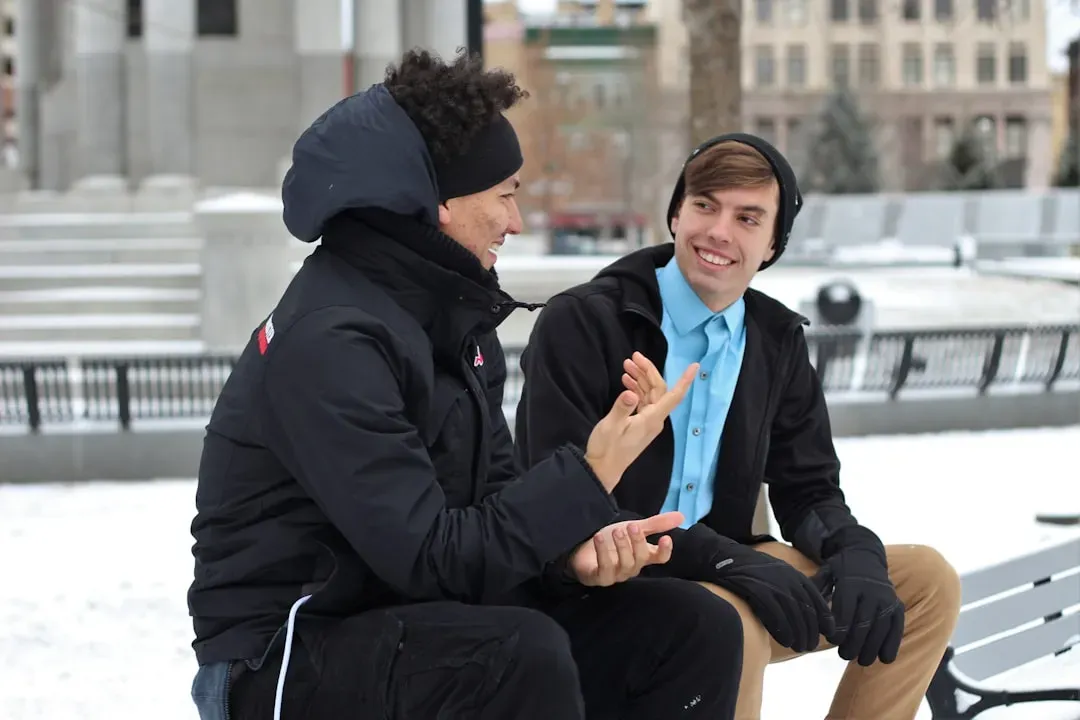
Reading body language isn’t about catching people in lies or playing mind games. It’s about understanding the full spectrum of human communication so you can connect more authentically with the people around you. You can’t get a complete picture of what others think and feel based on their body language alone, but when you put body language in the context of their words, you may get a lot more information than you would when considering either type of communication alone.
The gestures we’ve explored – from crossed arms to mirroring behavior to subtle facial expressions – all work together to create a complex language that operates beneath our conscious awareness. The more you practice observing these signals in context, the better you’ll become at understanding people’s true intentions. Remember to look for clusters of behaviors rather than fixating on one gesture in isolation.
What everyday gestures have you noticed that reveal people’s true feelings? The next time you’re in conversation, try observing just one or two of these signals. You might be surprised by what you discover.