Picture the mighty Tyrannosaurus rex lumbering through ancient forests or the clever Velociraptor hunting in coordinated packs. These incredible creatures ruled Earth for roughly 165 million years before most of them vanished. Yet their legacy extends far beyond Hollywood blockbusters and museum exhibits.
What if the secret to thriving in our modern world actually lies buried in the fossil record? From adaptive strategies that helped species survive climate change to communication methods that built strong social bonds, dinosaurs developed survival techniques that remain remarkably relevant today. Let’s dig into the fascinating world of ancient reptiles and discover what these prehistoric pioneers can teach us about succeeding in the 21st century.
Adaptation Is Your Greatest Asset
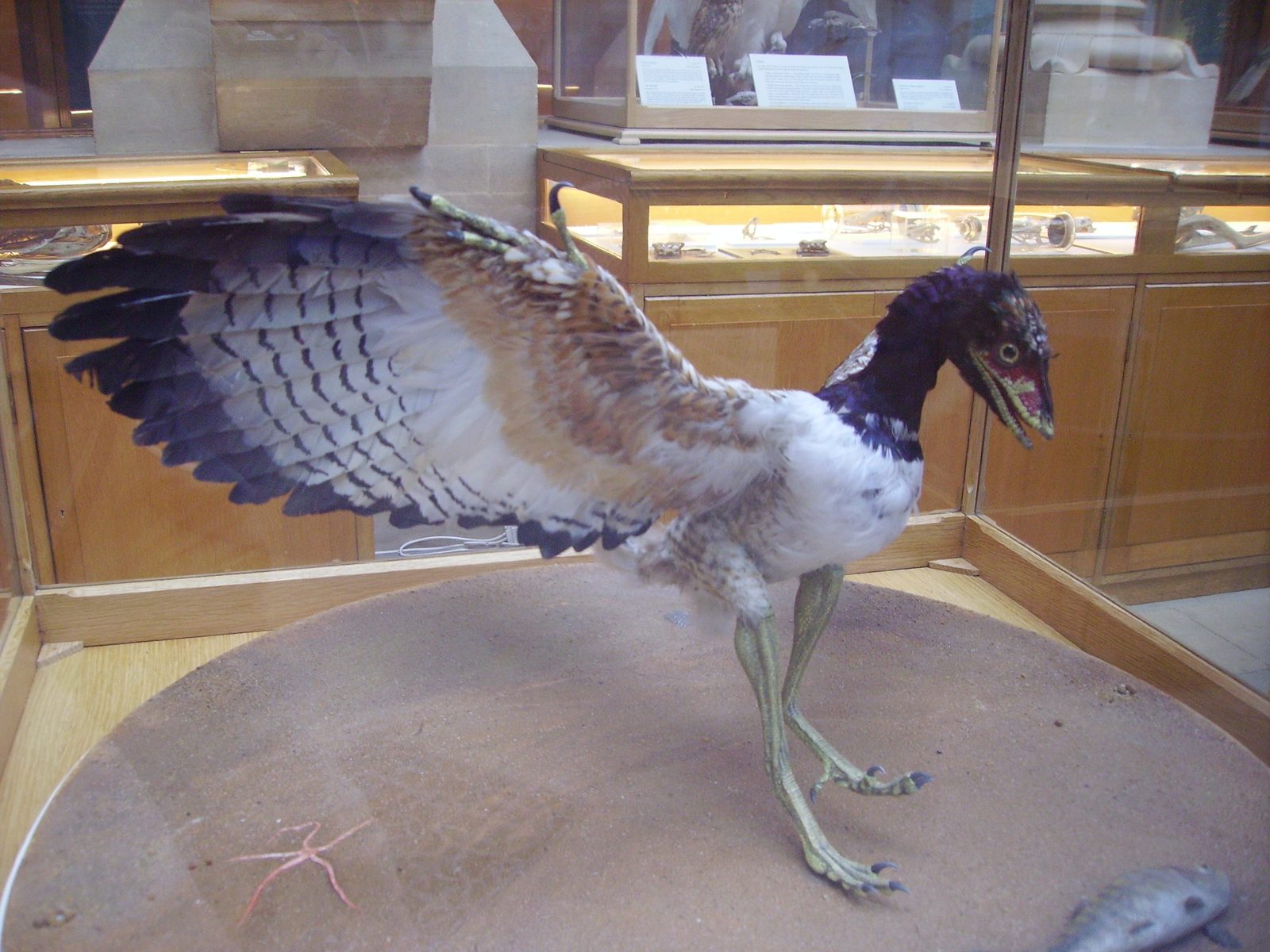
Dinosaurs mastered the art of adaptation better than almost any group of animals. Speed became their primary strategy for survival in open terrain, and adaptation emerged as the ultimate survival tactic. When you think about it, hollow bones filled with little air sacs were so important to dinosaur survival, they evolved independently several times in different lineages.
Here’s where it gets interesting for you. As other species struggled to survive, dinosaurs’ cold adaptations granted them a competitive advantage, highlighting their remarkable adaptations and ability to thrive in icy environments. This evolutionary flexibility allowed them to colonize virtually every habitat on Earth.
Geological studies suggest that species adapted to a range of climates, thriving in both lush and arid environments, underscoring how climate influenced their survival strategies. The lesson? Don’t get stuck in one approach. Whether you’re facing a career change or personal challenge, flexibility beats stubbornness every time.
Think of adaptability as your personal Swiss Army knife. Evolution demonstrates that there is no single path to survival – diversity itself is a strength. Just as dinosaurs developed different survival strategies for different environments, you need multiple approaches to navigate life’s changing landscapes.
The Power of Teamwork Trumps Individual Strength
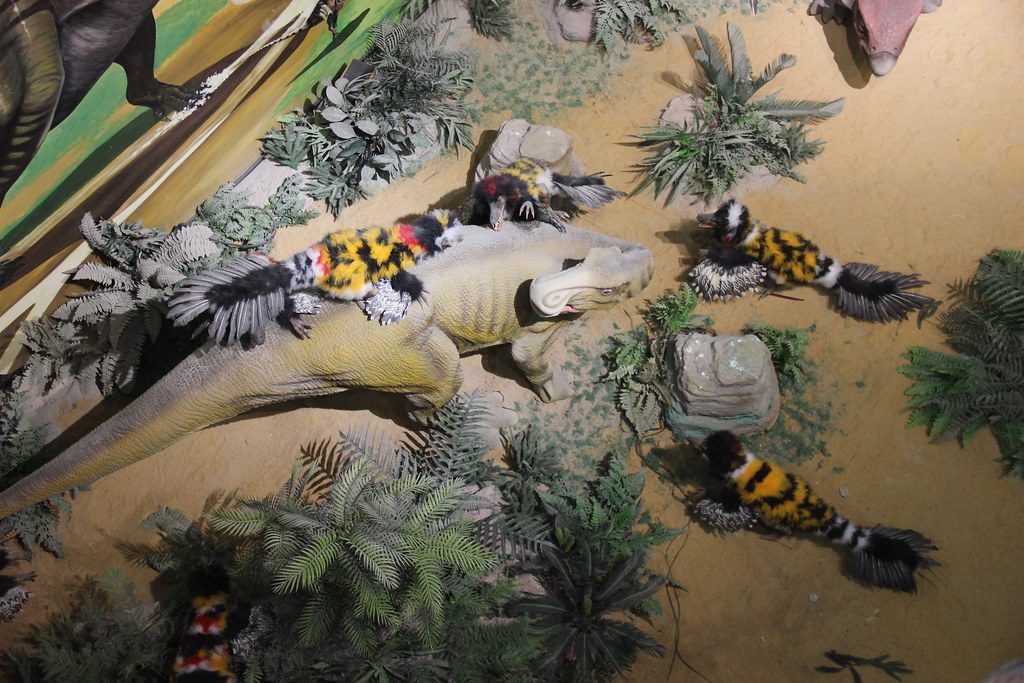
There is evidence that at least some non-avian dinosaurs lived in groups, with bone beds mostly containing fossils of multiple individuals of different ages of a single species buried at the same time, suggesting they died together and thus very likely lived together. This wasn’t just coincidence.
Group living gave advantages of protection with more eyes to spot predators, larger groups that could scare off some predators, and for carnivores, the ability to attack as a group using strategies that a single hunter couldn’t use. Sound familiar? That’s exactly how modern teams function in offices, sports, and communities.
Similar to modern predators, dinosaurs hunted in packs, demonstrating intricate social behaviors and complex predator-prey interactions, honing their group hunting strategies to tackle larger prey. The fascinating part? Through pack behavior, dinosaurs exhibited coordinated movements, shared resources, and employed cooperative hunting strategies, fostering social cohesion within their groups and increasing survival rates.
Your takeaway? Stop trying to be a lone wolf. Despite the challenge that more mouths meant feeding from the same food sources, since each species is ultimately its own biggest competitor, the benefits of cooperation outweighed the costs. Build your pack, nurture your team, and watch how much more you can accomplish together.
Size Doesn’t Determine Success
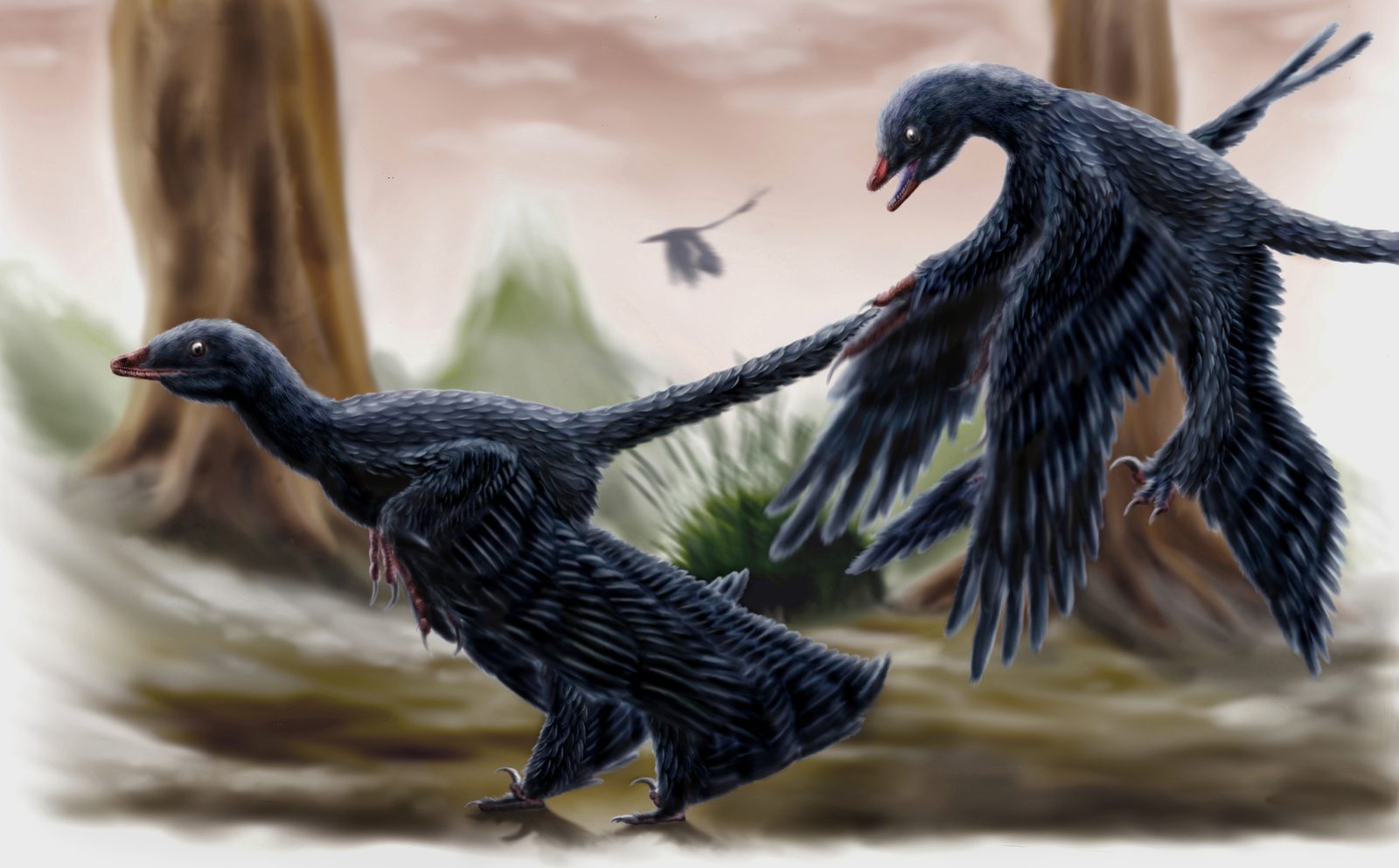
Dinosaurs come in all sizes. The lumbering Argentinosaurus probably reached 115 feet, the winged Microraptor about 2 feet, and today, the sole surviving lineage of dinosaurs includes both miniscule hummingbirds and leggy ostriches.
Here’s what blew my mind: If a lineage were in an environment where large-bodied individuals had a survival and reproduction advantage, those with faster growth rates during this early period might be favored. Similarly, an environment in which small bodies were advantageous might favor individuals with slower juvenile growth rates. Size was all about environmental fit, not inherent superiority.
Speed was not simply about being the strongest; it was about being the most suited to a particular landscape. The nimble Compsognathus thrived alongside massive sauropods because each found their perfect niche. The secret wasn’t being the biggest fish in the pond.
In your daily life, this translates to understanding that success comes from finding where you fit best, not from trying to dominate every situation. Play to your strengths, whether you’re the detail-oriented analyst or the big-picture visionary. Both have their place in the ecosystem.
Communication Builds Lasting Relationships

The behavioral adaptations and methods of communication of dinosaurs have long been a topic of interest, with their herding behavior, nest building, vocal communication, and sensory capabilities offering a picture of how this ancient group of reptiles led their lives.
Visual and vocal cues allowed them to communicate with one another, solidify social bonds, and coordinate group activities. Think about that the next time you’re texting instead of having a real conversation. Archosaurs are very “talky” with both birds and crocodilians having large repertoires of calls and signals, and almost assuredly non-avian dinosaurs did the same.
Communication wasn’t just about survival for dinosaurs. Males often evolved elaborate displays to attract mates, showcasing their fitness and evolutionary advantage. They understood that relationships required investment and effort. The flashy crests and colorful displays weren’t vanity, they were relationship-building tools.
Modern research shows that theory regarding communication distances, nest sizes, and vocalization frequencies, as well as knowledge on dinosaurs’ sensory capabilities reveals sophisticated social networks. Your relationships thrive when you communicate clearly, listen actively, and invest in meaningful connections rather than surface-level interactions.
Protective Parenting Creates Strong Foundations
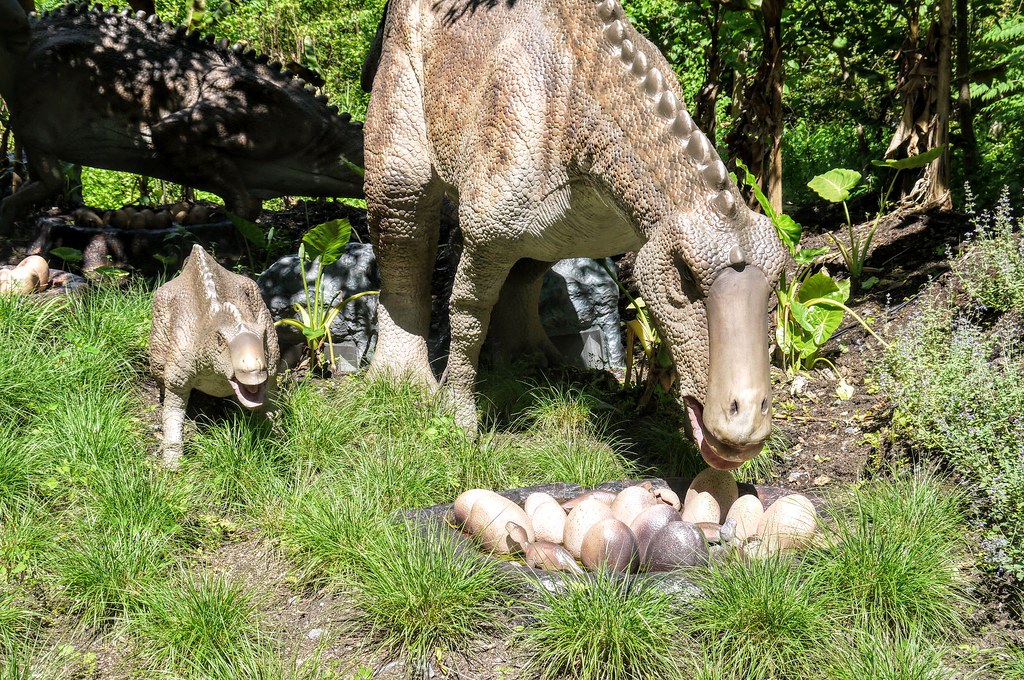
Parental care was another manifestation of dinosaur altruism, with cooperative nesting behaviors such as shared nest guarding and communal brooding highlighting their dedication to ensuring the survival of their offspring.
The sophistication of dinosaur parenting might surprise you. One key adaptation is the presence of cooperative nesting behaviors where dinosaurs engaged in shared nest guarding and communal brooding, which enhanced the survival rates of their offspring and ensured that eggs were protected from potential predators.
Fossil dating has revealed that nests were strategically located, ensuring access to resources as well as providing adequate cover. These weren’t accidental choices, but careful planning for the next generation’s success.
Whether you’re raising children, mentoring colleagues, or supporting friends, the dinosaur approach shows us that protection and nurturing aren’t signs of weakness. Complex courtship displays involving vocalizations and posturing, with females selecting secluded areas and becoming fiercely protective of their eggs, demonstrates that investing in others’ growth pays dividends for the entire community.
Environmental Awareness Ensures Long-Term Survival
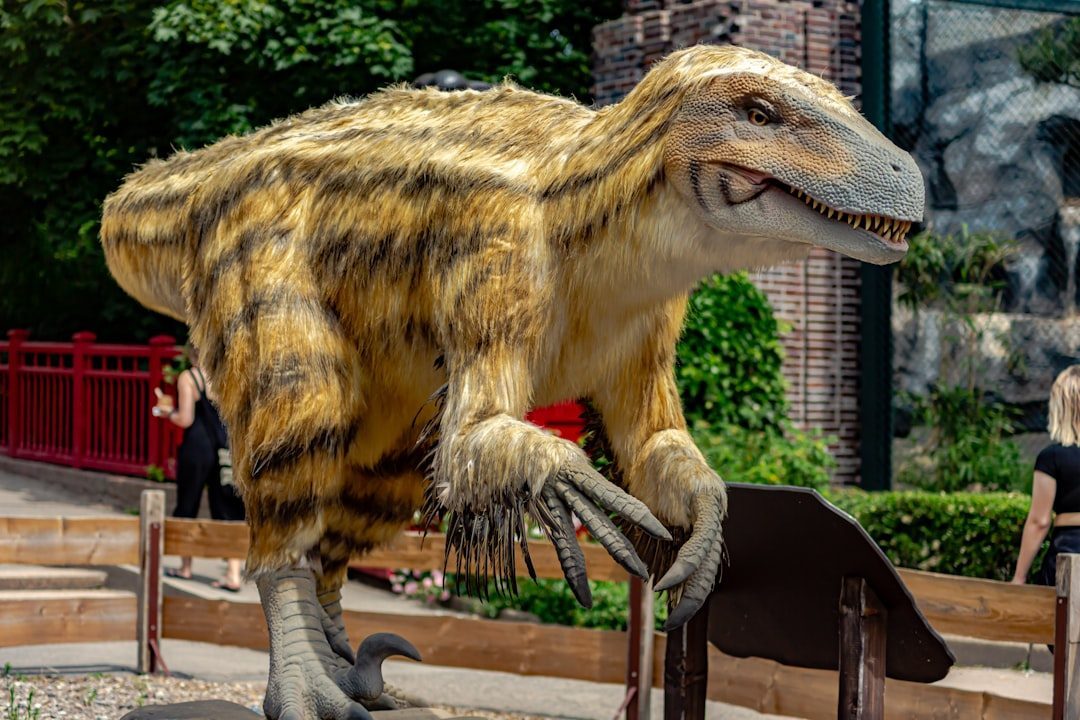
Understanding how dinosaurs adapted their behavior to ancient ecosystems provides insight into the evolutionary pathways of modern species, with considerable research being done regarding dinosaurs’ contributions to modern ecosystems and ecological interactions with other organisms.
The air sacs probably enhanced oxygen levels in dinosaurs’ blood, and during the scorching hot and dry Triassic period climate, more oxygen circulating in the blood would cool dinosaur bodies more efficiently. They didn’t just survive their environment, they engineered biological solutions to thrive in it.
Consider how they leveraged evolutionary adaptations to navigate diverse habitats in forested areas and open plains, adapting to a range of climates. Environmental awareness wasn’t optional, it was essential for survival.
You live in an era of rapid environmental and social change. Take a lesson from these ancient masters: pay attention to your surroundings, understand the systems you operate within, and adapt your strategies accordingly. Whether it’s climate change, technological shifts, or cultural evolution, awareness comes first, then adaptation.
Persistence Through Adversity Pays Off
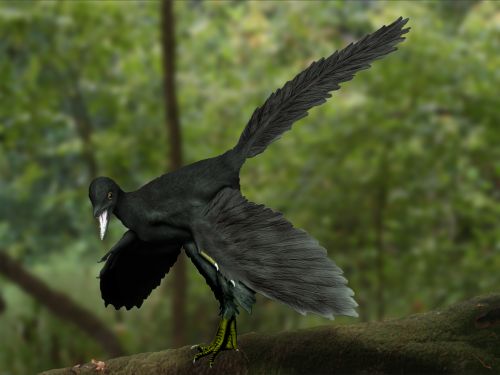
Dinosaurs were an incredibly diverse and successful group of reptiles that thrived for 165 million years, from the late Triassic to the end of the Cretaceous, evolving into a wide range of morphologies and habitats.
Let that sink in for a moment. They indicate high survival throughout most of their life with presumably higher mortalities after hatching and increasing mortalities towards its end. Even facing incredible challenges from volcanic eruptions, climate shifts, and fierce competition, most dinosaur species persisted for millions of years.
When the same evolutionary solution keeps cropping up, it’s a sign that evolution has hit upon an important and effective solution. The variant studied was aerated vertebrae bones, which would have enhanced the dinosaurs’ strength and reduced their body weight. Sometimes the same challenges require the same persistent approaches.
Your obstacles might feel overwhelming, but remember that persistence, not perfection, builds success. Survival often belongs to those who adapt best, not necessarily those who appear the most powerful. Keep showing up, keep adjusting your approach, and trust that consistent effort compounds over time.
Innovation Through Cooperation Drives Progress
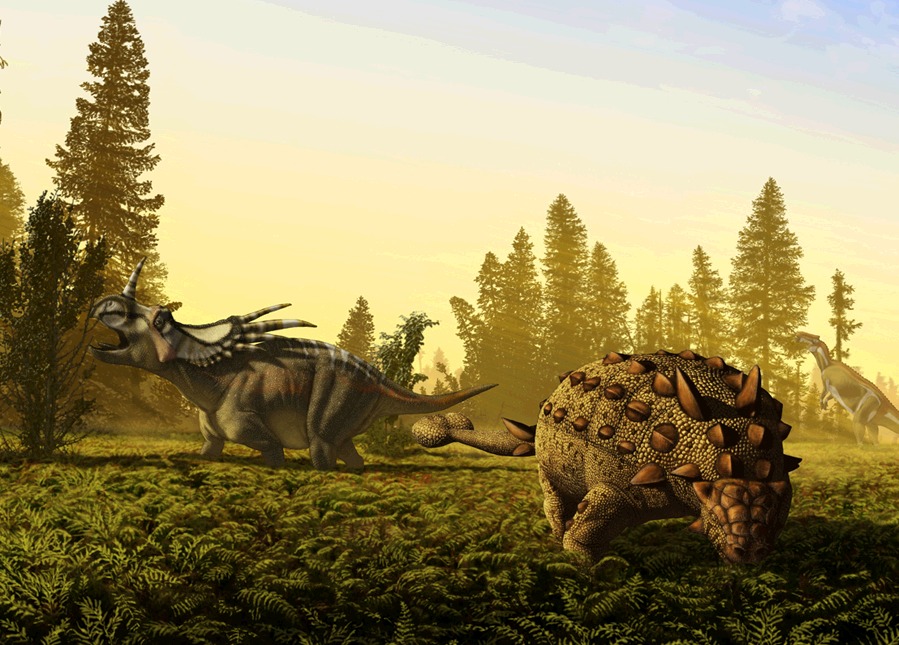
Kin selection, a mechanism where individuals prioritize the well-being of genetically related individuals, likely played a significant role in promoting cooperative behaviors. By assisting individuals from other species, dinosaurs may have indirectly ensured the survival of their own genetic lineage.
Dinosaurs were not just solitary beings, but displayed remarkable social interaction and cooperative behaviors that contributed to their survival and success, with paleobiological evidence providing valuable insights into the group dynamics and altruistic nature of these ancient creatures.
The most fascinating discovery? These instances of interspecies cooperation and altruism provide compelling evidence of the sophistication and complexity of their social interactions, showcasing the remarkable intelligence and social intelligence of these ancient creatures. They weren’t just surviving, they were innovating together.
Innovation rarely happens in isolation. All three groups must have developed air sacs independently, and each time in slightly different ways. Even when working separately, the best solutions often emerged from collaborative principles. Build networks, share knowledge, and remember that your success often depends on lifting others up alongside you.
The next time you face a challenge, remember these ancient masters of survival. They dominated Earth not through force alone, but through adaptation, cooperation, communication, and persistence. The lessons of adaptation apply to ecosystems, human innovation, and even the challenges societies face in the modern world, gaining not only a better understanding of the past but also valuable insight into the future.
What aspect of dinosaur wisdom resonates most with your current situation? The path to thriving in our complex world might just be written in stone, waiting millions of years for us to decode its secrets.