
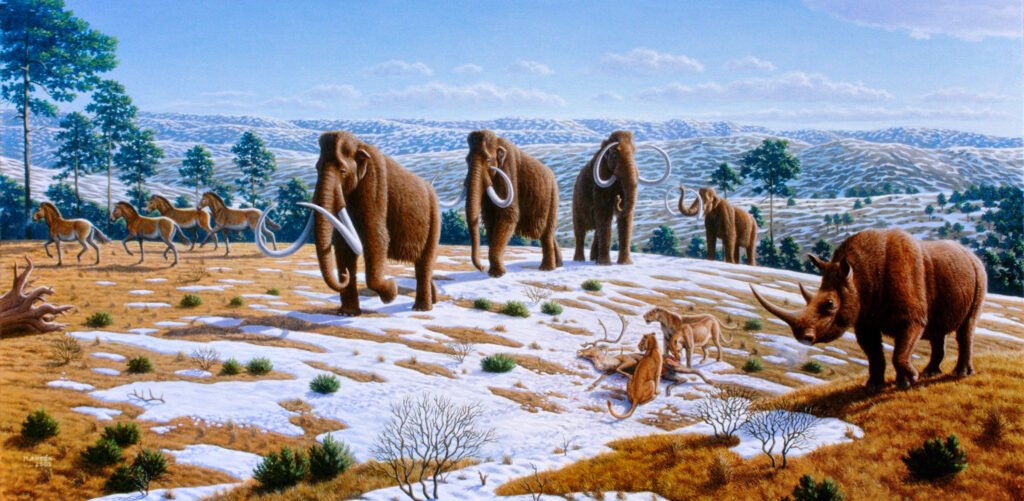
Walk through Yellowstone, Yosemite, or Banff and it already feels wild and huge. But imagine stepping onto a trail and realizing the dark “boulder” ahead is actually a browsing ground sloth the size of a small truck, or that the “bison” on the horizon is a horned behemoth almost twice as massive as anything alive today. Our national parks are spectacular, but in terms of big animals, they are quiet echoes of what North America used to be.
Over the last roughly fifty thousand years, the continent lost an entire cast of giants: mammoths, giant sloths, enormous bison, saber-toothed predators, and armored tank-like beasts that would have turned any park into something closer to a prehistoric safari. Scientists are still arguing about why they disappeared, but one thing is clear: if they were somehow still here, our parks, our science, our fears, and our Instagram feeds would look completely different. Let’s step back in time and meet eight lost giants that would turn modern national parks into something almost unrecognizable.
Giant Ground Sloths: The Slow-Motion Bulldozers of the Forest
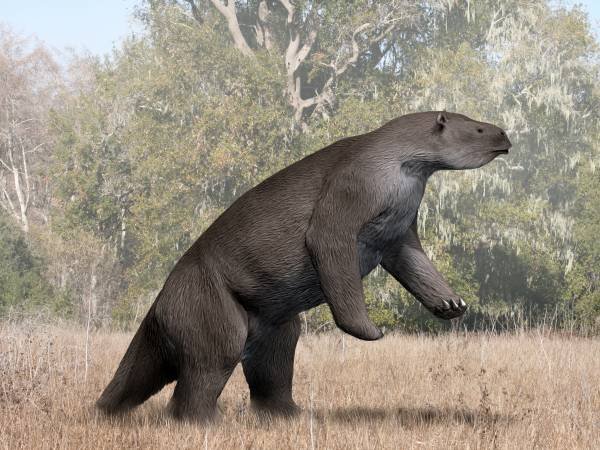
Forget the cute tree-hugging sloths you see in memes. The giant ground sloths of North America, like Jefferson’s ground sloth and Megalonyx, were more like living excavators, some standing close to the height of a giraffe when they reared up. They moved slowly, but their sheer size and strength meant they could topple small trees, strip branches, and reshape vegetation wherever they wandered. Many paleontologists think they were major “ecosystem engineers,” redesigning landscapes just by feeding and moving around.
If these giants still roamed places like Great Smoky Mountains National Park or Sequoia and Kings Canyon, the undergrowth and tree composition would likely be very different. Trails might twist around browsing sites the way they now avoid sensitive wetlands, and rangers would have to warn hikers about wandering too close to a several-ton herbivore that could simply shove them aside without even meaning to. Their presence might reduce thick brush and open up park vistas naturally, creating more patchy, savanna-like clearings in some forests. It would feel like hiking alongside slow, shaggy bulldozers that quietly decide what the forest looks like.
American Mastodons: The Swamp-Loving Cousins of Elephants
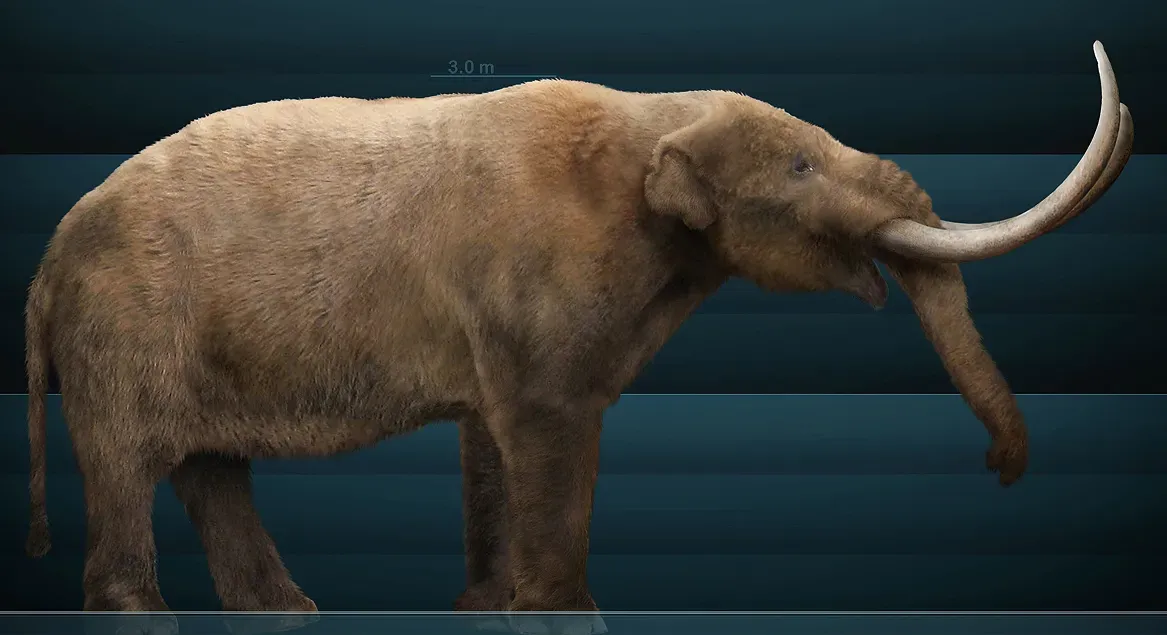
While mammoths tend to hog the spotlight, American mastodons were once the heavy, rumbling heartbeat of North America’s cold forests and wetlands. They were similar in size to modern elephants, but stockier, with shorter legs and tusks that sometimes curved in wild, sweeping arcs. Instead of grass, they preferred browsing on shrubs, conifers, and wetland plants, happily wading through boggy ground that would swallow your boots in seconds. Mastodon dung, teeth, and even DNA have turned up across the continent, proof that they were once surprisingly common.
Imagine a canoe trip in Everglades National Park or a quiet paddle through a northern bog with distant splashes and crashes from mastodons pushing through cattails and cypress knees. Their constant chomping on shrubs would keep wetlands more open, possibly changing how birds, amphibians, and fish use those habitats today. Boardwalks and viewing platforms might be designed not just for alligators or moose, but for people hoping to glimpse a mastodon family passing through the mist. Our idea of a “wetland wildlife encounter” would suddenly involve an animal that can weigh several tons and still disappear into the fog like a ghost.
Woolly Mammoths: The Iconic Ice Age Architects of Open Landscapes
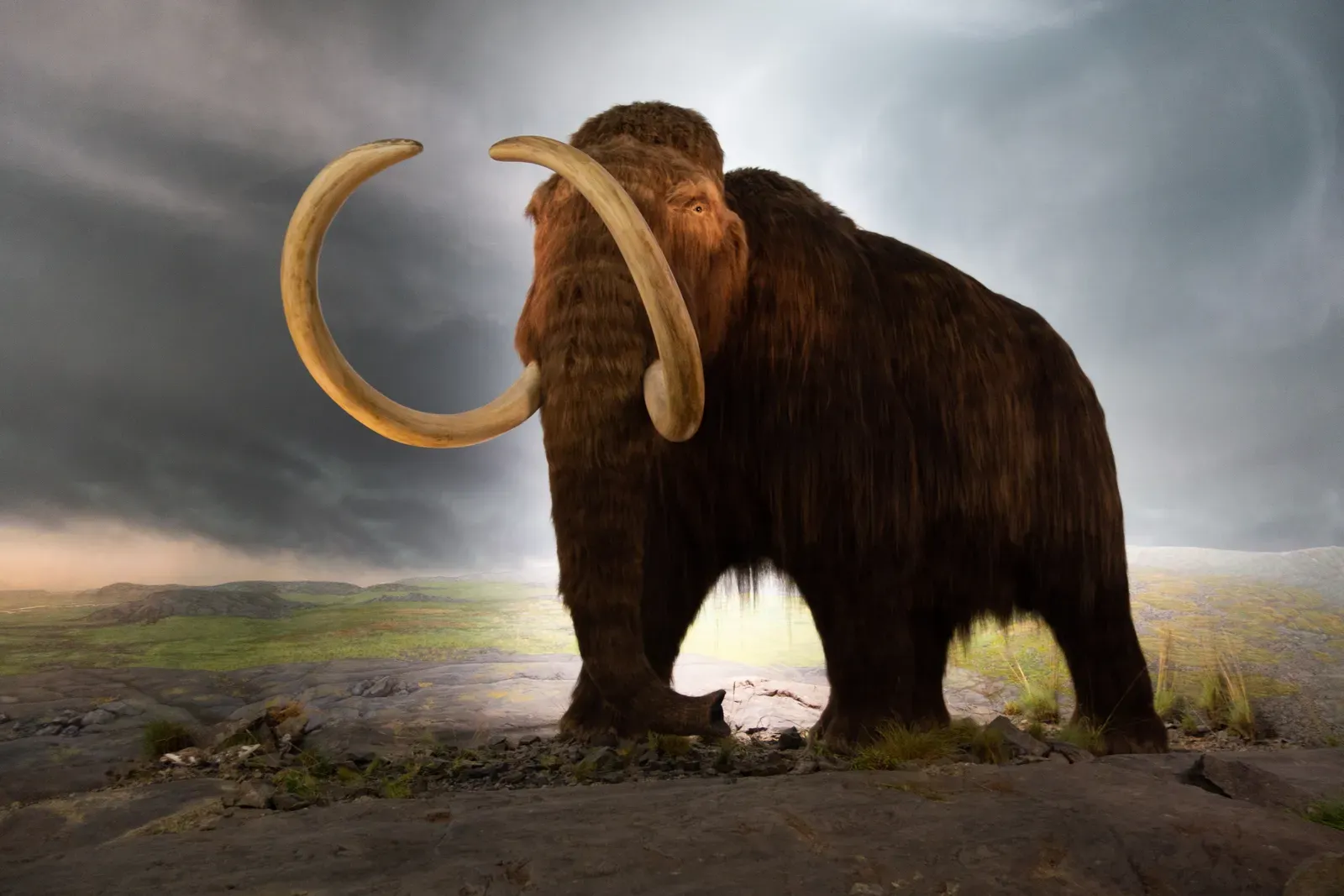
Woolly mammoths are practically pop culture celebrities at this point, but it is easy to forget they were once ordinary, living animals stomping across what is now Alaska, the Yukon, and northern Canada. Covered in dense fur with a fat layer beneath, curved tusks, and a sloping back, they thrived in cold, open steppe environments rich in grasses and herbs. There is growing evidence that their grazing, trampling, and dung helped keep those habitats open and productive, almost like a northern version of elephants shaping African savannas.
If woolly mammoths still roamed places like Denali or Gates of the Arctic, winter wildlife watching would become a completely different experience. Snowshoeing or skiing might bring you into the wake of herds that crush snowdrifts into churned paths and expose plants that caribou, muskoxen, and other animals could also use. Climate and vegetation models suggest that mammoths might slow the spread of dense shrubs and trees in northern areas, nudging ecosystems toward open grasslands. Our discussions about rewilding and climate resilience would probably focus less on “if” we should bring mammoths back and more on how to coexist with giant, cold-adapted landscapers that could trample a campground overnight.
Giant Bison (Bison latifrons and Bison antiquus): Super-Sized Bovids of the Plains
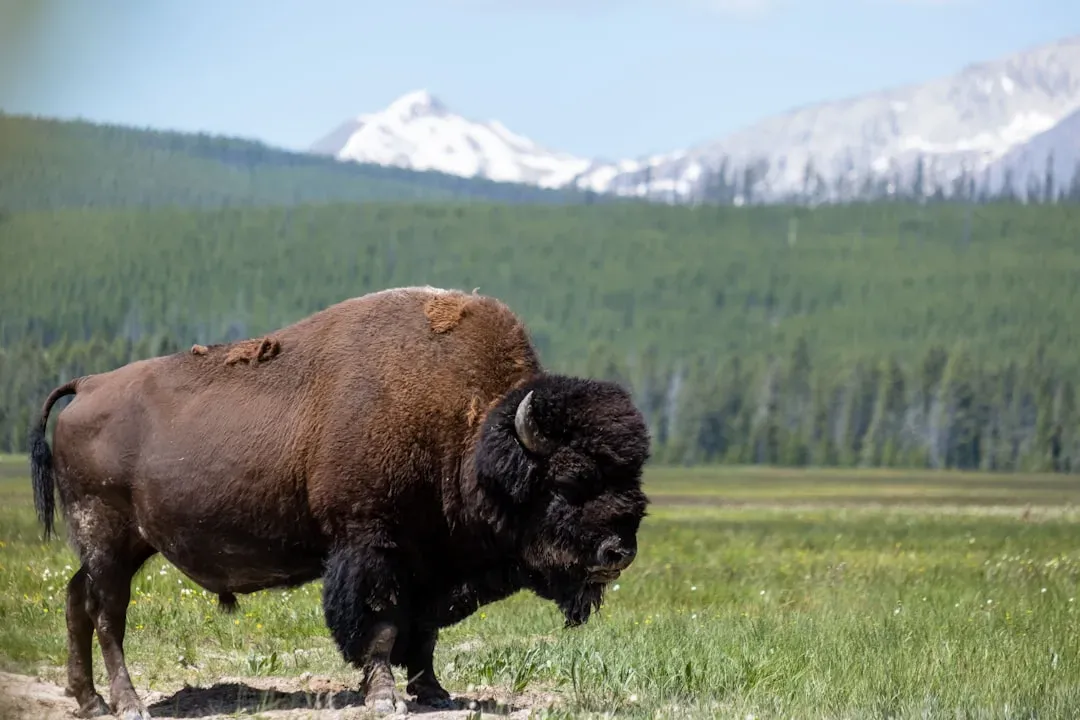
Modern bison already feel huge when one steps onto a road in front of your car in Yellowstone or Badlands National Park. Now scale that up: the extinct giant bison Bison latifrons carried horns that could span well over the height of a person, and its body mass dwarfed today’s herds. Later species like Bison antiquus were slightly smaller but still larger than the modern plains bison we know. These were bulk-feeding, grass-mowing machines that likely shaped the structure of Ice Age grasslands in ways we are only starting to appreciate.
With giant bison still around, open areas in parks like Wind Cave, Theodore Roosevelt, and Grasslands National Park would feel like something between a Western movie and a fantasy film. Herds might spread across entire valleys, cutting the grass so short that wildflowers and low-growing plants could explode in the space between hoof prints. Predators would key in on their calves and weak individuals, and hikers would face a very different risk calculus: instead of “stay at least twenty-five yards from a bison,” it might be “stay where you can actually escape if a horn span wider than your wingspan swings your way.” Photography blinds, overlook platforms, and even road design would likely have evolved around the movements and moods of these super-sized grazers.
Short-Faced Bears: The Hyper-Predators That Would Redefine “Bear Country”
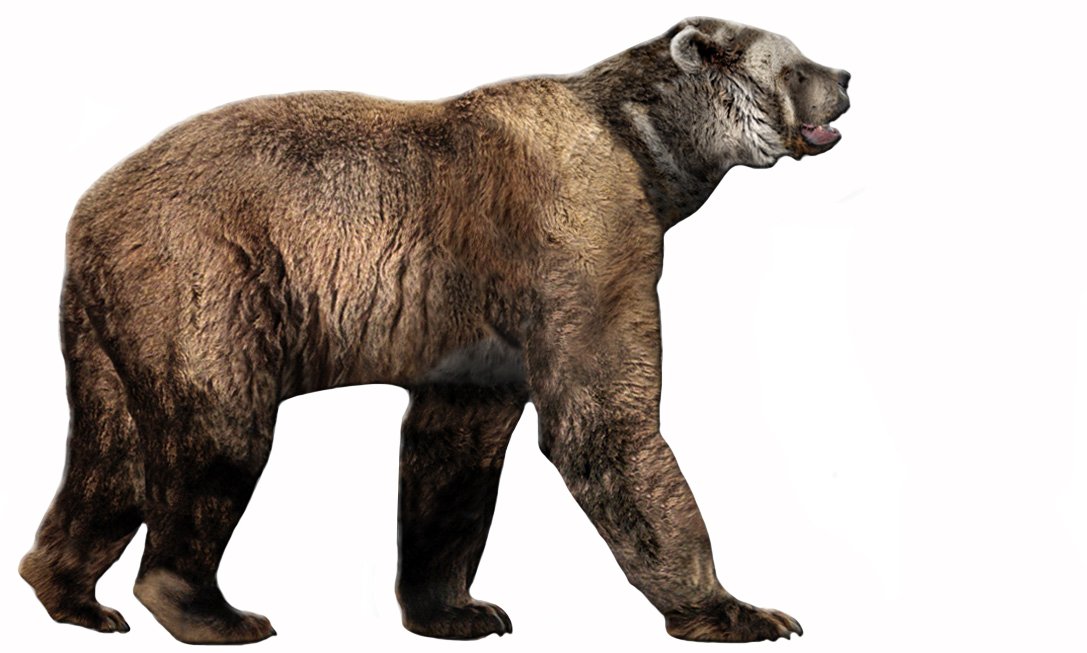
North America once hosted a bear that makes grizzlies look almost modest. The short-faced bear, Arctodus simus, stood extremely tall when rearing, had long limbs built for covering ground quickly, and a powerful head with huge jaws. There is still scientific debate about whether it was primarily a bone-crunching scavenger or an active predator, but either way, it was probably near the top of the food chain. Its size and speed would have given it a terrifying presence on open ground, especially in the plains and parklands where it could run.
If short-faced bears survived into the present, our concept of “bear safety” in parks like Glacier, Yellowstone, or Jasper would be radically different. Backpacking permits might be restricted in some valleys entirely, and backcountry campsites could require reinforced shelters instead of fabric tents. Rangers might close trails for weeks at a time if a short-faced bear was seen frequenting an area, much the way trails now close around denning grizzlies, but with a lot more urgency. I love hiking solo in bear country today, but I honestly doubt I would risk it in a world where an animal taller than me even on all fours could decide my food, or my leg, belongs to it.
Saber-Toothed Cats (Smilodon fatalis): Ambush Specialists of Forest Edge and Open Plain
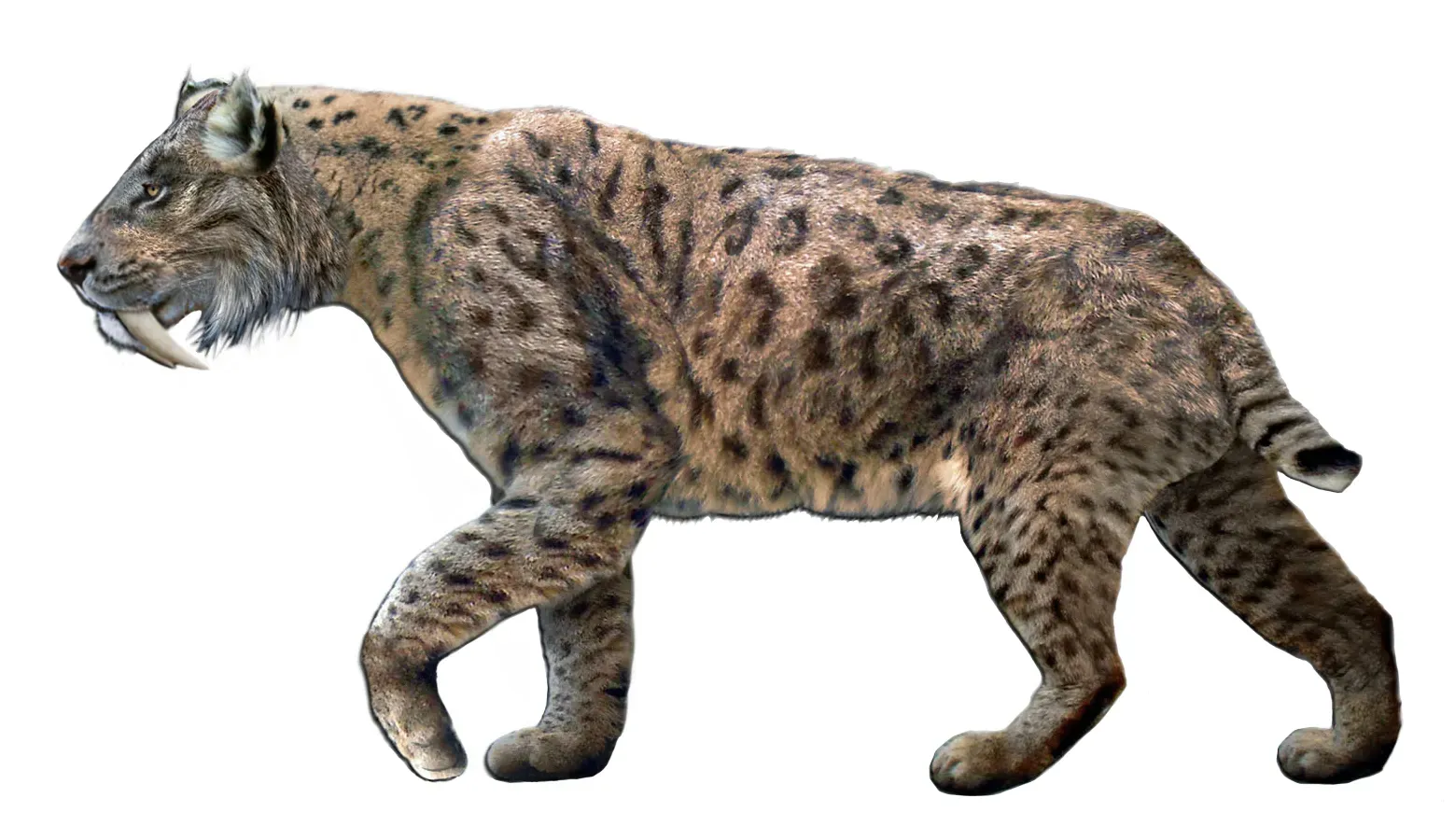
When most people picture a saber-toothed cat, they imagine a sort of oversized, super-tough lion with long fangs, and that is not entirely wrong. Smilodon fatalis prowled parts of North America with a robust body, muscular forelimbs, and those famous elongated upper canine teeth. They probably were not long-distance runners like cheetahs or wolves, but instead ambush predators that tackled large prey at close range, pinning them with their forelimbs before going for vulnerable spots. Fossil sites loaded with Smilodon bones and injured prey hint at a life full of high-risk, high-reward hunts.
Drop saber-toothed cats into modern national parks and everything about wildlife tourism would change overnight. Safaris in places like Yellowstone or Big Bend might involve armored vehicles and strict curfews, more like some lion-heavy reserves in Africa. Ungulate behavior would shift too; elk, deer, bison, and pronghorn would likely avoid dense cover near trails, hugging open ground where they could watch for ambushes. Personally, I think a glimpse of a Smilodon perched on a rock outcrop at dusk would be the sight of a lifetime, but I would also want very solid doors between me and those fangs while I was admiring it.
Glyptodonts: Armored Tanks Rolling Through Grasslands and River Valleys
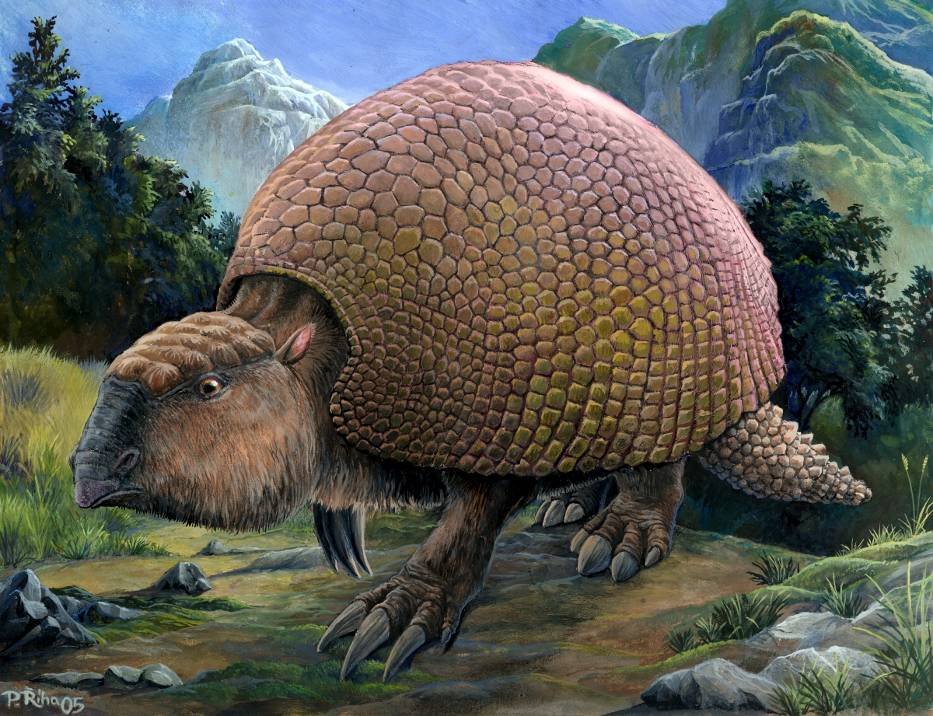
Glyptodonts look like something a video game designer would invent after mixing an armadillo, a tank, and a garden shed. These heavily armored mammals were more common in South America, but fossil evidence suggests some relatives and close cousins reached into parts of North America during the Pleistocene. They carried massive domed shells, sometimes several feet long, and some species wielded clubbed tails that could deliver bone-shattering blows. Despite their defensive gear, they were peaceful herbivores, trundling along to browse on low vegetation.
If glyptodonts were still around, parks like Big Bend, Saguaro, or even some river valleys in Texas and the Southwest would gain a truly surreal resident. You could picture them sunning near riverbanks like living boulders, surrounded by birds picking insects off their shells. Their constant grazing might create short “lawns” along river corridors, influencing how plants regenerate and how floodplains look after major storms. For visitors, seeing a glyptodont would feel like stumbling across a slow-moving relic from another planet, a reminder that evolution plays with much stranger shapes than anything we typically see on a weekend hike.
American Lions: Oversized Cats Stalking the Mega-Herds
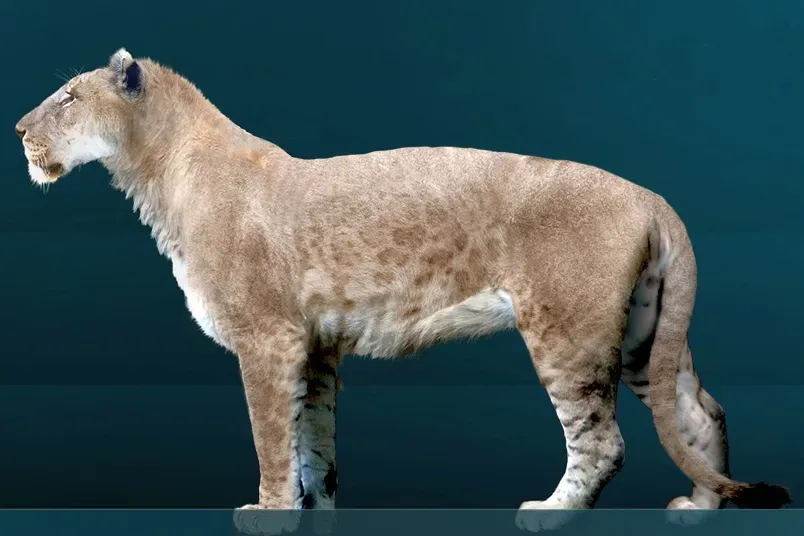
Among the most intimidating predators to ever walk North America was the American lion, Panthera atrox, which was larger than modern African lions and probably one of the biggest cats ever. Its fossils show up in places that were once open grasslands and woodlands, where it likely hunted large herbivores, possibly in groups or as a solitary ambush hunter. Even if its exact behavior is still debated, its body size alone tells you it was capable of taking down serious prey. Picture a cat with the mass of a big motorcycle and the instincts of a born hunter, and you are in the right neighborhood.
With American lions in the mix, major parks like Yellowstone, Banff, or Rocky Mountain would be true apex-predator playgrounds. Elk and deer herds might be smaller, leaner, and constantly on the move, chased not only by wolves and bears but by cats that could stalk them across open ground. Wildlife watching might involve large, elevated hides designed to safely observe lion kills from a distance. As someone who already feels a jolt of adrenaline when I see a mountain lion track on a dusty trail, I cannot even imagine the thrill, and cold fear, of knowing a much larger cousin might be watching from a nearby ridge.
Conclusion: A Wilder Past, a Humbling Perspective on the Present
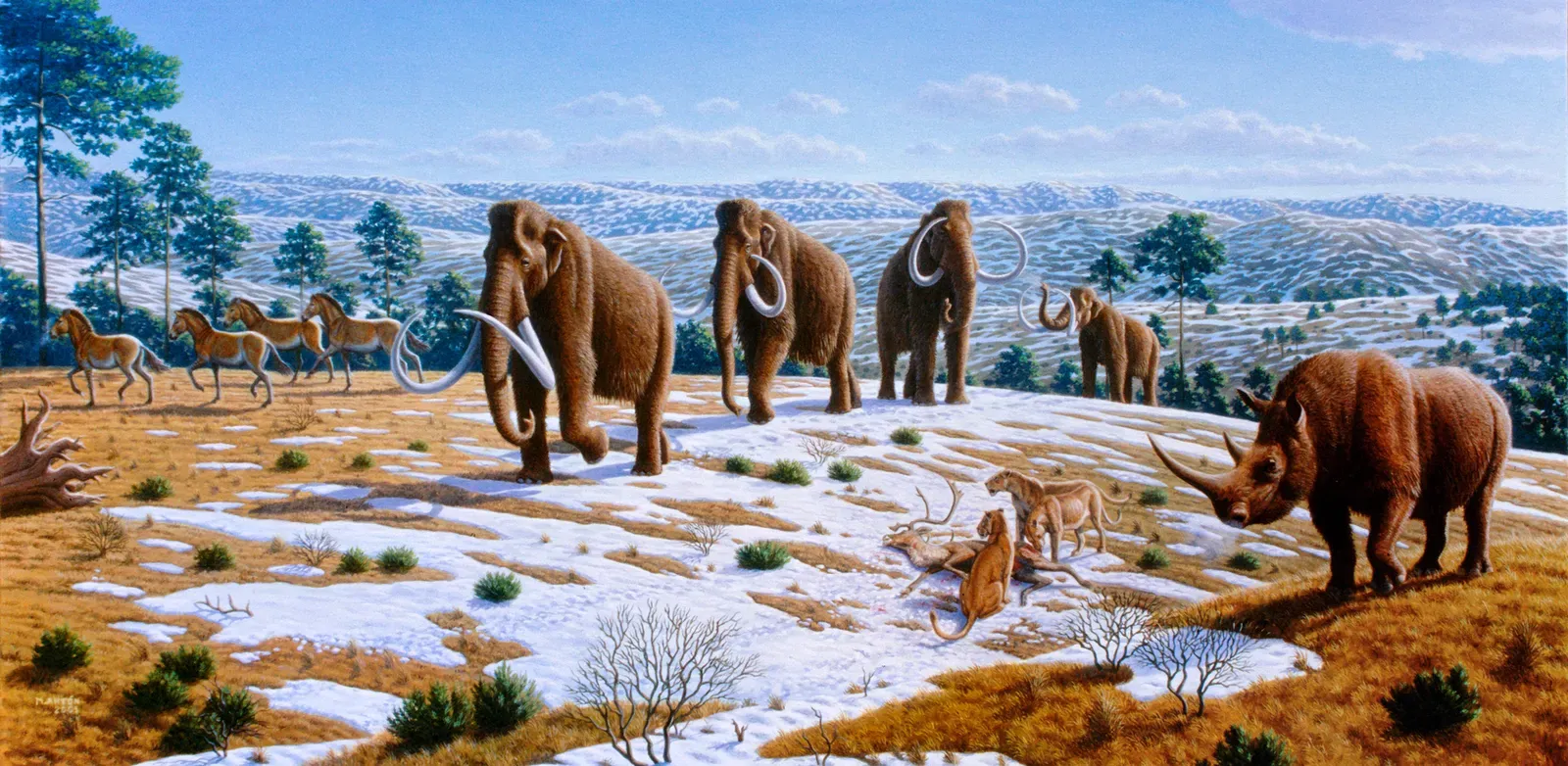
Thinking about these eight giants roaming today’s national parks is equal parts exhilarating and unsettling. On one hand, the idea of tracking a woolly mammoth herd at sunrise or watching a glyptodont waddle along a riverbank feels almost painfully beautiful, like something we were born too late to experience. On the other hand, living side by side with saber-toothed cats, short-faced bears, and American lions would make every hike, picnic, and backcountry trip a much riskier gamble than most of us are willing to accept. The parks we love today might feel tame by comparison, but they are also places where we can safely wander, learn, and fall in love with nature without needing an armored escort.
My own opinion, after digging into this lost world, is that the real transformation these giants offer us now is not physical but mental. They remind us that North America was once wilder, stranger, and more dynamic than the landscapes we see in brochures, and that our current “normal” is just a thin slice of time. We cannot bring back the exact past, and we probably should not try to fill every missing role with genetic experiments, but we can let these vanished animals sharpen our sense of wonder and our responsibility to the species that remain. When you step into a national park and it feels quiet, ask yourself: quiet compared to what?