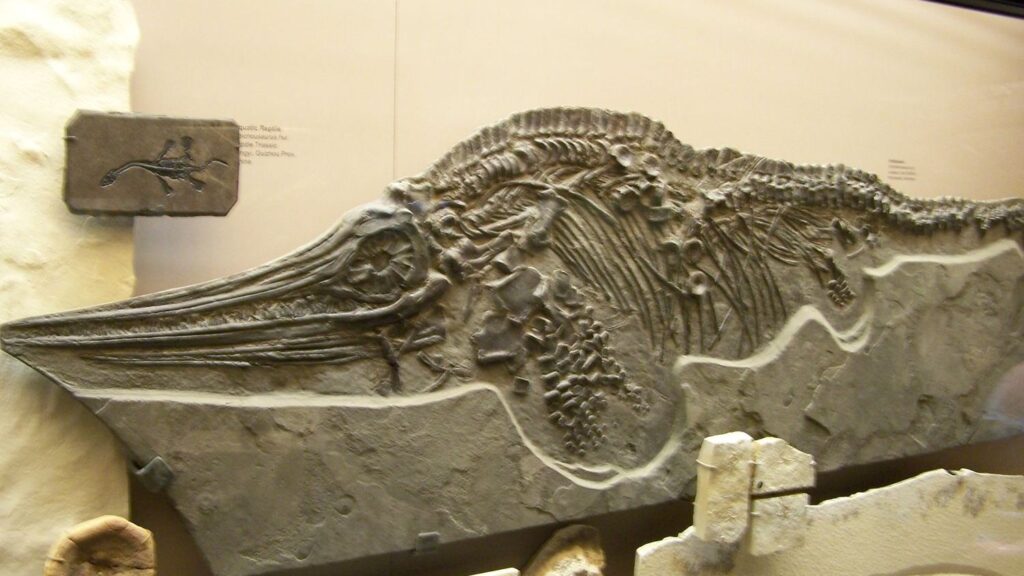
Picture a creature the size of a blue whale slicing through ancient oceans with massive eyes peering into the dark abyss. These weren’t whales though. They were reptiles that looked like dolphins, moved like sharks, yet belonged to a completely different branch of the evolutionary tree. Welcome to the world of ichthyosaurs, some of the most fascinating and frankly terrifying predators to ever patrol prehistoric seas. You’re about to discover facts that might completely change how you think about marine reptiles.
They Were Absolutely Massive
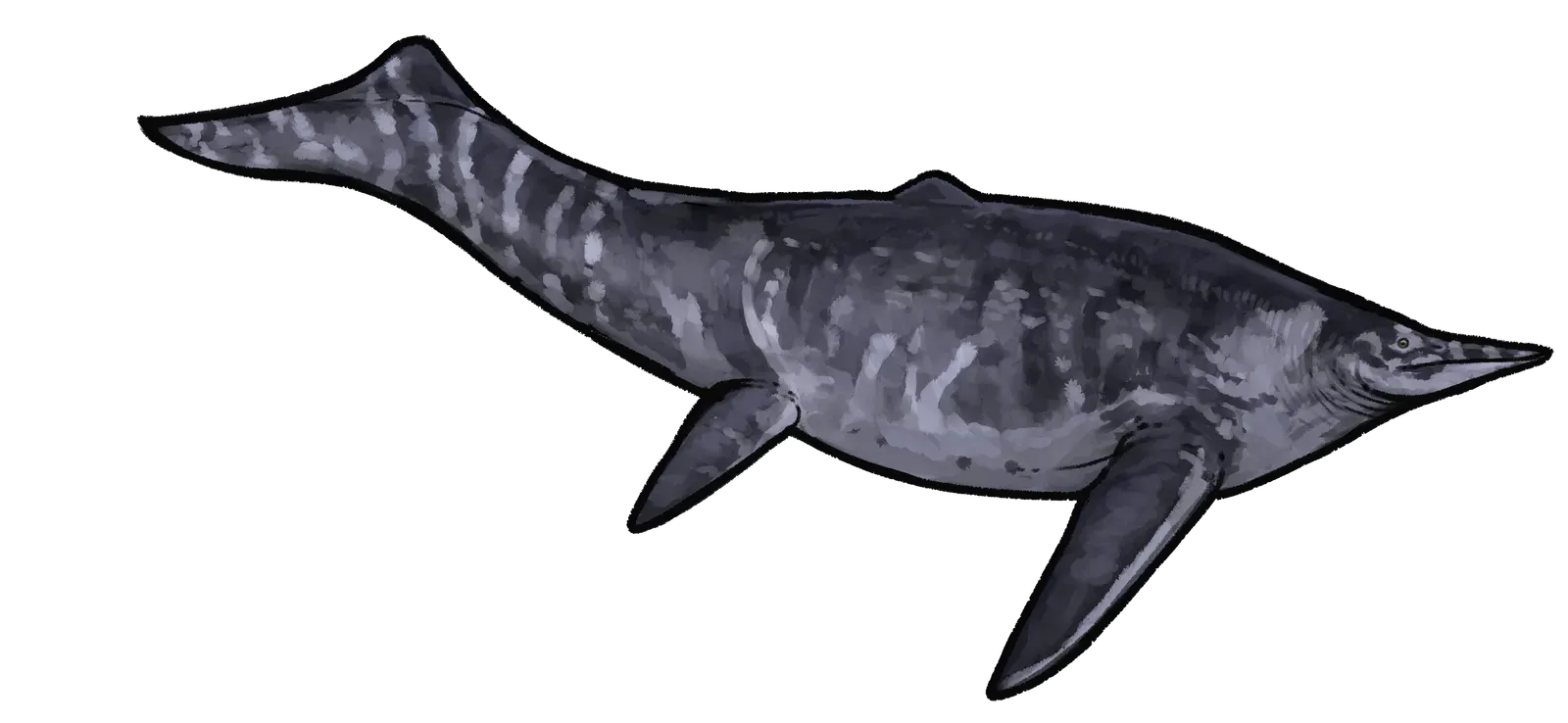
When we talk about the largest ichthyosaurs, we’re discussing animals that genuinely rival modern blue whales in size. The animal lived about 205 million years ago and was up to 85 feet long, which honestly sounds almost impossible for a reptile. Think about that for a second. Something nearly as long as a basketball court was swimming around when dinosaurs walked the earth.
Estimated to be more than 80 feet in length, paleontologists believe Ichthyotitan could be the largest ichthyosaur ever discovered. The creature known as Ichthyotitan was found in the UK based on jawbone fossils alone. Weighing as much as 80 tonnes and measuring more than 20 metres long, the marine reptiles were among some of the largest animals to have ever lived.
They Had the Biggest Eyes in History
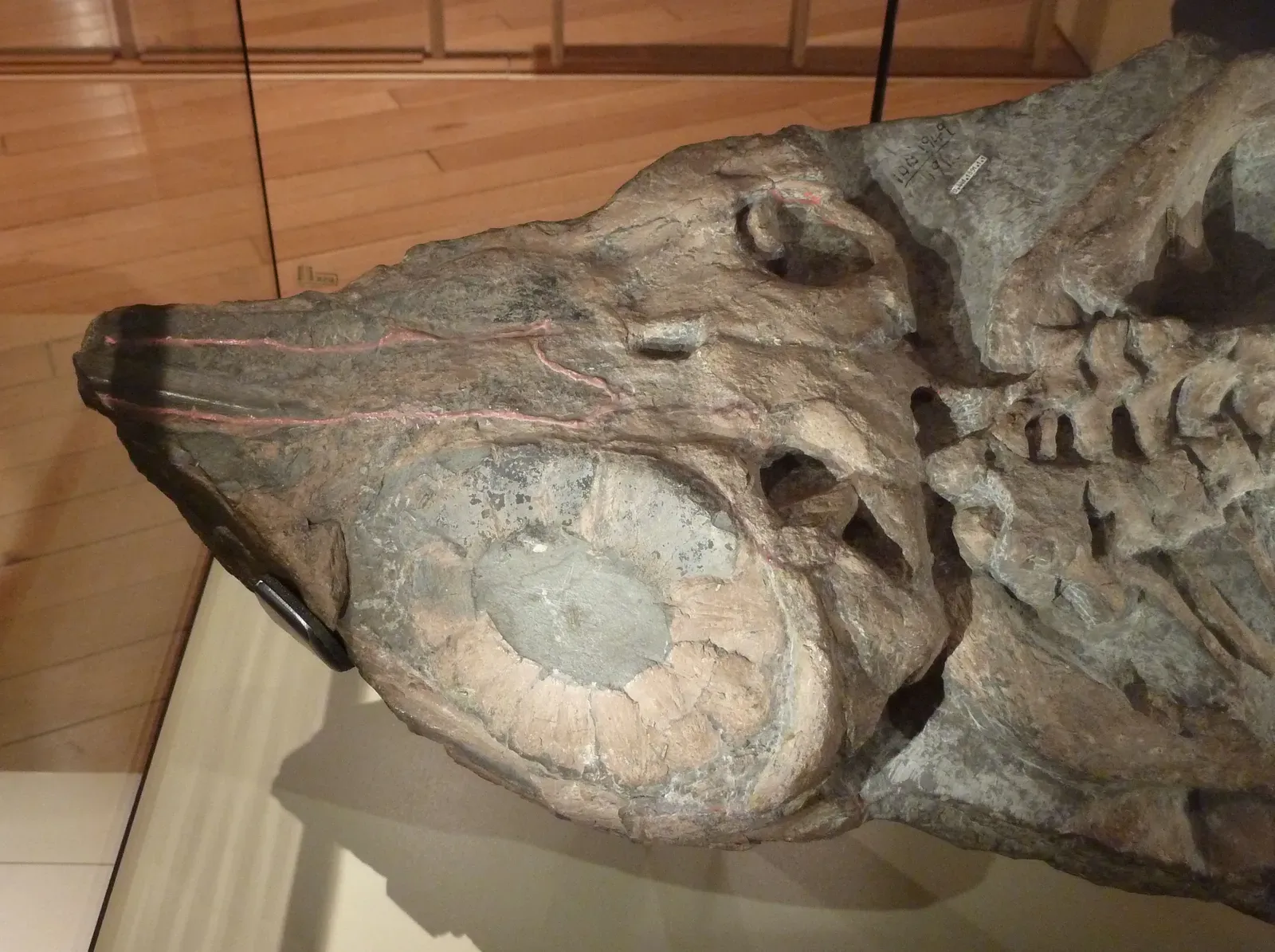
If you think the size of these creatures was impressive, wait until you hear about their eyes. Among vertebrates are both relatively and absolutely the largest known, ichthyosaur eyes were genuinely enormous compared to their body size. These weren’t just big for show either.
Those massive eyes served a very specific purpose. They allowed ichthyosaurs to hunt in incredibly dark environments where most other predators would be completely blind. Deep ocean hunting required exceptional vision, and evolution delivered exactly that. Some experts believe these marine reptiles could dive to extreme depths, following prey like giant squid into waters where sunlight barely penetrated.
They Gave Birth to Live Young
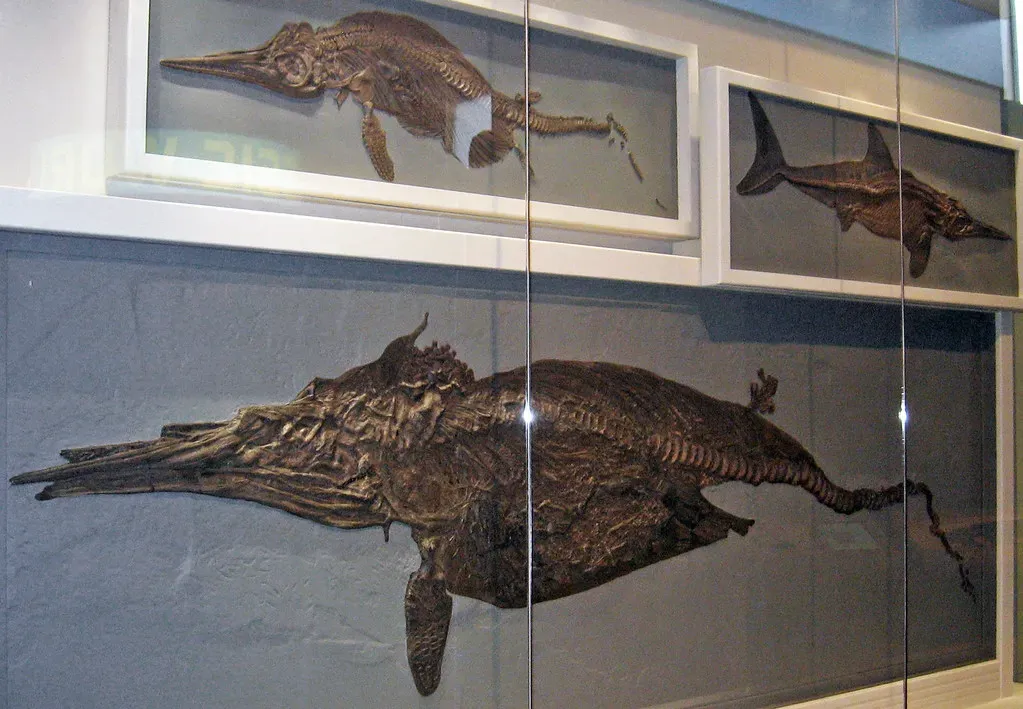
Here’s something that might surprise you. Unlike most reptiles that lay eggs on land, ichthyosaurs were completely adapted to ocean life. Some fossils still had baby specimens inside them, indicating that Ichthyosaurus was viviparous. They never needed to return to shore, not even to reproduce.
Fossil evidence reveals something even more fascinating about their birth process. The babies were born tail first, which prevented them from drowning during delivery. This adaptation shows just how committed these creatures were to marine existence. They had entirely abandoned the land their ancestors once walked on, becoming as aquatic as any fish.
Their Diet Was More Varied Than Expected
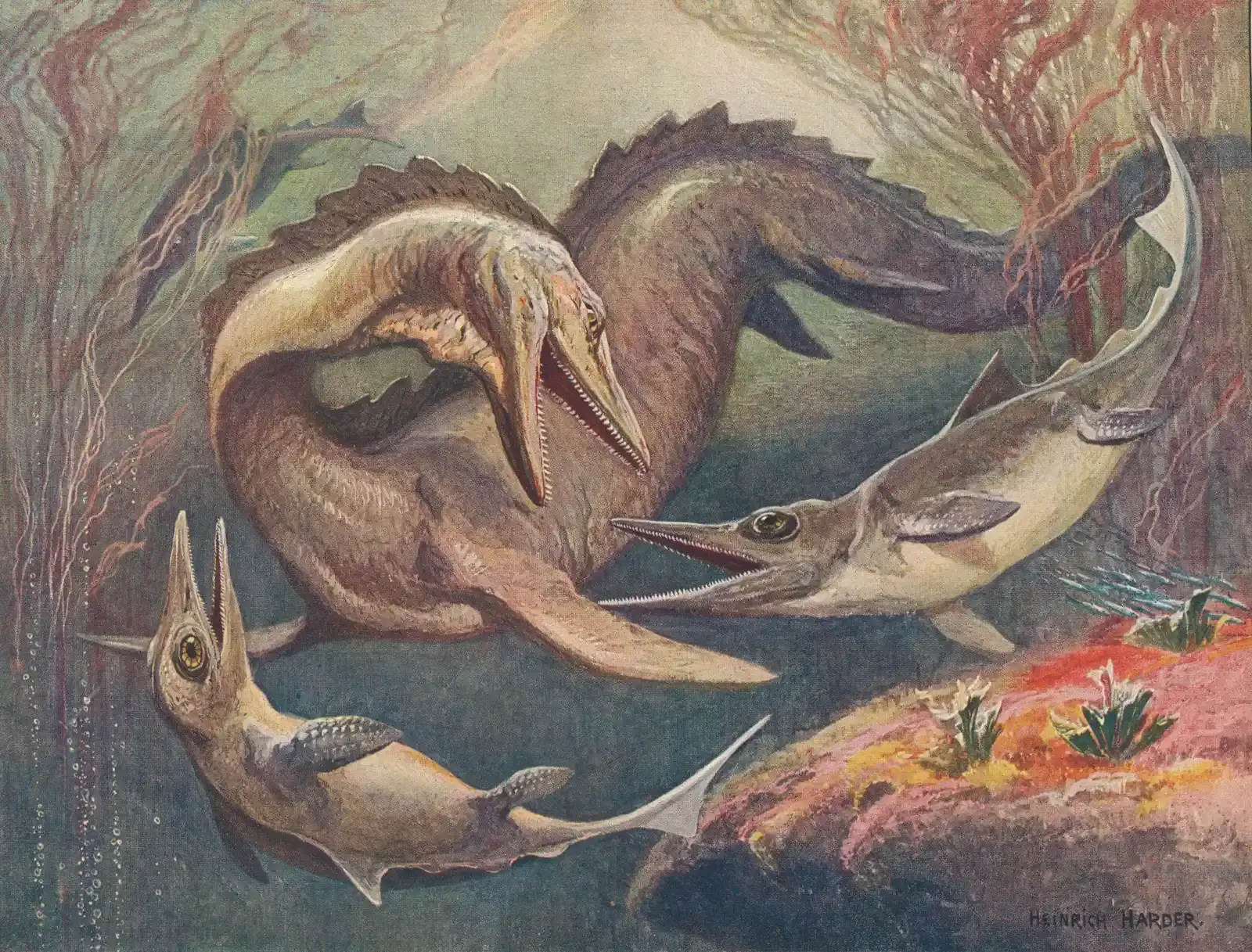
Their diet predominantly consisted of fish and squid, making them effective predators of their time. But honestly, that’s just scratching the surface. Different species had wildly different eating habits based on their jaw structure and tooth shape.
The newly described fossil suggests that early ichthyosaurs were among the Mesozoic era’s first “megapredators,” or large animals that prey on other large animals. Some species hunted other marine reptiles, including smaller ichthyosaurs. Stenopterygius specialized in slow biting of hard prey and Hauffiopteryx specialized in fast, but weaker bites on fast-moving, but soft prey. The variety in feeding strategies allowed multiple species to coexist without competing directly for the same food sources.
They Evolved Frighteningly Fast
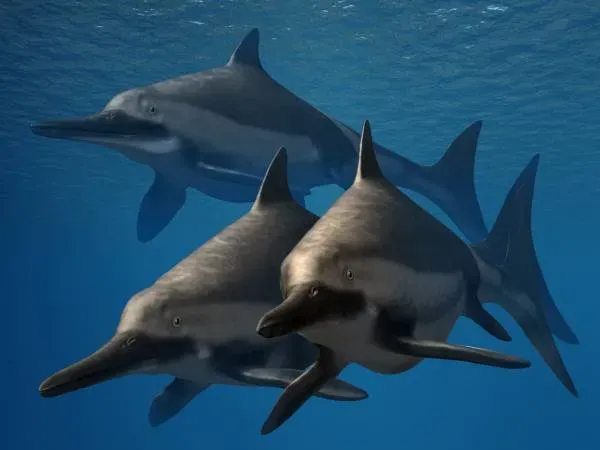
The speed at which ichthyosaurs reached gigantic sizes is genuinely mind-blowing. C. youngorum stalked the oceans some 246 million years ago, or only about three million years after the first ichthyosaurs got their fins wet, an amazingly short time to get this big. Three million years might sound like a long time, but in evolutionary terms it’s basically the blink of an eye.
While both cetaceans and ichthyosaurs evolved very large body sizes, their respective evolutionary trajectories toward gigantism were different. Ichthyosaurs had an initial boom in size, becoming giants early on in their evolutionary history, while whales took much longer to reach the outer limits of huge. This rapid evolution suggests that conditions in Triassic oceans were perfect for supporting massive predators right from the start.
They Survived One Mass Extinction But Not Another
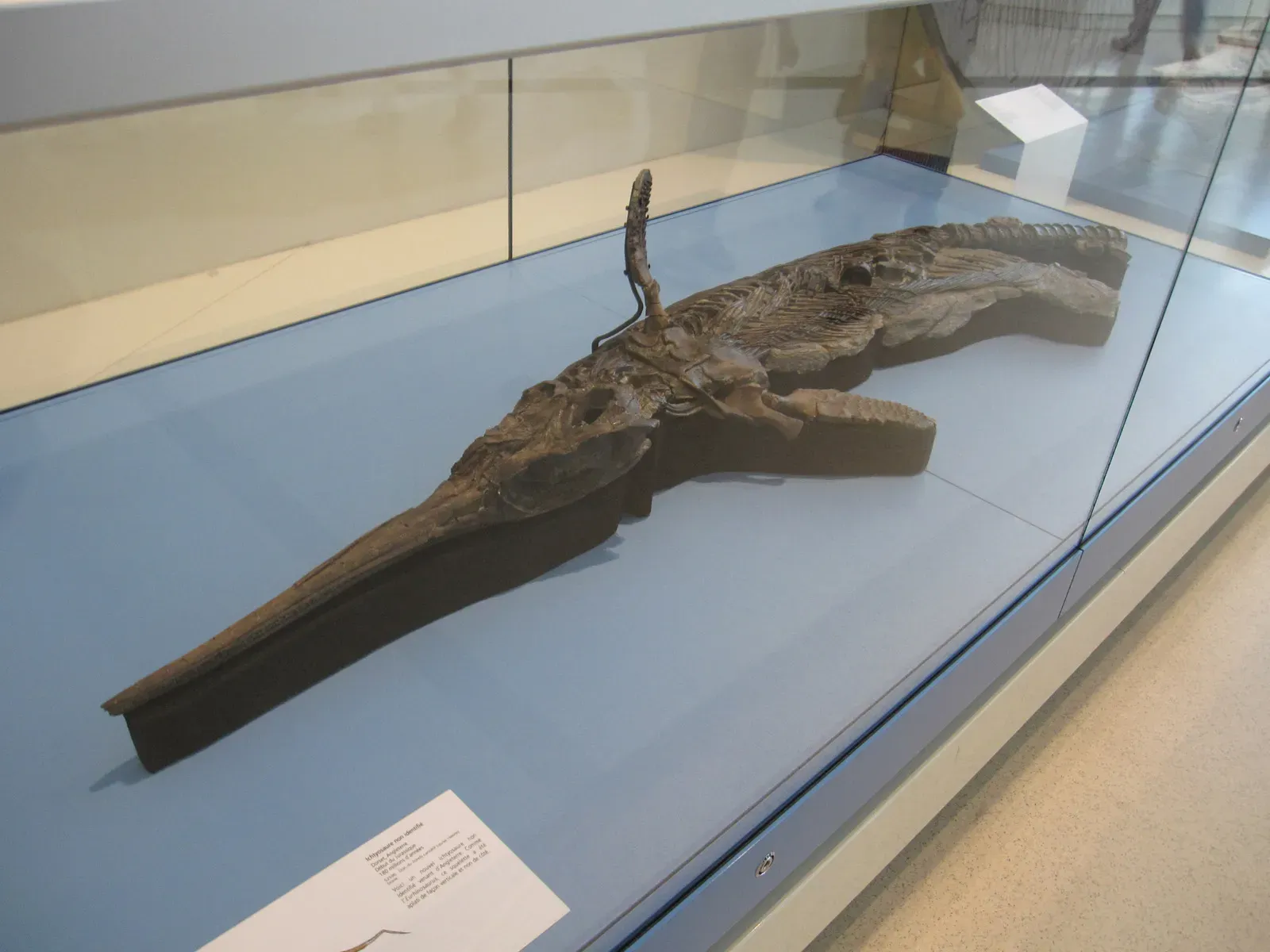
Ichthyosaurs had an incredibly long run as ocean apex predators. They first appeared around 250 million years ago and at least one species survived until about 90 million years ago, into the Late Cretaceous. That’s roughly 160 million years of dominance, which puts human existence to shame.
The end-Triassic extinction roughly 200 million years ago was brutal to these creatures. Ichthyosaurs passed through an evolutionary bottleneck at, or close to, the Triassic-Jurassic boundary, which reduced their diversity to as few as three or four lineages. Diversity bounced back to some extent in the aftermath of the end-Triassic mass extinction, but disparity remained at less than one-tenth of pre-extinction levels, and never recovered. The giant species disappeared entirely. Eventually, the last ichthyosaurs died out around 90 million years ago during the Cretaceous after they were unable to adapt to changes in the ocean and the extinction of some of their food sources.
They Looked Like Dolphins But Weren’t Related
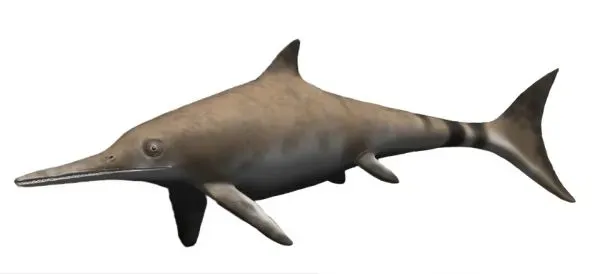
The resemblance between ichthyosaurs and modern dolphins is absolutely striking. Ichthyosaurs were ocean-going contemporaries of the dinosaurs, with body shapes superficially similar to dolphins. Yet they shared no evolutionary connection whatsoever. This is convergent evolution at its finest.
During the Early Triassic epoch, ichthyosaurs and other ichthyosauromorphs evolved from a group of unidentified land reptiles that returned to the sea, in a development similar to how the mammalian land-dwelling ancestors of modern-day dolphins and whales returned to the sea millions of years later, which they gradually came to resemble in a case of convergent evolution. Both groups independently evolved similar body plans because those shapes simply work incredibly well for aquatic hunting. Streamlined bodies, powerful tails, fins for steering. When the ocean demands a certain design, evolution tends to deliver it.
They May Have Been Warm-Blooded
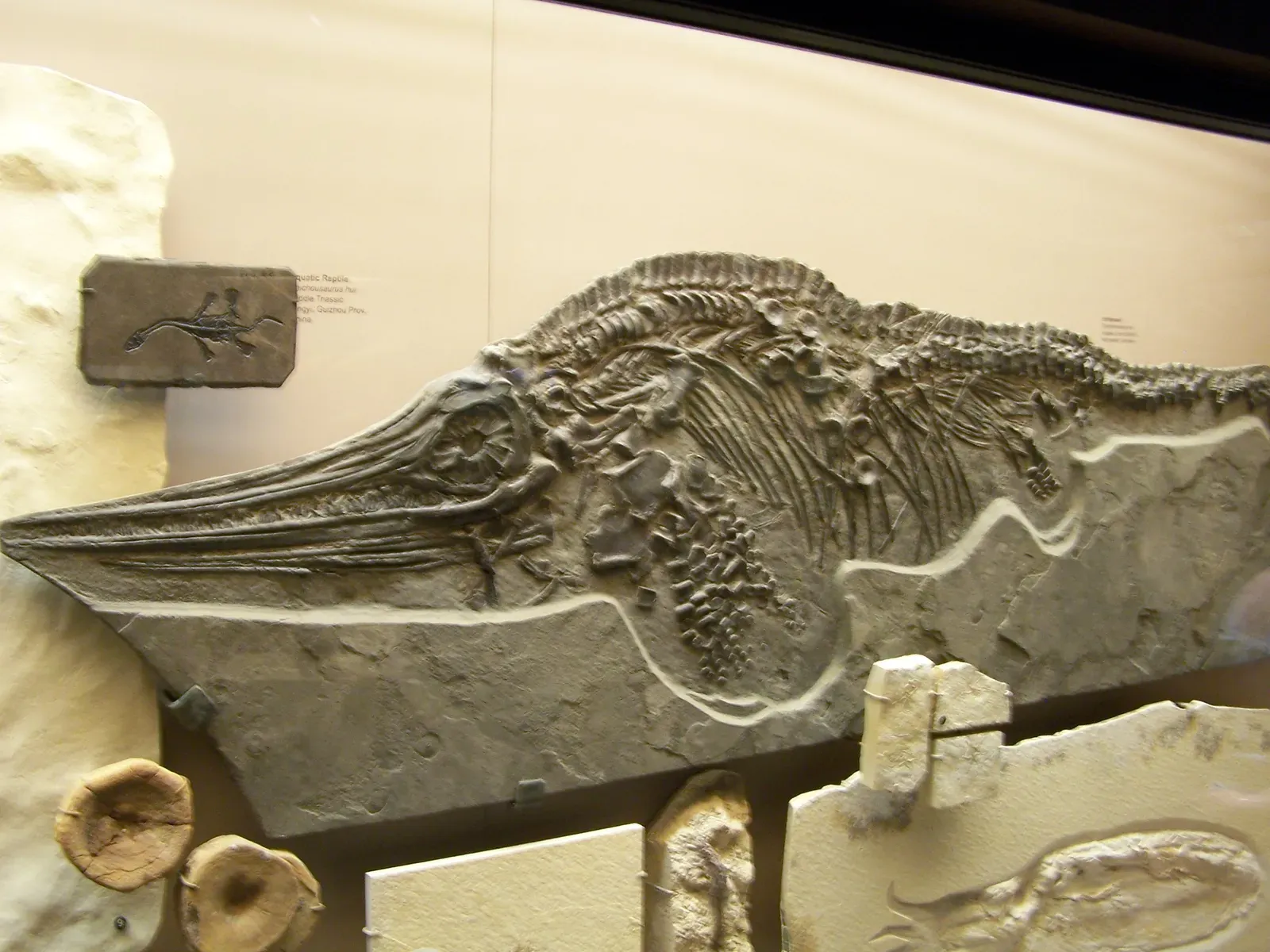
For decades scientists assumed ichthyosaurs were cold-blooded like most reptiles. Recent evidence suggests otherwise. Some direct evidence is available that ichthyosaurs too might have been endothermic. In 1990, Vivian de Buffrénil published a histological study, indicating that ichthyosaurs possessed a fibrolamellar bone structure, as with warm-blooded animals in general, typified by fast growth and a strong vascularisation.
Evidence of blubber discovered in fossilized ichthyosaur skin further supports this theory. Warm-bloodedness would have given them significant advantages for deep diving and hunting in cold water environments. The bone structure associated with rapid growth appeared even in Early Triassic species, suggesting these reptiles evolved this trait remarkably early in their evolutionary history. It’s honestly fascinating how much these creatures defied typical reptilian characteristics.
Conclusion
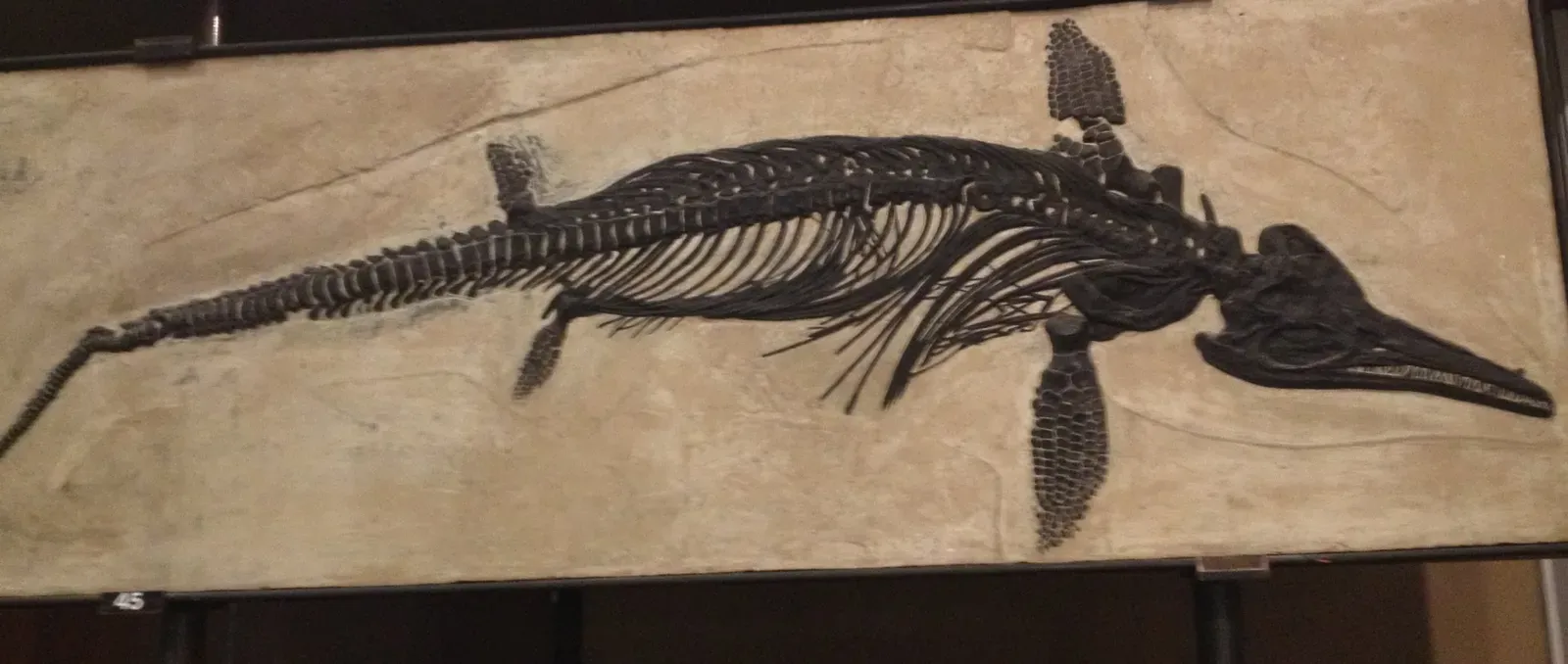
Ichthyosaurs represent one of evolution’s most successful experiments in marine adaptation. From landlubbing reptiles to blue whale-sized ocean predators in just a few million years, these creatures dominated prehistoric seas for over 150 million years. Their massive eyes, live births, varied diets, and possible warm-bloodedness made them remarkably advanced for reptiles.
The fact that we’re still discovering new species and learning surprising facts about them in 2026 shows how much mystery still surrounds these ancient giants. Every fossil tells a story, and ichthyosaurs have plenty more secrets waiting to be uncovered. Did you expect these prehistoric sea monsters to be quite so remarkable? What do you think about their incredible evolutionary journey?