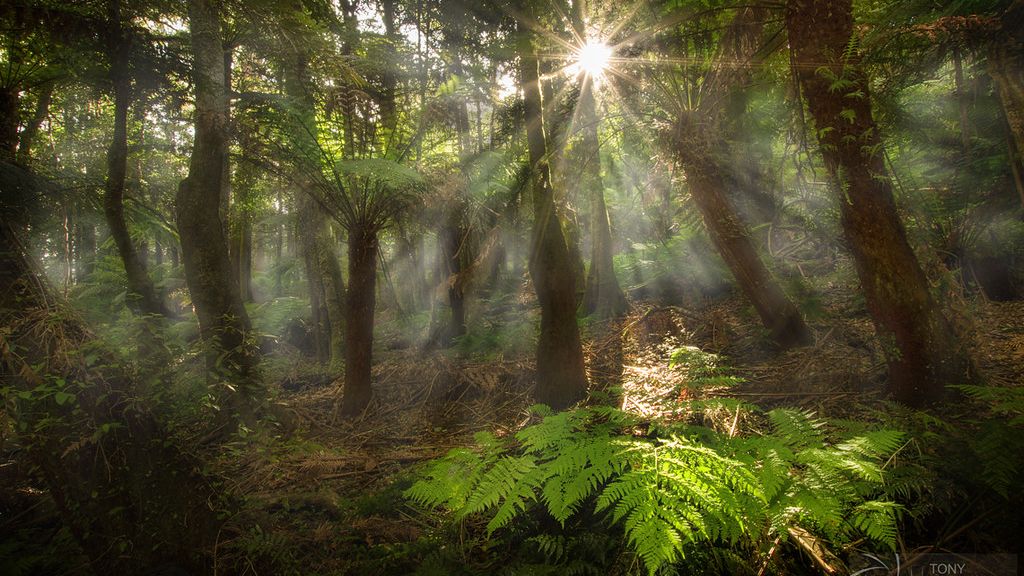
Imagine a world with no flowers, no grasses, no fruit-laden trees – just an ancient, lush, and impossibly dense landscape of towering ferns, alien-looking cycads, and cathedral-like conifer forests stretching in every direction. That was the world Earth’s giant herbivores called home. These plant-eating titans didn’t just survive on whatever was available. They thrived on it, growing to sizes that still boggle the mind today.
Plants like Equisetum, Araucaria, Ginkgo, and Angiopteris are believed to have formed major parts of sauropod diets, while sauropods themselves relied almost exclusively on pre-angiosperm plants such as gymnosperms, ferns, and fern allies as food sources. If you’ve ever wondered what kept 70-ton creatures fueled and functioning, the answer is a lot more surprising than you’d expect. Let’s dive in.
Cycads: The Palm-Like Power Food of the Jurassic
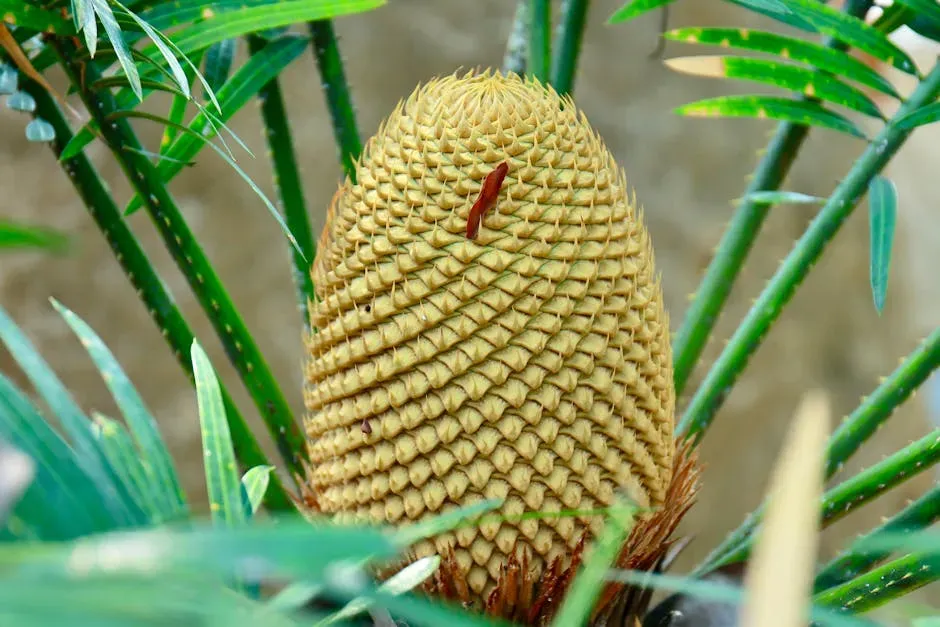
Here’s the thing – if the Mesozoic Era had a “signature plant,” cycads would win that title without contest. Cycads, with their stout trunks and large, stiff leaves, bore a superficial resemblance to palms and were widespread during the Mesozoic. The era is sometimes called the “Age of Cycads” because of their abundance and diversity, particularly during the Triassic and Jurassic periods when they made up nearly a fifth of all the world’s flora.
During the Jurassic, cycads were incredibly diverse and widespread. You could find them in many different habitats, from coastal areas to inland forests. Some scientists actually call them “living fossils” because modern cycads look very similar to their Jurassic ancestors. For large ground-browsing dinosaurs like Triceratops, cycads were a regular part of the diet, alongside ferns and palms. Think of cycads as the ancient world’s all-you-can-eat buffet – compact, accessible, and everywhere you looked.
Ferns: Ancient Ground Cover That Fed Millions
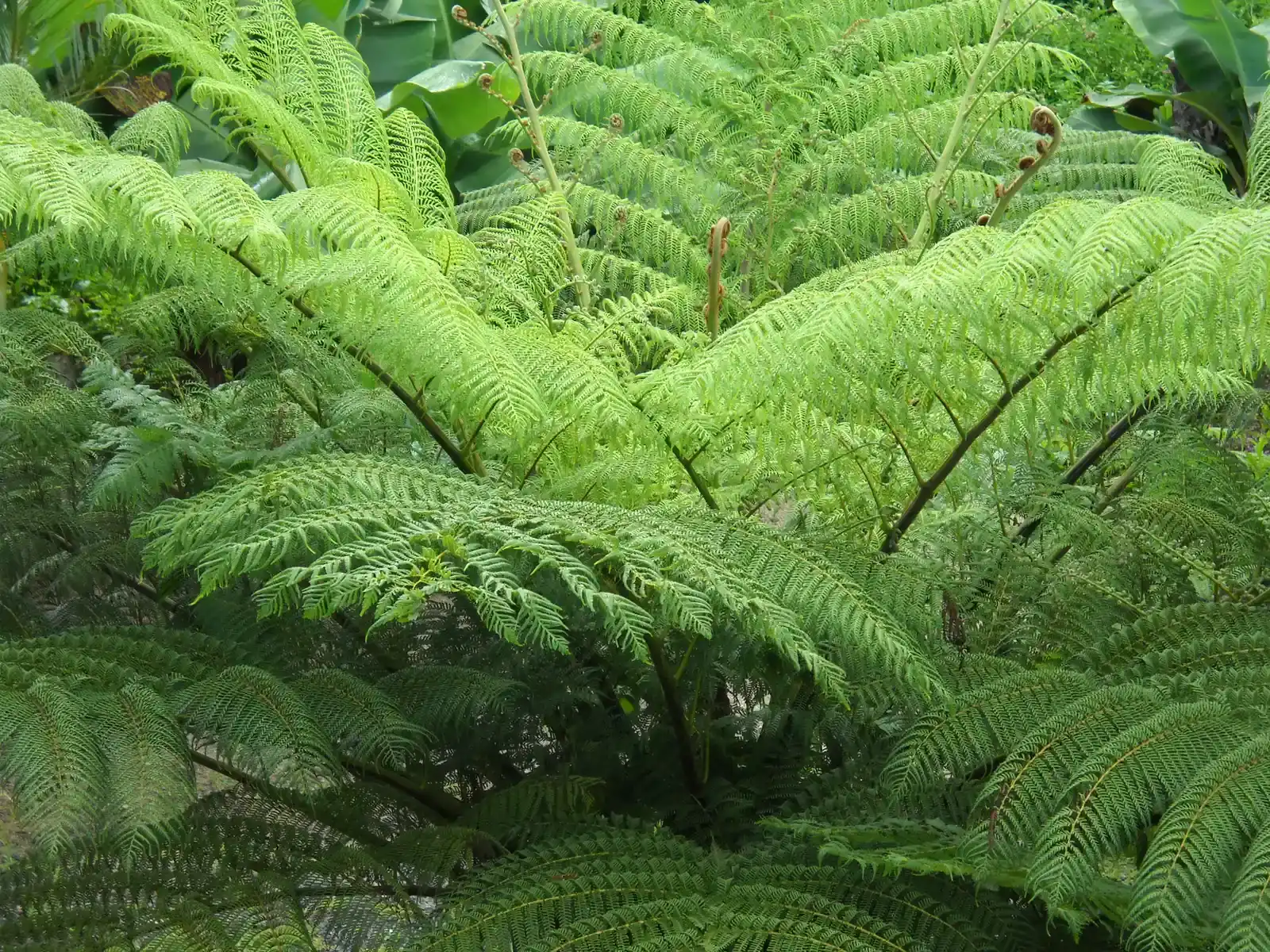
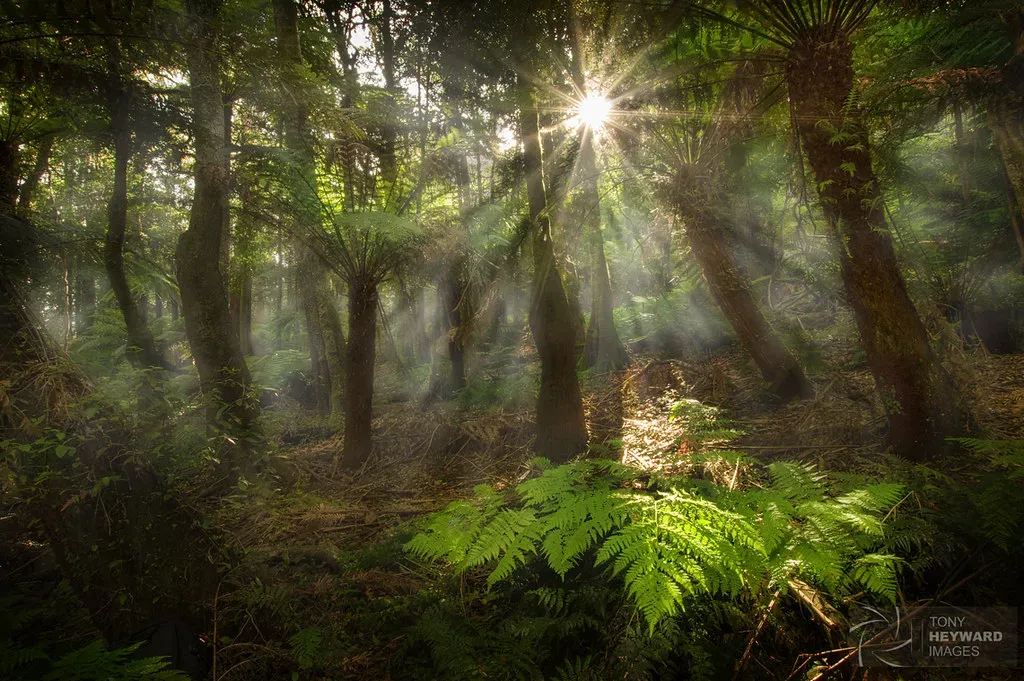
The ferns that grew during the dinosaurs’ reign actually predate these giant land creatures entirely. Ferns have been around for more than 300 million years. That kind of staying power is almost incomprehensible. They were, quite simply, the ground cover of the ancient world – the equivalent of grass in a modern savannah, carpeting the forest floor for as far as any dinosaur eye could see.
Pteridophytes like ferns were mostly low-growing during the Mesozoic Era. These fast-growing, resilient plants were a reliable source of food for plant-eating dinosaurs that lived in moist areas. Honestly, you can think of ferns as the ancient world’s convenience food – quick-growing, abundant, and easy to access. Studies using in vitro fermentation of Mesozoic flora have shown that gymnosperms, ferns, and fern relatives can be as highly digestible as angiosperm grasses and dicots. That finding completely changed how scientists understand the nutritional landscape available to prehistoric giants.
Horsetails (Equisetum): The Surprising Superfood of the Dinosaur Age
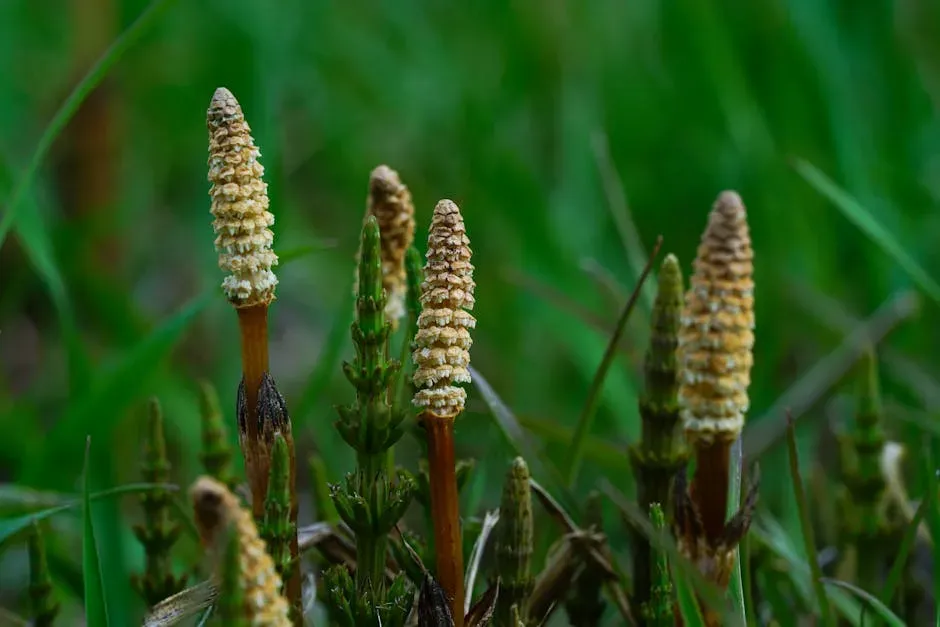
I know it sounds crazy, but the humble horsetail might have been one of the most important foods ever eaten on this planet. Equisetum, commonly known as the “scouring rush” or “horsetail,” has close relatives in the fossil record as far back as the Triassic. Research studying the digestive fermentation and calorie yield of modern Equisetum species has confirmed earlier studies suggesting it was an important, highly digestible, nutritious, and preferred food source for herbivorous dinosaurs in Mesozoic times.
Using a feed evaluation test for living herbivores, scientists have shown that the energy content of horsetails is at a level comparable to modern browse. That’s a remarkable finding. The long-necked, big-bodied sauropod dinosaurs comprise some of the largest terrestrial vertebrates to walk the Earth. These behemoths were herbivores that survived solely on plant material, and there has been long speculation as to what food resources could have supported their enormous size, particularly when young and growing fast. Horsetails, it turns out, may have been a key part of that answer – especially for juveniles.
Conifers: The Towering Titans of Prehistoric Forests
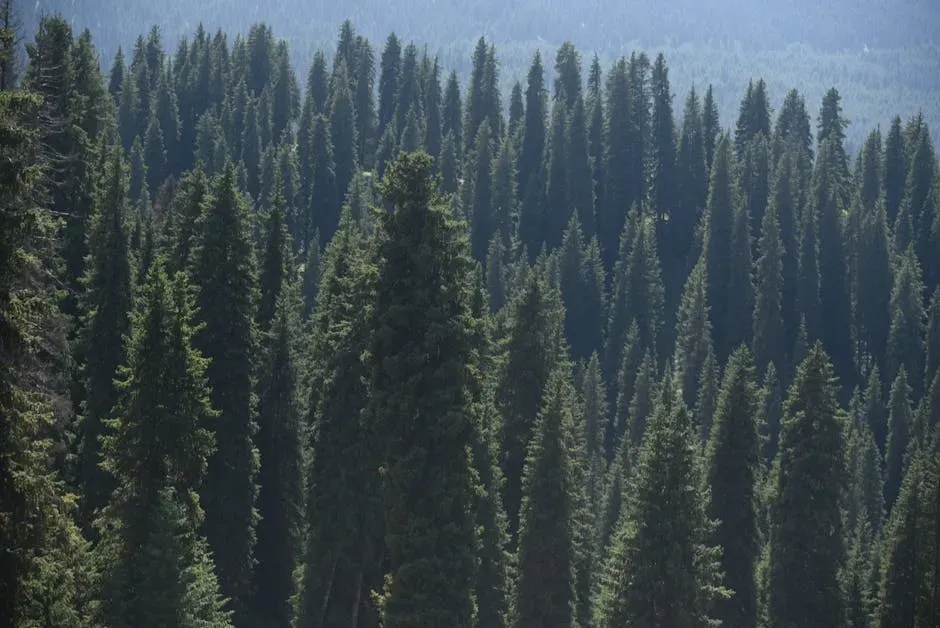
During the early and mid-Mesozoic Era, conifers emerged as the predominant tree types, forming vast forests across the globe. These cone-bearing trees, many of them evergreen, resembled modern pines, spruces, and firs. Ancient relatives of today’s sequoia and araucaria, the monkey puzzle tree, were widespread – with some araucaria species reaching a staggering 100 meters tall. Let that sink in for a moment. Trees taller than a modern 30-story building, packed into prehistoric forests, essentially forming a high-rise dining hall for the tallest creatures on land.
Conifers were probably among the most important food sources for dinosaurs, including the large sauropods. Mesozoic Era conifers included redwoods, yews, pines, the monkey puzzle tree (Araucaria), and cypress. If Brachiosaurus was warm-blooded, estimates suggest it would have required more than 440 pounds of conifer and cycad plant food each day, spending most of its time feeding. That’s roughly the weight of three adult male lions – consumed in plant matter, every single day.
Ginkgo Trees: The Living Fossil on Every Dinosaur’s Menu
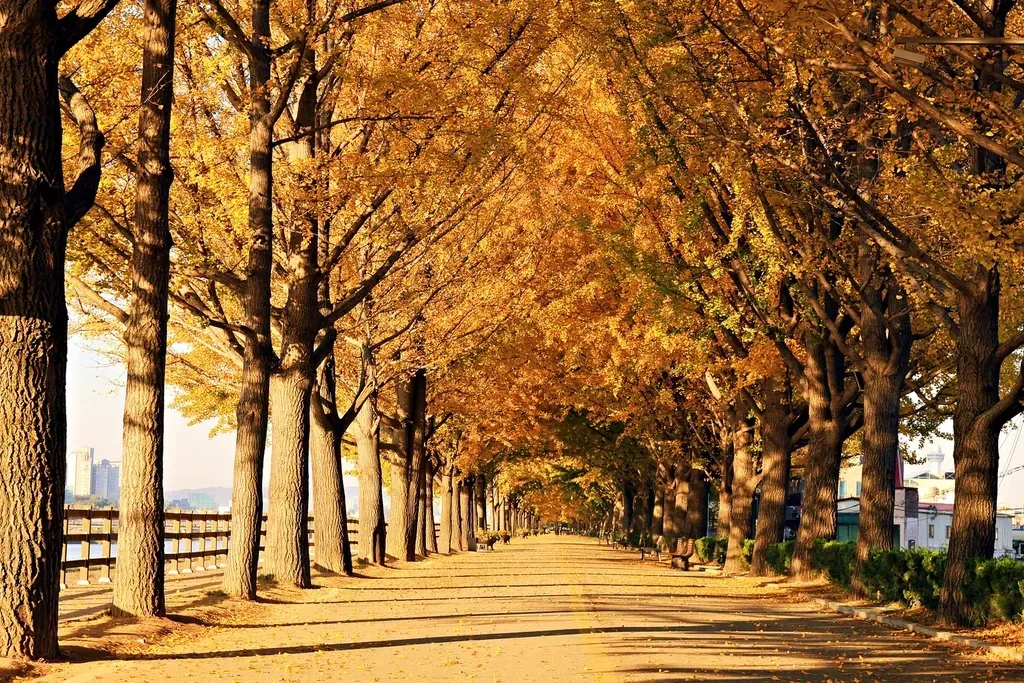
Walk through any city park today and you might brush past a ginkgo tree without a second thought. What you’re actually walking past, though, is a direct survivor from the age of dinosaurs. Modern Maidenhair trees, Ginkgo biloba, are considered “living fossils” because they look almost exactly like Jurassic fossils of ginkgoes. That’s not a minor resemblance. The leaves on your local street tree are virtually identical to those chewed by sauropods hundreds of millions of years ago.
Conifers and ginkgoes exploded in diversity during the Jurassic Period, from 201 to 145 million years ago. The ginkgo trees we see in parks and streets today have hardly changed since the Jurassic period. These “living fossils” have distinctive fan-shaped leaves that make them easy to recognize. Ginkgoes were important members of Jurassic forests, with tough leaves that could withstand harsh conditions, helping them survive when other plants couldn’t. That toughness made them dependable food sources, and Ginkgo has been shown to be as digestible as dicot leaf browse while also providing as much crude protein as grasses.
Araucaria (Monkey Puzzle Tree): Ancient Architecture for Hungry Giants
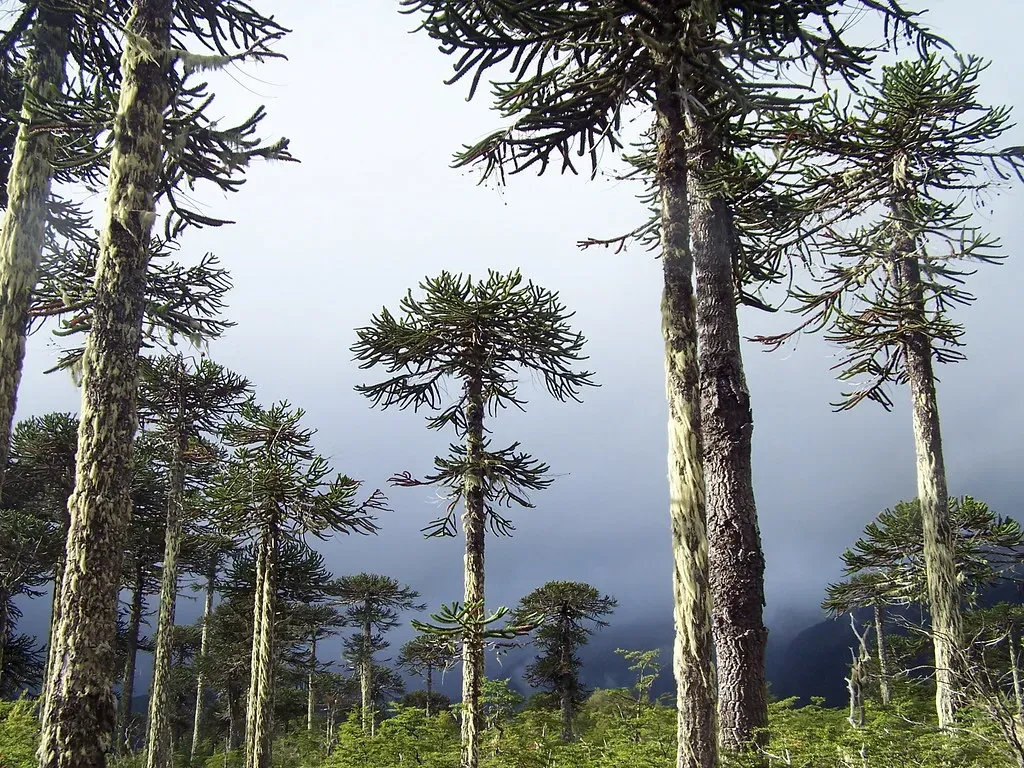
Picture a tree that looks like it belongs on another planet – and you’re already imagining the Araucaria. Ancient relatives of today’s araucaria, the monkey puzzle tree, were widespread, and fossil evidence indicates araucaria forests were abundant globally during the Jurassic and Cretaceous periods. These towering conifers provided extensive habitats and a primary food source for many herbivorous dinosaurs, shaping the very landscape through which they roamed.
Research results suggest that Araucaria, alongside Equisetum, Ginkgo, and Angiopteris, would have formed a major part of sauropod diets. Araucaria’s armor-like leaves were a likely food source for some of the Mesozoic’s large, long-necked sauropods. These tall trees are native to the Southern Hemisphere, though you may find some planted in your community today. There’s something both humbling and thrilling about knowing you can still stand under a tree that once fed a 70-ton dinosaur. Go ahead and check if one’s growing near you.
Seed Ferns: The Dominant Plants That Time Forgot
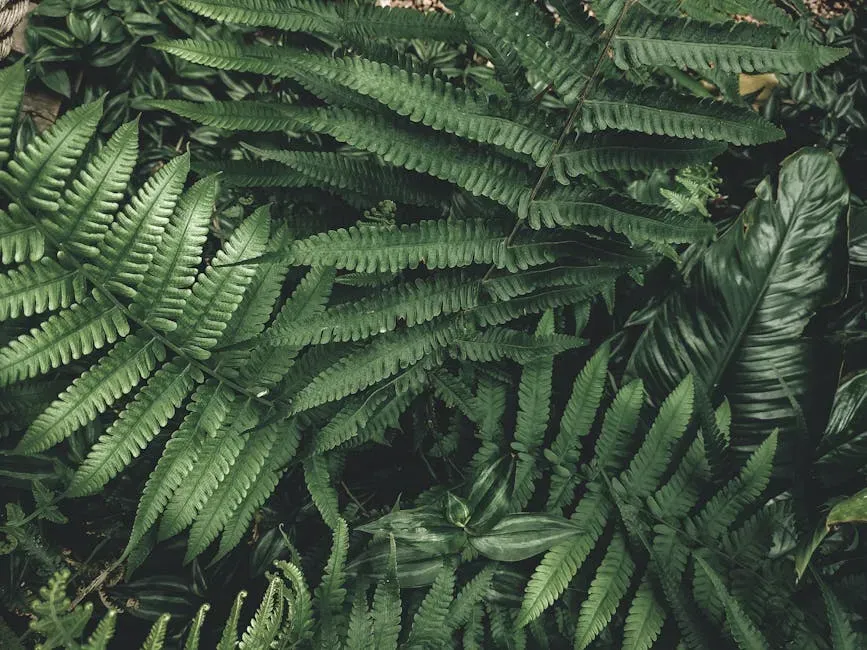
Seed ferns occupy a strange, fascinating corner of prehistoric botany. They looked like ferns but reproduced like seed-bearing plants – an evolutionary experiment that turned out to be wildly successful for a time. Seed ferns had fern-like leaves but bore seeds rather than spores. This group included Glossopteris, Dicroidium, Caytonia, Denkania, and Lidgettonia. Seed ferns dominated southern Pangaea during the Triassic period.
Among the plants that grew during the early dinosaur era were seed ferns, with strong, woody trunks allowing them to grow up to 12 metres tall and support a crown of branches. Their leaves were fern-like, but unlike ferns they reproduced using seeds, not spores. It’s hard to say for sure just how central these plants were to every herbivore’s diet, but given how dominant they were across vast stretches of land during the Triassic, large plant-eaters of that era almost certainly relied on them heavily. Seed ferns went extinct during the early Cretaceous period – leaving a gap in the prehistoric menu that other plants would rush to fill.
Early Flowering Plants (Angiosperms): The Game-Changer That Rewrote the Menu
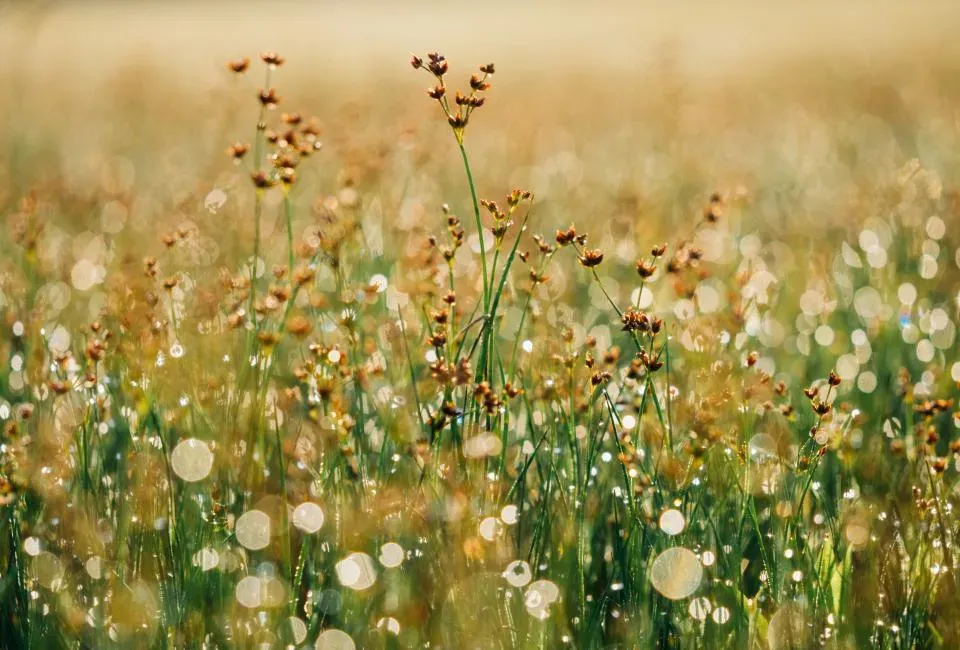
Everything changed when flowering plants arrived. Flowering plants appeared in the Early Cretaceous and would rapidly diversify through the end of the era, replacing conifers and other gymnosperms, such as ginkgoales, cycads and bennettitales, as the dominant group of plants. This was essentially a botanical revolution – a wholesale reshuffling of the prehistoric menu that came with enormous consequences for every herbivore alive.
Flowering plants ruled the Cretaceous period. These angiosperms included magnolias, sycamores, figs, beech, poplar, and palms, and consequently added quite a bit of diversity to a dinosaur’s diet. The Cretaceous climate was tropical and subtropical, perfect for these nutrient-rich flowering plants. Most of the dinosaurs that have been found date from the Late Cretaceous period, when flowering plants were supplying plant-eating dinosaurs like hadrosaurs with plentiful and nutritious food. Let’s be real – this dietary shift likely powered some of the most diverse and successful dinosaur populations ever to walk the Earth. It was nature’s version of upgrading from basic rations to an all-inclusive feast.
Conclusion: The Plants That Made Giants Possible
You now know the real story behind the Earth’s most spectacular land animals. It wasn’t just their bones and muscles that made them giants – it was the extraordinary plants that fueled them. The development of plants was closely tied to the fate of the dinosaurs. Since most dinosaurs were plant-eaters, the nature and amount of available plants dictated whether a plant-eating dinosaur would thrive or die.
Adaptations to the plant life of their time – from the newly evolved flowering plants to ancient cycads and conifers – allowed Cretaceous herbivores to thrive. Their ability to efficiently process plant matter helped them grow to enormous sizes and play crucial roles in their ecosystems. The next time you walk past a ginkgo tree or a patch of ferns, take a second look. You’re staring at the same food that once powered the largest creatures to ever walk this planet.
Which of these prehistoric plants surprised you the most? Drop your thoughts in the comments – we’d love to hear what you think!