Picture soaring above ancient oceans on wings that span longer than a city bus, or diving through prehistoric forests with talons sharper than sword blades. These are not creatures of fantasy but real giants that once dominated the skies.
Before mammals became the primary predators on land, enormous birds held the crown as apex rulers of both air and earth. These winged titans evolved into forms so spectacular and deadly that they seem almost mythical today. Yet fossil evidence reveals their incredible hunting prowess, massive wingspans, and unique adaptations that allowed them to thrive for millions of years.
From oceanic wanderers with twenty-four-foot wingspans to forest hunters capable of taking down prey fifteen times their size, these aerial giants redefined what it meant to be a bird of prey. Let’s dive into the remarkable world of these prehistoric sky rulers.
Pelagornis sandersi: The Ocean Giant with the Longest Wings

Flying above ancient seas some twenty-five to twenty-eight million years ago, Pelagornis sandersi boasted a wingspan that reached an astounding 20 to 24 feet. This massive wingspan was nearly twice that of the wandering albatross, which holds the record among living birds. The sheer scale of this ancient seabird becomes clear when you consider that its wings stretched as wide as a two-story building is tall.
What made Pelagornis sandersi truly remarkable wasn’t just its size but its specialized hunting equipment. The bird possessed tooth-like bony projections along its bill, called “pseudo-teeth,” which helped it grip slippery prey like fish and squid. These fearsome beaks lined with sharp pseudoteeth allowed them to catch seafood as they soared over ancient seas that had yet to be dominated by whales and seals. This oceanic predator was perfectly adapted for its marine lifestyle, spending its days patrolling vast stretches of open water in search of prey.
Argentavis magnificens: The Soaring Terror of South America
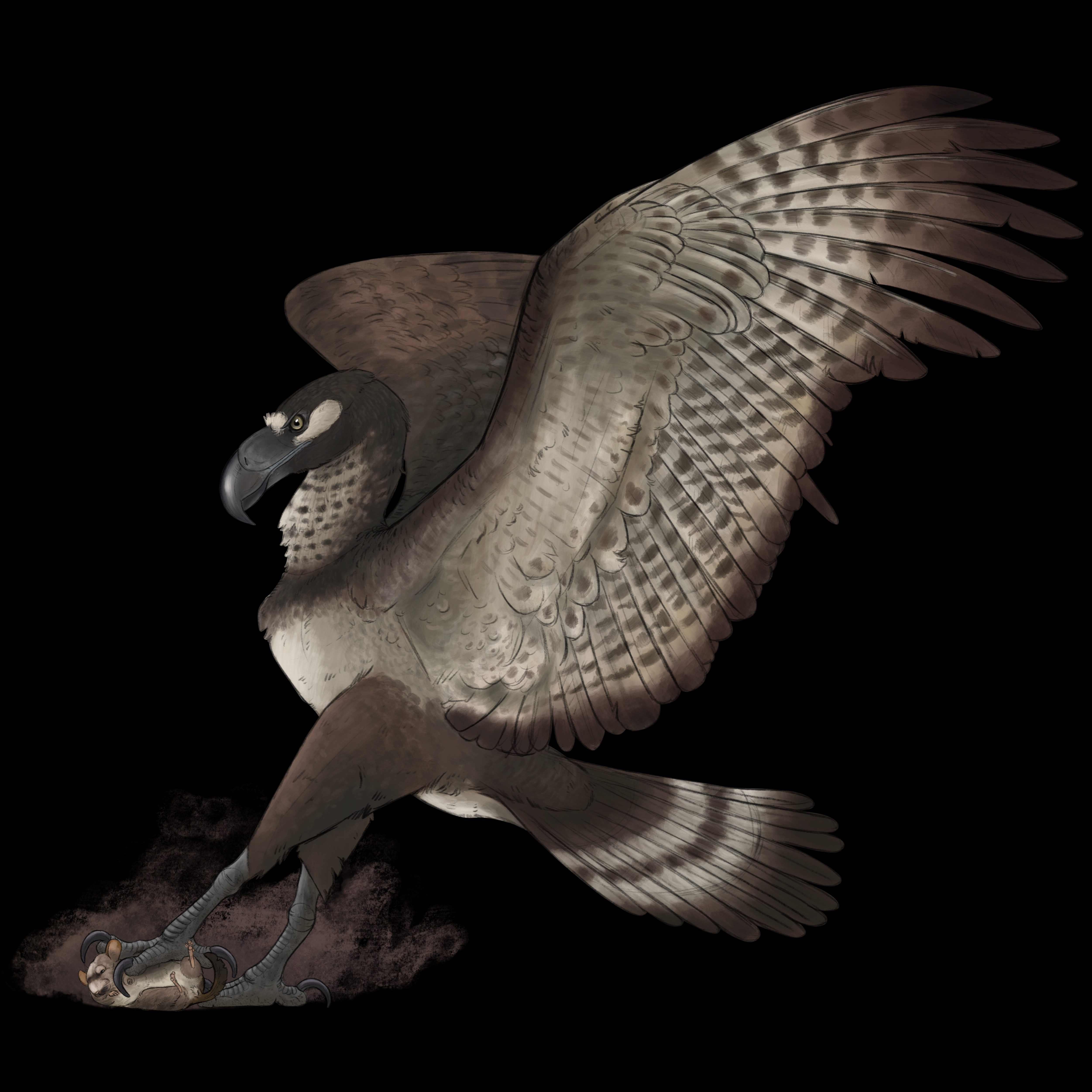
Known as the “giant teratorn,” Argentavis magnificens held the record for heaviest flying bird before being surpassed in wingspan by Pelagornis sandersi. This prehistoric giant had an estimated wingspan of 16.7 to 19.9 feet, making it a formidable presence in the skies above South America six million years ago. Early estimates placed its weight at around 120 kilograms, though subsequent studies suggest a more conservative 70 to 72 kilograms.
Unlike modern raptors, Argentavis was likely more scavenger than active hunter. This species seems less aerodynamically suited for predation than its relatives and probably preferred to scavenge for carrion, using its wings and size to intimidate other animals to take over their kills. It probably flew and lived much like the modern Andean condor, scanning large areas of land for carrion and utilizing thermal currents to stay aloft at speeds around 40 kilometers per hour.
Haast’s Eagle: The Forest Phantom of New Zealand
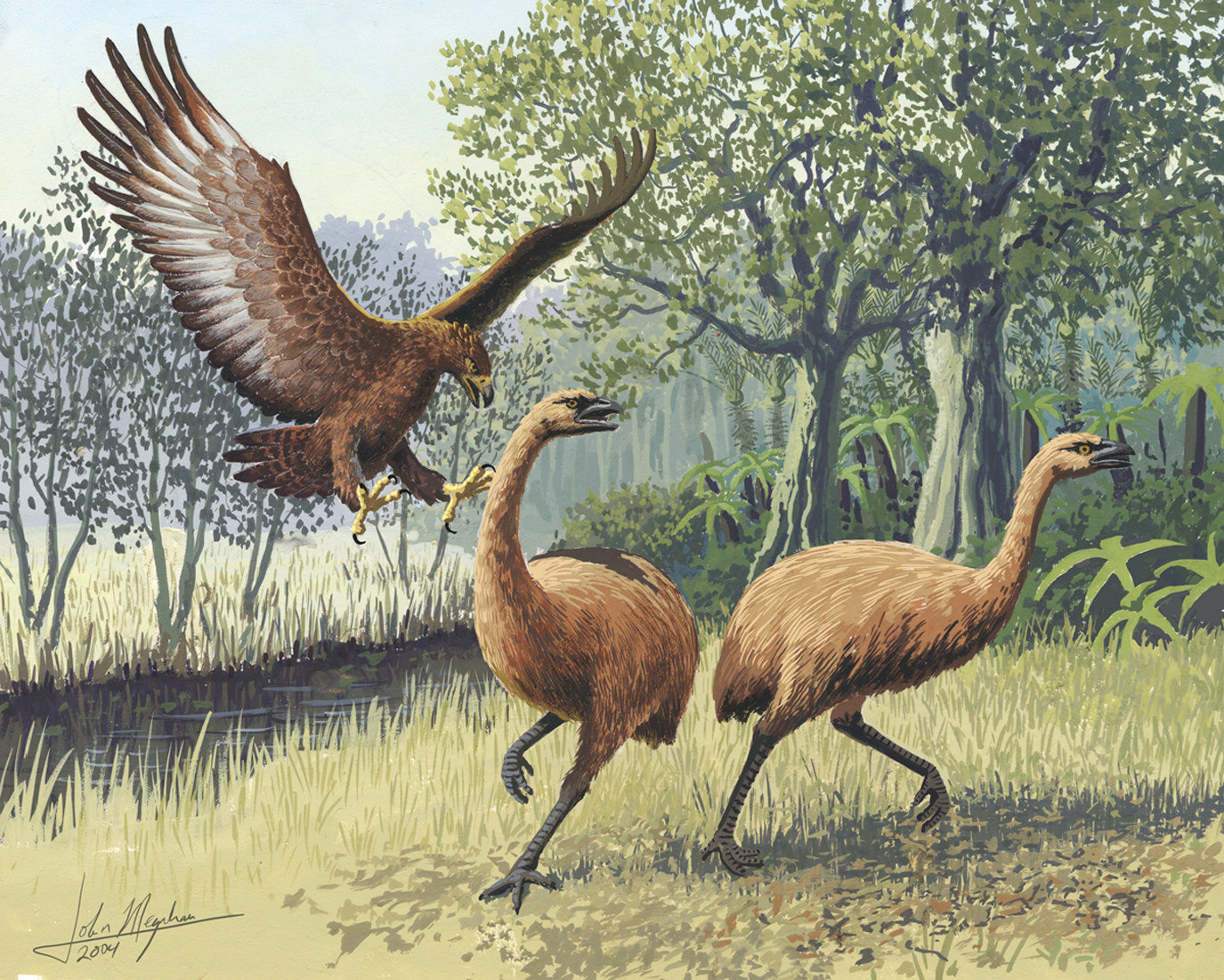
Haast’s eagle was the largest eagle known to have existed, with females weighing 10 to 18 kilograms compared to the next-largest living harpy eagle at up to 9 kilograms. With a wingspan reaching up to three meters, this spectacular predator soared through New Zealand’s forests for hundreds of thousands of years. What made this eagle particularly deadly wasn’t just its size but its incredible hunting adaptations.
This 15-kilogram predator used its huge talons to topple moa birds that could weigh hundreds of kilograms, tackling a hunting challenge no other raptor has ever faced. Its talons measured up to 11 centimeters long and were similar to modern eagles, indicating it was an active hunter rather than a scavenger. The eagle first used its massive talons to knock over and damage moa before delivering the killer blow with its beak, combining eagle-like and vulture-like hunting strategies.
Dromornis: Australia’s Thunder Bird
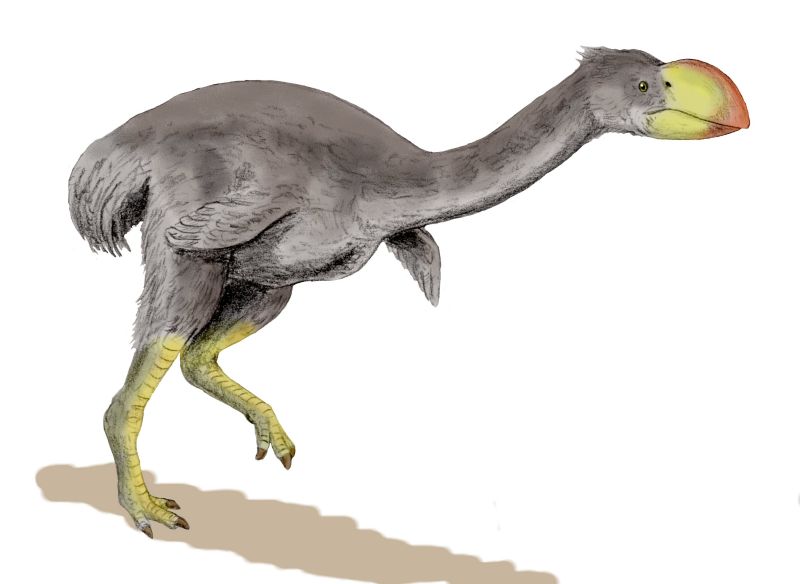
Known as the “Thunderbird” and “Demon Duck,” Dromornis was one of the largest birds that ever lived, with the largest species standing 3 meters tall and weighing more than half a ton. This Australian giant was dwarfed only by the elephant birds of Madagascar. Despite its massive size, evidence suggests this prehistoric titan was likely herbivorous rather than a predator.
Its bill was blunt and it had hoof-like feet rather than talons, suggesting it was most likely a herbivore rather than an apex predator like the terror birds. Still, the sheer size and strength of this bird would have made it a formidable presence in prehistoric Australia. Like many other flightless birds, it had a tiny brain relative to its massive body size, yet it survived successfully in its ecological niche for millions of years.
Kelenken: The Giant-Skulled Predator
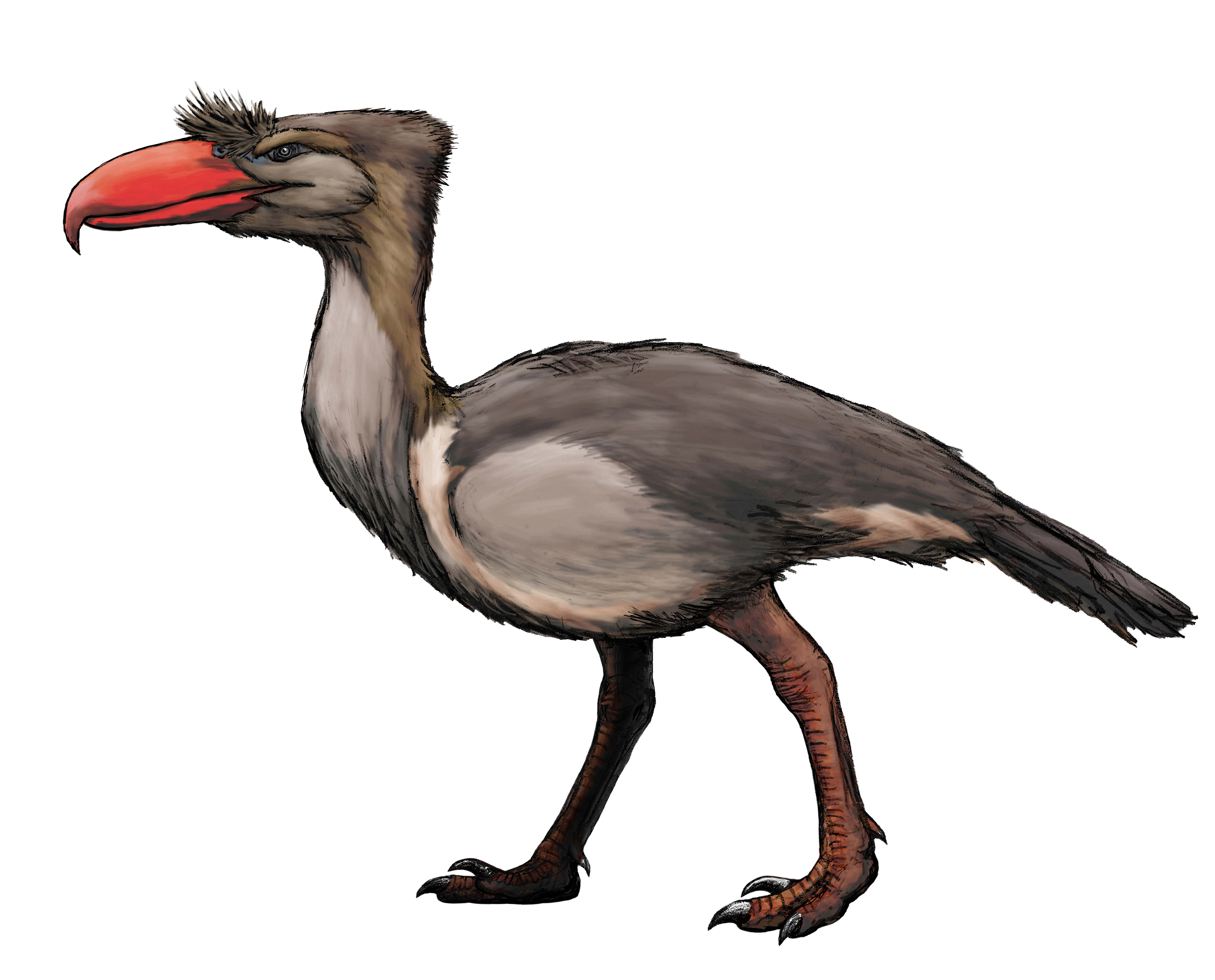
Standing over 3 meters tall with skulls measuring 71 centimeters, Kelenken represented one of the largest species among the terror bird family. Recent fossil finds in South America indicate that terror birds at least 10 percent larger than the already giant Kelenken once roamed the continent. This makes Kelenken a benchmark for understanding just how massive these prehistoric predators could become.
Unlike some potentially herbivorous giant birds, phorusrhacids like Kelenken possessed unmistakably predatory features including sharp, hooked beaks for tearing flesh, proportionally larger skulls, and bodies built for speed and agility. These formidable hunters dominated South American ecosystems for over 60 million years, making them the longest-reigning avian apex predators in Earth’s history. Their evolutionary success demonstrates how effectively birds could fill the role of large terrestrial predators when ecological opportunities arose.
Titanis: The North American Terror
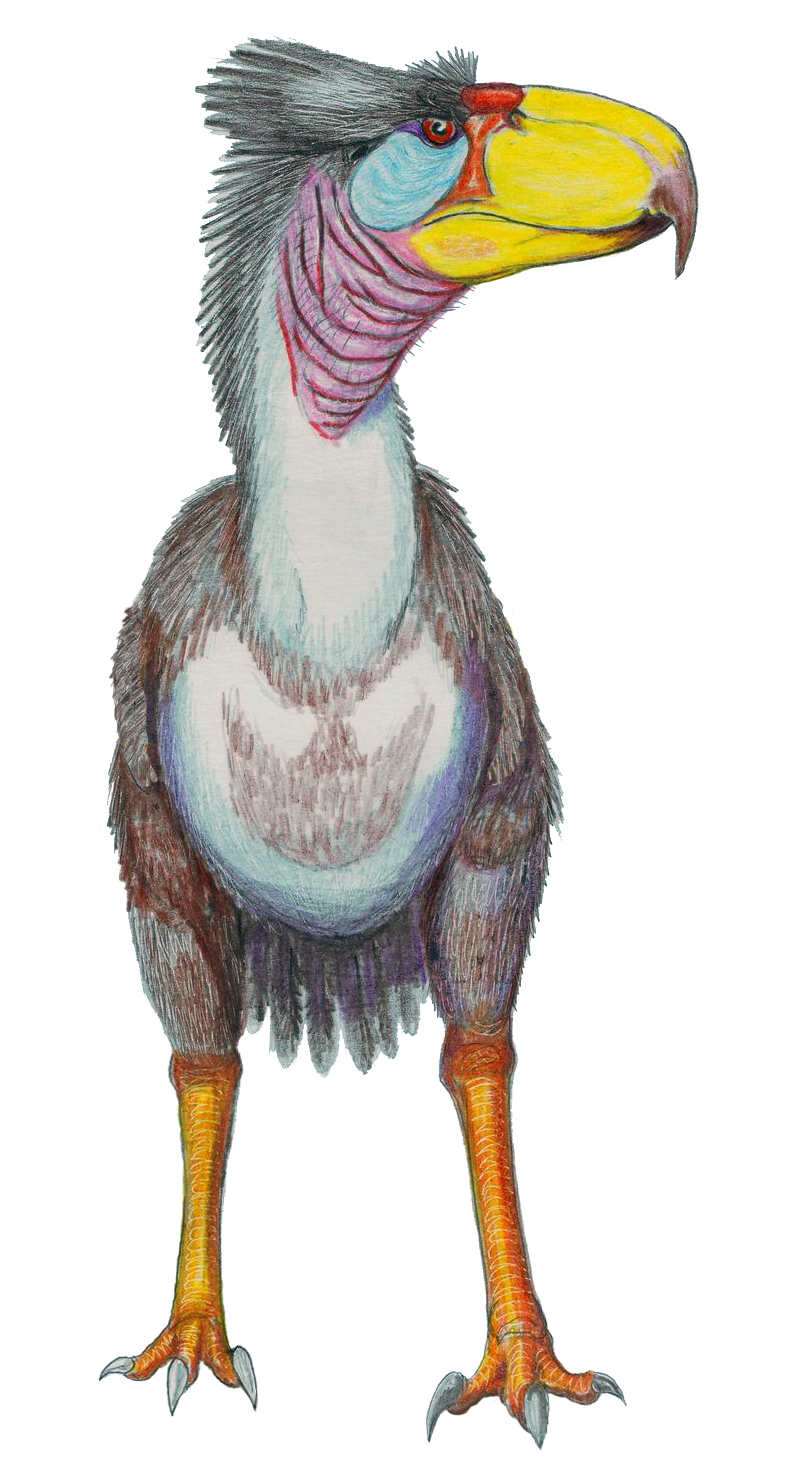
Titanis walleri extended the terror bird range into North America around 2.5 million years ago, following the Great American Interchange when the Isthmus of Panama formed and allowed fauna from both continents to migrate. This flightless prehistoric predator stood approximately 4.6 to 6.2 feet tall and preyed on creatures up to the size of small rabbits, swallowing them whole. This represented a significant expansion of terror bird territory beyond their South American stronghold.
Titanis used its feet to hold prey while tearing off and eating pieces, though its grip was not as forceful as many other birds of prey, and it became extinct at the end of the Pleistocene around 10,000 years ago. The arrival of Titanis in North America marked one of the last chapters in the terror bird saga, as changing climates and increasing competition with mammalian predators began to limit their success. Their relatively brief tenure in North America highlights how environmental changes could quickly impact even the most formidable prehistoric predators.
Conclusion

These eight prehistoric giants reveal an incredible chapter in Earth’s history when birds ruled supreme as apex predators. From the ocean-spanning wings of Pelagornis sandersi to the bone-crushing talons of Haast’s eagle, these magnificent creatures pushed the boundaries of what it meant to be a flying animal. Their remarkable adaptations and hunting strategies demonstrate the incredible evolutionary potential that emerges when ecological opportunities present themselves.
The extinction of these aerial titans reminds us how quickly dominant species can disappear when their environments change. Climate shifts, habitat loss, and competition with newly evolved mammals ultimately ended their reign, leaving us with only fossils to hint at their former glory. What strikes you most about these ancient sky rulers?