Picture yourself in a vast wilderness without maps, without supermarkets, without even a pocket knife. Now imagine not just surviving, but thriving. That was the reality for our ancient ancestors. They weren’t just enduring nature – they were reading it like a book, dancing with danger, and evolving alongside every challenge thrown their way.
The habits they formed weren’t casual choices. These were survival strategies forged over hundreds of thousands of years, patterns that literally shaped our bodies, brains, and social structures. Some of these practices might surprise you. They aren’t what you’d expect from popular media’s portrayal of “cavemen.” Let’s be honest, these ancient hunters were sophisticated problem solvers who’d put most of us modern folks to shame in the wilderness.
Running Prey Into Exhaustion
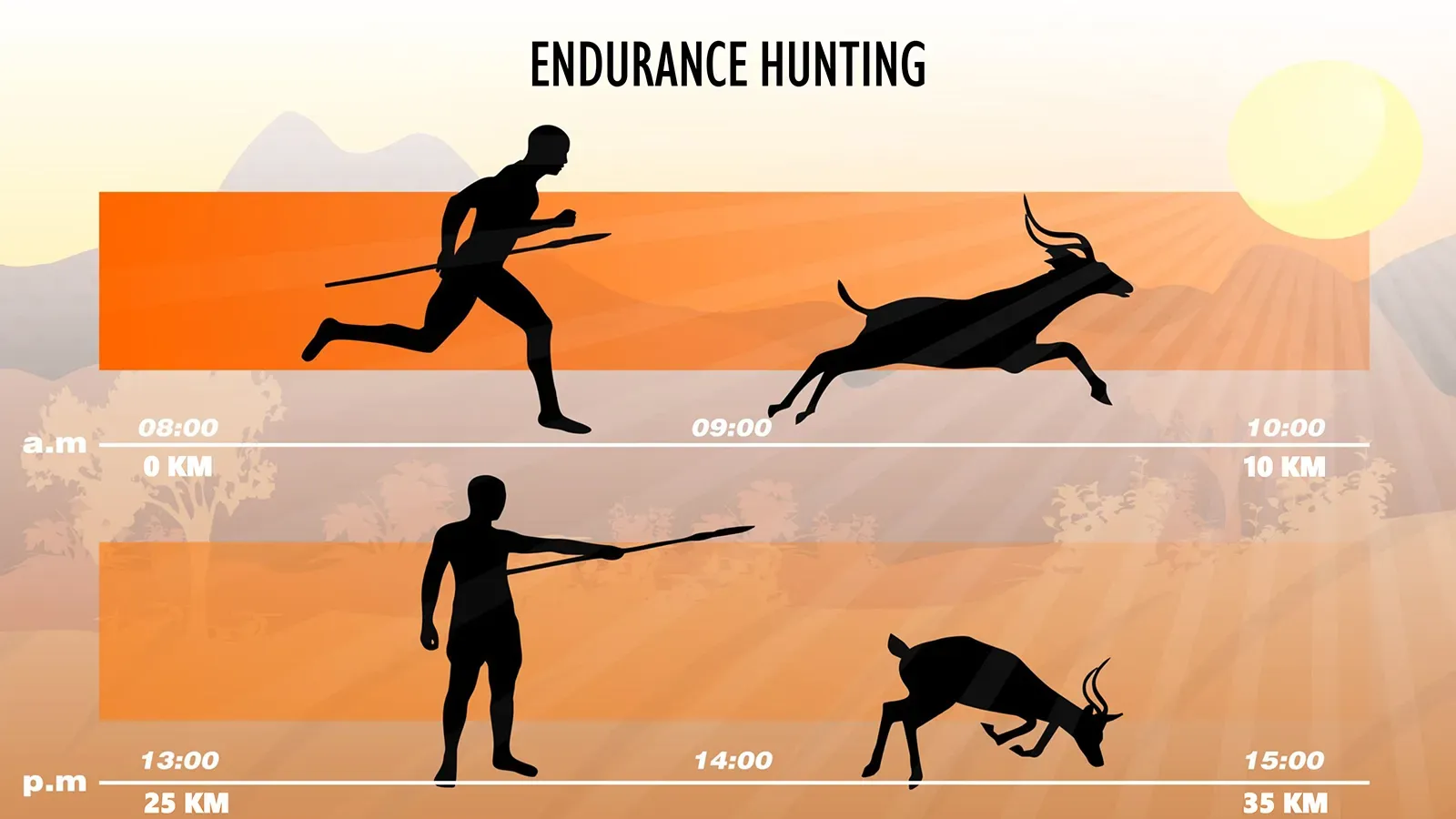
You might not realize it, but ancient hunters developed persistence hunting, a technique where they’d chase prey until the animal collapsed from exhaustion, heat illness, or injury. This wasn’t about being the fastest sprinter. Humans are actually some of the best long distance runners in the animal kingdom, with proportionally long legs and specialized cardiovascular systems that gave our ancestors an edge most animals couldn’t match.
Researchers documented nearly 400 cases of endurance pursuits by Indigenous peoples around the globe between the 16th and 21st centuries, showing just how widespread this technique really was. Think about it this way: while a gazelle could outrun a human in a sprint, it would eventually overheat and need to stop. Running costs more energy than walking, but when successful, it allows for a quicker kill, and by speeding up the chase, a hunter might drive the creature to exhaustion in only 24 minutes, resulting in a fivefold greater payoff in calories. That’s the kind of efficiency that meant the difference between life and death.
Learning Animal Behavior Instead of Chasing Shadows
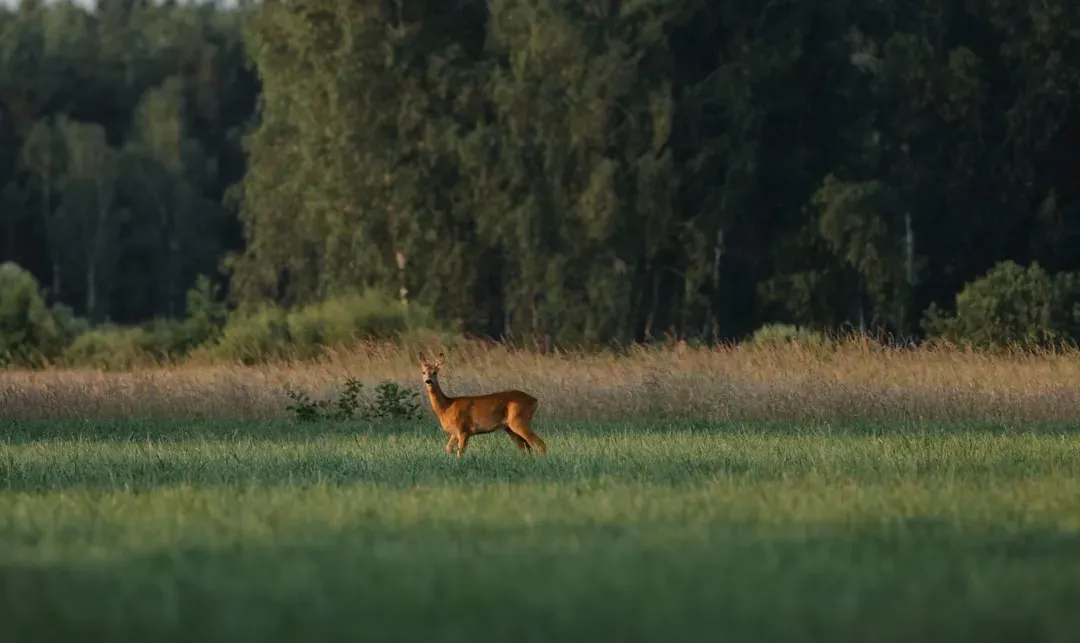
Ancient hunters didn’t waste energy wandering aimlessly. Our prehistoric ancestors learned animal habits, and they didn’t have to follow game around for days because they knew where they slept, ate, and went for water, so they could stake out those areas, awaiting the arrival of their prey. This was way more efficient than the exhausting alternative.
Their tracking skills were unparalleled, allowing them to follow animals by reading subtle signs such as disturbed soil, bent grass, and animal droppings. Honestly, this level of awareness is something most modern people have completely lost. You weren’t just looking at footprints in the mud. You were reading stories written in bent branches, shifts in bird behavior, and the freshness of scat. It required patience, observation, and an almost meditative connection to the environment that shaped not just hunting success but cognitive development itself.
Mastering Camouflage and Ambush Tactics
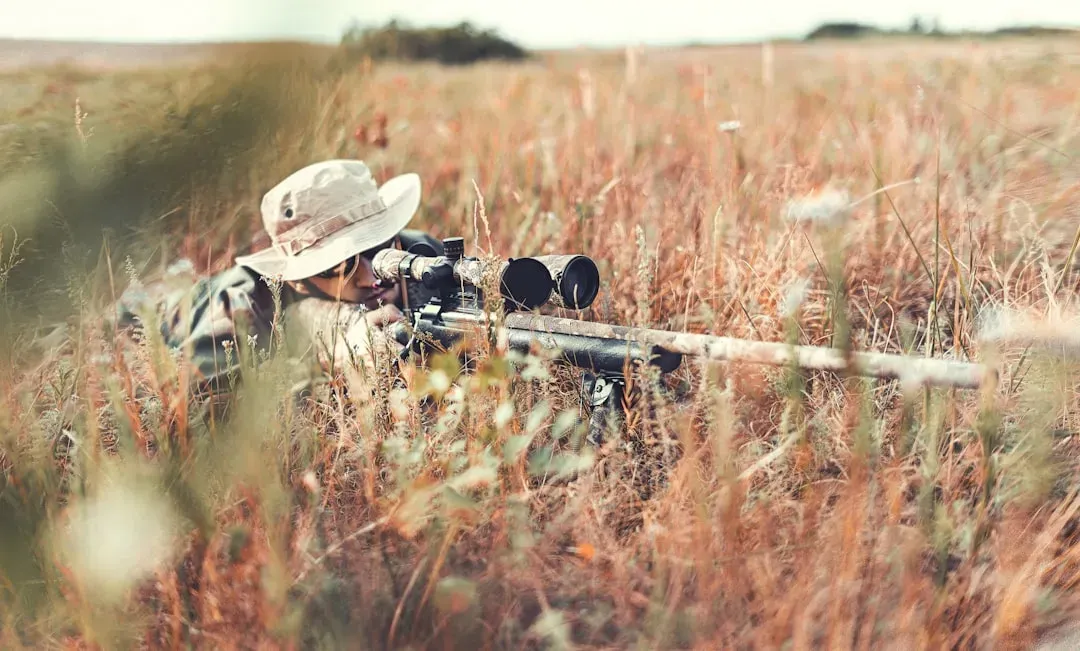
Ancient humans used camouflage and built blinds to get the drop on animals at close range, a tactic that was as simple and effective hundreds of thousands of years ago as it is for hunters today. This wasn’t just about hiding behind a bush. Man-made blinds like pits camouflaged with brush near watering holes or food sources put hunters close to known wild game gathering areas, and archaeologists discovered that stacked stone blinds built within known migratory corridors were used as well.
Here’s the thing: ambush hunting required you to think like your prey. You had to predict where they’d go, when they’d arrive, and how they’d react. Setting up a blind or cover for an ambush required patience as much as it did knowledge of the quarry and its habits. That kind of strategic thinking didn’t just fill stomachs – it rewired brains. You can trace the development of planning, foresight, and tactical reasoning directly back to hunters sitting quietly in blinds, waiting for the perfect moment to strike.
Cooperating As Groups Rather Than Solo Heroes
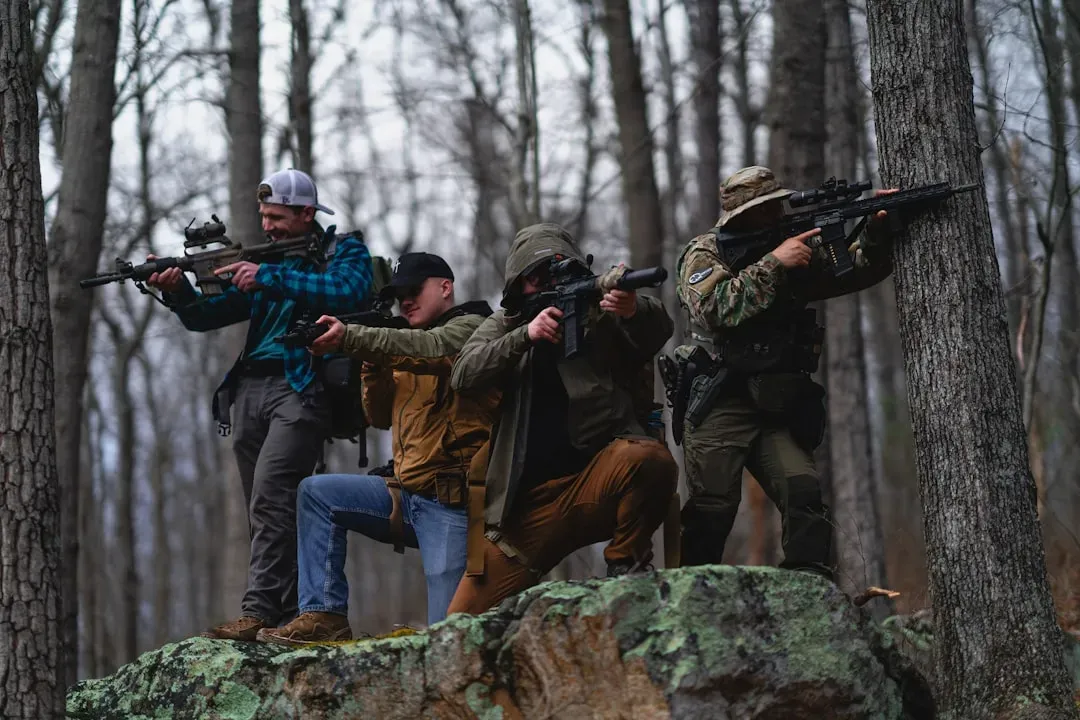
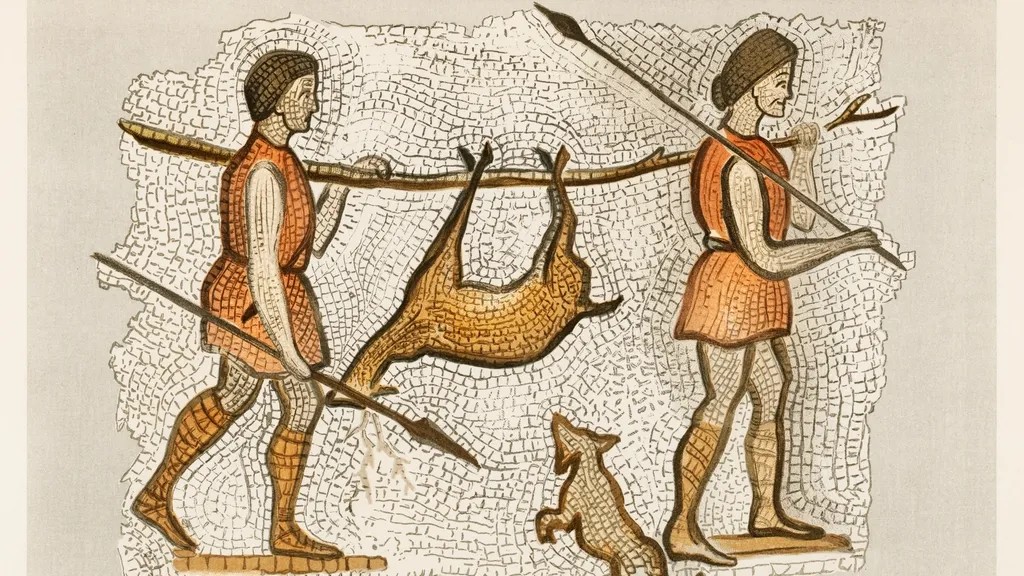
Let’s get this straight: the lone wolf hunter is mostly a myth. Foragers thrived in tropical grasslands by either adopting fast hunting strategies requiring sophisticated hunting tools, or by cooperating extensively, which relied on an enhanced social structure to promote cooperative behavior. Hunting large animals like mammoths and bison required cooperation, planning, and specialized tools.
This new development was driven by behavioral adaptations such as a shift to a higher-quality diet, increased social interactions, and changes in life history strategies. Think about what that means. To take down a massive animal, you needed teamwork, communication, role assignment, and trust. Successful hunters often gained status and influence within the group, and the sharing of meat was an important social activity, reinforcing community bonds and ensuring the survival of all members. This wasn’t just about food. It was about building societies.
Innovating Tools to Match the Challenge

The extinction of large prey compelled prehistoric humans to develop improved weapons for hunting smaller prey, thereby driving evolutionary adaptations, and the study reviews the evolution of hunting weapons from wooden-tipped and stone-tipped spears all the way to the sophisticated bow and arrow. Necessity really was the mother of invention here.
Homo Erectus used a wooden spear, probably thrusting it into large prey from up close, while Homo Sapiens and Neanderthals upgraded their spears by adding stone tips produced with the more sophisticated Levallois technique, and these stone-tipped spears were apparently used for both thrusting and hurling. Later innovations were even more impressive. Spear-throwers provided leverage for hurling spears and darts greater distances with more speed and accuracy and with less chance of injury from prey. Each technological leap wasn’t random – it was a direct response to changing prey availability and environmental pressures.
Passing Down Knowledge Through Storytelling

Group storytelling was a valuable way for small groups to share new knowledge and observations in a way that had a cumulative effect benefiting the group. This wasn’t entertainment. It was education, cultural memory, and survival strategy all rolled into one.
Survival knowledge was passed down through stories, songs, and ceremonies, ensuring that each generation could thrive in the challenging environment, and this oral tradition highlights the importance of community and shared wisdom in survival. This ability to transmit experiences and knowledge effectively may have even influenced human lifespans by selecting for population groups whose elders were around longer to advise and aid. Think about that for a moment. The very reason humans live beyond their reproductive years might be tied to our role as knowledge keepers and teachers.
Adapting to Extreme Environmental Changes
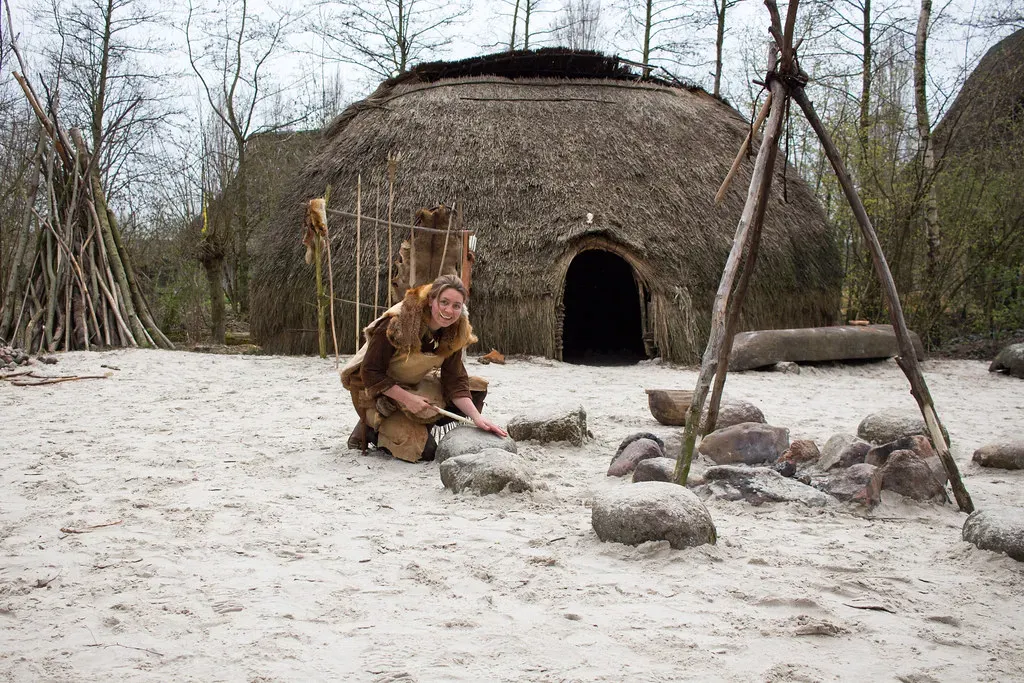
To survive in cold temperatures during ice ages, humans adapted many areas of their lives, learning to build sturdier shelters, making warm clothing using animal furs, and using fire to help them stay warm. This wasn’t optional. It was adapt or die.
As humans moved into Europe and colder areas, clothing technology would have had to have been reasonably well developed just to survive. What impresses me most is how they didn’t just endure these harsh conditions – they figured out how to thrive in them. These early modern humans possessed extensive environmental knowledge and developed highly effective hunting techniques, and evidence shows recurrent occupations spanning at least 10,000 years, during which human groups successfully hunted deer, wild horses, bison, and chamois across diverse ecological niches. That’s not surviving. That’s mastering your environment.
Using Fire as a Survival Multiplier
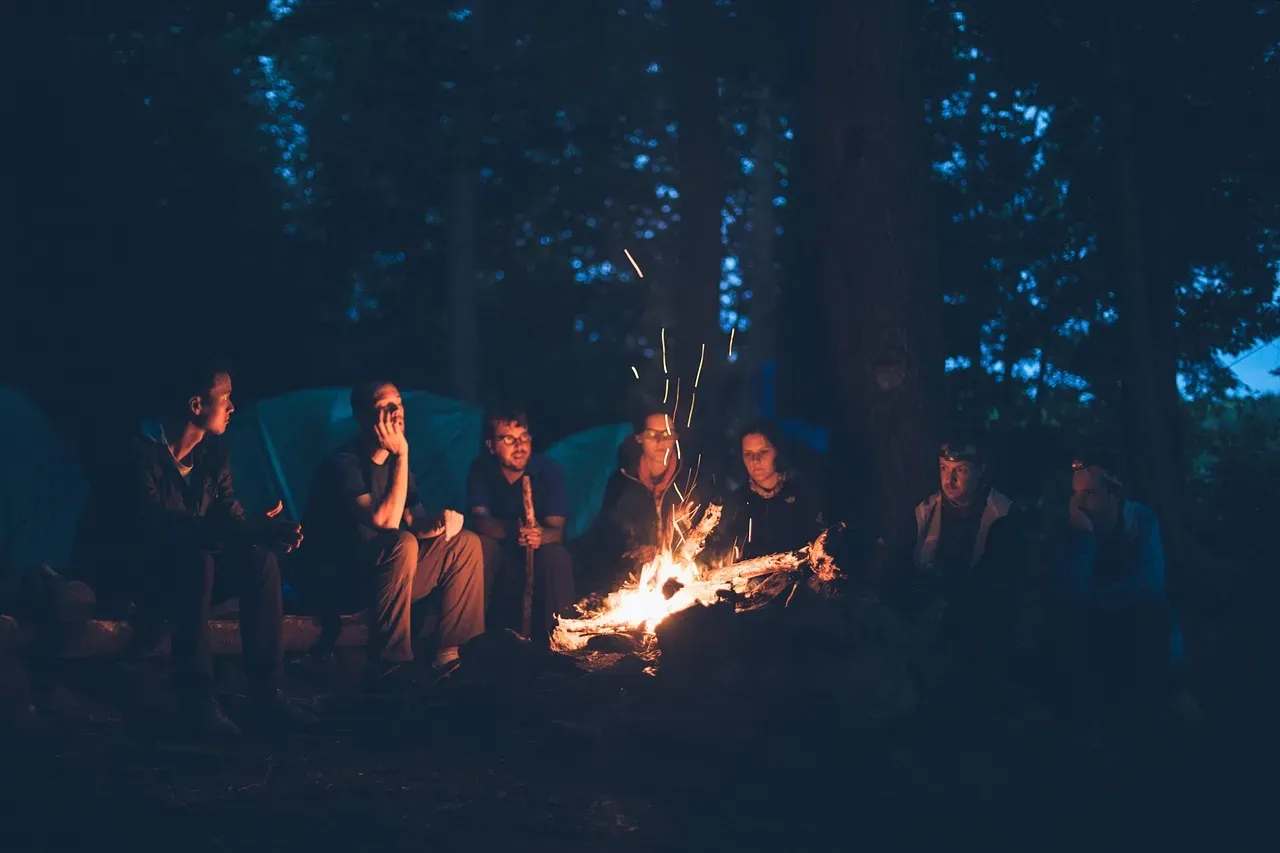
By at least 400,000 years ago, human bands roving around and setting themselves up in caves knew and used fire, and these people were clearly skilled at maintaining and using fire. Fire wasn’t just about warmth or scaring off predators, though those benefits were huge.
A major advantage that came when the deliberate use of fire began to become more widespread is the ability to cook. Cooking food broke down tough fibers, killed parasites, and unlocked more calories from meat and plants. Fire became a central part of the hunter-gatherer lifestyle. It gave ancient hunters longer days to work with, protected camps at night, and created social gathering spaces where knowledge could be shared. Fire was the technology that changed everything else, opening doors to colder climates, better nutrition, and more complex social structures.
Conclusion
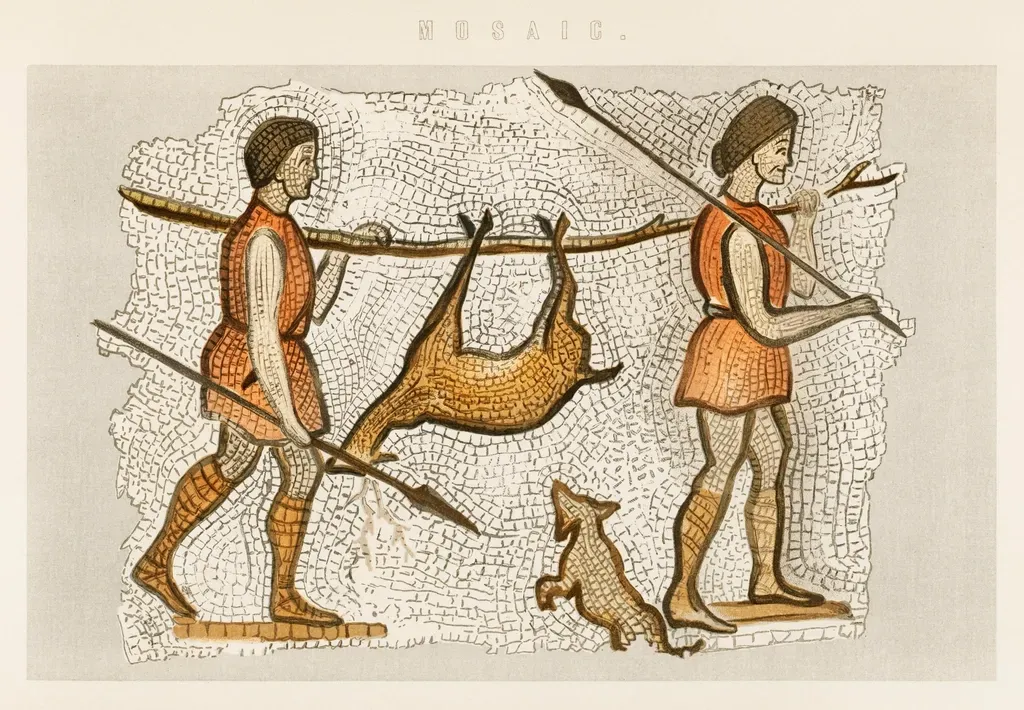
The habits of ancient hunters weren’t primitive – they were brilliant adaptations to challenging circumstances. These practices shaped not just survival strategies but the very structure of our brains, bodies, and societies. From persistence hunting that sculpted our cardiovascular systems to cooperative behaviors that built the foundation for civilization, every habit mattered.
We carry these legacies with us today, whether we realize it or not. Our ability to plan ahead, our need for social connection, our capacity to learn from stories – all of it traces back to hunters who faced down mammoths and ice ages with nothing but sharp rocks and sharper minds. What’s one ancient survival skill you wish you’d learned? Tell us in the comments.