
Picture stepping out of your front door not to traffic and takeout places, but to giant sloths, elephant-sized armadillos, and lions bigger than anything alive today. That was North America near the end of the last Ice Age, when early people shared the landscape with a cast of megabeasts so strange they feel almost like myth. Yet they were absolutely real, and for thousands of years, humans and these animals watched each other, avoided each other, and sometimes hunted each other.
What makes this story so addictive is that it is still unfolding. Fossils, stone tools, DNA, and even ancient footprints are revealing that our species arrived just as many of these giants were nearing their final chapter. Did people push them over the edge, or were they already doomed by a changing climate? Let’s walk through eight of the most remarkable – and what their stories say about us.
1. Woolly Mammoth: The Iconic Ice Age Giant
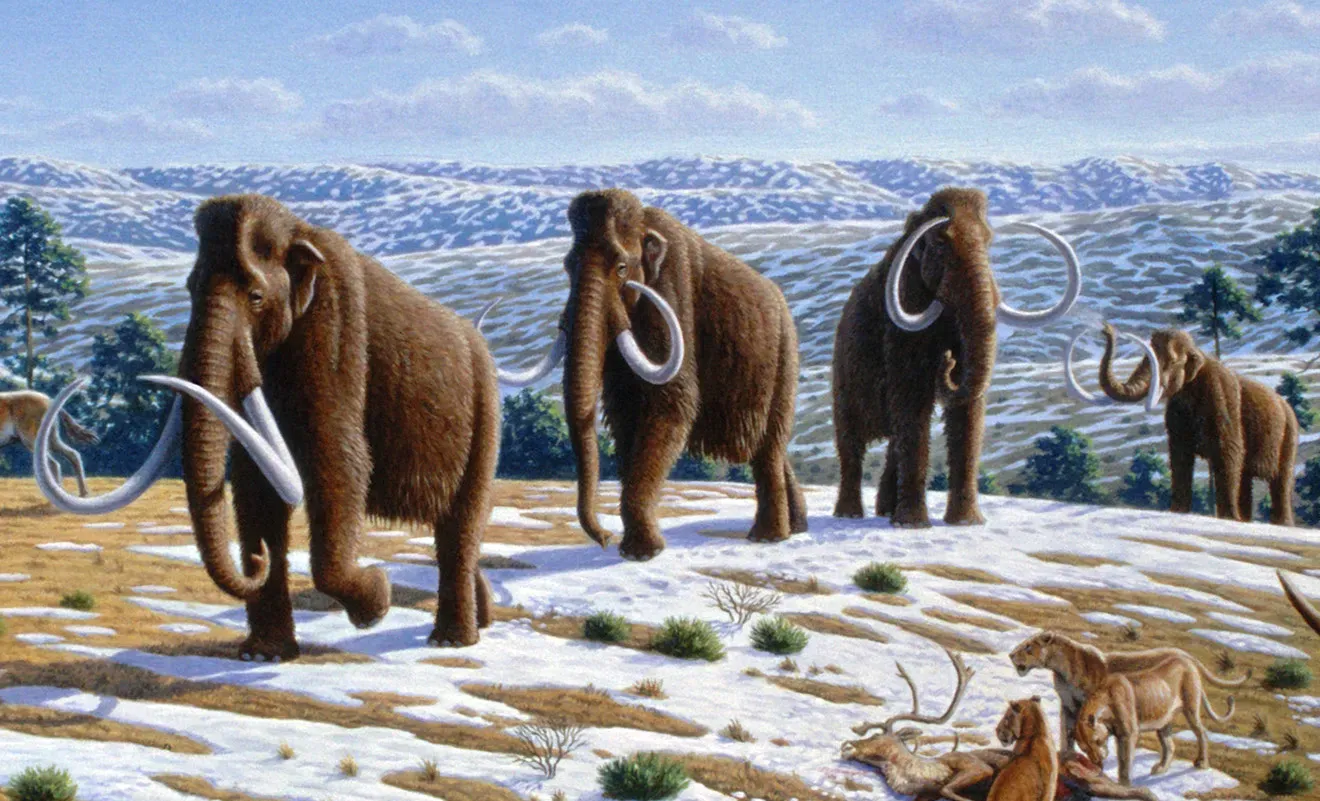
The woolly mammoth is the undisputed poster child of the Ice Age, and with good reason. These shaggy, cold-adapted relatives of modern elephants roamed huge stretches of northern North America while humans were already on the continent. Evidence of cut-marked mammoth bones and mammoth-bone campsites suggests people were hunting them, but also scavenging and using their bones as building material, tools, and possibly even art.
They were perfectly tuned to a frigid, open world: long curved tusks, small ears to reduce heat loss, thick fur, and a layer of insulating fat. To me, the most haunting detail is how long they hung on in scattered, shrinking refuges even as the Ice Age ended and human populations grew. When you realize that some isolated mammoth populations survived on Arctic islands until deep into human history, the extinction of their mainland cousins feels less like a distant natural event and more like something that brushed right up against the edges of our own story.
2. American Mastodon: The Browser of Ancient Forests
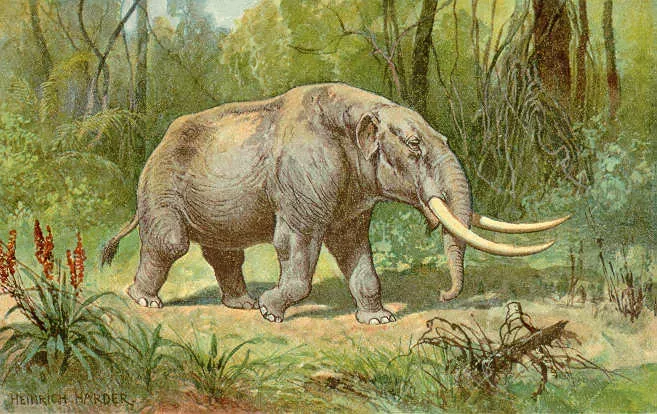
While mammoths dominated the open, grassy steppes, the American mastodon preferred something very different: wetlands and forested areas rich in shrubs and trees. Instead of the high, domed head and grazing habits of mammoths, mastodons had a lower, stockier build and teeth specialized for crunching branches, leaves, and twigs. Their world would have felt more like a chilly, tangled woodland than a wind-swept plain, and humans clearly ventured into that space.
Archaeologists have found mastodon bones with what look like butchery marks alongside stone tools, strongly hinting that people not only encountered them but sometimes turned them into dinner. I find mastodons especially relatable because they bridge the mental gap between wild elephant and forest bison – they feel grounded and familiar, yet their massive presence in damp, chilly forests must have been both majestic and intimidating. When you imagine an early human walking through a foggy bog and hearing branches crack as a mastodon crashes away, you suddenly realize how alive and noisy that lost world must have been.
3. Saber-Toothed Cat (Smilodon): The Ambush Predator of Dreams and Nightmares
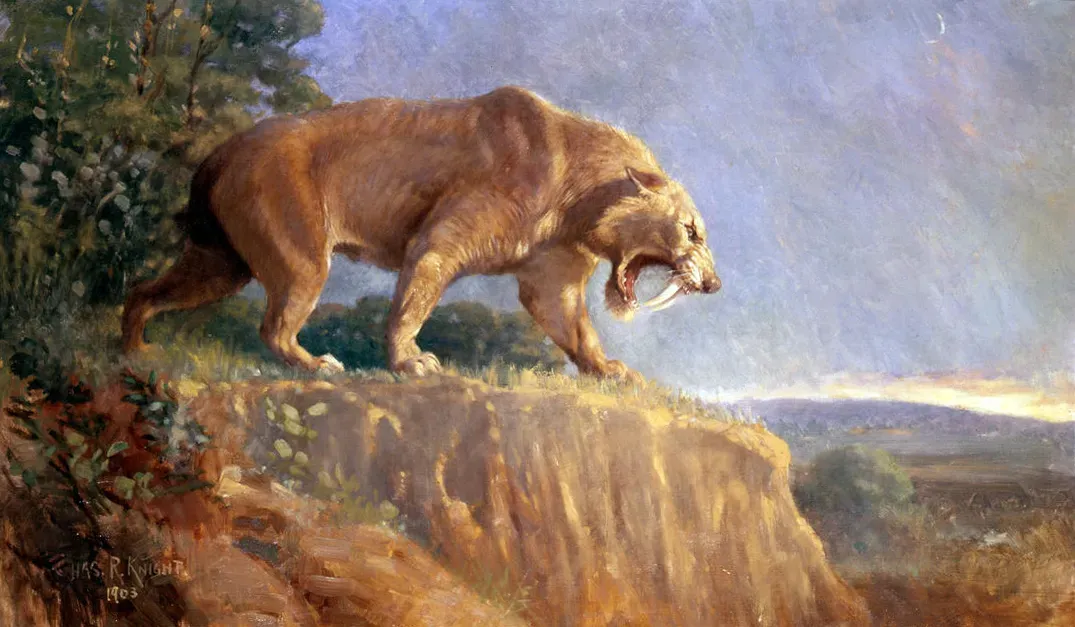
Few Ice Age animals have captured popular imagination like the saber-toothed cat, often called Smilodon. In North America, these big cats overlapped with early human communities and probably competed with them for the same large prey – bison, young mammoths, and other megafauna. These were not just slightly larger lions; Smilodon had enormous, blade-like upper canines and a stout, muscular body built for wrestling prey to the ground in explosive ambushes rather than long chases.
Standing near one, if you somehow could, would probably feel more like standing next to a powerlifter than a long-distance runner. Humans living in that world had to navigate landscapes where a silent, muscular predator with knives for teeth might be watching from cover. The thought of walking out of a camp at dawn, seeing strange feline tracks in the mud that are almost as wide as your hand, and knowing you are not at the top of the food chain yet – that changes how you think about our species’ courage and risk-taking in those early days.
4. American Lion: A Super-Sized Big Cat of the Open Plains
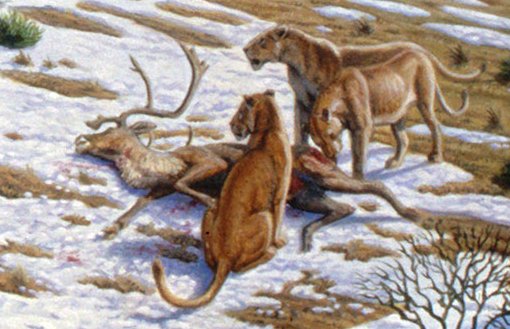
As if one terrifying big cat were not enough, Ice Age North America also hosted the American lion, likely one of the largest cats ever to walk the Earth. Fossils suggest some individuals were significantly bigger than modern African lions, and they roamed wide-open habitats where large herds of prey gathered. Humans would have seen them at a distance near carcasses, shadowing herds, or lurking around the same kill sites people used.
We still argue about exactly how similar they were to modern lions in behavior, but the size alone is staggering. Think of an African lion, then scale it up to something closer to a small horse in weight, with claws and teeth to match. I honestly think we underestimate how terrifying it must have been for early people to sleep on open ground while animals like this prowled nearby. The fact that humans persisted, spread, and eventually flourished in regions shared with the American lion is, in itself, a quiet testament to human adaptability and stubbornness.
5. Giant Ground Sloths: Gentle Giants That Shaped the Land
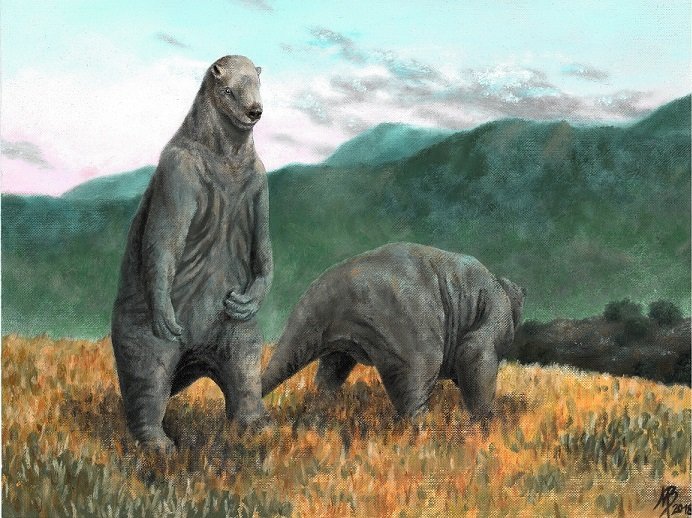
Giant ground sloths flip our modern image of sloths on its head. Instead of small tree-huggers, some North American species were large, heavily built herbivores that could rear up taller than a human when feeding. Evidence of human-sloth overlap comes from fossil sites with possible cut marks and from footprints where prehistoric people seem to have tracked or followed these animals across mudflats or shallow lakebeds.
What fascinates me is how they probably reshaped their environment, almost like living bulldozers. By knocking down small trees, stripping leaves, and digging for roots, they would have opened up patches in forests and woodlands, influencing the plant communities that humans also used. I imagine them as slow, cautious, yet incredibly strong – animals that were probably not easy to kill, even with coordinated hunting. In a way, losing them feels like losing a quiet landscape architect that had been working for thousands of years before we even arrived.
6. Short-Faced Bear: The Towering Scavenger-Stalker
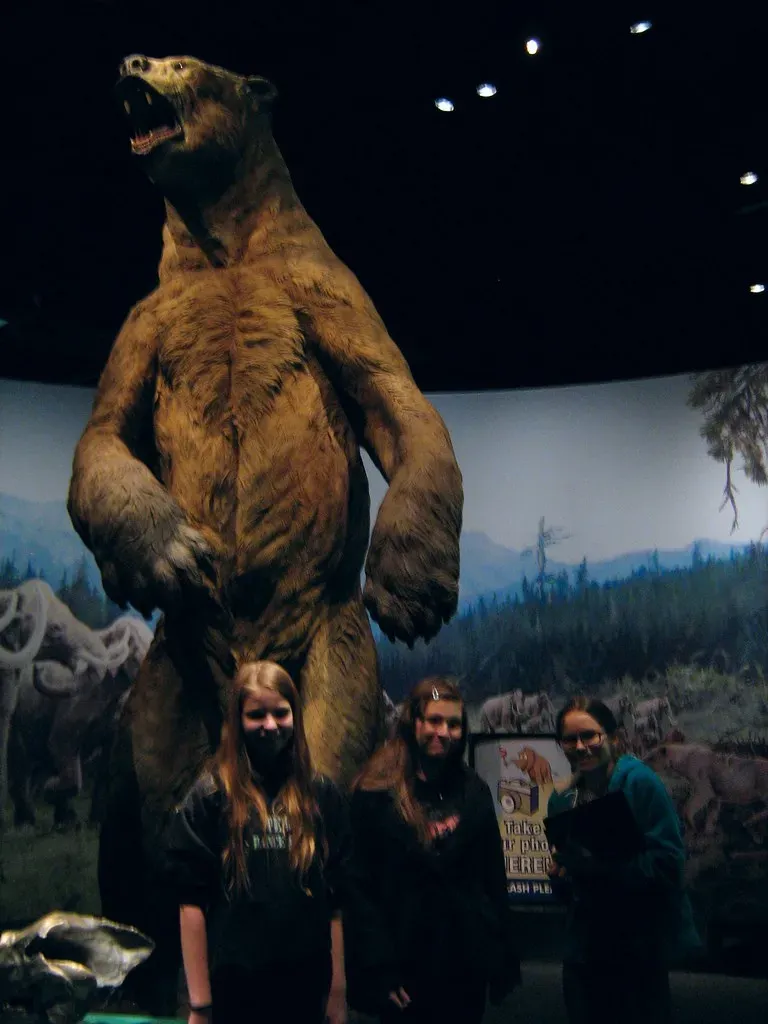
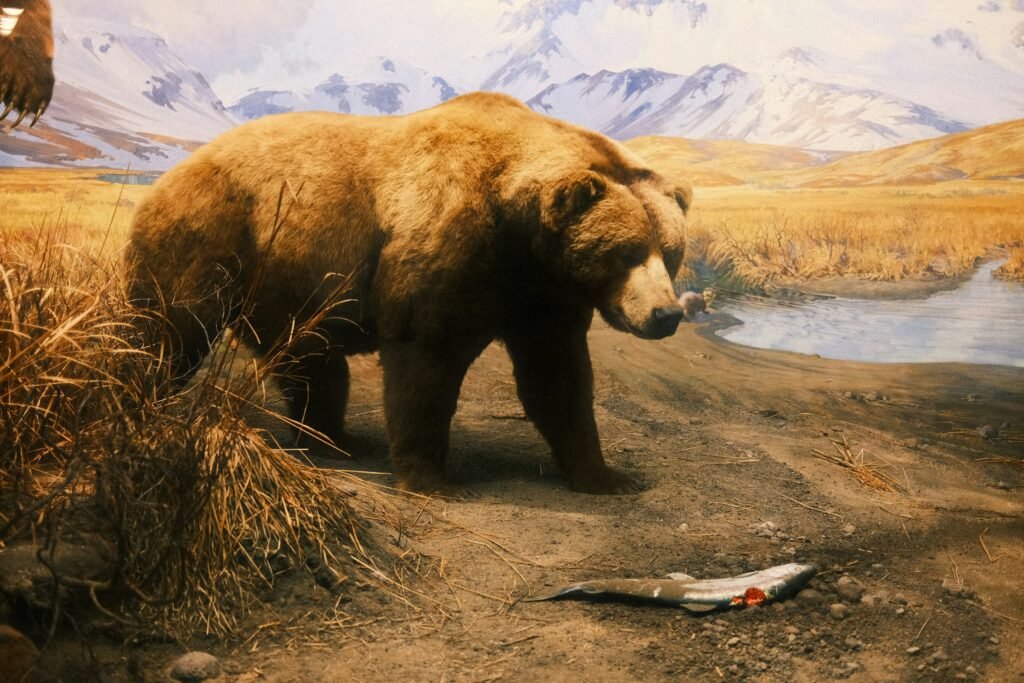
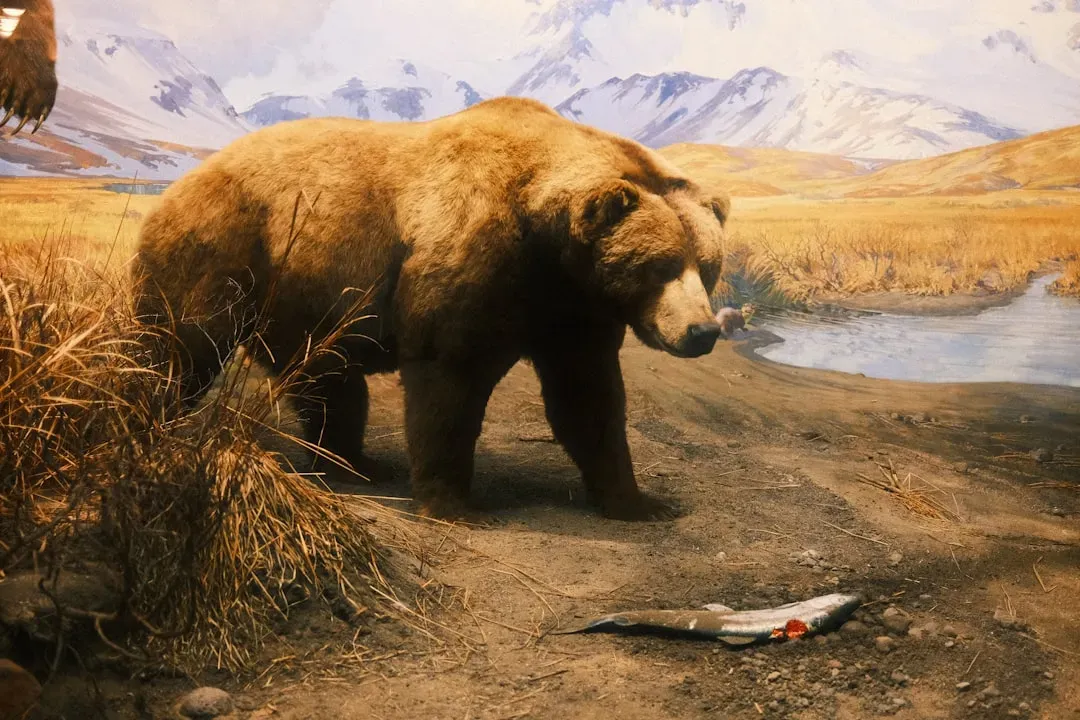
The short-faced bear was not your typical bear; it was a lanky, long-legged powerhouse that may have stood as tall as a basketball hoop when rearing up. Built for speed across open ground, it has been interpreted as a high-speed scavenger and opportunistic predator that could cover vast areas in search of carcasses. People sharing territory with this bear would have had to be extremely careful around kill sites, because a bear like this could simply show up, loom over everyone, and take over the meal.
There is something deeply unsettling about an animal that is both larger than any modern bear and capable of running you down in the open. I suspect early humans treated short-faced bears with a mix of fear and hardened respect, the same way some traditional societies view modern big predators. The idea that you might spend hours stalking a bison or a juvenile mammoth, only to have this towering bear wander in and claim your hard-earned kill, brings home just how precarious life could be – even for a clever species armed with stone-tipped spears.
7. Glyptodon and Other Giant Armadillos: Walking Tanks of the Ice Age
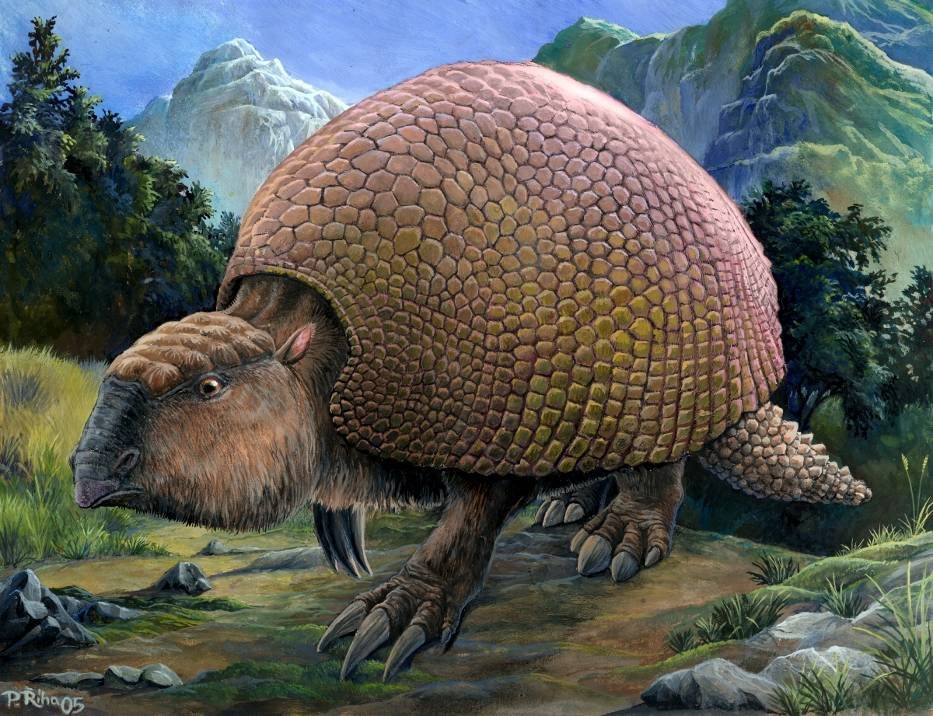
Glyptodon and its close relatives were basically living armored cars: massive, low-slung herbivores encased in a thick, domed shell of bony plates. They lived in parts of the Americas that humans eventually reached, and similar large armadillo-like creatures extended into North America in colder times. Their armor would have made them a challenging target, but not an impossible one, especially if people figured out weak spots around the head or underside.
When I think about humans and glyptodonts interacting, I picture a dusty riverside where people are filling water skins and a huge, armored shape lumbers down to drink, utterly alien yet somehow peaceful. There is some evidence that humans might have used the hollow shells of these animals as shelters or windbreaks after they died, which feels both practical and strangely intimate. Sharing the landscape with walking tanks really underlines how experimental evolution got during the Ice Age, and how quickly that weirdness vanished once climate and human pressure ramped up.
8. Dire Wolf: More Than Just a Television Legend
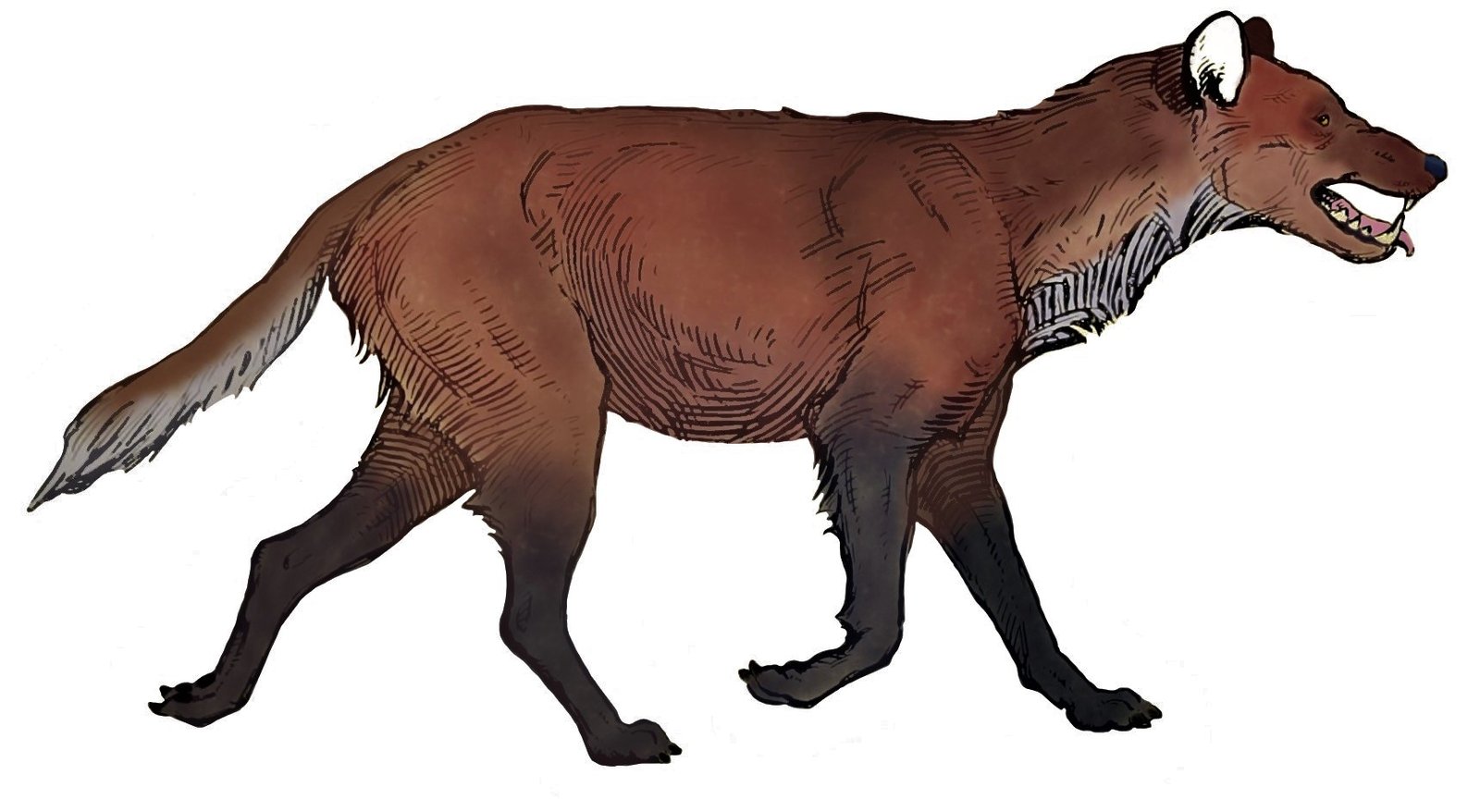
The dire wolf has been dragged into pop culture as a fantasy creature, but the real animal was a very serious predator that lived and hunted in North America while humans were already present. Slightly larger and more robust than most modern gray wolves, dire wolves had powerful jaws suited to tackling big prey, and fossil sites with many individuals suggest complex social behavior around carcasses. Humans would have heard their howls, seen their tracks, and probably watched packs trail the same herds they hunted.
For me, dire wolves are one of the most emotionally charged losses from the Ice Age because they are so close to a familiar animal we still coexist with today. It is easy to imagine early people both fearing and respecting them, occasionally competing for kills, and maybe even learning from their movements in the landscape. The fact that gray wolves survived but dire wolves did not hints at subtle differences in flexibility and diet that mattered when climates warmed and prey communities changed. It is a quiet reminder that even being powerful, social, and highly skilled is no guarantee in a rapidly shifting world.
Conclusion: A Lost Bestiary and What It Says About Us
Looking back at this lineup – mammoths, mastodons, saber-toothed cats, American lions, giant sloths, short-faced bears, armored giants, and dire wolves – I cannot escape the feeling that North America used to feel more like a mythic saga than the tamer wildlife scene we know now. These were not background extras; they were central characters in the lives of the first people here, shaping where humans camped, how they hunted, and even the stories they likely told around the fire. The timing of their disappearance, so often overlapping with the spread of humans and swings in climate, makes it impossible to pretend we are innocent bystanders to their vanishing.
My own view is that the end of the Ice Age was a brutal test: some species adapted, others did not, and humans often tipped the balance without fully understanding what they were doing. That pattern has only intensified in the modern age. Remembering that we once shared this continent with towering bears and elephant-sized grazers should make us more cautious about what we allow to vanish today, because every extinction shrinks the possible futures of the world we all share. If our ancestors could navigate a landscape full of saber-toothed cats and still manage to coexist for thousands of years, what excuse do we have for failing gentler animals now?