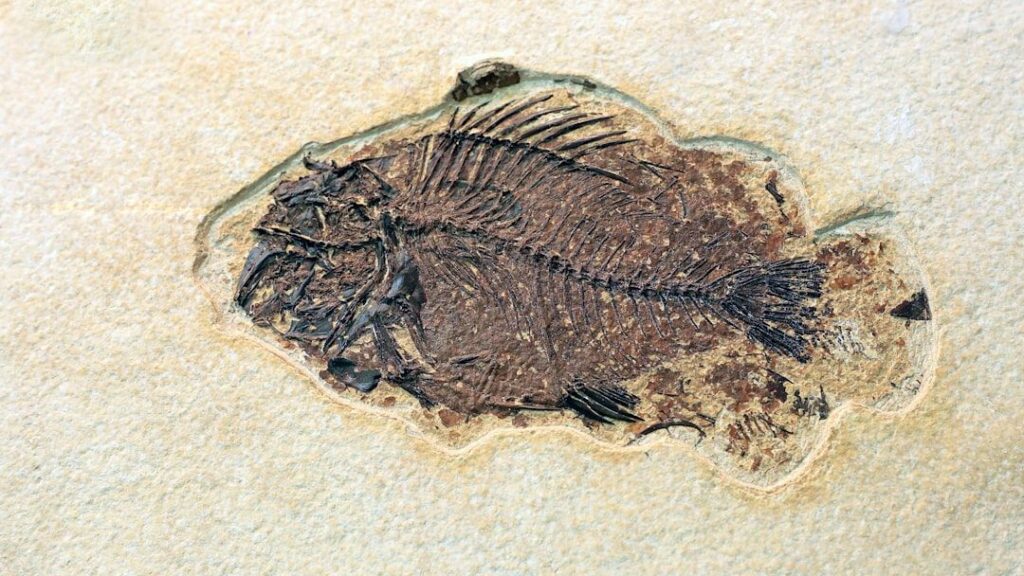
Picture this. You’re diving into murky waters that existed hundreds of millions of years ago, where the rules of survival were being written for the very first time. These weren’t the sleek, agile fish you see darting around coral reefs today. These were pioneers, experimental designs testing what it took to dominate a world where predators lurked in every shadow and oxygen levels fluctuated wildly.
What made some of these ancient creatures successful while others vanished without a trace? The answer lies in a series of remarkable adaptations that seem almost alien to us now. From armor plating that rivaled medieval knights to sensory systems that could detect the faintest electrical whispers, prehistoric fish developed survival strategies that would shape the evolution of all vertebrates to come. So let’s dive in and explore the fascinating innovations that allowed these ancient swimmers to conquer the seas.
The Revolutionary Development of Jaws
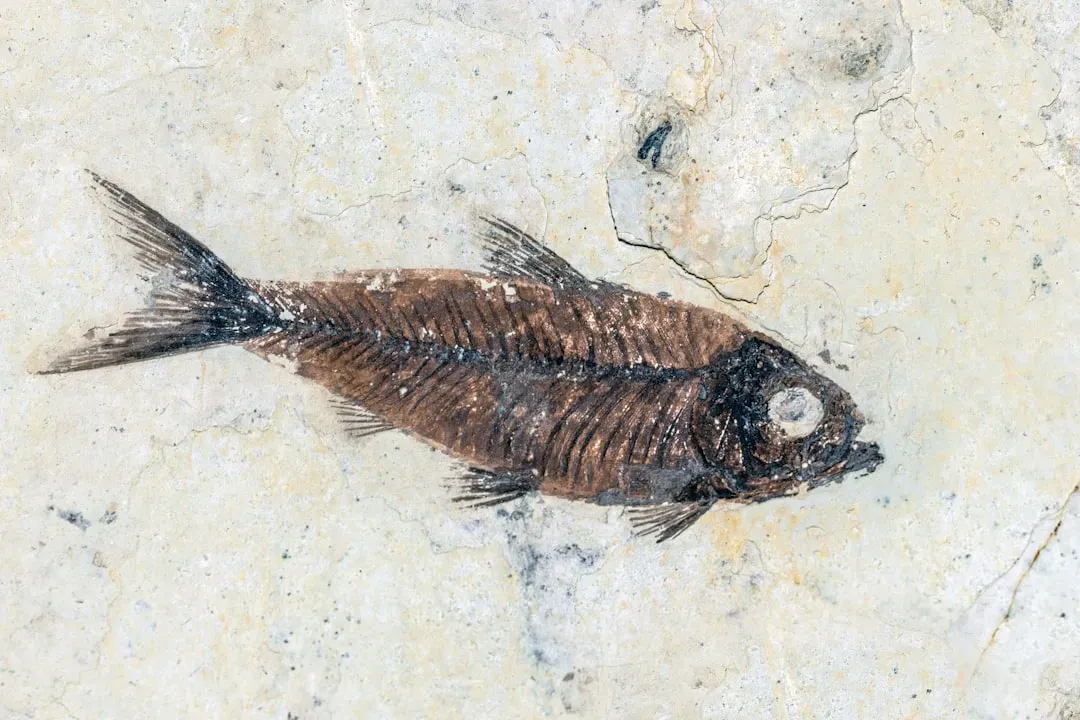
Think about trying to eat without a jaw. Sounds impossible, right? Yet the earliest fish belonged to jawless groups and relied on filter-feeding close to the seabed. Then something extraordinary happened during the Late Ordovician period.
The Acanthodii arose in the Late Silurian, more than 416 million years ago, containing the earliest known jawed vertebrates. This innovation wasn’t just a minor tweak. Having jaws meant prehistoric fish could actively hunt prey, tear flesh, and exploit entirely new food sources that their jawless ancestors couldn’t touch. Placoderms were among the first jawed fish, with their jaws likely evolving from the first pair of gill arches, transforming what was once a breathing apparatus into a powerful feeding tool.
Bony Armor Plating for Ultimate Protection
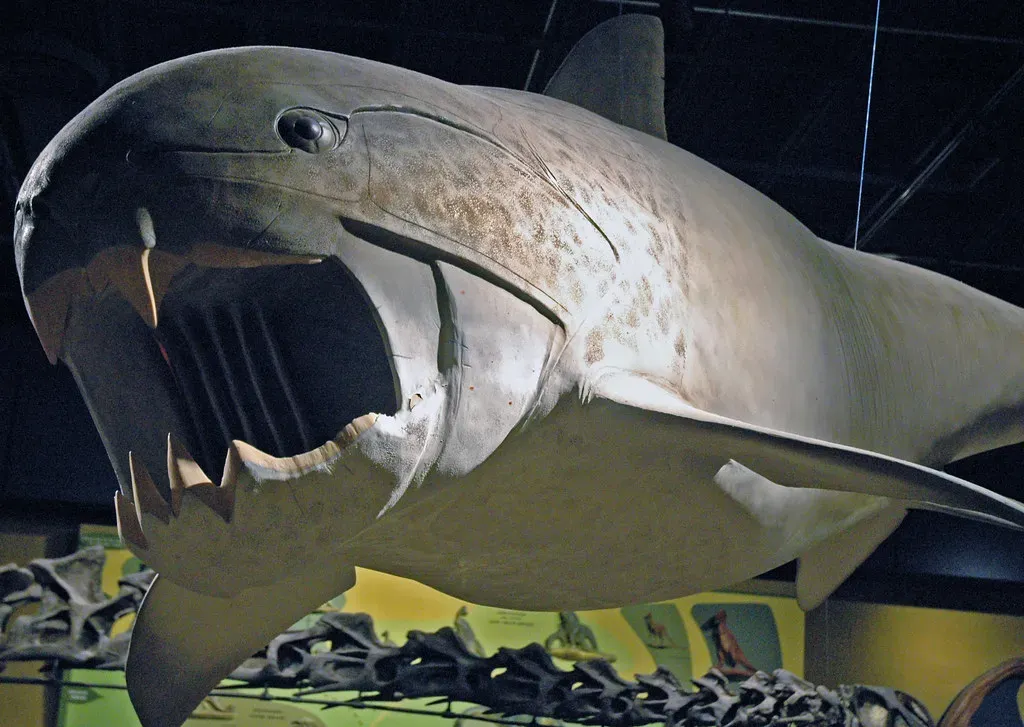
Imagine swimming through ancient seas covered head to toe in thick bony plates. Placoderms were primitive jawed fishes known only from fossil remains that existed throughout the Devonian Period, about 416 million to 359 million years ago. Their name literally means “plated skin,” which tells you everything you need to know about their defensive strategy.
Their head and thorax were covered by articulated armored plates, while the rest of the body was scaled or naked depending on the species. This armor was no joke either. Some plates were several inches thick, providing exceptional protection from the massive predators prowling Devonian waters. Placoderms bore heavy bony armor with an unusual joint in the dorsal armor between the head and neck regions, which apparently allowed the head to move upwards as the jaw dropped downwards, creating a larger gape. Talk about a terrifying combination of offense and defense.
Swim Bladders for Effortless Buoyancy Control
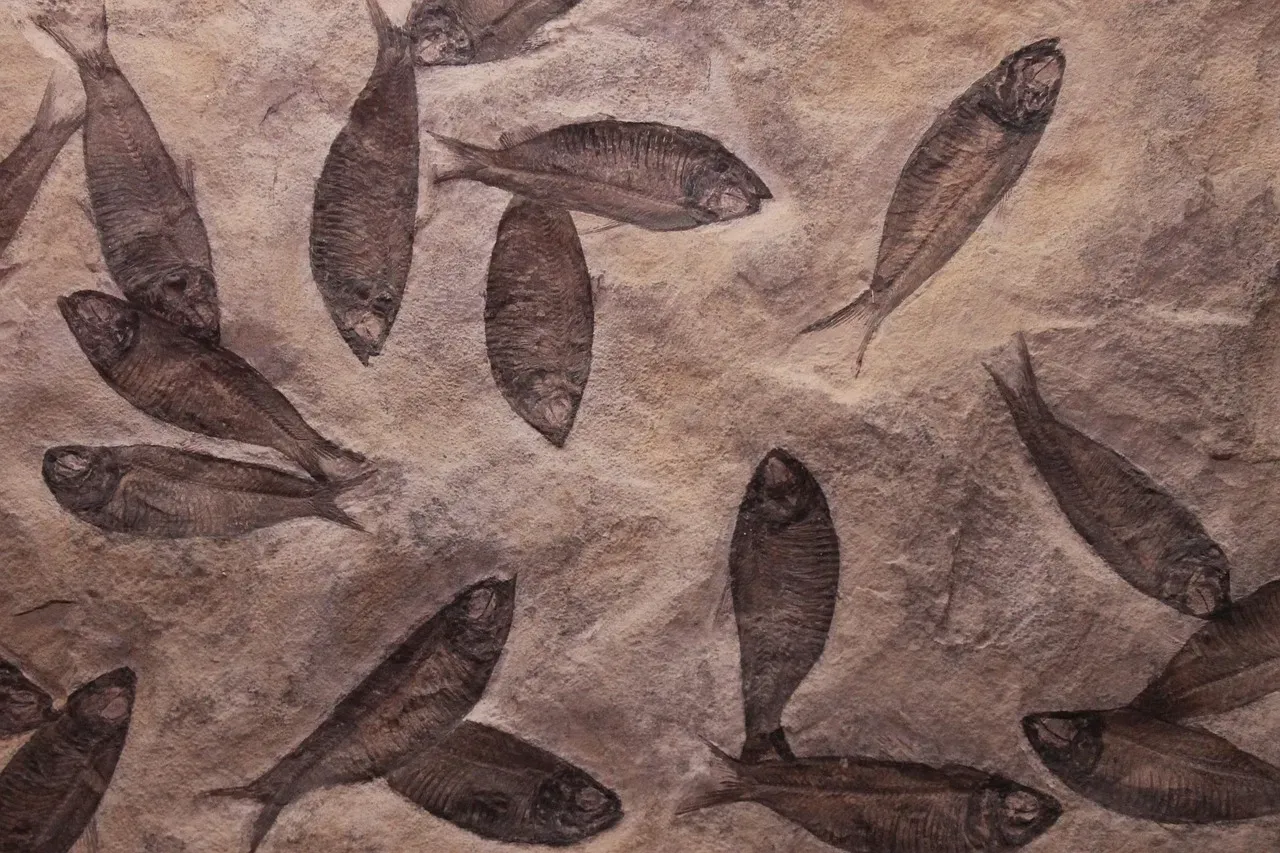
Let’s be honest, constantly swimming just to avoid sinking to the bottom sounds exhausting. Early fish without swim bladders faced exactly that problem. They either had to keep moving perpetually or resign themselves to life on the seafloor.
The acquisition of a swim bladder, with the neutral buoyancy it gives to its possessors, was one of the crucial steps in the evolution of modern fish, and without it, fish would most surely be far less diverse. This gas-filled organ sitting in the body cavity changed everything. The evolution of the swim bladder set fish free, as they no longer had to keep moving forwards to stay at the level they wanted, and could now use their fins for much more complicated maneuvers. Interestingly, scientists believe swim bladders actually evolved from primitive lungs that early fish used to gulp air in oxygen-poor waters.
Electroreception for Detecting Hidden Prey
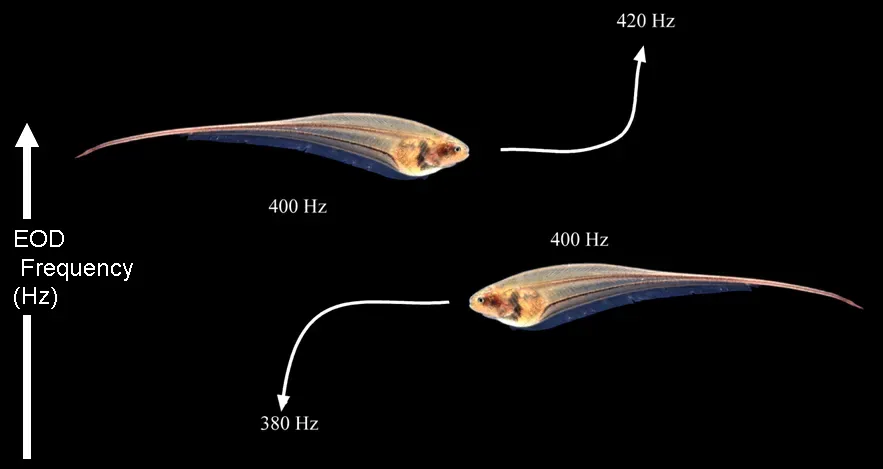
Here’s something that sounds like science fiction but is very real. Electroreception is an ancient vertebrate sense with a fascinating evolutionary history involving multiple losses as well as independent evolution at least twice within teleosts. Some sharks today are so sensitive they can detect charges of one millionth of a volt in water.
Early in the evolution of fish, some sensory organs of the lateral line were modified to function as electroreceptors called ampullae of Lorenzini, and the lateral line system is ancient and basal to the vertebrate clade, found in fishes that diverged over 400 million years ago. Picture hunting in complete darkness or murky water where vision is useless. Electroreception allowed prehistoric fish to sense the tiny electrical fields generated by muscle contractions of hidden prey. It was like having a sixth sense that made them nearly unstoppable hunters.
Lobe Fins as Precursors to Limbs
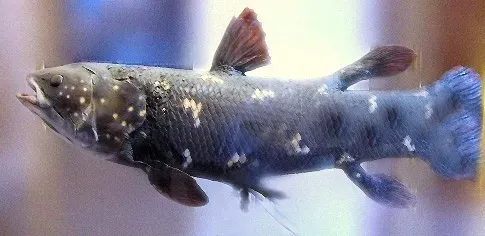
You might wonder what fish fins have to do with your arms and legs. Turns out, quite a lot. Coelacanths are an ancient group of lobe-finned fish in the class Actinistia, and as sarcopterygians, they are more closely related to lungfish and tetrapods than to ray-finned fish.
These robust, muscular fins weren’t just for swimming. The fin-limbs of lobe-finned fish such as the coelacanths show a strong similarity to the expected ancestral form of tetrapod limbs. The bony structure inside these fins could support weight and push against surfaces, capabilities that would eventually allow some fish lineages to venture onto land. Though coelacanths themselves remained aquatic, their fin structure reveals an evolutionary pathway that ultimately led to every land vertebrate walking, running, or flying today.
Lateral Line Systems for Water Movement Detection
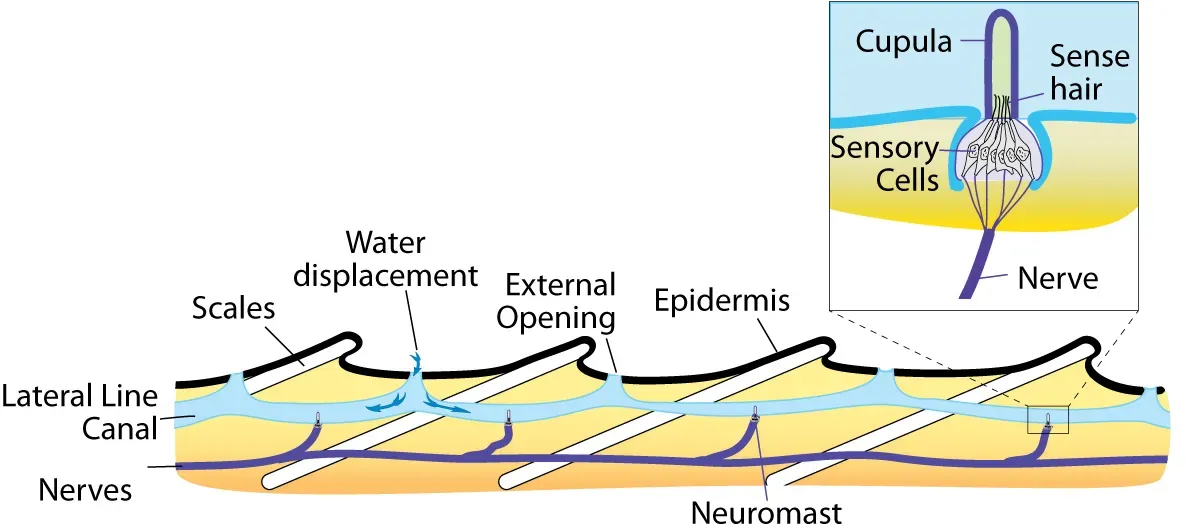
Imagine being able to feel vibrations and pressure changes in the water from several body lengths away. The functional units of the lateral line are neuromasts, discrete mechanoreceptive organs that sense movement in water, with two main varieties: canal neuromasts and superficial neuromasts.
The lateral line system is ancient and basal to the vertebrate clade, found in groups of fishes that diverged over 400 million years ago. This system allowed prehistoric fish to detect predators sneaking up from behind, sense prey movements in murky water, and coordinate with others when swimming in groups. Blinded predatory fishes remain able to hunt, but not when lateral line function is inhibited, proving just how crucial this adaptation was for survival.
Heterocercal Tails for Improved Swimming Efficiency
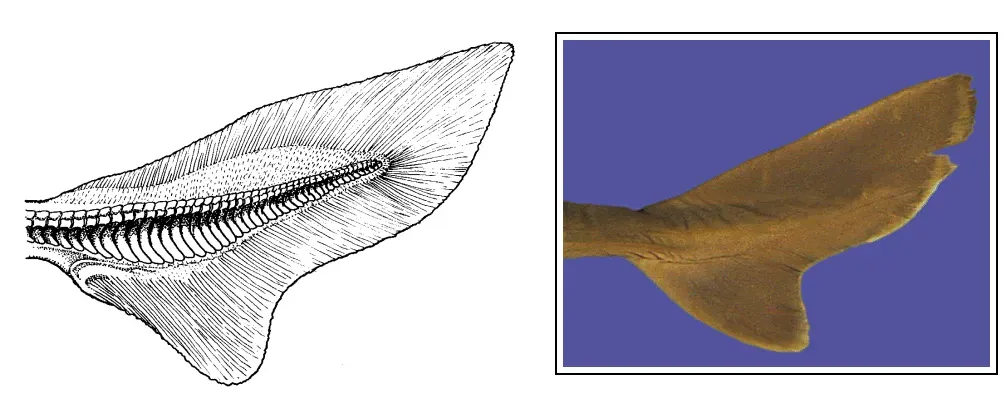
Take a look at a shark’s tail and you’ll notice something odd. The upper lobe is significantly longer than the lower one. This isn’t a design flaw but rather an ingenious adaptation.
The tail remained free and heterocercal, meaning the upper lobe was long and the lower one small or lacking. This asymmetrical design created lift as the fish swam, helping to counteract the tendency to sink that plagued early fish lacking swim bladders. The heterocercal tail essentially acted like an airplane wing, generating upward force with every stroke. Many prehistoric fish groups, including placoderms and early sharks, relied on this tail design to maintain their position in the water column while conserving precious energy.
Specialized Teeth and Jaw Structures
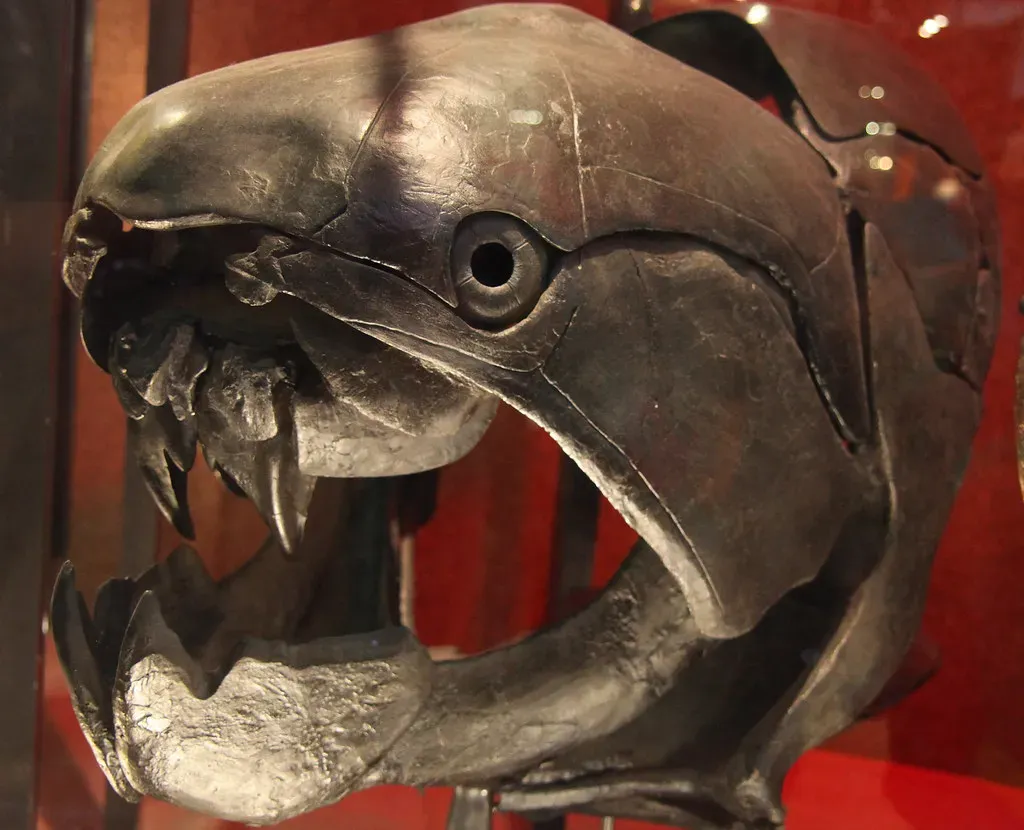
Not all prehistoric fish teeth were created equal. Some evolved truly bizarre and specialized dental arrangements. Armoured fish are not only the first vertebrates to have jaws, they are also the first vertebrates to show different patterns of dental organisation, as biting and chewing with teeth was a game changer.
While some placoderms never developed true teeth, instead using razor-sharp bony plates that could slice through flesh, a study concluded that placoderms likely possessed true teeth, which had well defined pulp cavities and were made of both bone and dentine. Different species evolved teeth suited to their diets. Some had heavy, blunt jaw plates perfect for crushing hard-shelled invertebrates, while others developed long, needle-like teeth ideal for piercing and gripping slippery prey. This diversity in dental equipment allowed various fish species to specialize and reduce competition for resources.
Conclusion
The prehistoric seas were a testing ground for innovations that still define vertebrate life today. From the development of jaws that fundamentally changed how animals could feed, to electroreception systems that seem almost supernatural, these ancient fish were far more sophisticated than we often give them credit for. Their armor protected them from savage predators, their swim bladders freed them from constant swimming, and their sensory systems allowed them to navigate and hunt in conditions where modern fish would struggle.
These weren’t just random evolutionary experiments. Each adaptation addressed specific survival challenges in the unforgiving ancient oceans. What’s truly remarkable is that many of these features, refined over hundreds of millions of years, still persist in various forms today. The next time you see a modern fish gliding effortlessly through an aquarium, remember the incredible journey of trial and innovation that made that graceful movement possible. Which of these adaptations do you find most fascinating? The answer might surprise you.