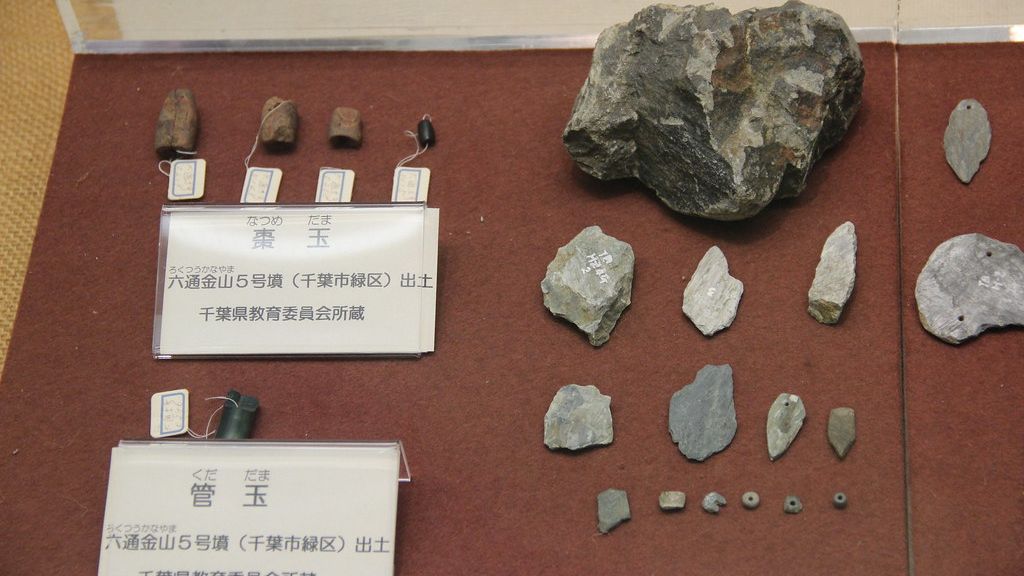
When you think about North America’s ancient past, you might picture a blank landscape waiting to be discovered. Here’s the thing, though. The story of early humans crafting tools on this continent runs far deeper than most of us ever imagined. For decades, scientists believed they had the timeline pretty well figured out. Turns out, archaeological discoveries over recent years have turned those old assumptions upside down. New findings keep pushing back the clock on when people first arrived here and what they were capable of creating. So let’s dive into eight incredible discoveries that reveal just how sophisticated early tool makers really were.
The Cooper’s Ferry Site Rewrites North American History
You probably haven’t heard of Cooper’s Ferry in western Idaho, but this site has become one of the most significant archaeological discoveries in decades. Evidence shows that people were creating tools and butchering animals there between roughly 16,000 and 15,000 years ago. That’s a pretty big deal when you consider it predates what scientists long thought was possible.
The artifacts unearthed from Cooper’s Ferry suggest human occupation more than a thousand years earlier than previously believed. Known to the Nez Perce Tribe as the ancient village of Nipéhe, the site sits along the lower Salmon River. What makes this discovery particularly stunning is that it throws a wrench into old theories about how people even got here in the first place.
Stone Tools That Challenge the Clovis First Theory
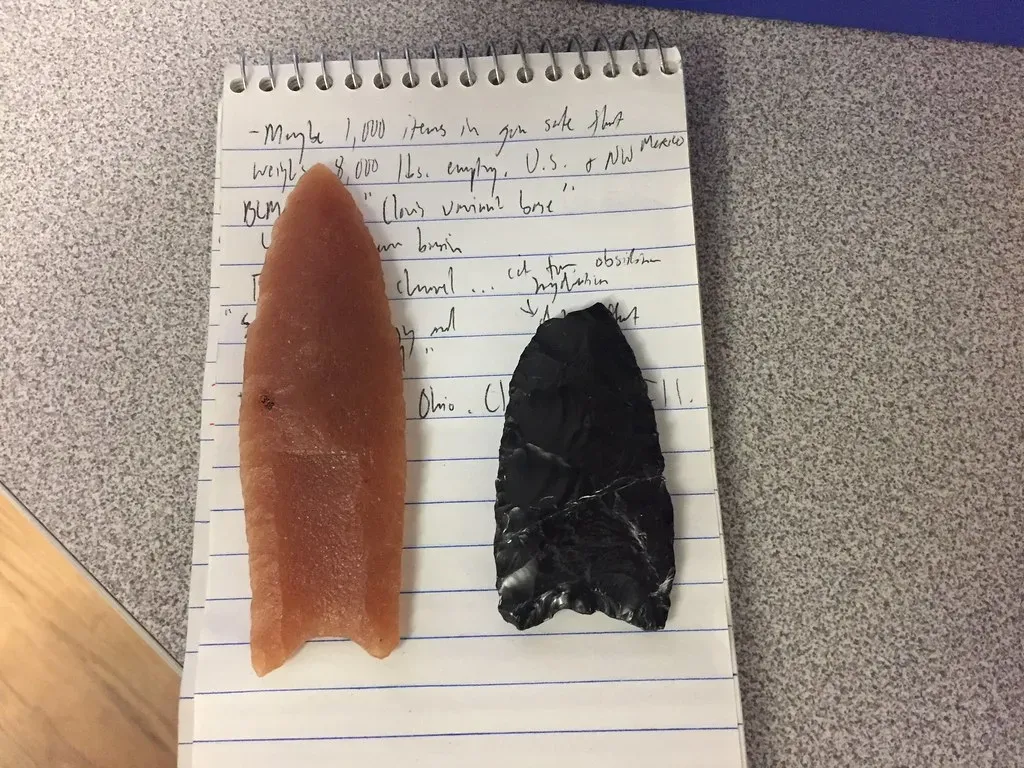
For generations, archaeologists held tight to something called the Clovis First theory. This theory said that the first Americans were the Clovis people and that they walked across the Bering Land Bridge and spread into North America about 13,500 years ago. Pretty straightforward narrative, right?
However, researchers have recently unearthed many sites that appear to be pre-Clovis, some potentially doubling the time frame people have been in the Western Hemisphere. The vituperative debate ended only when strong evidence for a pre-Clovis settlement turned up in Chile in the late 1990s. Let’s be real, the old guard wasn’t happy about having their cherished theory dismantled piece by piece.
The Gault Site Reveals an Unknown Tool Tradition
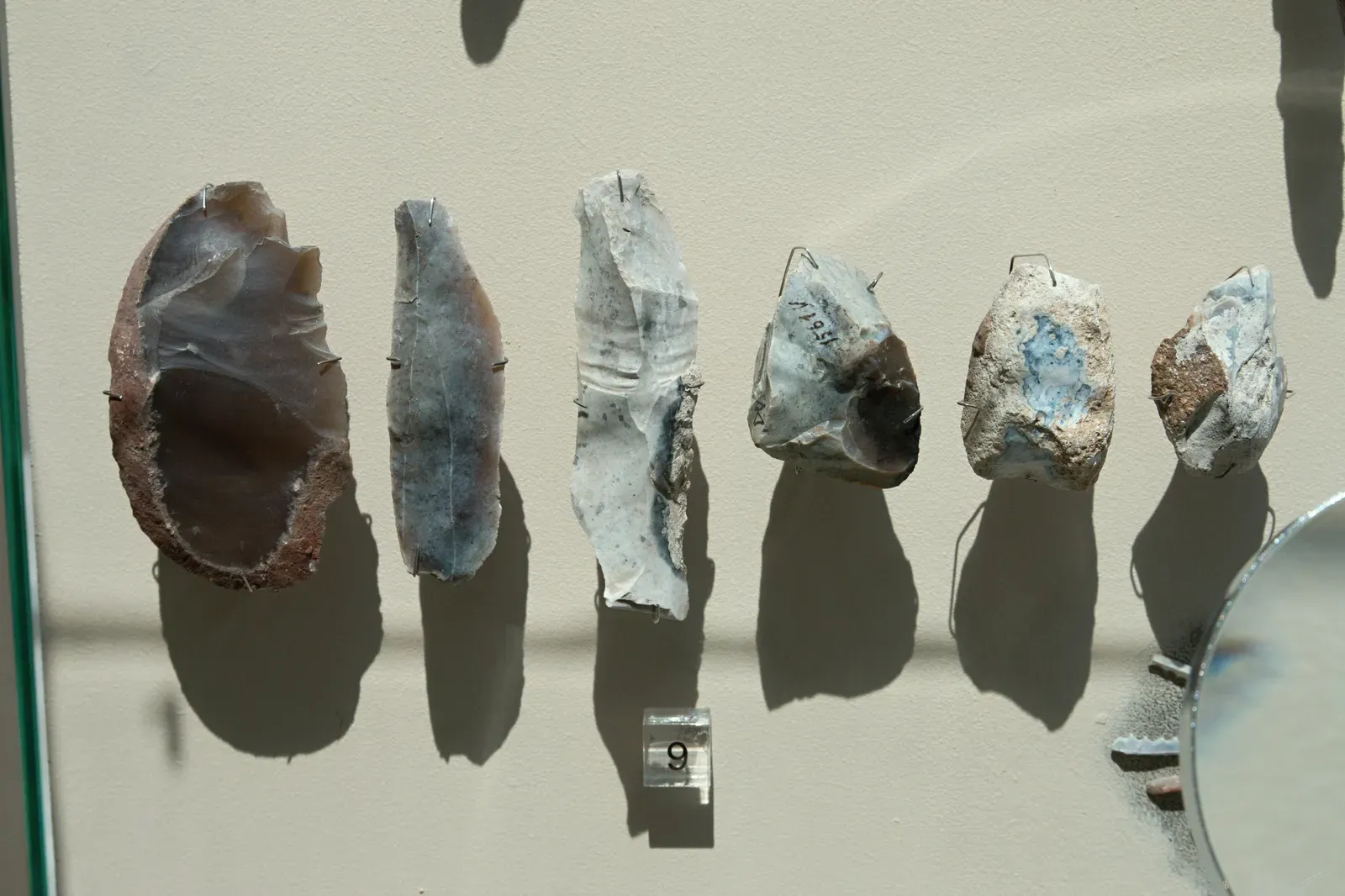
The Gault site in central Texas offers robust evidence not only for a much earlier peopling of the Americas, but also of a previously unknown tool tradition that is older and more varied than scholars ever expected. Stone tools including projectile points, blades, and flake tools at Gault date to between 20,000 and 16,000 years ago. That’s thousands of years before the famous Clovis points.
The site contains more than 600,000 Clovis-age artifacts and a significant number from intact older strata. It bears evidence of human habitation for at least 20,000 years, making it one of the few archaeological sites in the Americas with compelling evidence for human occupation predating the Clovis culture. Honestly, when you’ve got that much material to study, you’re looking at a gold mine for understanding ancient life.
Western Stemmed Points Point to Pacific Coastal Migration
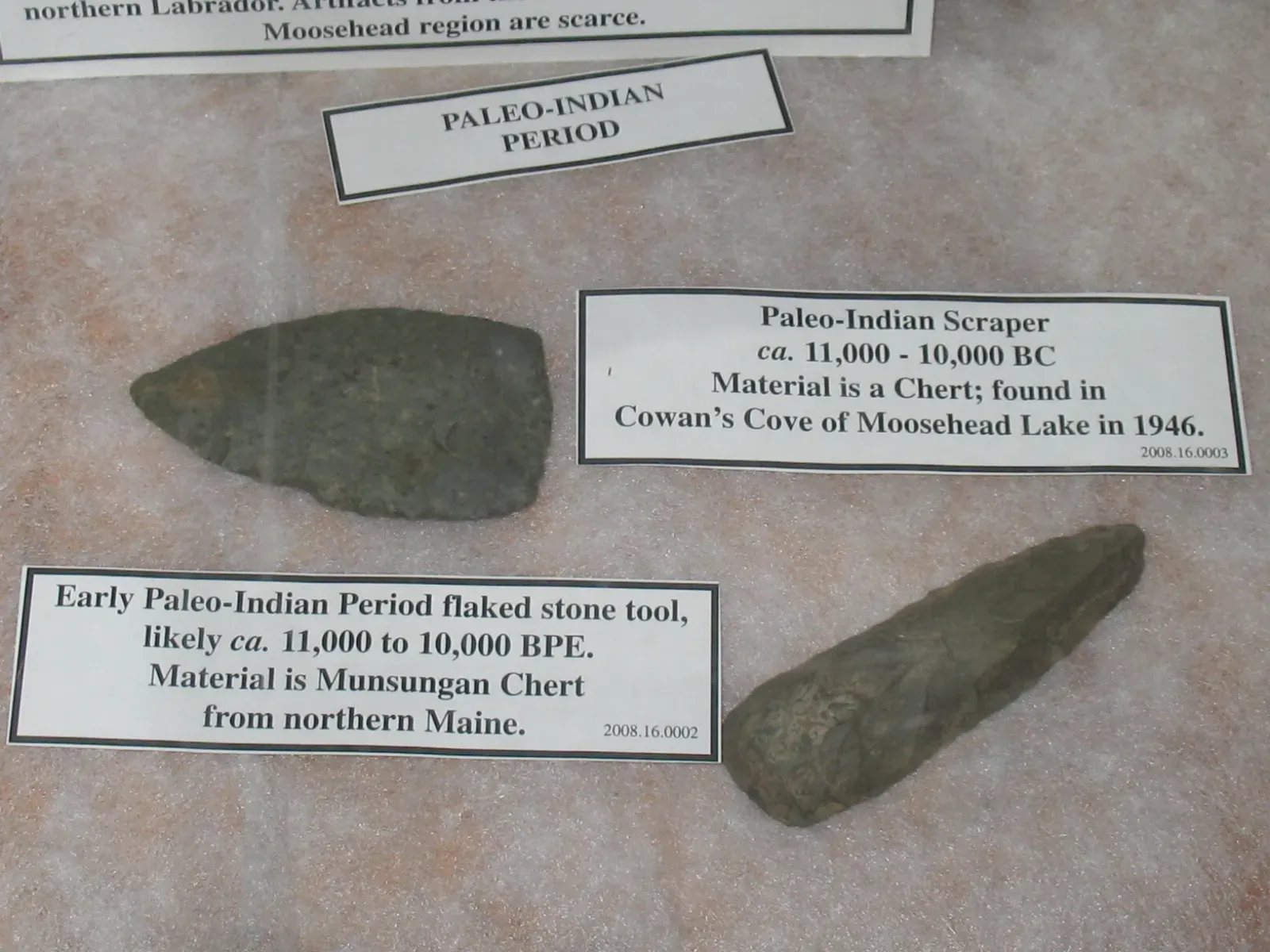
Cooper’s Ferry may offer a glimpse of the tools carried by the first arrivals to the Americas. Many of the spearpoints found there belong to the western stemmed point tradition, smaller and lighter than the hefty Clovis points. Such tools have been found at early sites from British Columbia to Peru, and as far inland as Texas.
Cooper’s Ferry was occupied more than a millennium before melting glaciers opened an ice-free corridor through Canada about 14,800 years ago. That implies the first people in the Americas must have come by sea, moving rapidly down the Pacific coast and up rivers. It’s hard to say for sure, but the evidence is really pushing us toward accepting that these early people were more adventurous seafarers than we gave them credit for.
Chiquihuite Cave Pushes Human Presence Back to 33,000 Years
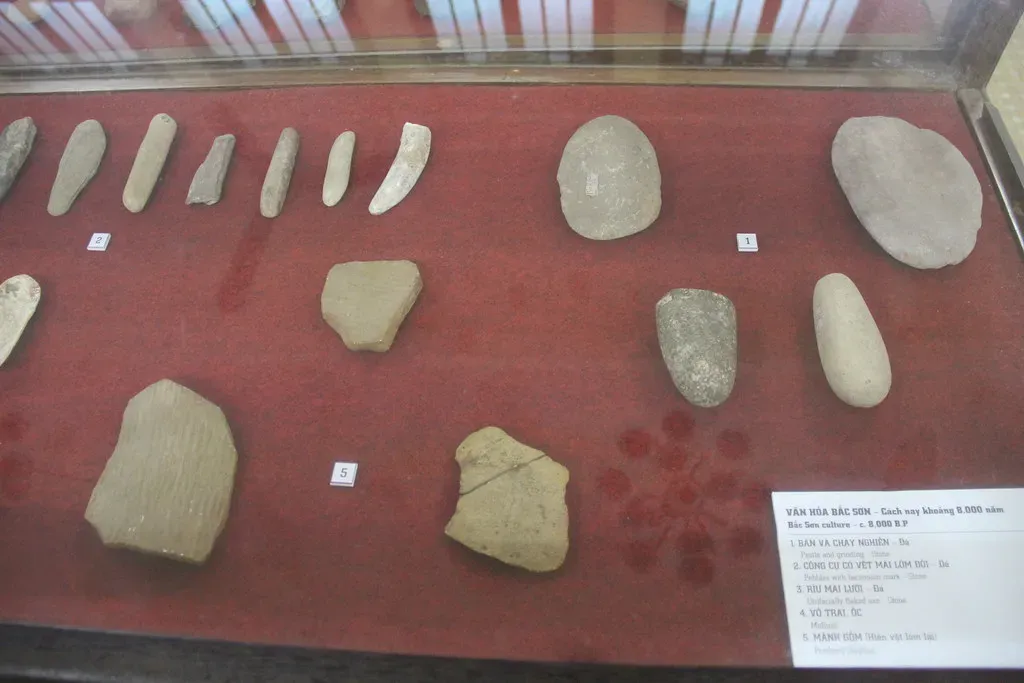
Pieces of limestone from a cave in Mexico may be the oldest human tools ever found in the Americas, and suggest people first entered the continent up to 33,000 years ago. I know it sounds crazy, but the Chiquihuite Cave findings have sparked intense debate in archaeological circles.
Three deliberately shaped pieces of limestone, a pointed stone and two cutting flakes, may be the oldest human tools yet found in the Americas. They are the oldest human tools yet found in the Americas. However, there is scholarly debate over whether the stones are truly artifacts, human-made tools that are evidence of human presence, or if they were formed naturally. Some skeptics aren’t convinced, and that’s fair when you’re dealing with such extraordinary claims.
White Sands Footprints Confirm Early Human Activity
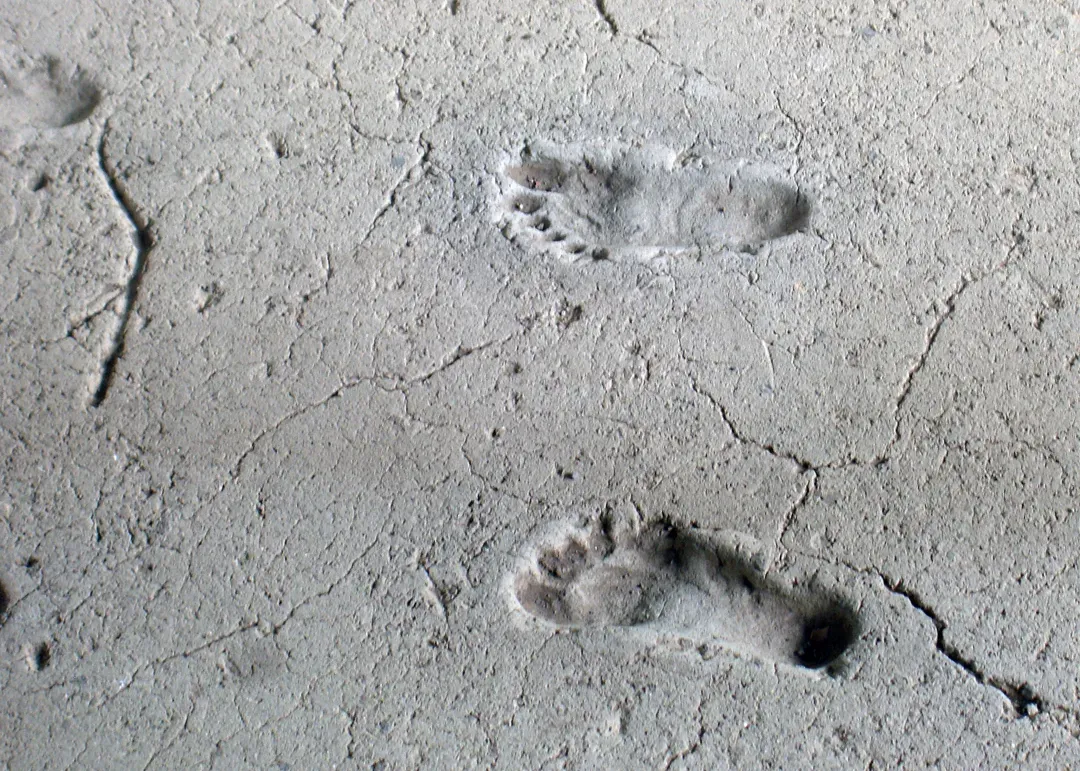
Footprints at White Sands National Park in New Mexico show human activity occurred in the area between 23,000 and 21,000 years ago. This timeline would upend anthropologists’ understanding of when cultures developed in North America. These aren’t just random marks, they’re trackways left by actual people.
The prints are about 10,000 years older than remains found at a site near Clovis, New Mexico, which gave its name to an artifact assemblage long understood by archaeologists to represent the earliest known culture in North America. What’s fascinating is that these footprints provide direct evidence of human presence without needing to debate whether stones were naturally formed or deliberately shaped.
Engraved Stones Reveal Early Artistic Expression
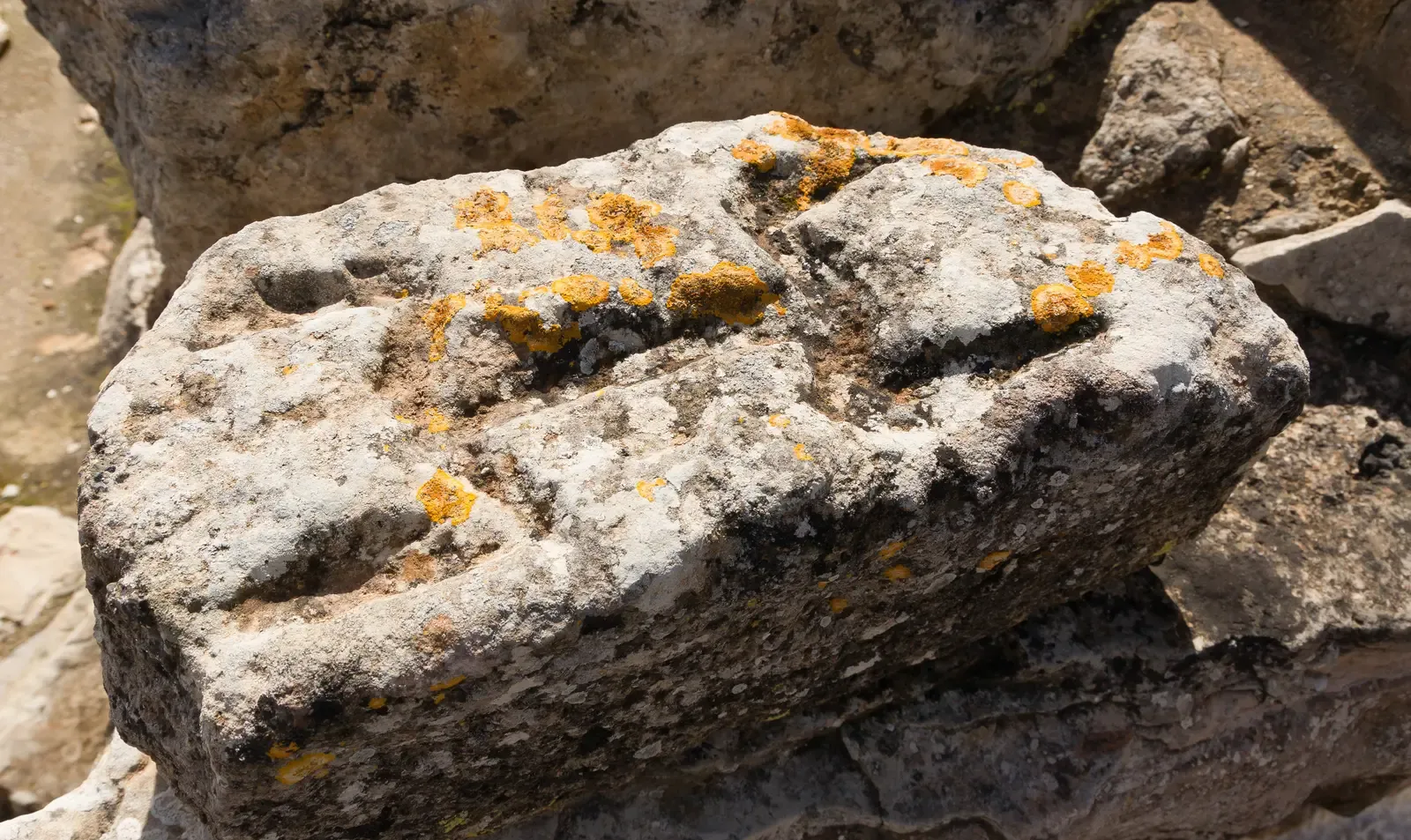
More than 100 incised stones and one engraved bone have been recovered from the Gault site, and the oldest, dating from the Clovis period, may represent the earliest portable art from a secure context in North America. This discovery shows that tool-making wasn’t just about survival, it was about creative expression too.
The Clovis age engraved stones from the Gault Site constitute the earliest securely dated engravings in North America. Early artifacts show the inhabitants incised some of their chert and limestone, scratching delicate fine lines, pyramids, and spirals. The incised stones are the oldest art in the Americas so far. These ancient people weren’t just surviving, they were thinking symbolically and leaving their mark for future generations.
Rimrock Draw Rockshelter and Oregon’s Oldest Evidence
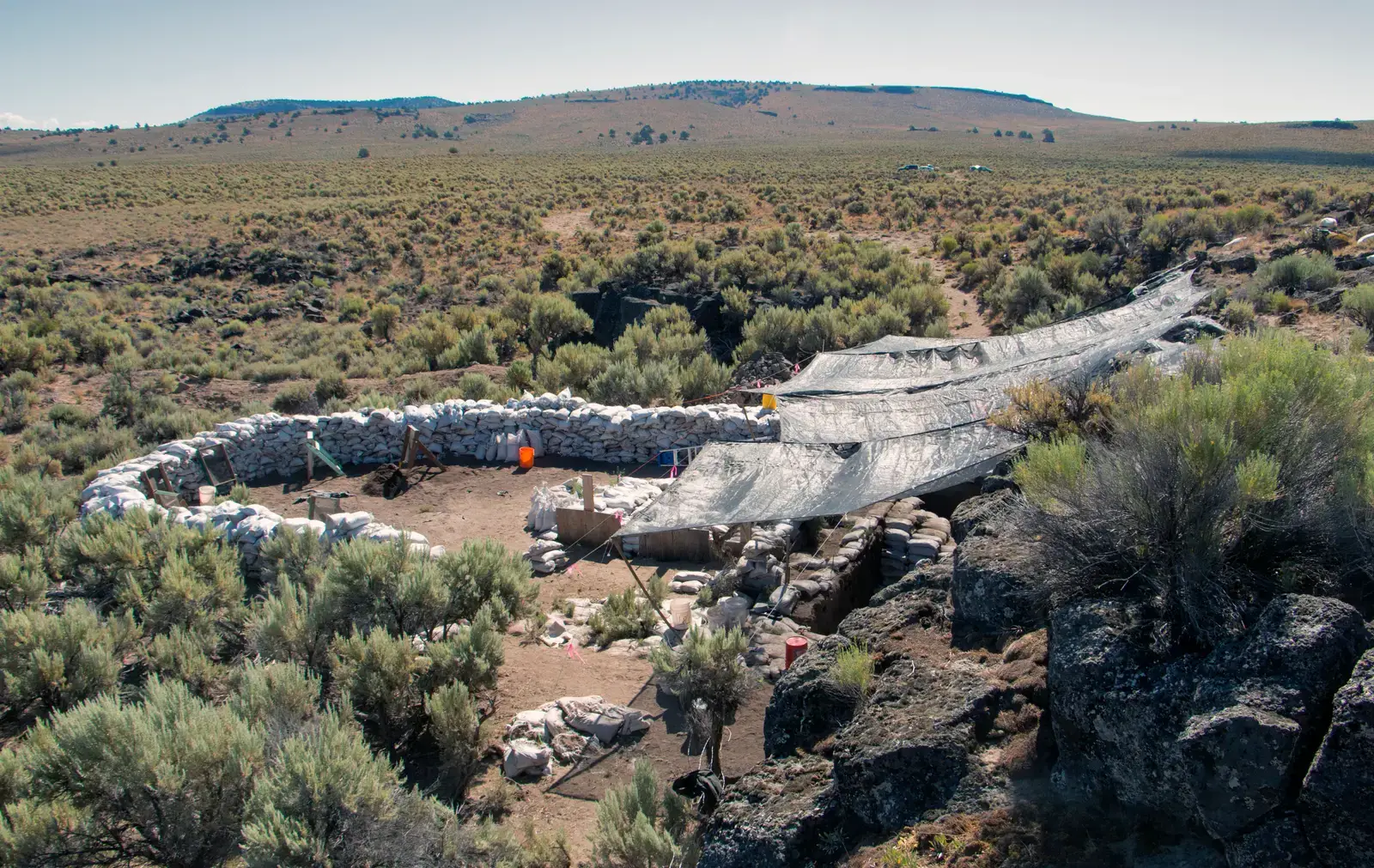
Stone tools unearthed from a rock shelter in Southern Oregon were last used more than 18,000 years ago, according to radiocarbon dating. That makes the site one of the oldest known human living spaces in the Americas. Buried deep beneath a layer of volcanic ash, archaeologists excavating Rimrock Draw Rockshelter found two stone scraping tools skillfully shaped from pieces of orange agate.
A residue of dried bison blood still clung to the edges of one scraper, a remnant of the last bit of work some ancient person had done with the tool before discarding it. That makes the agate scraper, complete with bloody evidence of its use, more than 18,000 years old and one of the oldest traces of human presence in North America. The fact that you can still see blood residue from an animal butchered nearly two hundred centuries ago? That’s mind-blowing.
Conclusion
These eight discoveries paint a dramatically different picture of North America’s ancient past than what textbooks taught just a generation ago. Early humans arrived much earlier than we thought, traveled routes we didn’t expect, and demonstrated remarkable sophistication in crafting their tools. All the signs suggest that the tool-making technology of the Clovis period spread across a population that was already established and indigenous, rather than one that had just arrived. So it looks as if we have a new page of history to write, and an earlier starting date for humans in North America.
The remarkable thing about these findings is how they keep shifting our understanding with each new excavation. There’s still so much buried beneath our feet, waiting to tell stories about the ingenuity and resilience of the continent’s earliest inhabitants. What other secrets do you think are still hidden out there, waiting to be unearthed?