If you grew up loving the Ice Age movies, it’s easy to think of woolly mammoths as oversized, slightly grumpy, lovable mascots of the frozen past. The reality is even wilder. These were tough, highly adapted giants that survived brutal winters, shifting climates, and hungry predators long before humans figured out farming.
What really blows my mind is how much we’ve learned about them only in the last few decades. Frozen mammoth bodies pulled from the Siberian permafrost still have skin, stomach contents, and even intact cells, turning them into something like time capsules from the Ice Age. The more scientists study them, the more it feels like the line between the past and present is thinner than we thought.
They were basically furry, cold-proof elephants engineered by nature
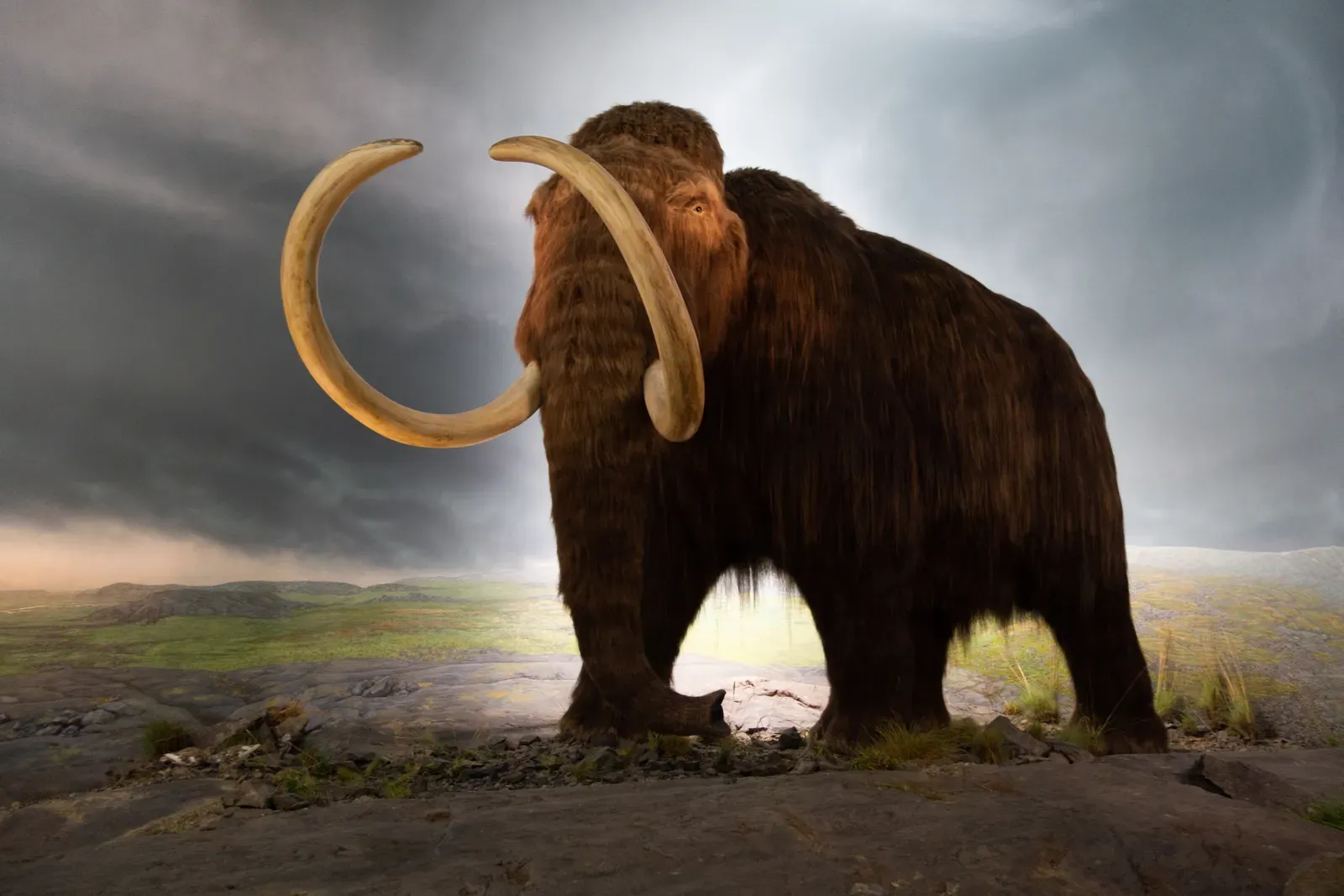
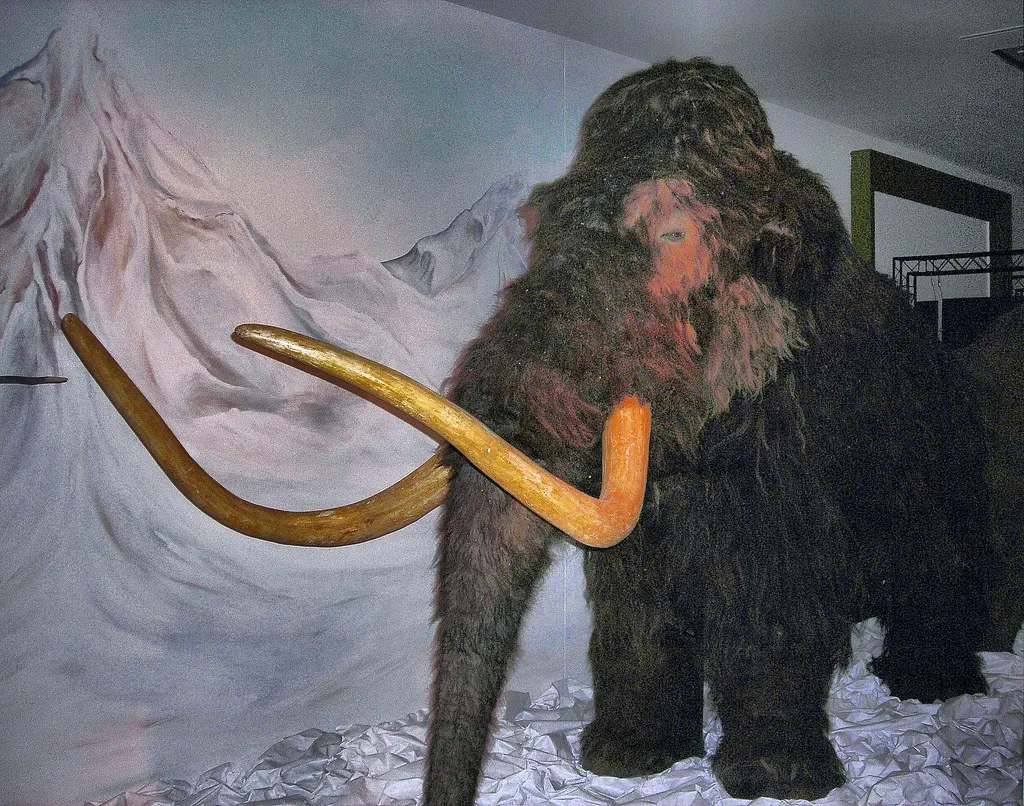
Imagine an elephant in a full-length, shaggy winter coat, with built‑in snow boots and a face mask, and you’re not far off from a woolly mammoth. They had long, dense outer hair and a softer underwool that worked like a double-layer parka, trapping warm air close to the skin. Under that hair was a thick layer of fat, acting as insulation and energy storage in a world where food could be scarce for months.
Even their ears and tails were redesigned for the cold: short and compact so they lost less heat and were less likely to get frostbite, unlike the big, flappy ears of today’s African elephants. Their trunks likely had special adaptations to help warm incoming air as they breathed in subzero temperatures. When you put it all together, it feels less like a random animal and more like nature spent a few million years fine‑tuning a perfect survival suit for the Ice Age.
Their giant curved tusks were multipurpose survival tools, not just decoration
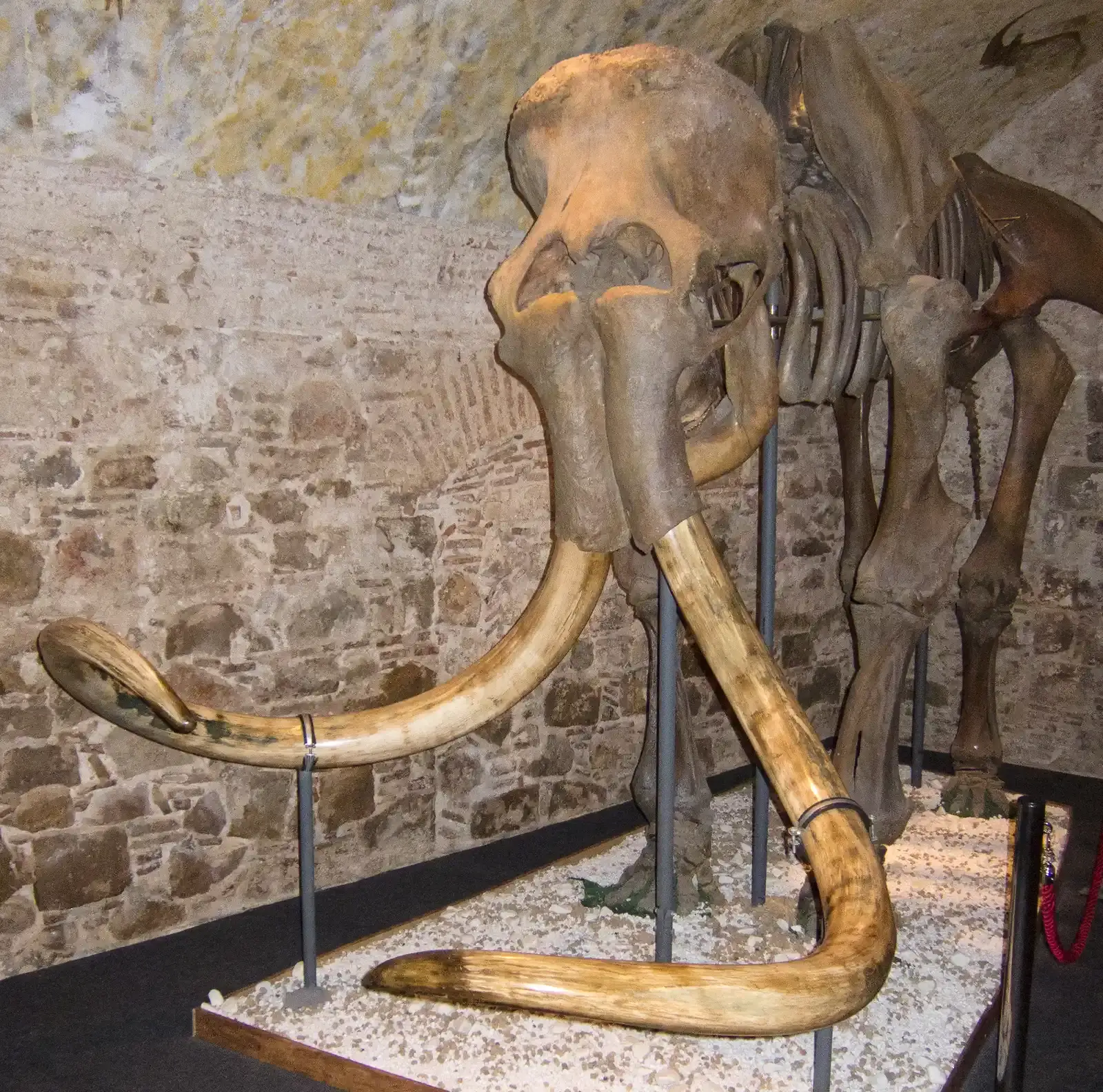
Those enormous, spiraling tusks you see in museum skeletons were not just for show; they were serious hardware. Some tusks were longer than a tall human, gently curving in wide arcs that grew more twisted with age. Scientists think mammoths used them for fighting rivals, impressing mates, and defending themselves against predators, much like modern elephants do.
But there’s a cooler, more practical side: evidence from wear patterns suggests they used their tusks like snowplows, sweeping aside deep snow to reach buried grasses and shrubs. You can picture a herd on a windswept plain, pushing through drifts the way we might lift a car hood, revealing the frozen “salad bar” underneath. In a landscape where a few extra inches of snow could mean starvation, those tusks were the difference between life and death.
They did not all die at once – some were still around during ancient Egyptian times
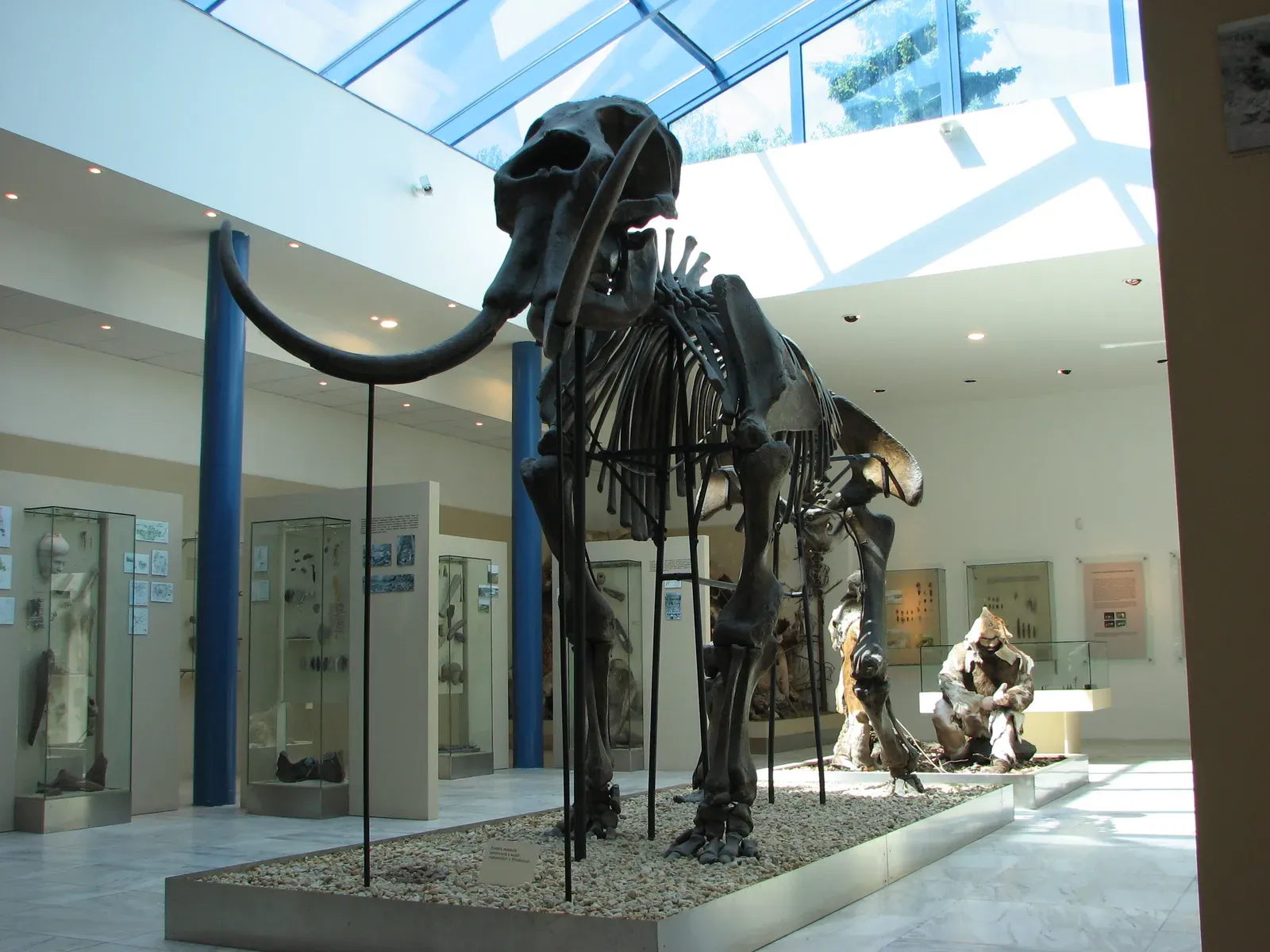
There’s a common mental picture that mammoths vanished in one dramatic Ice Age disaster, like someone flipped a switch and they were gone. In reality, most mainland woolly mammoths died out at the end of the last Ice Age, but some small, isolated populations hung on for thousands of years afterward. One famous group lived on Wrangel Island, off the Siberian coast, surviving until only about four thousand years ago.
To put that into perspective, there were still woolly mammoths walking around on that island when humans were building pyramids in Egypt. That time overlap is unsettling in the best way: these “prehistoric” animals were not fully prehistoric at all. It makes mammoths feel less like distant fossils and more like late, lost neighbors who stuck around almost long enough to appear in our written history.
We know shocking details about their lives because their bodies were frozen like time capsules
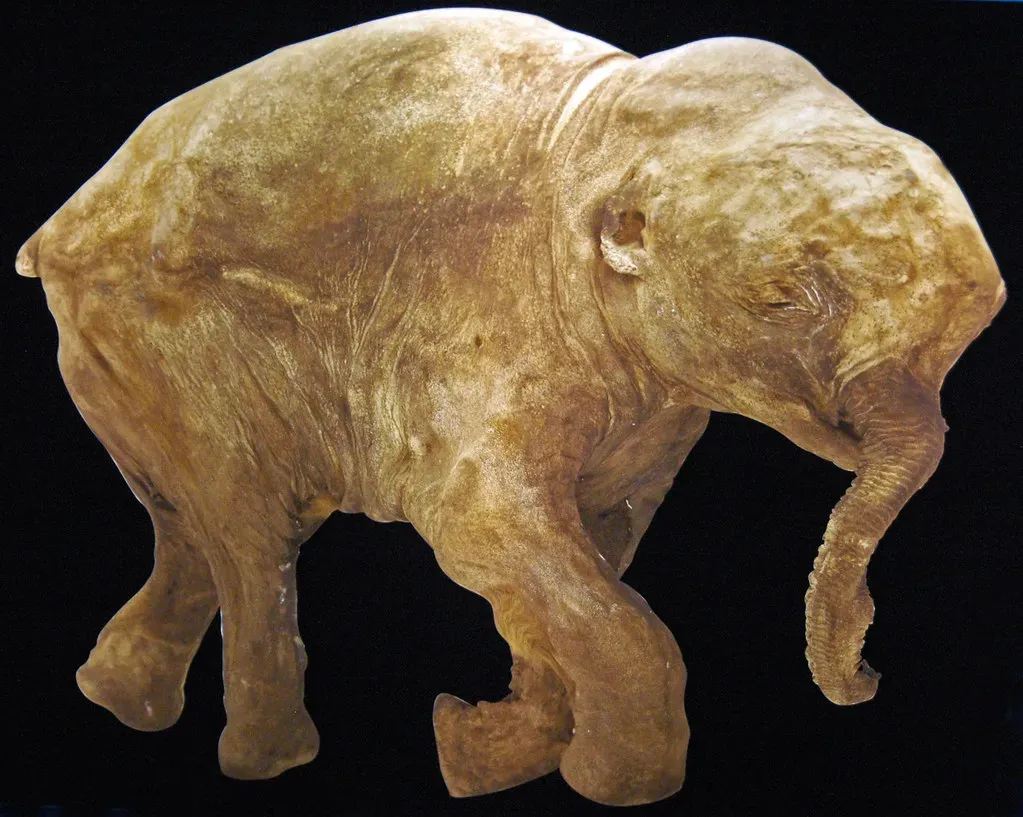
Unlike dinosaurs, which we mostly know from stone‑hard bones, mammoths sometimes show up in permafrost practically recognizable as animals. Scientists have excavated frozen mammoth carcasses with preserved skin, muscles, organs, and even stomach contents that still show what they were eating shortly before they died. In some rare cases, their hair color and individual strands are still there, as if they just lay down in the snow.
This level of preservation lets researchers study everything from disease signs in their tissues to the exact types of plants they grazed on. It also gives us direct clues about their environment, like trapped pollen grains and microscopic organisms from the Ice Age world. As strange as it sounds, you can almost read a mammoth’s last days like a forensic report, not just guess from scattered bones and footprints.
Their world was more like a cold grassland than a solid sheet of ice
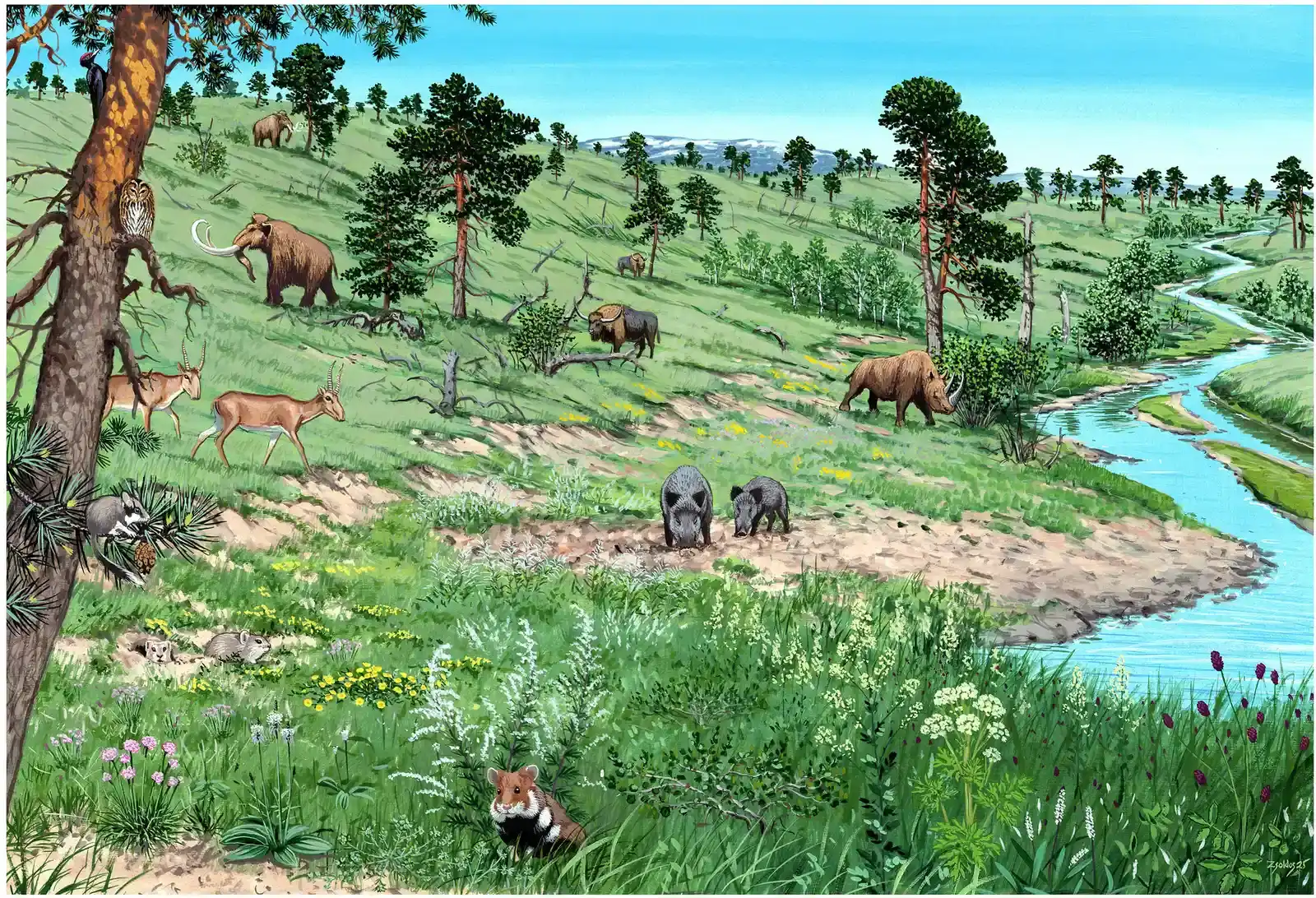
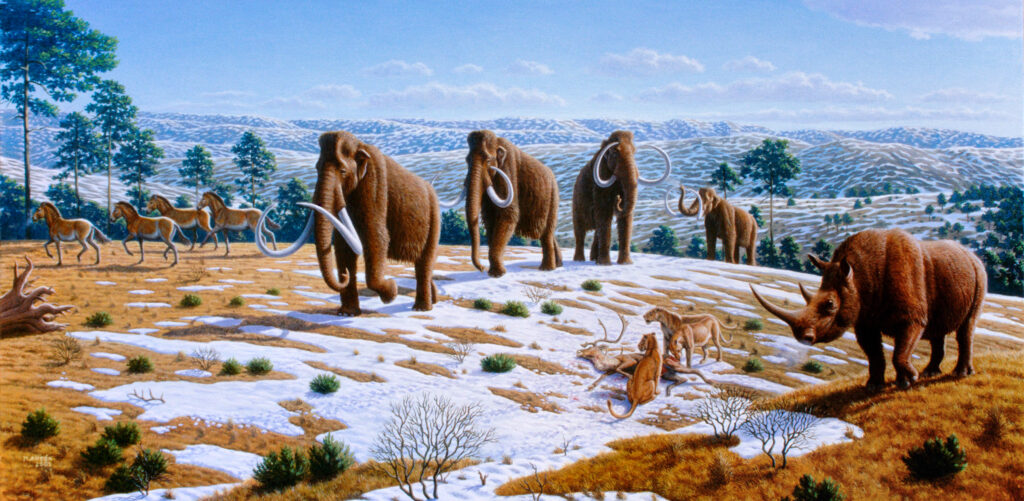
Because of pop culture, many people imagine mammoths trudging across endless white ice, like the whole planet was one giant skating rink. The truth is more interesting: much of the mammoth’s range was a dry, cold grassland sometimes called the “mammoth steppe,” stretching across parts of Europe, Asia, and North America. It was more like a frozen version of a prairie than a smooth, icy wasteland.
This steppe was full of hardy grasses, herbs, and low shrubs that could survive severe winters and short summers. Mammoths were basically massive lawnmowers, roaming and grazing across this ecosystem alongside woolly rhinos, wild horses, and other big herbivores. Instead of just surviving a frozen desert, they lived in a busy, productive landscape that looked more like a tundra‑savanna mash‑up than a movie set.
Woolly mammoths were not really solitary, lumbering loners; they probably lived in complex social groups, a bit like modern elephants. Evidence from bone beds and trackways suggests herds moved together, and the presence of different age groups found in the same places hints at family structures. It is very likely that older females led groups of related females and calves, guiding them to feeding grounds and teaching them how to survive harsh seasons.
They shared the planet – and sometimes the artwork – with early humans
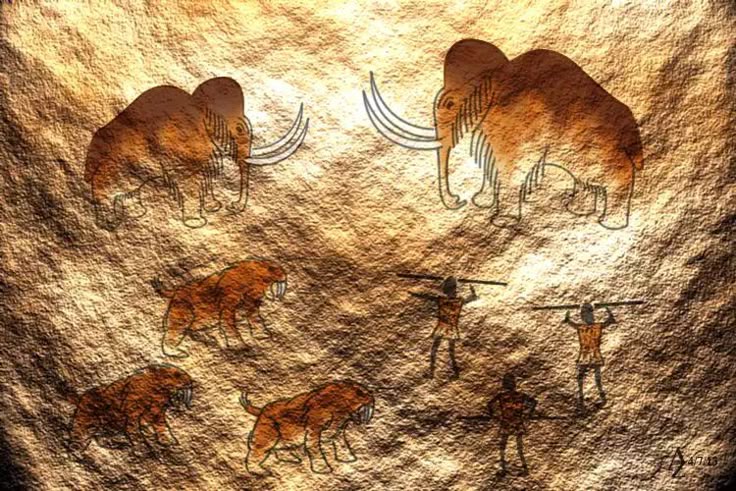
When you look at Ice Age cave art or carved bones from Europe and Asia, woolly mammoths show up again and again. Early humans did not just hunt them; they watched them closely enough to sketch their curved backs and long tusks in surprising detail. Mammoth bones and tusks were also used as building materials, tools, and even ornaments, especially in regions where trees were scarce.
This close relationship means mammoths were more than background wildlife; they were a major part of human survival strategies. People organized dangerous hunts to bring one down, which could feed groups for a long time, provide hides for shelter, and bones for structures. I find it haunting that our ancestors might have huddled under mammoth‑bone frames, telling stories about the very creatures whose remains sheltered them from the cold.
Climate change and humans together likely pushed them over the edge
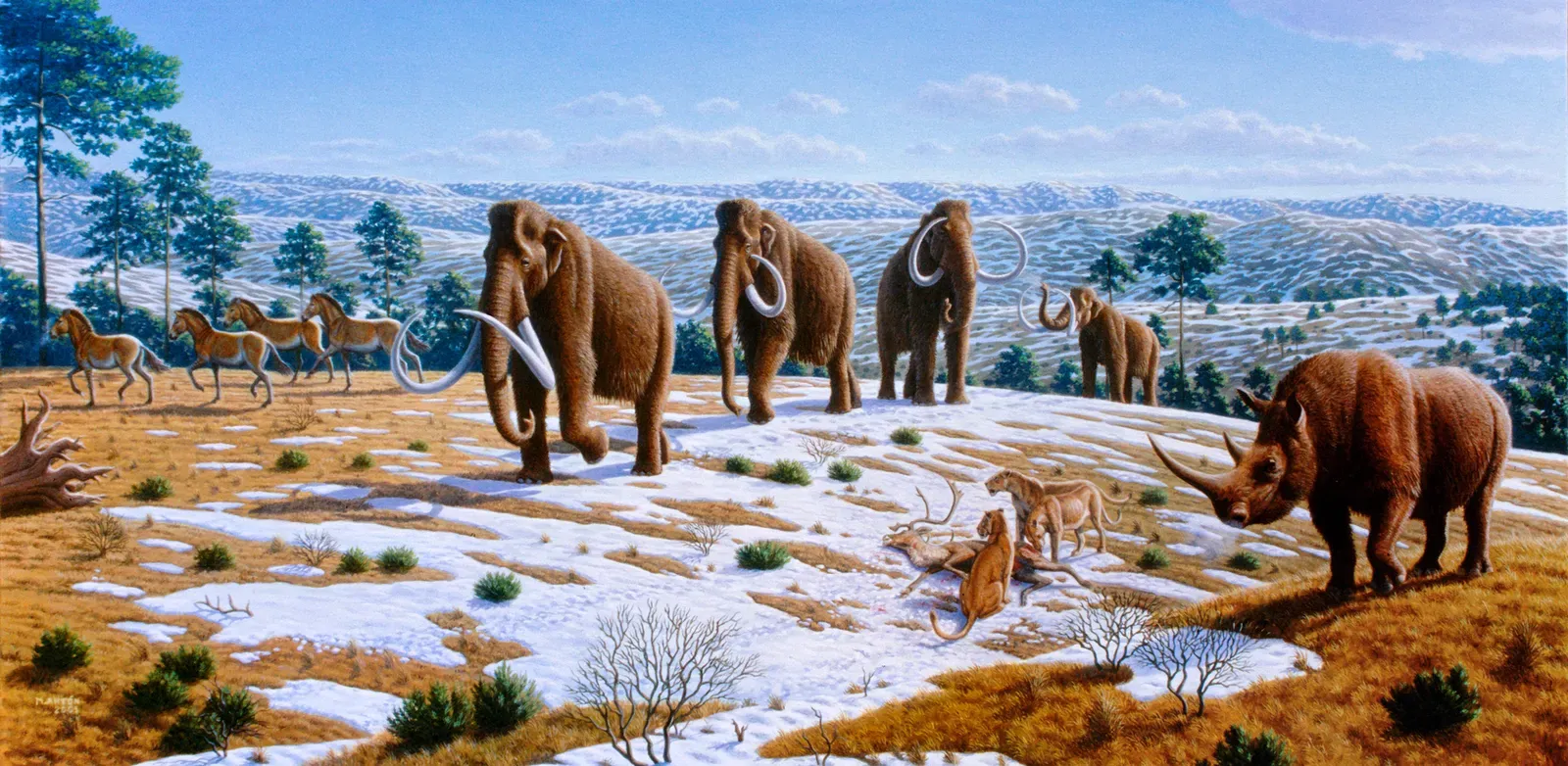
For a long time, there was a heated argument about what really killed off the woolly mammoths: warming climate or human hunting. Today, the best evidence points toward a combination of both. As the Ice Age ended and temperatures rose, their grassland habitat shrank and fragmented, replaced by forests and wetlands that were less ideal for massive grazers like mammoths.
At the same time, humans were spreading into more of their territory, armed with increasingly effective hunting tools and strategies. This double pressure of less habitat and more hunting probably created a slow but relentless squeeze. It is a sobering reminder that big, tough animals are not invincible; when rapid environmental change and human impact hit together, even giants can fall surprisingly fast.
Scientists are seriously exploring whether mammoth-like animals could walk the Earth again
One of the most jaw‑dropping twists in the woolly mammoth’s story is that their extinction might not be the final chapter. Because we have frozen remains with recoverable DNA, several research teams are exploring ways to create mammoth‑like elephants using genetic engineering. The basic idea is to take the genome of an Asian elephant, edit in key mammoth genes that help with cold adaptation, and eventually produce animals that behave and look similar to woolly mammoths.
Supporters argue this could help restore lost Arctic ecosystems by bringing back a large grazer that tramples snow and shapes vegetation, while critics worry about ethical and ecological consequences. Personally, I think we should be brutally honest about why mammoths vanished in the first place before we even think about reviving them. The possibility that future generations might stand face to face with a mammoth‑like creature is thrilling, but it also feels like a test of whether we have learned anything from the past or are just replaying an old story with flashier tech.
Conclusion: Mammoths are a mirror, not just a monster from the past
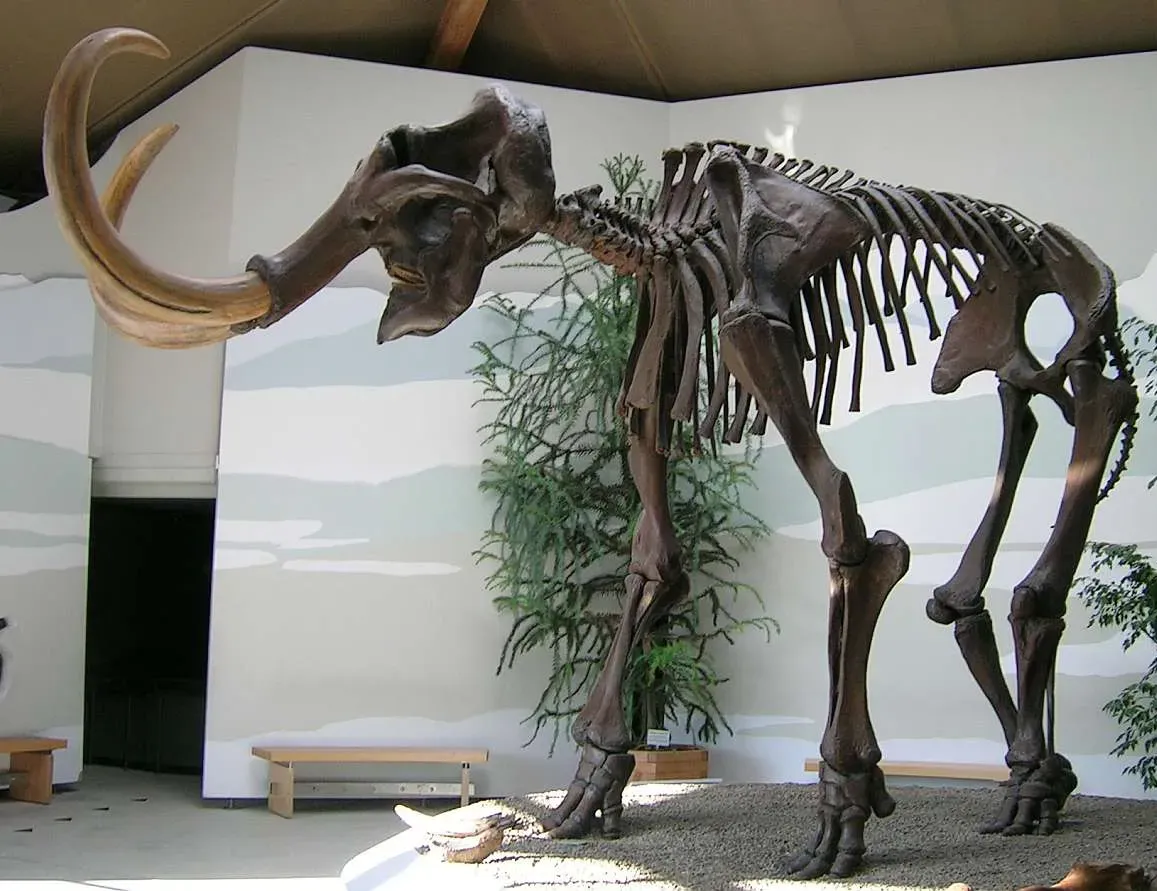
When you strip away the cartoon versions and look at the real science, woolly mammoths stop feeling like distant, mythical beasts and start looking more like a mirror held up to our own world. They thrived in a changing climate, shaped their environment, formed complex societies, and then disappeared when the pace of change and human pressure became too much. Their story is less about a freak animal from a frozen age and more about how fragile even the most impressive lifeforms can be.
I think that is why mammoths still grip our imagination so hard in 2026, from museum halls to genetic labs. They sit right on the line between gone forever and maybe, just maybe, not entirely out of reach. For me, the most important question is not whether we can bring something mammoth‑like back, but whether we have the humility to protect the living giants and fragile ecosystems we still have. When you picture those shaggy titans ghosting across the snow, do you see a fun Ice Age character, or a warning written in fur and bone about what happens when we push nature too far?