Picture yourself walking through the dusty badlands of Wyoming, where the wind has worn away layers of rock like pages in Earth’s oldest book. Beneath your feet lie secrets that revolutionized everything we thought we knew about dinosaurs. This vast state, with its rolling plains and ancient geological formations, has served as a paleontological treasure chest for nearly 150 years.
Wyoming’s contribution to dinosaur science is nothing short of extraordinary. From the first major dinosaur bone rush to discoveries that redefined entire species, the Cowboy State has consistently delivered fossils that made headlines around the world. Each discovery tells a story not just of ancient creatures, but of the dedicated scientists who risked everything to uncover them. These finds didn’t just add names to textbooks – they fundamentally altered our understanding of life on Earth.
The Great Bone Wars at Como Bluff
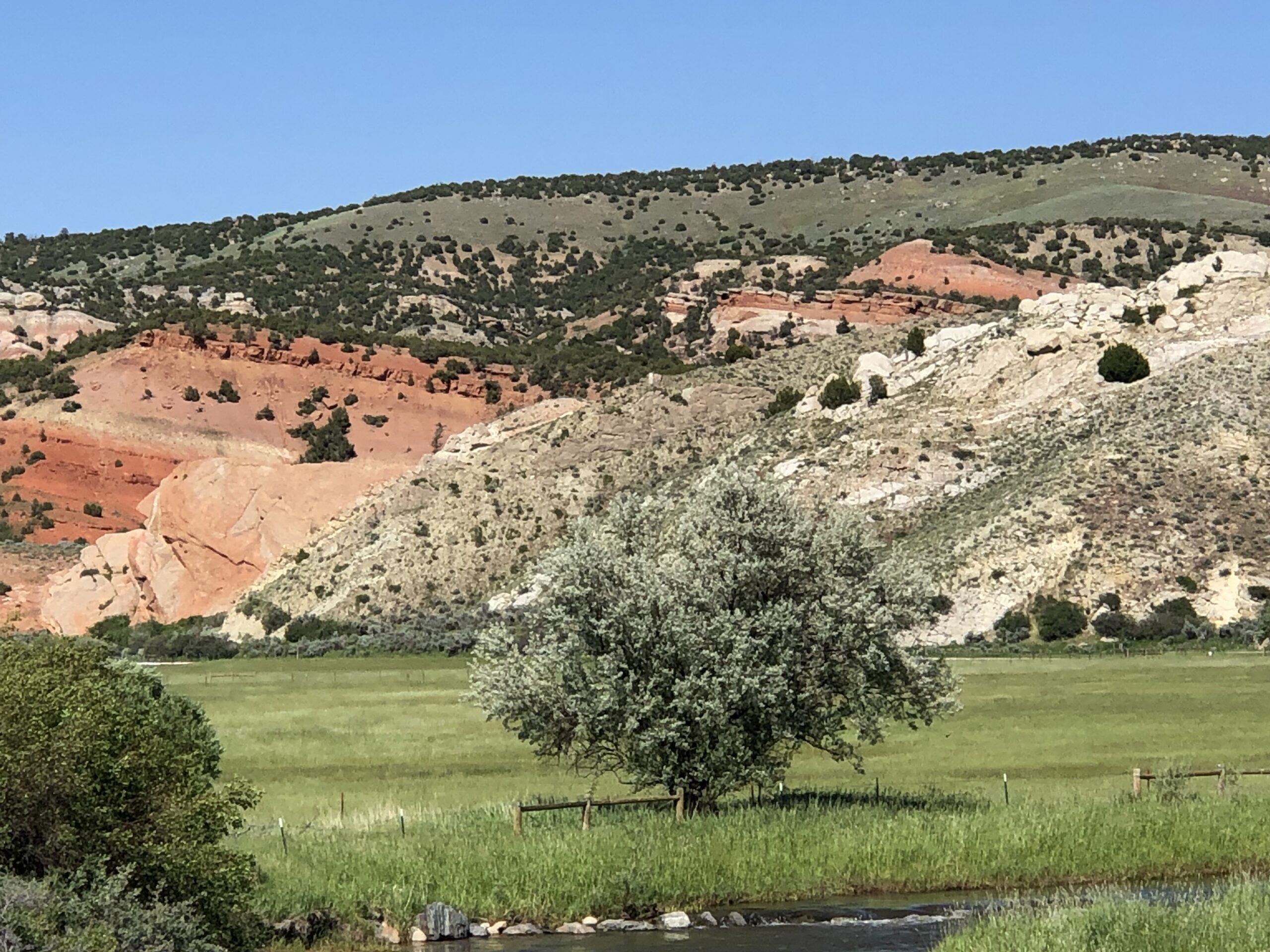
In 1877, employees of the Union Pacific Railroad found large bones weathering out of the hills at Como Bluff near Medicine Bow, Wyoming, and wrote to paleontologist Othniel C. Marsh of Yale College. Within a year, teams working for both Marsh and his rival Edward D. Cope were excavating tons of fossil bones for shipment east. This discovery sparked what would become known as the “Bone Wars,” one of the most bitter scientific rivalries in American history.
Como Bluff was the site of one of the first major discoveries of dinosaur remains in the world, receiving notoriety because of the sheer number of bones found there and the exceptional preservation of the dinosaur skeletons. The competition between Marsh and Cope became so intense that their field crews would literally smash fossils to prevent the other team from getting them. Diggers smashed bones in the quarries of the other teams and even in their own to avoid thefts.
The First Complete Apatosaurus Discovery
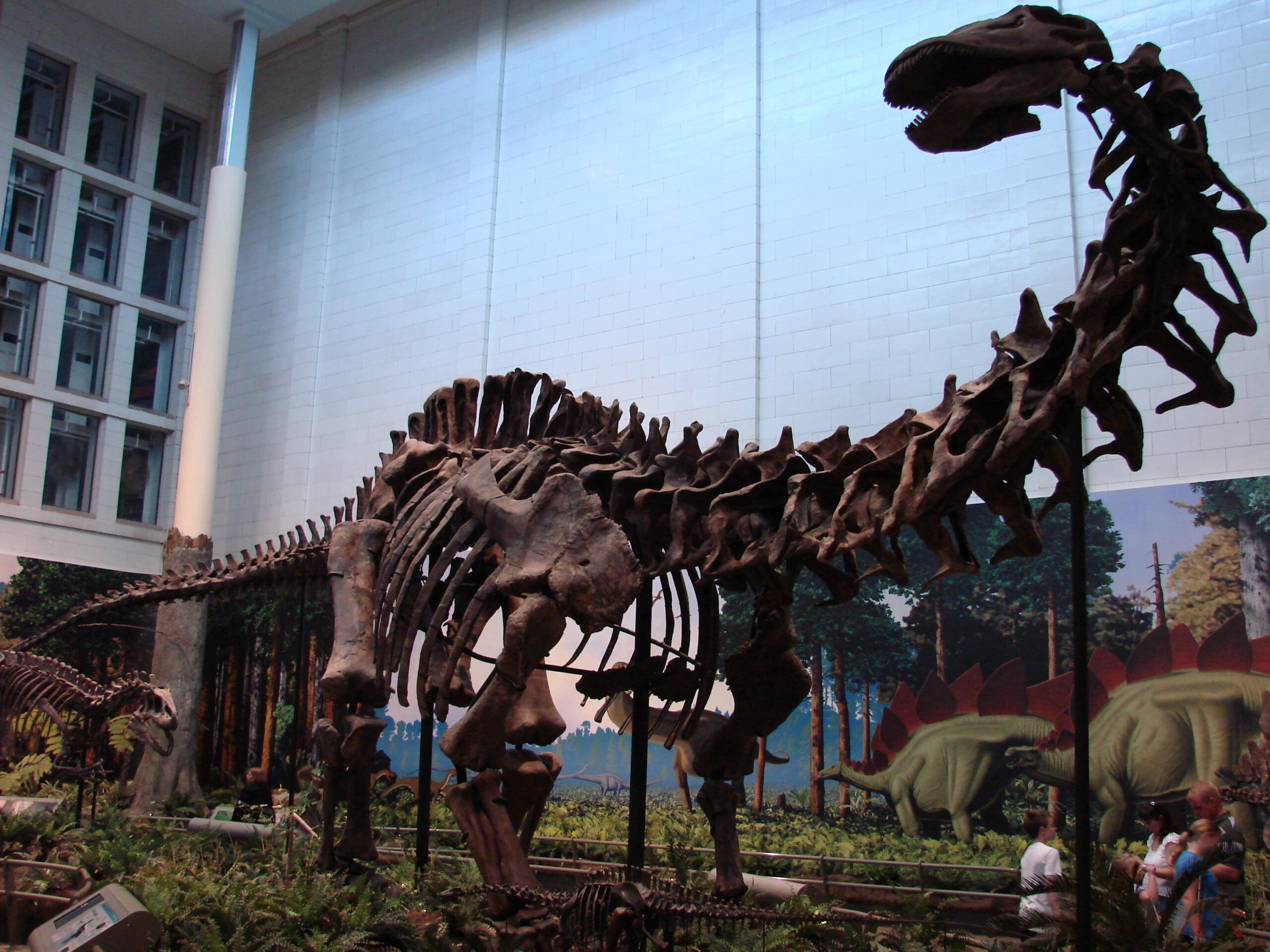
Among the most significant finds from Como Bluff was a specimen that would become world-famous under a different name. A well-preserved partial skeleton of what Marsh named as Brontosaurus was found by Reed in 1879. This dinosaur now on display at the Yale Museum in Connecticut is currently referred to as Apatosaurus. This discovery was revolutionary because it gave scientists their first glimpse of what a complete long-necked sauropod looked like.
The confusion between Apatosaurus and Brontosaurus would persist for over a century, creating one of paleontology’s most famous naming controversies. O. C. Marsh named the two Morrison sauropods Apatosaurus and Brontosaurus in the late 19th century, but in 1903 they were determined to be the same animal. The name Brontosaurus was declared invalid since Apatosaurus was named first. This Wyoming fossil became the foundation for understanding sauropod anatomy and behavior.
Diplodocus carnegii – The World’s Most Famous Dinosaur
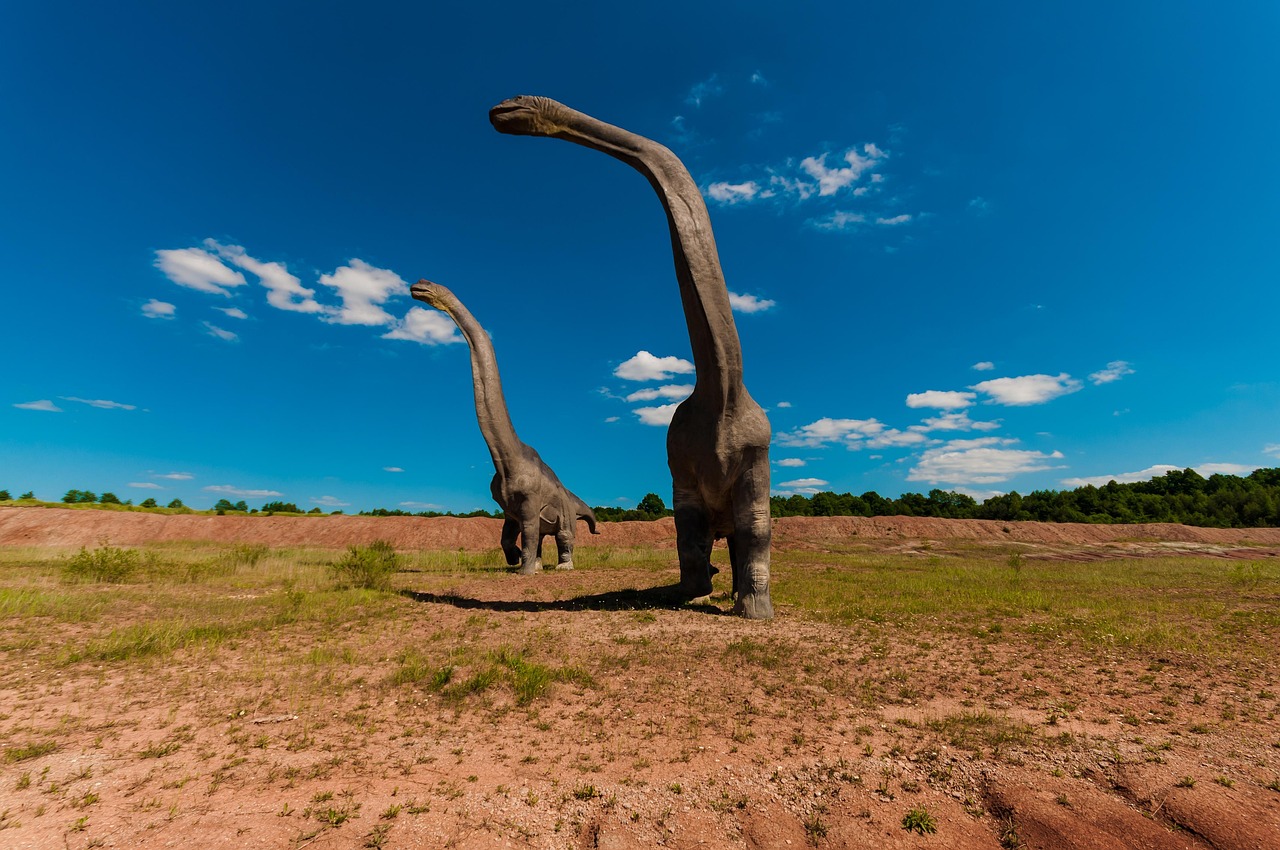
On July 4, 1899, a Diplodocus was found at Sheep Creek about 25 miles north of Como Bluff. This fossil was one of the first large specimens collected for the budding Carnegie Museum of Pittsburgh, Pa. When Andrew Carnegie paid to have the skeleton replicated and copies sent to museums in Britain, Europe and Argentina, he made it perhaps the most famous dinosaur ever to come from Wyoming.
This single discovery transformed public perception of dinosaurs worldwide. Millions of people first heard of dinosaurs and paleontology by seeing a mount of Diplodocus carnegii. The Carnegie replicas introduced dinosaurs to international audiences, establishing these ancient creatures as symbols of natural wonder and scientific achievement. The original Wyoming specimen became the template for dinosaur exhibits in museums across the globe.
The First Jurassic Mammal from North America

While dinosaurs grabbed the headlines, Wyoming also yielded equally important discoveries about early mammals. They made another significant find, Dryolestes priscus, the first Jurassic mammal known from North America. This tiny creature, no bigger than a modern shrew, revolutionized understanding of mammalian evolution during the age of dinosaurs.
In early 1878, Marsh was ecstatic to find that one of his men had uncovered a fossil from a Jurassic mammal. Within a year, the historic Quarry 9 at Como was discovered, producing an astounding 250 specimens, which increased the knowledge of Jurassic mammals exponentially. These discoveries proved that mammals had already diversified significantly while dinosaurs dominated the landscape, fundamentally changing our understanding of Mesozoic ecosystems.
Stegosaurus ungulatus – The Armored Giant
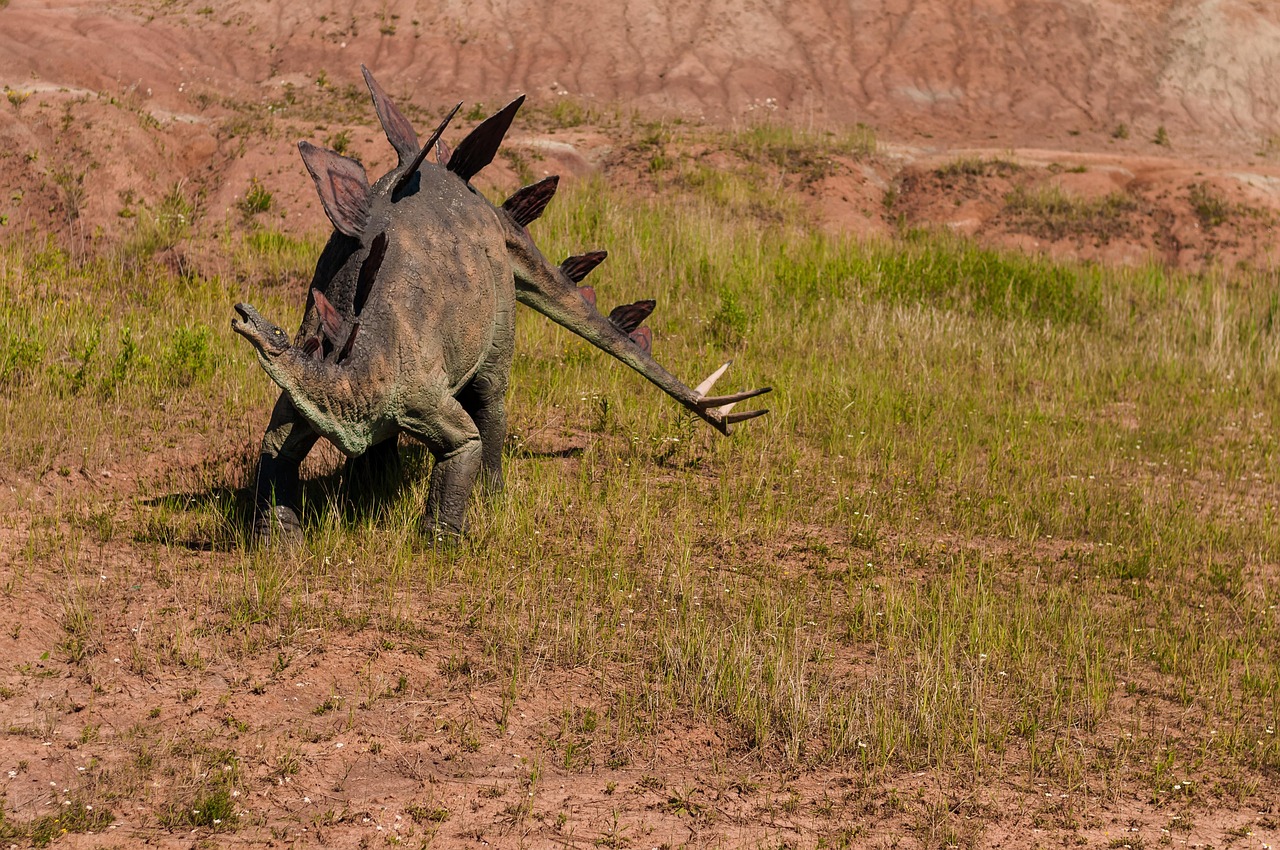
They discovered the fossils of a new Stegosaurus species here, S. ungulatus. This discovery was particularly significant because it provided the first detailed look at stegosaur anatomy and defensive adaptations. The Wyoming specimens showed clear evidence of how these armored dinosaurs used their distinctive plates and tail spikes.
The Como Bluff Stegosaurus finds helped establish Wyoming as a premier location for understanding herbivorous dinosaurs. Other large herbivores that inhabited the area during the late Jurassic period included the Stegosaurus (known for its heavy armor), and Camptosaurus, Laosaurus, and Dryosaurus. These discoveries painted a picture of diverse plant-eating communities that supported massive predators like Allosaurus.
Big Al – The Most Complete Allosaurus Ever Found
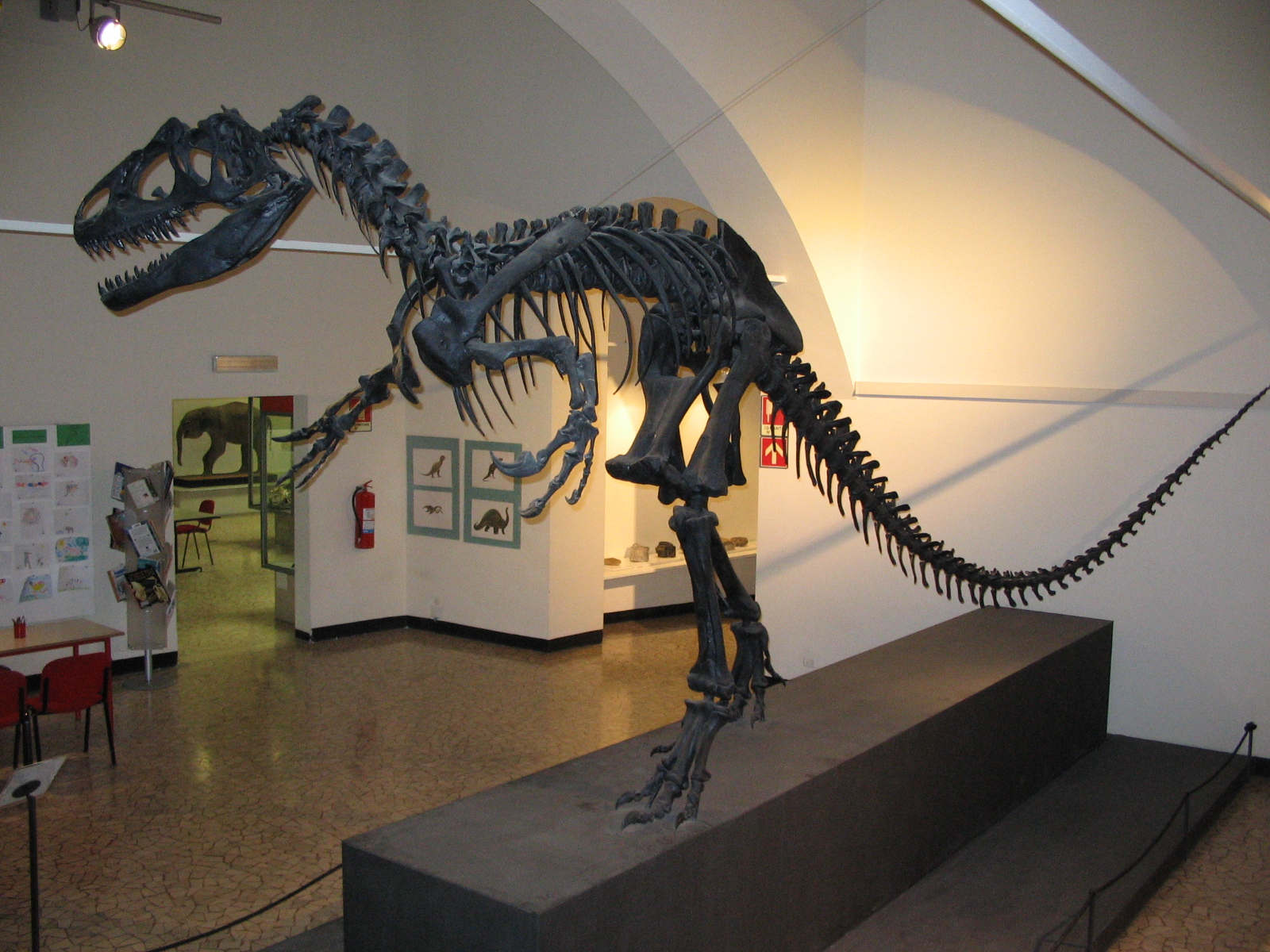
Big Al is the name given to a fossilized Allosaurus fragilis skeleton that was found near Howe Quarry in Wyoming in 1991. The skeleton was unusually well preserved over 95 percent of the bones were found and they were all in the same positions as when the animal had died. This discovery was unprecedented in its completeness and preservation quality.
Nineteen of the bones showed signs of pathology, and were either broken or showed evidence of infection. Rebecca Hanna identified 19 bones with preserved injuries and diseases, including several broken ribs, an injured hand and a massive pus-filled growth on the middle toe of the right foot. Big Al’s tragic life story, preserved in bone, provided unprecedented insights into dinosaur behavior, injury, and disease. The discovery of “Big Al” and associated fossils helped prompt an effort to revise fossil law and limit commercial collecting on public land.
Red Gulch Dinosaur Tracksite – Ancient Highway Discovery
In 1997, the Red Gulch Dinosaur Tracksite, the largest in Wyoming, was discovered in the Sundance Formation southwest of Shell, the tracks apparently representing a large herd of dinosaurs moving along a beach. This discovery was revolutionary because it provided direct evidence of dinosaur behavior and movement patterns rather than just skeletal remains.
The Red Gulch Dinosaur Tracksite is the largest tracksite in Wyoming and one of only a few worldwide from the Middle Jurassic Period. Until the tracks were reported in 1997, most scientists thought the entire Bighorn Basin and most of Wyoming was covered by an ancient ocean called the Sundance Sea. The discovery completely changed scientific understanding of Wyoming’s Jurassic environment, proving that large land areas existed to support thriving dinosaur populations.
Ahvaytum bahndooiveche – Rewriting Dinosaur Origins
Radioisotopic dating revealed the fossils to be around 230 million years old, making it one of the oldest fossilized remains of a dinosaur ever discovered and the oldest ever found in North America. Paleontologists from the University of Wisconsin Madison made a discovery that changes everything we know about the early history and migrations of dinosaurs across Pangea.
The prevailing belief that dinosaurs first appeared in the southern part of the Pangea supercontinent and then spread northward millions of years later is being thrown into question. Its age coupled with its presence in Wyoming suggests that it emerged in both hemispheres of Pangea at nearly the same time, instead of the previously held belief of it slowly moving northward from the South. Even its name, Ahvaytum bahndooiveche, is a reference to its historical significance. As it was discovered in the ancestral lands of the Eastern Shoshone Tribe, a Native American group that primarily lived in Wyoming, the tribe was asked to collaborate on its name.
Conclusion
Wyoming’s contributions to paleontology extend far beyond simple fossil collecting – they’ve fundamentally reshaped our understanding of dinosaur evolution, behavior, and extinction. From the chaos of the Bone Wars to the precision of modern scientific excavations, this state has consistently delivered discoveries that challenge established theories and open new avenues of research.
The legacy of these eight discoveries continues today, as new technologies allow scientists to extract even more information from specimens collected decades ago. Big Al’s bones are still being studied with advanced imaging techniques, while the Red Gulch tracksite continues to yield new insights about dinosaur social behavior. Each discovery builds upon the last, creating an ever-more-complete picture of life in the Jurassic.
What makes Wyoming’s dinosaur discoveries truly special isn’t just their scientific importance – it’s how they captured the public imagination and transformed dinosaurs from obscure fossil fragments into beloved cultural icons. Did you ever imagine that a single state could hold so many keys to understanding our planet’s prehistoric past?